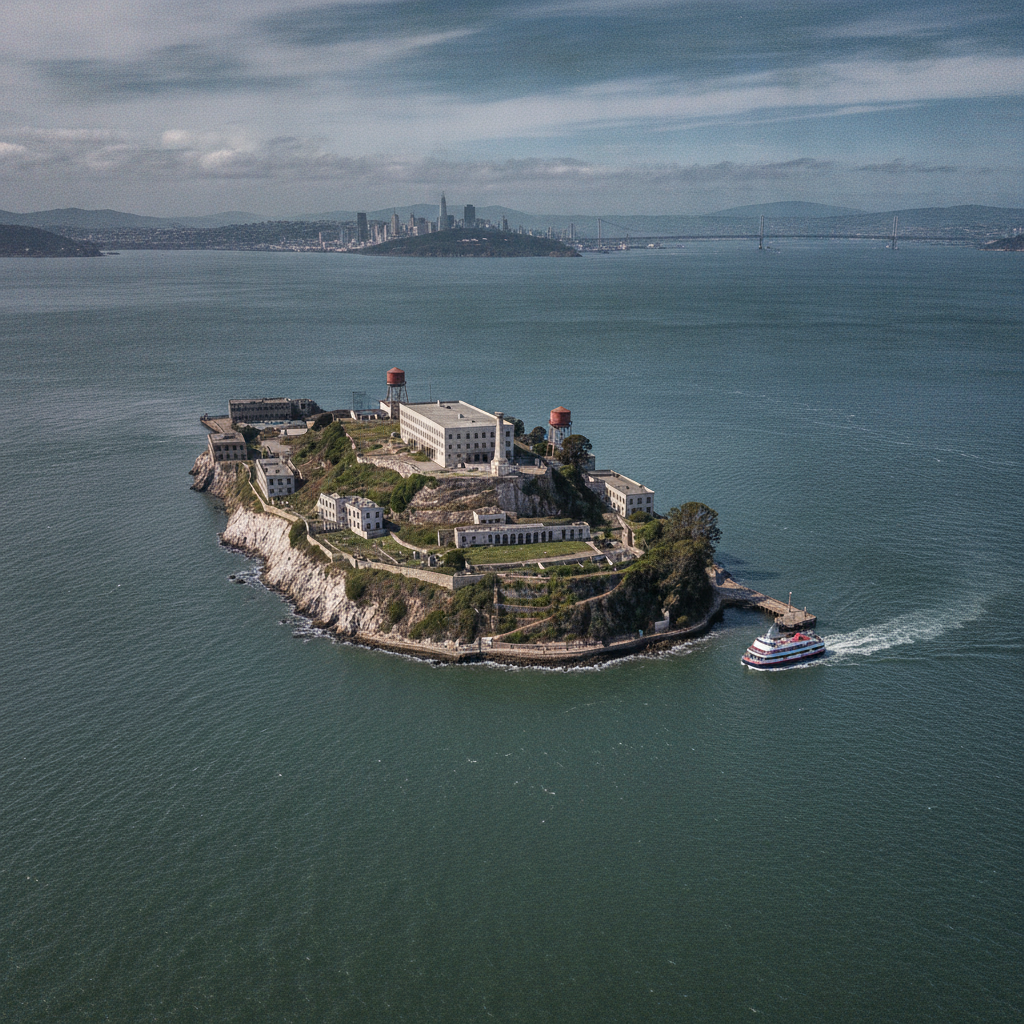
Fisherman's Wharf, Pier 39, Cable Cars & Chinatown
Der touristische Kern des nördlichen San Francisco — die Uferpromenade vom Fisherman's Wharf bis zum Ferry Building, verbunden mit dem Stadtzentrum durch die Seilbahnlinien Powell-Hyde und Powell-Mason — umfasst die ikonischsten Elemente des öffentlichen Bildes von San Francisco: die Seelöwen von Pier 39, die Dungeness-Krabben des Wharf, die viktorianischen Cable Cars, die den Nob Hill hinauffahren, und die dichten Geschäftsstraßen der ältesten und etabliertesten chinesisch-amerikanischen Gemeinde in den Vereinigten Staaten.
- 1
Cable Cars — Das bewegliche Nationaldenkmal
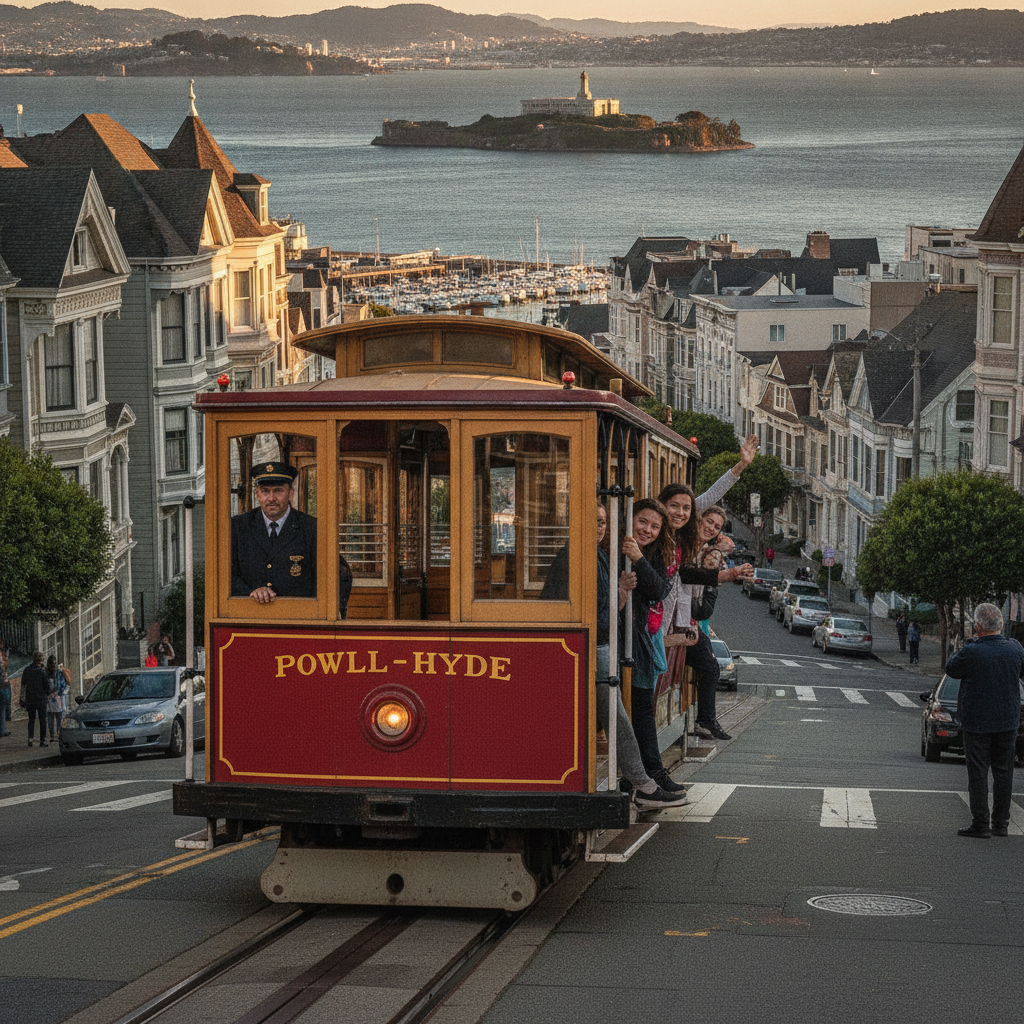
Die San Francisco Cable Cars (die Linien Powell-Hyde, Powell-Mason und California Street, $8/Fahrt, $24/Tageskarte für unbegrenzte Fahrten, SFMTA) sind das weltweit einzige noch existierende manuell betriebene Seilbahnsystem — das unterirdische Seil (das mit konstanten 9.5 mph läuft und von einem stationären Motor im Cable Car Depot, Mason und Washington Streets, gezogen wird) wurde 1873 von Andrew Hallidie erfunden, nachdem er Zeuge wurde, wie Pferde beim Versuch, Kutschen die steilen Hügel hinaufzuziehen, starben; der Grip-Operator klemmt die Seilbahn physisch an das unterirdische Seil oder löst sie davon, um zu starten und zu stoppen; das System wurde 1964 zum National Historic Landmark ernannt.
- 2
Fisherman's Wharf — Die ehemalige Krabbenfischerei
Fisherman's Wharf (das Gebiet von Pier 39 bis zum Hyde Street Pier, der ehemalige Fischereihafen der italienisch-amerikanischen Fischereigemeinde San Franciscos) ist das meistbesuchte Gebiet in San Francisco — Dungeness-Krabben (die saisonale Krabbe der Bay Area, Dezember–März, lebend und gekocht an Außenständen verkauft, $30–50/Krabbe) und Sauerteigbrot (Boudin Bakery, 160 Jefferseon Street, bäckt seit 1849 mit derselben ursprünglichen Starterkultur) sind die prägenden Speisen; die SS Jeremiah O'Brien (das letzte betriebsbereite Liberty-Schiff aus dem Zweiten Weltkrieg, Pier 45, $25) und das Maritime Museum sind die ernsthaften historischen Attraktionen.
- 3
Chinatown — Die älteste in Nordamerika (1848)
San Francisco Chinatown (das 24 Blocks umfassende Viertel, begrenzt von Broadway, Powell, Bush und Kearny, 1848 gegründet, als chinesische Arbeiter für den Goldrausch ankamen) ist die älteste Chinatown in Nordamerika und das am dichtesten besiedelte Stadtgebiet in den USA — über 100,000 Einwohner auf einer Fläche von 0.25 Quadratmeilen; die Grant Avenue (die touristisch ausgerichtete Hauptstraße) und die Stockton Street (die belebte Einkaufsstraße, wo die tatsächlichen Chinatown-Bewohner Dim Sum, Produkte und Heilkräuter kaufen) präsentieren zwei verschiedene Gesichter; die Dim-Sum-Restaurants (Great Eastern, Yank Sing am Rincon) bieten das authentische Dim-Sum-Erlebnis am Vormittag.
- 4
Pier 39 — Seelöwen und die unerwartete Meeresattraktion
Pier 39 (der 1978 in ein touristisches Einkaufszentrum umgewandelte Handelspier) ist am bekanntesten für die Kalifornischen Seelöwen, die im Januar 1990 nach dem Loma-Prieta-Erdbeben den angrenzenden K-Dock besiedelten — die Kolonie (300–1,000 Tiere je nach Jahreszeit) wird freiwillig vom Hafen von San Francisco unterhalten; die Tiere (Zalophus californianus) sind von November bis Juli am zahlreichsten, wenn die Männchen (200–300kg) in großer Zahl an Land kommen; Biologen des Marine Mammal Center sind an den meisten Tagen am Pier, um Fragen zu beantworten; kostenlose Beobachtung vom öffentlichen Pier.
- 5
Ghirardelli Square — Die wiedergeborene Schokoladenfabrik
Ghirardelli Square (900 North Point Street, der ehemalige Ghirardelli-Schokoladenfabrikkomplex, 1893–1962, 1964 in einen Einkaufs- und Restaurantkomplex umgewandelt — die erste große adaptive Wiederverwendung eines Industriekomplexes in den USA) war die Fabrik, in der Domingo Ghirardelli den Prozess der Trennung von Kakaobutter aus gerösteten Kakaobohnen perfektionierte und den „Schokoladenlikör“ schuf, der zur Grundlage der amerikanischen Schokoladenherstellung wurde — die Ghirardelli Chocolate Experience (kostenloses Museum, täglich 9am–11pm, der Flagship-Store) serviert Hot Fudge Sundaes mit Ghirardelli-Schokolade ($13) im ehemaligen Fabrikgebäude.
- 6
Lombard Street — Die kurvigste Straße der Welt
Lombard Street (der ein Block lange Abschnitt der Lombard Street zwischen Hyde und Leavenworth Streets, 1922 gebaut, der 8-Serpentinen-Abstieg mit 3m Höhenunterschied über 40m horizontaler Distanz) wurde mit ihren geschwungenen Serpentinen entworfen, um Autos das Befahren der 27%igen Steigung zu ermöglichen — die Straßenbepflanzung (Rosen und Hortensien, von der Stadt gepflanzt, die beste Pracht im Frühling) und das fotogene rote Backsteinpflaster machen sie zu einem der meistfotografierten Blocks in den USA; der Fußweg verläuft an einer Seite; die Fahrroute (Einbahnstraße bergab, keine Gebühr, aber lange Warteschlangen an Sommerwochenenden) hat ein Maximum von 5mph.
Walk this route with audio
Stories play automatically as you reach each stop — no tapping needed.
Mehr in san-francisco
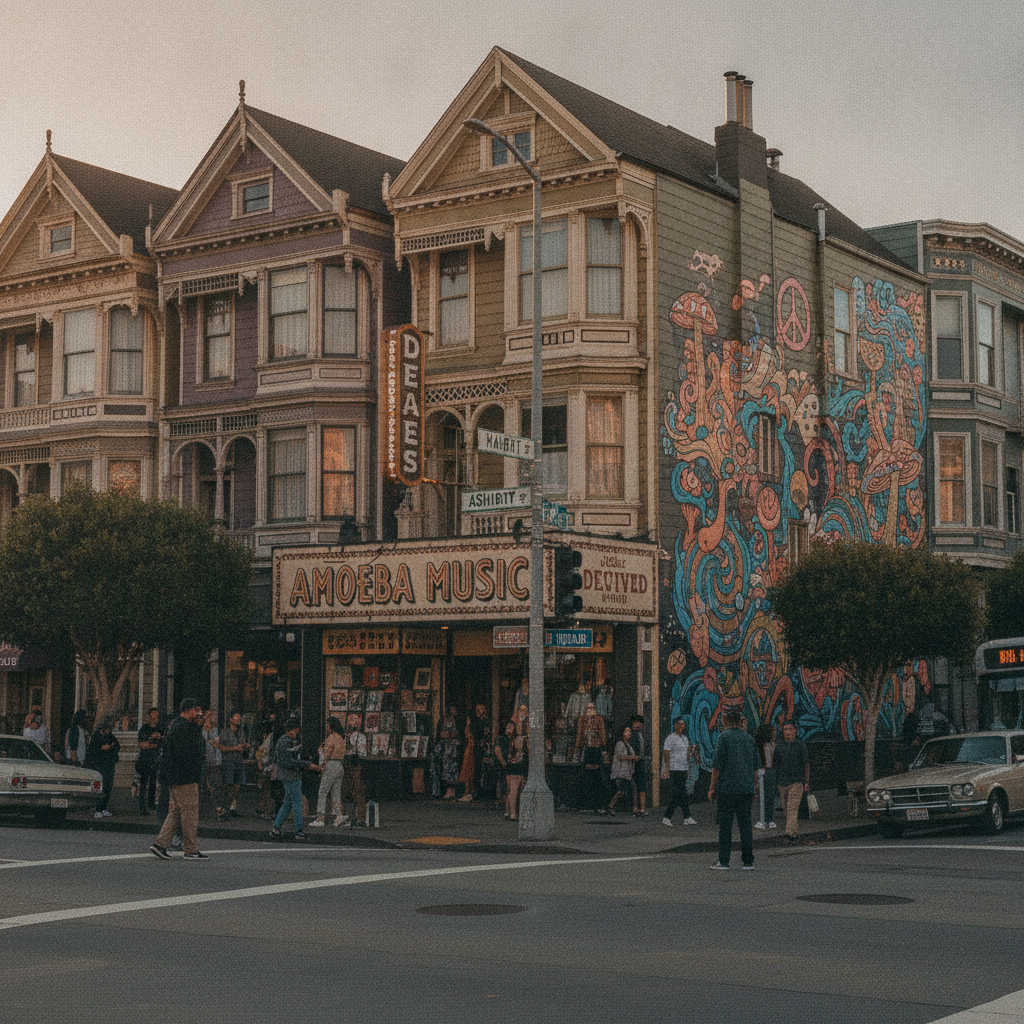
Haight-Ashbury, Golden Gate Park & das Erbe der Gegenkultur der 1960er Jahre
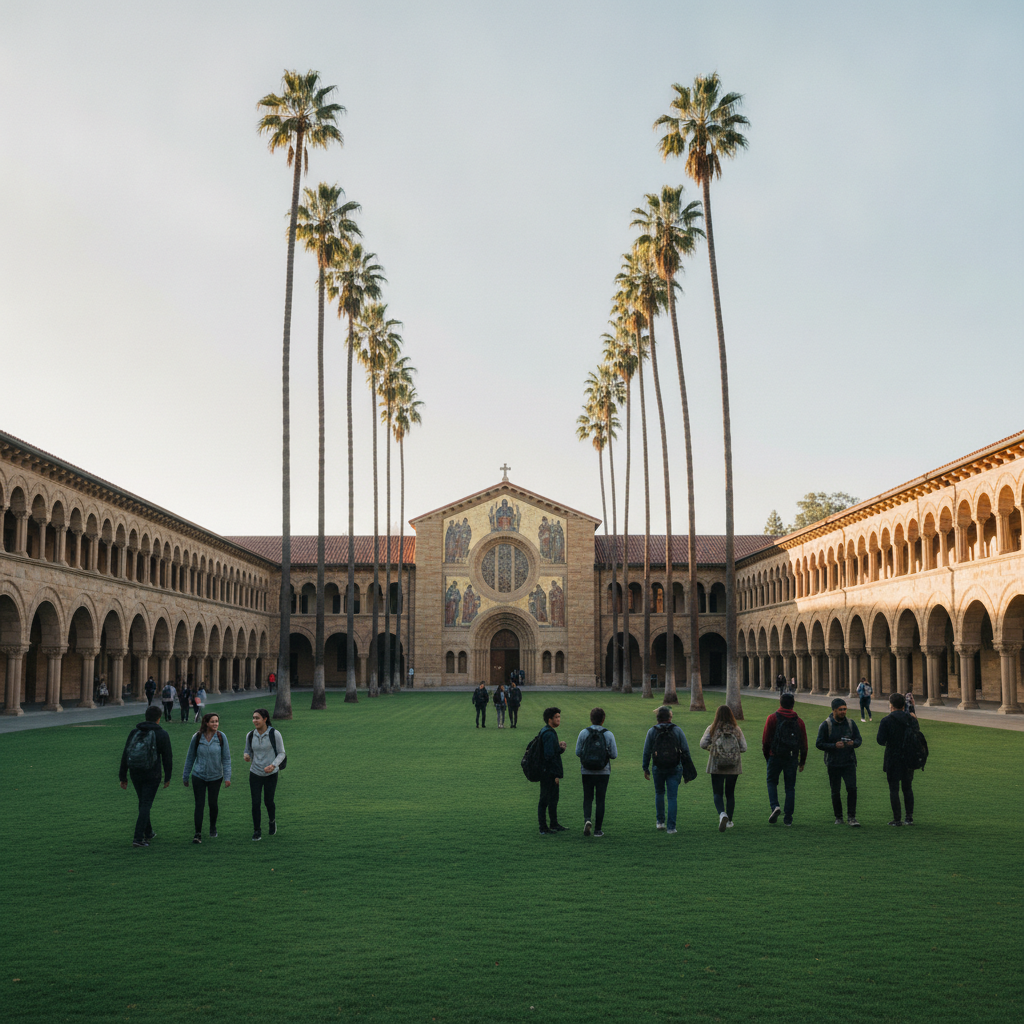
Tagesausflug ins Silicon Valley — Stanford, Tech-Kultur & die Halbinsel
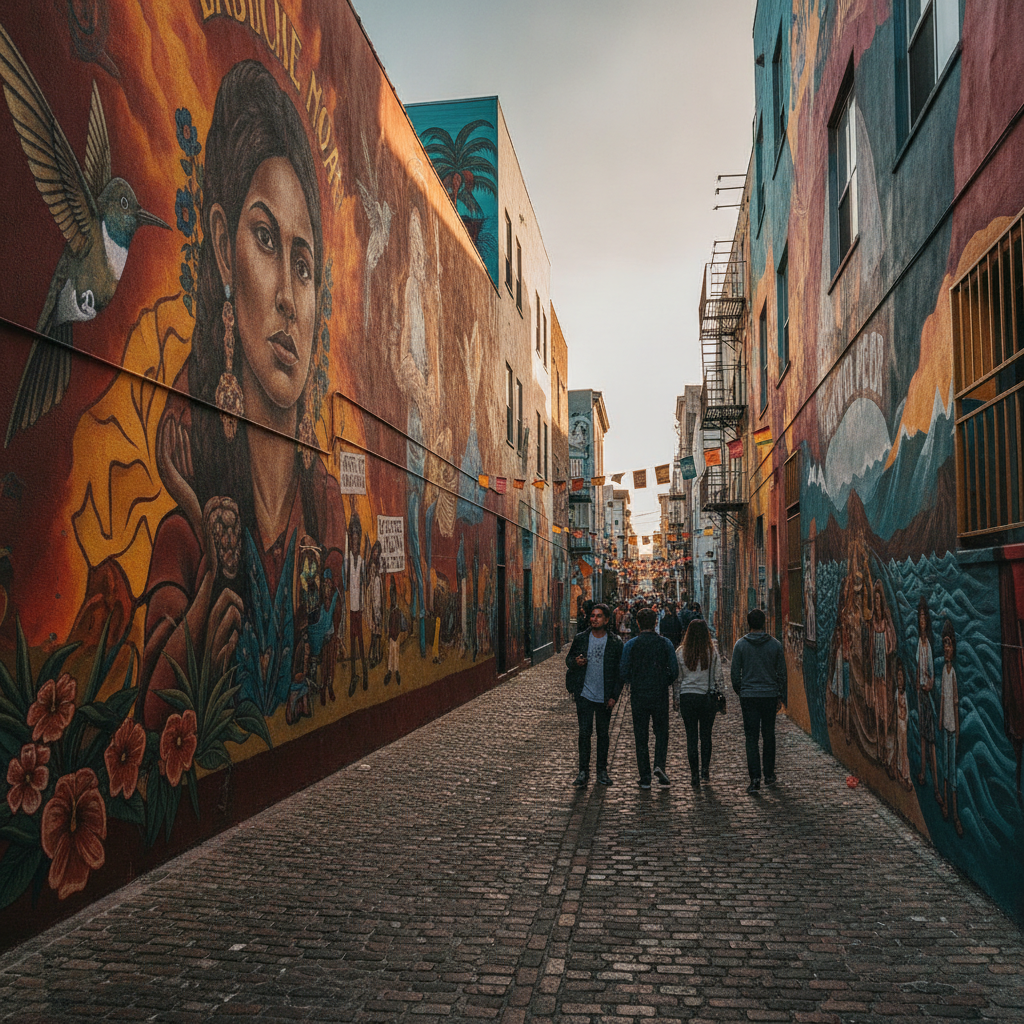
Der Mission District — Wandmalereien, Dolores Park & der San Francisco Burrito
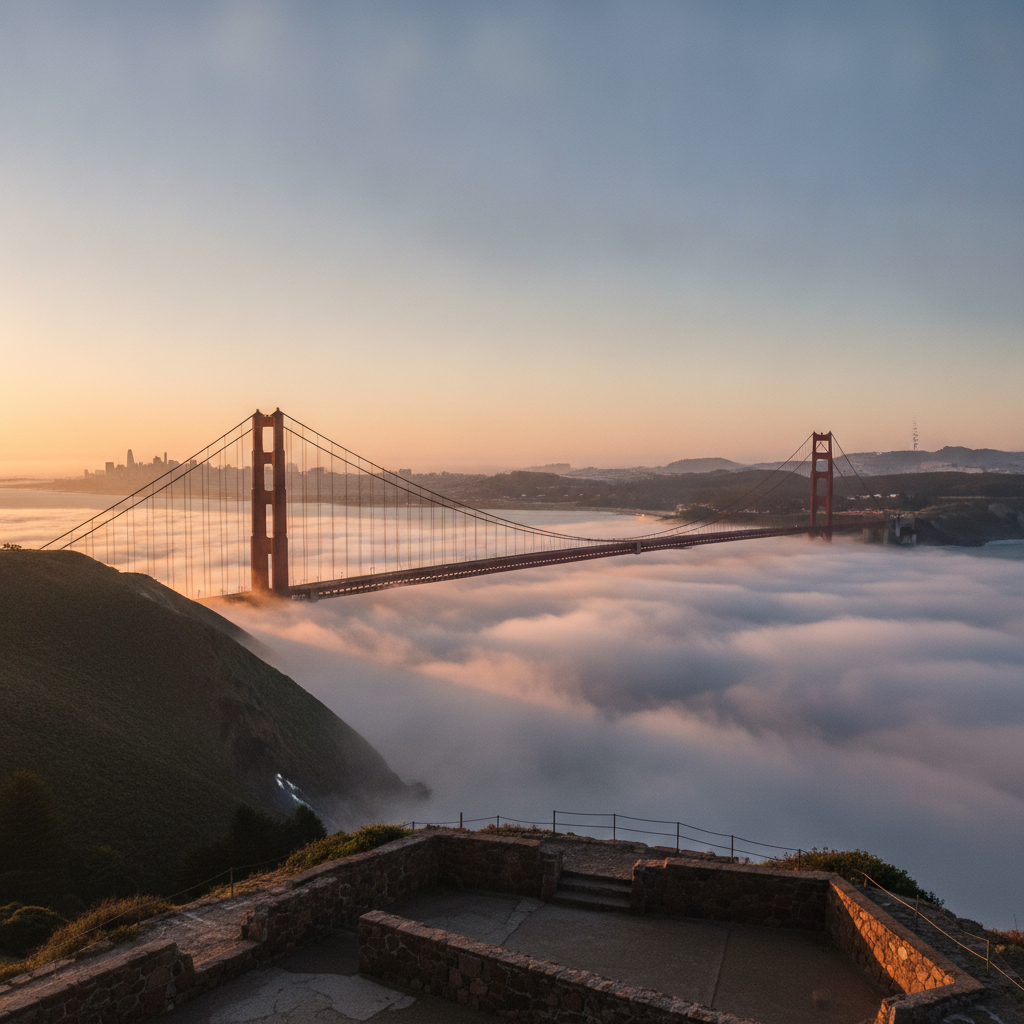
Golden Gate Bridge, Marin Headlands & Baker Beach
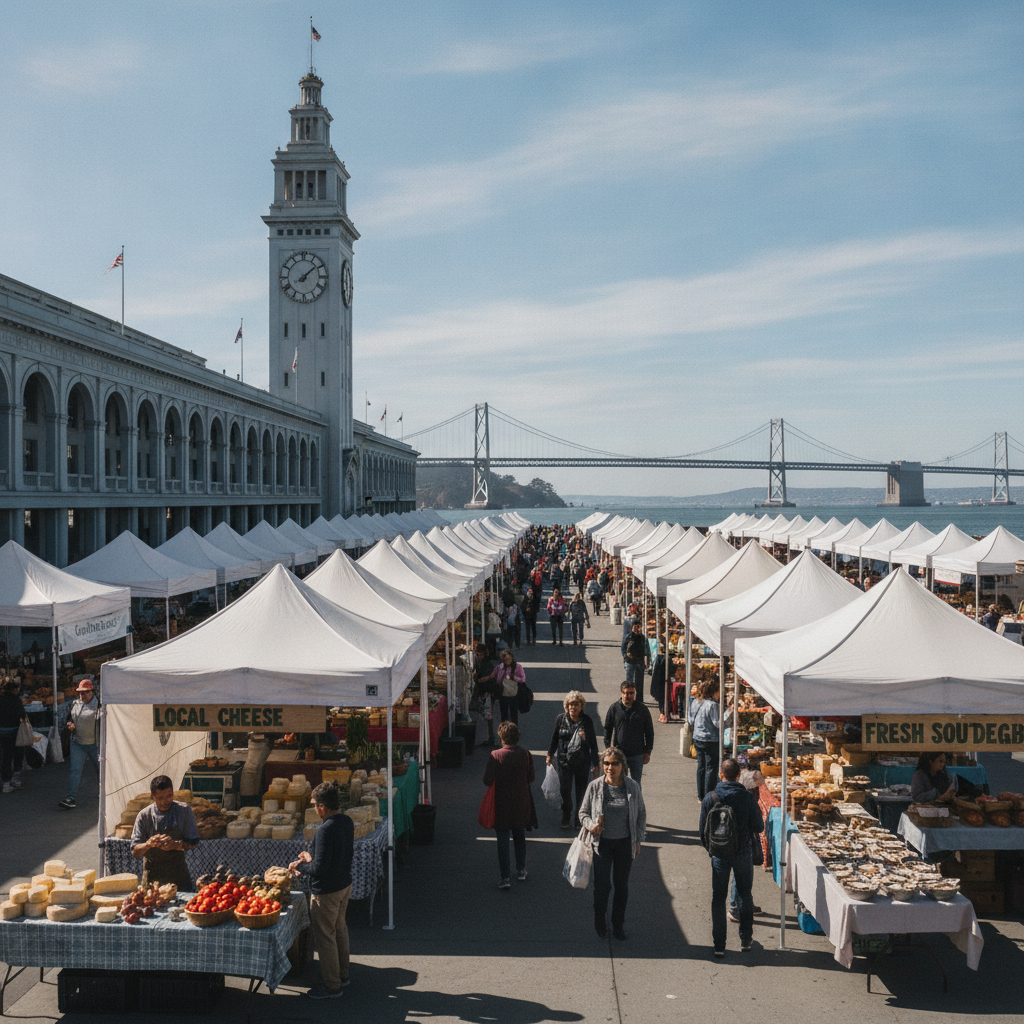
The Ferry Building, Embarcadero & Bay Bridge — San Franciscos Uferpromenade