Tagesausflug ins Silicon Valley — Stanford, Tech-Kultur & die Halbinsel
Silicon Valley – der umgangssprachliche Name für den südlichen Bereich der San Francisco Bay Area, der ungefähr Santa Clara County entspricht – ist seit den 1970er Jahren das globale Zentrum der Technologiebranche und des Risikokapitals, als sich die Halbleiterindustrie in der Region etablierte und die Kombination aus den Ingenieurprogrammen der Stanford University, einer Kultur des unternehmerischen Risikobereitschaft und verfügbarem Risikokapital die Bedingungen für das produktivste Innovationsökosystem der modernen Wirtschaftsgeschichte schuf.
- 1
Stanford University – Der Motor des Silicon Valley
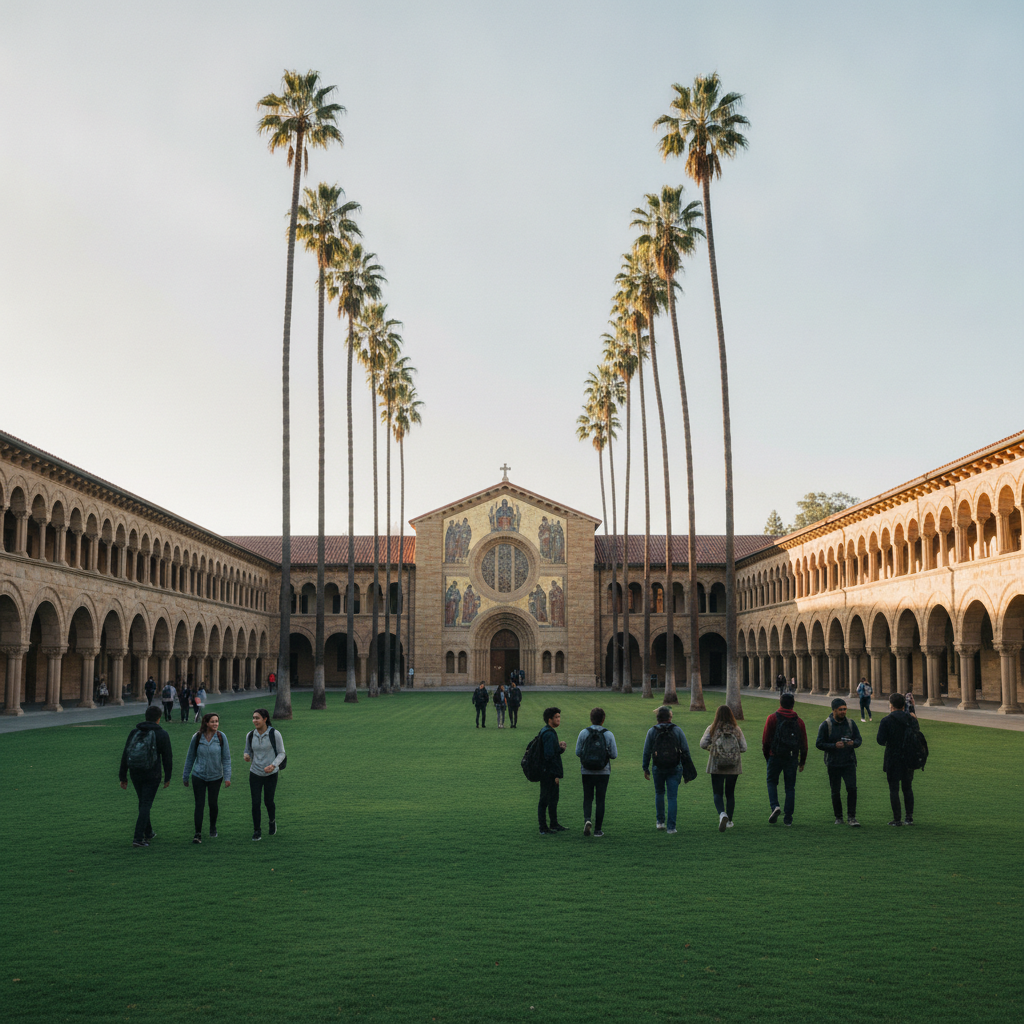
Die Stanford University (450 Serra Mall, Palo Alto, 8.180 Acres, die 6. wertvollste Universitätsstiftung der Welt mit 36,3 Milliarden Dollar, gegründet 1885 von Leland Stanford) ist die primäre institutionelle Quelle des Silicon Valley – Google (Larry Page und Sergey Brin, Stanford PhDs, 1998), Hewlett-Packard (das ursprüngliche Silicon Valley Unternehmen, Packard Garage in 367 Addison Avenue, Palo Alto, 1938), Yahoo (Jerry Yang und David Filo, Stanford PhDs, 1994) sowie Netflix, Instagram und Snapchat haben alle Stanford-Gründer; der Campus (kostenlose tägliche Führungen vom Besucherzentrum am Main Quad) umfasst das Cantor Arts Center (kostenlos) und die Dish-Antenne (Wanderweg, kostenlos).
- 2
Computer History Museum – Das weltweit wichtigste Technologiearchiv
Das Computer History Museum (1401 N Shoreline Blvd, Mountain View, $25 Erwachsene, täglich 10:00–17:00 Uhr) ist die definitive Sammlung von Computerhardware, -software und -kultur – die permanente Ausstellung 'Revolution: The First 2000 Years of Computing' reicht vom Abakus bis zum Smartphone; wichtige Artefakte: der Apple I (die ursprüngliche 1976 in Steve Jobs' Garage in Los Altos gebaute Platine, eines der 6 erhaltenen Exemplare), der Cray-1 Supercomputer (1977, der schnellste Computer der Welt für 5 Jahre, das zylindrische Design war eine Kühllösung) und die Google-Serverracks (originale Hardware von 1998).
- 3
Googleplex – Mountain View Campus Öffentlich zugänglich
Googles Hauptcampus (1600 Amphitheatre Parkway, Mountain View, 'Googleplex') ist teilweise öffentlich zugänglich – der Android-Skulpturengarten (die großen Outdoor-Statuen der Android-Maskottchen, die jede OS-Version von Cupcake bis Tiramisu repräsentieren, chronologisch angeordnet) ist kostenlos und öffentlich zugänglich; das Google-Besucherzentrum (Google Merchandise Store, 1981 Landings Drive, werktags geöffnet) verkauft offizielle Google-Merchandise-Artikel; die Cafeteria (nur für Mitarbeiter und Gäste) serviert täglich über 20.000 Mahlzeiten in 30 Campusrestaurants; die kostenlosen Google-Mitarbeiterfahrräder (farbige Fahrräder für den Campus-Transport) sind von der Straße aus sichtbar.
- 4
Venture Capital Row – Sand Hill Road
Sand Hill Road (Menlo Park, der 2 Meilen lange Abschnitt von der I-280 zum Juniper Serra Korridor) ist die wichtigste Straße in der globalen Technologieökonomie – Sequoia Capital, Andreessen Horowitz, Kleiner Perkins und über 25 weitere große Risikokapitalfirmen haben Büros an oder in der Nähe der Sand Hill Road; die Firmen (die von anonymen, niedrigen Bürogebäuden aus operieren) verwalten gemeinsam über 500 Milliarden Dollar Kapital; der Fußgänger- und Radweg entlang der Sand Hill Road ermöglicht den öffentlichen Zugang zur Umgebung; das Restaurant Sand Hill Exchange (2600 Sand Hill, der Mittagstreffpunkt für VC-Partner und Tech-Gründer) ist öffentlich zugänglich.
- 5
Caltrain – Die Pendlerbahn des Tech-Korridors
Caltrain (die Pendlerbahn San Francisco–San José, 77 km, 29 Stationen, seit 1863 unter verschiedenen Namen in Betrieb, 2024 elektrifiziert) ist das Transportrückgrat des Silicon Valley – die morgendlichen nordwärts und abendlichen südwärts fahrenden Züge von San José und Palo Alto nach San Francisco befördern täglich über 50.000 Tech-Mitarbeiter; der 'Baby Bullet' Express (San Francisco nach San José in 57 Minuten mit 5 Zwischenstopps) ist die schnellste Verbindung; Caltrain durchläuft ein 2,3 Milliarden Dollar teures Elektrifizierungs- und Modernisierungsprogramm; die Bahnhöfe Palo Alto und Mountain View sind fußläufig von großen Tech-Campussen erreichbar.
- 6
Apple Park – Der Ring-Campus in Cupertino
Der Apple Park (One Apple Park Way, Cupertino, 2,8 Millionen Quadratfuß, 5 Milliarden Dollar Baukosten, 2017, Norman Foster Architekt) ist vom Steve Jobs Theater Aussichtspunkt (dem Dach über dem unterirdischen Theater, wo iPhone-Ankündigungen gemacht werden) sichtbar – das Apple Visitor Center (10600 N Tantau Avenue, Cupertino, täglich 9:00–18:00 Uhr, kostenlos, das öffentliche Gesicht des Apple Parks) verfügt über ein Augmented Reality Modell des Campus (mit dem iPad im Besucherzentrum), ein Café und den Einzelhandelsladen; der Campus selbst (das 'Spaceship', ein perfekter Kreis aus Glas und Stahl in einem 175 Hektar großen Obstgartenpark) ist nicht öffentlich zugänglich.
Walk this route with audio
Stories play automatically as you reach each stop — no tapping needed.
Mehr in san-francisco
Haight-Ashbury, Golden Gate Park & das Erbe der Gegenkultur der 1960er Jahre
Der Mission District — Wandmalereien, Dolores Park & der San Francisco Burrito
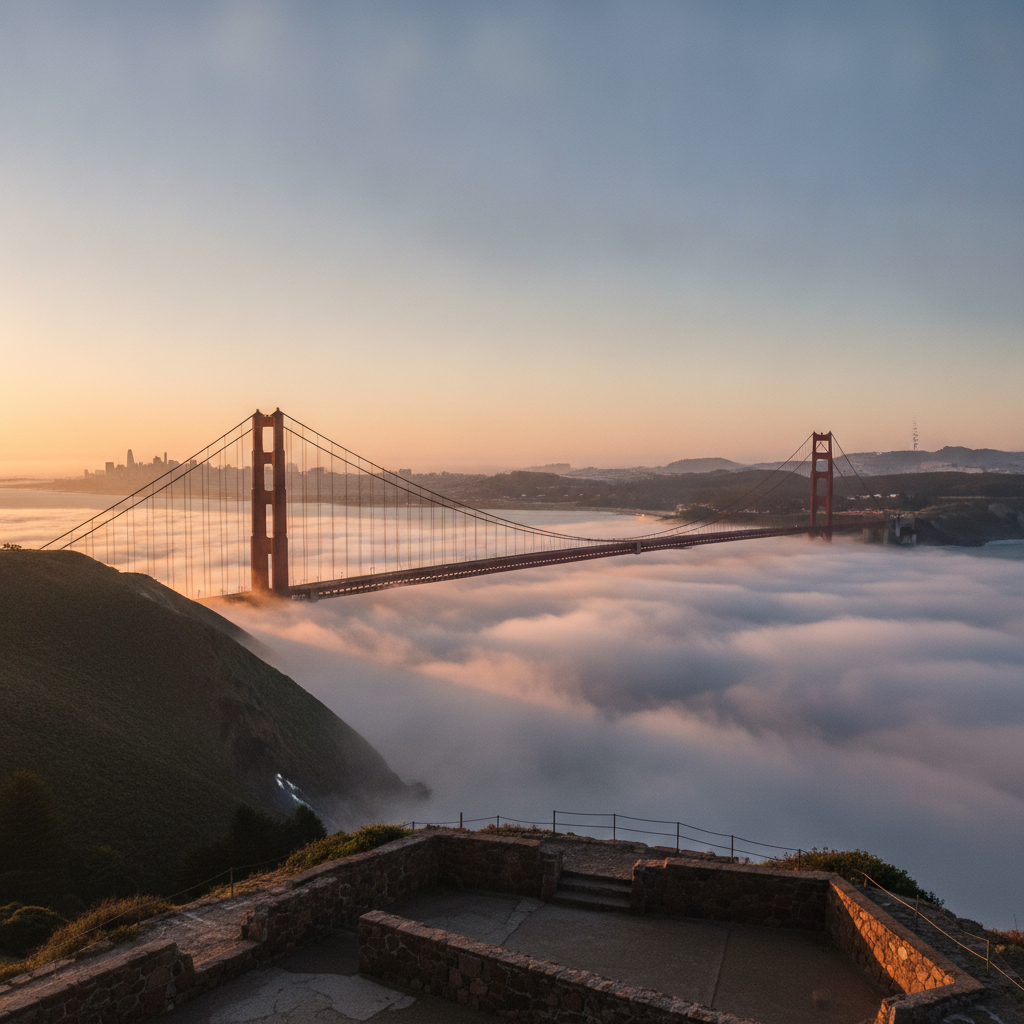
Golden Gate Bridge, Marin Headlands & Baker Beach
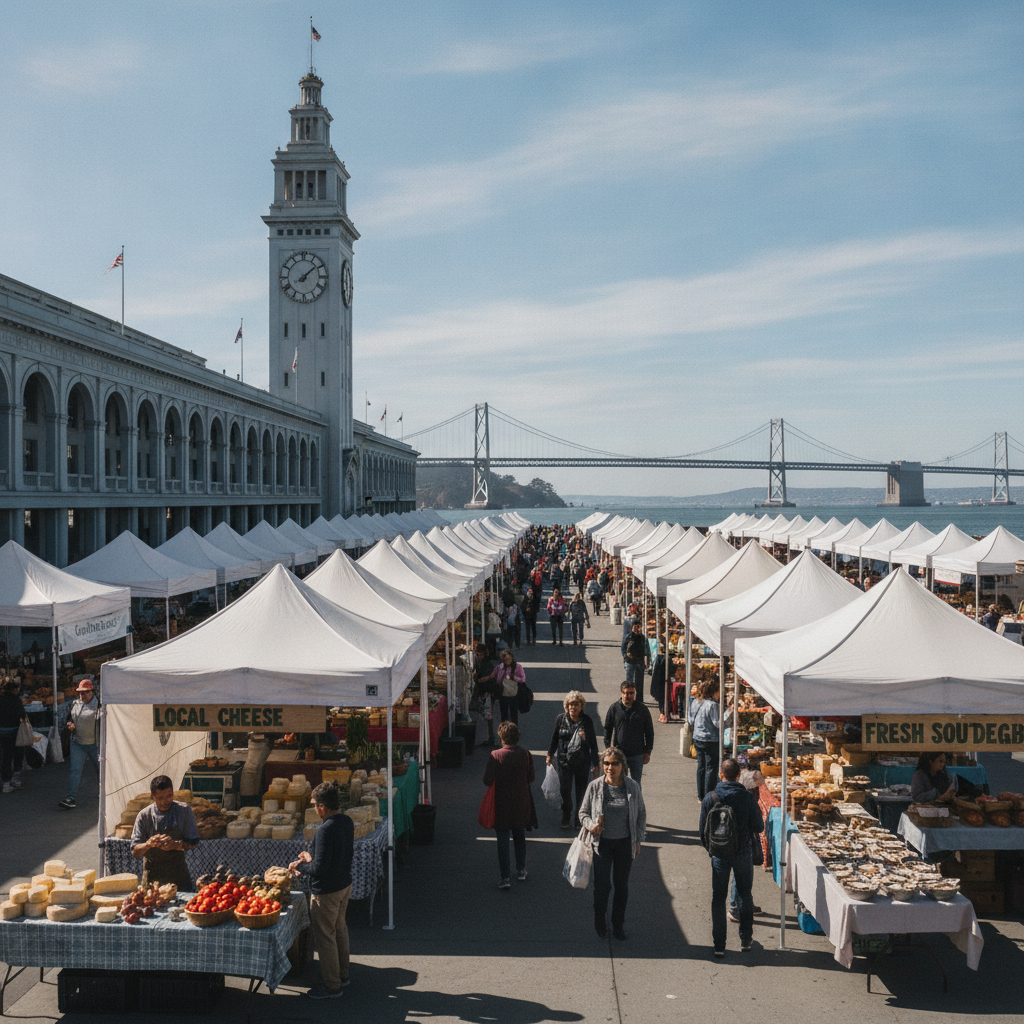
The Ferry Building, Embarcadero & Bay Bridge — San Franciscos Uferpromenade
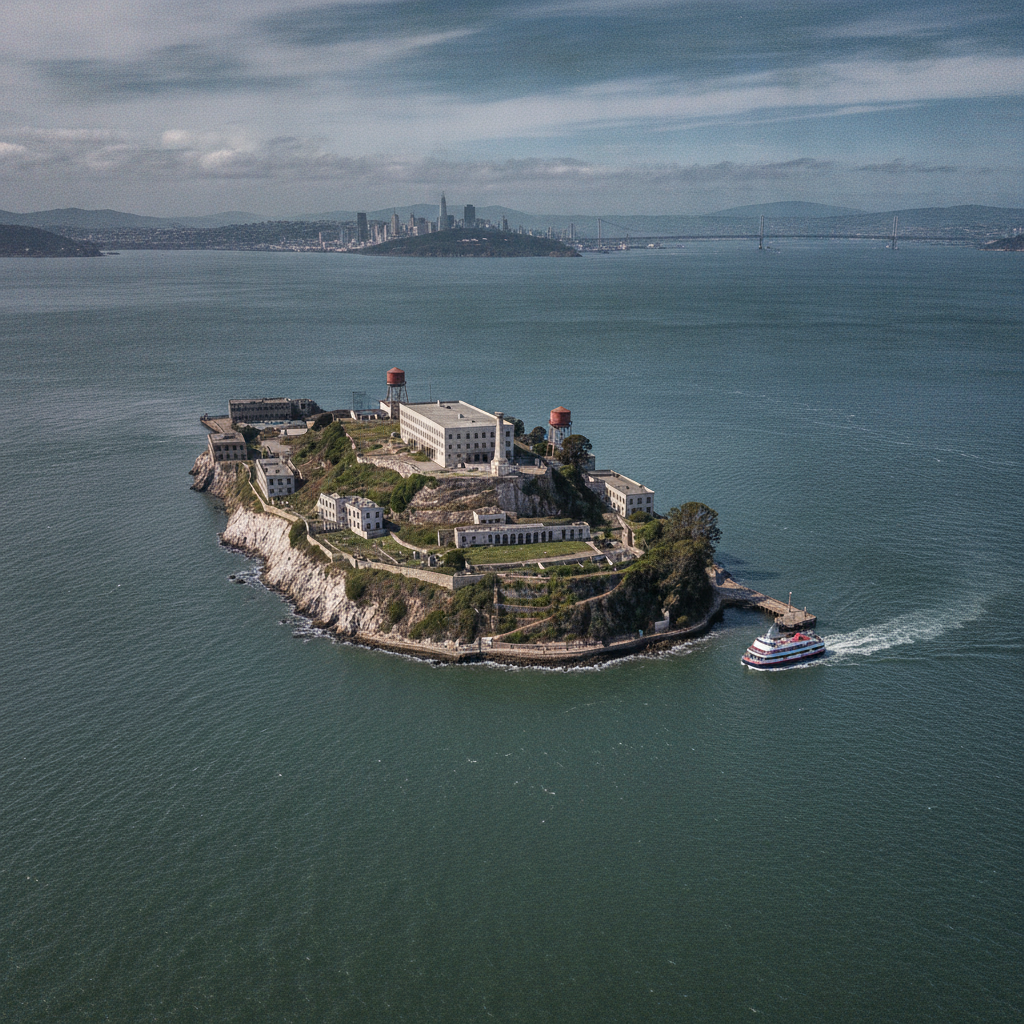
Alcatraz Insel — Der Felsen, Bundesgefängnis & die Bay-Tour