Sagardotegi, Baskische Scheunen & Saisonale Traditionen
The 'sagardotegi' (the Basque cider house — the traditional cider producer and restaurant of the Basque Country, the institution that is the most distinctive and the most convivial expression of the Basque food and drink culture outside of the pintxos bar) is one of the essential Basque cultural experiences accessible from San Sebastián, with the majority of the Basque cider houses concentrated in the Astigarraga valley 7 km south of the city.
- 1
Sagardotegi Season — January to April, Cider Only
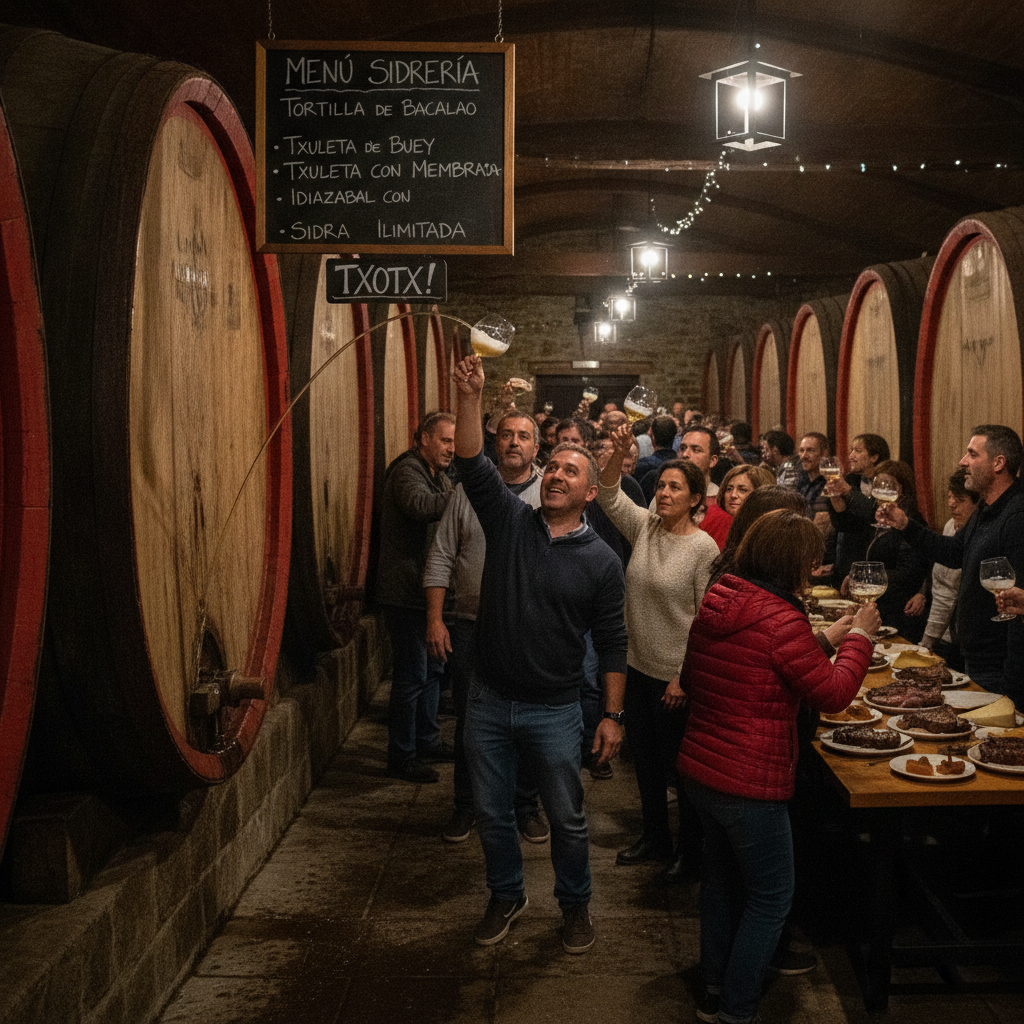
Sagardotegi (Basque cider houses, from sagardo/'apple wine' + tegi/'place') operate January through April during the annual txotx season — the tradition (txotx, pronounced 'choach') involves the sagardotegi owner opening the casks and pouring cider directly from the 5,000-litre txakolina barrels in the cellar; customers hold their glass below the stream of cider (poured from 2m height to oxygenate and reduce the natural CO2); the fixed menu (salt cod omelette, fried cod with peppers, txuleta/rib steak, cheese with membrillo and walnuts) is €35–40 all-inclusive with unlimited cider.
- 2
Astigarraga — The Cider Village
Astigarraga (the municipality 7km from San Sebastián by bus, the historic center of the Basque cider industry) has 17 active sagardotegiak (cider houses) producing artisanal cider — the Basque cider (sagardoa, natural non-carbonated apple wine, 5–7% ABV, slightly cloudy, tart and tannic) is produced exclusively in Gipuzkoa and Navarra; 15 million litres are produced annually; the Sagardoaren Museoa (Basque Cider Museum, Sagardoetxea Zubiaurre, Astigarraga, €5) documents the 2,000-year history of Basque apple cultivation and cider production.
- 3
Basque Mythology and Apple Orchards — Idunn's Northern Connection
The Basque apple orchard tradition (the Basque Country has been cultivating apple varieties — including the Txalaka, the Gezamina, and the Urtebetea — for cider production for 2,000+ years) is connected to pre-Christian Basque mythology — the goddess Mari (the primary Basque deity, residing in Mount Anboto) is associated with the apple tree and agricultural fertility; the Norse parallel (Idunn's apples of immortality) has led some scholars to speculate on ancient contact between Basque and Norse maritime cultures; the Basque apple is genetically distinct from Normandy and British varieties.
- 4
Sidra Natural vs Champagne Cider — The Basque Distinction
Basque natural cider (sagardoa, cloudy, still, tart, 5–7%) is fundamentally different from carbonated commercial cider (Basques call the carbonated version 'champagne cider' and consider it an inferior product) — the natural fermentation (in chestnut or oak barrels for 6 months) and the lack of filtration or carbonation produce a product closer to wild wine than commercial cider; the Basque cider certification (Euskal Sagardoa, the official designation for authentic artisanal Basque cider) protects 7 producers in Gipuzkoa.
- 5
Idiazabal Cheese — The Smoked Sheep Cheese of the Mountains
Idiazabal (the smoked or unsmoked pressed sheep's milk cheese from the Basque Country and Navarra, DO denomination, made from the milk of the Latxa sheep — the native Basque sheep breed with its distinctive forward-falling wool) is served in every sagardotegi as part of the fixed menu — the cheese (slightly smoky, firm, pale interior, brown rind from the cherry wood smoking) pairs perfectly with the tart cider; the Idiazabal Competition (annual, Ordizia market, the most important artisan cheese competition in Spain) is held in September.
- 6
Basque Cider Cocktails and Modern Use
San Sebastián's pintxo bars (the Basque version of tapas, eaten standing at the bar) have been incorporating sagardoa into modern preparations — the sagardoa sour (sagardoa, lemon juice, apple syrup, egg white) and the slushie sagardoa (frozen, served at the summer terraces on the Promenade) represent the modernization of the tradition; the September cider festival (Sagardoaren Eguna, Astigarraga) combines traditional sagardotegi visits with barrel rolling competitions, apple pressing demonstrations, and the announcement of the year's best cider.
Walk this route with audio
Stories play automatically as you reach each stop — no tapping needed.
Mehr in san-sebastian
Hafen von Pasajes, Hondarribia & die baskische Grenzానానానאkuste
Monte Igueldo, Monte Urgull & Panoramablicke von San Sebastián
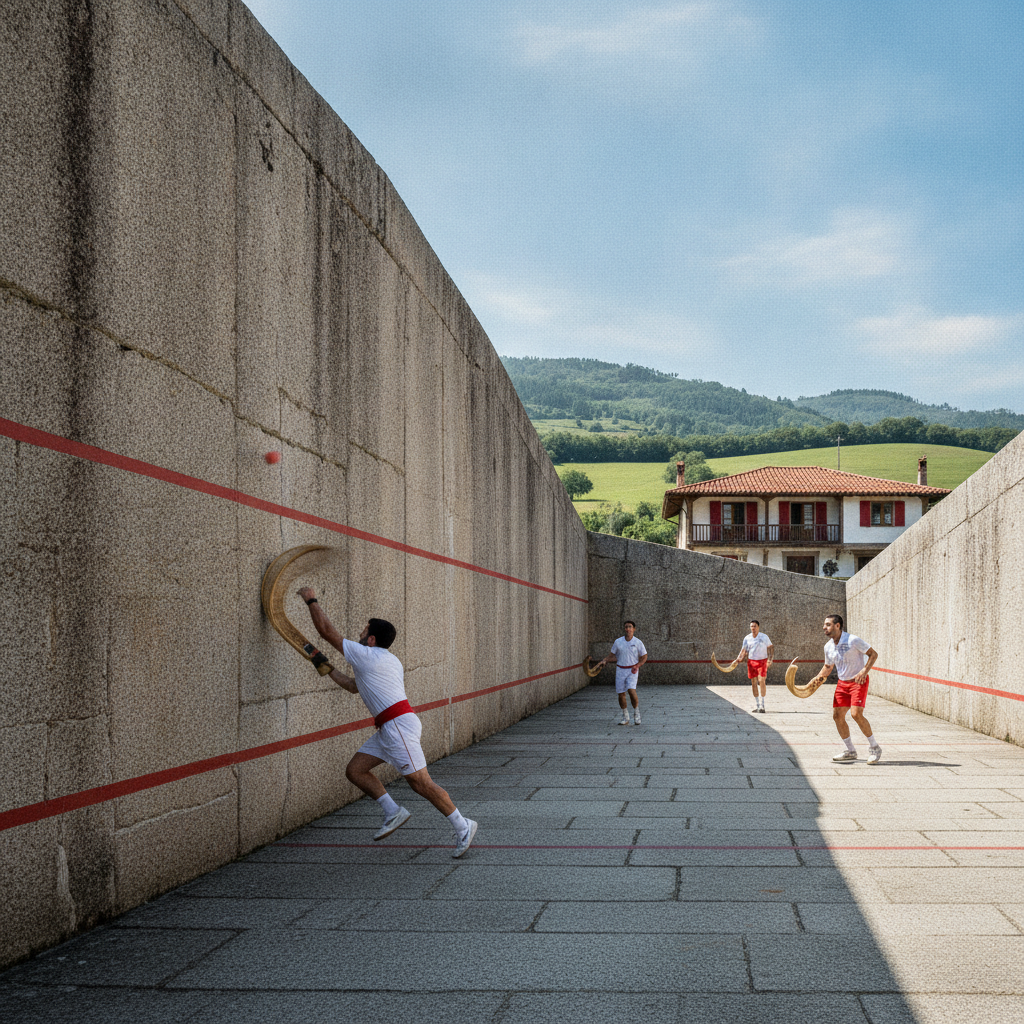
Baskische Kultur, Euskara & die alte Identität von San Sebastián
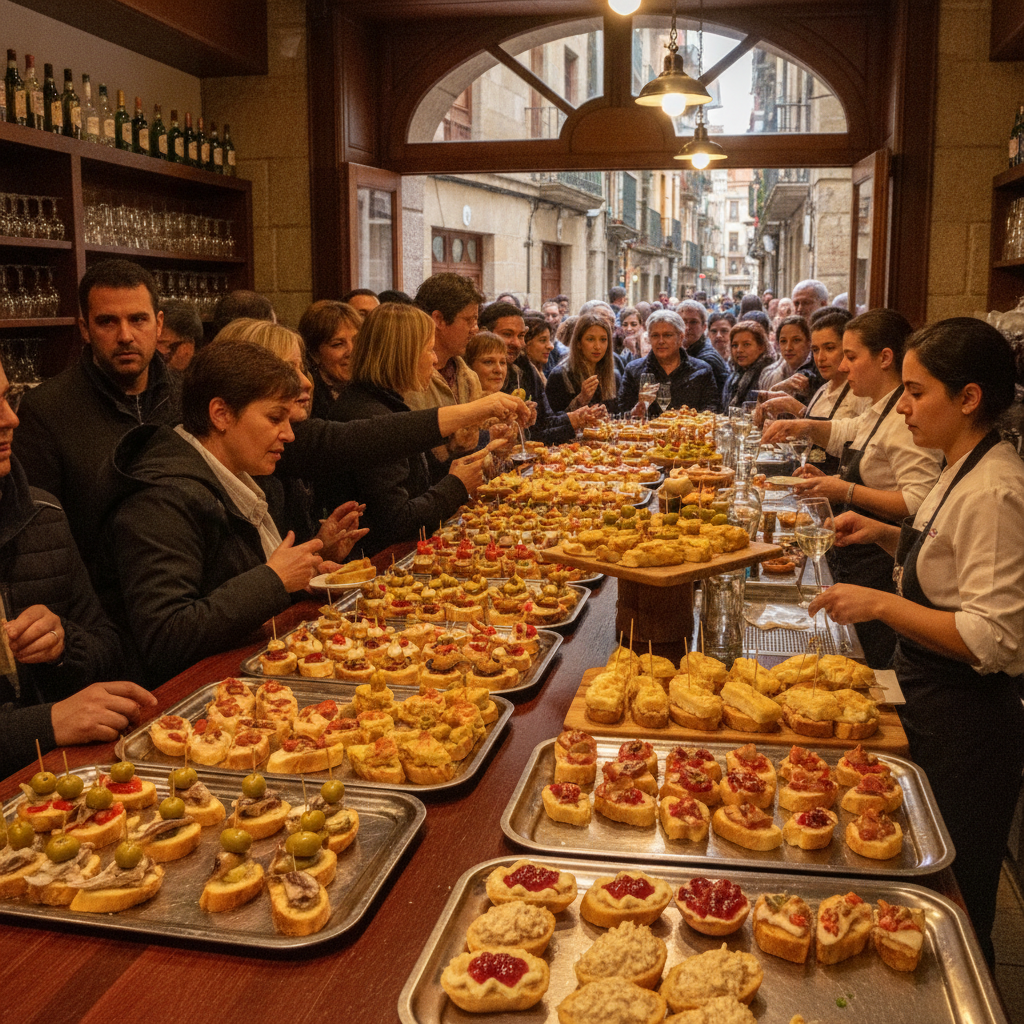
Pintxos, Altstadt & San Sebastiáns Weltklasse-Gastronomie
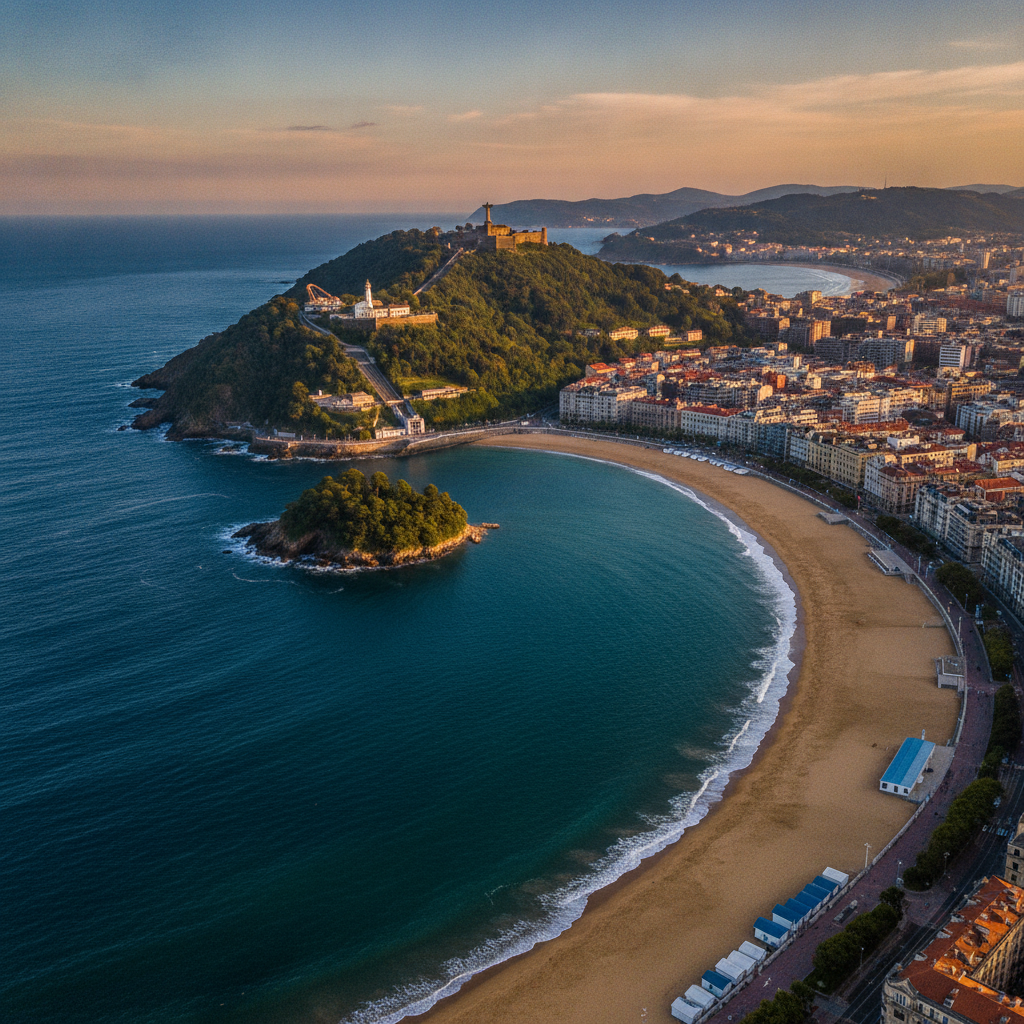
La Concha Strand, Belle Époque Promenade & San Sebastiáns Eleganz