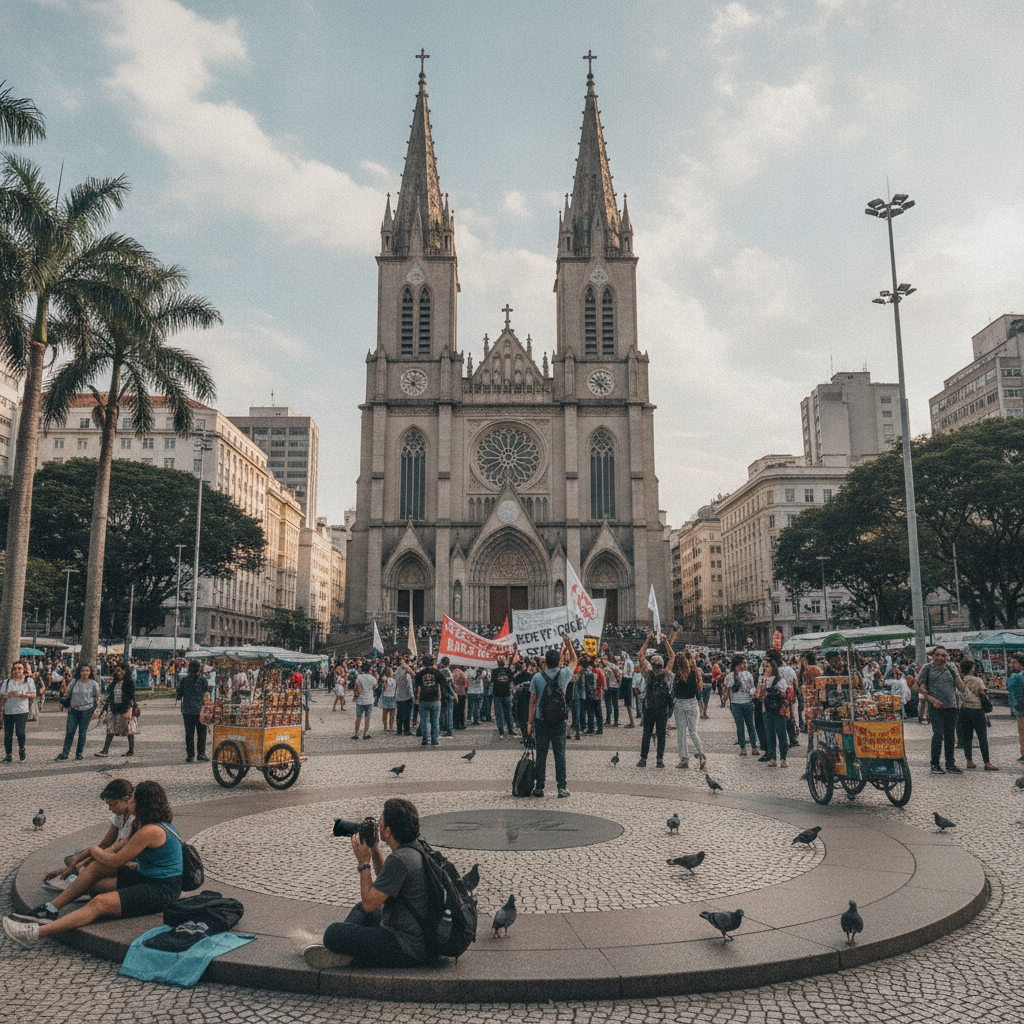
Liberdade, die japanische Gemeinde und São Paulos asiatische Seele
São Paulos Viertel Liberdade (das Viertel unmittelbar südlich des Centro Histórico – das Herz der japanisch-brasilianischen Gemeinde, der größten japanischen Diaspora-Gemeinde außerhalb Japans) ist das wichtigste japanische Kulturviertel der Welt außerhalb Japans und ein Fenster zur bemerkenswerten Geschichte der japanischen Einwanderung nach Brasilien und der Integration der japanischen Kultur in die brasilianische Identität.
- 1
Liberdade – Die größte japanische Gemeinde außerhalb Japans
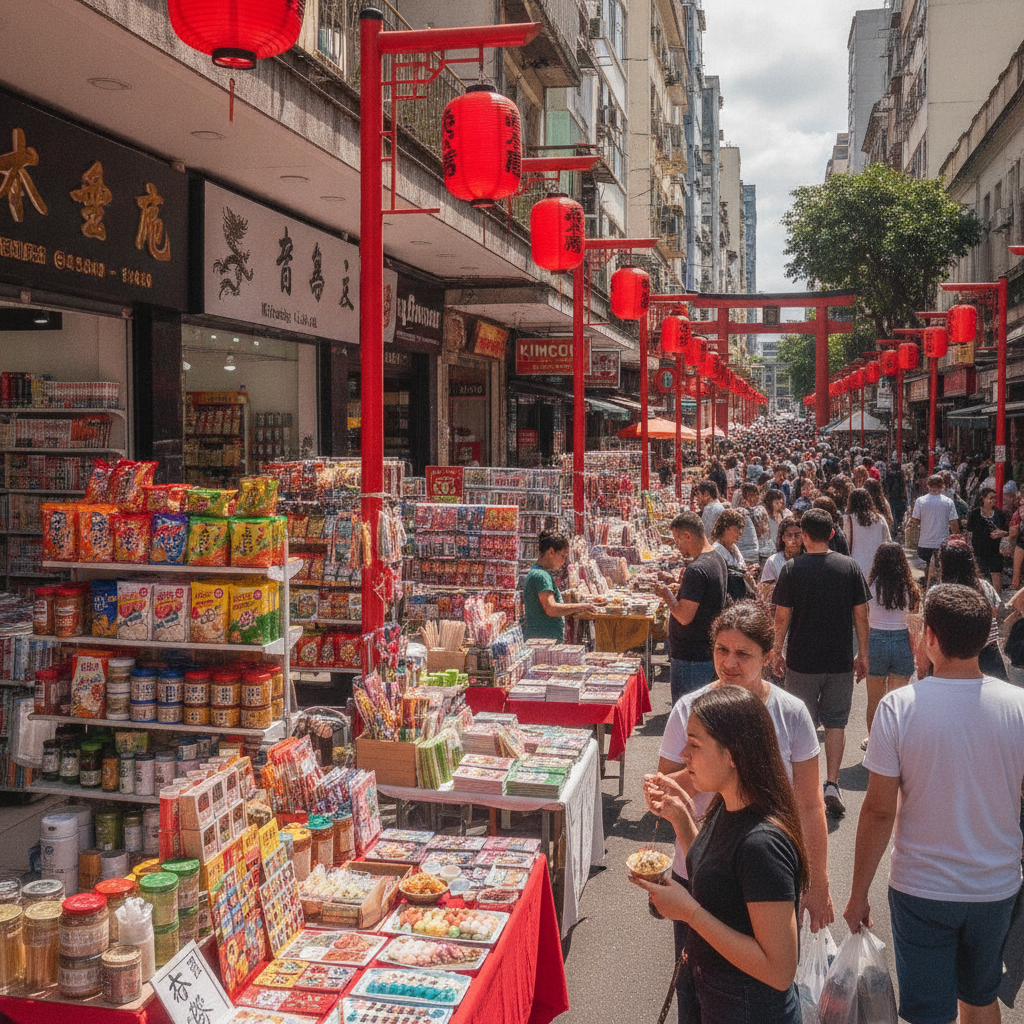
Liberdade (das Viertel südlich des Stadtzentrums, benannt nach dem Largo da Liberdade, dem dreieckigen Platz, auf dem im 19. Jahrhundert öffentliche Hinrichtungen stattfanden) beherbergt seit den 1910er Jahren São Paulos japanisch-brasilianische Gemeinde (die größte japanische Diaspora-Gemeinde der Welt außerhalb Japans – 1,5 Millionen Nikkei im Bundesstaat São Paulo); die Feira da Liberdade (der Sonntagsmarkt auf der Praça da Liberdade, der größte japanische Markt in Amerika, 8–17 Uhr, kostenlos) verkauft japanische Hausmannskost (Yakisoba, Onigiri, Mochi), Importe und kulturelle Produkte; die roten Torii-Tore an der Hauptstraße kennzeichnen die Identität des Viertels.
- 2
Imigrantes do Japão – Die Einwanderung von 1908
Die ersten japanischen Einwanderer nach Brasilien (die 781 Passagiere der Kasato Maru, die am 18. Juni 1908 im Hafen von Santos anlegte) wurden rekrutiert, um die befreite Sklavenarbeit auf den Kaffeeplantagen des Bundesstaates São Paulo zu ersetzen; die anfänglichen Plantagenbedingungen waren nahezu sklavereiähnlich; japanische Einwanderer zogen später in städtische Gebiete, gründeten kleine Unternehmen und bauten die Gemeinschaftsinfrastruktur (japanische Schulen, Zeitungen, buddhistische Tempel, Shinto-Schreine) auf, die Liberdade heute prägt; das Museu Histórico da Imigração Japonesa no Brasil (R$12, Dienstag–Sonntag) ist das umfassende Archiv.
- 3
Restaurante Sujinho und die Liberdade Ramen Szene
Die japanisch-brasilianische kulinarische Fusion von Liberdade: Die Ramen-Läden (Ikkousha, Menya Kanae) servieren authentische japanische Ramen-Stile, die sonst nirgends in Brasilien erhältlich sind; die Izakayas (Izakaya Issa, Kappou Asanebo) servieren japanische Kneipengerichte mit brasilianischem Bier; die japanischen Konditoreien (Doces da Ligia, Takahashi) stellen seit den 1960er Jahren Wagashi (japanische Süßigkeiten für die Teezeremonie) und japanisch-brasilianische Hybrid-Gebäcke (der Erdbeer-Mochi – eine brasilianische Adaptation mit Kondensmilch) her; der japanische Food Court der Banco Bradesco (unterirdisch an der Praça da Liberdade) serviert das schnellste und günstigste authentische japanische Mittagessen in São Paulo.
- 4
Galeria do Rock – São Paulos alternativer Kultur-Untergrund
Die Galeria do Rock (Avenida São João 439, Centro, das 5-stöckige Gebäude mit über 100 Geschäften, die Metal-, Punk-, Gothic-, Hip-Hop- und Skateboard-Kultur verkaufen, seit 1965, als es ein Kino war) ist der konzentrierteste alternative Kulturraum in Südamerika; die Geschäfte verkaufen importierte Vinyl (die größte Auswahl an Heavy-Metal-Vinyl in Brasilien), Band-Merchandise, Tattoo-Ausrüstung und die Instrumente für São Paulos florierende Straßenmusikszene; die Wände des Gebäudes sind mit Bandplakaten und Street Art bedeckt; der angrenzende Galeria do Rock Skatepark nutzt die Parkrampe des Gebäudes.
- 5
Pinacoteca do Estado – São Paulos erstes und bestes Kunstmuseum
Die Pinacoteca do Estado de São Paulo (Praça da Luz 2, Luz-Viertel, 1905, Architekt Ramos de Azevedo, R$20 Erwachsene, dienstags kostenlos, das rote Backsteingebäude, das dem MASP um 63 Jahre vorausgeht) ist das älteste Kunstmuseum in São Paulo; die Dauerausstellung (über 10.000 Werke, die beste Sammlung brasilianischer Malerei des 19. und frühen 20. Jahrhunderts, einschließlich des vollständigsten Werksatzes von Almeida Júnior, dem „brasilianischen Millet“) und die temporären Ausstellungen (internationale Leihgaben aus großen Sammlungen) machen es zum Museum mit dem durchweg exzellentesten Programm; der Skulpturengarten ist kostenlos.
- 6
Museu de Arte Sacra – Barockes Brasilien in einem Kolonialkloster
Das Museu de Arte Sacra de São Paulo (Avenida Tiradentes 676, Luz, im Luz-Kloster von 1744, dem ältesten Gebäude im Zentrum von São Paulo, R$15 Erwachsene, dienstags kostenlos, Mittwoch–Sonntag 9–17 Uhr) beherbergt die wichtigste Sammlung brasilianischer kolonialer religiöser Kunst außerhalb von Salvador da Bahia – 18.000 Objekte (goldene Altaraufsätze, polychrome Holzstatuen von Heiligen, liturgische Gewänder mit Goldfaden bestickt) aus den Jesuiten-, Franziskaner- und Benediktiner-Missionen des 17.–19. Jahrhunderts in Brasilien; die Klosterkapelle (seit 1744 in Gebrauch) ist das einzige erhaltene sakrale Interieur aus dem 18. Jahrhundert in der Innenstadt von São Paulo.
Walk this route with audio
Stories play automatically as you reach each stop — no tapping needed.
Mehr in sao-paulo
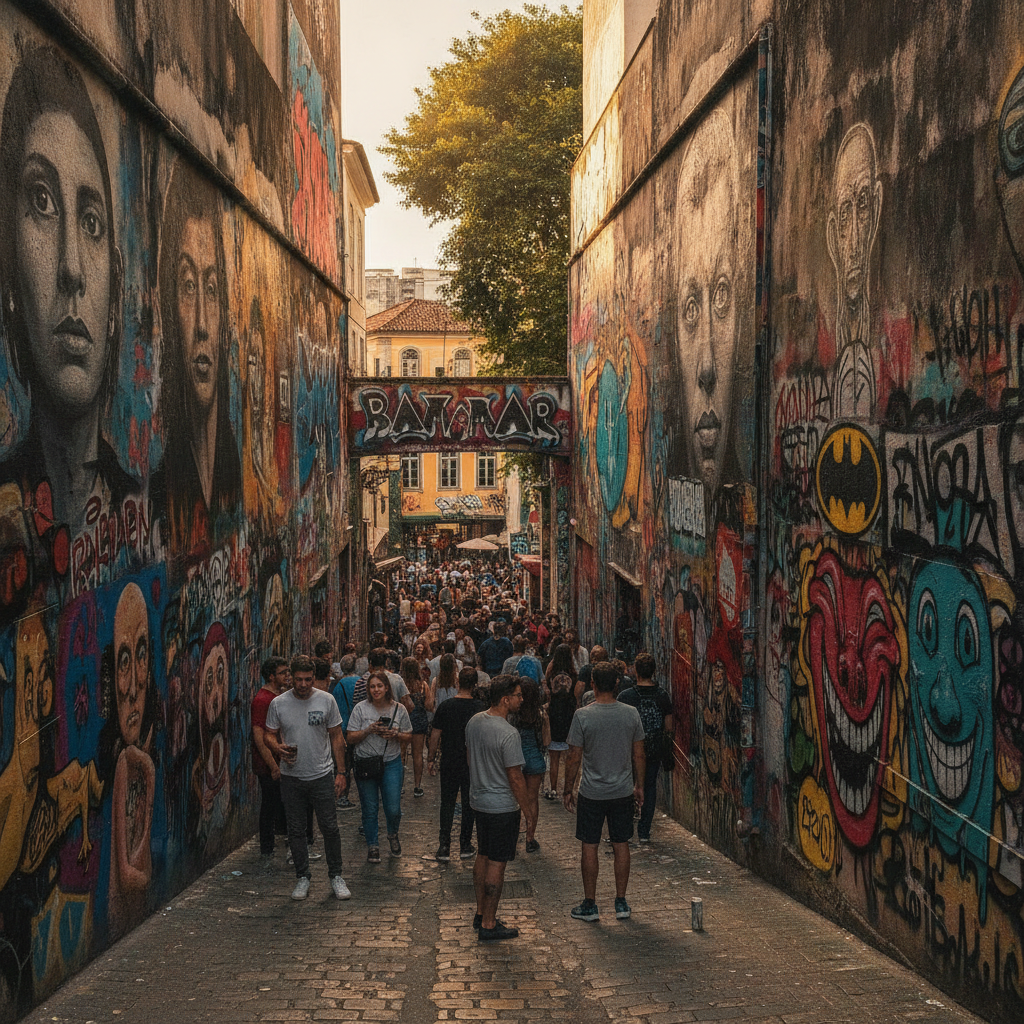
Pinheiros, Vila Madalena & São Paulos legendäres Nachtleben
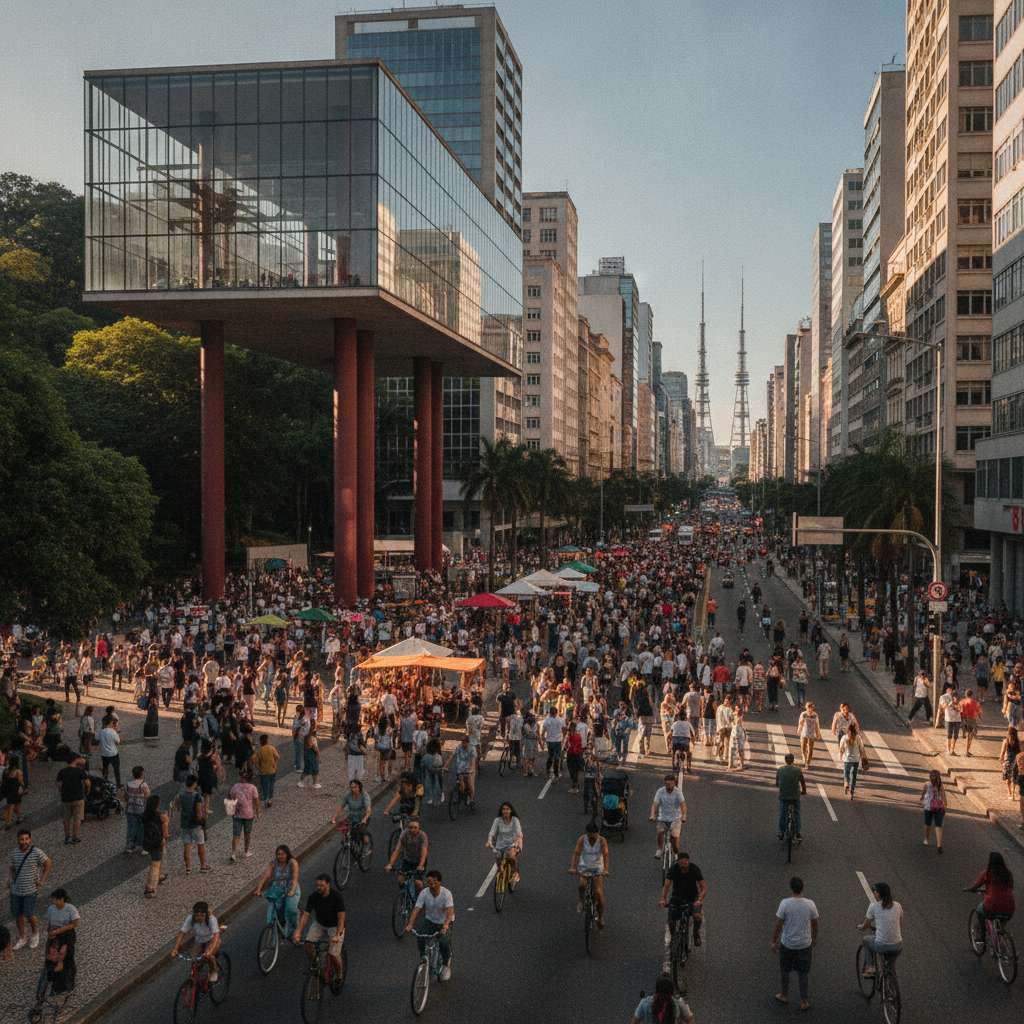
Avenida Paulista, MASP & São Paulos kulturelles Herz
Samba, Karneval & São Paulos afro-brasilianisches Kulturerbe
SP-Arte, Museen & São Paulos Weltklasse-Kulturszene
São Paulos Architektur — Modernismus, Niemeyer & der Betondschungel