Lake Washington, Arboretum & Seattles Outdoor-Leben
Seattles Outdoor-Kultur (die nach Denver am stärksten auf Outdoor ausgerichtete Großstadt Amerikas, die Stadt, in der pro Kopf mehr Einwohner an Wandern, Bergsteigen, Kajakfahren, Radfahren und Skifahren teilnehmen als in jeder anderen Großstadt der Vereinigten Staaten): die Kombination aus direktem Zugang zum Puget Sound (Kajakfahren, Segeln, Rudern), dem Lake Washington (der 87 km² große Süßwassersee an Seattles Ostgrenze), dem Burke-Gilman Trail (der 27 km lange Rad- und Fußweg von Ballard durch das University District nach Kenmore) und der Nähe der Kaskaden- und Olympic-Berge prägt Seattles Outdoor-Charakter.
- 1
Washington Park Arboretum — 230 Acres lebende Pflanzensammlung
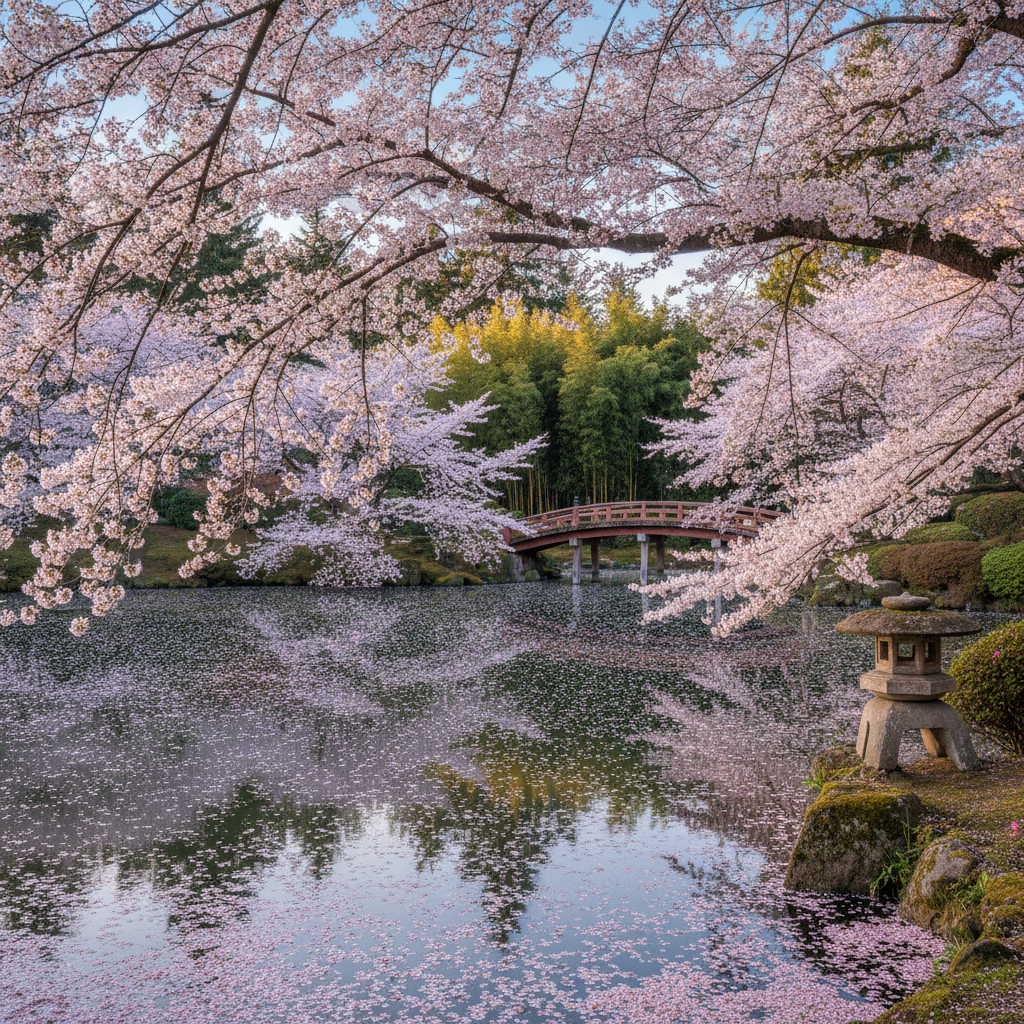
Das Washington Park Arboretum (2300 Arboretum Drive E, Madison Park, 230 Acres, kostenlos, täglich von Sonnenaufgang bis Sonnenuntergang geöffnet, verwaltet von der University of Washington) ist Seattles wichtigste botanische Ressource – der Japanische Garten (innerhalb des Arboretums, $8 für Erwachsene, geöffnet April–November, der schönste japanische Spaziergarten an der Westküste) und der Azalea Way (der 1.200 m lange zentrale Weg, gesäumt von japanischen blühenden Kirschbäumen und Azaleen, Blütezeit Ende März–April) sind die Hauptattraktionen; das Graham Visitors Center (kostenlos, Pflanzenbestimmungskarten) und der schwimmende Brückenweg über dem Lake Washington sind weitere Attraktionen.
- 2
Lake Washington — Süßwassersegeln 10 Minuten von Downtown entfernt
Der Lake Washington (21 km lang, der größte Süßwassersee im Raum Seattle, im Westen von Seattle und im Osten von den Eastside-Städten Bellevue und Redmond begrenzt, über den Lake Washington Ship Canal mit dem Puget Sound verbunden) ist Seattles wichtigste Wasserfreizeitressource – der Montlake Cut (die Wasserstraße, die den Lake Washington mit dem Lake Union verbindet) und die Ballard Locks (das Ingenieurbauwerk, das Boote zwischen dem Süßwassersee Lake Union und dem Salzwasser-Puget Sound anhebt und absenkt) sind die beiden technischen Wahrzeichen; Segelbootverleih (Community Boating Center, Eastlake Ave E, ab $20/Stunde) ist auf dem Lake Union verfügbar.
- 3
Mount Rainier — Der Vulkan, der Seattles Himmel dominiert
Der Mount Rainier (4.392 m, der höchste Gipfel der Kaskadenkette, der am stärksten vergletscherte Gipfel in den zusammenhängenden USA außerhalb Alaskas, 97 km von Seattle entfernt, Mount Rainier National Park, $30/Fahrzeugeintritt) ist an 40 % der Tage von Seattle aus sichtbar – der standardmäßige Sommerzugang (Paradise Visitor Center, 1.646 m, die meistbesuchte subalpine Wiese in den USA während der Wildblumensaison von Juli–August) bietet Zugang zum Skyline Trail (7,5 km Rundweg, 450 m Höhenunterschied, die beste Eintageswanderung am Rainier ohne technische Ausrüstung); der Wonderland Trail (150 km Umrundung des Berges, 9–14 Tage) ist die wichtigste Mehrtageswanderung im pazifischen Nordwesten.
- 4
Cascade Wilderness — Das Alpine Seen-Gebiet
Die Alpine Lakes Wilderness (das meistbesuchte Wildnisgebiet im US-Bundesstaat Washington, über 160.000 Acres, innerhalb von 80 km von Seattle, zugänglich von der I-90 am Snoqualmie Pass oder der US-2 am Stevens Pass) enthält über 700 alpine Seen in Höhenlagen von 600–1.800 m – die beliebtesten Tageswanderungen: Snow Lake (8 km Hin- und Rückweg, 1.300 m Gipfel, der am häufigsten bewanderte Weg in Washington), Rattlesnake Ledge (4 km Hin- und Rückweg, ein Felsvorsprung mit Blick auf die Skyline von Seattle) und die Enchantments (das spektakulärste alpine Gelände in Washington, 18 km einfache Strecke, lotteriebasierte Genehmigungen erforderlich, nur Oktober für Tagesnutzung ohne Genehmigung).
- 5
Green Lake Park — Seattles urbaner Badesee
Green Lake (Green Lake Park, Nord-Seattle, 1,5 Meilen langer gepflasterter Rundweg um einen Stadtsee, der meistgenutzte Lauf-/Gehweg in Seattle, 3 km von der Innenstadt mit häufigen Busverbindungen) ist das Zentrum der Gemeinschaft im Norden Seattles – der See selbst (von Juni bis September zum Schwimmen geöffnet, 2 bewachte Badestrände, keine Gebühr) und der Bootsverleih (Ruderboote, Kajaks, Paddleboards vom Green Lake Bootsverleih, $20/Stunde) machen ihn zu einem kompletten Outdoor-Freizeitziel; das Samstagsmorgen-Community-Yoga (Green Lake Park Outdoorbereich, kostenlos, 9:30 Uhr Juni–September) ist Seattles umfassendste Outdoor-Fitness-Tradition.
- 6
Puget Sound Seekajakfahren — Paddeln mit Orcas
Puget Sound Seekajakfahren (Verleih beim Agua Verde Paddle Club an der Portage Bay, $22/Stunde, und beim Northwest Outdoor Center am Lake Union, $18/Stunde) reicht von der urbanen Seenrunde bis zu mehrtägigen Inselüberquerungen – Orca Island (nicht der Wal, sondern die Insel im Haro Strait), Lopez Island und die San Juan Islands (erreichbar von Anacortes, 2 Stunden nördlich von Seattle mit dem Auto) bieten 3–7-tägige Kajak-Campingausflüge durch das produktivste Orca-Habitat der Welt; die Southern Resident Killer Whale Population (J-, K- und L-Pods, ca. 73 Wale) durchquert die San Juan Islands von Mai–Oktober.
Walk this route with audio
Stories play automatically as you reach each stop — no tapping needed.
Mehr in seattle
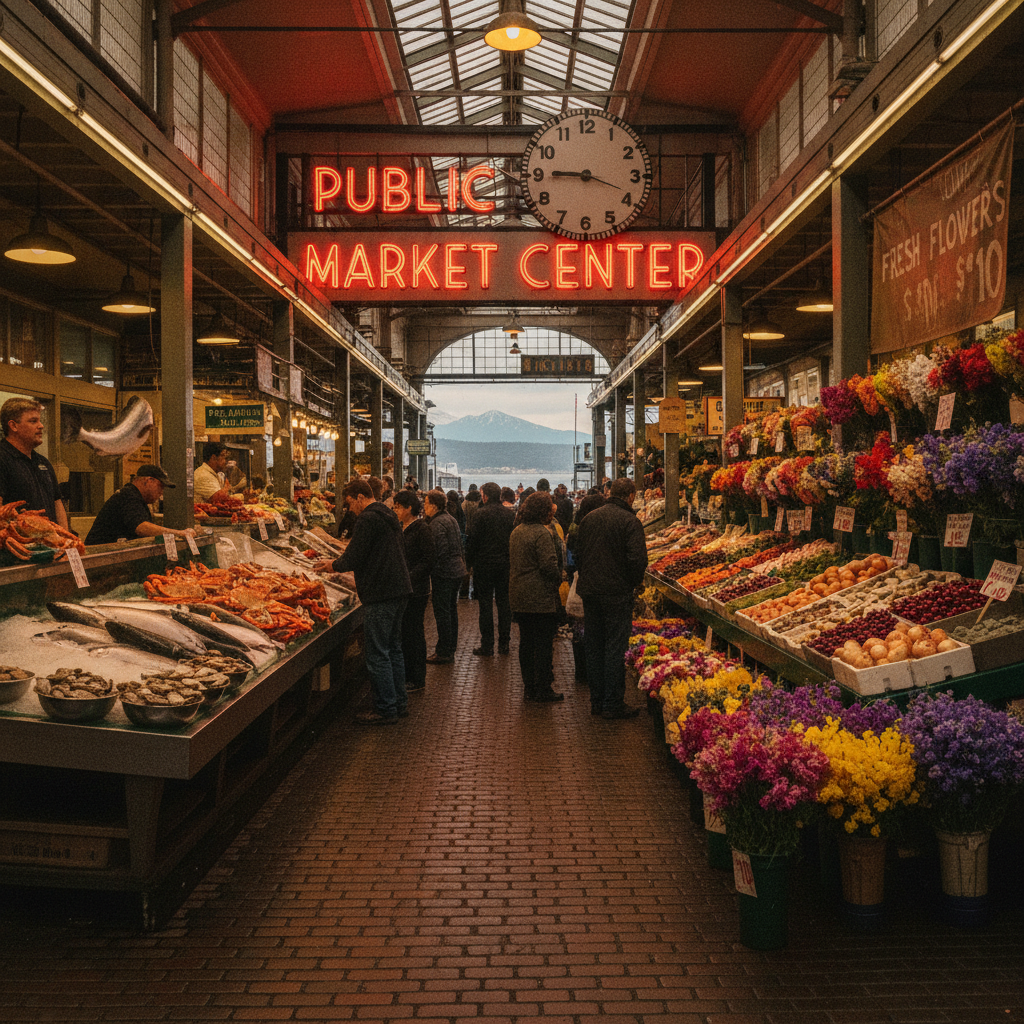
Pike Place Market, Elliott Bay & Seattles Seele am Wasser
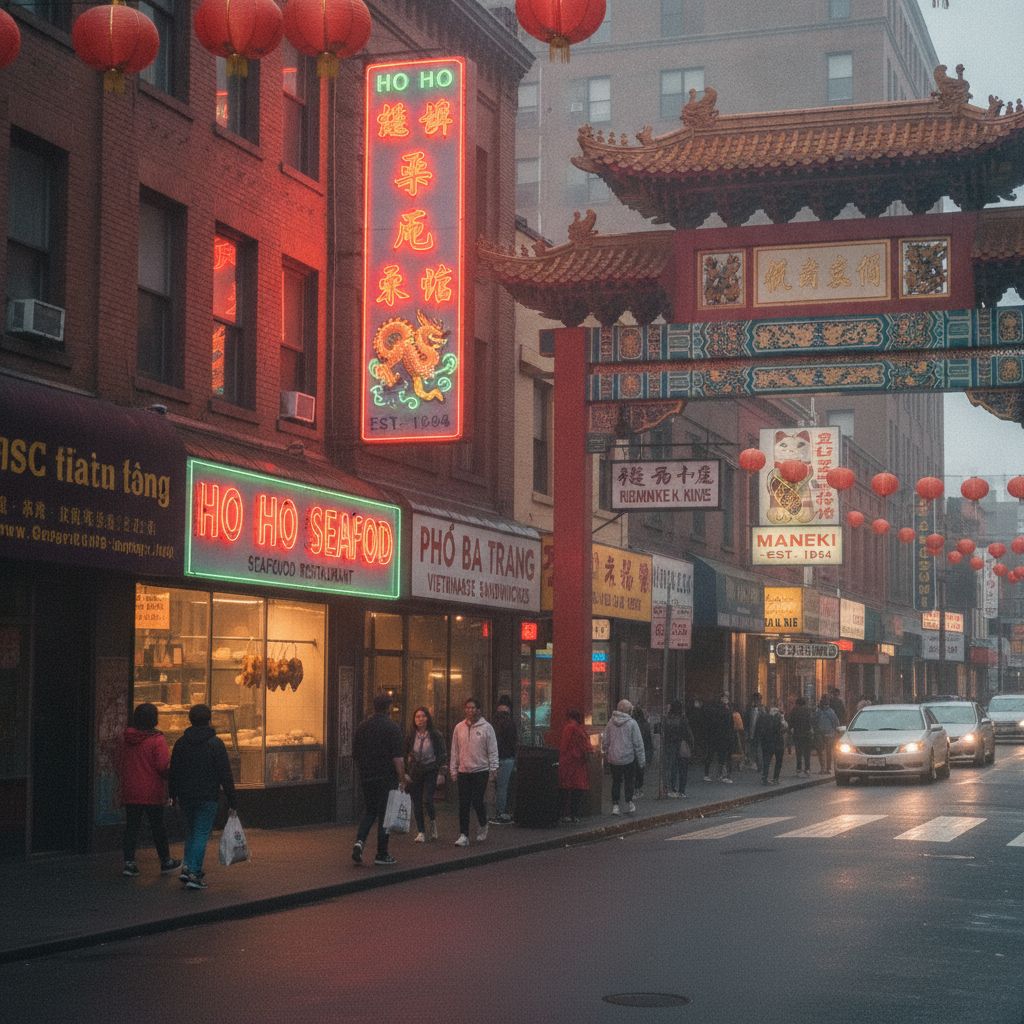
Chinatown-International District & Seattles asiatisch-amerikanisches Erbe
Pioneer Square, der Untergrund & Seattles Goldrausch-Geschichte
Seattles Food-Szene – Pazifische Meeresfrüchte, Craft Beer & Farm-to-Table
Grunge, Jimi Hendrix & Seattles Musikerbe