Pioneer Square, der Untergrund & Seattles Goldrausch-Geschichte
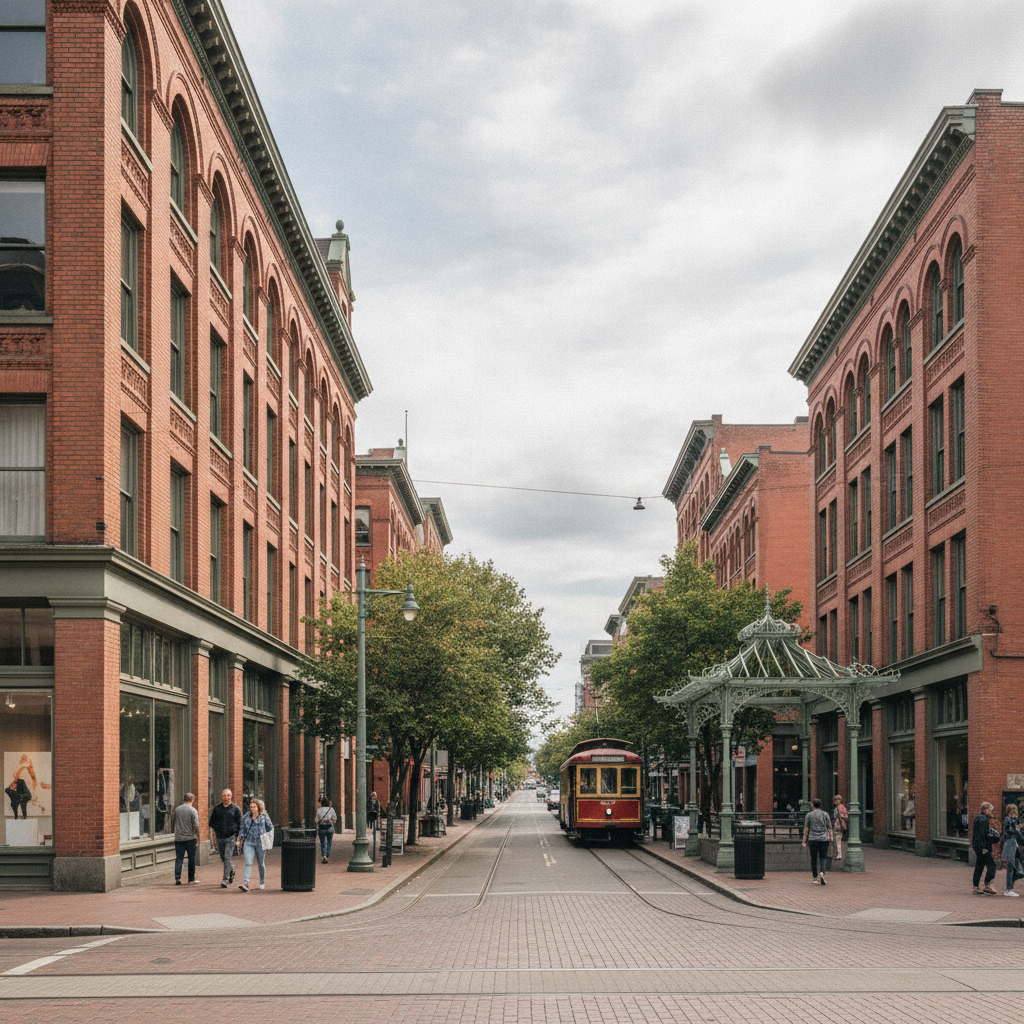
Pioneer Square (das historische Viertel im romanischen Stil am südlichen Ende der Innenstadt von Seattle – das ursprüngliche Handelszentrum der Stadt nach dem Großen Brand von Seattle im Jahr 1889) ist das historisch bedeutendste Viertel Seattles und beherbergt die größte Konzentration viktorianischer Geschäftshausarchitektur im pazifischen Nordwesten sowie das berühmte „Seattle Underground“ – die unterirdischen Straßen der ursprünglichen Stadt vor dem Brand.
- 1
Pioneer Square — Seattles ältestes Viertel (1852)
Pioneer Square (der dreieckige Park an der 1st Avenue und Yesler Way, der geografische und historische Ursprung Seattles, 1852 gegründet, als Henry Yesler das erste dampfbetriebene Sägewerk baute) ist das architektonisch intakteste viktorianische Viertel im pazifischen Nordwesten — die romanischen Backsteingebäude der 1890er Jahre (nach dem großen Brand von 1889, der die ursprüngliche Holzstadt zerstörte) entlang der 1st Avenue, Occidental Avenue und Yesler Way bilden ein kohärentes Straßenbild; das historische Viertel Pioneer Square (28 Blöcke, National Register) beherbergt die unterirdische Stadt, das Klondike Gold Rush Museum und die höchste Konzentration an Kunstgalerien in Seattle.
- 2
Seattle Underground — Die Stadt unter der Stadt
Bill Speidel's Underground Tour (614 1st Avenue, Pioneer Square, $28 Erwachsene, täglich 9–19 Uhr, 1,5 Stunden) erkundet das ursprüngliche Straßenniveau von Seattle, das nach dem Brand von 1889 um 3.7m angehoben wurde — die Tour führt durch die Ladenfronten der 1890er Jahre (jetzt unterirdisch, mit Glasziegeln im modernen Bürgersteig darüber, die Licht hereinlassen) der ursprünglichen Skid Road (Yesler Way, wo Baumstämme zu Yeslers Mühle gerutscht wurden, was den Begriff „Skid Row“ prägte); der Untergrund bewahrt originale Ladenfronten, Hardware-Behälter und die verzierten viktorianischen öffentlichen Toiletten (die unter dem neuen Straßenniveau lagen und bei Flut bekanntermaßen mit Meerwasser gefüllt waren).
- 3
Klondike Gold Rush National Historical Park — Der Beginn des Goldrausches in Alaska
Der Klondike Gold Rush National Historical Park (319 2nd Avenue Extension S, Pioneer Square, kostenlos, täglich 9–17 Uhr) ist der urbane Teil eines Nationalparks, der zwischen Seattle und Skagway, Alaska, aufgeteilt ist — das Museum dokumentiert Seattles Rolle im Klondike-Goldrausch von 1897–1899: Die Stadt wurde zum Ausrüstungszentrum für 100.000 Goldsucher, die zum Yukon aufbrachen; der „Seattle Spirit“ (die Förderung Seattles als Abfahrtsort für den Klondike durch den Seattle Post-Intelligencer, die Seattles ersten großen Wirtschaftsboom auslöste) ist der Beginn von Seattles selbstvermarktender Tradition, die in der Weltausstellung (1962) und dem Tech-Boom gipfelte.
- 4
Kunstgalerien am Pioneer Square — Erster Donnerstag Galerie-Spaziergang
Die Konzentration der Kunstgalerien am Pioneer Square (über 30 Galerien, die höchste Dichte im Bundesstaat Washington) nimmt am First Thursday Gallery Walk teil (jeden ersten Donnerstag im Monat, 18–20 Uhr, Galerien öffnen spät mit neuen Ausstellungen, kostenlosem Wein, dem meistbesuchten Kunstereignis in Seattle) — die Stonington Gallery (125 S Washington, die feinste Galerie für nordwestliche Küsten-Indianerkunst in Seattle), die G. Gibson Gallery (zeitgenössische Fotografie) und das Krab Jab Studio (Fantasy- und spekulative Kunst) repräsentieren das Spektrum; die Galerien bedienen hauptsächlich den Sammlermarkt, sind aber alle kostenlos und für die Öffentlichkeit zugänglich.
- 5
Occidental Square — Die Totempfähle und das Kopfsteinpflaster
Occidental Square (der Fußgängerblock der Occidental Avenue S zwischen Main und Jackson) ist das soziale Zentrum im Freien von Pioneer Square — die 4 Totempfähle auf dem Platz (geschnitzt von Tlingit-Künstlern der Nordwestküste, darunter Duane Pasco) sind die sichtbarste indigene Kunst in der Innenstadt von Seattle; das Kopfsteinpflaster (originale Basaltkopfsteine aus den 1890er Jahren, die durch den Wiederaufbau von 1889 erhalten blieben) ist das einzige erhaltene Beispiel in Seattle; der Platz beherbergt die tägliche Mittagspause der umliegenden Büros und wird durch den First Thursday Gallery Walk belebt; die Obdachlosenunterkunft neben dem Platz schafft eine anhaltende Spannung mit der Gentrifizierung.
- 6
Smith Tower — Seattles erster Wolkenkratzer (1914)
Smith Tower (506 2nd Avenue, Pioneer Square, 1914, Architekten Gaggin & Gaggin, 37 Stockwerke, 149m, das höchste Gebäude westlich des Mississippi bis 1931) ist das Herzstück der Skyline von Pioneer Square — die Aussichtsplattform (35. Stock, täglich 10–22 Uhr geöffnet, $24 Erwachsene, der „Chinese Room“ mit original handgeschnitzter Innenausstattung, einschließlich des Wunschstuhls, der L.C. Smith von der chinesischen Kaiserin überreicht wurde) ist der charakterreichste erhöhte Aussichtspunkt in Seattle; die Geschichte des Gebäudes (Lyman Cornelius Smith, der Schreibmaschinenhersteller, baute es als Denkmal für seinen eigenen Erfolg) und die Otis-Aufzüge von 1914 (immer noch in Betrieb) sind die Attraktion.
Walk this route with audio
Stories play automatically as you reach each stop — no tapping needed.
Mehr in seattle
Pike Place Market, Elliott Bay & Seattles Seele am Wasser
Chinatown-International District & Seattles asiatisch-amerikanisches Erbe
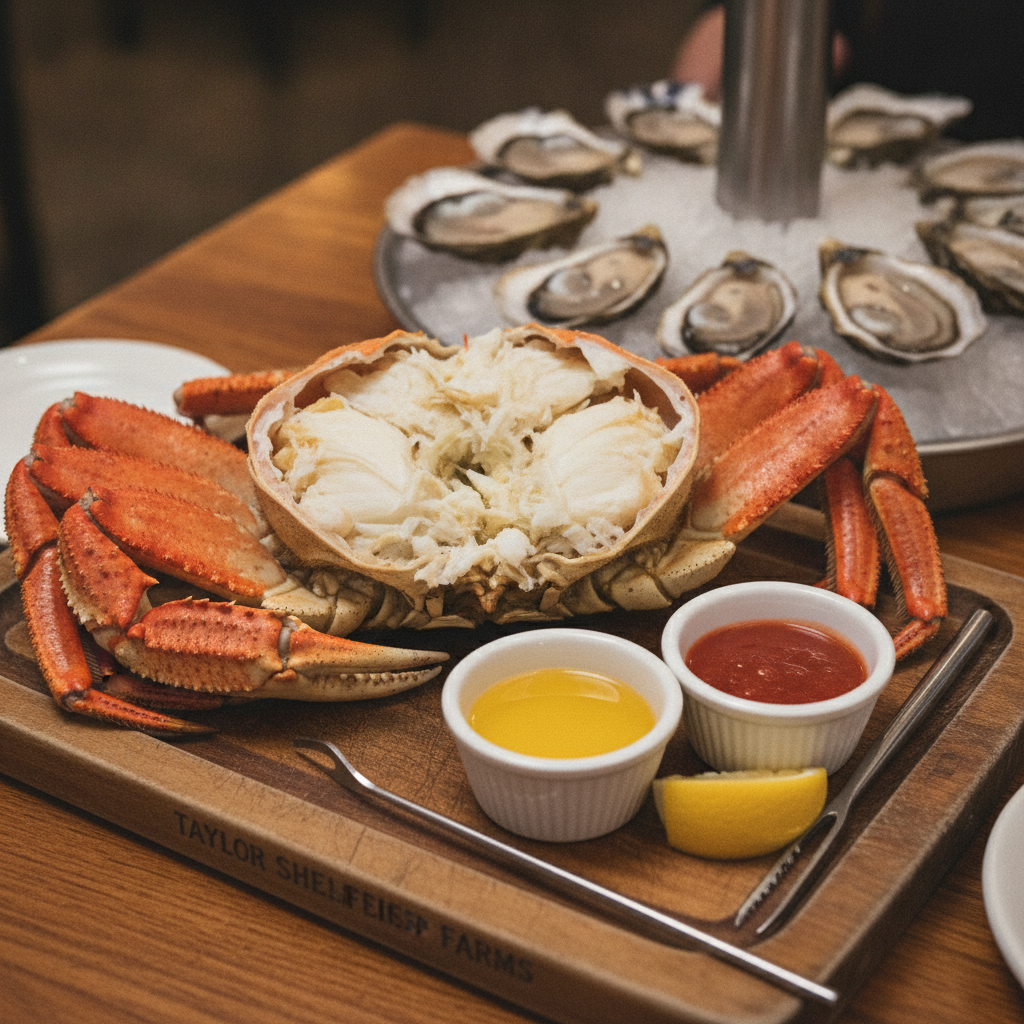
Seattles Food-Szene – Pazifische Meeresfrüchte, Craft Beer & Farm-to-Table
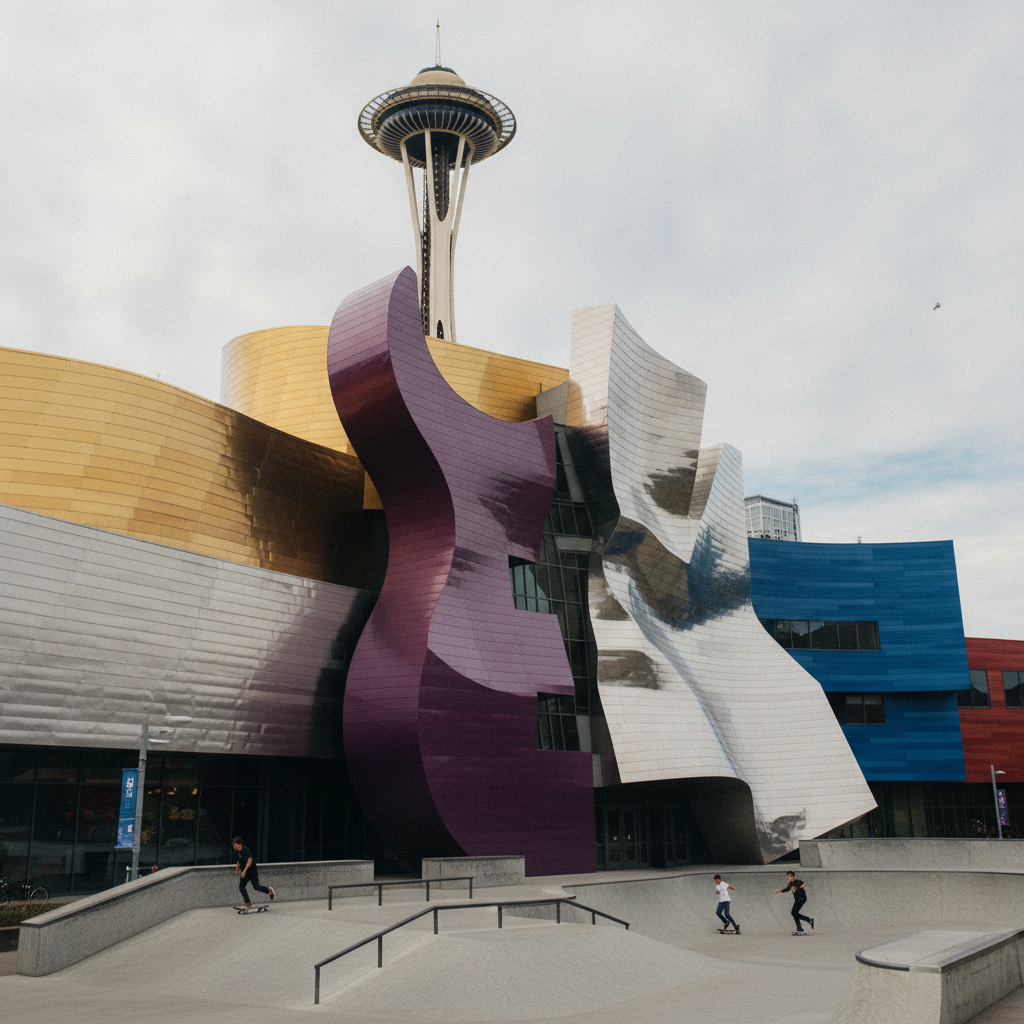
Grunge, Jimi Hendrix & Seattles Musikerbe
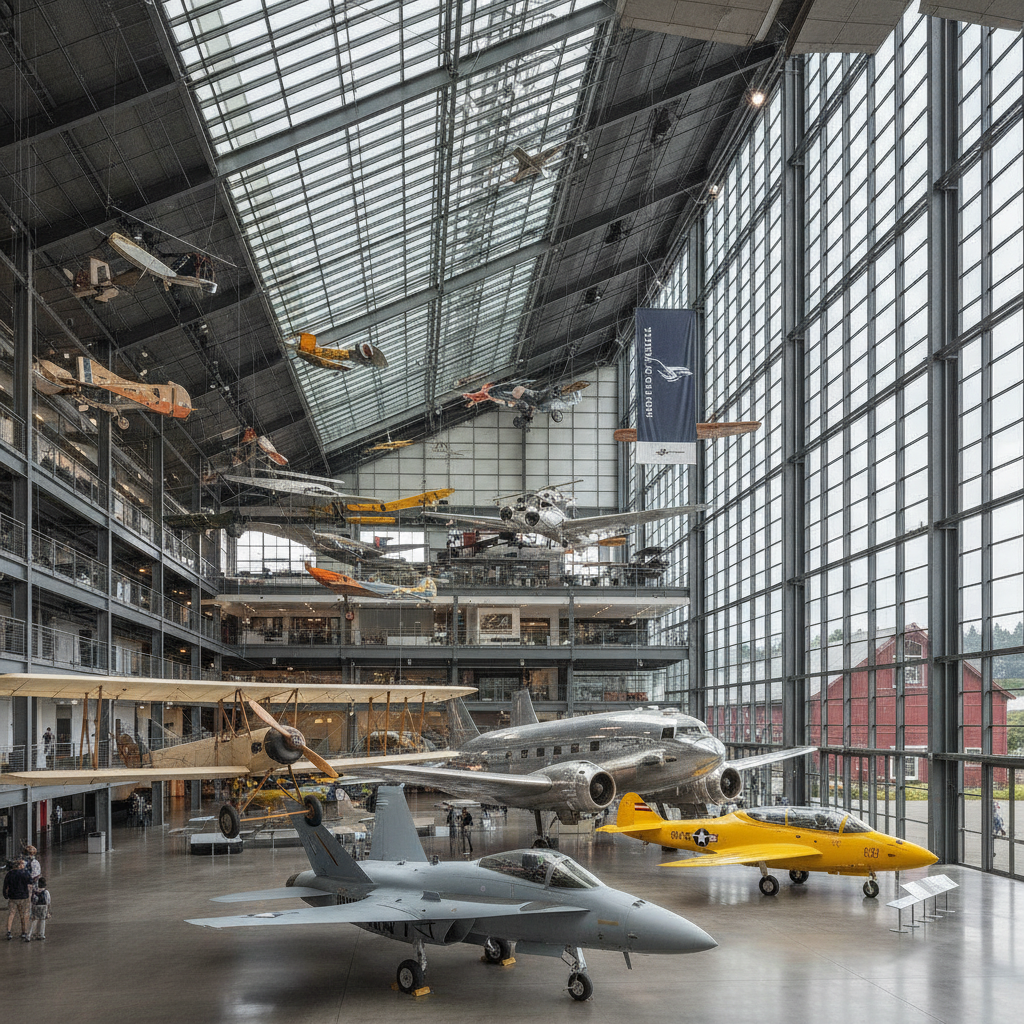
Boeing, das Flugmuseum & Seattles Luftfahrterbe