La Macarena, La Alameda & Sevillas Arbeiterseele
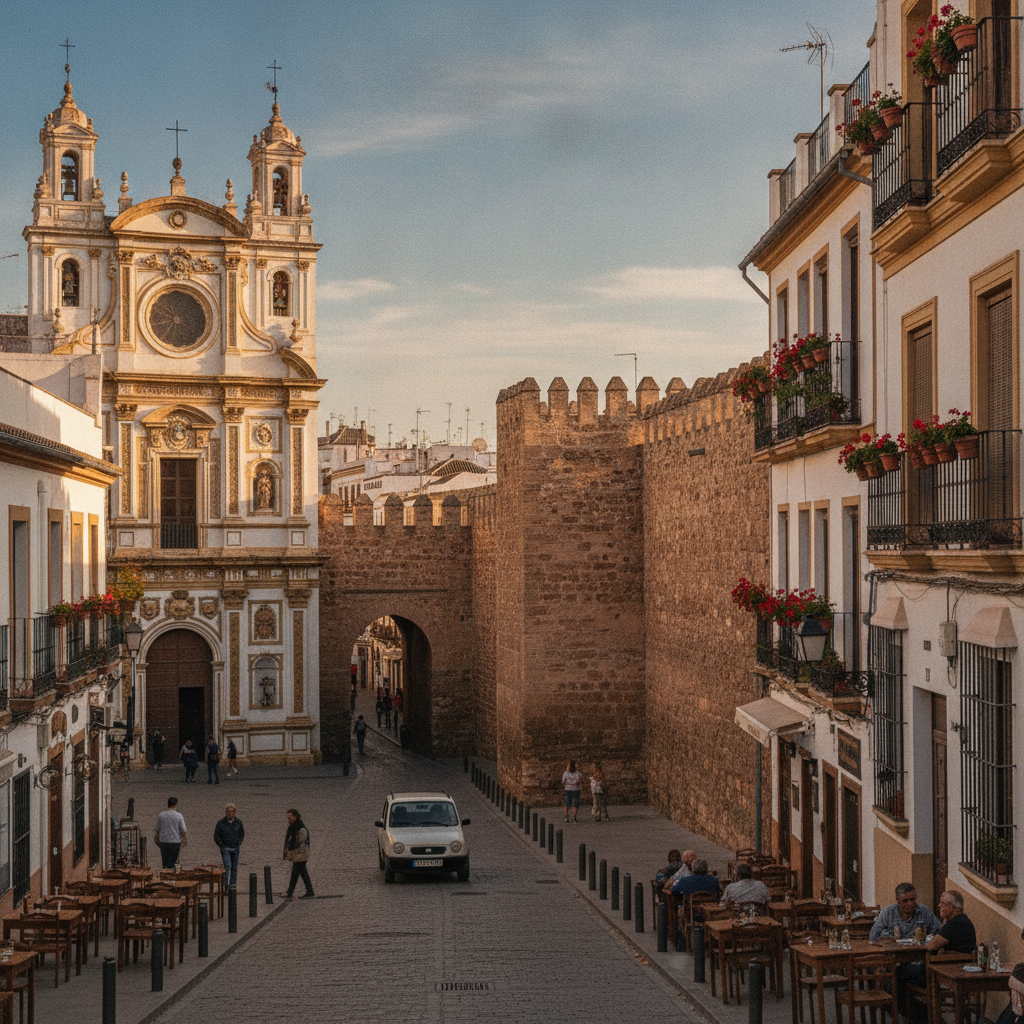
La Macarena (the working-class neighbourhood north of the historic centre — the neighbourhood of the Basílica de la Macarena (the church of the most beloved Virgin in Seville), the surviving section of the Almohad city walls, and the neighbourhood that is the spiritual home of the most devoted Semana Santa following in Seville) and La Alameda de Hércules (the oldest public promenade in Europe, the bohemian heart of modern Seville) together reveal the authentic, non-touristic soul of the city.
- 1
Basílica de la Macarena — The Weeping Virgin and Holy Week
Basílica de la Macarena (Calle Bécquer, La Macarena neighbourhood, 1949, housing the Virgen de la Esperanza Macarena, the most venerated religious image in Seville) is the spiritual centre of Seville's Semana Santa (Holy Week) — the Macarena cofradía (brotherhood) processes the figure (a baroque polychrome wood statue, 17th century, attributed to Luisa Roldán) on the early morning of Good Friday; the statue's 4 olive-branch shaped tears (added in the 18th century) represent hope and suffering; the Macarena's gold and silver embroidered float canopy (the palio, 800kg) is the finest in the Holy Week processions; museum €5.
- 2
La Alameda de Hércules — Seville's Nocturnal Living Room
La Alameda de Hércules (the 500m × 30m promenade in the San Lorenzo neighbourhood, created 1574 as the first public promenade in Europe — preceding the Paseo del Prado in Madrid by 200 years) is anchored at both ends by Roman columns (the southern pair topped by statues of Hercules and Julius Caesar, the mythological and historical founders of Seville) — the Alameda is the centre of Seville's alternative culture (LGBTQ+ nightlife, indie music, and the most relaxed atmosphere in the city); the bar terraces fill from 8pm until 3am on summer nights.
- 3
Semana Santa — The World's Greatest Holy Week
Seville's Semana Santa (Holy Week, the week before Easter, the largest and most elaborate Holy Week celebration in the world) involves 60 cofradías (brotherhoods, founded 1262–1853) each processing their sacred images through the city over 7 days — the processions (the nazarenos/penitents in pointed hoods — adopted from medieval Spanish tradition, not connected to the KKK which copied the design — carry wax candles; the costaleros carry the floats on their shoulders in complete darkness inside the float's base) are Spain's most emotionally intense annual event; hotel prices multiply 5× during Semana Santa.
- 4
Feria de Abril — The April Fair After Easter
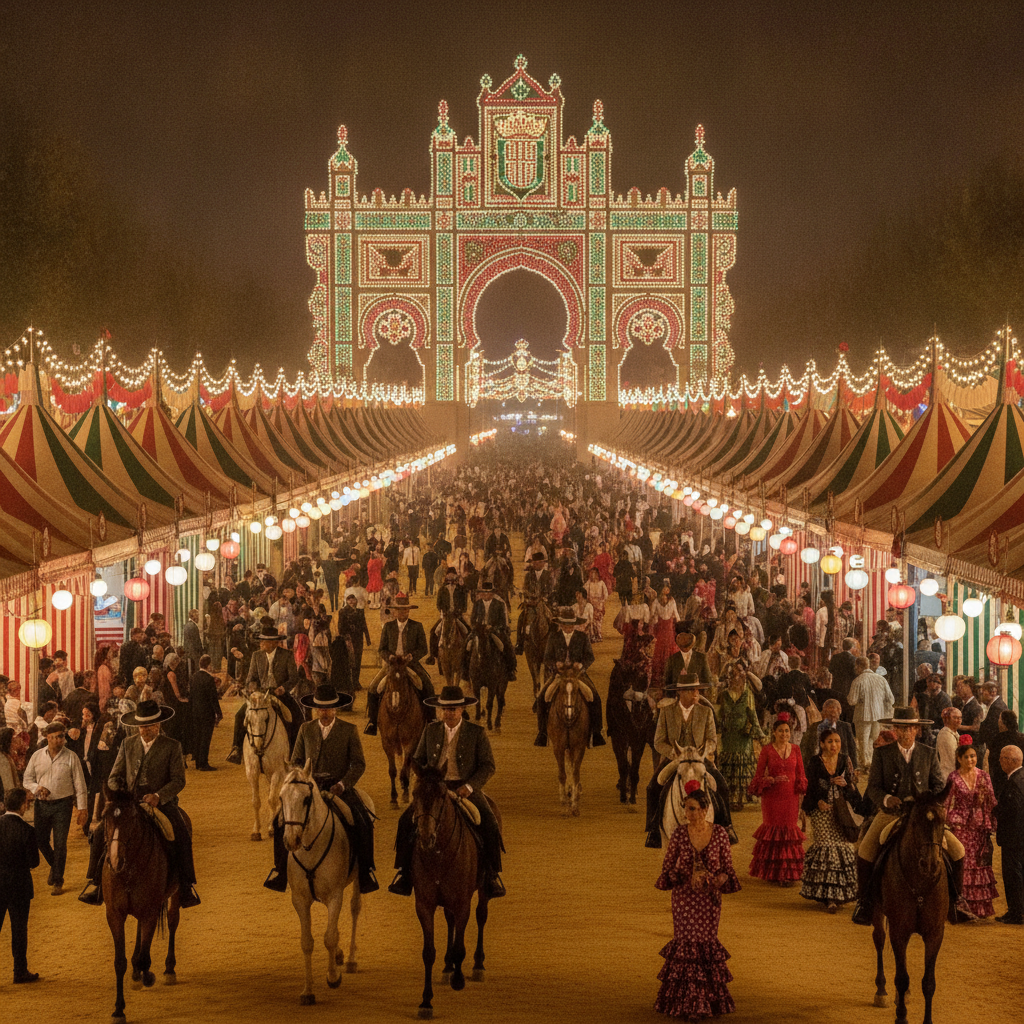
The Feria de Abril (the April Fair, held 2 weeks after Easter on the Recinto Ferial, the fairground in Los Remedios neighbourhood, Monday–Sunday 12pm–6am, free entry to the grounds) is Seville's defining celebration — the 1,000+ casetas (private tents, the vast majority closed to non-members, decorated with paper lanterns and equipped with bars and bandstands for sevillanas dancing) are supplemented by a smaller number of public casetas; the fairground's street (the Calle del Infierno, the midway with rides) and the horse parade (El Paseo de Caballos, Tuesday and Thursday mornings) are the freely accessible elements.
- 5
Triana Ceramics — The Industry Behind Seville's Tiles
Triana (the neighbourhood and the ceramic tradition — azulejos tiles produced in Triana since the 12th century, the source of the tin-glazed decorative tiles used in every palace, church, and patio in Seville) has the Centro Cerámica Triana (Calle Antillano Campos 14, Triana, in a former factory, €3, Tuesday–Saturday 11am–2pm and 5pm–8pm) documenting the tradition — Triana's active ceramic studios (Santa Ana Pottery, San Jacinto 2, founded 1870, the oldest continuous ceramic production in Seville) produce both traditional Sevillano tile designs and contemporary art ceramics; the workshop visits (€15, 2 hours, make a tile) are available by appointment.
- 6
Casa de Pilatos — The Andalusian Mudejar Palace
Casa de Pilatos (Plaza de Pilatos, Santa Catalina neighbourhood, 1480–1529, the palace of the Dukes of Medinaceli, private ownership since 1521) is the finest private palace in Seville — the patio principal (a 15th-century Mudejar courtyard with a central fountain, the tile dado and carved plasterwork in the Nasrid tradition) and the Roman sculpture collection (2nd-century busts purchased in Rome by Don Fadrique in 1519 — the collection that gave the palace its 'Pilate's House' association, based on the mistaken belief that the Roman columns resembled those of Pilate's Jerusalem house) are the principal attractions; combined ticket €12 (ground and upper floors).
Walk this route with audio
Stories play automatically as you reach each stop — no tapping needed.
Mehr in seville
Guadalquivir, Torre del Oro & Sevillas Uferpromenade
Calle Sierpes, Mantillas & Sevillas Einkaufstraditionen
Ausstellung von 1929, Parkarchitektur & Sevillas modernistisches Erbe
Feria de Abril, Semana Santa & Sevillas große Feste
Real Alcázar, Kathedrale von Sevilla & die Giralda