Las Fallas, Feuer & Valencias spektakulärstes Festival
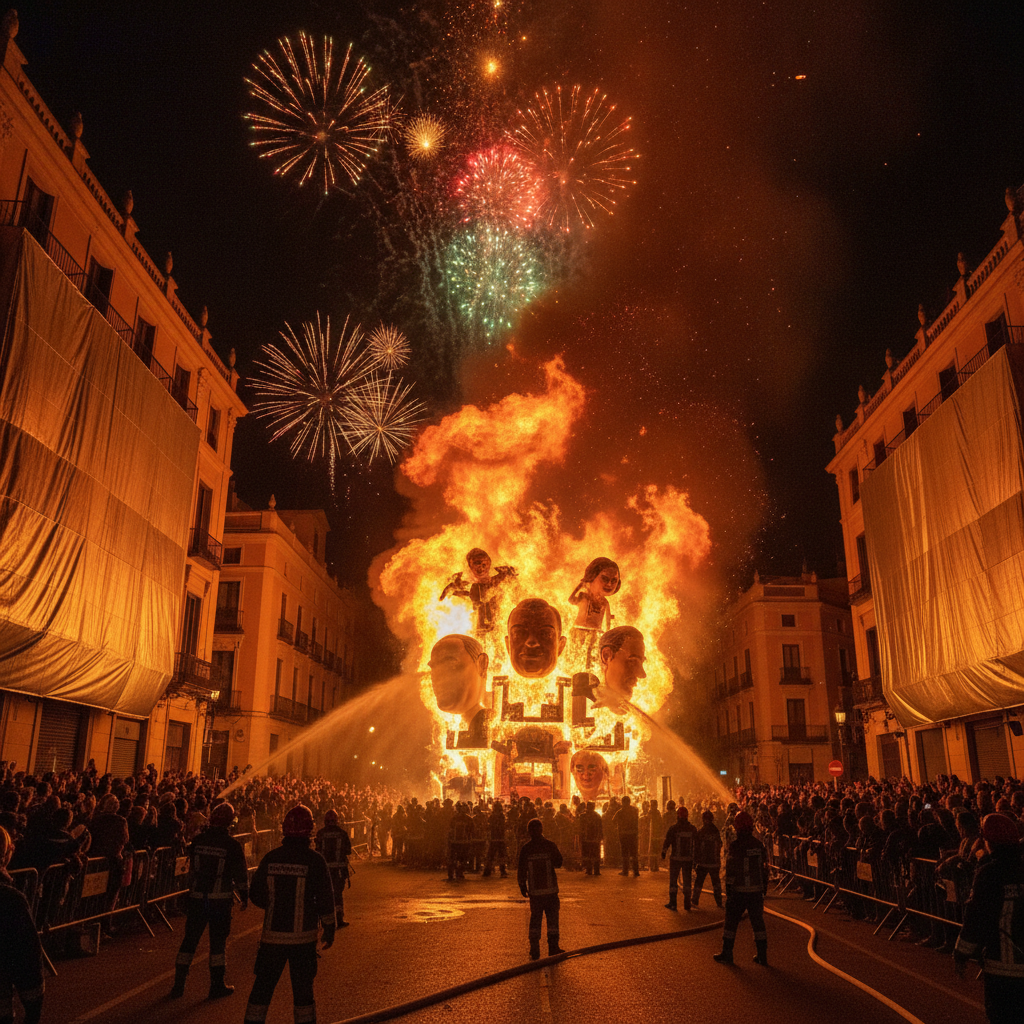
Las Fallas (die „Falles“ auf Valencianisch – das jährliche UNESCO-Festival des immateriellen Kulturerbes von Feuer, Kunst, Satire und Pyrotechnik in Valencia, das vom 1. bis 19. März stattfindet und in der „Nacht des Feuers“ (19. März) gipfelt, wenn Hunderte riesiger satirischer Papier-maché-Monumente („Ninots“) gleichzeitig in der ganzen Stadt verbrannt werden) ist das spektakulärste Feuerfestival Europas und der Ausdruck der valencianischen Bürgeridentität.
- 1
Las Fallas – Das UNESCO-Feuerfestival im März
Las Fallas (das jährliche Feuerfestival, UNESCO-Weltkulturerbe, 1. bis 19. März in Valencia, das am 19. März in La Cremà gipfelt) ist das visuell spektakulärste Stadtfest Europas – die Fallas (die Ninots, die satirischen Papier-maché-Skulpturen bis zu 30 m hoch, die über 12 Monate von den Falleras-Vereinigungen in jedem Viertel gebaut und dann am 19. März um Mitternacht verbrannt werden) sind über 780 Stück gleichzeitig in der ganzen Stadt; die Fallera Mayor (die gewählte „Königin“ des Festivals, 9 Monate vor dem Festival bekannt gegeben, die Rolle erfordert 12 Monate Vollzeit-Öffentlichkeitsarbeit) ist das menschliche Herzstück des Festivals; die Cremà am 19. März (das Verbrennen) ist der emotionale Höhepunkt, wenn 12 Monate künstlerischer Arbeit in 30 Minuten eingeäschert werden.
- 2
Mascletà – Die tägliche Mittags-Schießpulver-Darbietung
Die Mascletà (die tägliche 2-minütige pyrotechnische und perkussive Darbietung auf der Plaza del Ayuntamiento, Valencia, täglich um genau 14:00 Uhr vom 1. bis 19. März während Las Fallas, kostenlos, Menschenmassen von 100.000+) ist das prägende Ereignis der valencianischen Bürgeridentität – die Darbietung verwendet nur bodengestützte Böller (keine Luftraketen, der Wettbewerb zwischen den lizenzierten Pyrotechnikunternehmen der Region L'Horta), um ein Klangerlebnis (Spitzenpegel 120 dB) zu schaffen, das als physische Vibration und nicht nur als Gehör wahrgenommen wird; die Valencianer beurteilen die Mascletà nach ihrer Klangqualität (die „Tronada“, das abschließende Donnergrollen am Ende, ist der Moment der maximalen Bewertung); die besten Unternehmen werden 2 Jahre im Voraus gebucht.
- 3
Pyrotechnikindustrie – Die Schießpulverdörfer Valencias
Die pyrotechnische Tradition Valencias (die weltweit wichtigste Feuerwerksproduktionsregion außerhalb Chinas, die Gemeinden Massamagrell, Nàquera und Godella produzieren 60 %+ der professionellen Feuerwerke Europas) ist ein 500 Jahre altes Handwerk – das Museu del Tro i del Llamp (Museum für Donner und Blitz, Nàquera, 30 km nördlich von Valencia mit dem Auto) dokumentiert die alchemistische Entwicklung der valencianischen Schießpulverformeln; die lizenzierten Werkstätten (die Polvorins, Sprengstoffwerkstätten, die unter strengen Sicherheitsvorschriften arbeiten, mehrere bieten überwachte Besuche nach Vereinbarung an) produzieren die Coets (Raketen), die Palmeras (Luftexplosionen) und die spezialisierten Mascletà-Ladungen, die die technische Grundlage des Festivals bilden.
- 4
Museo Fallero – Die gerettete Ninot-Sammlung
Das Museo Fallero (Plaza Monteolivete 4, Valencia, ¥2 Erwachsene, Dienstag–Samstag 9:15–19:00 Uhr, Sonntag 9:15–15:00 Uhr) beherbergt die 780 Ninots Indultats (die einzelne Figur aus dem Fallas-Wettbewerb jedes Jahres, die seit 1934 durch öffentliche Abstimmung vor dem Brand am 19. März gerettet wurde) – die Sammlung, die jedes Jahr um ein Stück wächst, dokumentiert 90 Jahre valencianischer Volksskulptur und politischer Satire; die ältesten erhaltenen Ninots (die Papier-maché-Figuren der 1930er Jahre) und die jüngsten fotorealistischen Silikon- und Glasfaserwerke repräsentieren die technische Entwicklung; der Ninot von 2015 (eine satirische Skulptur spanischer Politiker, das umstrittenste kürzlich gerettete Stück) ist das meistdiskutierte in der Sammlung.
- 5
Semana de la Magdalena – Castellóns ähnliches Festival
Die Semana de la Magdalena (die Fiestas de la Magdalena, Castellón de la Plana, 75 km nördlich von Valencia, die letzten 9 Tage vor Aschermittwoch, das zweitgrößte Feuerfestival der Valencianischen Gemeinschaft nach Las Fallas, die Gaiatas – die beleuchteten Nachbarschaftsturmstrukturen – die in einem dem Fallas-Wettbewerb Valencias parallelen Festival konkurrieren) ist international weniger bekannt, aber während Besuchen außerhalb des März zugänglicher – die Gaiata Desfilada (der Umzug der beleuchteten Turmstrukturen durch das Stadtzentrum) und der Pregó (die Eröffnungszeremonie) sind die wichtigsten Ereignisse; Castellón ist 40 Minuten von Valencia mit dem Cercanías-Zug entfernt (¥5.60 einfache Fahrt).
- 6
El Pilar – Oktober-Feuerfestival in Zaragoza
Die Ofrenda de Flores (das Blumenopfer in der Basílica del Pilar, Zaragoza, 12. Oktober, der Haupttag der Fiestas del Pilar, Aragons Äquivalent zu Las Fallas) umfasst über 50.000 Teilnehmer, die in traditionellen regionalen Kostümen Blumen zur Plaza del Pilar tragen, um einen Blumenmantel auf der Statue der Jungfrau zu errichten – das Festival umfasst den Internationalen Pyrotechnischen Wettbewerb (5 aufeinanderfolgende Abende, der wichtigste professionelle Feuerwerkswettbewerb in Spanien), die Ronda de Gigantes (die Prozession von 4,5 m großen Papier-maché-Riesenfiguren) und das Konzert der Jotas (der traditionelle aragonesische Gesangswettbewerb); Zaragoza ist 3,5 Stunden von Valencia mit dem AVE-Hochgeschwindigkeitszug entfernt (¥35–65 einfache Fahrt).
Walk this route with audio
Stories play automatically as you reach each stop — no tapping needed.
Mehr in valencia
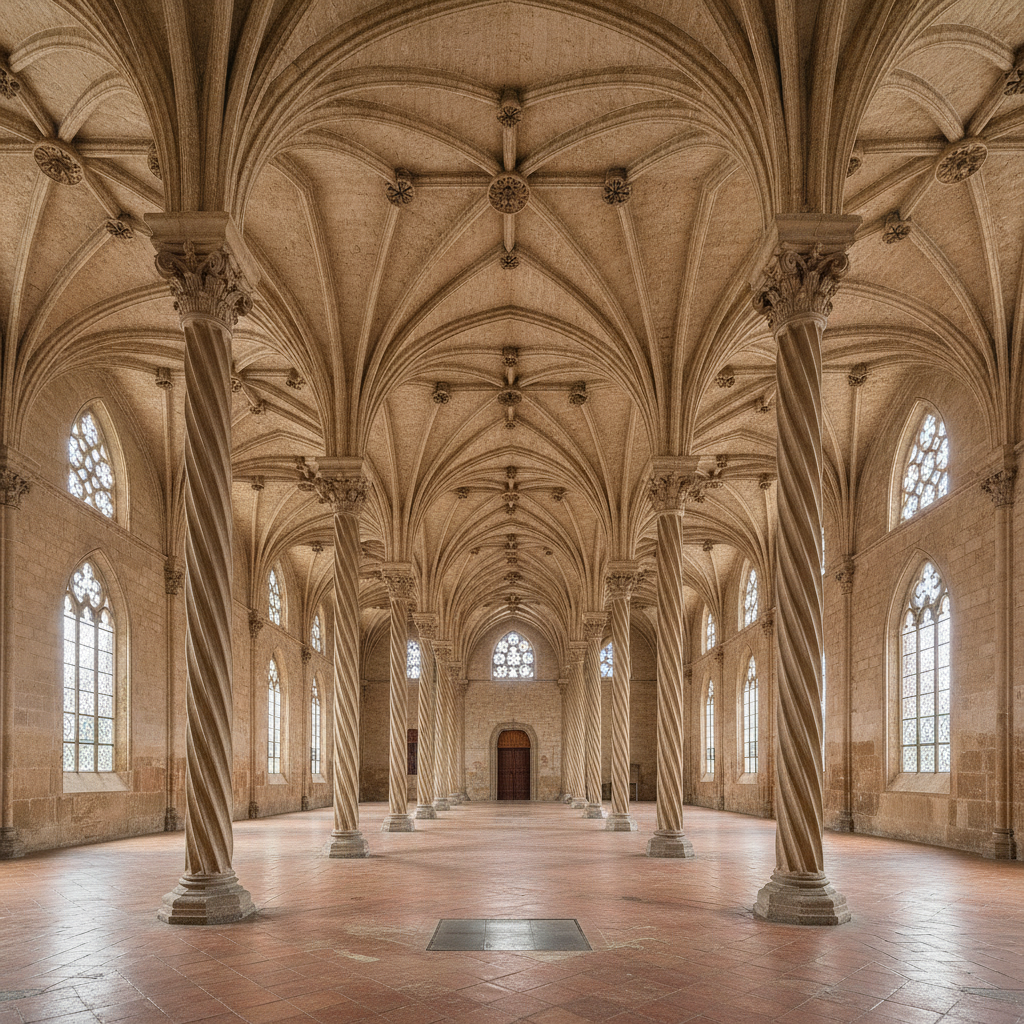
Valencias Altstadt, Carmen-Viertel & gotisches Erbe
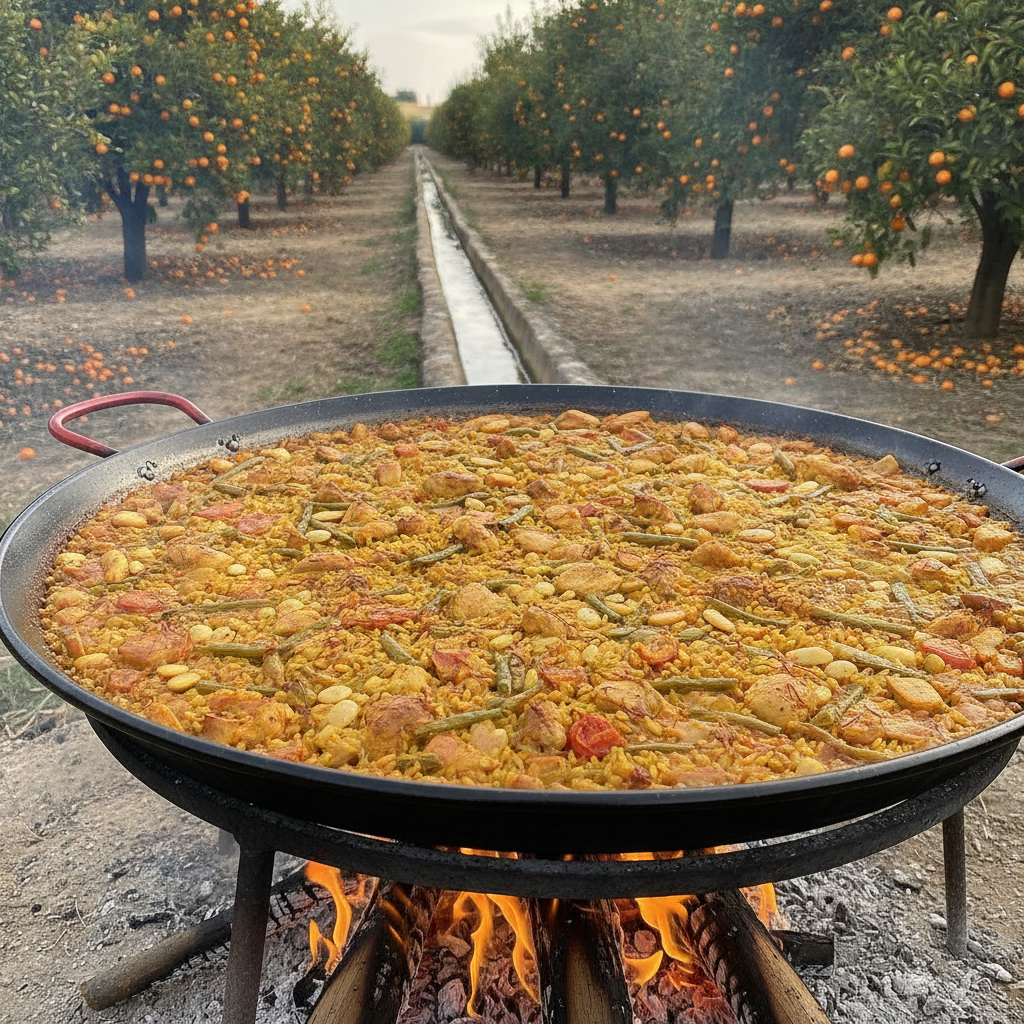
Paella, Mercado Central & Valencias gastronomische Seele
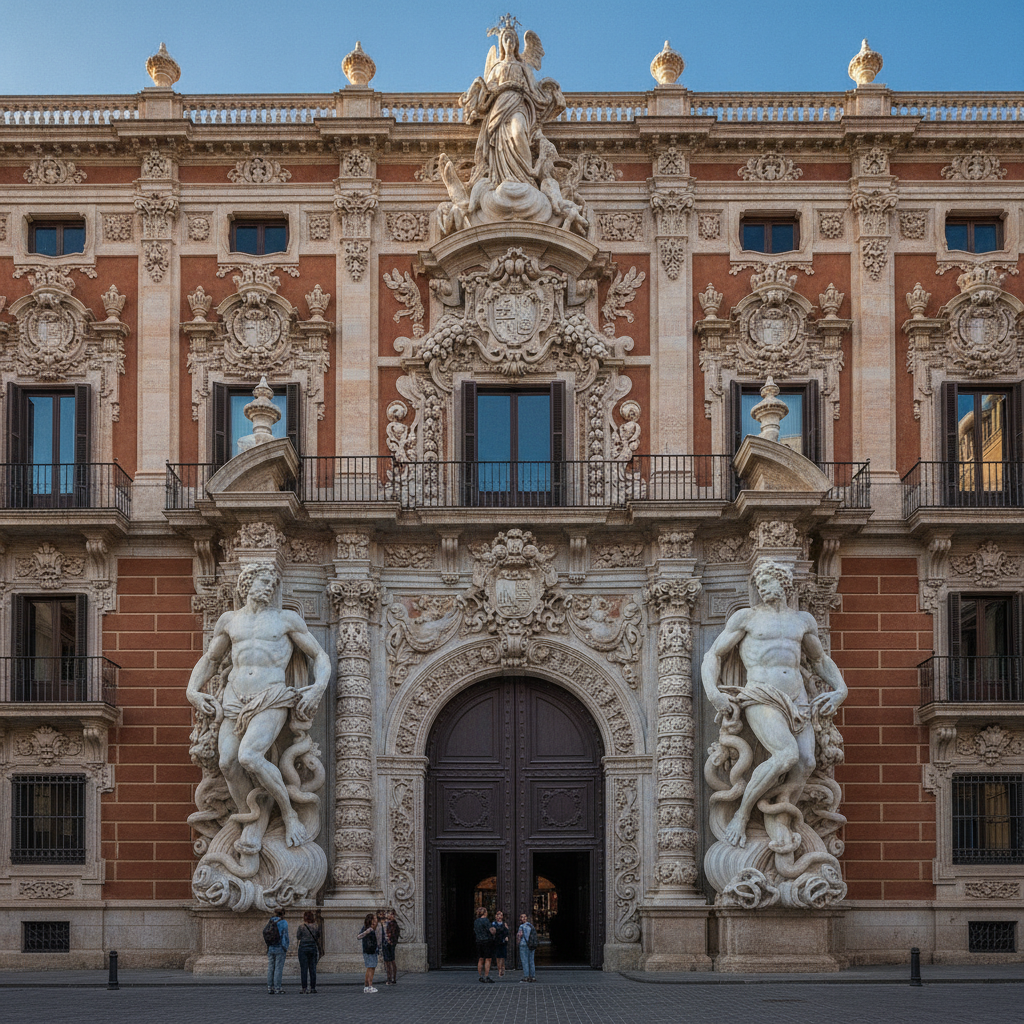
Nationales Keramikmuseum, valencianische Fliesen & Handwerkserbe
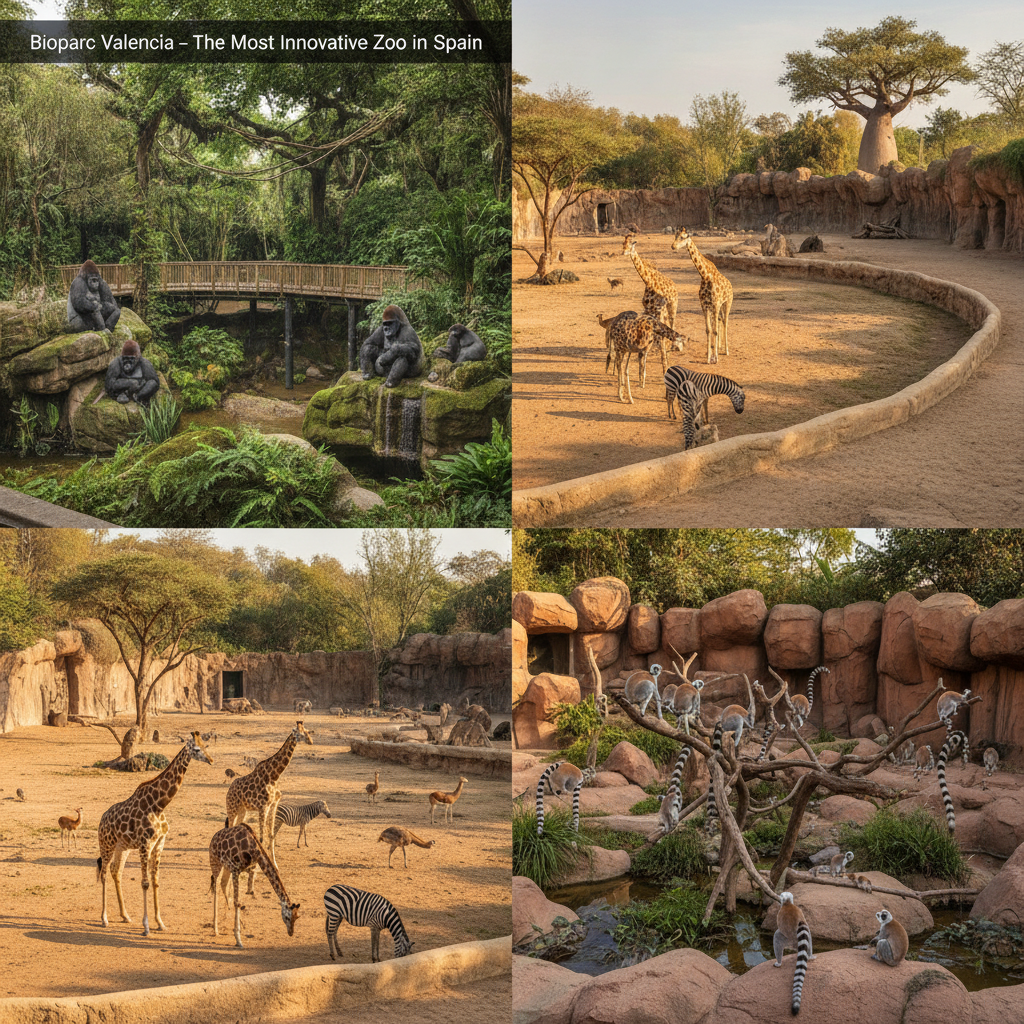
Bioparc Valencia, Cabecera Park & die Moderne Stadt
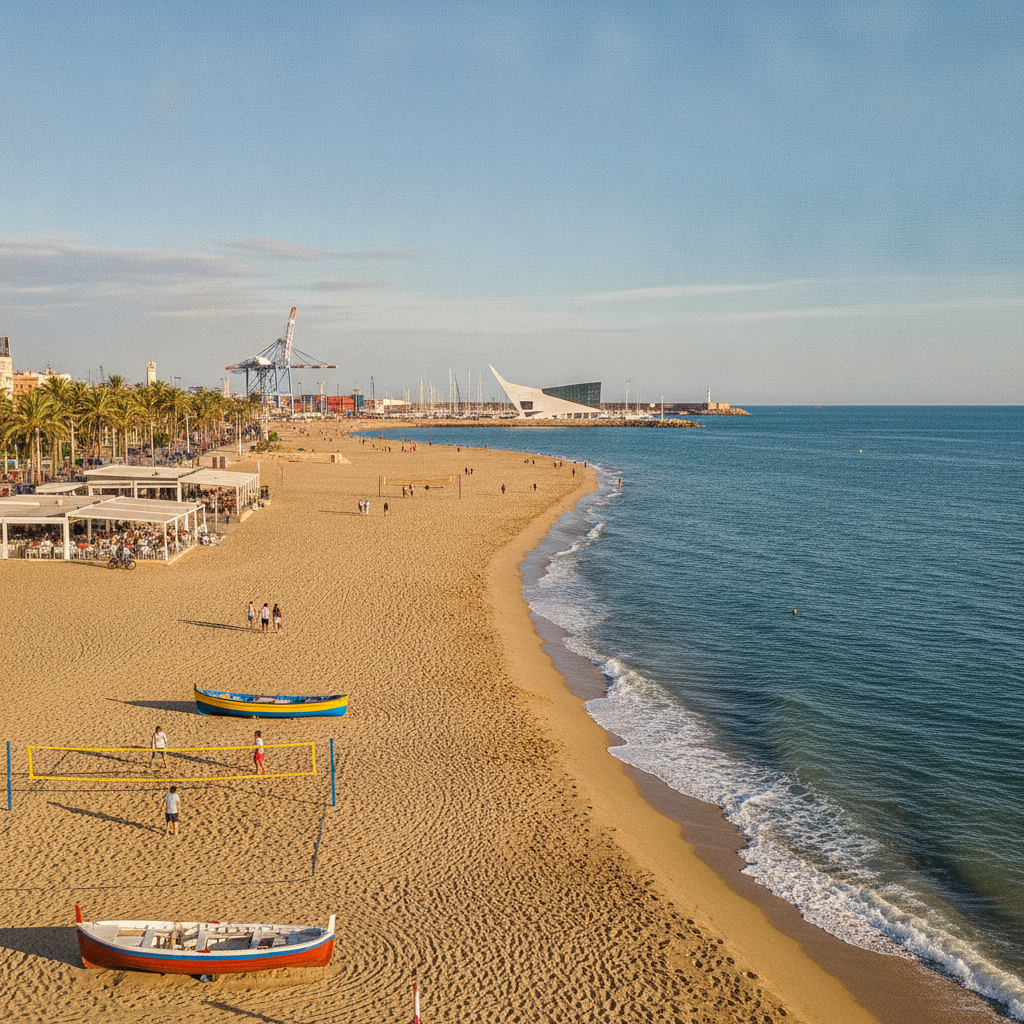
Malvarrosa Strand, Mittelmeerküste & Valencias Küstenleben