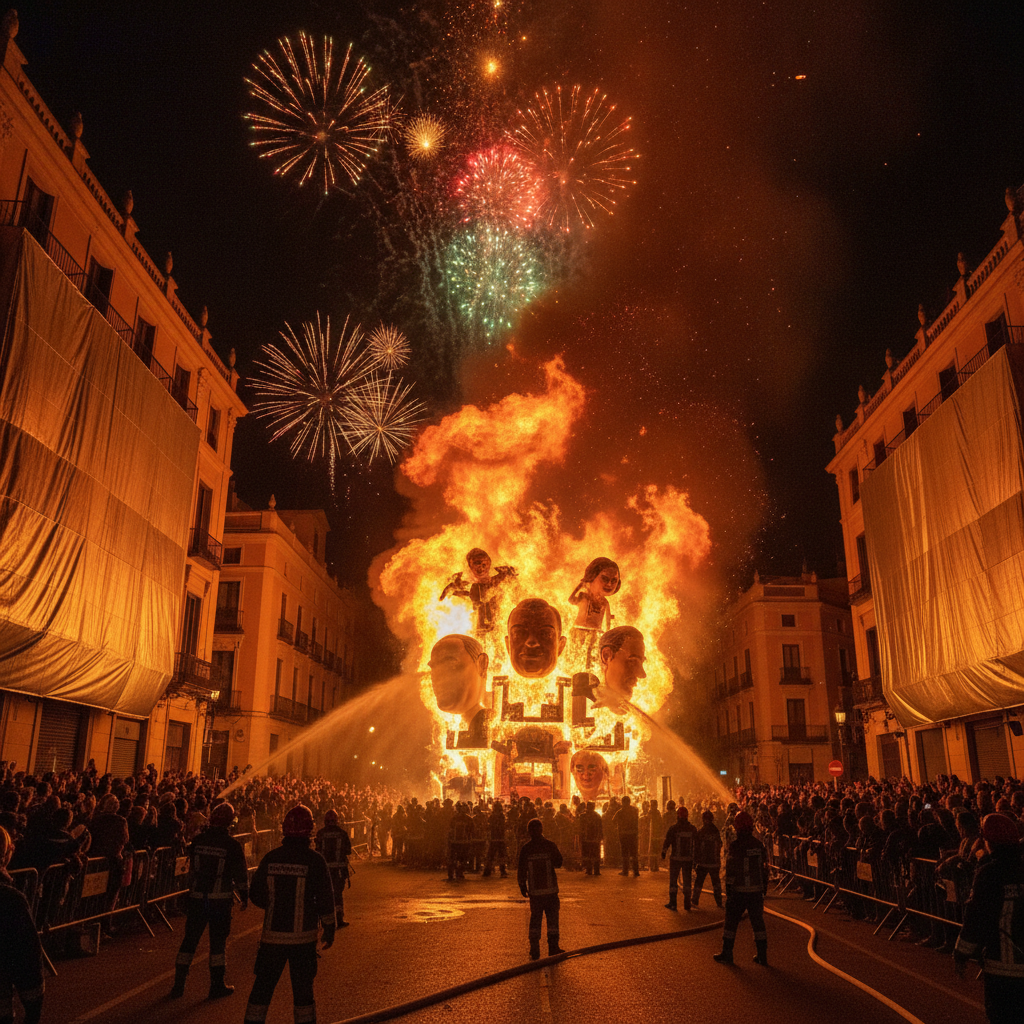
Valencias Altstadt, Carmen-Viertel & gotisches Erbe
Valencias historisches Zentrum – das „Barrio del Carmen“ (das älteste und bohemste Viertel Valencias, das Labyrinth enger Gassen zwischen den beiden erhaltenen Abschnitten der mittelalterlichen Stadtmauern), die Llotja de la Seda (das UNESCO-Weltkulturerbe, die gotische Seidenbörse, das schönste bürgerliche gotische Gebäude Spaniens), die Kathedrale von Valencia (mit dem „Santo Cáliz“ – dem valencianischen Heiligen Gral) und die Torres de Serranos (das spektakuläre gotische Stadttor aus dem 14. Jahrhundert) – bilden zusammen das kompakte und außerordentlich reiche mittelalterliche Stadtzentrum eines der großen mittelalterlichen Königreiche Spaniens.
- 1
Kathedrale von Valencia – Der Kelch des Heiligen Grals
Die Kathedrale von Valencia (Catedral de Santa María de Valencia, Plaza de la Reina, kostenlos für den Gottesdienst, 8 € für den Museumszugang und den Aufstieg zum Miguelete-Turm, Montag–Samstag 10:00–18:30 Uhr, Sonntag 14:00–18:30 Uhr) beherbergt den Santo Cáliz – eine Achat-Schale aus dem 1. Jahrhundert, die als der Kelch identifiziert wird, der beim Letzten Abendmahl verwendet wurde, das theologisch glaubwürdigste der über 200 Objekte, die als Heiliger Gral beansprucht werden; der Glockenturm Miguelete (207 Stufen, 51 m, das beste Panorama des zentralen Valencia), das gotische Kirchenschiff (die ursprüngliche Konstruktion von 1262) und die Taufkapelle des Borgia-Papstes Alexander VI. sind die wichtigsten architektonischen Merkmale; die gotische und barocke Außenseite blickt auf vier verschiedene Plätze.
- 2
El Carmen Barrio – Das mittelalterliche Viertel bei Nacht
Das Barrio del Carmen (das historische Viertel nordwestlich der Kathedrale, begrenzt von Torres de Quart und Torres de Serranos, den beiden erhaltenen mittelalterlichen Stadttoren) ist Valencias ältestes Viertel und sein intensivstes Ausgehviertel – die Torres de Serranos (1392, das gotische nördliche Stadttor, 2 € Erwachsene, Dienstag–Sonntag 10:00–19:00 Uhr, die Aussicht von der Turmspitze über die Dächer der Altstadt ist das beste verfügbare Panorama auf Bodenniveau) und das IVAM (Institut Valencià d'Art Modern, Guillem de Castro 118, das valencianische Museum für zeitgenössische Kunst, 6 € Erwachsene, die Dauerausstellung mit Julio González' Eisenskulpturen – die wichtigste Sammlung von González' Werk weltweit) verankern das kulturelle Leben des Viertels.
- 3
Mercado Central – Der modernistische Eisen- und Glasmarkt
Der Mercado Central de Valencia (Plaza del Mercado, das 1928 erbaute Marktgebäude aus Eisen, Glas und Keramikfliesen von Alexandre Soler March und Francesc Guàrdia Vial, die größte überdachte Markthalle Europas nach Grundfläche, 8.000 m², freier Eintritt, Montag–Samstag 7:30–15:00 Uhr) ist das schönste Marktgebäude Spaniens – das Innere (die Jugendstil-Keramikornamente, das orangefarbene Kuppelzentrum, die über 1.200 Marktstände) und die Produkte (Valencias eigene: Orangen aus der Huerta, Tigernüsse für Horchata, Buñuelos, frischer Fisch aus dem nur 10 km entfernten Mittelmeer) machen es zum richtigen Ausgangspunkt für jeden lebensmittelorientierten Besuch Valencias; kommen Sie vor 10:00 Uhr, um das volle Handelsgeschehen zu sehen.
- 4
La Lonja de la Seda – UNESCO-Welterbestätte Seidenbörse
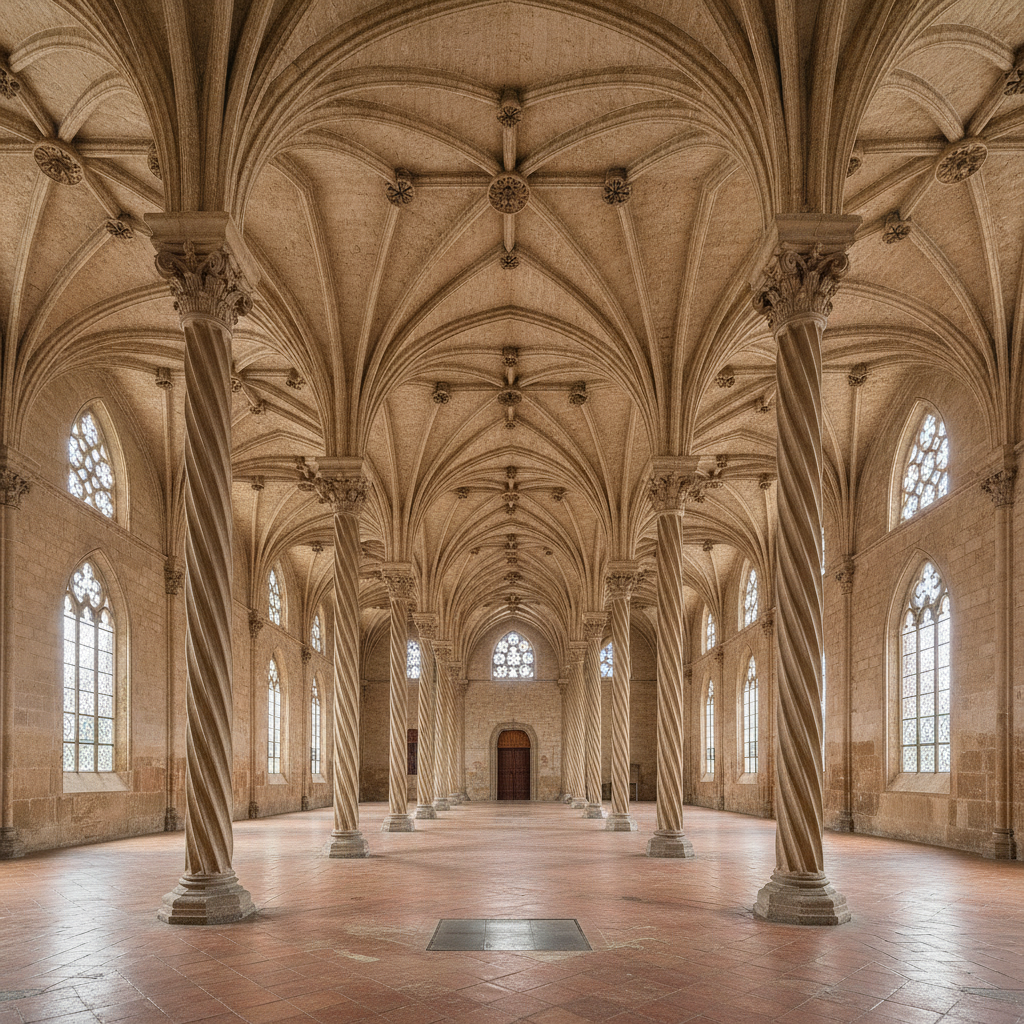
Die Lonja de la Seda (die Seidenbörse, Plaza del Mercado, direkt gegenüber dem Mercado Central, UNESCO, kostenlos, Dienstag–Samstag 9:30–19:00 Uhr, Sonntag 9:30–15:00 Uhr) ist das schönste Beispiel gotischer Zivilarchitektur auf der Iberischen Halbinsel – die Sala de Contratación (der Handelssaal von 1498, 35 m lang, die verdrehten Palmen-Kalksteinsäulen tragen die Gewölbedecke, der Saal, in dem Valencias mittelalterliche Seidenhändler den wertvollsten Warenhandel Westeuropas betrieben) und der Torre del Consulado (der Turm aus dem 18. Jahrhundert, der den Raum des Tribunal de las Aguas beherbergt – wo das älteste ununterbrochen funktionierende Gericht der Welt, das Wassergericht von Valencia, seit mindestens 1350 jeden Donnerstag tagt) sind die beiden wichtigsten Innenräume.
- 5
Jardines del Turia – Der trockene Fluss wurde zum Garten
Die Jardines del Turia (der 110 Hektar große Linear公园, der sich 9 km durch das Zentrum von Valencia im ehemaligen Bett des Turia-Flusses erstreckt, der nach der katastrophalen Überschwemmung von 1957 umgeleitet wurde) ist das beste Beispiel für die Umwandlung von Flussinfrastruktur in einen Park in Europa – der Park (vom Bioparc im Westen bis zum Palau de les Arts im Osten) enthält: den Gulliver Park (die Gulliver-Skulptur von 1990, 70 m lang, die spielbare Kinderrutschbahn), den Palau de les Arts Reina Sofía (das Opernhaus von Santiago Calatrava aus dem Jahr 2005 im östlichen Teil des Parks, freier Außenzugang) und 9 km Rad- und Joggingwege; der gesamte Park ist mit dem stadteigenen Valenbisi-Fahrradverleih (13,30 €/Woche Abonnement, 276 Stationen) mit dem Fahrrad erreichbar.
- 6
Agua de Valencia – Der eigene Cocktail der Stadt
Agua de Valencia (der valencianische Cocktail aus Cava-Sekt, Orangensaft, Wodka und Gin – 1959 von Constante Gil im Café Madrid, Calle Abadía de San Martín 10, Valencia, als Herausforderung auf eine Gruppe spanischer Touristen hin erfunden, die „Agua de Valencia“ als Scherzbestellung aufgaben) wird in einem großen Gemeinschaftskrug serviert (die Standardportion ist 1 Liter, 18–25 €, der Krug wird zwischen 4 Personen geteilt) – das Café Madrid (die Originalbar, immer noch in Betrieb, der stimmungsvollste Ort, um den Cocktail in Valencia zu trinken, das Interieur seit den 1960er Jahren unverändert) und die Bars der Plaza de la Reina (der Platz vor der Kathedrale) servieren ihn Touristen; die Einheimischen trinken Horchata (Tigernussmilch, 1,50 €/Glas in jeder Granja).
Walk this route with audio
Stories play automatically as you reach each stop — no tapping needed.
Mehr in valencia
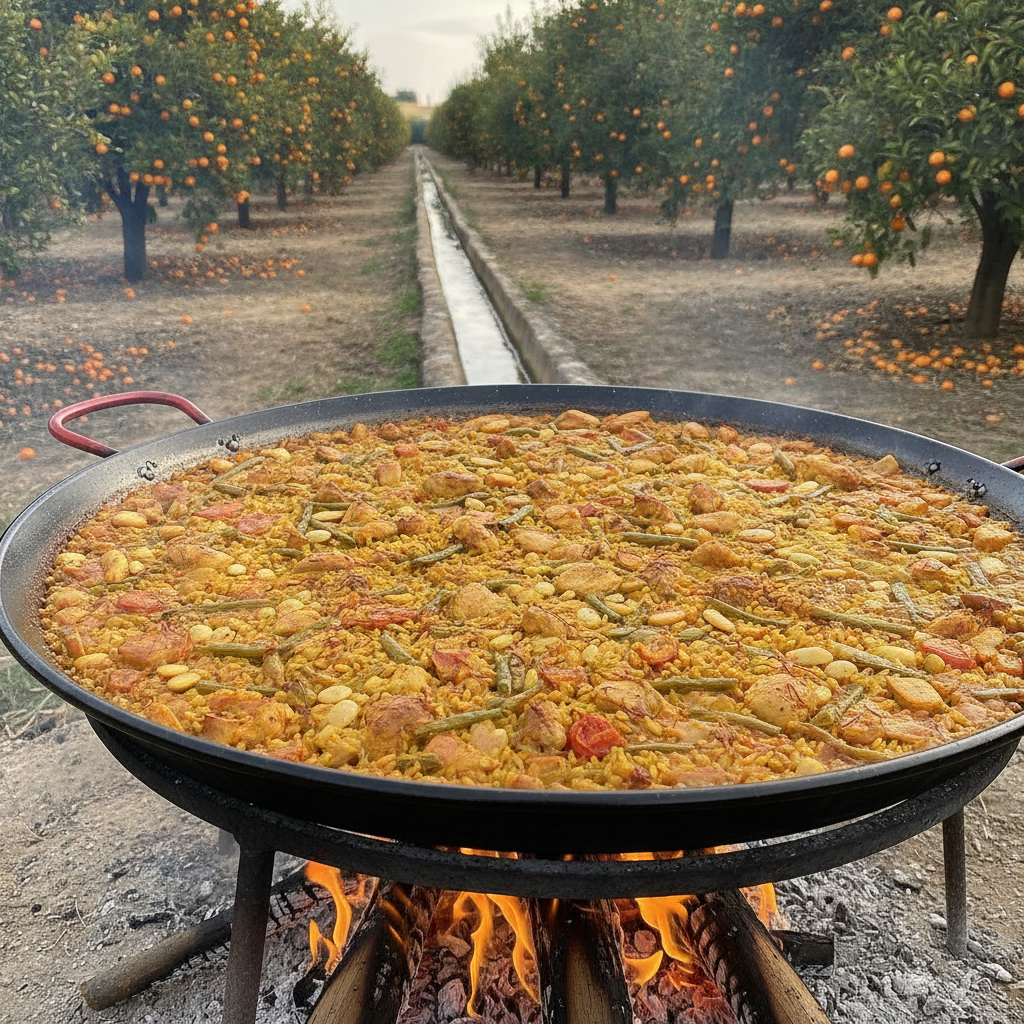
Paella, Mercado Central & Valencias gastronomische Seele
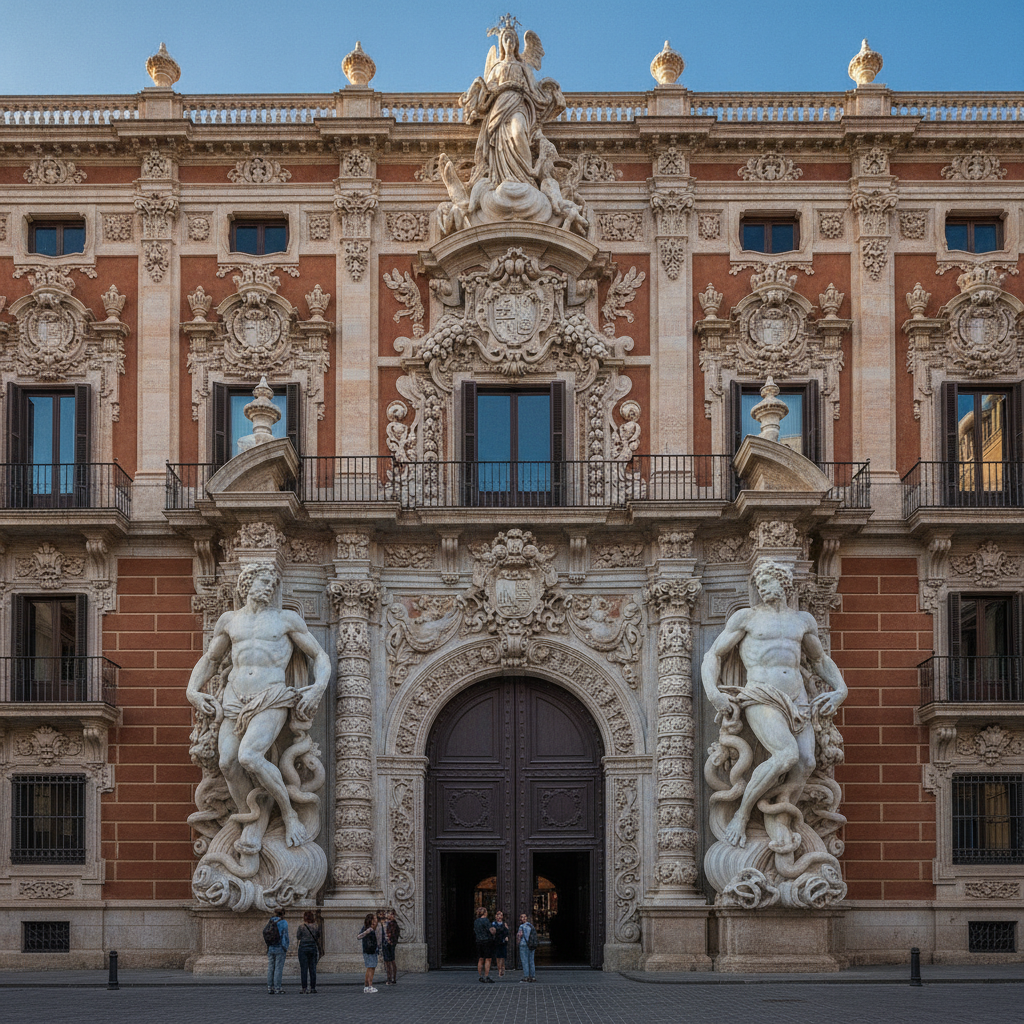
Nationales Keramikmuseum, valencianische Fliesen & Handwerkserbe
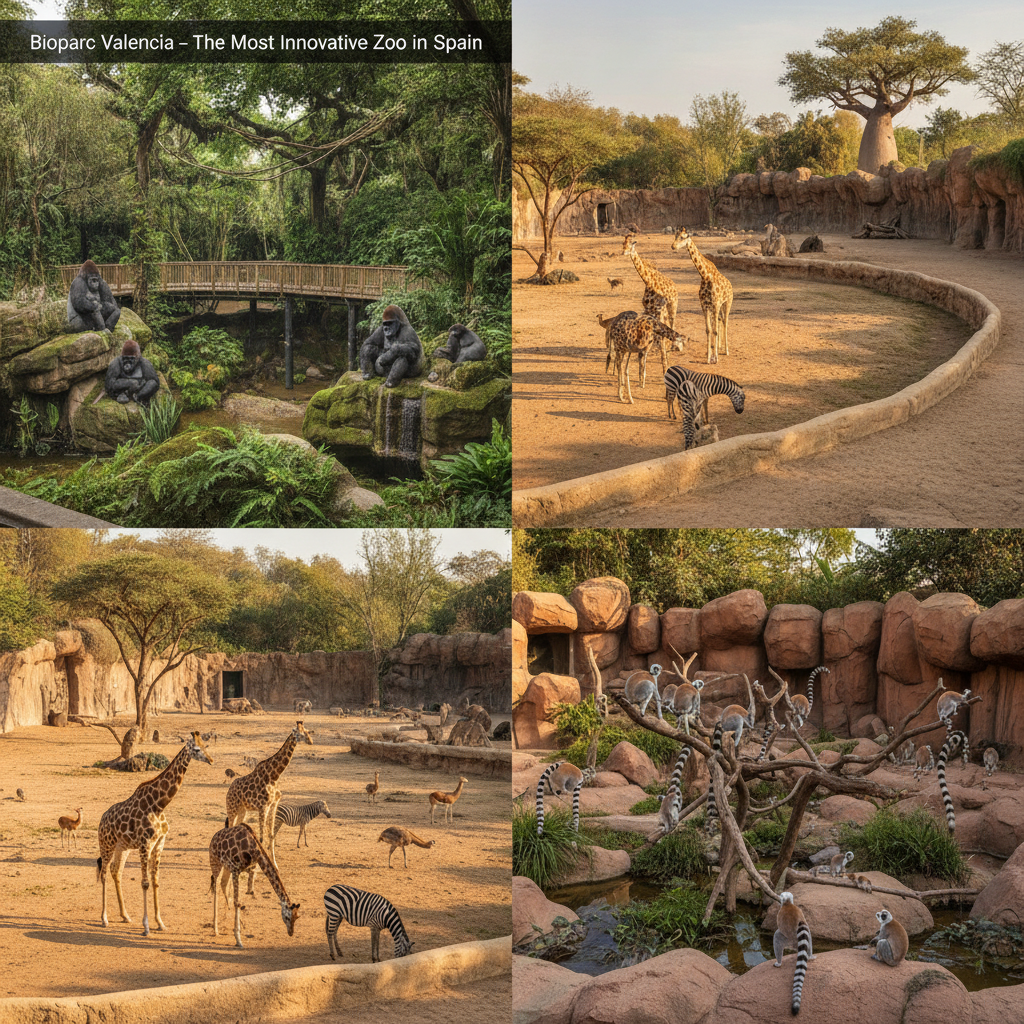
Bioparc Valencia, Cabecera Park & die Moderne Stadt
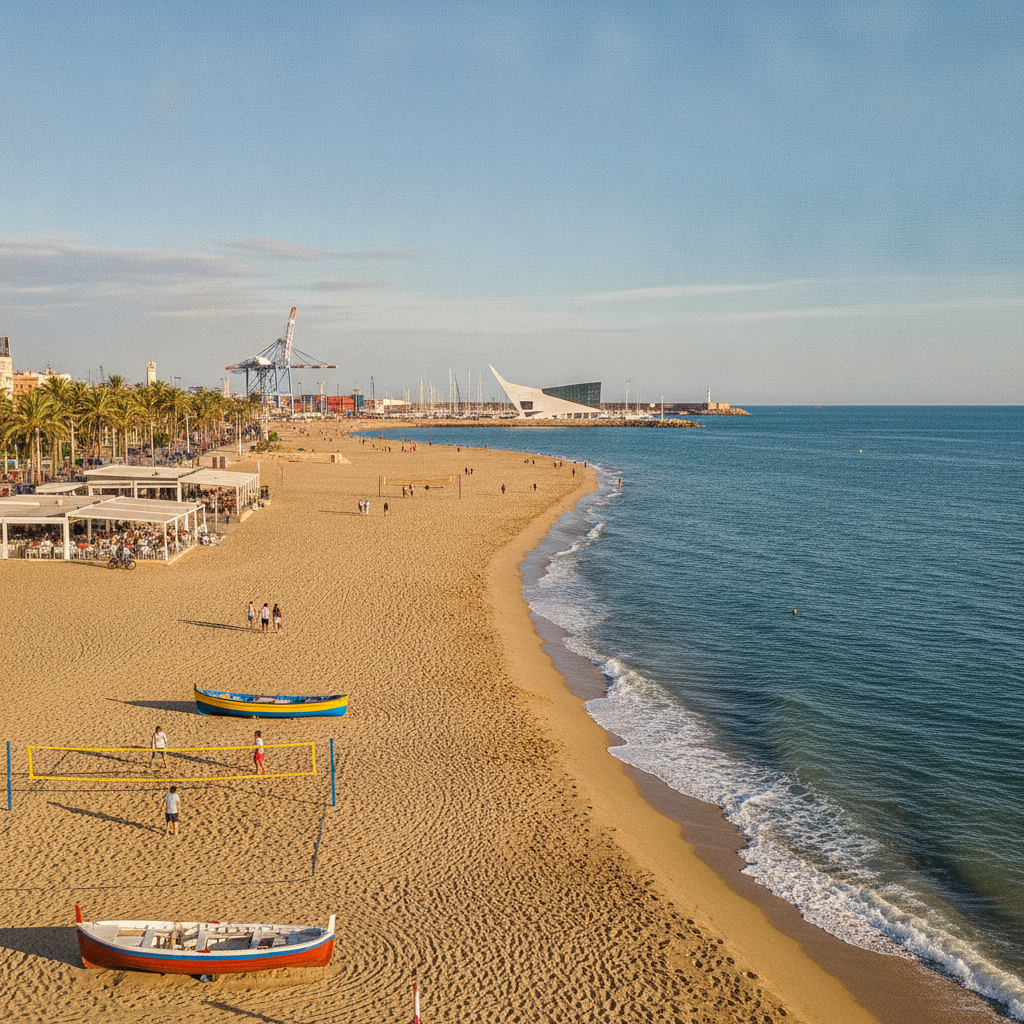
Malvarrosa Strand, Mittelmeerküste & Valencias Küstenleben
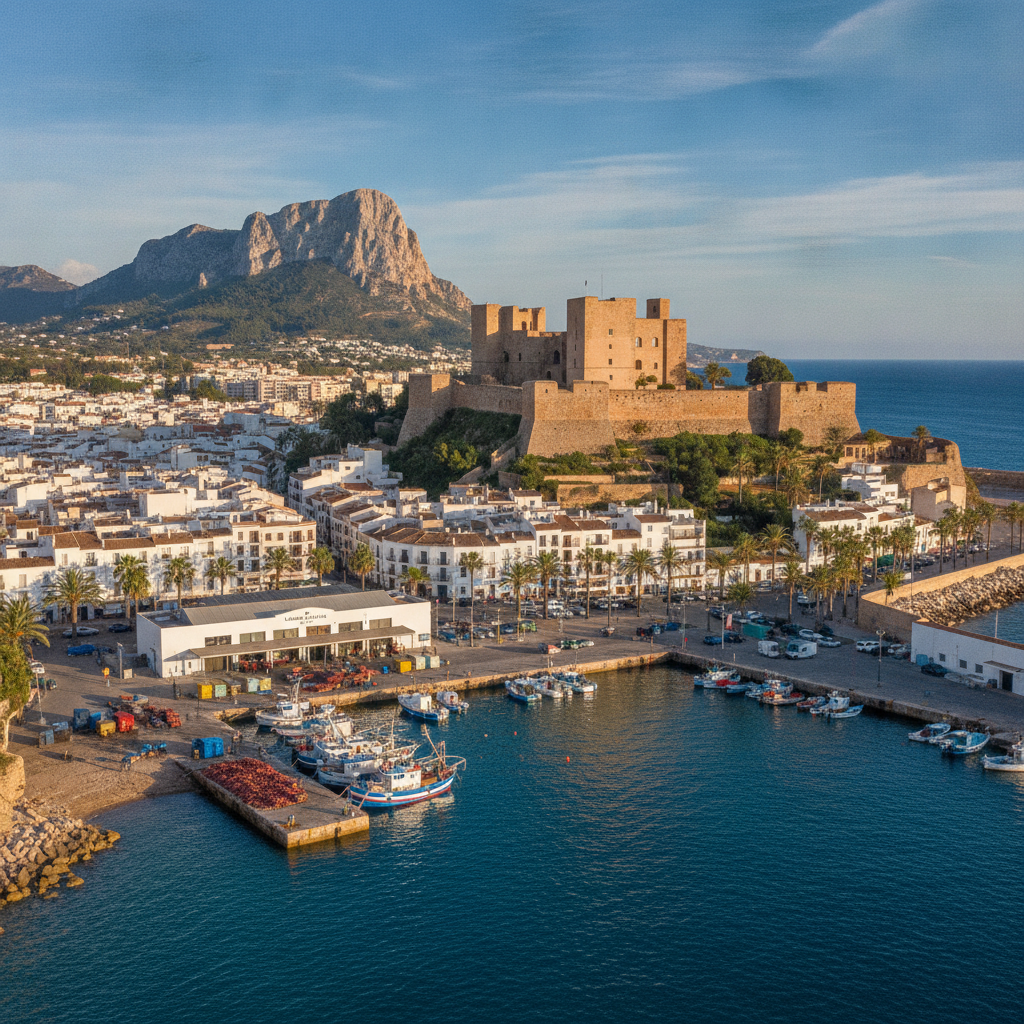
Tagesausflug Costa Blanca – Dénia, Altea & Alicante