Indigene Kultur, das Museum für Anthropologie & das Erbe der First Nations
Das Museum für Anthropologie an der UBC (das Museum für Anthropologie an der University of British Columbia — das feinste Museum für indigene Kunst der Nordwestküste weltweit, untergebracht in einem 1976 von Architekt Arthur Erickson (1924-2009) entworfenen Gebäude, das das beste Werk kanadischer Architektur des 20. Jahrhunderts ist) und die breitere kulturelle Präsenz der First Nations in Vancouver (der Stadt auf den nicht abgetretenen traditionellen Territorien der Musqueam, Squamish und Tsleil-Waututh Nationen) stellen die bedeutendste indigene kulturelle Dimension jeder großen kanadischen Stadt dar.
- 1
Museum für Anthropologie an der UBC — Das Haida Haus der Weltkultur
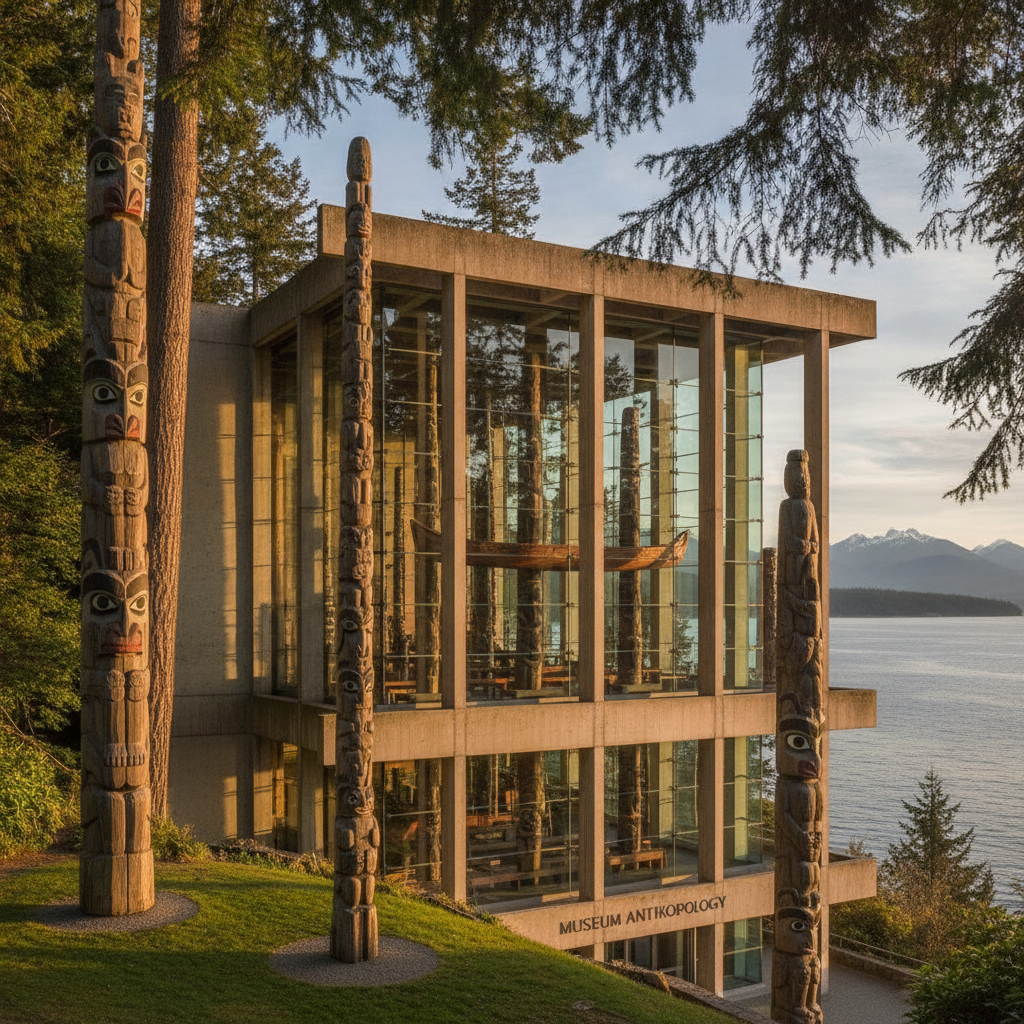
Das Museum für Anthropologie an der UBC (6393 NW Marine Drive, Campus der University of British Columbia, ¥18 Erwachsene, Dienstag–Sonntag 10–17 Uhr, Donnerstag bis 21 Uhr, 15 Minuten vom Stadtzentrum mit Bus 4 oder 44) ist die weltweit wichtigste Sammlung von Kunst und Kultur der First Nations der Nordwestküste — die Great Hall (die 14m hohe Glas-Beton-Halle, 1976 von Arthur Erickson entworfen, das einflussreichste Werk kanadischer Architektur, beherbergt über 15 Totempfähle — die größte Indoor-Ausstellung monumentaler Schnitzereien der Nordwestküste überhaupt) und die Bill Reid Rotunde (beherbergt Reids The Raven and the First Men — die gelbe Zedernholzskulptur von 1980, 2.2m hoch, das maßgebliche Werk der Kunst der Nordwestküste im 20. Jahrhundert) sind die beiden wesentlichen Bereiche.
- 2
Musqueam, Squamish und Tsleil-Waututh — Die Gastnationen
Vancouver (die Stadt, die auf dem nicht abgetretenen traditionellen Territorium der Musqueam, Squamish und Tsleil-Waututh First Nations erbaut wurde — den Küsten-Salish-Völkern, die das Fraser River Delta und die Ufer des Burrard Inlet seit mindestens 10,000 Jahren besiedeln) erkennt diese Nationen als die Gastvölker des Territoriums an — das Musqueam Cultural Centre (das xʷməθkʷəy̓əm Museum and Cultural Centre, 6253 Salish Drive, im Musqueam-Gemeindeschutzgebiet 20km südlich des Stadtzentrums, Dienstag–Freitag nach Vereinbarung für Besucher geöffnet, ¥5 vorgeschlagene Spende) bietet direkten Gemeinschaftskontext; das Squamish Lil'wat Cultural Centre (Whistler Village, 4584 Blackcomb Way, ¥22 Erwachsene, das gemeinsame Museum der Squamish- und Lil'wat-Nationen) ist die umfassendste besucherorientierte Institution.
- 3
Capilano Hängebrücke — Die Brücke im Urwald
Der Capilano Hängebrückenpark (3735 Capilano Road, North Vancouver, ¥58 Erwachsene, täglich 8 Uhr–Dämmerung, erreichbar mit kostenlosem Shuttle vom Stadtzentrum) besteht aus der 137m langen Hängebrücke, die sich 70m über den Capilano River spannt, dem Treetops Adventure (der Reihe von 7 Hängebrücken zwischen Plattformen in 250 Jahre alten Douglasien, das beliebteste Baumkronenerlebnis in Kanada) und dem Cliffwalk (der aus Glas und Stahl bestehende, freitragende Gehweg an der Granitklippe); der Park wurde erstmals 1889 eröffnet (die ursprüngliche Hanf- und Zedernholzbrücke) und ist die älteste Touristenattraktion in Vancouver; die aktuelle Stahl- und Drahtbrücke (ersetzt 1956) ist für 96 Tonnen ausgelegt.
- 4
Stanley Park — Der 405 Hektar große urbane Regenwald
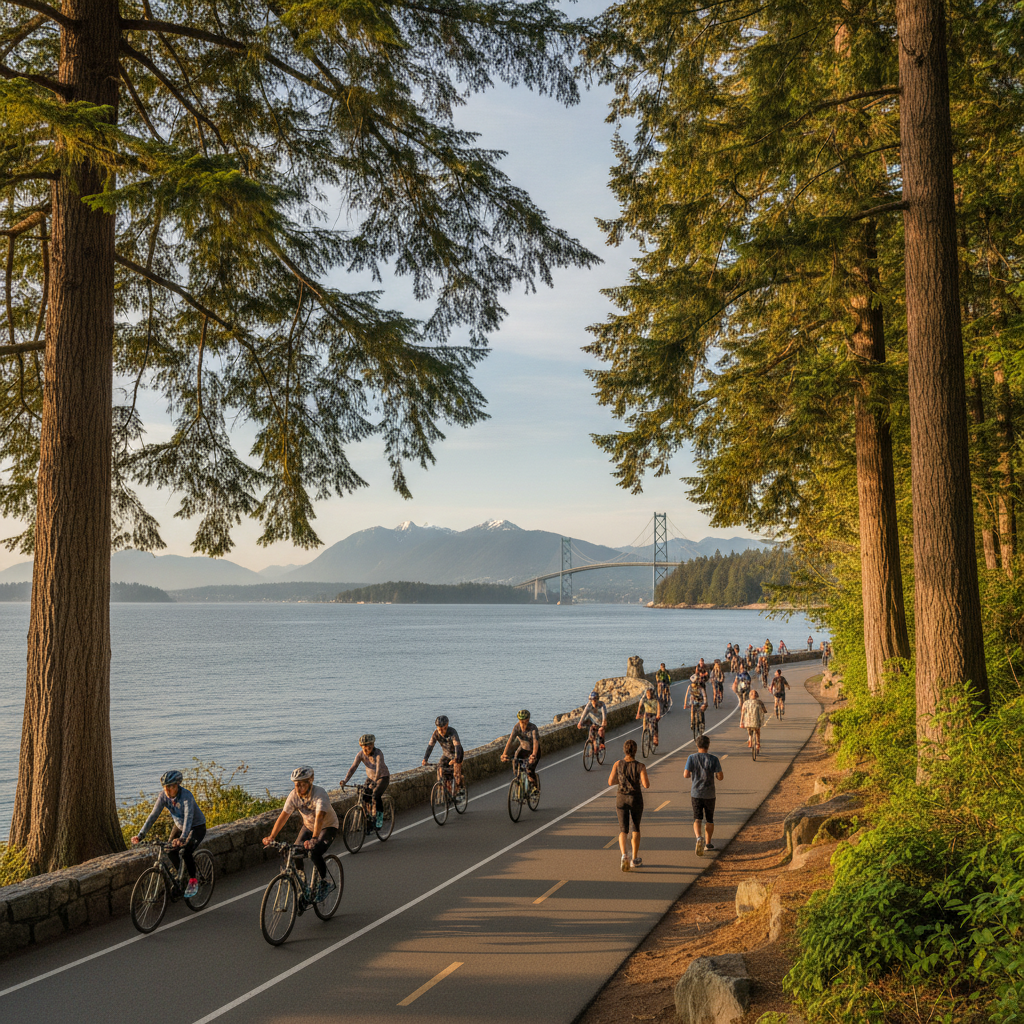
Der Stanley Park (der 405 Hektar große Halbinselpark am westlichen Ende der Innenstadt Vancouvers, gegründet 1888, der drittgrößte Stadtpark Kanadas) enthält: den Seawall (den 8.8km langen Uferweg, der meistgenutzte Freizeitweg in Kanada), das Vancouver Aquarium (845 Avison Way, ¥42 Erwachsene, 70,000 Tiere, das größte in Kanada, der einzige Zoo, der Belugawale in Kanada beherbergt), die 9 O'Clock Gun (die Kanone, die seit 1894 jede Nacht abgefeuert wird, damit Seeleute ihre Chronometer synchronisieren können), den Hollow Tree (der 800 Jahre alte Mammutbaumstumpf, 18.3m Umfang) und die Lost Lagoon (der Süßwassersee am östlichen Ende des Parks, Heimat der großen Blaureiherkolonie — über 80 Nester, die größte urbane Reiherkolonie in Kanada).
- 5
Haida Gwaii — Die abgelegene Inselnation 80km vor der Küste
Haida Gwaii (das Archipel 80km westlich der Küste von British Columbia, 130km lang, die Heimat der Haida Nation, erreichbar mit BC Ferries von Prince Rupert — 8-stündige Überfahrt — oder mit Air Canada von Vancouver, 1.5 Stunden, ¥250 einfache Fahrt) ist das kulturell bedeutendste indigene Reiseziel in Kanada — das SGang Gwaay (Ninstints, UNESCO, die vollständigste erhaltene Sammlung stehender Totempfähle der Welt, nur mit einem gecharterten Wassertaxi von Sandspit aus erreichbar, 2-stündige Überfahrt) und das Haida Heritage Centre (Second Beach, Skidegate, ¥8 Erwachsene, das umfassendste Haida-Kulturmuseum, beherbergt 3 Haida-Hochseekanus und eine komplette Sammlung von Argillit-Schnitzereien) stellen die beiden wesentlichen Erlebnisse dar.
- 6
Whistler Blackcomb — Nordamerikas größtes Skigebiet
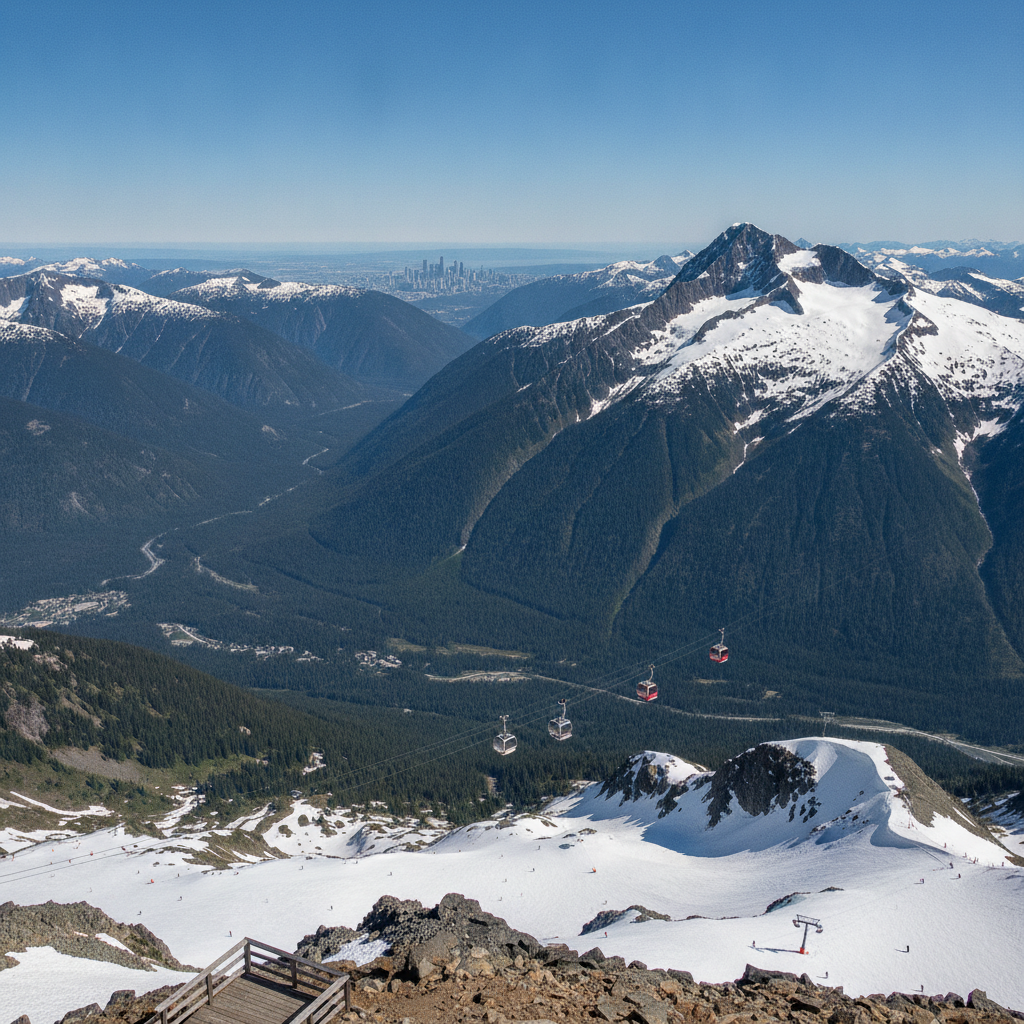
Whistler Blackcomb (120km nördlich von Vancouver an Highway 99, 2 Stunden mit dem Whistler Direct Bus, ¥75 einfache Fahrt, das Skigebiet, das die alpinen Wettbewerbe der Olympischen Winterspiele 2010 mitausrichtete) ist Nordamerikas größtes Skigebiet nach befahrbarer Fläche (8,171 Acres, über 200 markierte Pisten, 3 Gletscher) — die PEAK 2 PEAK Gondel (4.4km Spannweite zwischen Whistler und Blackcomb Mountains, die längste freitragende Liftspannweite der Welt, die Glasboden-Gondelkabinen rotieren im 28-Minuten-Takt, ¥64 Erwachsene im Sommer) und das Whistler Village (das Fußgängerdorf am Fuße beider Berge, die höchste Restaurantdichte pro Kopf jeder Gemeinde in British Columbia) machen Whistler zum kompletten Bergresort-Reiseziel.
Walk this route with audio
Stories play automatically as you reach each stop — no tapping needed.
Mehr in vancouver
Olympisches Dorf, East Van Arts & Mount Pleasant Creative District
Whistler, Skifahren in den Bergen & Vancouvers Outdoor-Abenteuer-Kultur
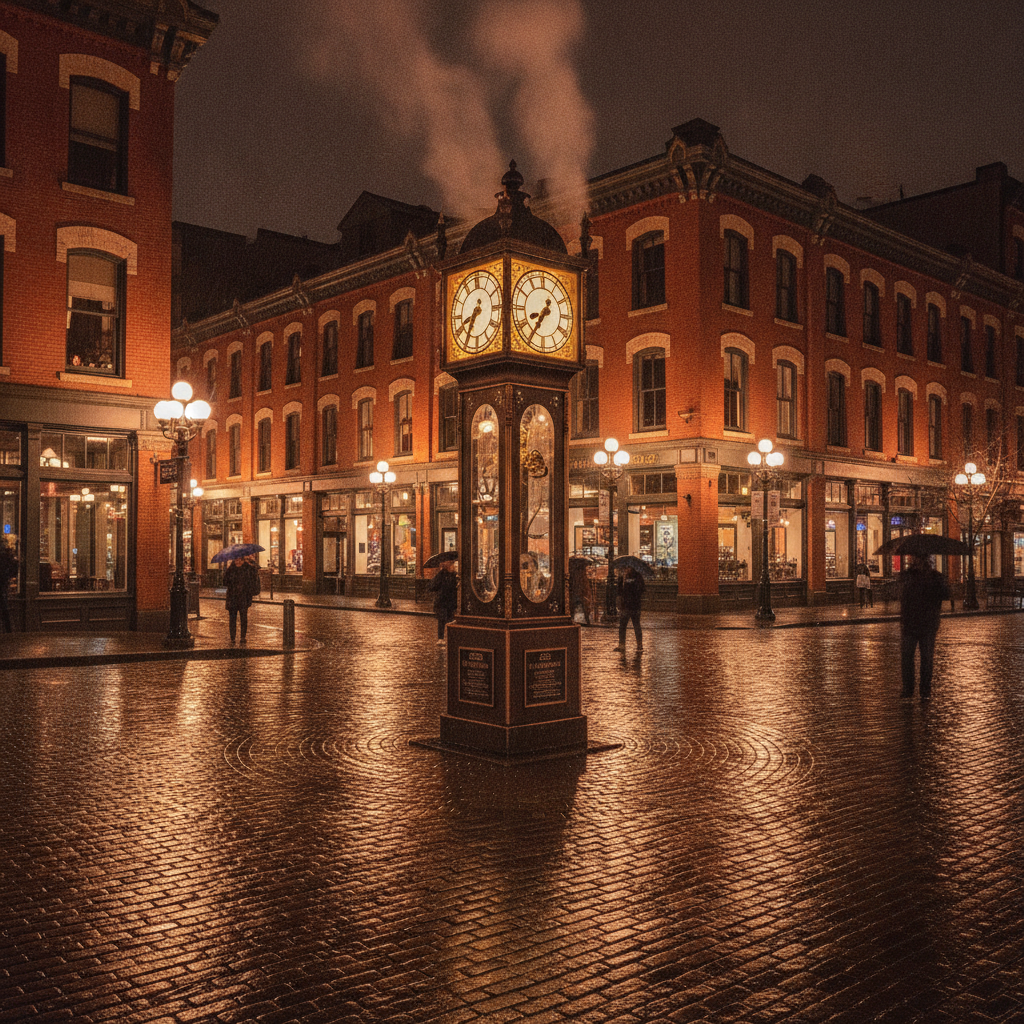
Gastown, die Dampfuhr & Vancouvers historisches Viertel
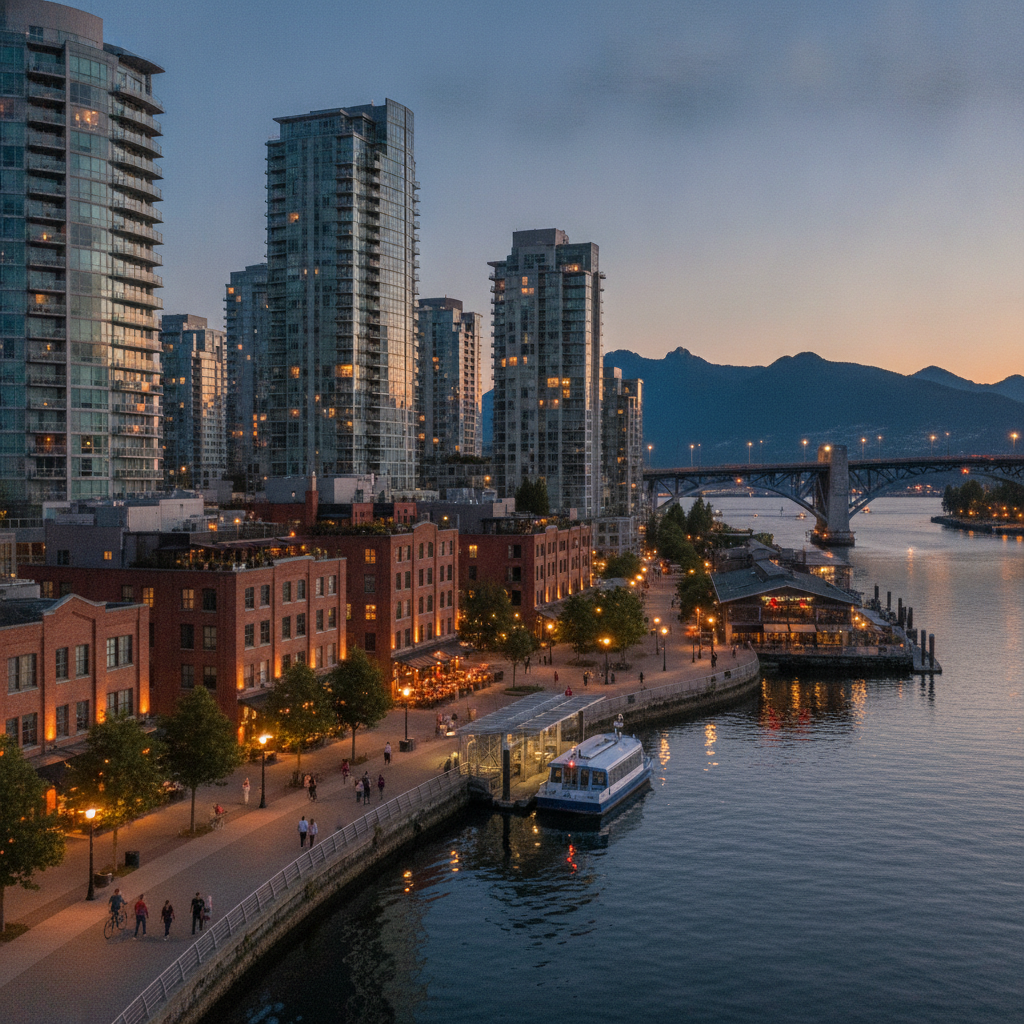
Yaletown, False Creek und Vancouvers Erfolg im Städtebau
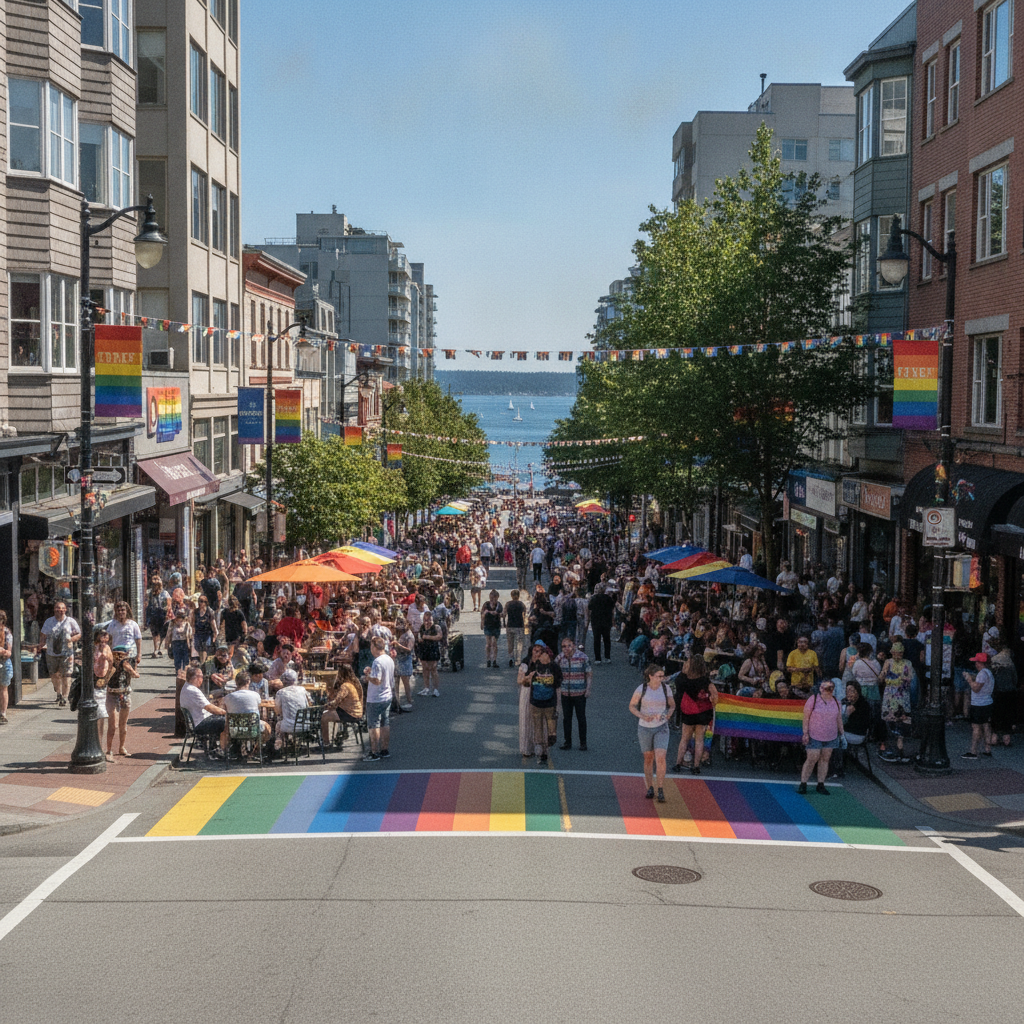
Davie Village, LGBTQ+-Kultur und Vancouver Pride