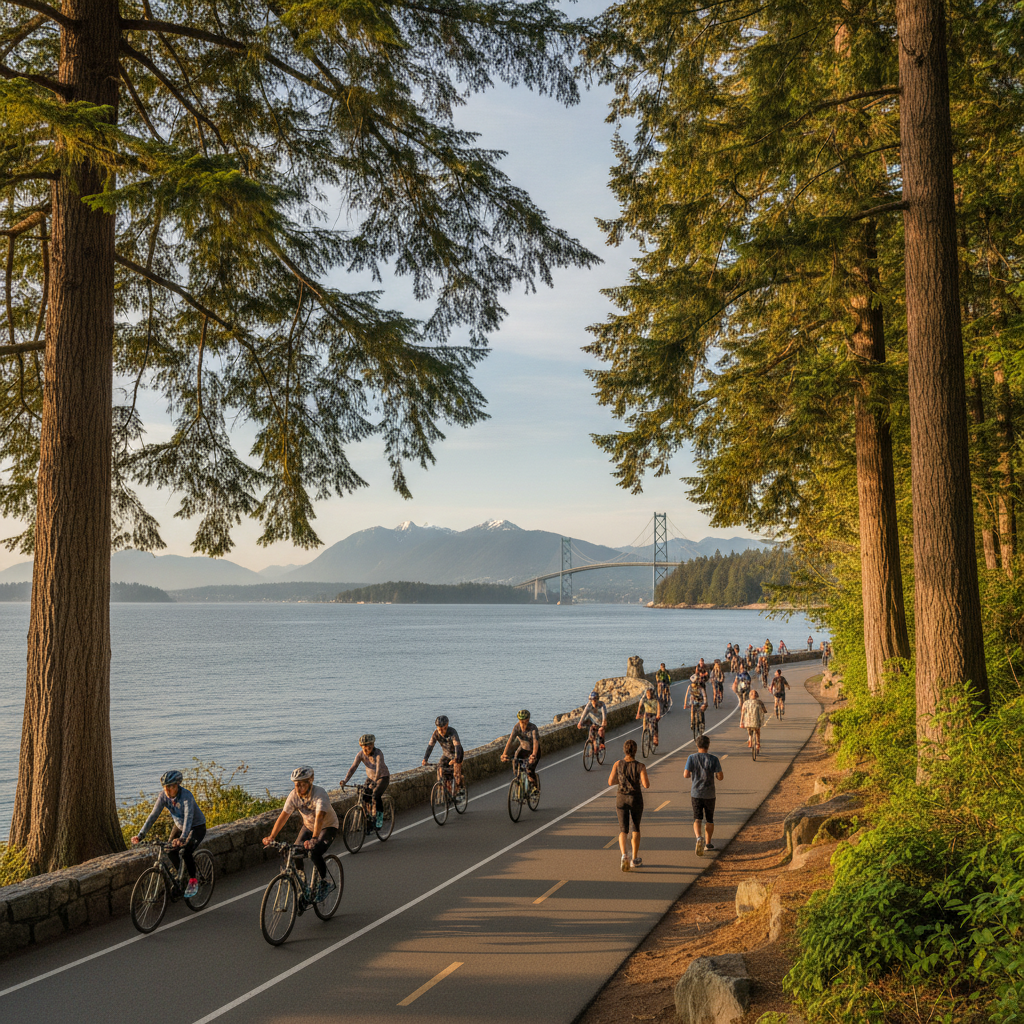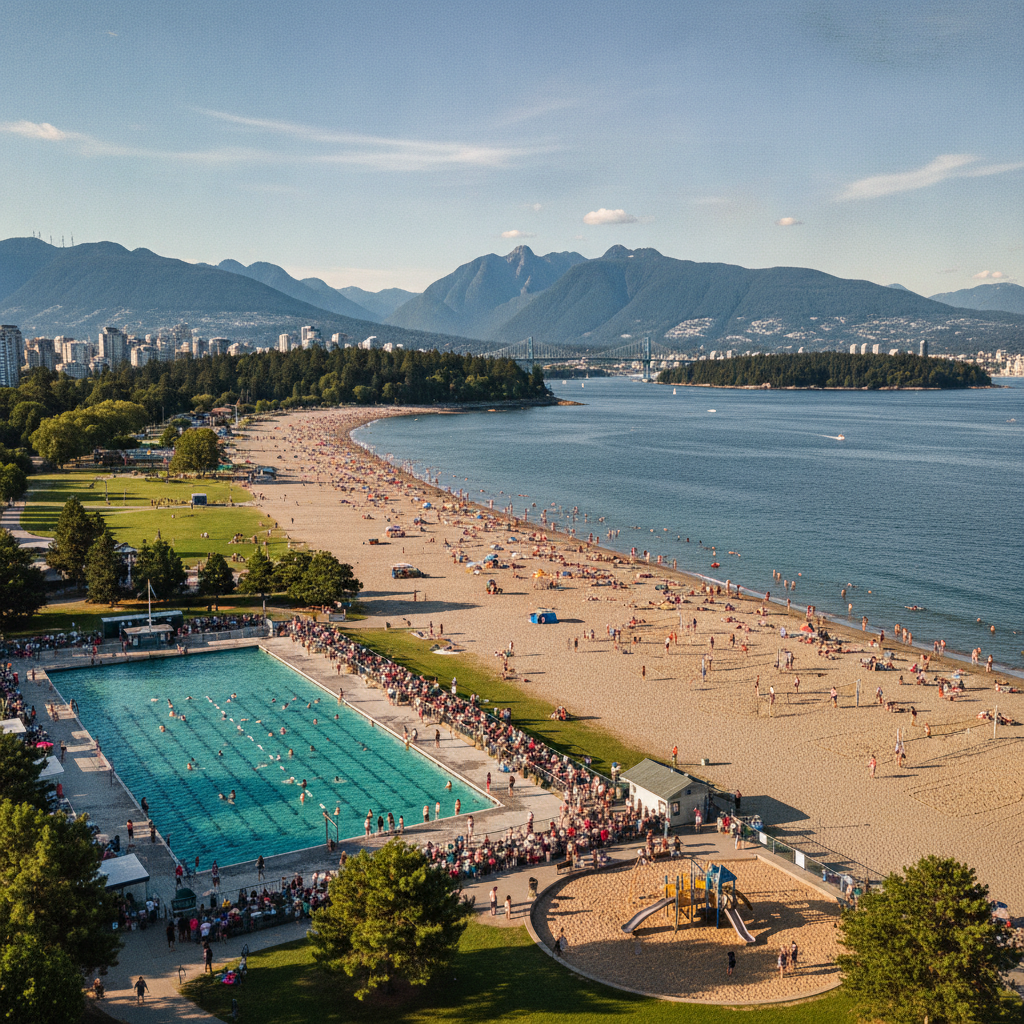
Kitsilano Beach, UBC Campus & Pacific Spirit Regional Park
Kitsilano ("Kits") — das Viertel am Südufer der English Bay in Vancouver — ist das begehrteste Wohnviertel Kanadas und kombiniert Strandleben (der Kitsilano Beach mit dem Salzwasser-Freibad), eine lebendige Restaurant- und Yogakultur an der West 4th Avenue und Broadway sowie die Nähe zur University of British Columbia (UBC — die Universität, die zu den Top 40 Universitäten der Welt zählt, mit einem spektakulären Campus auf der Point Grey Halbinsel, angrenzend an den 763 Hektar großen Pacific Spirit Regional Park).
- 1
Kitsilano — Das Strandviertel und die Bio-Esskultur
Kitsilano (das Viertel an der West Side, begrenzt von Burrard Bridge, 16th Avenue, Alma Street und der Küste des Burrard Inlet, lokal als "Kits" bekannt, der Ursprung von Vancouvers Bio-Ess- und Outdoor-Lifestyle-Kultur, seit sich die Gegenkulturbewegung der 1970er Jahre dort niederließ) konzentriert sich auf Kits Beach (den Kitsilano Beach Park, den meistbesuchten Strand in Vancouver, das Freibad — Kitsilano Pool, das größte Salzwasser-Freibad in Kanada, 137m, geöffnet Mai–September, ¥7) und die West 4th Avenue (die Geschäftsstraße mit Outdoor-Ausrüstungshändlern — MEC Mountain Equipment Co-op, der ursprüngliche Vancouver Standort, und Arc'teryx, die in Vancouver gegründete technische Outdoor-Marke, Konzept-Store in 1A-1155 West Broadway), die den Einzelhandelscharakter des Viertels prägen.
- 2
UBC Campus — Die Klippen von West Point Grey und der Botanische Garten
Die University of British Columbia (der Hauptcampus auf den University Endowment Lands, 10km vom Stadtzentrum Vancouvers entfernt, Bus 4, 44 oder 84, 30–40 Minuten) nimmt eine Halbinsel am West Point Grey ein, mit dem Pazifischen Ozean auf drei Seiten — der UBC Botanical Garden (6804 SW Marine Drive, ¥11 Erwachsene, täglich 9am–5pm, der älteste universitäre botanische Garten in Kanada, 1916, 70 Acres, der Alpengarten und der Asiatische Garten sind die wichtigsten Sammlungen) und der Nitobe Memorial Garden (der japanische Garten neben dem Museum of Anthropology, ¥7 Erwachsene, der authentischste japanische Garten in Kanada außerhalb Japans) sind die gärtnerischen Highlights; das Museum of Anthropology (Arthur Erickson, 1976) ist das architektonische Herzstück.
- 3
Pacific Spirit Regional Park — Das urbane Urwaldreservat
Der Pacific Spirit Regional Park (der 763 Hektar große bewaldete Park, der die UBC von drei Seiten umgibt, die größte urbane Grünfläche auf dem Lower Mainland) enthält 73km Wanderwege durch Douglasien, westliche Riesen-Lebensbäume und westliche Hemlocktannen zweiten und gelegentlich alten Wachstums — der Park (1989 auf den ehemaligen University Endowment Lands als Schutzwald gegründet) fungiert als ökologischer Puffer zwischen der UBC und der Stadt Vancouver; das Camosun Bog (das einzige verbliebene Hochmoor in Vancouver, zugänglich von Camosun und 19th Avenue, ein 20-minütiger Weg zur Moorpromenade) ist ein 5.000 Jahre altes Ökosystem, das die Urbanisierung überlebt hat; das Wegenetz des Parks verbindet den North Arm Trail (Aussicht auf den Fraser River) mit Wreck Beach (dem FKK-Strand am Fuße der UBC-Klippen, dem größten FKK-Strand Kanadas).
- 4
Commercial Drive — Das einst italienische, jetzt lateinamerikanische Viertel
Commercial Drive (The Drive, die Straße, die von der Venables Street zur Grant Street in Ost-Vancouver von Nord nach Süd verläuft, das Viertel, das von den 1950er-1980er Jahren italienisch war und heute das lateinamerikanische Kulturzentrum Vancouvers ist) ist die politisch linkslastigste Geschäftsstraße Kanadas — der jährliche Carnaval del Sol (das lateinamerikanische Festival am Commercial Drive, Juni, das größte lateinamerikanische Festival in Westkanada), die verbliebenen italienischen Sozialclubs (Veneto Club, der älteste noch bestehende italienische Sozialclub in Vancouver) und die unabhängigen Cafés (JJ Bean Coffee, 1993 am Commercial Drive gegründet, das Vancouver Spezialitätenkaffeeunternehmen, das die richtige Alternative zu Starbucks ist, das im selben Jahr in Seattle gegründet wurde) prägen den Charakter der Straße.
- 5
Gastown — Das ursprüngliche Vancouver und die Dampfuhr
Gastown (das Viertel an der Water Street, der historische Kern Vancouvers, das Viertel, das Vancouver seine Gründungsgeschichte gibt — Gassy Jack Deightons Saloon wurde 1867 in der Nähe der Hastings Mill gegründet, mit der Stadt, die später zu Vancouver wurde, die darum herum wuchs, 1971 zum National Historic Site of Canada ernannt) ist Vancouvers meistbesuchtes Viertel — die Steam Clock (Water Street an der Cambie, die 1977 dampfbetriebene Uhr, die alle 15 Minuten die Westminster Chimes pfeift, indem sie den Druck des Fernwärmesystems von Vancouver nutzt, das meistfotografierte Objekt in Vancouver, aber eine Touristenattraktion von 1977, kein historisches Gebäude) und die Gastown Heritage Buildings (die Geschäftsgebäude von 1910–1930, Gusseisenfassaden, die dichteste Konzentration erhaltener edwardianischer Geschäftsarchitektur in Westkanada) sind die Hauptattraktionen.
- 6
Richmond — Das Hongkong Kanadas
Richmond (die Gemeinde unmittelbar südlich von Vancouver im Fraser River Delta, 20 Minuten mit dem Canada Line SkyTrain, ¥4 einfach) ist Nordamerikas ethnisch chinesischste Vorstadtgemeinde — der Richmond Night Market (der größte Nachtmarkt Nordamerikas, 8351 River Road, Mai–Oktober, Freitag–Sonntag 7pm–midnight, freier Eintritt, ¥1–5 pro Artikel, die über 500 Verkäufer bieten alles von Hongkong-Eierwaffeln bis taiwanesischem Stinktofu) und das Aberdeen Centre (3779 No. 3 Road, das chinesische Einkaufszentrum mit einem Food Court im Hongkong-Stil, die Qualität von Siu Mai und Har Gow übertrifft hier die meisten Restaurants in Hongkong) repräsentieren die dichte chinesische Geschäftskultur; das Steveston Fishing Village (die Lachskonservenstadt aus den 1880er Jahren, die vollständigste Fischerei-Kulturerbestätte in BC) befindet sich an Richmonds südwestlicher Ecke.
Walk this route with audio
Stories play automatically as you reach each stop — no tapping needed.
Mehr in vancouver
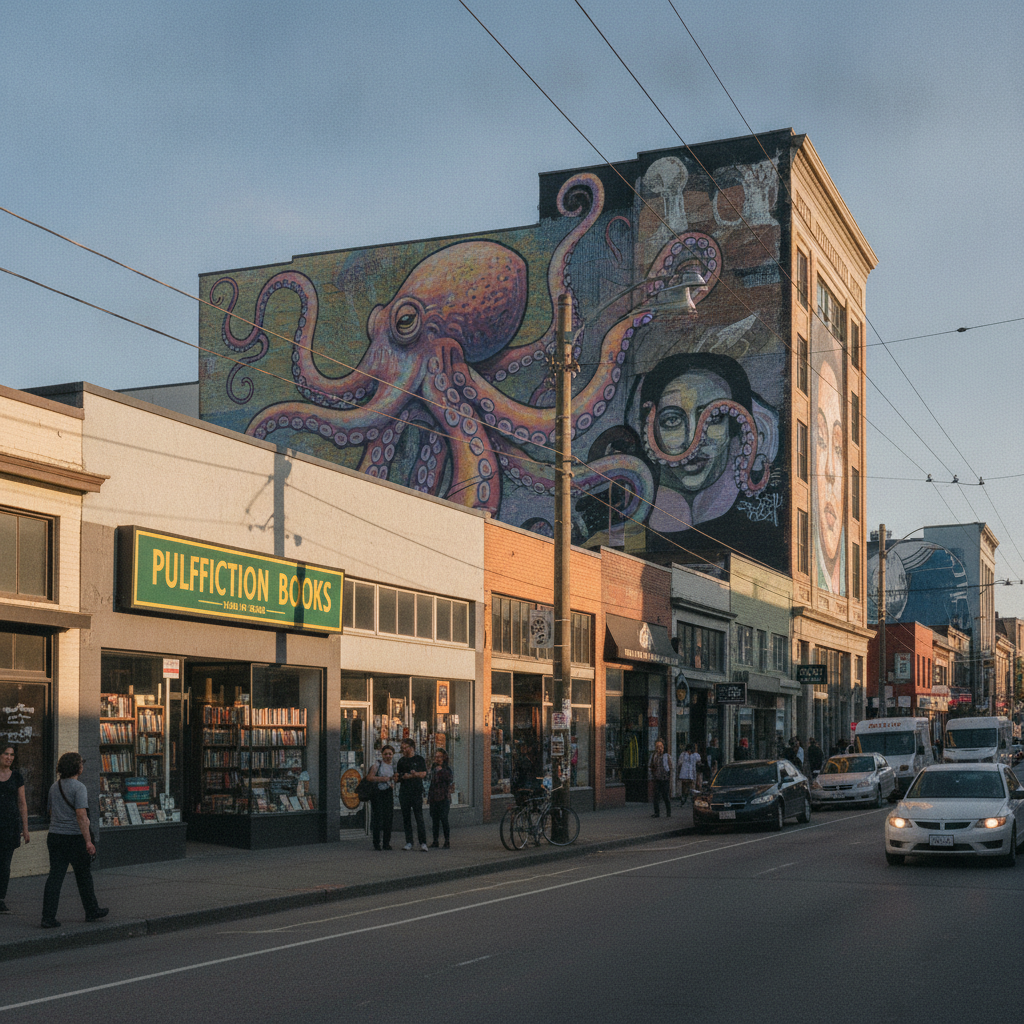
Olympisches Dorf, East Van Arts & Mount Pleasant Creative District
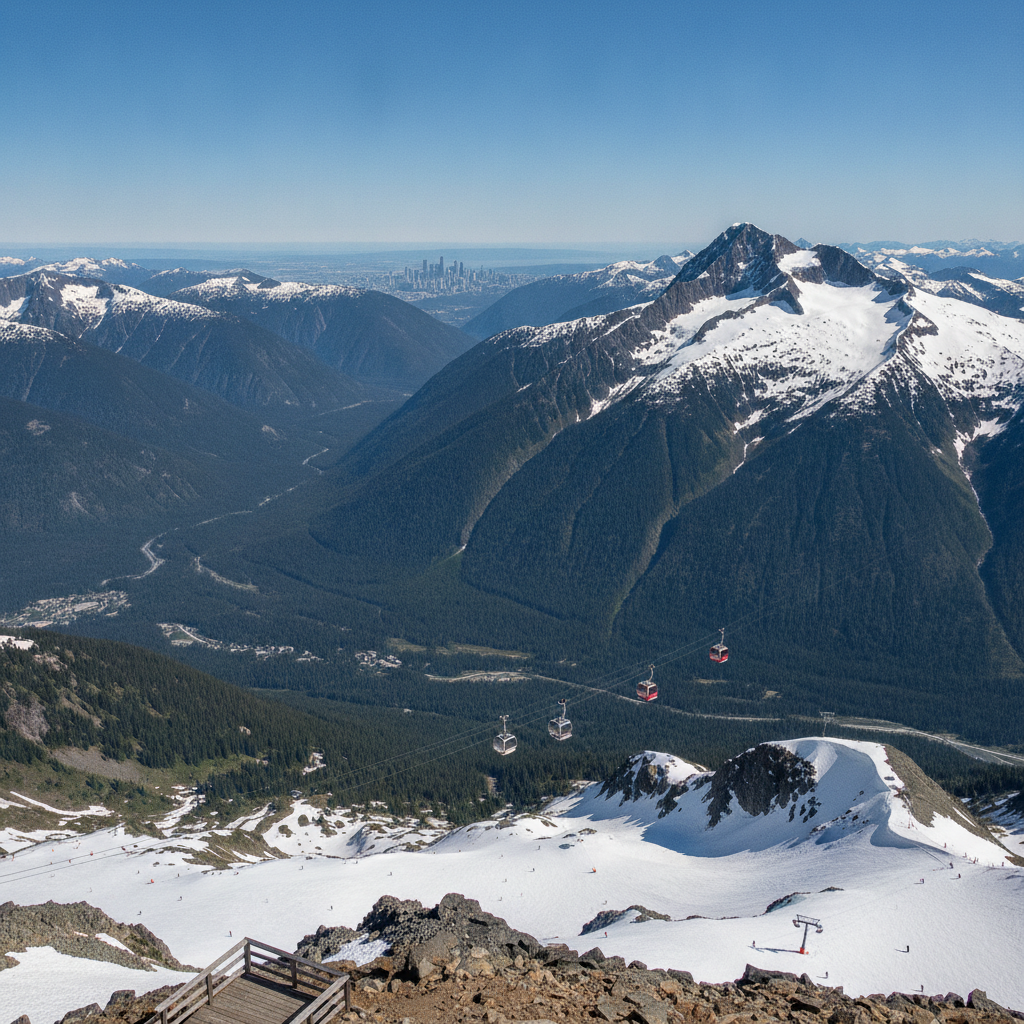
Whistler, Skifahren in den Bergen & Vancouvers Outdoor-Abenteuer-Kultur
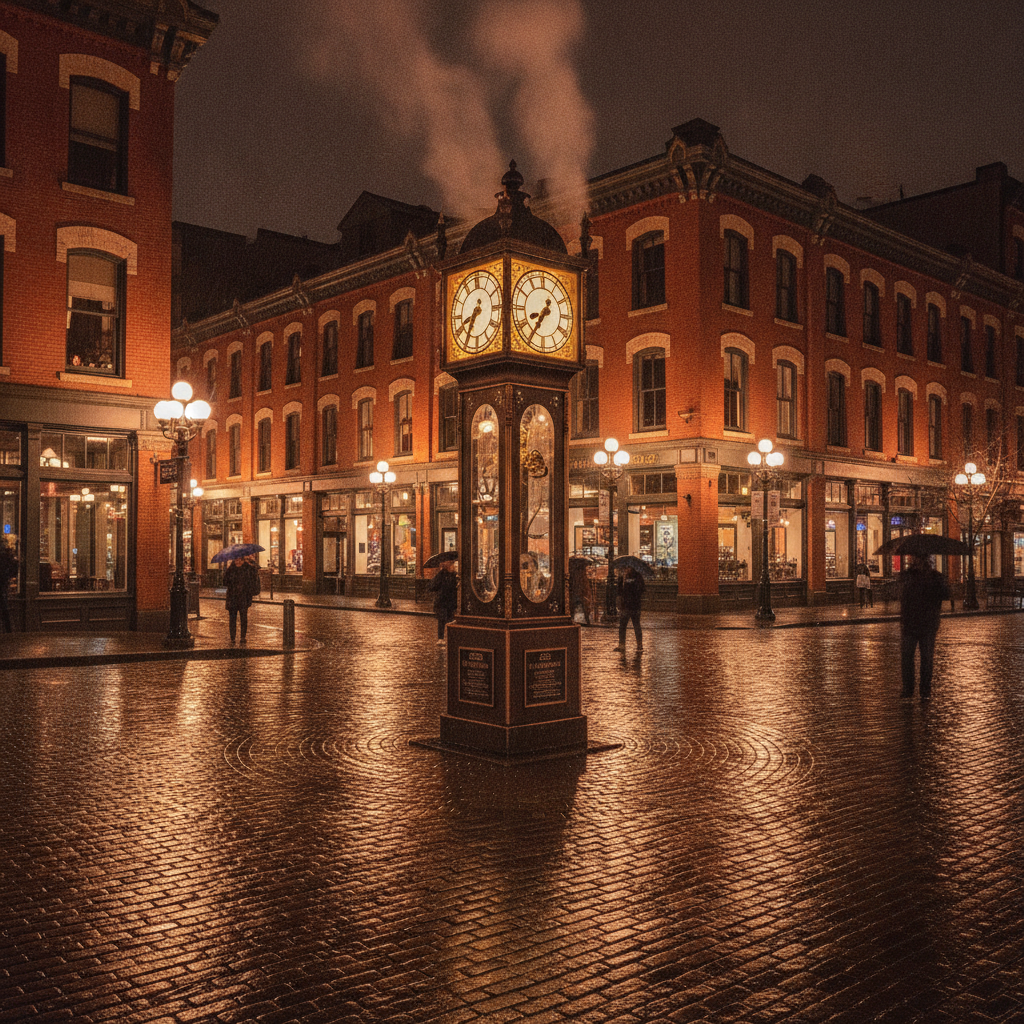
Gastown, die Dampfuhr & Vancouvers historisches Viertel
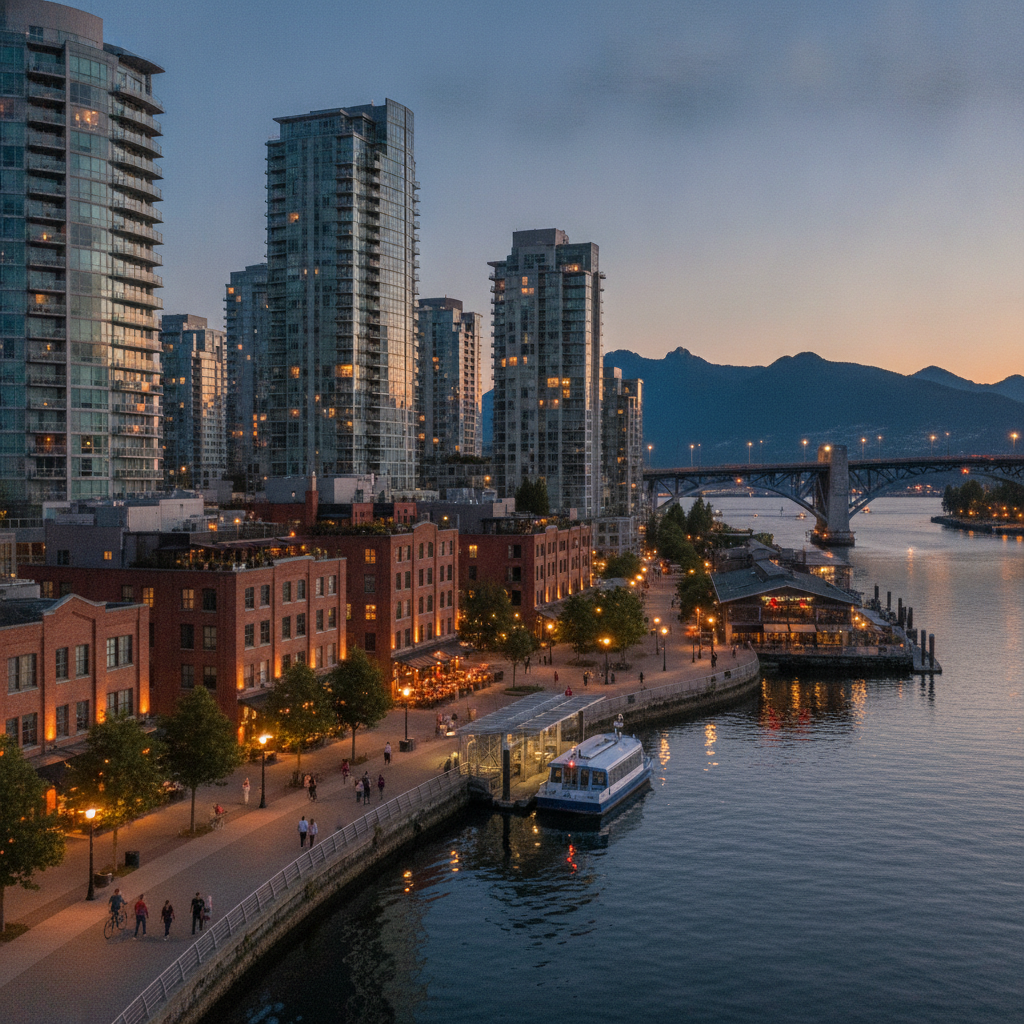
Yaletown, False Creek und Vancouvers Erfolg im Städtebau
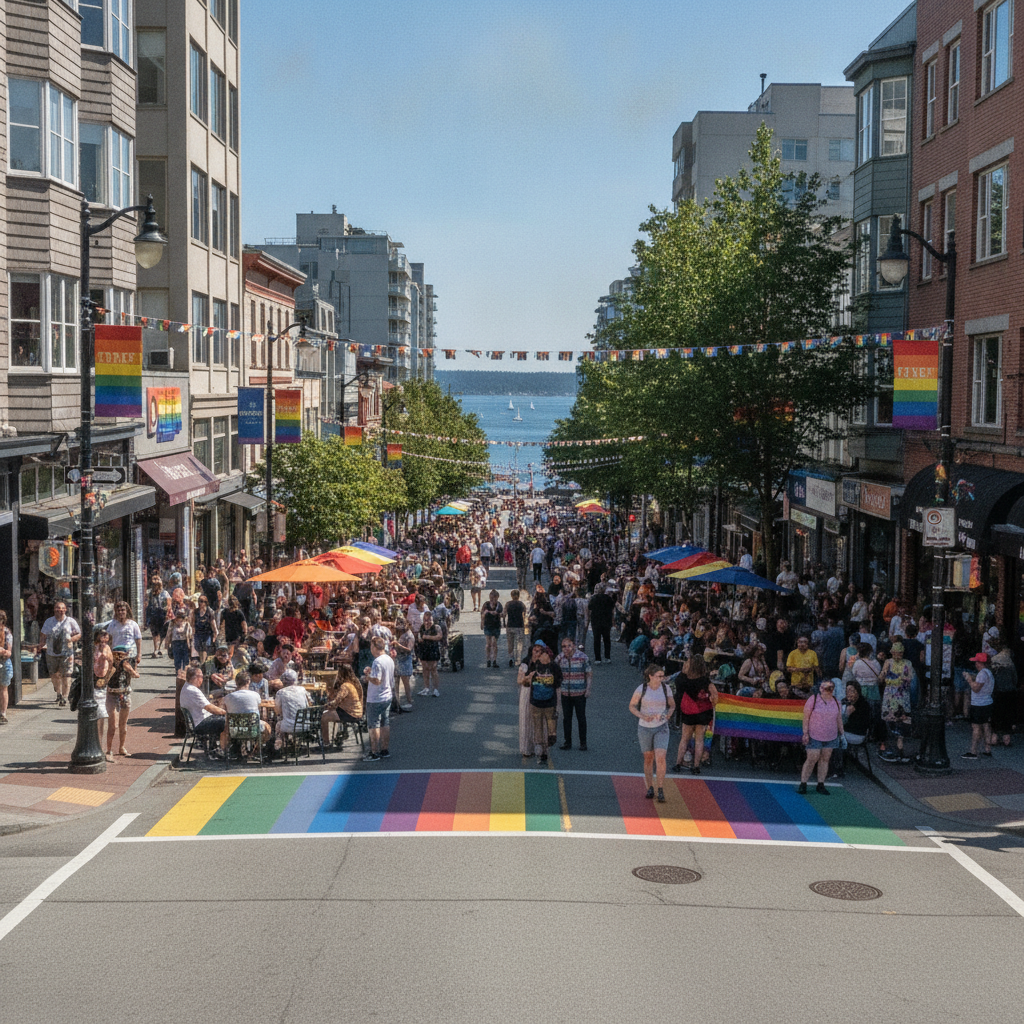
Davie Village, LGBTQ+-Kultur und Vancouver Pride