Acqua Alta, die MOSE-Barriere & Venedigs Beziehung zum Meer
Das Phänomen der Acqua Alta (Hochwasser) — die saisonale Überschwemmung Venedigs durch Gezeitenwasser, das über den normalen mittleren Meeresspiegel ansteigt und die tiefer gelegenen Gebiete der Stadt überflutet — ist eines der prägenden Merkmale des venezianischen Lebens, der unmittelbarste Ausdruck von Venedigs einzigartiger Beziehung zum Meer und das sichtbarste Symptom der kombinierten Auswirkungen von Meeresspiegelanstieg und Bodensenkung, die Venedigs langfristiges Überleben bedrohen.
- 1
Acqua Alta — Wenn die Stadt überflutet wird
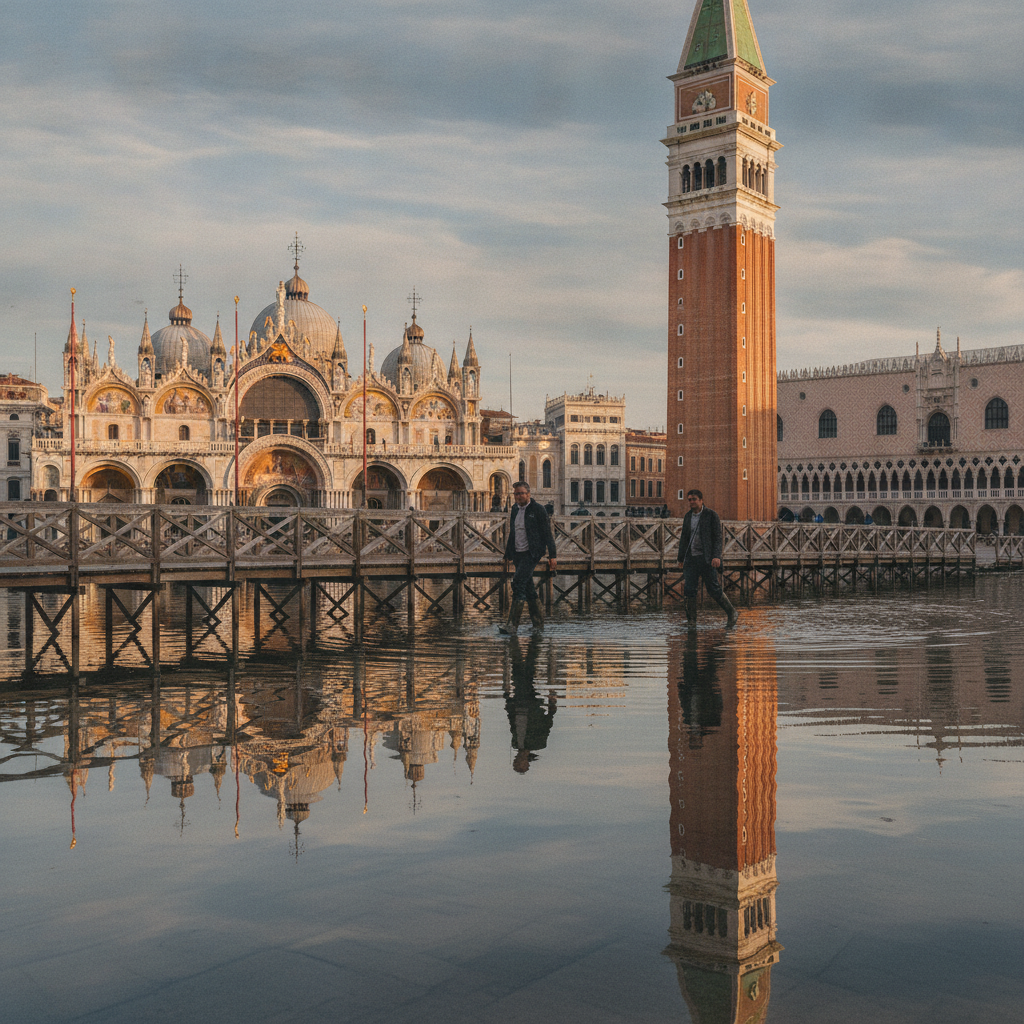
Acqua Alta (Hochwasser, die Überschwemmung der tiefer gelegenen Gebiete Venedigs bei Springfluten in Kombination mit Südwind — dem Scirocco, der Adria-Wasser in die Lagune drückt) tritt 20–50 Mal pro Jahr auf — der Auslöser: eine Gezeitenhöhe von über 80cm über dem Meeresspiegel; über 110cm (außergewöhnliche Acqua Alta) bedeckt die Flut 12% von Venedig; die Acqua Alta vom 4. November 2019 (187cm, die zweithöchste seit 1900) überflutete 80% der Stadt; das Warnsystem (die Sirenen ertönen 3–4 Stunden vor der vorhergesagten Flut, die Gezeitenprognose ist auf der Website und App des Comune di Venezia verfügbar, die Passerelle/erhöhten Gehwege werden auf den Hauptfußgängerrouten ab 110cm+ eingesetzt) ermöglicht die Navigation mit den standardmäßigen ¥5 Gummistiefeln, die in Venedigs Apotheken und Baumärkten verkauft werden.
- 2
MOSE — Die Flutbarriere, die 40 Jahre brauchte
MOSE (Modulo Sperimentale Elettromeccanico, das mobile Flutbarrieresystem, das die 3 Einfahrten der Lagune von Venedig — Lido, Malamocco und Chioggia — mit 78 Klapptoren schließt, die bei Gezeitenprognosen über 110cm durch Druckluft vom Meeresboden angehoben werden, Gesamtkosten ¥6 billion, entworfen 1987, Bau 2003–2020, erster Betriebstest 3. Oktober 2020) hat seit seiner Aktivierung bei jeder Inbetriebnahme erfolgreich Acqua Alta über 110cm verhindert — die Tore (die 78 hohlen Stahlklapptore, jedes 20m breit, 5m hoch und 5m dick, die bei Nichtgebrauch flach auf dem Lagunenboden liegen) werden mit etwa 12-hour Vorankündigung eingesetzt; der Betriebsstatus des Systems wird auf der Gezeitenprognoseseite von INSULA/Comune di Venezia veröffentlicht.
- 3
Venedigs Bevölkerungsrückgang — Die sich leerende Stadt
Venedigs Einwohnerzahl (die Menschen, die tatsächlich in der historischen Inselstadt, den Sestieri, leben) ist von 174,000 im Jahr 1951 auf etwa 49,000 im Jahr 2024 gesunken (wobei einige Schätzungen sie bis 2026 unter 45,000 ansiedeln) — die Ursachen für die Abwanderung: Überschwemmungen, hohe Immobilienkosten, Touristenmassen und das Fehlen großer Arbeitgeber; gleichzeitig empfängt die Stadt 30 million Tagesbesucher pro Jahr (etwa 600 times ihrer Einwohnerzahl), was sie zur übertouristisiertesten UNESCO-Stadt der Erde pro Einwohner macht; die Kurtaxe (die €5 Tagesgebühr, 2024 an ausgewählten Tagen für Nicht-Übernachtungsgäste getestet, die erste Eintrittsgebühr, die von einer Stadt weltweit für Tagesausflügler erhoben wird) ist die erste politische Reaktion.
- 4
Venedig im Winter — Die Nebensaison
Venedig im Januar–Februar (die besucherärmste Zeit, unmittelbar nach Weihnachten, mit Ausnahme des Karnevalswochenendes) ist die am wenigsten überfüllte, atmosphärischste und fotografisch interessanteste Periode — der Morgennebel (die nebbia, bodennaher Nebel über der Lagune und den Kanälen, November–Februar, der die Sicht auf 20m reduziert und die Atmosphäre erzeugt, die J.M.W. Turner in seinen Venedig-Werken malte), die niedrigeren Hotelpreise (typischerweise 40–60% unter dem Juli–August-Höchststand), die vollständige Verfügbarkeit von Restaurantreservierungen im Dalla Marisa (Cannaregio-Kanal, die Nachbarschaftstrattoria ohne Speisekarte, das Essen ist das, was der Markt an diesem Tag hergab, ¥25–30 pro Person all-inclusive, das beste Preis-Leistungs-Verhältnis in Venedig) und das Fehlen von Warteschlangen in der Accademia und Frari machen den Winter zur lohnendsten Jahreszeit.
- 5
Chioggia — Die andere Lagunenstadt
Chioggia (der Fischerhafen am südlichen Ende der Lagune von Venedig, 50km südlich von Venedig, erreichbar mit dem Bus vom Piazzale Roma oder mit der Fähre vom Lido, 1.5 hours, die zweitgrößte Stadt in der Lagune von Venedig mit einer Einwohnerzahl von 50,000) ist im Charakter völlig anders als Venedig — der aktive Fischerhafen (die tägliche Pescheria di Chioggia, der Fischmarkt an der Calle Larga 5, der größte Fischgroßmarkt, der die Venediger Restaurantindustrie beliefert, geöffnet für die Öffentlichkeit 6am–noon Dienstag–Samstag) und die lebendige Geschäftsstraße (Corso del Popolo, die Hauptstraße mit Baumärkten, Apotheken und Friseuren, die echte Bewohner und nicht Touristen bedienen) vermitteln ein funktionales italienisches Kleinstadterlebnis, das im eigentlichen Venedig fehlt.
- 6
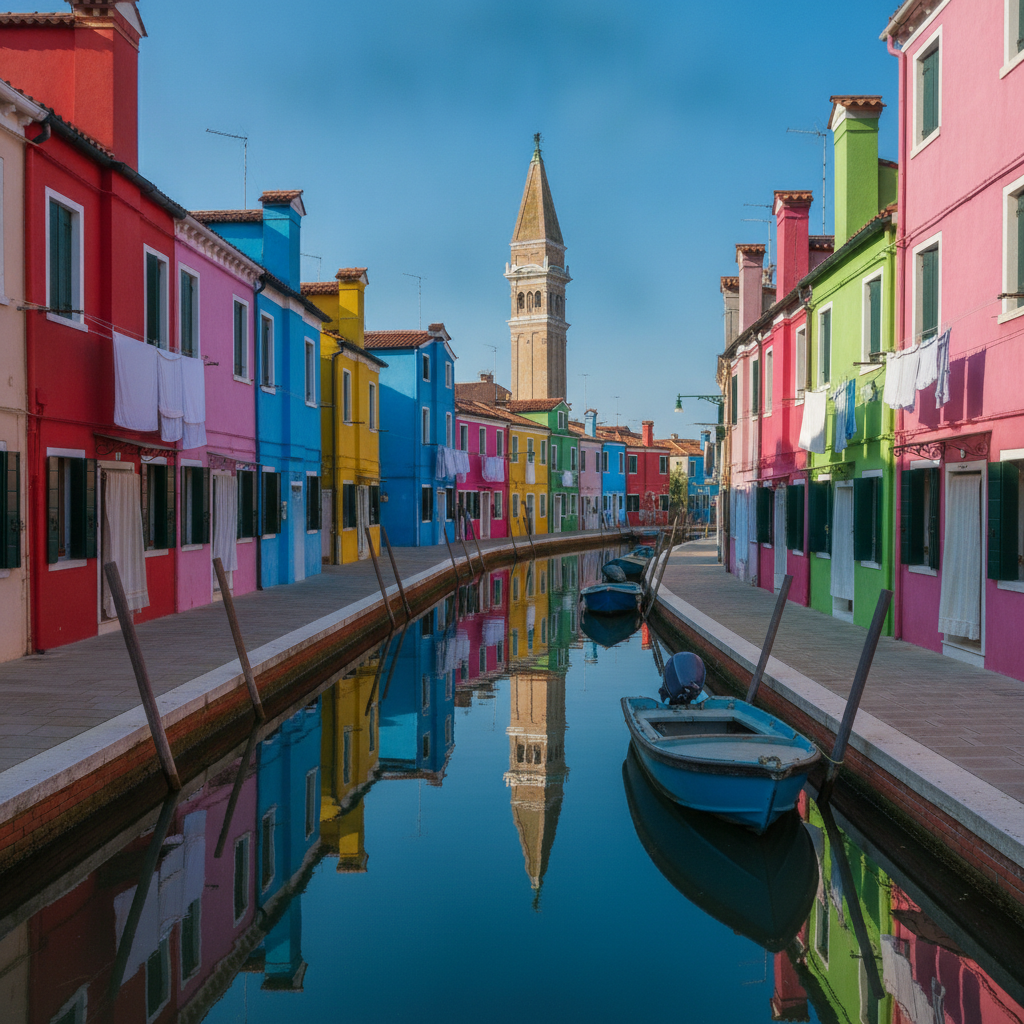
Burano-Spitze und Sant'Erasmo-Gemüsegarten — Die arbeitende Lagune
Die Laguneninseln, die funktionierende Industrien unterstützen (Sant'Erasmo, die größte Insel in der Lagune von Venedig, der Gemüsegarten, der die in Venedigs Restaurants servierten Castraure-Artischocken, Violette-Artischocken und Radicchio anbaut — erreichbar mit Vaporetto-Linie 13 von Fondamente Nove, 45 minutes, die Insel hat keine touristische Infrastruktur, nur Bauernhöfe und die einzige Bar, die den Landarbeitern Espresso serviert) und Burano (die Spitzeninsel, das Museo del Merletto/Spitzenmuseum — ¥5 Erwachsene — das die Nadelspitzen-Tradition dokumentiert, die im 17. Jahrhundert ihren Höhepunkt erreichte, als Burano Punto in Aria der teuerste Stoff Europas war, mehr wert als Seide oder Goldgewebe nach Gewicht) repräsentieren das produktive, nicht-ornamentale Venedig, das die 1,000 years Unabhängigkeit der Serenissima aufrechterhielt.
Walk this route with audio
Stories play automatically as you reach each stop — no tapping needed.
Mehr in venice
Sestiere Cannaregio, das jüdische Ghetto & Fondamente Nove Uferpromenade
Markusplatz, Markusdom, Dogenpalast & der Campanile
Die Gondel: Squero di San Trovaso, die Traghetti & Venedigs Arbeitswasserfahrzeuge
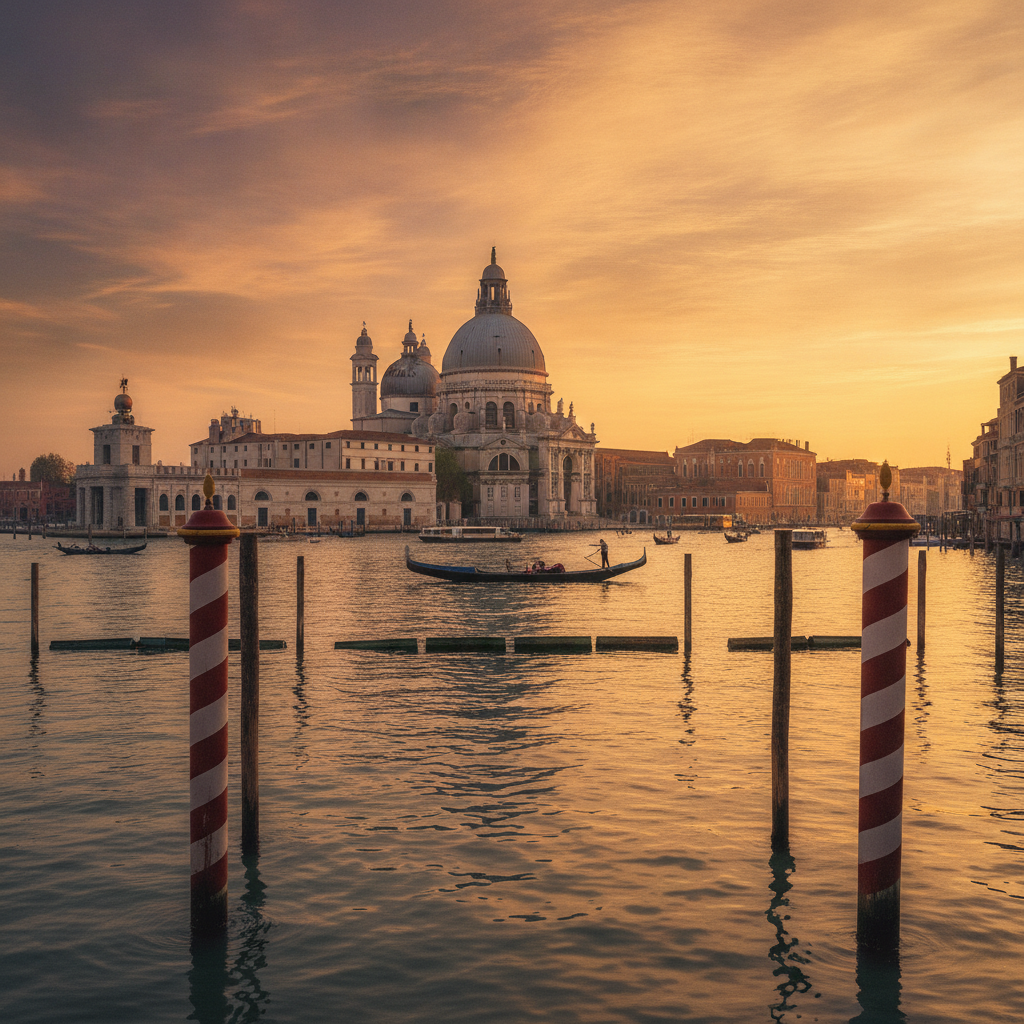
Dorsoduro: Gallerie dell'Accademia, Peggy Guggenheim Collection & Santa Maria della Salute
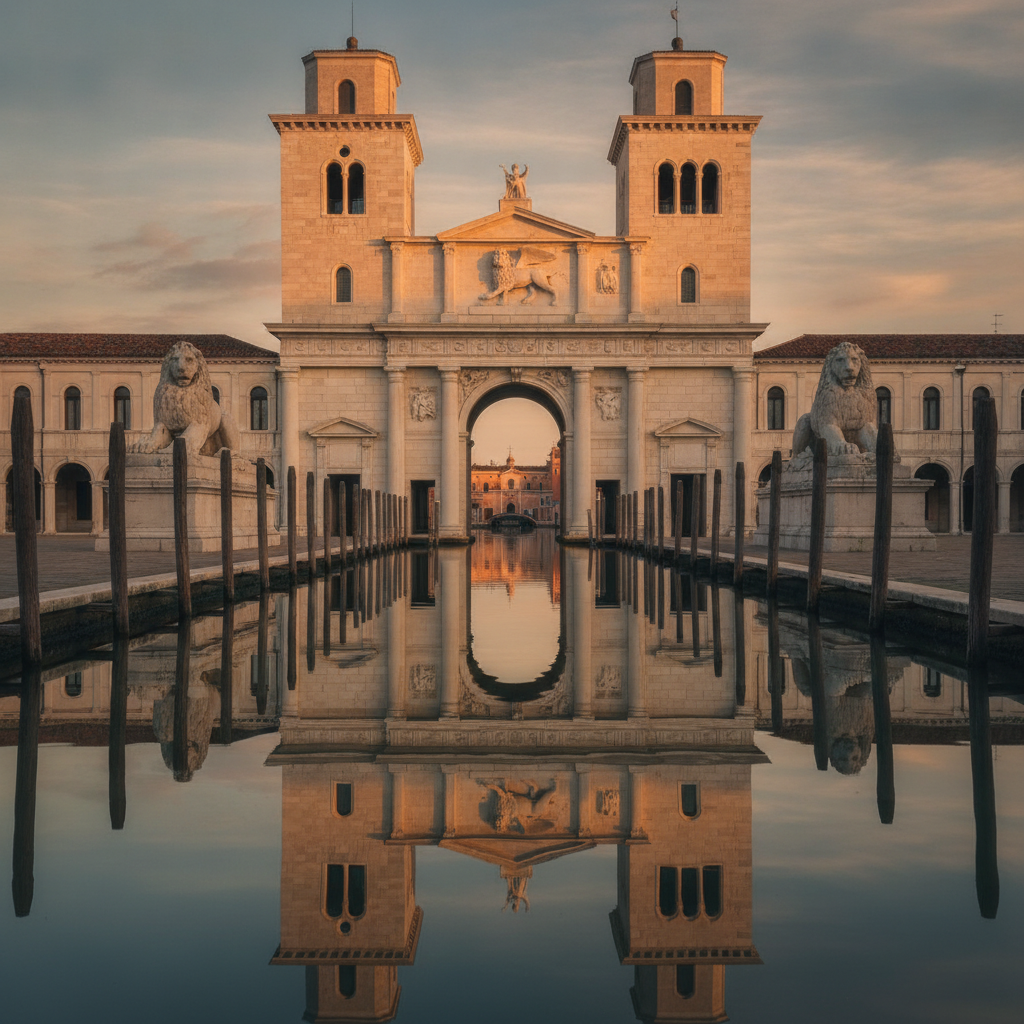
Sestiere Castello: das Arsenale, die Gärten der Biennale Venedig & San Giovanni e Paolo