Sestiere Castello: das Arsenale, die Gärten der Biennale Venedig & San Giovanni e Paolo
Das Sestiere Castello – der größte der sechs Stadtteile Venedigs, der sich vom Gebiet unmittelbar östlich von San Marco bis zur Ostspitze der Hauptinsel erstreckt – war fünf Jahrhunderte lang das industrielle Herz Venedigs: das Arsenale (die 1104 gegründete staatliche Werft, die auf ihrem Höhepunkt im 15. Jahrhundert 16.000 Arbeiter beschäftigte und täglich ein Kriegsschiff fertigstellen konnte) war die fortschrittlichste Industrieanlage der mittelalterlichen Welt und die Grundlage der venezianischen Seeherrschaft im Mittelmeer.
- 1
Venedig Arsenale — Der Industriekomplex, der ein Imperium aufbaute
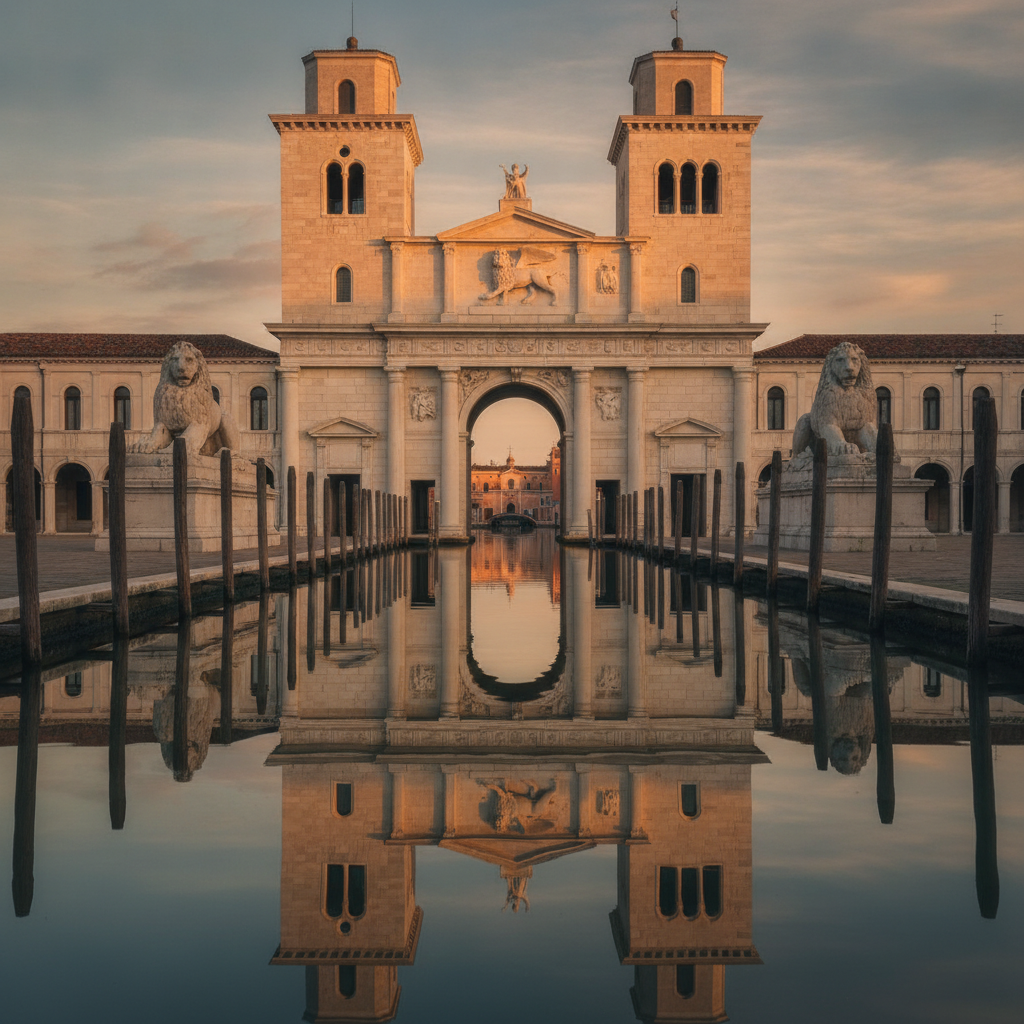
Das Arsenale di Venezia (der ehemalige Marinewerftkomplex am östlichen Rand von Castello, der größte Industriekomplex im vorindustriellen Europa – auf seinem Höhepunkt beschäftigte es 16.000 Arbeiter (arsenalotti) und konnte täglich eine voll ausgerüstete Kriegsgaleere bauen) ist normalerweise nur während der Biennale Venedig (wenn das Arsenale der Hauptveranstaltungsort ist) oder der Biennale Arte (ungerade Jahre) und der Biennale Architettura (gerade Jahre, Juni–November, ¥30 voller Biennale-Pass) zugänglich – die Corderie (die Seilerei aus dem 16. Jahrhundert, 316m lang, der längste geschlossene Raum in Venedig) beherbergt die wichtigsten nationalen Pavillon-Ausstellungen; die äußeren Löwenstatuen (griechische Originale, 1687 von Francesco Morosini aus Piräus geraubt, flankieren das Arsenale-Tor) sind immer sichtbar.
- 2
Biennale Venedig — Das wichtigste Kunstereignis der Welt
La Biennale di Venezia (1895 gegründet, die älteste und renommierteste Ausstellung für zeitgenössische Kunst der Welt, alle zwei Jahre stattfindend – Biennale Arte in ungeraden Jahren, Biennale Architettura in geraden Jahren, Juni–November, 30 Giardini-Nationalpavillons plus die internationale Arsenale-Ausstellung) definiert die Richtung der globalen zeitgenössischen Kunst – der Goldene Löwe für den besten nationalen Pavillon (die Giardini di Castello, der permanente Pavillonstandort, an dem 30 Nationen ihre eigenen Gebäude haben, die vom deutschen Pavillon von 1907 bis zu den seit 1980 hinzugefügten neueren Strukturen reichen) und der Besondere Goldene Löwe für das Lebenswerk sind die prestigeträchtigsten Auszeichnungen in der zeitgenössischen Kunst; das Vernissage (die erste Woche, Mai, nur auf Einladung) wird von 400.000 Kunstwelt-Profis besucht.
- 3
Giardini di Castello — Die öffentlichen Gärten und Pavillons
Giardini di Castello (der öffentliche Park am östlichen Ende Venedigs, 1807 von Napoleon durch Abriss eines Stadtviertels geschaffen, heute der permanente Standort der nationalen Pavillons der Biennale Venedig, ganzjährig als Park geöffnet, Biennale-Veranstaltungsorte nur während der Biennale-Ausstellungen geöffnet, ¥0 für den Parkzugang) ist die am wenigsten besuchte große Grünfläche Venedigs – die permanenten Biennale-Pavillons (die nationalen Pavillons beherbergen Ausstellungsgebäude, die von Carlo Scarpas venezolanischem Pavillon von 1956, der schönsten modernen Architektur in Venedigs öffentlichen Räumen, bis zu den in den 1990er Jahren am Parkrand hinzugefügten Bauten reichen) und die Cafés an der Fondamenta mit Blick auf das Markusbecken machen die Giardini zum richtigen Ort, um den Menschenmassen am Rialto und Markusplatz auszuweichen.
- 4
Riva degli Schiavoni — Die Große Promenade der Östlichen Lagune
Riva degli Schiavoni (die 1km lange Uferpromenade vom Dogenpalast zu den öffentlichen Gärten, die breiteste und exponierteste Uferpromenade Venedigs, benannt nach den dalmatinischen/slawonischen Kaufleuten, deren Boote hier anlegten) ist der schönste einzelne Uferweg in Venedig – das Hotel Danieli (der gotische Palast aus dem 14. Jahrhundert an der Riva degli Schiavoni 4196, das historischste Hotel Venedigs, mit der Dachterrassenbar, die den besten Panoramablick auf die Lagune bietet – ¥25 für einen Bellini, für Nicht-Gäste zugänglich), die Vaporetto-Haltestelle San Zaccaria (der Hauptknotenpunkt für die Linien 1, 2, 5.1, 5.2 – von hier aus ist jede Insel der Lagune erreichbar) und der frühmorgendliche Ausblick (das Morgenlicht auf dem Campanile von San Giorgio Maggiore auf der anderen Seite des Wassers) sind die prägenden Merkmale der Riva.
- 5
San Zaccaria — Die versteckte Kirche von Bellinis Madonna
San Zaccaria (Campo San Zaccaria, Castello, die gotische und Renaissance-Kirche aus dem 15. Jahrhundert unmittelbar hinter der Riva degli Schiavoni, kostenlos, Montag–Samstag 10–12 Uhr und 16–18 Uhr, Sonntag 16–18 Uhr) enthält Giovanni Bellinis Heilige Konversation (das San Zaccaria Altarbild, 1505, das Gemälde, das Bellini in seinen frühen 70ern schuf – die thronende Jungfrau mit Kind mit den Heiligen Franziskus, Petrus, Hieronymus und Lucia – das einzelne gelassenste Andachtsbild in Venedig und eines der technisch perfektesten Renaissance-Altarbilder Italiens); die Krypta (die ursprüngliche Krypta aus dem 9. Jahrhundert unter dem heutigen Boden, überflutet mit klarem Lagunenwasser, mit 8 in diesem Wasser bestatteten Dogen Venedigs) ist kostenlos mit der Kirche zugänglich.
- 6
SS Giovanni e Paolo — Das Pantheon von Venedig
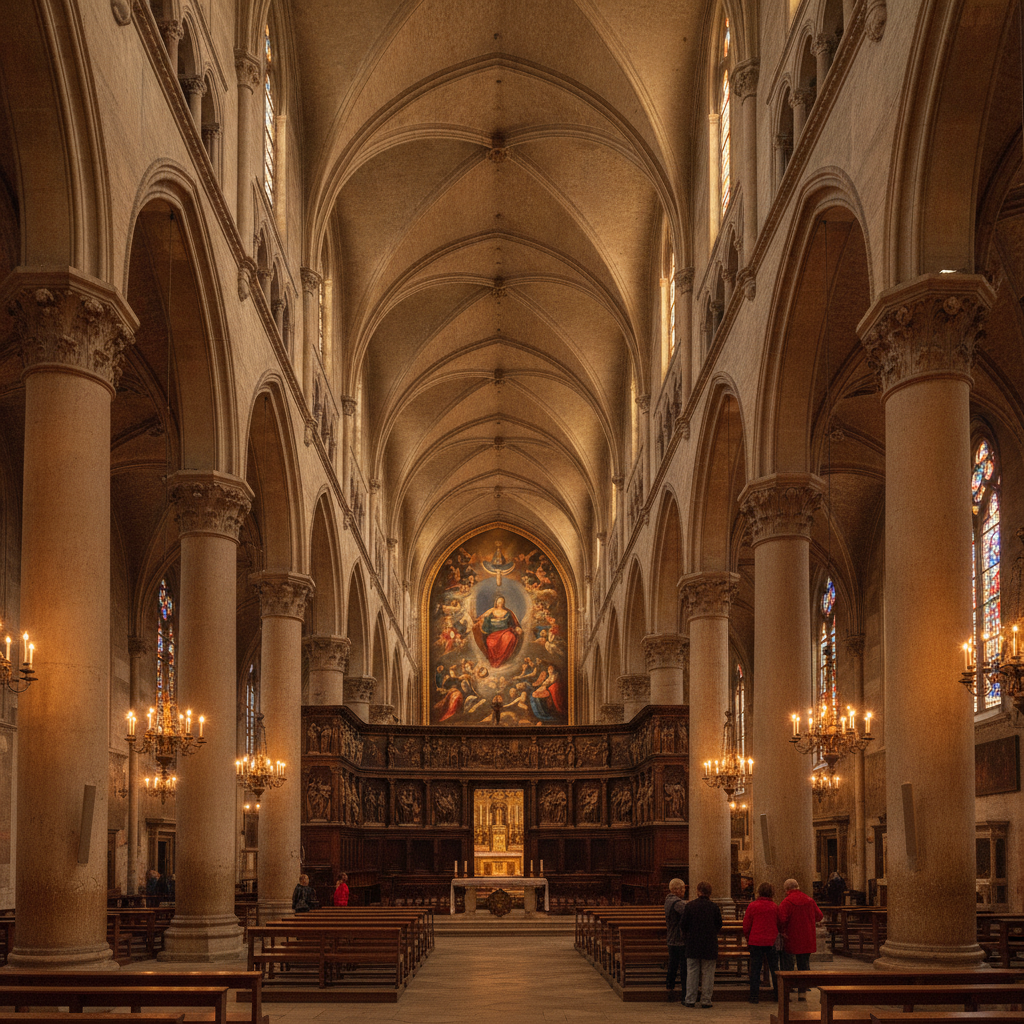
Basilica di San Giovanni e Paolo (Santi Giovanni e Paolo, Campo San Giovanni e Paolo, Castello, kostenlos Montag–Samstag 9–18 Uhr, die 1333 begonnene Dominikanerbasilika) ist die größte Kirche Venedigs und die Grabstätte von 25 Dogen – die Monumente (die Renaissance-Herzogstombden entlang des Kirchenschiffs – das Pietro Mocenigo Monument von Pietro Lombardo, 1476–1481, die schönste Renaissance-Gedenkskulptur Venedigs) und Veroneses Deckenbilder in der Rosenkranzkapelle (ersetzen die im Brand von 1867 zerstörten Originale) sind die Hauptwerke; die Reiterstatue Bartolomeo Colleonis außerhalb (1496, Andrea Verrocchio, die schönste Bronzereiterstatue der Renaissance, vom venezianischen Senat in Auftrag gegeben und nach Verrocchios Tod von Alessandro Leopardi gegossen) befindet sich auf dem angrenzenden Campo.
Walk this route with audio
Stories play automatically as you reach each stop — no tapping needed.
Mehr in venice
Sestiere Cannaregio, das jüdische Ghetto & Fondamente Nove Uferpromenade
Markusplatz, Markusdom, Dogenpalast & der Campanile
Die Gondel: Squero di San Trovaso, die Traghetti & Venedigs Arbeitswasserfahrzeuge
Dorsoduro: Gallerie dell'Accademia, Peggy Guggenheim Collection & Santa Maria della Salute
Murano, Burano & Torcello — Der Inselrundkurs der Venezianischen Lagune