San Polo & Santa Croce: die Frari-Basilika, Scuola Grande di San Rocco & Campo San Polo
Die Zwillings-Sestieri San Polo und Santa Croce – das älteste durchgehend bewohnte Gebiet Venedigs, gelegen am Westufer der Grand Canal-Schleife – beherbergen die beiden wichtigsten Sakralbauten Venedigs außerhalb von San Marco: die Basilica di Santa Maria Gloriosa dei Frari (die gotische Franziskanerkirche, die Tizians 'Himmelfahrt Mariä' enthält) und die Scuola Grande di San Rocco (das Bruderschaftsgebäude, dessen Wände und Decken von Tintoretto in einem 1564 begonnenen fünfzigjährigen Programm dekoriert wurden).
- 1
Santa Maria Gloriosa dei Frari — Tizians Meisterwerkskirche
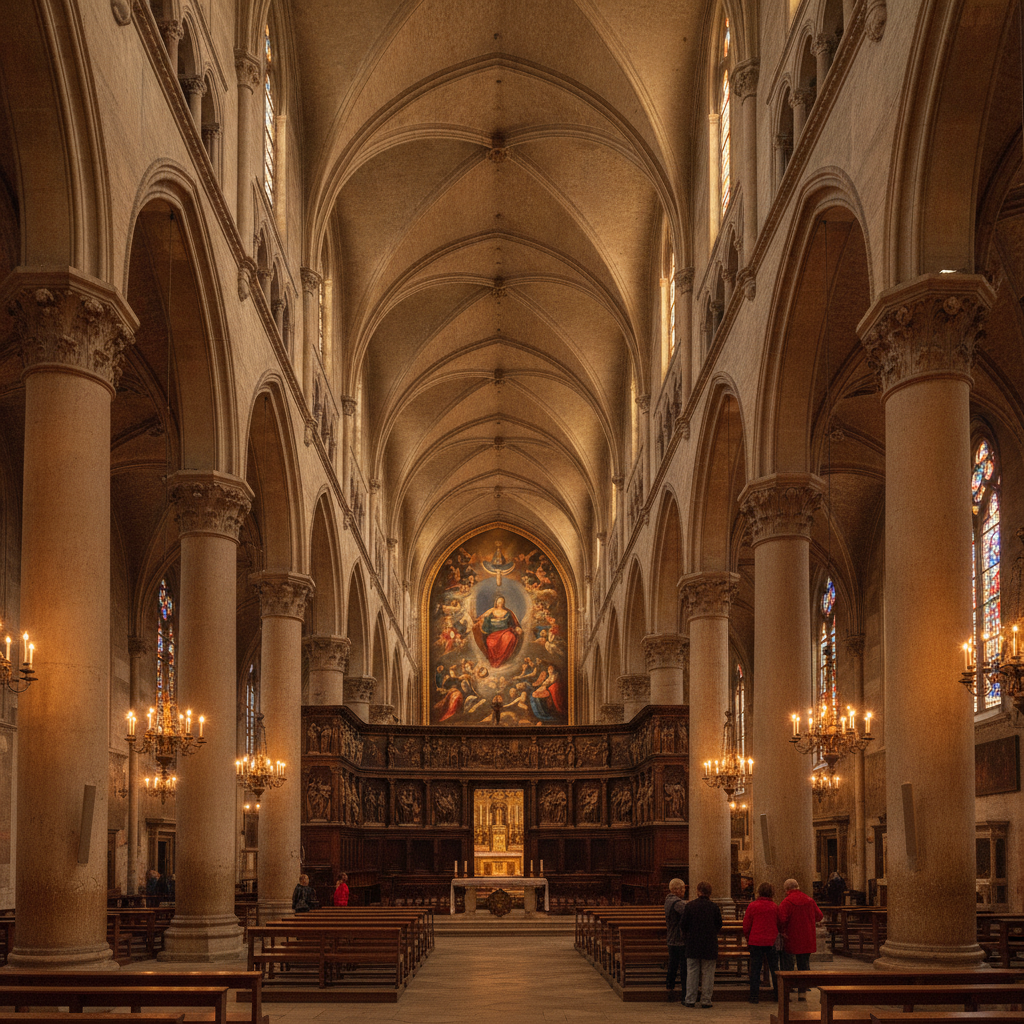
Die Frari (Santa Maria Gloriosa dei Frari, San Polo, die 1340 begonnene gotische Franziskanerkirche aus Backstein, nach dem Markusdom die wichtigste Kircheninterieur in Venedig, ¥5 Erwachsene, Montag–Samstag 9am–6pm, Sonntag 1–6pm) enthält: Tizians Himmelfahrt Mariä (1516–1518, das Altarbild über dem Hochaltar, 6.9m hoch, das Gemälde, das Tizians internationalen Ruf begründete — das wichtigste Einzelgemälde in Venedig), Tizians Madonna von Ca' Pesaro (das Altarbild des linken Seitenschiffs, das erste Mal in der italienischen Malerei, dass die Jungfrau außerhalb der Mitte platziert wurde), das Bellini-Triptychon (das Sakristei-Altarbild von 1488, Giovanni Bellini, das erhabenste Gemälde in Venedig) und Donatellos Johannes den Täufer (die bemalte Holzstatue von 1438, der einzige Donatello in Venedig).
- 2
Scuola Grande di San Rocco — Tintorettos gesamte Karriere in einem Gebäude
Die Scuola Grande di San Rocco (Campo San Rocco, San Polo, ¥12 Erwachsene, täglich 9:30am–5:30pm) enthält 60 Gemälde von Jacopo Tintoretto (1518–1594) — der 1564–1588 in Auftrag gegebene Zyklus umfasst die Sala dell'Albergo, die Große Obere Halle und die Untere Halle; die Decke der Großen Oberen Halle (der alttestamentliche Zyklus, das komplexeste Bildprogramm in Venedig, einschließlich der Mannasammlung, Moses schlägt Wasser aus dem Felsen und das Deckenmittelstück Moses und die eherne Schlange) erfordert das Mieten von Standspiegeln (¥3, unerlässlich — die Gemälde befinden sich an der Decke und sind ohne Nackenverspannung nur über Spiegel lesbar); John Ruskin nannte Tintoretto in San Rocco 'jenseits aller Analyse und über alles Lob erhaben'.
- 3
Rialto-Markt — Venedigs täglicher Fisch- und Gemüsemarkt
Der Rialto-Markt (Mercato di Rialto, der Marktkomplex am San Polo-Ufer des Canal Grande, Dienstag–Samstag 7:30am–2pm, der Fischmarkt sonntags und montags geschlossen) versorgt Venedig seit 1097 mit frischen Produkten und Meeresfrüchten — die Pescaria (der Fischmarkt in der überdachten Halle im neugotischen Stil von 1907) und die Gemüsestände (die Freiluftstände, die Produkte der Laguneninseln verkaufen: Sant'Erasmo castraure — Baby-Artischocken, April–Mai, das begehrteste Gemüse Venedigs — und venezianischer Treviso-Radicchio) erreichen ihre höchste Aktivität von 8–10am; das traditionelle venezianische Cichetti-Mittagessen (Barsnacks in den Dutzend Bacari rund um den Markt, ¥1.50–4 pro Stück, mit Prosecco zu ¥2/Glas) schließt sich dem Marktbesuch an.
- 4
Ca' Rezzonico — Erhaltenes Venedig des 18. Jahrhunderts
Ca' Rezzonico (Fondamenta Rezzonico, Dorsoduro, der Grand Canal Palast an der Vaporetto-Haltestelle Ca' Rezzonico, das Museo del Settecento Veneziano, ¥10 Erwachsene, Mittwoch–Montag 10am–5pm) ist das vollständigste erhaltene Beispiel eines venezianischen aristokratischen Interieurs des 18. Jahrhunderts — der Piano Nobile (der Hauptsaal mit dem Deckenfresko von Giambattista Tiepolo Allegorie des Verdienstes, 1758), die Möbel (die lackierten, japanisch beeinflussten Kommoden, die Murano-Glaslüster in ihrer ursprünglichen Umgebung) und die Fresken von Giandomenico Tiepolo (aus der Villa Zianigo übertragen, der New World Room mit der Pulcinella-Serie — die subversivsten und originellsten Gemälde des 18. Jahrhunderts in Venedig) machen es zum unverzichtbaren Museum für das Venedig des 18. Jahrhunderts.
- 5
Dorsoduro — Die Peggy Guggenheim und Gallerie dell'Accademia
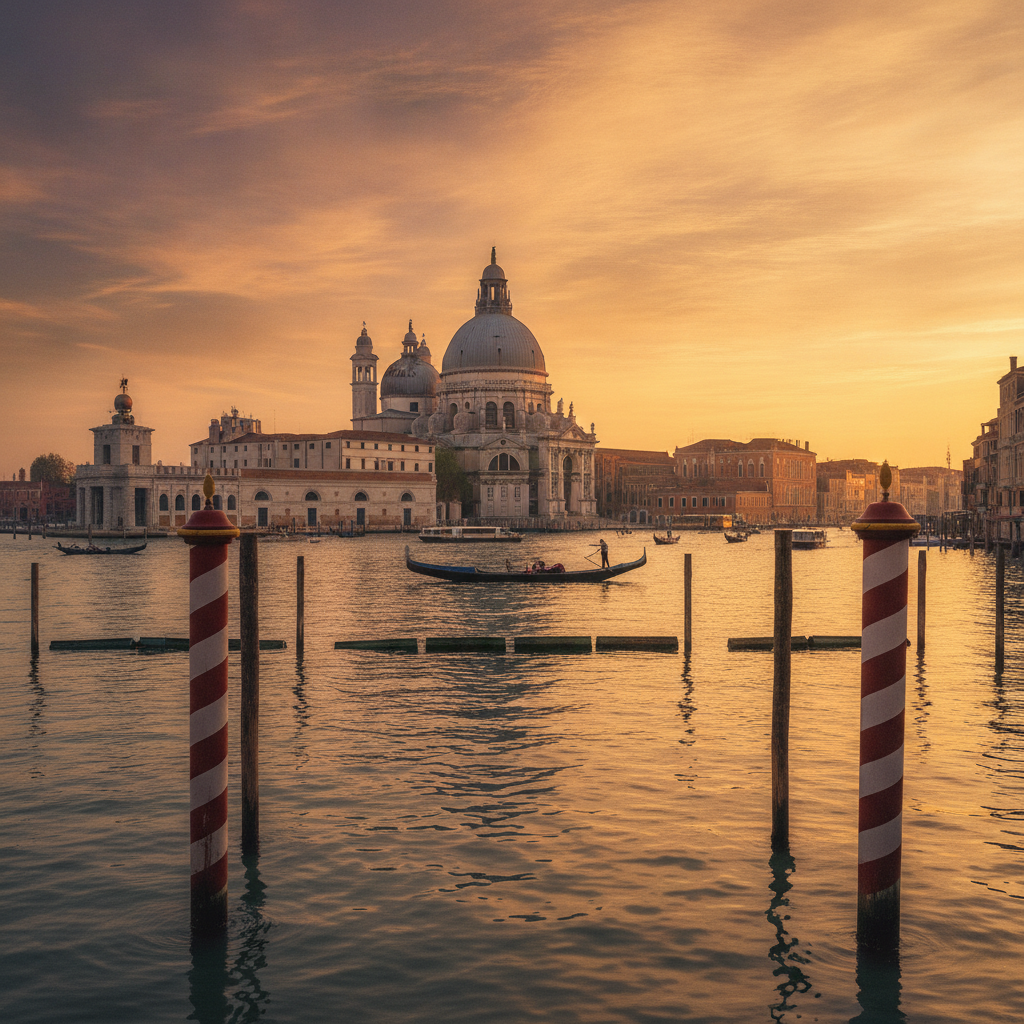
Dorsoduro (das Sestiere südlich des Canal Grande, Heimat der Gallerie dell'Accademia und der Peggy Guggenheim Collection, die beiden wichtigsten Kunstmuseen in Venedig) vereint: die Accademia (Campo della Carità, ¥12 Erwachsene, die umfassende Sammlung venezianischer Malerei vom 14. bis 18. Jahrhundert — Giorgiones Sturm, Tizians Pietà, Bellinis Polyptychen) und die Guggenheim (Palazzo Venier dei Leoni, direkt am Canal Grande, ¥18 Erwachsene, täglich 10am–6pm, Peggy Guggenheims Privatsammlung von über 200 Werken des 20. Jahrhunderts — die wichtigste surrealistische und abstrakt-expressionistische Sammlung in Europa, mit Brancusi, Ernst, Calder, Pollock, de Kooning, Rothko) innerhalb von 300m voneinander.
- 6
San Polo Viertel — Das lokale Herz Venedigs
San Polo (das kleinste der 6 Sestieri Venedigs, am San Polo-Ufer des Canal Grande, zentriert auf den Campo San Polo — den größten Campo in Venedig nach der Piazza San Marco) ist das Sestiere, das sich am meisten von Venezianern bewohnt anfühlt — der Obst- und Gemüsemarkt am Montag- und Donnerstagmorgen auf dem Campo, die Buchhandlung Toletta (Fondamenta Toletta, Dorsoduro, die beste unabhängige Buchhandlung in Venedig, die Venedig-Sektion unübertroffen) und die Winter-Eislaufbahn Campo San Polo (die Freiluft-Eislaufbahn auf dem Campo von Dezember bis Februar, das ausgeprägteste venezianische Wintererlebnis) repräsentieren den Wohncharakter des Viertels; die Wohn-Bacari des Sestieres (Bacaro Jazz, Osteria Mocenigo) dienen der lokalen venezianischen Bevölkerung und nicht den Touristen.
Walk this route with audio
Stories play automatically as you reach each stop — no tapping needed.
Mehr in venice
Sestiere Cannaregio, das jüdische Ghetto & Fondamente Nove Uferpromenade
Markusplatz, Markusdom, Dogenpalast & der Campanile
Die Gondel: Squero di San Trovaso, die Traghetti & Venedigs Arbeitswasserfahrzeuge
Dorsoduro: Gallerie dell'Accademia, Peggy Guggenheim Collection & Santa Maria della Salute
Sestiere Castello: das Arsenale, die Gärten der Biennale Venedig & San Giovanni e Paolo