K Street, Think Tanks und die Welt der Macht in Washington DC
Washington DC ist nicht nur die Hauptstadt der Vereinigten Staaten – es ist das Nervenzentrum der globalen Macht, die Stadt, in der die Entscheidungen, die die Welt prägen, getroffen und beeinflusst werden: der K Street Lobbying-Korridor, die Think Tanks (die Brookings Institution, die Heritage Foundation, der Council on Foreign Relations, RAND), die Anwaltskanzleien, die Handelsverbände und die Medieninstitutionen, die die unsichtbare Architektur der amerikanischen politischen Macht bilden.
- 1
K Street – Der Lobbying-Korridor
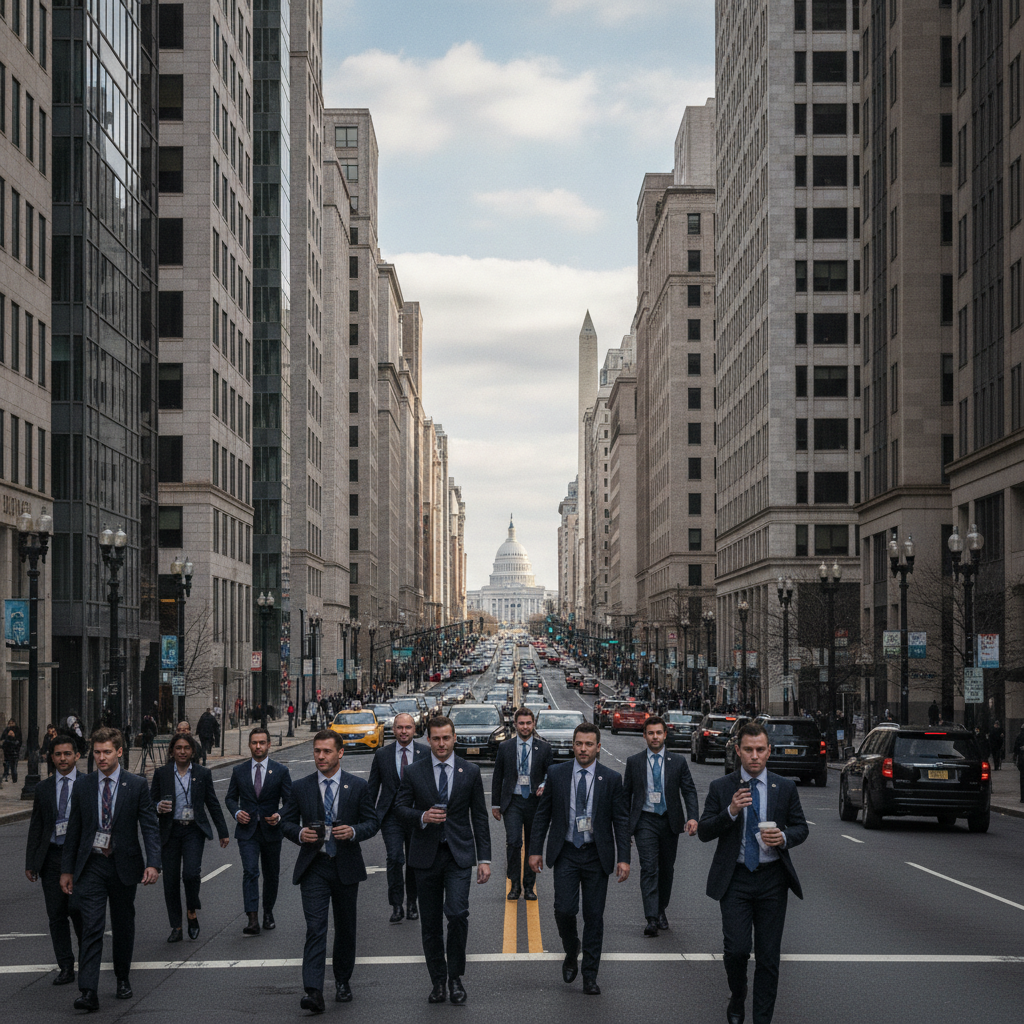
Die K Street NW (der 2 km lange Korridor vom Washington Circle zum Thomas Circle, die Adresse, die mit der US-Lobbyindustrie verbunden ist – zu den Top-Lobbying-Firmen gehören Brownstein Hyatt Farber Schreck, Akin Gump und Squire Patton Boggs, alle mit Büros in der K Street oder in der Nähe) beschäftigt 12.000 registrierte Bundeslobbyisten (die tatsächliche Zahl der in Interessenvertretungsrollen Tätigen wird auf über 100.000 geschätzt, wenn alle Interessenvertretungsexperten eingeschlossen werden) – die Offenlegung: Der US Lobbying Disclosure Act (1995) verlangt von Lobbyisten, sich zu registrieren und ihre Klienten und Ausgaben zu melden; die Kantinen des Senate Office Building (öffentlich zugänglich mit Ausweis, das Hart Senate Office Building an der Constitution Avenue, der beste Ort, um die Mitarbeiter des Kongresses beim Mittagessen zu beobachten) sind ehrlichere Machtzentren als die Glaslobbys der K Street.
- 2
Congressional Visitor Center – Das Kapitol Untergrund
Das Besucherzentrum des Kapitols der Vereinigten Staaten (unterirdisch unter dem East Plaza des Kapitols, freier Eintritt, geöffnet Montag–Samstag 8:30–16:30 Uhr, Führungen durch das Kapitol nach Vereinbarung über Kongressbüros oder über zeitgebundene Tickets – kostenlos – von der Website des Besucherzentrums) ist der richtige Ausgangspunkt für das Kapitolgebäude – die Ausstellungshalle (die 16.500 Quadratmeter großen Dauerausstellungen zur Geschichte des Kongresses, die maßstabsgetreue Nachbildung der Freiheitsstatue von der Kuppel des Kapitols, das zweistöckige Filmtheater) und die Führung durch das Kapitolgebäude (1 Stunde, die Rotunde, die National Statuary Hall und die Kammern des Senats und des Repräsentantenhauses, wenn nicht in Sitzung, geführt von Führern des Kapitol-Besucherzentrums oder Begleitern des Kongresspersonals) sind die zugänglichen Besuchererlebnisse.
- 3
Der Oberste Gerichtshof – Der Marmortempel und öffentlicher Zugang
Der Oberste Gerichtshof der Vereinigten Staaten (1 First Street NE, gegenüber dem Kapitol, kostenlos, geöffnet Montag–Freitag 9–16:30 Uhr, die Große Halle, das Museum und der Gerichtssaal, wenn nicht in Sitzung, sind selbst geführt, mündliche Verhandlungen sind öffentlich, wenn der Gerichtshof in Sitzung ist – Oktober bis April, Montag–Mittwoch für 2-wöchige Verhandlungssitzungen, Plätze nach dem Prinzip „Wer zuerst kommt, mahlt zuerst“ aus der öffentlichen Warteschlange, kostenlos) ist die bürgernahste der großen Institutionen Washingtons – die mündlichen Verhandlungssitzungen (die öffentlichen Plätze betragen 50–200 pro Sitzung je nach Fall, die Warteschlange beginnt um 5 Uhr morgens für die wichtigsten Fälle, die Erfahrung – die Beobachtung der 9 Richter, wie sie Anwälte aus 35 Fuß Entfernung befragen – ist unersetzlich) und das Gebäude selbst (Cass Gilbert, 1935, die Fassade aus Vermont-Marmor, „Equal Justice Under Law“ über dem Eingang eingemeißelt) sind die wesentlichen Elemente.
- 4
Embassy Row – Die Internationale Meile der Massachusetts Avenue
Die Embassy Row (Massachusetts Avenue NW vom Dupont Circle zum Observatory Circle, die Konzentration von über 40 Botschaftsgebäuden in restaurierten Beaux-Arts-Villen und modernen, zweckgebauten Kanzleien) ist die architektonisch vielfältigste Straße Washingtons – die wichtigsten Gebäude: die Britische Botschaft (das Lutyens-Gebäude von 1931, der letzte große Auftrag von Edwin Lutyens vor seinem Tod, das einzige amerikanische Gebäude des Designers des Vizekönigshauses in Neu-Delhi), die Indonesische Botschaft (das ehemalige Patterson House, 1903, von McKim Mead & White, die wichtigste Beaux-Arts-Villa in DC, die noch genutzt wird) und das Anderson House (2118 Massachusetts Avenue, das Museum und die Bibliothek der Society of the Cincinnati, das Herrenhaus von 1902, das das feinste Gilded Age-Interieur in Washington DC aufweist, kostenlos, Dienstag–Samstag 13–16 Uhr).
- 5
Watergate Complex – Der Einbruch, der alles veränderte
Der Watergate-Komplex (2650 Virginia Avenue NW, Foggy Bottom, der Wohn-, Gewerbe- und Hotelkomplex in 6 miteinander verbundenen Gebäuden über dem Potomac River, der Ort des Einbruchs in das Hauptquartier des Democratic National Committee am 17. Juni 1972, der den Nixon-Watergate-Skandal und den einzigen präsidialen Rücktritt in der US-Geschichte auslöste – 9. August 1974) besteht aus dem Watergate Hotel (kürzlich nach Renovierung wiedereröffnet, die Dachbar ist der passende Ort, um dieses DC-Wahrzeichen zu beobachten), den Wohnungen Watergate East, West und South sowie dem ehemaligen Howard Johnson's Motor Lodge (seitdem abgerissen), wo das Überwachungsteam der „Klempner“ das DNC-Büro vom Zimmer 723 aus beobachtete; das DNC-Büro (6. Etage des Watergate Office Building, 600 New Hampshire Avenue NW) ist nicht öffentlich zugänglich, aber die Lobby ist es.
- 6
White House Visitor Center – Das Äußere und der Kontext
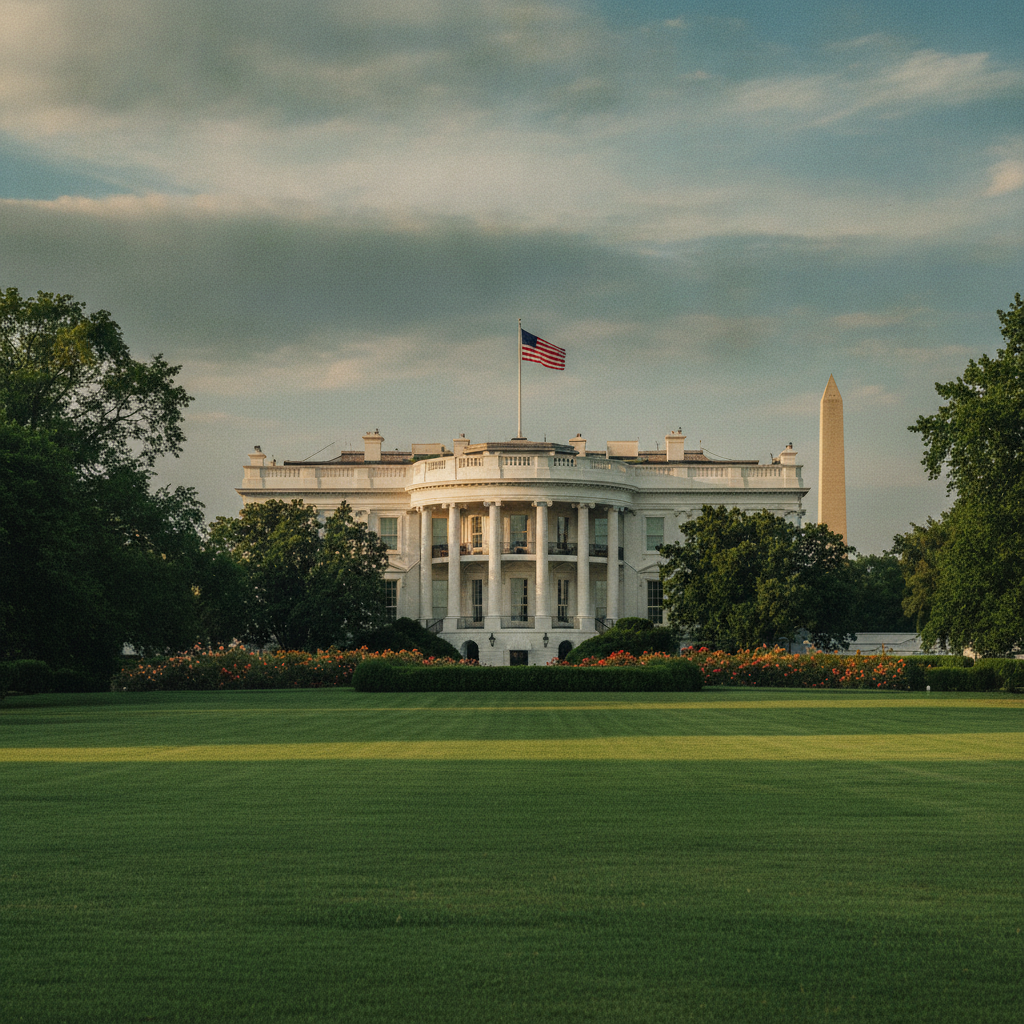
Das Weiße Haus (1600 Pennsylvania Avenue NW, die Residenz und das Hauptbüro des Präsidenten der Vereinigten Staaten seit 1800, von außen über die Pennsylvania Avenue und den Lafayette Square zugänglich, eingeschränkte öffentliche Führungen nur über Kongressbüros 4–6 Wochen im Voraus für US-Bürger, Ausländer über ihre Botschaft an das Außenministerium) ist am besten vom Lafayette Square aus zugänglich (der 7 Hektar große Park direkt nördlich des Weißen Hauses, der Ort der nachhaltigsten Protestaktivitäten in der amerikanischen Geschichte – der Park hatte seit den 1980er Jahren eine ununterbrochene Protestpräsenz für einige Anliegen) – das White House Visitor Center (1450 Pennsylvania Avenue NW, der Keller des Handelsministeriums, kostenlos, täglich 7:30–16 Uhr, umfangreiche Ausstellung zur Geschichte des Weißen Hauses) ist die Alternative ohne Termin.
Walk this route with audio
Stories play automatically as you reach each stop — no tapping needed.
Mehr in washington-dc
Washington DC Food Szene – Von äthiopisch bis Fine Dining
Weißes Haus, Capitol Hill & die Architektur der amerikanischen Macht
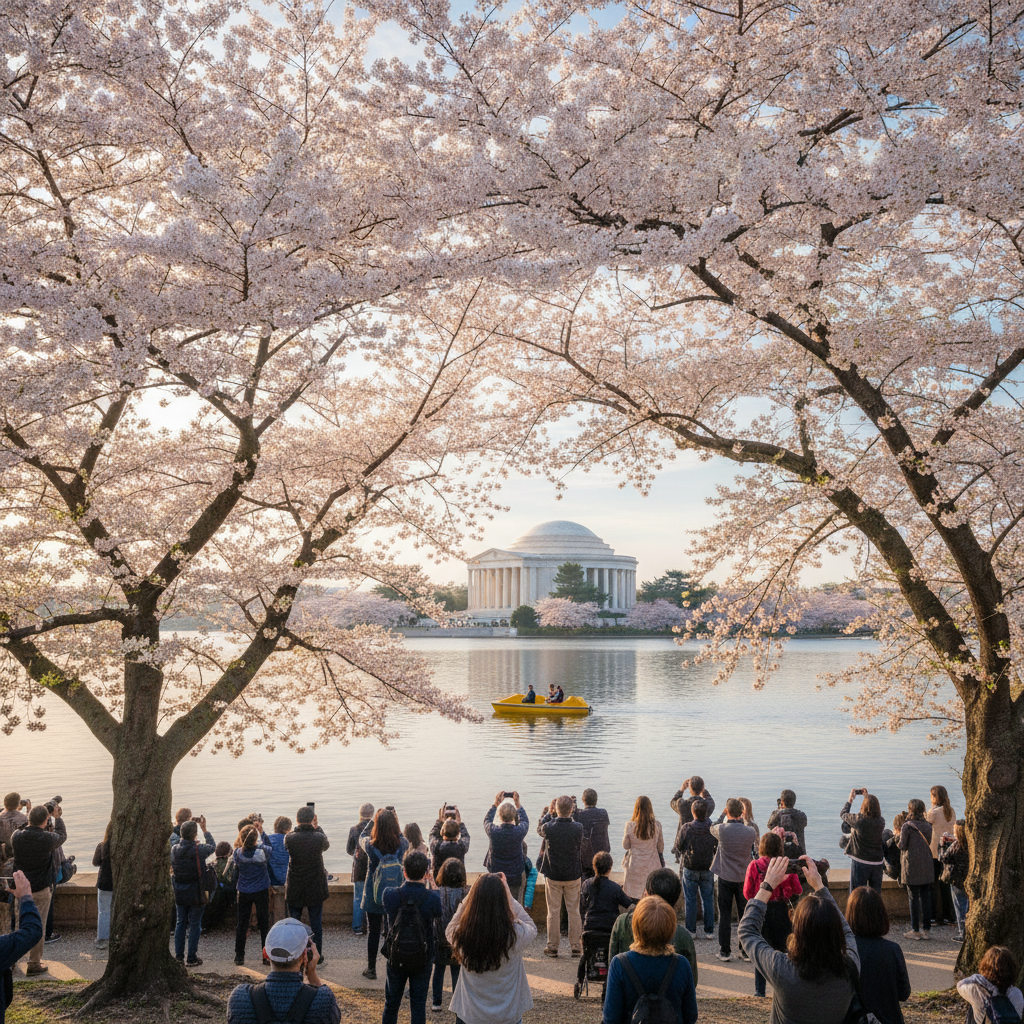
Kirschblüten & das Tidal Basin — Washington im Frühling
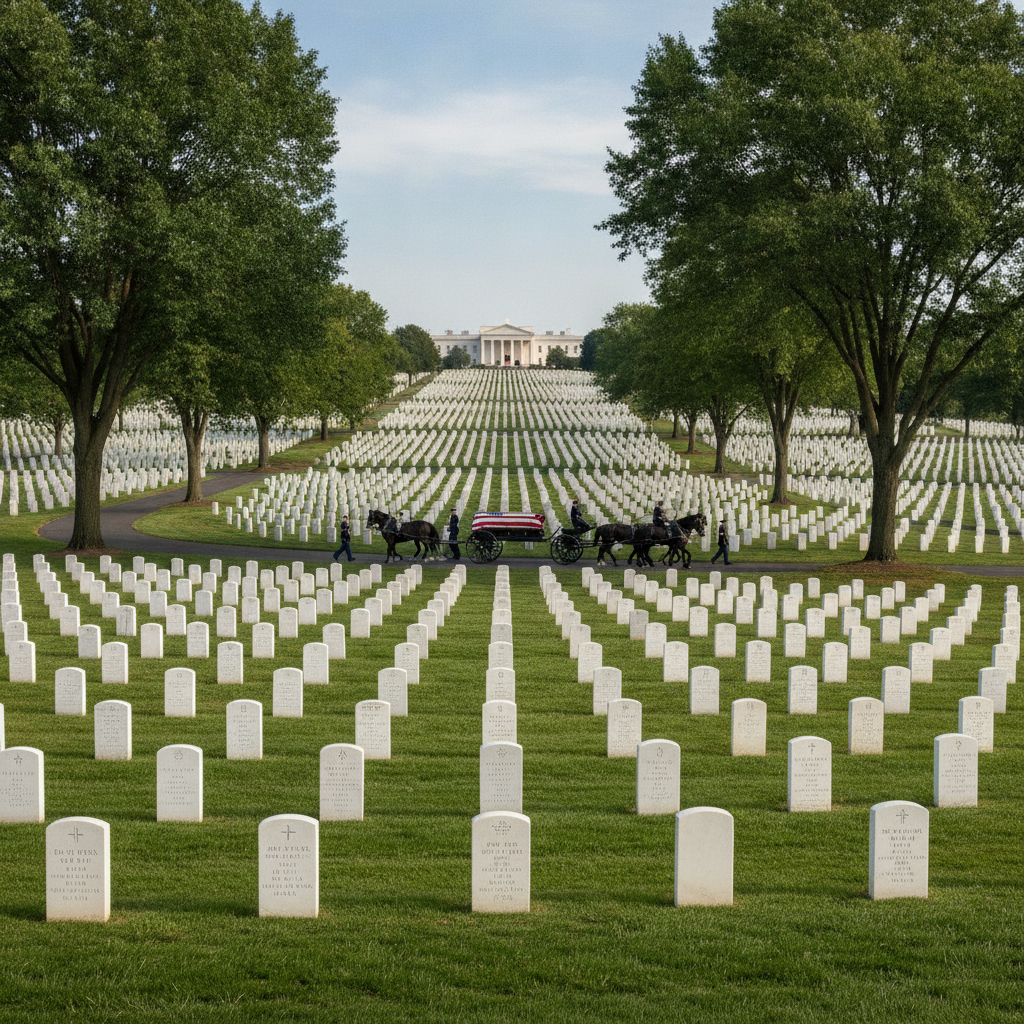
Arlington Cemetery, das Pentagon & DCs militärisches Erbe
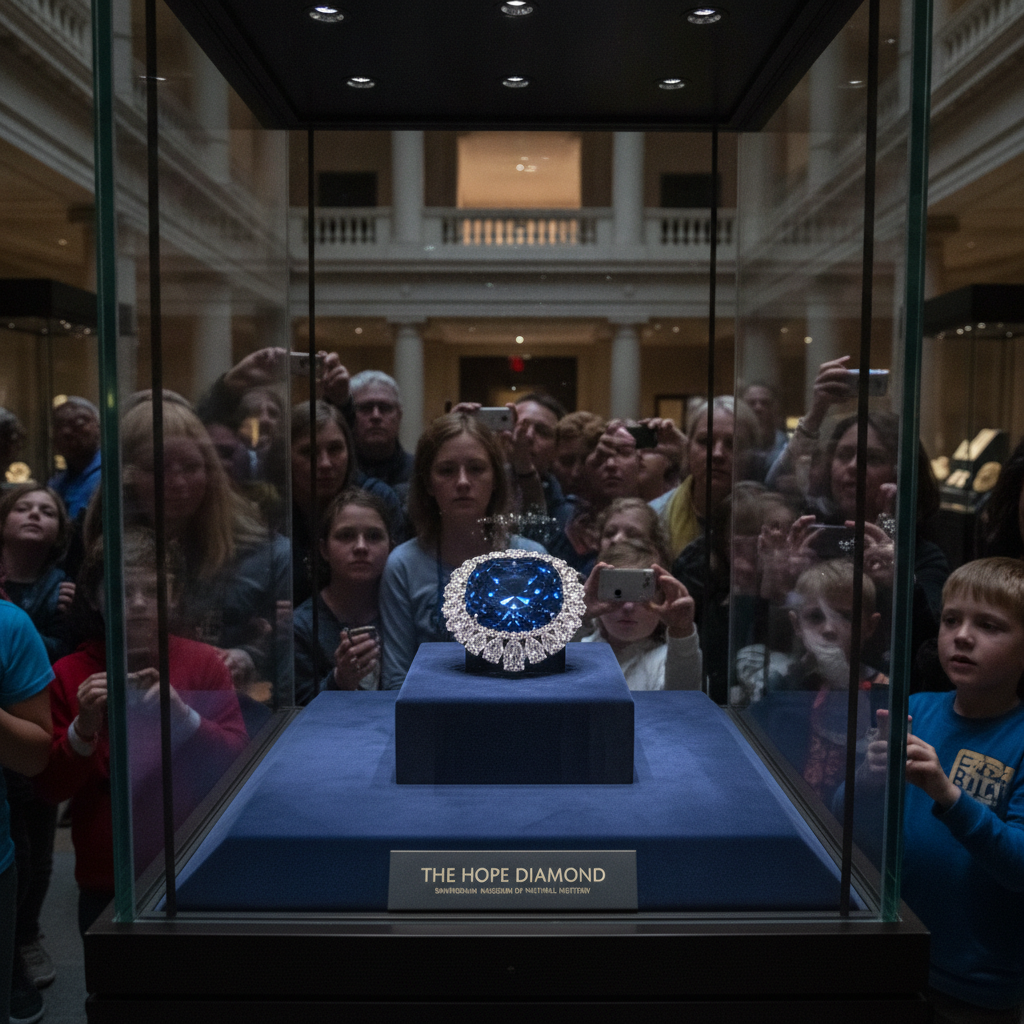
Smithsonian Museen & Washington DCs kostenlose Weltklasse-Kultur