The Wharf, Anacostia & Washington DC's revitalisierte Uferpromenade
Die Uferpromenade von Washington DC (die Ufer von Potomac und Anacostia, die den District of Columbia im Süden und Osten umrahmen) hat seit der Stadtgründung ihre dramatischste Transformation erlebt: die 3,6 Milliarden Dollar teure Wharf-Entwicklung im Südwesten DCs, die Revitalisierung des Anacostia Riverfronts und die Neugestaltung der Uferpromenade von Old Town Alexandria direkt gegenüber dem Potomac haben eine neue Uferkultur in der amerikanischen Hauptstadt geschaffen.
- 1
The Wharf — Die Wiederbelebung der Uferpromenade im Südwesten DCs
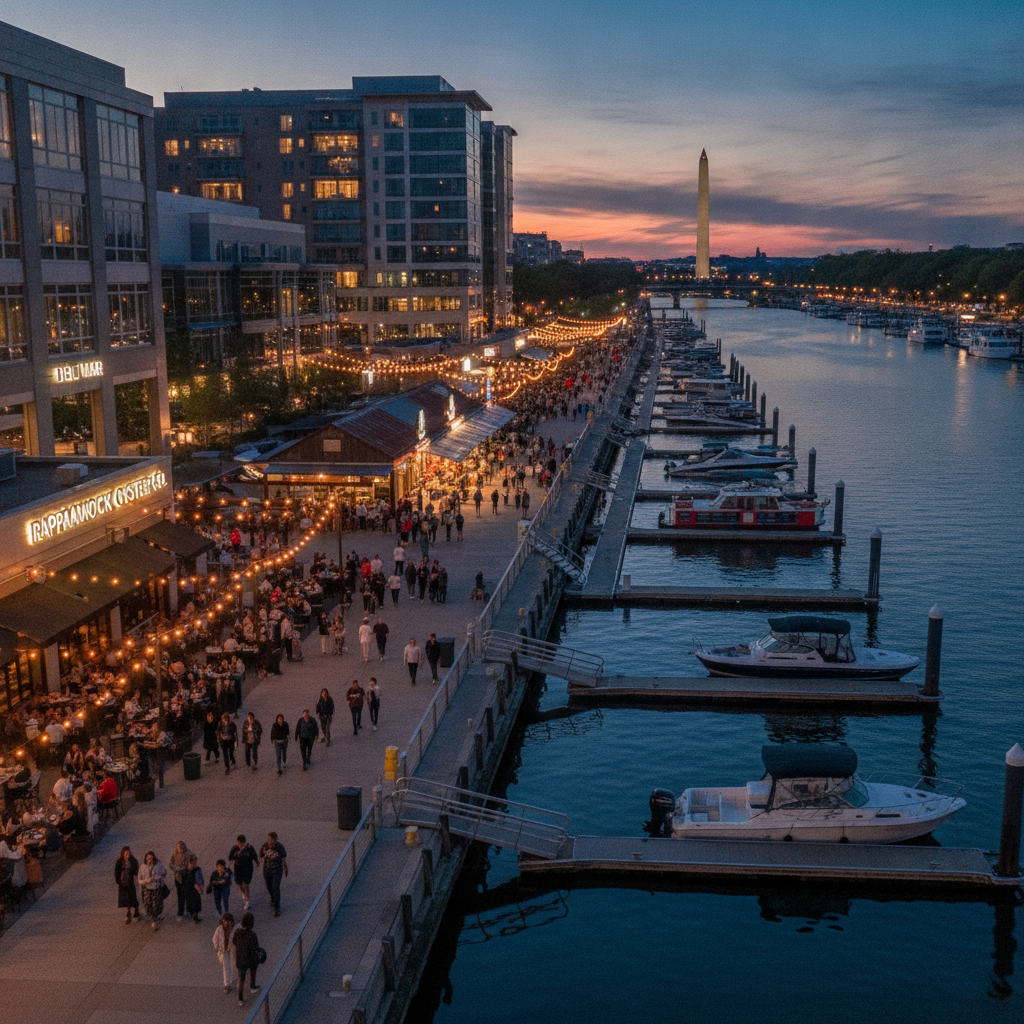
The Wharf (die 24 Hektar große Mischnutzung am Washington Channel, Maine Avenue SW, Phase 1 2017 eröffnet, Phase 2 2022, die größte Einzelentwicklung in der Geschichte Washington DCs mit ¥3.5 Milliarden Investition) verfügt über 10 Restaurants, 5 Hotels, Musikstätten, einen öffentlichen Yachthafen und den renovierten Maine Avenue Fish Market — The Anthem (901 Wharf Street SW, die Konzerthalle mit 6.000 Plätzen, die Metallica, Billie Eilish und Radiohead beherbergt hat, die größte zweckgebaute Indoor-Konzerthalle in DC) und der Southwestern Waterfront Marina (der Yachthafen mit 700 Liegeplätzen, der größte im Chesapeake Bay-System, sichtbar von der Washington Channel-Uferpromenade) sind die Anker der neuen Entwicklung neben dem historischen Fischmarkt.
- 2
Maine Avenue Fish Market — Amerikas ältester offener Fischmarkt
Der Maine Avenue Fish Market (1100 Maine Avenue SW, gegründet 1805, der älteste durchgehend betriebene offene Fischmarkt in den Vereinigten Staaten, täglich 8am–8pm geöffnet, der Markt an der Washington Channel-Uferpromenade) verkauft lebende und gekochte Meeresfrüchte von schwimmenden Bargen und Uferständen — die blauen Krabben der Chesapeake Bay (Callinectes sapidus, lebend gedämpft mit Old Bay Seasoning — der Gewürzmischung aus Selleriesalz und Paprika aus Maryland, die den prägenden Geschmack der Chesapeake Bay-Küchentradition ausmacht — ¥20–40 pro Dutzend je nach Saison und Größe), die Jumbo-Lump-Crab Cakes (Maryland Crab Cake, 85%+ Krabbenfleisch mit minimalem Füllstoff, die Referenzversion, die an den Marktständen verkauft wird) und die kalten gekochten Garnelen (pfundweise) sind die Hauptkäufe.
- 3
Anacostia — Die historische afroamerikanische Ostseite
Anacostia (das Viertel östlich des Anacostia River, eines der historisch schwarzen Viertel Washington DCs und jetzt das sich am schnellsten verändernde in der Stadt, erreichbar mit der Metro Green Line Anacostia Station) beherbergt die historische Stätte von Frederick Douglass — die Frederick Douglass National Historic Site (1411 W Street SE, das Cedar Hill Haus, in dem Frederick Douglass — der Abolitionist, Autor und Staatsmann — von 1877 bis zu seinem Tod 1895 lebte, kostenlos, täglich 9am–4:30pm, zeitgesteuerter Eintritt erforderlich) und das Anacostia Community Museum (1901 Fort Place SE, das Gemeinschaftsmuseum der Smithsonian Institution, das sich auf afroamerikanische und Stadtgeschichte konzentriert, kostenlos, Mittwoch–Sonntag 11am–4pm) stellen die kulturellen Anker des Viertels dar.
- 4
Old Town Alexandria — Die koloniale Hafenstadt gegenüber dem Potomac
Old Town Alexandria (die Stadt Alexandria, Virginia, direkt gegenüber dem Potomac von Washington DC, erreichbar mit der Metro Blue und Yellow Line King Street Station oder mit dem Wassertaxi von The Wharf, die 1749 gegründete koloniale Hafenstadt, die Washington DC vorausgeht und es ursprünglich in ihrem Gebiet umfasste, 1791 an DC abgetreten und 1847 an Virginia zurückgegeben) bewahrt nach Boston die feinste Sammlung von amerikanischen Stadthäusern des 18. und 19. Jahrhunderts in den USA — das Torpedo Factory Art Center (105 North Union Street, die Torpedofabrik von 1918, umgebaut in 82 Künstlerateliers und Galerien, kostenlos, Montag–Samstag 10am–6pm, Sonntag 12pm–6pm, alle Ateliers öffentlich zugänglich) und das Gadsby's Tavern Museum (134 Royal Street, ¥8 Erwachsene, die Taverne aus dem 18. Jahrhundert, in der George Washington Geburtstagsbälle besuchte) sind die Hauptattraktionen.
- 5
Kennedy Center — Das nationale Denkmal der darstellenden Künste
Das John F. Kennedy Center for the Performing Arts (New Hampshire Avenue am Rock Creek Parkway, der Marmor-Komplex für darstellende Künste am Ufer des Potomac River, das offizielle lebende Denkmal für Präsident Kennedy, entworfen von Edward Durell Stone 1971) bietet täglich kostenlose Aufführungen — die Millennium Stage (das kostenlose tägliche Aufführungsprogramm um 6pm, seit 1997 mit 365 aufeinanderfolgenden Aufführungen pro Jahr, das meistgenutzte kostenlose Aufführungsprogramm in den USA, Genres von Jazz über Kammermusik bis hin zu Weltmusik und experimentellem Theater) und die Dachterrasse (das Dach des Kennedy Centers, freier Zugang, die Terrasse bietet den besten Panoramablick auf den Potomac River und das Virginia-Ufer, der in Washington DC verfügbar ist) sind die Höhepunkte mit öffentlichem Zugang.
- 6
National Harbor — Die Stadt des Glücksspiels und der Konventionen
National Harbor (die 300 Hektar große Uferentwicklung in Oxon Hill, Maryland, 8 Meilen südlich von DC am Ostufer des Potomac, erreichbar mit dem Wassertaxi von The Wharf oder mit dem Auto über die I-295) ist die jüngste große Entwicklung am Washingtoner Metro-Potomac — das MGM National Harbor (das Casino- und Unterhaltungsresort, das größte Einzelgebäude in Maryland, der Casino-Bereich, Hotels, Restaurants und das Theatre at MGM — die 3.000 Sitzplätze umfassende Broadway-Tournee-Spielstätte), das Capital Wheel (das 180 Fuß hohe Riesenrad an der Uferpromenade, ¥15, die Aussicht reicht bis zum Washington Monument 8 Meilen nördlich) und das Gaylord National Resort (das 2.000-Zimmer-Tagungshotel mit dem verglasten Atrium, das vom Fluss aus sichtbar ist) machen National Harbor zum Las Vegas-ähnlichsten Erlebnis, das von Washington DC aus zugänglich ist.
Walk this route with audio
Stories play automatically as you reach each stop — no tapping needed.
Mehr in washington-dc
K Street, Think Tanks und die Welt der Macht in Washington DC
Washington DC Food Szene – Von äthiopisch bis Fine Dining
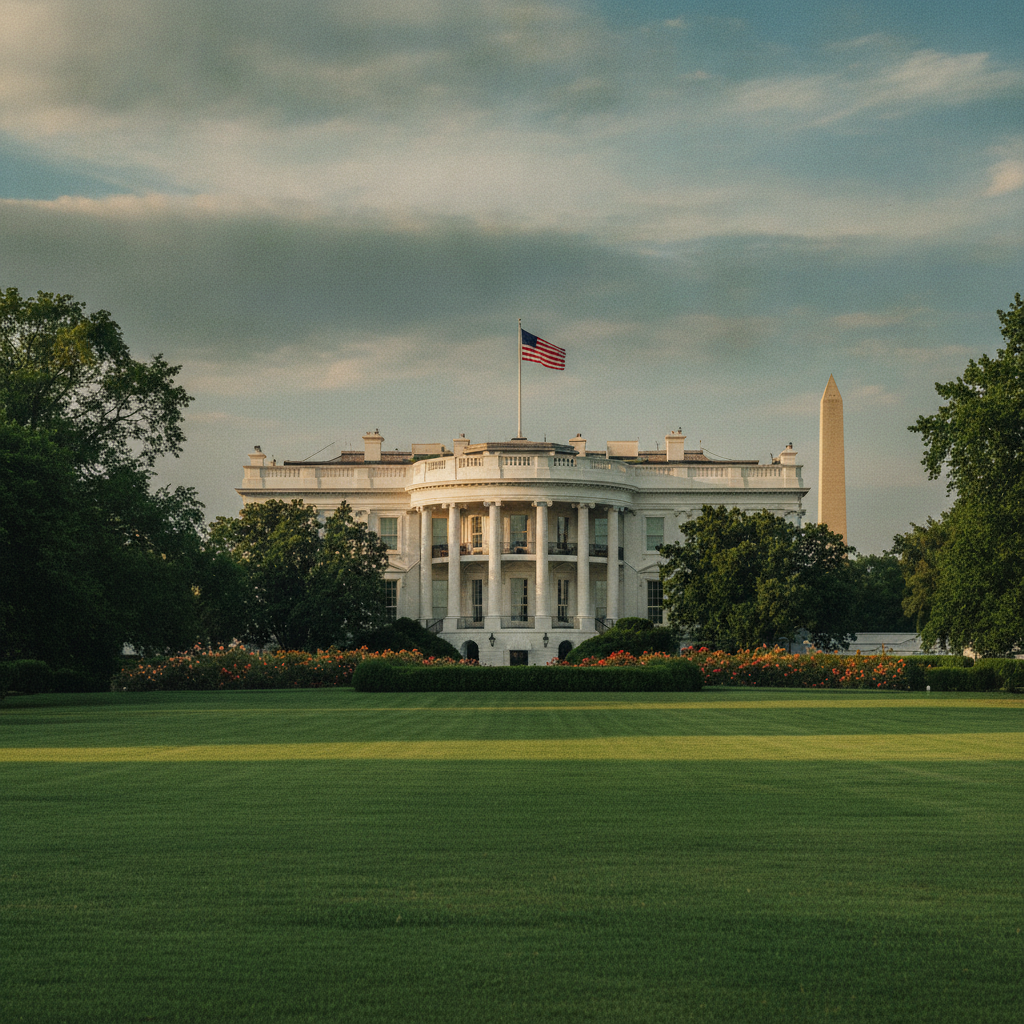
Weißes Haus, Capitol Hill & die Architektur der amerikanischen Macht
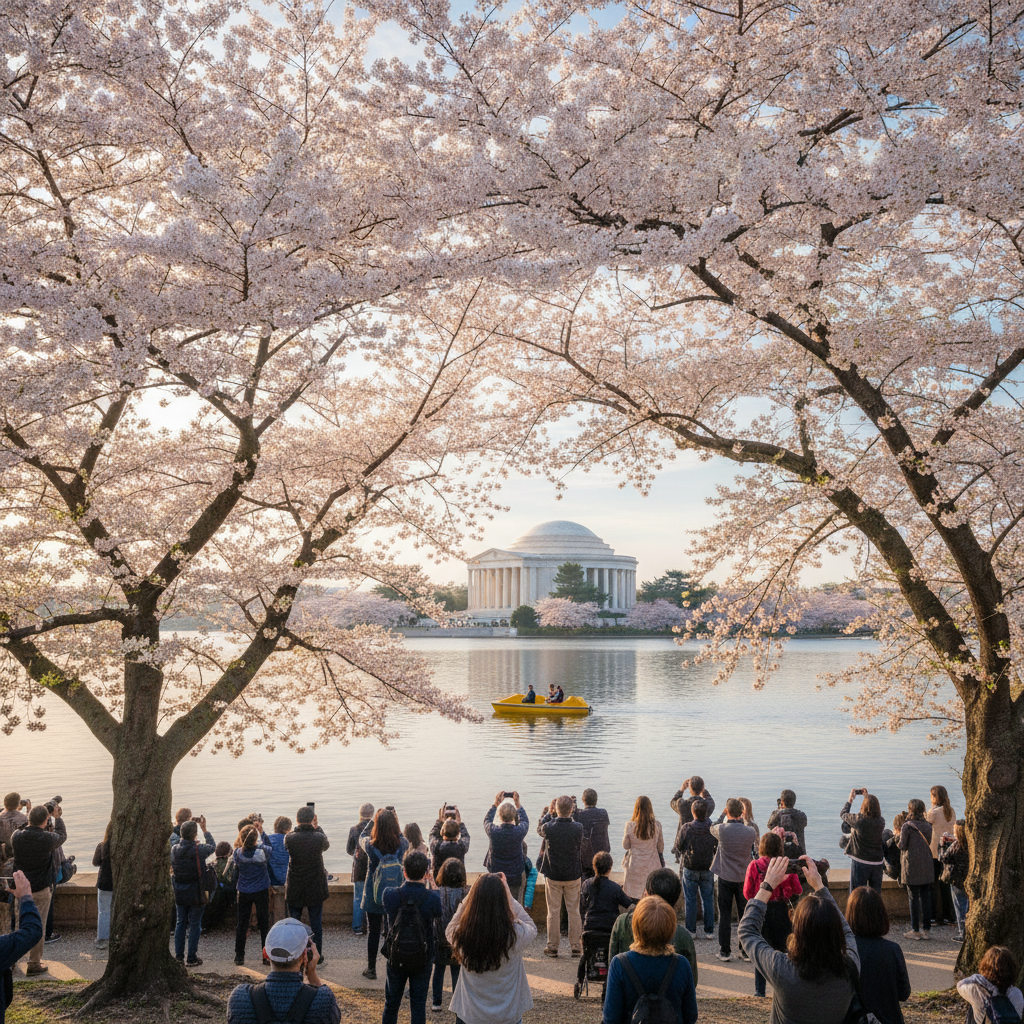
Kirschblüten & das Tidal Basin — Washington im Frühling
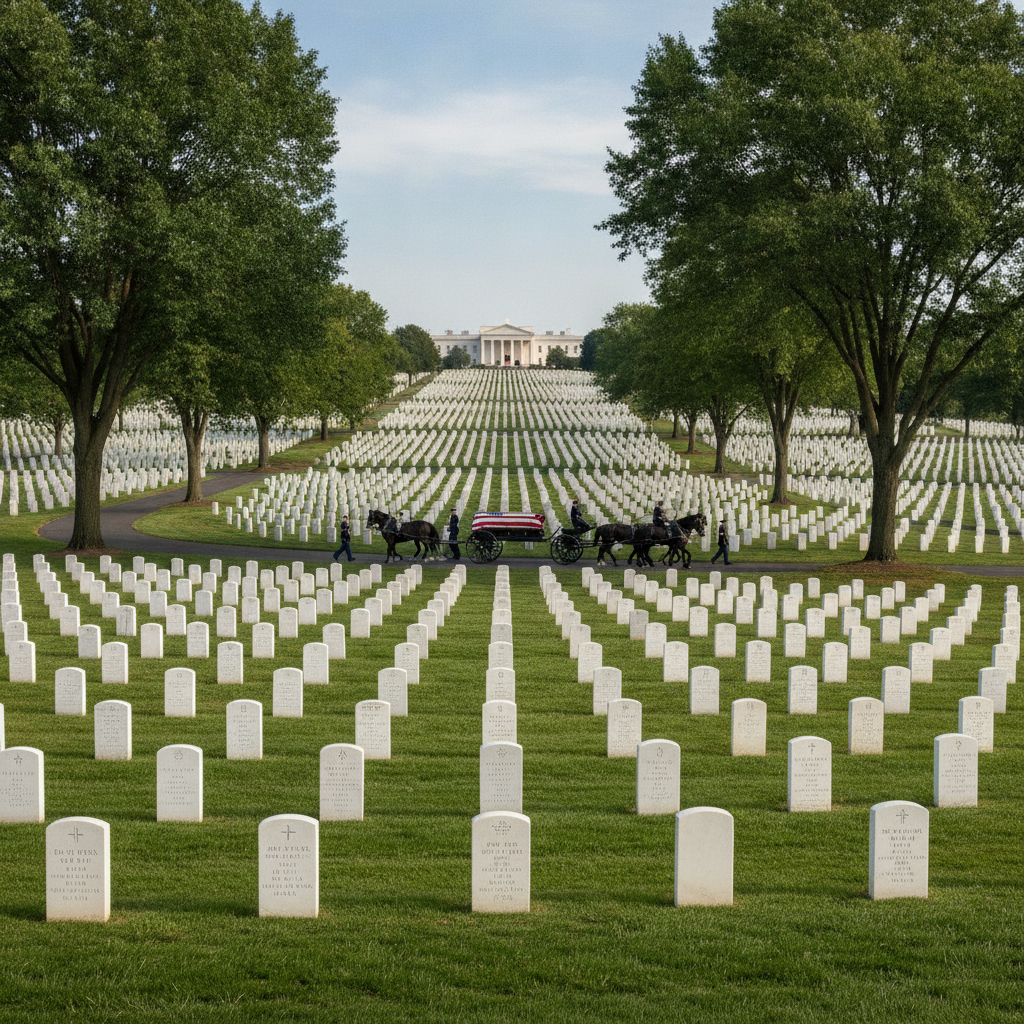
Arlington Cemetery, das Pentagon & DCs militärisches Erbe