Cabaret Voltaire — Wo Dada entstand & Zürichs kultureller Untergrund
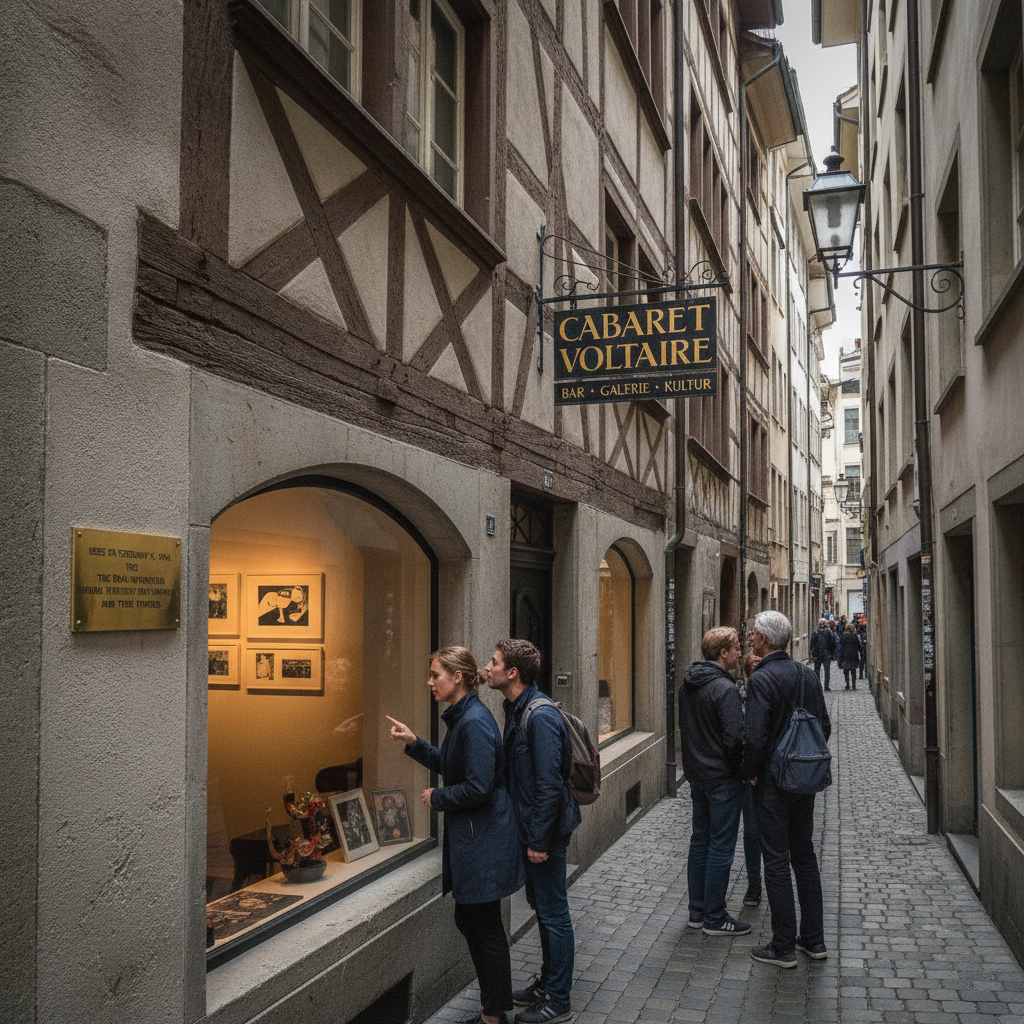
Cabaret Voltaire (Spiegelgasse 1, Niederdorf, Zürich — die Bar und der Performance-Raum, wo die Dada-Bewegung am 5. Februar 1916 von Hugo Ball, Emmy Hennings, Jean Arp, Tristan Tzara, Richard Huelsenbeck und Sophie Taeuber gegründet wurde): die Gründung von Dada im neutralen Zürich 1916 — durch eine Gruppe von Künstlern und Schriftstellern, die vor dem Wahnsinn des Ersten Weltkriegs geflohen waren — war einer der prägenden Momente der Kulturgeschichte des 20. Jahrhunderts; Dadas Anti-Kunst-, Anti-Logik- und Antikriegs-Haltung, ausgedrückt durch Nonsens-Poesie, Collage, Performance-Kunst und die bewusste Ablehnung konventioneller Ästhetik, beeinflusste direkt den Surrealismus, die Pop Art, die Konzeptkunst, den Punk und praktisch jede nachfolgende Avantgarde-Bewegung im 20. Jahrhundert.
- 1
Cabaret Voltaire — Der Geburtsort von Dada
Cabaret Voltaire (Spiegelgasse 1, Niederdorf, die Bar, wo Hugo Ball, Emmy Hennings, Tristan Tzara, Jean Arp und Sophie Taeuber-Arp am 5. Februar 1916 die Dada-Bewegung gründeten, die Performance-Kunst- und Antikriegs-Kunstbewegung, die der Vorläufer des Surrealismus und der Nachkriegs-Konzeptkunst war, der Ort, der jetzt als Galerie, Bar und Kulturzentrum fungiert, ¥0 Eintritt, Dienstag–Sonntag Mittag–Mitternacht) liegt gegenüber der Gasse (Spiegelgasse) vom Gebäude, in dem Wladimir Lenin 1916–1917 lebte, bevor er für die Oktoberrevolution nach Russland zurückkehrte — Lenin in der Spiegelgasse 14, Dada in der Spiegelgasse 1, der Zufall, der Historiker amüsiert; das Programm des Cabaret Voltaire (Lesungen, Performances, Ausstellungen, Partys) bewahrt den Dada-Geist.
- 2
Die Kunsthaus Dada-Sammlung — Tzara, Ball und das Zürcher Erbe
Das Kunsthaus Zürich (Heimplatz 1, Level 2 des Erweiterungsbaus, die Dada- und Surrealismus-Sammlung) beherbergt die bedeutendsten Dada-Werke in einer öffentlichen Schweizer Sammlung — Sophie Taeuber-Arps geometrische Abstraktionen (die Mitbegründerin von Dada, die gleichzeitig die formal strengste der ursprünglichen Gruppe war), Jean Arps biomorphe Reliefs (der Dada-Gründer, dessen Werk sich durch Dada in das kommerziell erfolgreichere surrealistische biomorphe Vokabular bewegte) und das Archivmaterial (das erste Dada-Manifest, 1916, das Programm der Eröffnungsnacht des Cabaret Voltaire) repräsentieren das Zürcher Dada-Erbe; die breitere Avantgarde-Sammlung des Kunsthauses (Ernst, Braque, Léger) bietet den internationalen Kontext.
- 3
Niederdorf — Zürichs Altstadt-Barviertel
Niederdorf (das rechtsufrige Altstadtviertel nördlich des Grossmünsters, das Zürcher Viertel mit Bars, Restaurants und dem Cabaret Voltaire, begrenzt durch die Limmat im Westen und den Hirschengraben im Osten) ist Zürichs durchweg lebendigstes Viertel nach Einbruch der Dunkelheit — die Niederdorfstrasse (die Haupteinkaufspassage, 500m, die höchste Konzentration an Restaurants und Bars pro Meter in Zürich) und die kreuzenden Gassen (Spiegelgasse mit dem Cabaret Voltaire, Münstergasse mit den Antiquariaten, Napfgasse mit dem Zunftrestaurant Lindenzunft) prägen den Charakter der mittelalterlichen Handelsstadt, überlagert von zeitgenössischer Barkultur; die Kronenhalle Bar (die Kunstbar, die Cocktailbar des berühmten Restaurants, originale Picasso und Giacometti an den Wänden) ist das Premium-Niederdorf-Erlebnis.
- 4
James Joyce in Zürich — Das Grab des Exilanten und die Kneipe
James Joyce (der irische Romanautor, der 1904–1906, 1915–1919 in Zürich lebte — in diesem Zeitraum schrieb er den größten Teil von Ulysses, veröffentlicht 1922 — und am 13. Januar 1941 nach Zürich zurückkehrte, um dort zu sterben) wird auf dem Friedhof Fluntern (das Grab von James Joyce und Nora Barnacle, Fluntern, erreichbar mit der Tram 6 zum Zoo, 5 Minuten Fußweg, die Grabstätte mit der sitzenden Joyce-Bronzeskulptur von Milton Hebald) und im James Joyce Pub (Pelikanstrasse 8, die irische Bar in Zürich, die behauptet, Guinness so zu servieren, wie Joyce es selbst trank, die Joyce-Artefakte an den Wänden, die Bloomsday-Feier am 16. Juni ist das jährliche Ereignis) gewürdigt; die Zürcher Verbindung zu Ulysses (der Roman, der vollständig in Dublin am 16. Juni 1904 spielt und größtenteils in Zürich geschrieben wurde) ist die literarische Pilgerattraktion.
- 5
Zürich West — Die kreative Transformation des Industrieviertels
Zürich West (das ehemalige Industriegebiet westlich der Bahngleise, das Zürcher Äquivalent zu Berlins Kreuzberg oder Londons Shoreditch, das Viertel, das sich von 1995–2015 von Stahlwerken und Manufakturen zum Zentrum der Kreativwirtschaft der Stadt wandelte) ist das beste Beispiel für urbane Industriewandel in der deutschsprachigen Schweiz — das Schiffbau (die Schiffshalle von 1895, heute die Hauptbühne des Schauspielhauses, der größte Industrieerbe-Theaterraum der Schweiz), der Viadukt (das Eisenbahnviadukt von 1847, umfunktioniert mit Geschäften und Restaurants unter den Bögen, 2010–2012, das beste Einzelhandel-unter-Infrastruktur-Projekt der Schweiz) und die Langstrasse (die Straße, wo Zürichs vielfältigste Restaurantkultur — vietnamesisch, kurdisch, brasilianisch, portugiesisch — mit dem Rotlichtviertel in 2 Stadtblöcken koexistiert) definieren den Charakter von Zürich West.
- 6
Schweizer Expressionismus und die Kunstsammlung — Hodler und Giacometti
Ferdinand Hodler (der Schweizer Nationalmaler, 1853–1918, die monumentalen Alpenlandschaften und die symbolistischen Figurenmalereien, die einem Schweizer nationalen Bildstil am nächsten kommen) ist am besten im Kunsthaus Zürich vertreten — die großformatigen Kompositionen (Der Holzfäller, Die Nacht, Genfersee von Chexbres — das 3-Meter-Panorama, das die Schweizer Landschaftsmalerei definiert) und die Verbindung zur Familie Giacometti (Augusto Giacometti der Ältere, der Glasmaler, und Alberto Giacometti, dessen längliche Bronzefiguren die bekanntesten internationalen Werke des Kunsthauses sind, das Kunsthaus beherbergt mehr Giacometti-Bronzen als jede andere Institution) repräsentieren die Schweizer Moderne; das Kunsthaus-Café (Erdgeschoss, Mittagsmenü ab Mittag, Terrasse am Heimplatz) ist das beste Museums-Mittagessen in Zürich.
Walk this route with audio
Stories play automatically as you reach each stop — no tapping needed.
Mehr in zurich
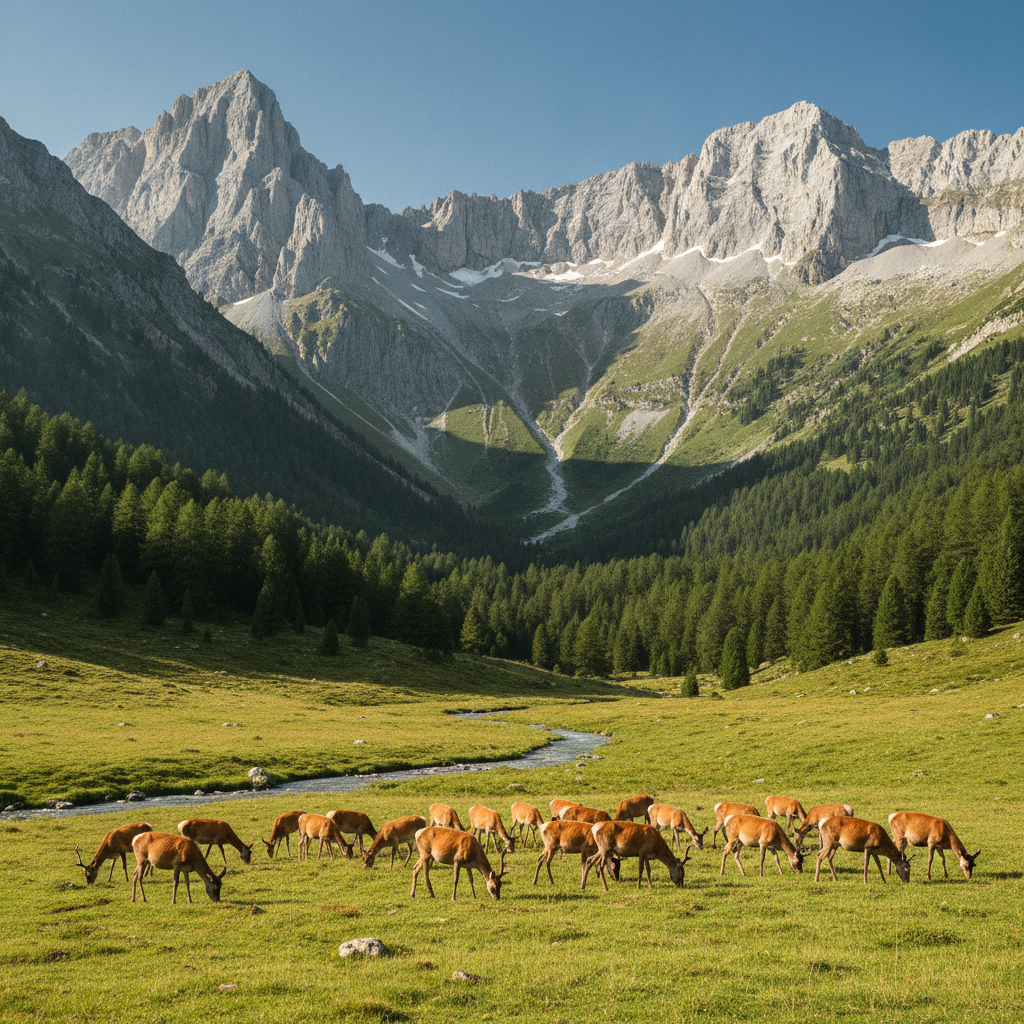
Schweizerischer Nationalpark & Graubünden – Die alpine Wildnis der Schweiz
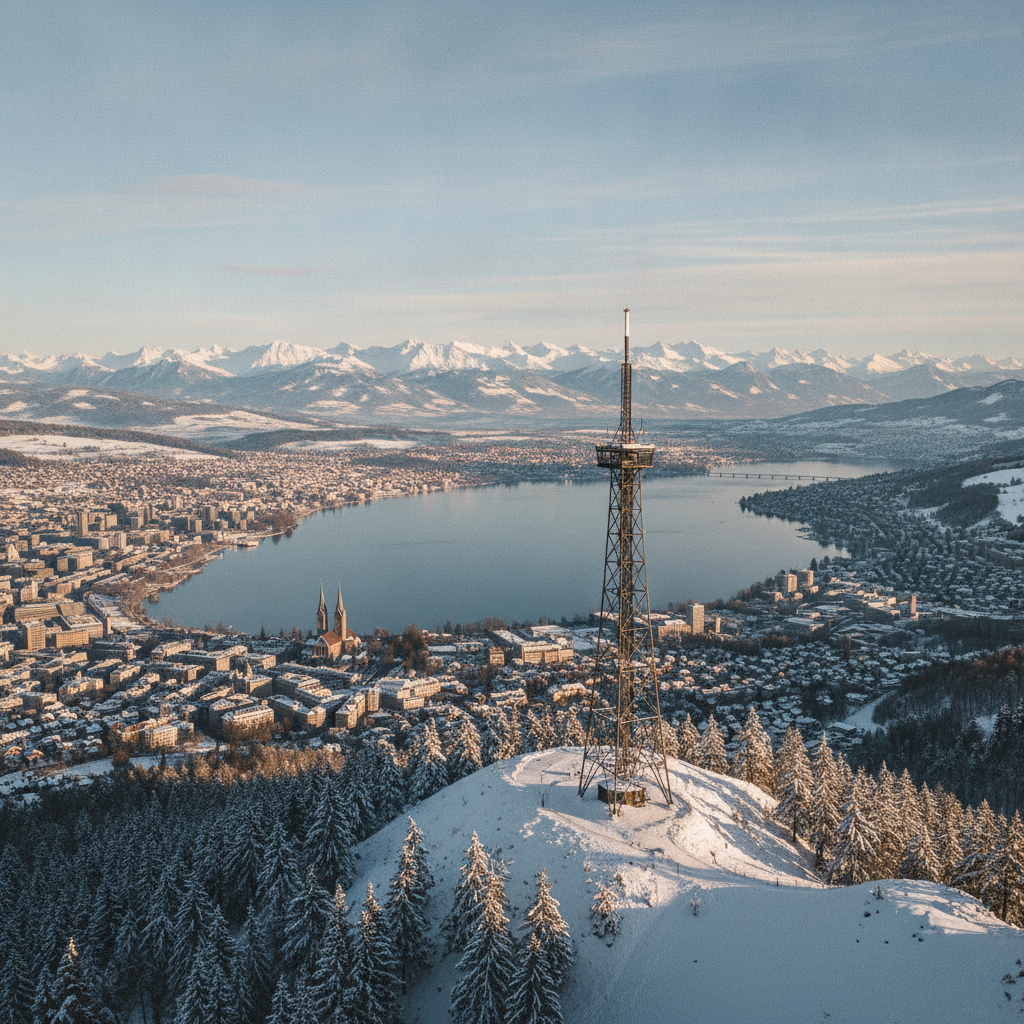
Uetliberg — Zürichs Hausberg & Alpenpanorama
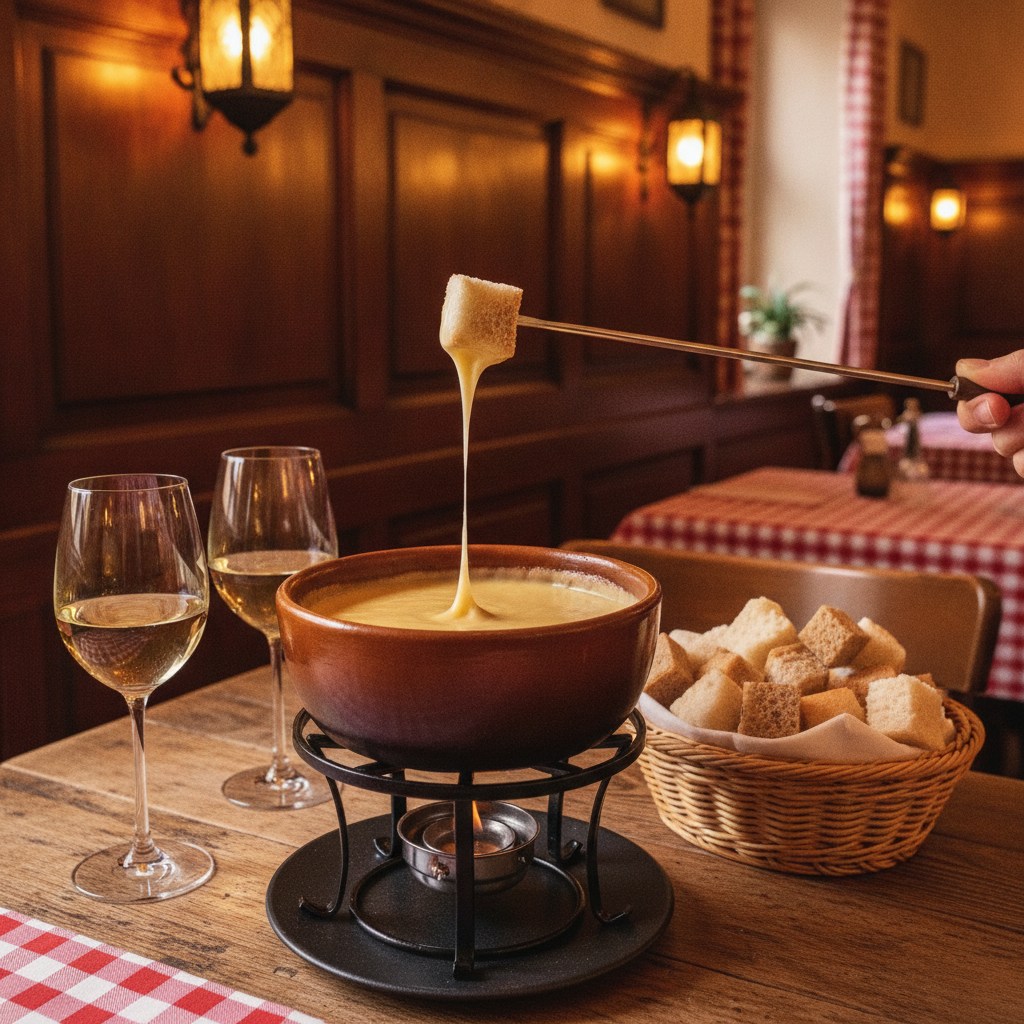
Schweizer Küche in Zürich — Fondue, Raclette, Rösti & Schweizer Schokolade
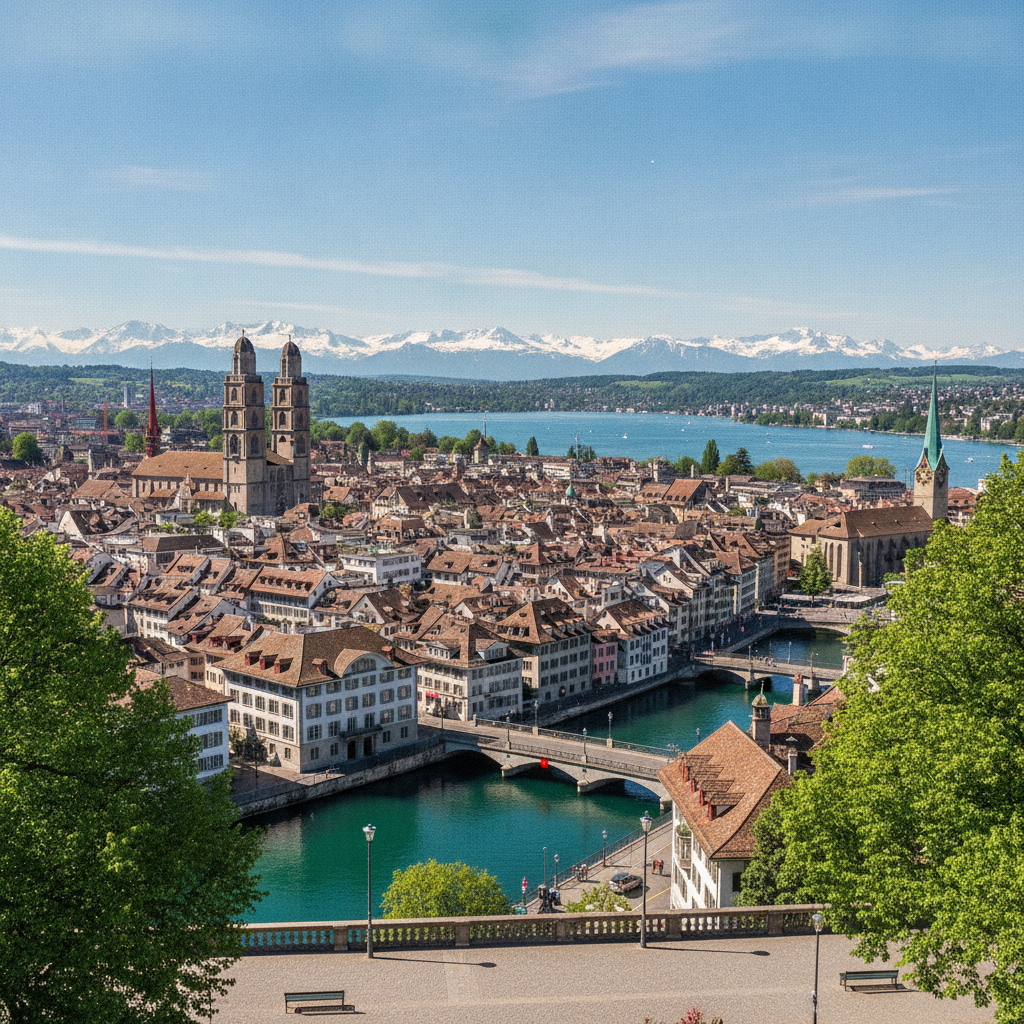
Zürcher Altstadt, Grossmünster & Zürichsee
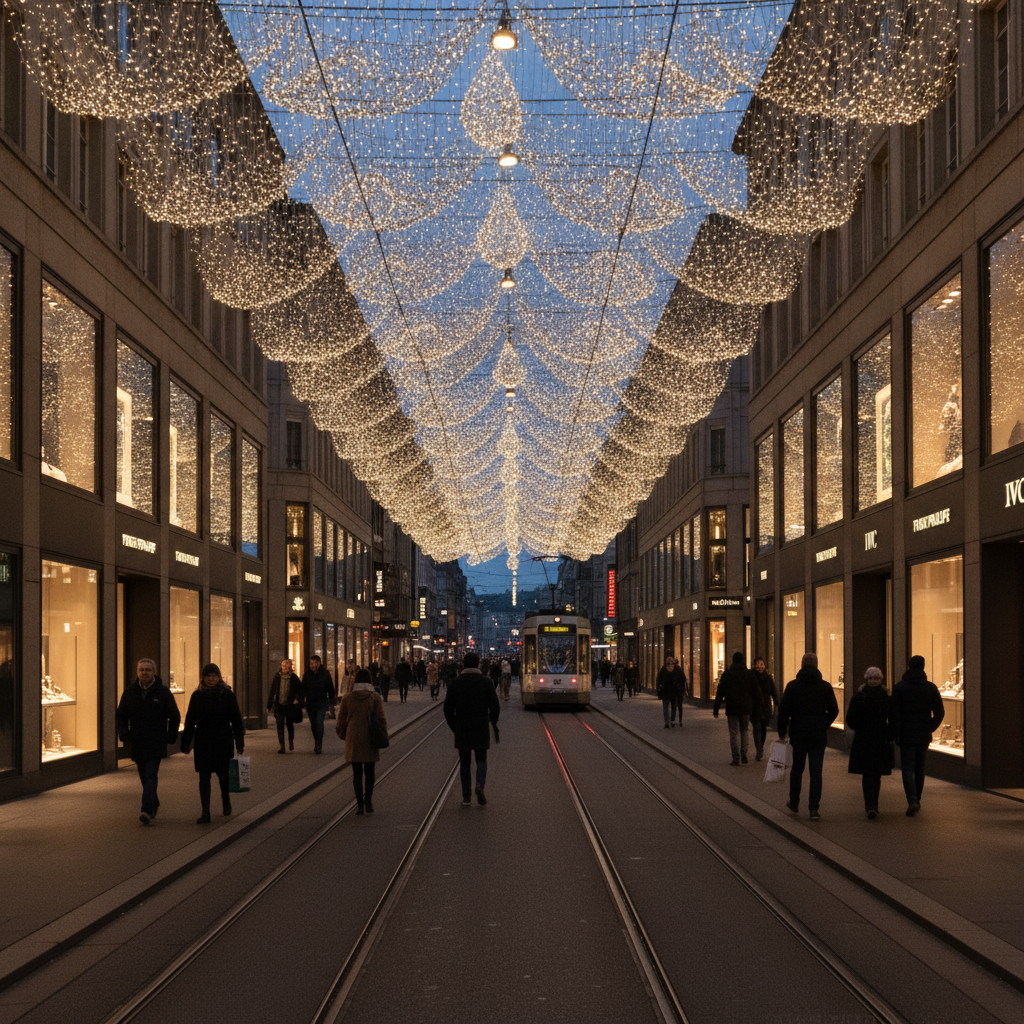
Bahnhofstrasse, das Kunsthaus & Zürichs Museumsviertel