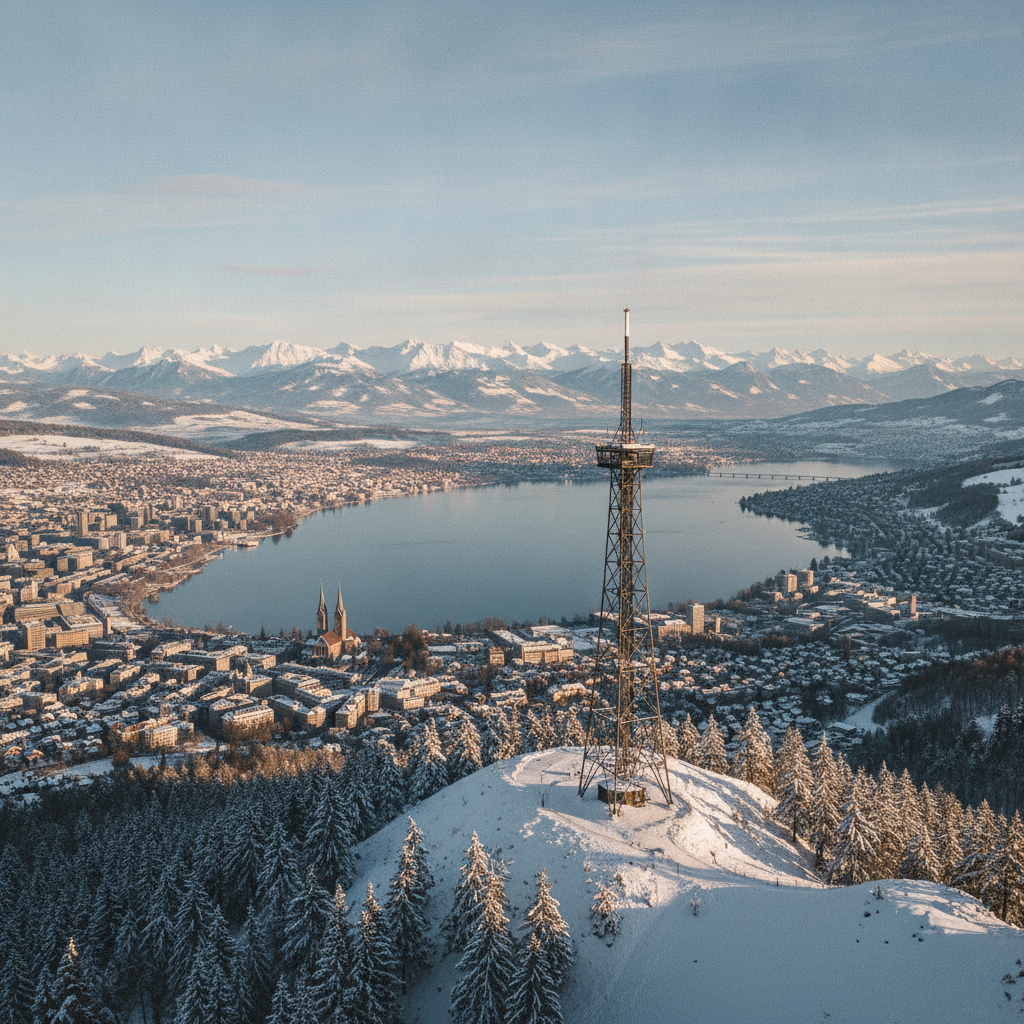
Uetliberg — Zürichs Hausberg & Alpenpanorama
Uetliberg (der 871 Meter hohe Berg unmittelbar südwestlich des Zürcher Stadtzentrums – Zürichs „Hausberg“, in 25 Minuten mit der S10 vom Zürcher Hauptbahnhof zur Uetliberg-Station auf 869 Metern erreichbar): Der Uetliberg-Gipfel (mit seinem 50 Meter hohen Aussichtsturm, dem Uto Kulm Hotel und der ausgedehnten Gratwanderung südlich entlang des Albisgrats nach Felsenegg) bietet den schönsten Panoramablick auf Zürich und den Alpenbogen – an klaren Tagen ist vom Aussichtsturm die gesamte Alpenkette vom Säntis bis zum Mont Blanc sichtbar.
- 1
Üetliberg — Zürichs Hausberg und Panoramagipfel
Üetliberg (der 871 m hohe Berg unmittelbar südwestlich von Zürich, erreichbar mit der S-Bahnlinie S10 vom Zürich HB, 25 Minuten, ¥8.80 einfache Fahrt, der Zug endet an der Gipfelstation, dem „Zürcher Hausberg“, wie die Stadt ihn nennt) bietet ein 360°-Panorama über das Zürcher Stadtgebiet, den Zürichsee und an klaren Tagen den gesamten Bogen der Schweizer Alpen vom Säntis im Osten bis zum Eiger und der Jungfrau im Süden – das Gipfelrestaurant und Hotel (Uto Kulm, das 1870 erbaute Gipfelhotel wurde 1993 wiederaufgebaut, das Terrassencafé ist täglich geöffnet, das Mittagessen mit Alpenblick) und der Planetenweg (der Planetenpfad, das 1:1 Milliarden Maßstabmodell des Sonnensystems Wanderweg von Üetliberg nach Felsenegg, 6 km, 1,5 Stunden, endet an der Felsenegg-Seilbahn hinunter nach Adliswil) sind die Gipfelerlebnisse.
- 2
Felsenegg und die Albis-Gratwanderung
Felsenegg (die Gratstation oberhalb von Adliswil, erreichbar mit der Seilbahn von Adliswil — die mit der Tram 14 vom Zentrum Zürichs aus erreichbar ist, insgesamt 35 Minuten — oder zu Fuß von Üetliberg, dem Planetenweg, 6 km, 1,5 Stunden) ist das andere Ende der Albis-Gratwanderung oberhalb von Zürich — die Aussicht von Felsenegg (800 m, über das Sihltal nach Zürich und weiter zu den Alpen) ist weniger besucht als Üetliberg und daher ruhiger; das Restaurant Felsenegg (die Bergstation der Seilbahn, traditionelle Schweizer Küche, Rösti und Geschnetzeltes Zürcher Art sind die Referenzgerichte) bietet das Berg-Mittagessen; der Kocherpark in Adliswil (der Park an der Talstation der Seilbahn, mit einem Kinderspielplatz und der Sihl) ist der Rückweg auf Talhöhe.
- 3
Zürichsee und die Zürichsee-Promenade
Der Zürichsee (der 40 km lange See, der sich von der Stadt südöstlich nach Rapperswil erstreckt, der Bade- und Bootssee des Zürcher Metropolitanraums) ist von der Zürichsee-Promenade aus zugänglich (der Uferweg vom Bürkliplatz südlich durch das Arboretum nach Riesbach und Zürichhorn, ein 5 km langer durchgehender Uferweg) — das Strandbad Mythenquai (das öffentliche Strandbad am Westufer, 8 ¥ Erwachsene, geöffnet Mai–September, das beliebteste Badeziel in Zürich) und der Zürichhorn Park (der Park am Ostufer mit der Heureka-Skulptur von Jean Tinguely — die hierher verlegte Expo-Skulptur von 1964 — und dem chinesischen Garten, Geschenk der Stadt Kunming, geöffnet April–Oktober kostenlos) sind die Ankerpunkte am See; die Zürichsee-Schifffahrtsgesellschaft (ZSG, die Seebootgesellschaft, die Rundfahrt Zürich–Rapperswil, 32 ¥ Erwachsene, 4 Stunden Hin- und Rückfahrt) macht die gesamte Seelänge zugänglich.
- 4
Zürichs Altstadt — Grossmünster, Fraumünster und die Zunfthäuser
Zürichs Altstadt (die Altstadt an beiden Limmatufern, das Grossmünster am rechten Ufer und das Fraumünster am linken Ufer, der historische Kern der mittelalterlichen Stadt) ist besonders bemerkenswert für: das Grossmünster (die romanische Kirche aus dem 12. Jahrhundert, deren Türme die Zürcher Skyline dominieren, der Aufstieg auf den Karlsturm 4 ¥, die Glasfenster von Augusto Giacometti — die Chorfenster von 1932 und die Sigmar Polke Fenster von 2009 in der Krypta), das Fraumünster (die Kirche aus dem 9. Jahrhundert am linken Ufer, die 5 Chagall-Fenster — 1970 und 1978, der wichtigste Glasfensterzyklus von Chagall im religiösen Kontext — 5 ¥ Eintritt), und das Rathaus (das Barock-Rathaus von 1698 an der Limmat, dessen Aussenfassade vom Flussuferweg aus kostenlos zugänglich ist).
- 5
Zürichs Museumsmeile — Das Kunsthaus und das Museumsviertel
Zürichs Kunsthaus (Heimplatz 1, das Hauptgebäude 1910, der Erweiterungsbau von David Chipperfield 2021 eröffnet, das größte Kunstmuseum der Schweiz, 23 ¥ Erwachsene, Dienstag–Sonntag 10–18 Uhr, Mittwoch–Freitag bis 20 Uhr) ist das wichtigste Kunstmuseum der Deutschschweiz – die Sammlung (die größte Giacometti-Sammlung der Welt – Alberto Giacometti wurde in Graubünden geboren und die Giacometti-Stiftung schenkte die Sammlung Zürich – die Monet-Seerosen, die Picasso-Grafiken, die Schweizer Moderne Sammlung) und der neue Chipperfield-Bau (die Zürcher Granitfassade, die größte Museumserweiterung in der Schweizer Geschichte) umfassen zusammen 7.000 m² Ausstellungsfläche; das Landesmuseum (das Schweizerische Nationalmuseum, neben dem HB, 10 ¥, die umfassende Schweizer Geschichts- und Kultursammlung von prähistorischer bis moderner Zeit) ist das ergänzende Geschichtsmuseum.
- 6
Lindenhügel und Lindenhügel Park — Der Aussichtspunkt der Altstadt
Lindenhügel (der kleine Hügel unmittelbar südöstlich der Altstadt, zugänglich vom ETH Zürich Campus auf dem Hügel und dem Lindenhügel Park auf dem Gipfel) bietet den klassischen Zürcher Aussichtspunkt der beiden Kirchtürme (Grossmünster rechtes Ufer, Fraumünster linkes Ufer) mit der Limmat darunter und dem See dahinter – die ETH Zürich (Eidgenössische Technische Hochschule, die Eidgenössische Technische Universität, stets als eine der Top 10 Universitäten der Welt eingestuft, 21 Nobelpreisträger mit der Institution verbunden, darunter Albert Einstein, der hier von 1896–1900 studierte) ist öffentlich zugänglich (die öffentlichen Räume, die Mensa und die ETH Galerie der Wissenschaften sind kostenlos und täglich geöffnet); die Standseilbahn von der Tramhaltestelle Central zum Polybahn-Gipfel kostet ¥1.40 pro Fahrt.
Walk this route with audio
Stories play automatically as you reach each stop — no tapping needed.
Mehr in zurich
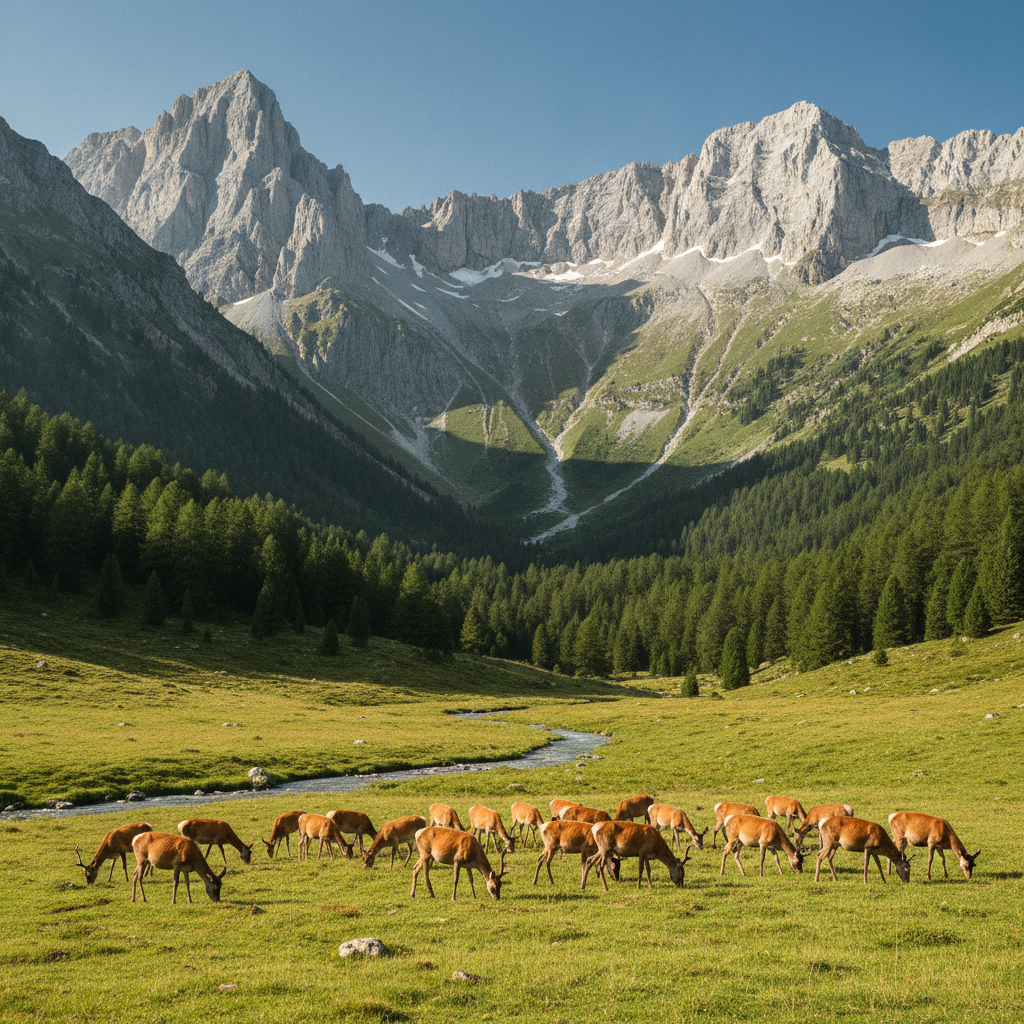
Schweizerischer Nationalpark & Graubünden – Die alpine Wildnis der Schweiz
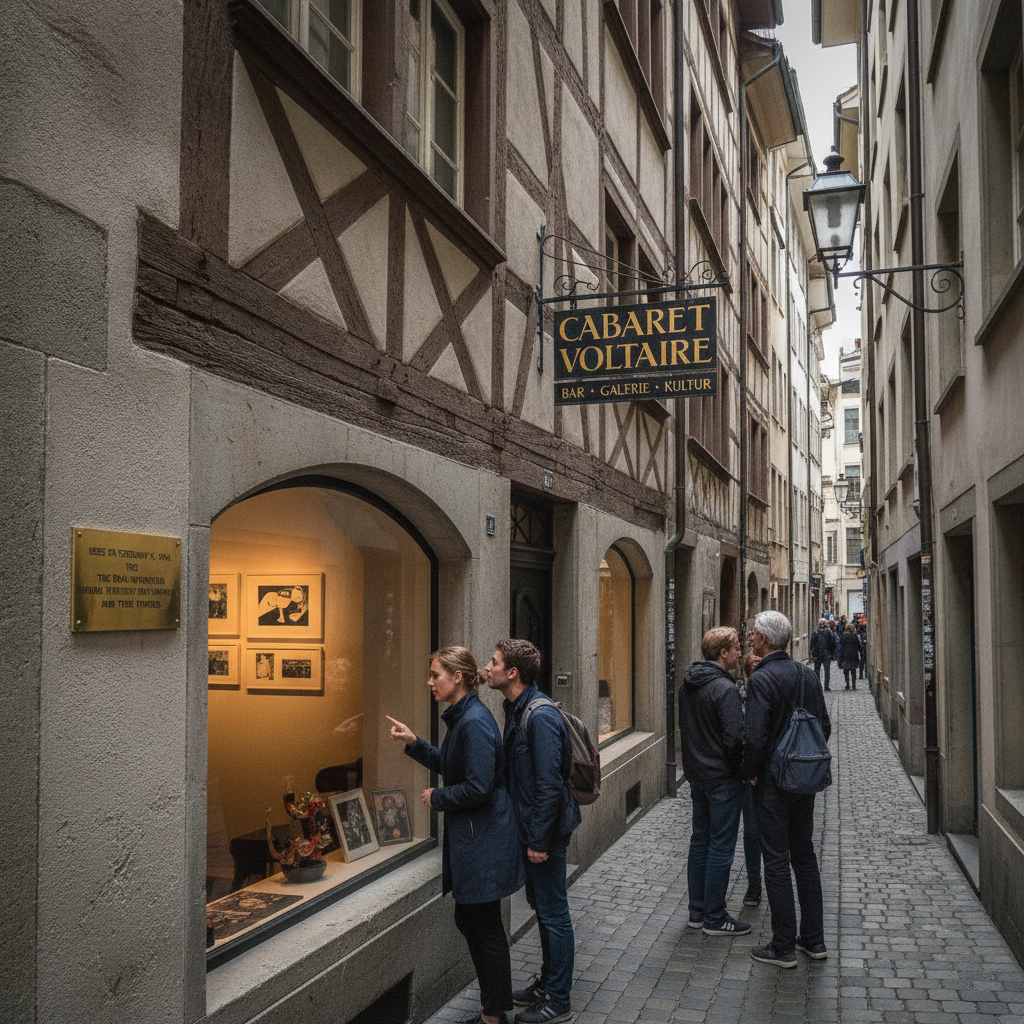
Cabaret Voltaire — Wo Dada entstand & Zürichs kultureller Untergrund
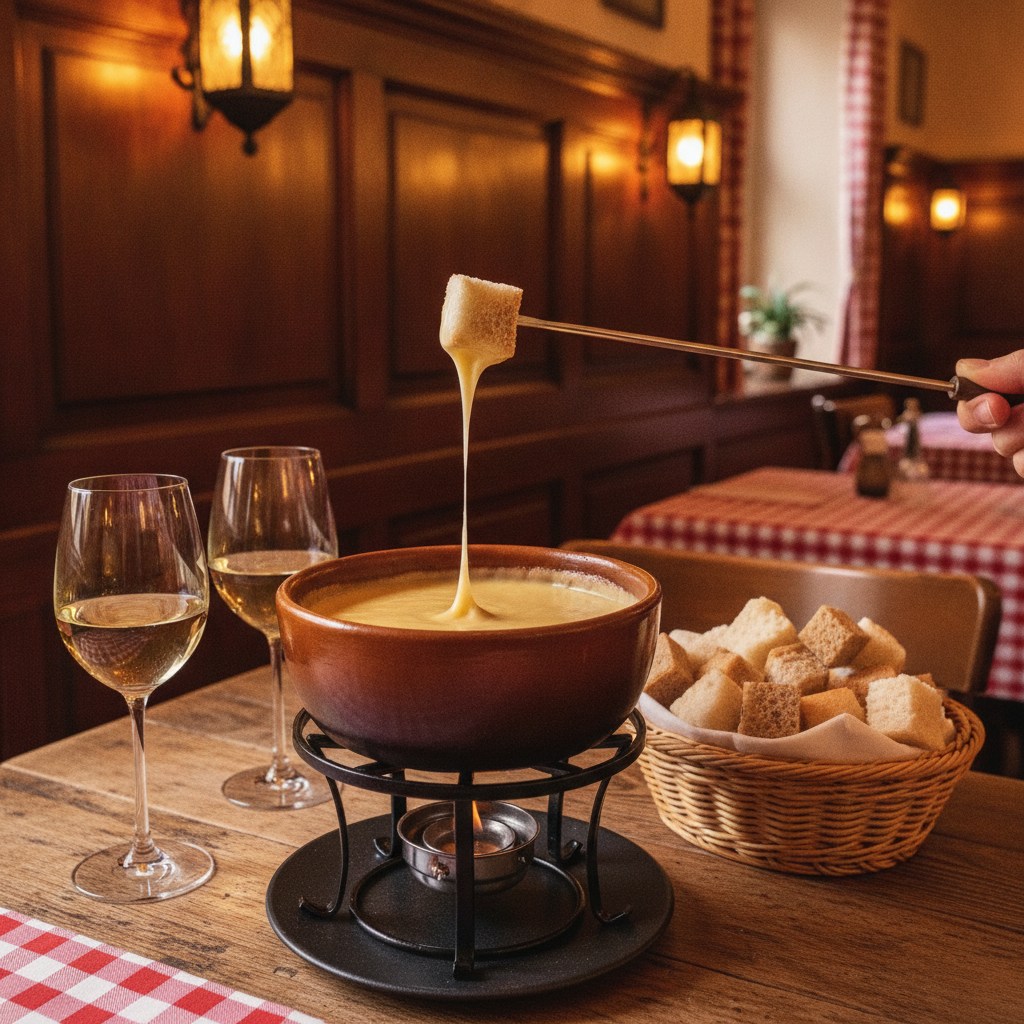
Schweizer Küche in Zürich — Fondue, Raclette, Rösti & Schweizer Schokolade
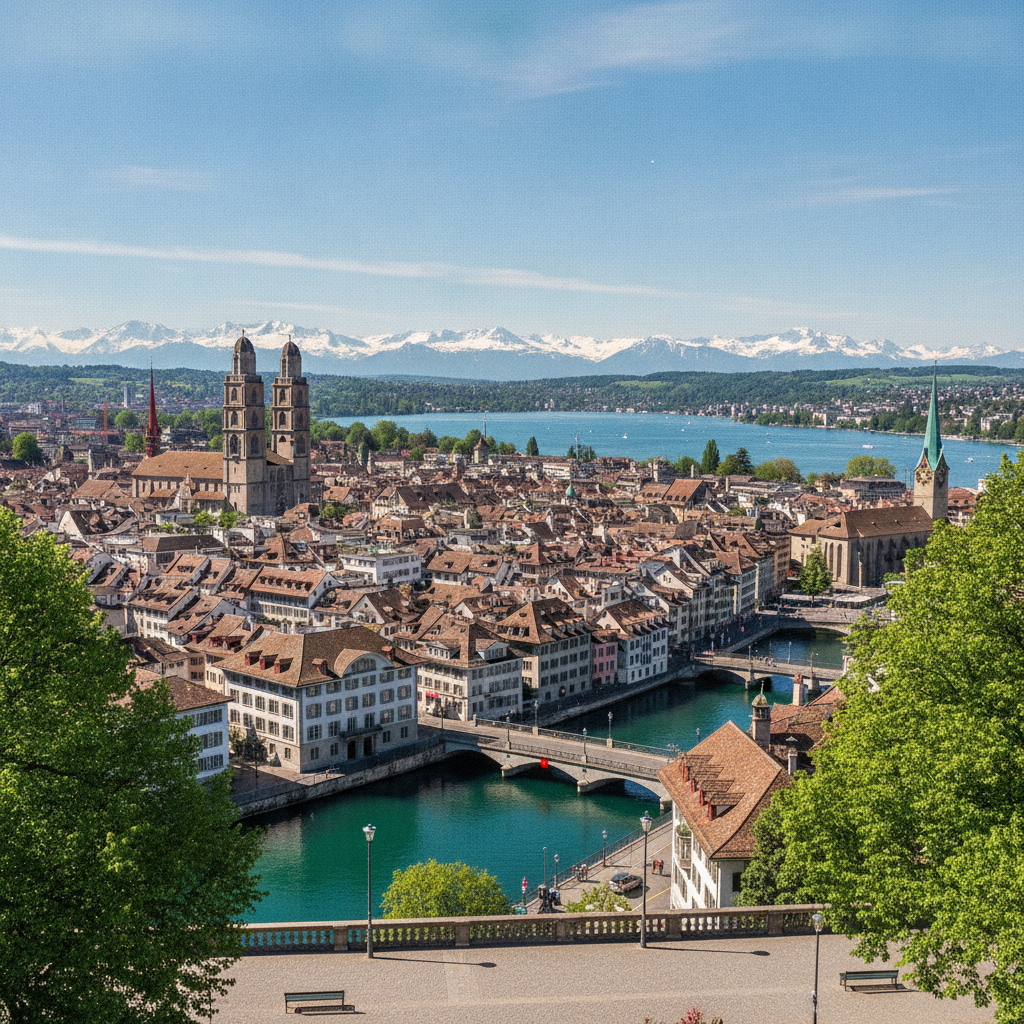
Zürcher Altstadt, Grossmünster & Zürichsee
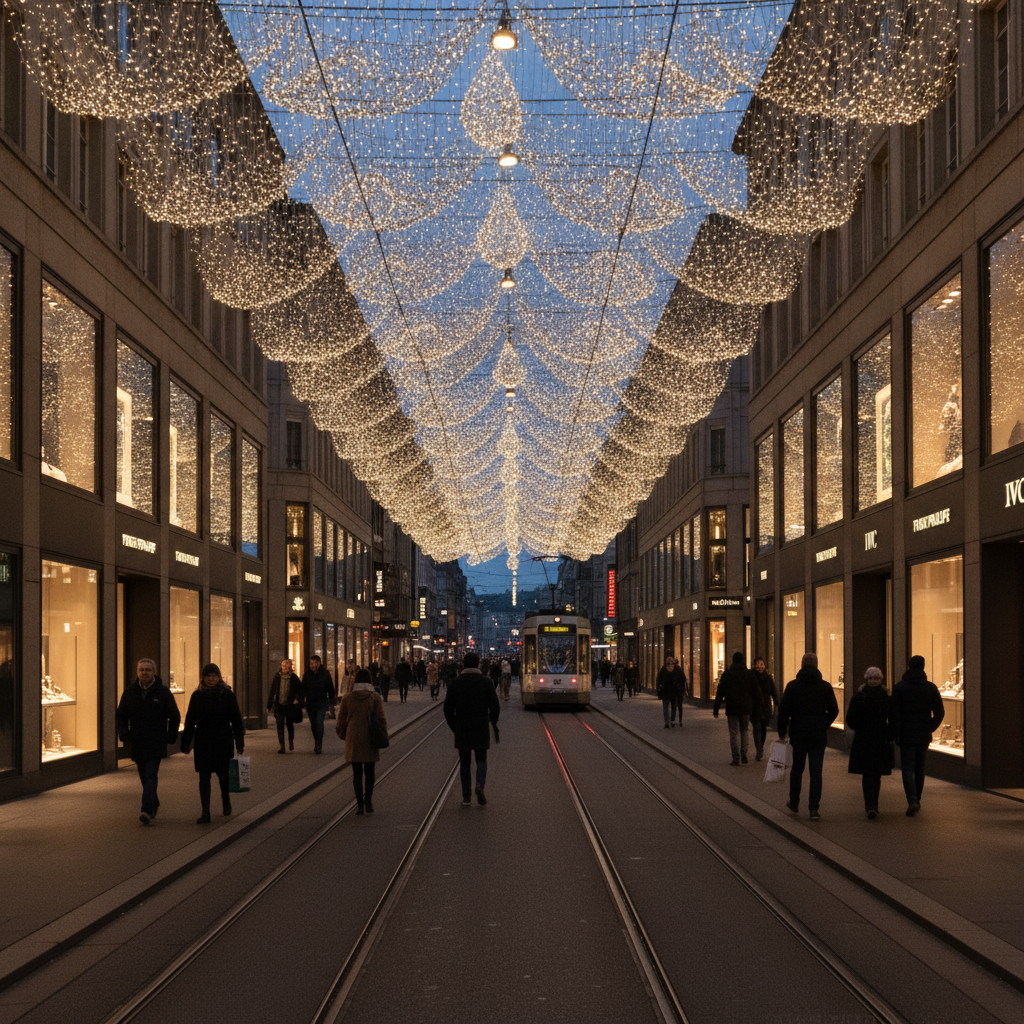
Bahnhofstrasse, das Kunsthaus & Zürichs Museumsviertel