Abidjan Legacy: Houphouet-Boigny, the Yamoussoukro Basilica, Civil War History, Ivorian Art, Grand Bassam, and Tai Forest
Abidjan and Ivory Coast in depth: Felix Houphouet-Boigny and the Yamoussoukro Basilica, the civil war history and recovery, the Ivorian contemporary art scene, Grand Bassam UNESCO colonial capital, Tai National Park chimpanzees, and the six-route complete Ivory Coast planning reference.
- 1
Felix Houphouet-Boigny - The Founding Father and the Yamoussoukro Basilica
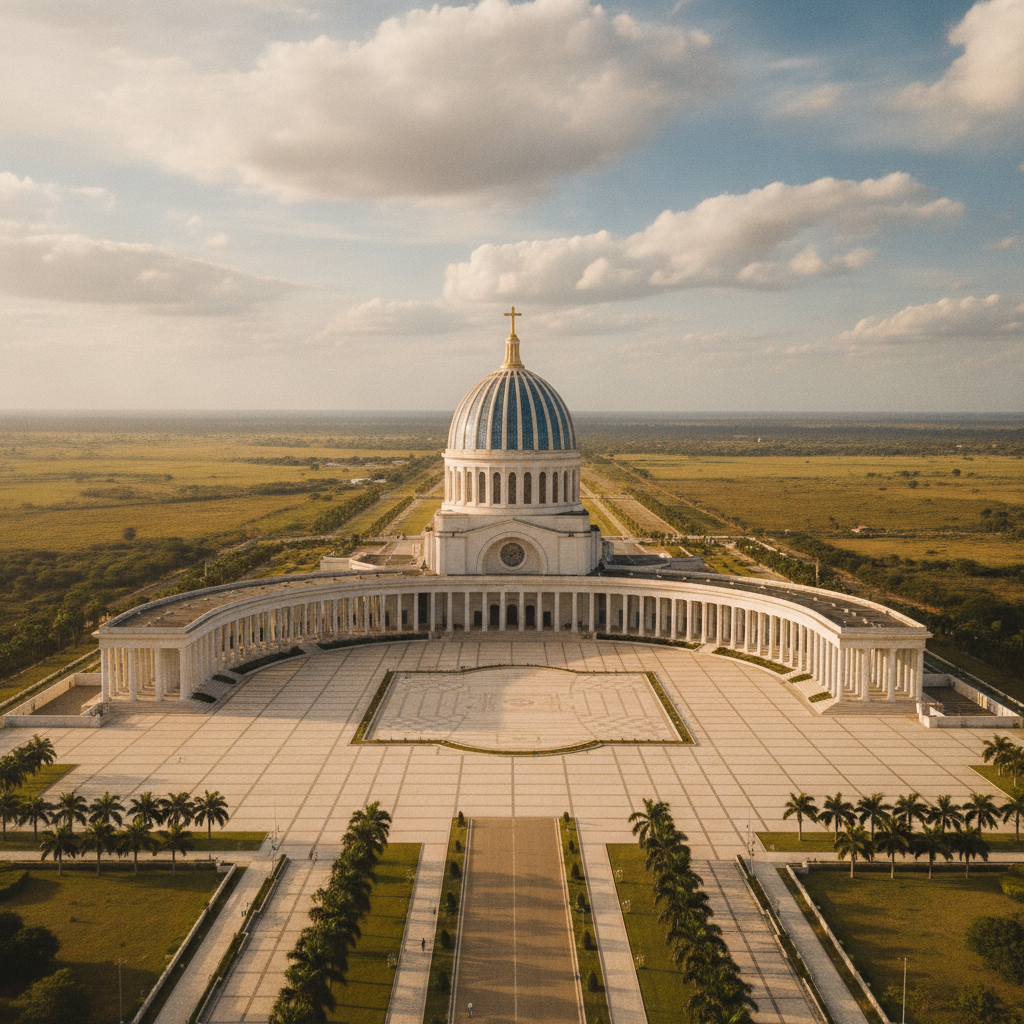
Felix Houphouet-Boigny (1905-1993): the founding father of Ivory Coast and one of the most significant political figures in postcolonial African history. Biography: born in Yamoussoukro (the village that would become the political capital of Ivory Coast): trained as a doctor in Dakar: entered politics in the 1940s: the first African to serve as a minister in a French government (1956): he negotiated Ivorian independence peacefully in 1960 and served as president until his death in 1993. The Houphouet-Boigny economic miracle (the Ivorian miracle: the rapid economic growth of Ivory Coast in the 1960s-1970s driven by cocoa and coffee exports: the most successful postcolonial African economy of the independence era). The Yamoussoukro Basilica (the Basilique Notre-Dame de la Paix de Yamoussoukro): the most extraordinary building in West Africa: a massive Roman Catholic basilica built at enormous expense in the hometown of Houphouet-Boigny: the basilica was modeled on St Peter Basilica in Rome but is larger (the basilica has the tallest dome in the world at 158 meters (exceeding St Peter at 138 meters): the basilica was built between 1985 and 1989 at a cost estimated at USD 300-600 million and was donated to the Vatican by Houphouet-Boigny: the basilica seats 7,000 people and can accommodate 11,000 standing: the most remarkable building in West Africa and a fascinating exercise in presidential excess.
- 2
The Ivory Coast Civil War and Political History - From Crisis to Recovery
The Ivory Coast political history after Houphouet-Boigny: the crises, the civil war, and the recovery. The succession crisis (after Houphouet-Boigny death in 1993, Ivory Coast experienced increasing political instability: the concept of ivoirite (Ivorian-ness): the political ideology promoted by Henri Konan Bedie that questioned the Ivorian citizenship of the Dioula Muslim northern population (a population associated with Alassane Ouattara, the opposition leader): the ivoirite concept divided Ivory Coast along ethnic and religious lines). The 2002 civil war (the armed rebellion of September 2002 that divided Ivory Coast between the government-controlled south and the rebel-controlled north: the Forces Nouvelles (the rebel alliance controlling the north): the French Licorne peacekeeping force: the war lasted from 2002 to 2007 (formal peace agreement): the country remained divided until 2011). The 2010-2011 post-election crisis (the disputed 2010 presidential election between Laurent Gbagbo and Alassane Ouattara: both candidates declared victory: the resulting conflict killed approximately 3,000 people: the international community recognized Ouattara as the winner: Gbagbo was arrested and transferred to the International Criminal Court in the Hague (he was ultimately acquitted in 2019)). The recovery (under President Ouattara, Ivory Coast has experienced strong economic recovery with average GDP growth of approximately 8% per year 2012-2023).
- 3
Ivorian Art - MASA Festival, Contemporary Art, and the Cultural Scene
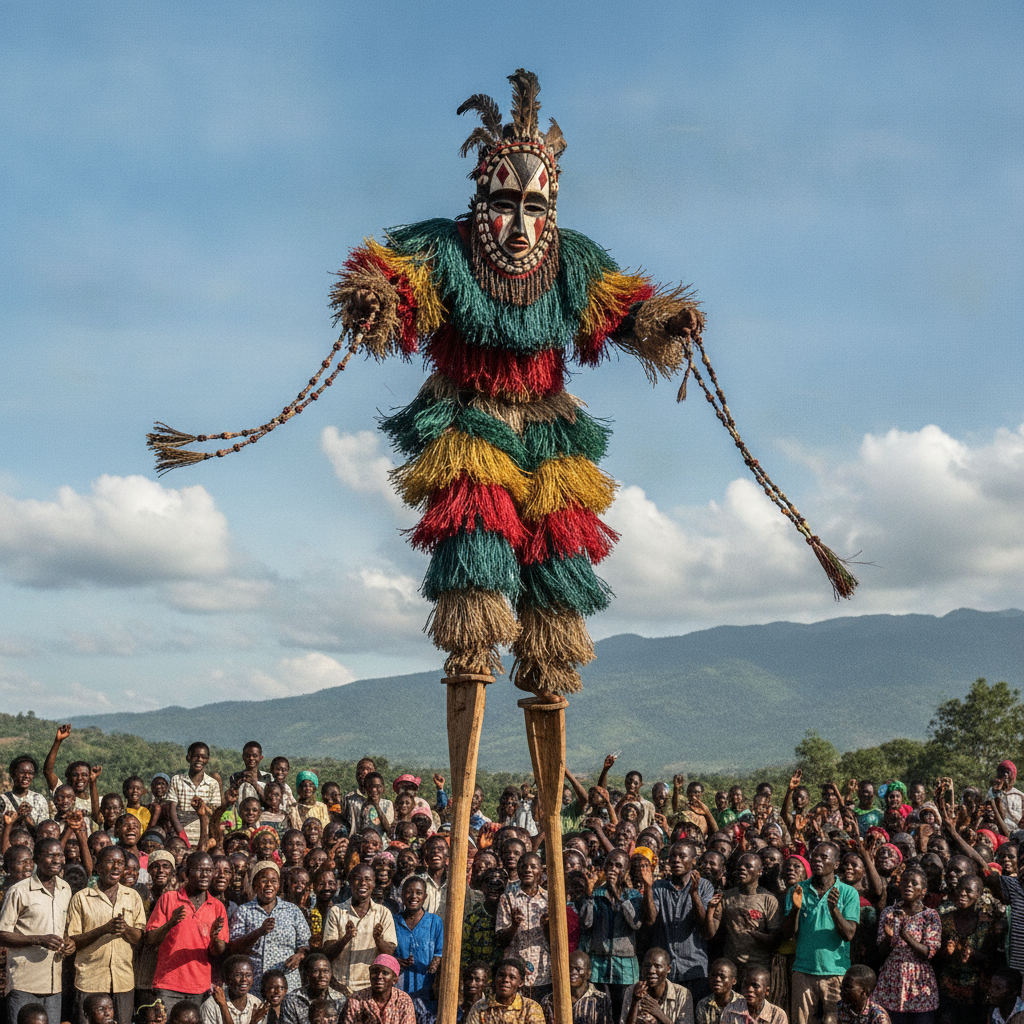
Ivorian art and culture: the MASA festival and the contemporary Ivorian cultural scene. The MASA (Marche des Arts du Spectacle Africain): the biennial festival of African performing arts held in Abidjan: one of the most significant African performing arts festivals: the festival showcases African theater, dance, music, and circus from across the continent and the African diaspora. The Abidjan contemporary art scene: the Museum of Contemporary Art (the Musee des Arts Contemporains d Abidjan): the Galerie Cécile Fakhoury (the primary commercial contemporary art gallery in Abidjan): the Abidjan art scene has gained increasing international attention in the 2010s-2020s with Ivorian artists receiving attention at major international art fairs. Traditional Ivorian art: the Baoule people (the Baoule masks and figurines: the Baoule are the dominant ethnic group in the Ivorian south-central region: famous for their sophisticated wooden sculptures (the spirit spouse (the blolo bian and blolo bla: the spirit husband and spirit wife figures that the Baoule believe exist in the spirit world)). The Dan people (the Dan masks of western Ivory Coast: the Dan (Yacouba) are famous for the spectacular wooden masks (the deangle mask (the beautiful mask): the ge-pele (the fire mask): the Dan mask tradition is one of the most significant in all of West African art).
- 4
Grand Bassam - The Colonial Capital and UNESCO World Heritage Site
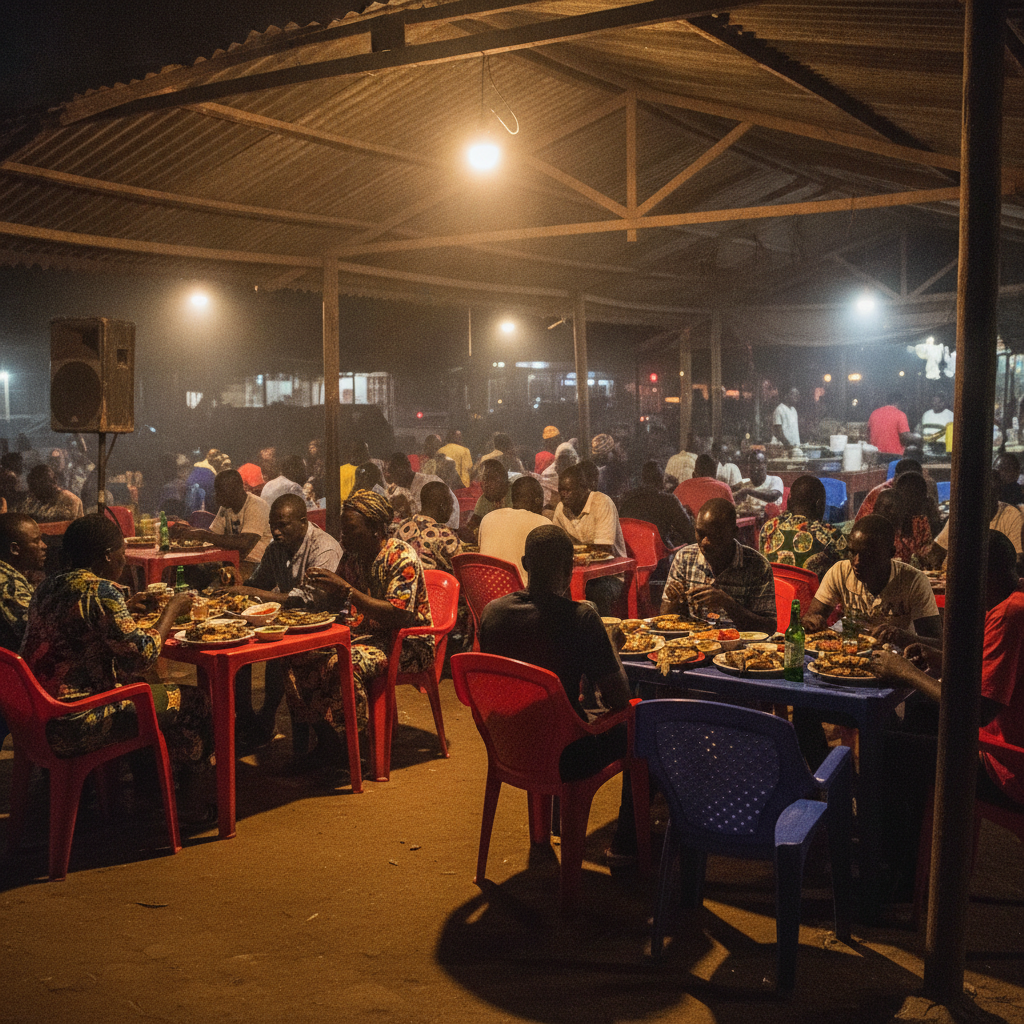
Grand Bassam: the UNESCO World Heritage historic quarter of the former capital of French Ivory Coast, approximately 40 km east of Abidjan. The history: Grand Bassam was the first capital of French Ivory Coast (capital from 1893 to 1900 when it was replaced by Bingerville): the colonial-era architecture of the French colonial administration town has survived largely intact and was designated a UNESCO World Heritage Site in 2012. The colonial architecture (the Grand Bassam historic quarter (the France Village and the Quartier colonial): the colonial-era administrative buildings (the former governor residence, the colonial courthouse, the colonial hospital), the trading posts, and the commercial buildings of the French colonial trading companies (the CFAO (Compagnie Francaise de l Afrique Occidentale))). The beach (Grand Bassam beach: the long Atlantic beach at Grand Bassam: the beach is popular with Abidjanais for weekend outings: the beach hotels and restaurants). The artisan market (the Grand Bassam artisan market: the primary craft market outside Abidjan, selling traditional Ivorian handicrafts and art). The practical (Grand Bassam is approximately 40 km east of Abidjan on a good road: the journey takes approximately 45 minutes to 1 hour: the UNESCO historic quarter is compact and can be explored in 2-3 hours: combining Grand Bassam with a beach day makes a good full-day outing from Abidjan).
- 5
Tai National Park and Ivorian Nature - Chimpanzees and the Last West African Rainforest
Tai National Park: the largest remaining area of primary tropical rainforest in West Africa and a UNESCO World Heritage Site. The park (Tai National Park: located in southwestern Ivory Coast approximately 400 km from Abidjan: area approximately 5,360 square kilometers: one of the last major remaining areas of the Upper Guinean rainforest (the forest that once covered most of West Africa but has been reduced to less than 10% of its original extent by agricultural conversion and logging). The wildlife: the chimpanzee (Tai is famous for its population of West African chimpanzees (Pan troglodytes verus): the chimpanzees of Tai have been studied since the 1970s (the Jane Goodall Institute has worked in Tai): the Tai chimpanzees are one of the few groups that use tools (including stone tools to crack nuts): the population of approximately 5,000 chimpanzees makes Tai one of the most significant chimpanzee reserves in Africa: the pygmy hippopotamus (Choeropsis liberiensis): the endangered small hippo found only in West Africa: Tai is one of the primary strongholds of the species). The birdlife (approximately 300 bird species recorded in Tai including the white-breasted guineafowl and the yellow-casqued hornbill).
- 6
Abidjan Six-Route Legacy - The Ivory Coast Complete Planning Reference
Abidjan six routes complete summary and Ivory Coast final reference. Route 1: Abidjan lagoon city geography, the Plateau skyline, Treichville market, Ivorian cuisine (attieke, kedjenou, alloco, garba), Zouglou and Coupe Decale music, practical guide (visa, CFA franc, transport). Route 2: Houphouet-Boigny and the Ivorian independence miracle, the Yamoussoukro Basilica (largest dome in the world), the civil war history (2002-2011) and the post-Ouattara recovery. Route 3: Ivorian art (MASA festival, contemporary Abidjan art, Baoule masks, Dan masks from western Ivory Coast). Route 4: Grand Bassam UNESCO World Heritage colonial capital (40 km from Abidjan). Route 5: Tai National Park UNESCO World Heritage (chimpanzees and the last West African rainforest). Route 6 (this route): complete legacy. Ivory Coast at a glance: population approximately 28 million, world largest cocoa producer (45% of world production), GDP approximately USD 80 billion (2024), official language French, CFA franc currency. The Abidjan 3-day essential circuit: Day 1 (the Plateau and the bateau-bus, Treichville market, attieke and poisson braise dinner): Day 2 (Grand Bassam UNESCO site and beach): Day 3 (Cocody craft market, the Palais de la Culture). The Yamoussoukro Basilica is a 3-hour drive from Abidjan but absolutely worthwhile for the sheer extraordinary scale of the building.
Walk this route with audio
Stories play automatically as you reach each stop — no tapping needed.
More in abidjan
Grand Bassam UNESCO and Tai National Park - Ivory Coast Heritage and Nature
Abidjan Neighborhoods, Transport, Photography, and the City Practical Deep Dive
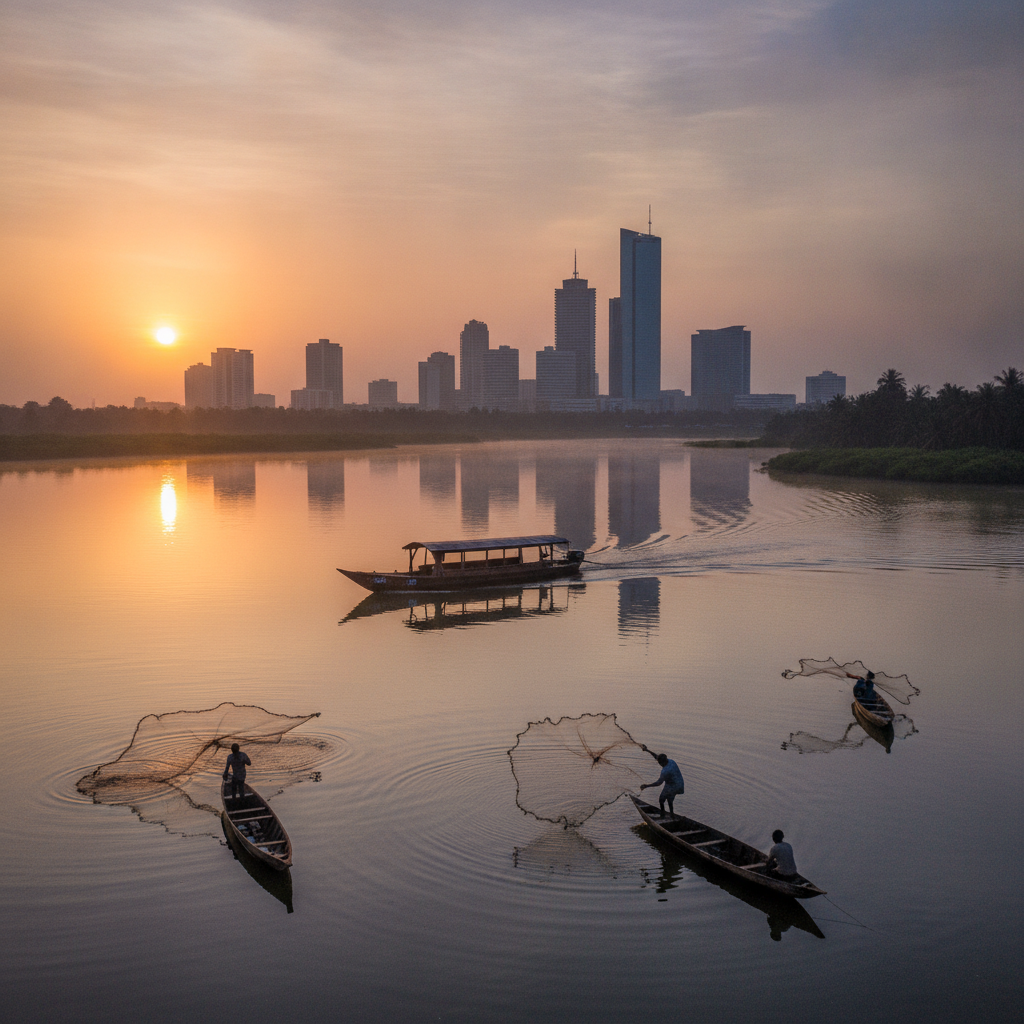
Abidjan Deep Dive: MASA Festival, Ivorian Art, Maquis Culture, the Ebrie Lagoon, and the Complete Ivory Coast Legacy
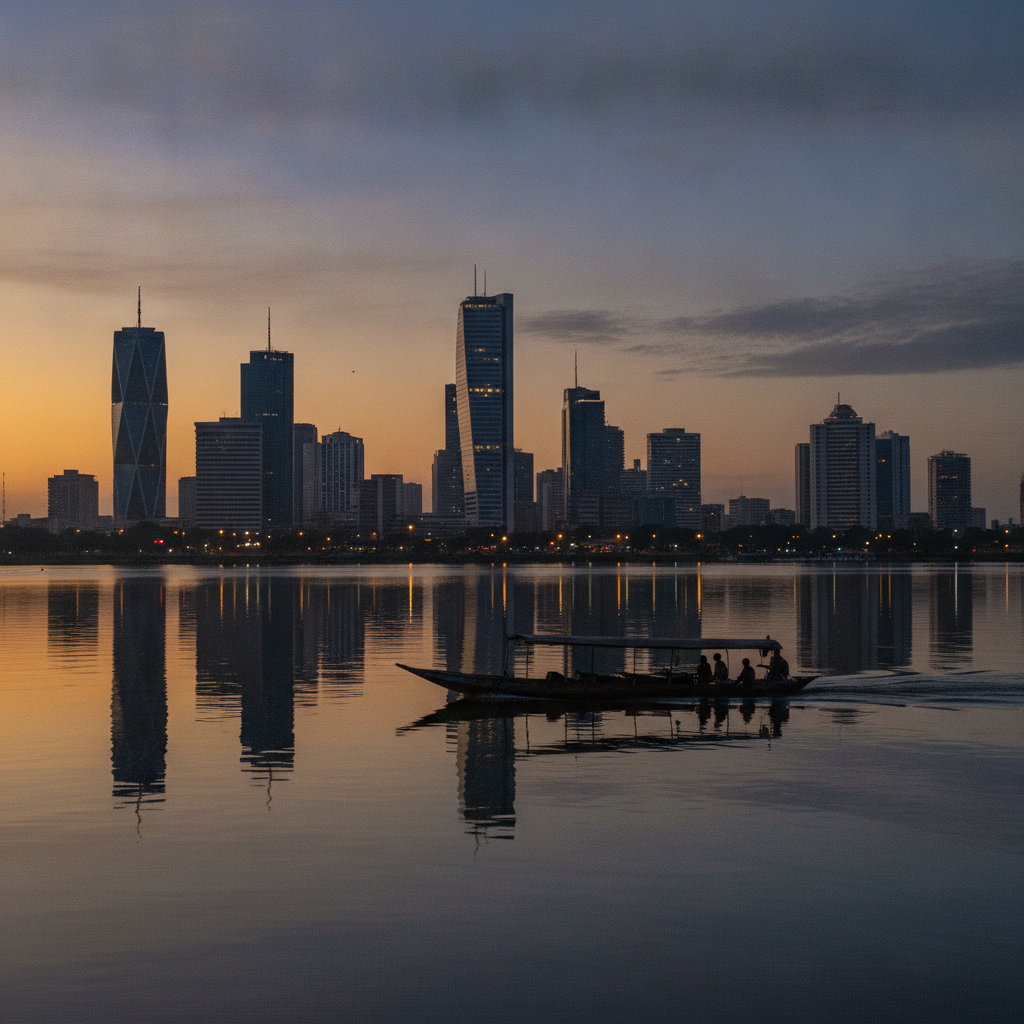
Abidjan: Lagoon City, the Plateau Skyline, Ivorian Cuisine, Music, and the Complete Ivory Coast Guide