Abidjan Final Legacy: Man and the Dan Masks, Drogba, Ivorian Literature, Ebrie Villages, and the Complete Ivory Coast Reference
Abidjan closing routes: the Man region and the Dan masked dance festivals, Didier Drogba and Ivorian football, Ivorian literature (Dadie, Kourouma), the Ebrie lagoon indigenous villages, the Ivorian economic recovery story, and the six-route ultimate Ivory Coast planning reference.
- 1
Man and the Dan Country - The Masked Dances of Western Ivory Coast
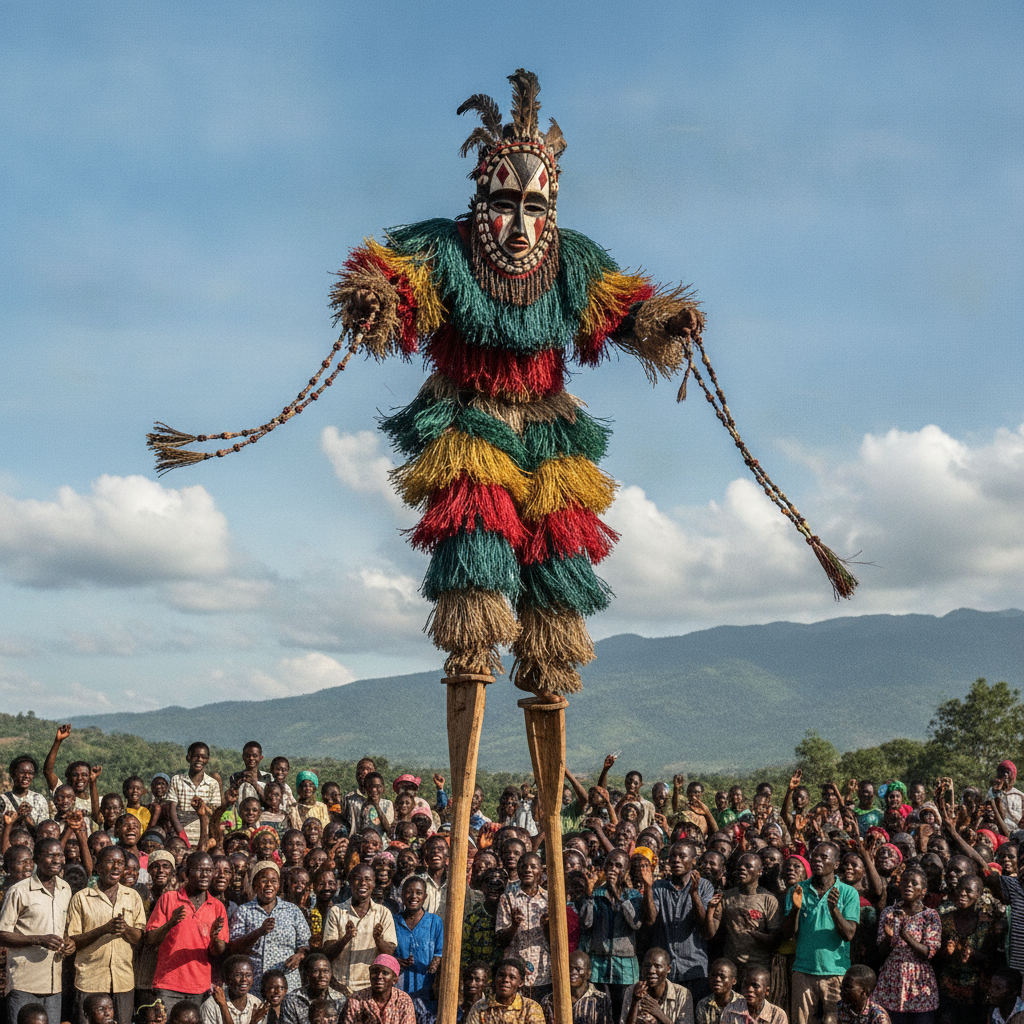
Man (the city approximately 600 km northwest of Abidjan in the Tonkpi Region): the gateway to the Dan (Yacouba) country and the mountainous terrain of western Ivory Coast. The Dan masked festivals: the Dan (Yacouba) people are famous for their extraordinary masked dances. The deangle mask (the entertainment mask worn by young men) is danced with acrobatic precision including stilt dancing, fire eating, and dramatic performance. The racing mask festival (the Fetes des Masques): held annually in February-March in the Man region, attracting dancers from across the Dan country. The Man environment: the Dent de Man (the prominent rocky peak near Man), the La cascade (the waterfall near Man), and the Pont de Lianes (the suspension bridge of lianas maintained by the Guerze people of the Man area). Man is accessible by road from Abidjan (approximately 8-10 hours) or by Air Cote d Ivoire flight (1 hour).
- 2
Ivorian Football and Didier Drogba - The Elephants of Ivory Coast
Ivory Coast football: Les Elephants (the Ivorian national football team) and the most famous Ivorian footballer. Didier Drogba (born 1978 in Abidjan): the most celebrated African footballer of the 2000s: the Chelsea FC striker who scored 164 Premier League goals and won the UEFA Champions League in 2012 (scoring the equalizing goal in the final and scoring the decisive penalty in the shootout): Africa Player of the Year (2006, 2009): Drogba used his fame to negotiate a ceasefire between the Ivorian government and the rebel Forces Nouvelles in 2006 (before a World Cup qualifying match), demonstrating the power of football in resolving the civil war conflict. The Africa Cup of Nations: Ivory Coast won the AFCON in 1992 and 2015. The Stade Felix Houphouet-Boigny (the primary football stadium in Abidjan: capacity approximately 45,000: named after the founding president).
- 3
Abidjan Literature and Ivorian Intellectual Tradition
Ivorian literature and the intellectual tradition of the Ivory Coast. Bernard Dadie (1916-2019): the most celebrated Ivorian writer: novelist, playwright, and poet: his works include Climbié (1956, an autobiographical novel of colonial experience), and Patron de New York (1964, a satirical account of a West African visiting New York). Ahmadou Kourouma (1927-2003): the Ivory Coast novelist whose works broke new ground in Francophone African literature by creating a French strongly influenced by Manding language structures and storytelling: his novels (Les Soleils des Independances (1968), Monnew (1990), En attendant le vote des betes sauvages (1998)) are among the masterpieces of Francophone African literature. The University of Abidjan (the Universite Felix Houphouet-Boigny: the primary university of Ivory Coast: a significant intellectual center in Francophone West Africa). The Ivory Coast cinema (Gnoan Roger Mbala (director of Bouka (1988) and other Ivorian films)).
- 4
The Lagoon Villages and Ebrie Traditional Culture
The Ebrie people: the indigenous inhabitants of the Abidjan lagoon area, the pre-colonial population of the site that became the Ivorian capital. The Ebrie were fishermen and farmers who inhabited the islands and shores of the Ebrie Lagoon before the French establishment of Abidjan in 1893. As the city grew, most Ebrie communities were displaced by urban development, but some Ebrie villages remain on islands in the lagoon, accessible only by pirogue. The Ile Boulay (the most significant remaining Ebrie lagoon village community: an island community in the southern Ebrie Lagoon accessible by boat from Abidjan: the Ile Boulay maintains elements of the traditional Ebrie culture including fishing, cultivation, and traditional ceremonies). The traditional Ebrie ceremonies (the Do ceremony (the Ebrie initiation ritual): the Adjinu (the Ebrie masked dance): the traditional Ebrie ceremonies reflect a culture increasingly under pressure from urban expansion and modernization).
- 5
Abidjan and the Ivorian Economic Recovery - The Fastest Growing Economy
The Ivorian economic recovery under Alassane Ouattara (president since 2011): the most impressive economic turnaround story in West Africa. The GDP growth (Ivory Coast has maintained average GDP growth of approximately 7-8% per year from 2012 to 2023: among the fastest growth rates in Africa over this period). The infrastructure investment (the Abidjan infrastructure (the new bridges over the Ebrie Lagoon, the improved road network, the Abidjan metro (the Abidjan Metro Line 1 under construction as of 2024), the expansion of the Port Autonome d Abidjan). The financial sector (the Abidjan financial market: the Bourse Regionale des Valeurs Mobilieres (BRVM): the regional stock exchange for 8 West African UEMOA countries based in Abidjan: the BRVM is the primary capital market for Francophone West Africa). The business environment (the World Bank Doing Business rankings have consistently placed Ivory Coast as one of the most improved business environments in West Africa over the 2012-2023 decade). The cocoa value chain (the Ivorian government initiative to process more cocoa domestically (the goal of processing 50% of cocoa production domestically rather than exporting raw beans): the chocolate manufacturing industry developing in Abidjan).
- 6
Abidjan Six-Route Ultimate Complete Reference - Ivory Coast Final Planning Guide
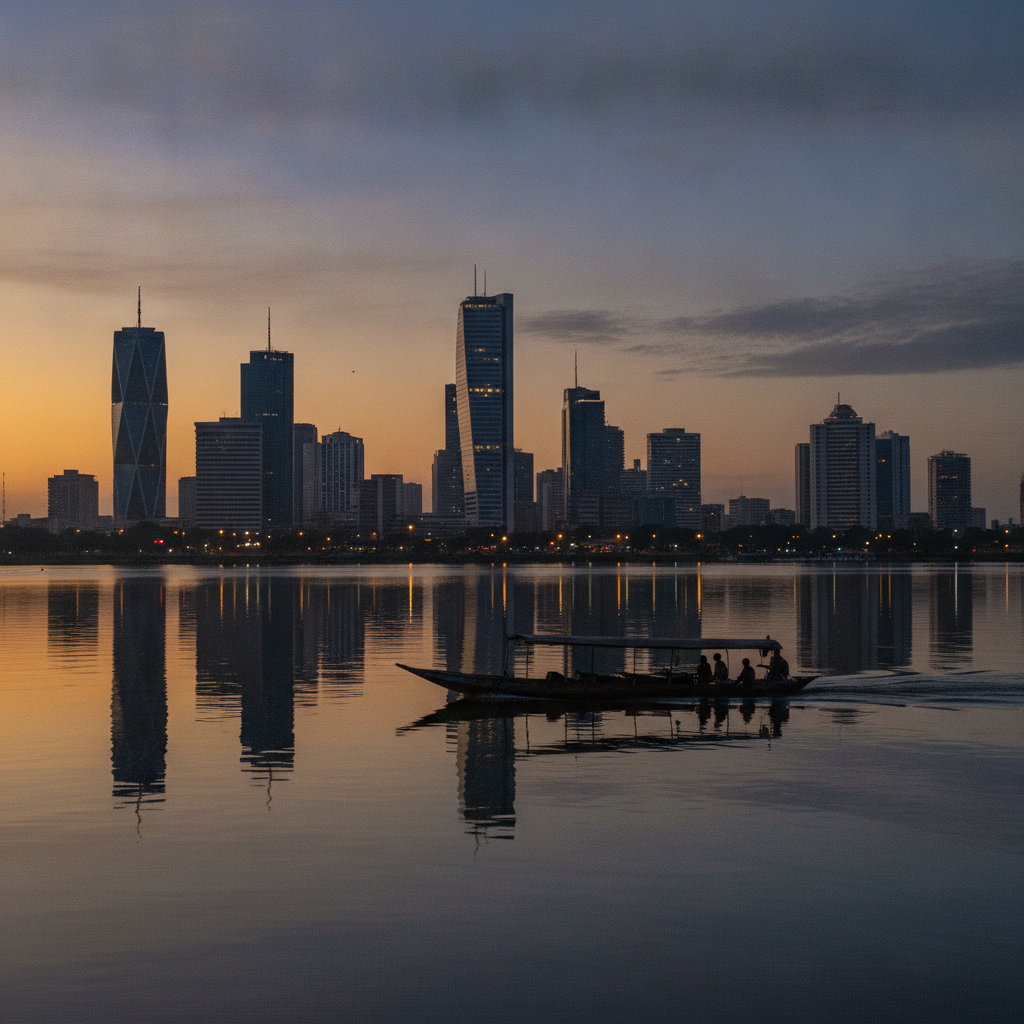
Abidjan six routes ultimate summary. Route 1: the Plateau skyline and lagoon city, Treichville market, attieke-kedjenou-alloco cuisine, Zouglou and Coupe Decale music, Ivory Coast practical guide. Route 2: Houphouet-Boigny founding legacy, Yamoussoukro Basilica (world largest dome), civil war history and Ouattara recovery. Route 3: MASA performing arts festival, Baoule and Dan traditional masks, maquis outdoor restaurant culture, Ebrie Lagoon bateau-bus, Abidjan vs Dakar comparison. Route 4: Grand Bassam UNESCO colonial capital (essential day trip), Tai National Park UNESCO chimpanzees (400 km away), Comoe National Park, Assinie beaches, cocoa economy paradox. Route 5: Cocody and Deux-Plateaux upscale districts, woro-woro transport, photography guide, religious mix (Islam, Christianity, Harrist Church), food deep dive (maquis, attieke quality, Lebanese restaurants). Route 6 (this route): Man and the Dan masked dances, Didier Drogba and Ivorian football (AFCON), Ivorian literature (Dadie, Kourouma), Ebrie lagoon villages, economic recovery story, complete reference. Abidjan final: one of the most dynamically growing cities in West Africa, the world cocoa capital, and a city whose lagoon setting, maquis culture, and Coupe Decale energy make it one of the most enjoyable in Francophone Africa. November to April for the dry season.
Walk this route with audio
Stories play automatically as you reach each stop — no tapping needed.
More in abidjan
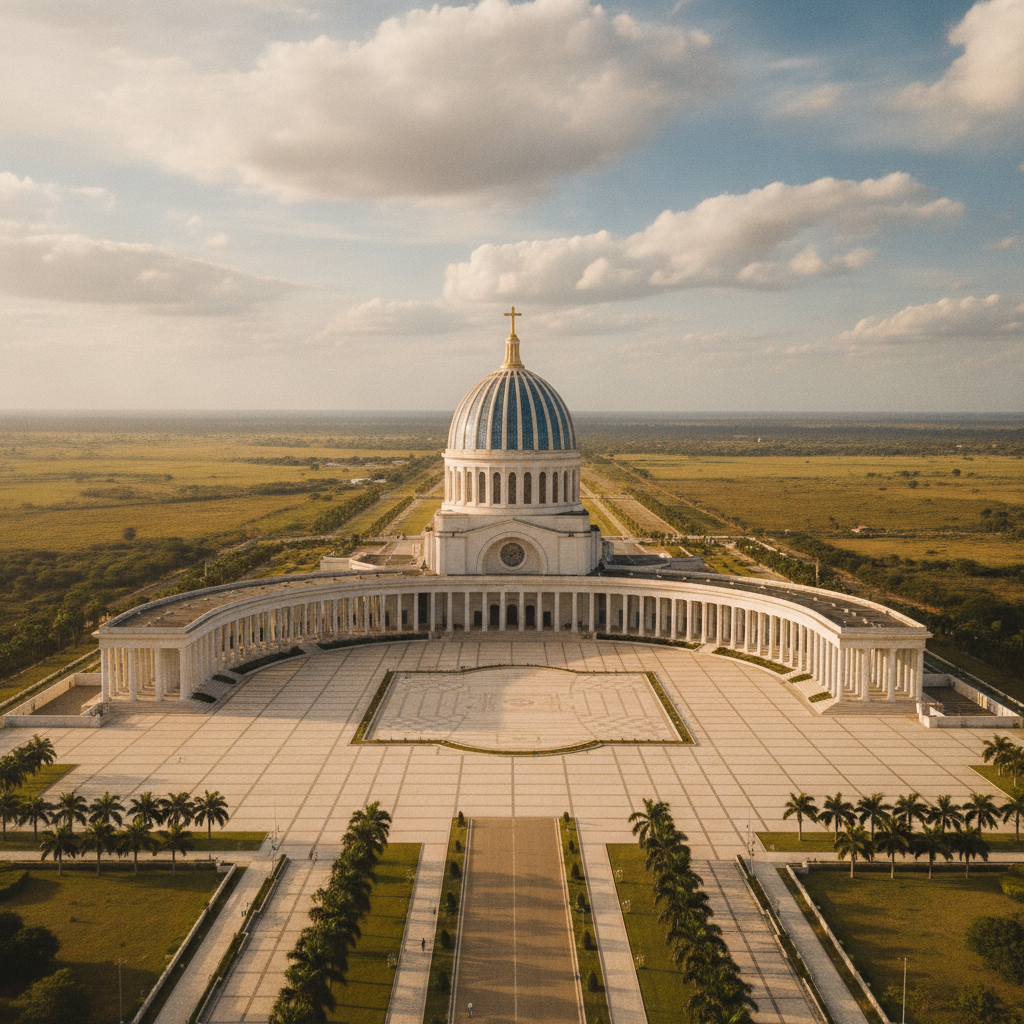
Abidjan Legacy: Houphouet-Boigny, the Yamoussoukro Basilica, Civil War History, Ivorian Art, Grand Bassam, and Tai Forest
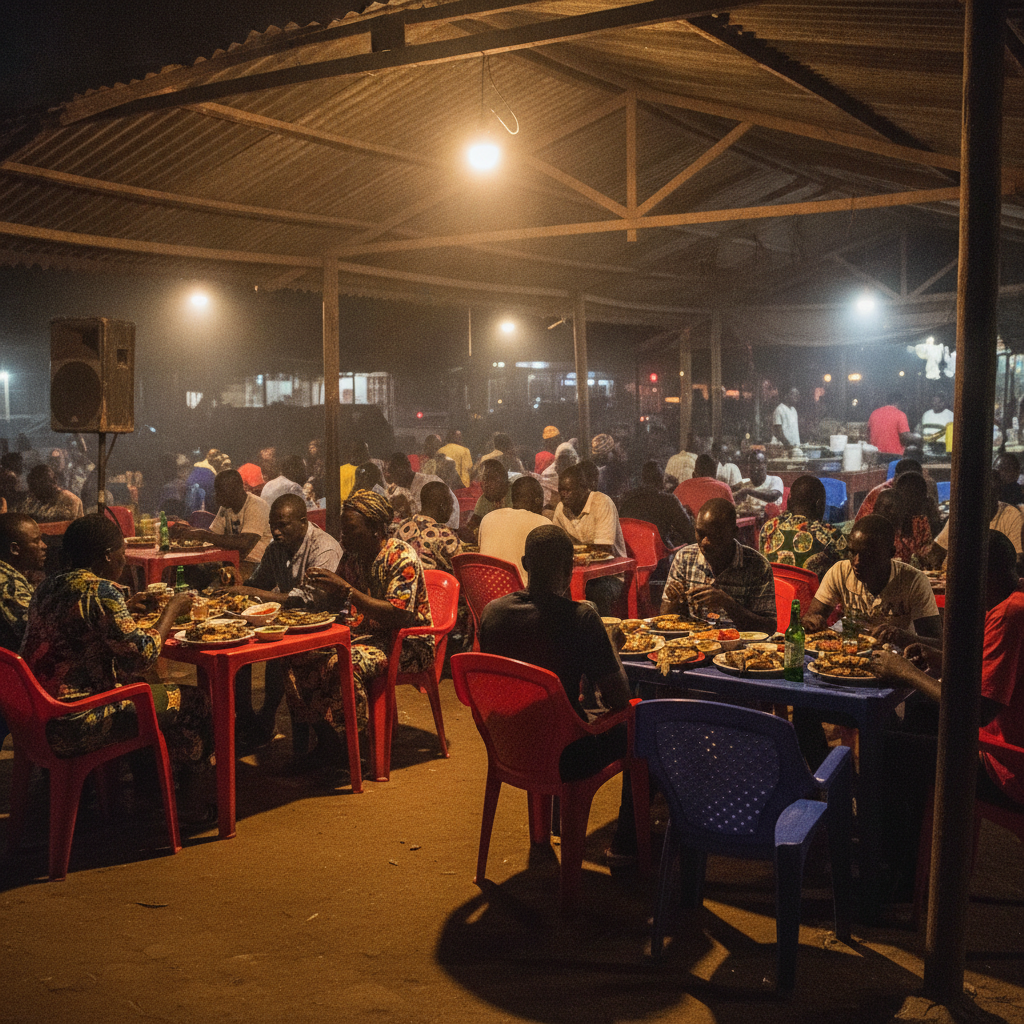
Grand Bassam UNESCO and Tai National Park - Ivory Coast Heritage and Nature
Abidjan Neighborhoods, Transport, Photography, and the City Practical Deep Dive
Abidjan Deep Dive: MASA Festival, Ivorian Art, Maquis Culture, the Ebrie Lagoon, and the Complete Ivory Coast Legacy