Abidjan: Lagoon City, the Plateau Skyline, Ivorian Cuisine, Music, and the Complete Ivory Coast Guide
Abidjan city guide: the Plateau business district and the Ebrie Lagoon, the Treichville market, Ivorian cuisine (attieke, kedjenou, alloco, garba), the Zouglou and Coupe Decale music movements, and the complete Ivory Coast visitor practical reference.
- 1
Abidjan - The Lagoon City and the Economic Capital of Francophone West Africa
Abidjan: the largest city in Ivory Coast (Cote d Ivoire) and the most economically significant city in Francophone West Africa. Population approximately 5-6 million in the metro area. Geography: Abidjan is built around the Ebrie Lagoon, a large saltwater lagoon system connected to the Atlantic Ocean: the city occupies a peninsula (the Plateau, Le Cocody, and other districts) as well as the mainland (Adjame, Yopougon, Abobo). The Plateau (the modern business district: the skyscrapers and towers that give Abidjan the nickname the Paris of West Africa or the Manhattan of Africa). The economic significance: Abidjan is the primary port and commercial capital of West Africa: the Port Autonome d Abidjan is the busiest port in West Africa and one of the busiest in Africa (approximately 30 million metric tons of cargo annually): the cocoa (Ivory Coast is the world largest cocoa producer (approximately 2 million metric tons annually, approximately 45% of world production): the cocoa trade is the foundation of the Abidjan economy).
- 2
The Plateau - Abidjan Skyline and the Paris of West Africa
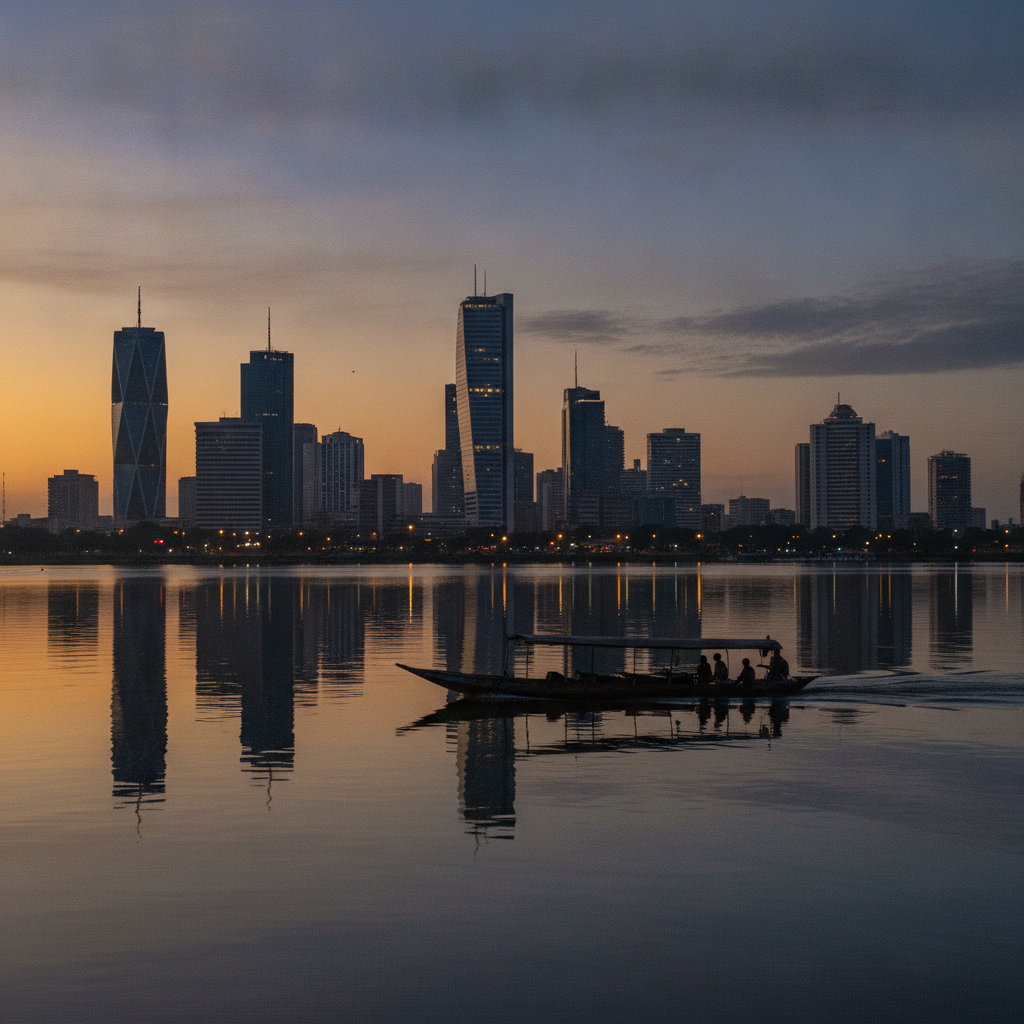
The Plateau: the central business district of Abidjan, one of the most impressive urban skylines in sub-Saharan Africa. The towers of the Plateau (the Immeuble Caistab (the former cocoa commodity board tower), the Tour BCEAO (the headquarters of the West African central bank), the Hotel Ivoire (the landmark hotel and convention center with one of the only ice skating rinks in West Africa)), the Cite Administrative (the government administrative complex). The Ebrie Lagoon (the lagoon that surrounds the Plateau peninsula: the lagoon ferries (the bateau-bus): the water transport system using traditional wooden motor boats that connect the Plateau to other lagoon-front districts: the bateau-bus from the Plateau to Treichville is one of the most atmospheric urban boat journeys in Africa). The Pont de Gaulle (the bridge connecting the Plateau to the south): the Pont Houphouet-Boigny (the primary road bridge over the lagoon). The markets visible from the Plateau waterfront (the fish market of Treichville visible across the lagoon: one of the most vibrant markets in Abidjan).
- 3
Abidjan Markets - Treichville Market, the Cocody Craft Market, and Market Culture
The Abidjan markets. The Marche de Treichville (the Treichville market: the most vibrant and important traditional market in Abidjan: located in the Treichville neighborhood south of the Plateau across the lagoon: the market sells fabric, foodstuffs, household goods, electronics, and practically everything: the energy and density of Treichville market is the most authentic Abidjan experience). The Marche d Adjame (the Adjame Market: the primary market of the mainland Adjame district: one of the largest markets in Abidjan). The Marche des Arts et Artisanat (the craft market in the Cocody district: the primary tourist shopping destination for Ivorian handicrafts: wooden masks, Kente-style woven cloth, batik fabric, and traditional sculptures). The Cocody neighborhood (Cocody: the upscale residential district of Abidjan where the international hotels, restaurants, and the homes of the Ivorian upper class are located: the primary destination for international visitors).
- 4
Ivorian Cuisine - Attieke, Kedjenou, Alloco, and the Food of Abidjan
Ivorian cuisine: one of the most distinctive and delicious food cultures in West Africa. Attieke (the most distinctive Ivorian food: fermented cassava couscous (attieke): the coarse-grained cassava starch that has been fermented and then steamed: the texture is somewhere between couscous and polenta: attieke is served as the primary starch with grilled fish, grilled chicken, or stew: the combination of attieke with grilled fresh tilapia (the poisson braise) and a spicy tomato-onion sauce is the most iconic Ivorian meal). Kedjenou (the Ivorian slow-cooked stew: chicken or guinea fowl cooked with vegetables and spices in a sealed earthenware pot (canari) over low heat: the sealing of the pot creates a pressure-cooking effect that makes the meat extremely tender: the kedjenou is one of the most celebrated dishes in Ivorian cuisine). Alloco (the Ivorian fried plantain: ripe plantain deep-fried and served with a spicy tomato sauce: the most popular street food and side dish in Abidjan: the alloco stalls are a ubiquitous part of the Abidjan street scene). Garba (the most popular street food in Abidjan: attieke with fried tuna: the garba is typically eaten standing at a garba stall (the aloco-grill or garba stall): it is the everyday lunch of ordinary Abidjanais).
- 5
Abidjan Music and Culture - Zouglou, Coupe Decale, and the Ivorian Sound
Abidjan music: the two Ivorian musical movements that have influenced West African popular music. Zouglou (the Ivorian popular music genre that emerged in the early 1990s: developed among Abidjan university students as a form of social commentary and political criticism: the music combines highlife, reggae, and traditional Baoule music with Zouglou dance (a distinctive hip-shaking dance): the Zouglou emerged during the period of political crisis in Ivory Coast in the early 1990s and the music reflects the social anxieties of that period). Coupe Decale (the Ivorian electronic music and dance style that emerged in the early 2000s: developed by the Jet Set (the group of young Ivorian men in Paris who created the coupe decale style in the Parisian nightclubs): the coupe decale style is characterized by DJ-driven music, the miming of cashing money, and the distinctive shuffling dance (the decalage): the Coupe Decale became enormously popular across Francophone West Africa and Central Africa in the 2000s-2010s). The Palais de la Culture de Treichville (the primary formal cultural venue in Abidjan: the multi-purpose cultural complex hosting theater, music, and dance performances). The Abidjan nightlife (the Abidjan nightclub scene: the Cocody district nightclubs: the lagoon-front bars: the primary music clubs).
- 6
Abidjan Practical Guide - Ivory Coast, the CFA Franc, and the West Africa Reference
The Abidjan practical guide and Ivory Coast visitor reference. Ivory Coast (Cote d Ivoire) overview: population approximately 28 million: official language French (widely spoken): currency: the West African CFA franc (XOF, shared with Senegal and 6 other West African countries, pegged to the Euro): the political history (the Ivory Coast political history has been turbulent: Houphouet-Boigny (the founding president: 1960-1993: one of the most pro-French African leaders of the independence era): the post-Houphouet crises (the 2002-2007 civil war: the 2010-2011 post-election crisis that left approximately 3,000 dead): the Ouattara presidency (Alassane Ouattara has been president since 2011 following the civil war: the country has been relatively stable since 2011 with strong economic growth averaging approximately 8% per year 2012-2023)). The visa (most Western nationalities require a visa for Ivory Coast: the Ivory Coast e-Visa is available online). The safety (Abidjan is a relatively safe city for visitors in the main tourist areas (Cocody, Plateau): avoid Adjame and Abobo at night). Transport: the woro-woro shared taxis, the gbaka minibuses, and the bateau-bus lagoon ferries are the primary public transport options. Best time to visit: November to April (the dry season).
Walk this route with audio
Stories play automatically as you reach each stop — no tapping needed.
More in abidjan
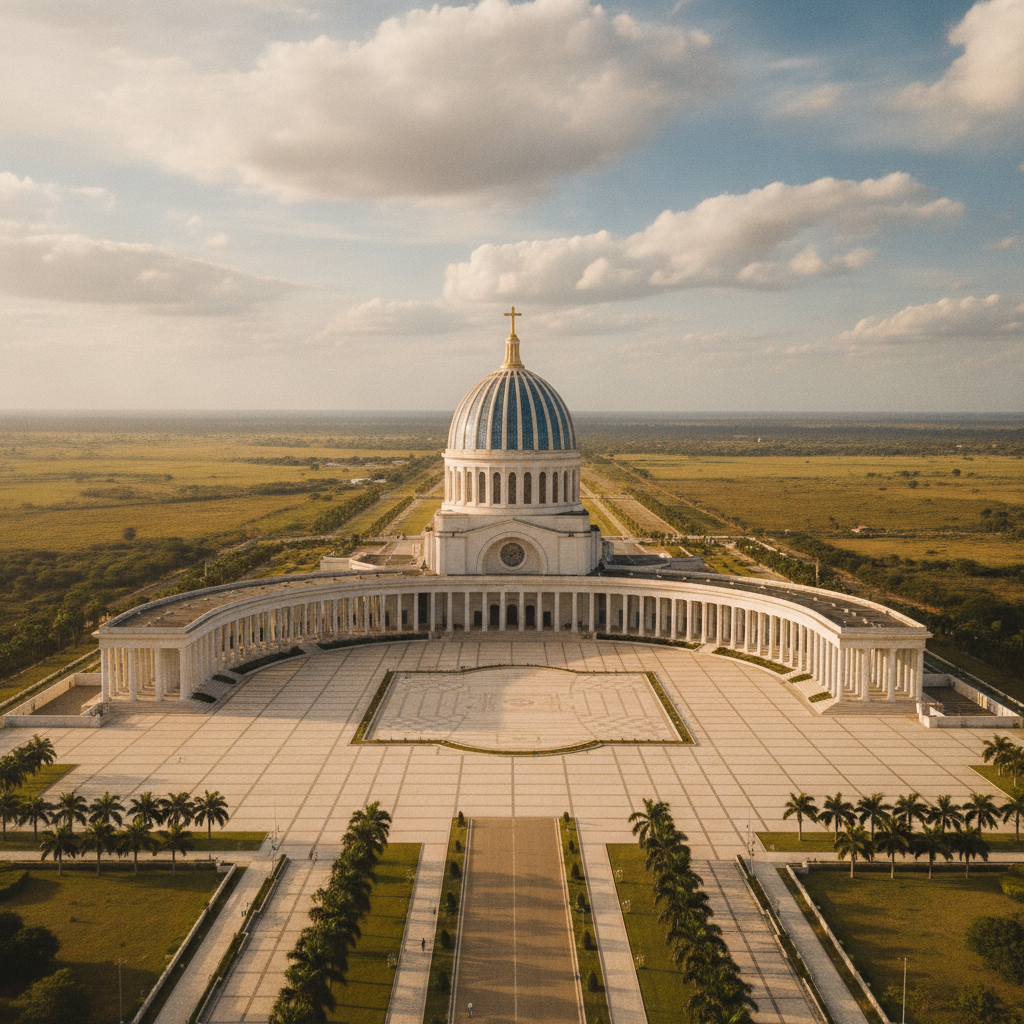
Abidjan Legacy: Houphouet-Boigny, the Yamoussoukro Basilica, Civil War History, Ivorian Art, Grand Bassam, and Tai Forest
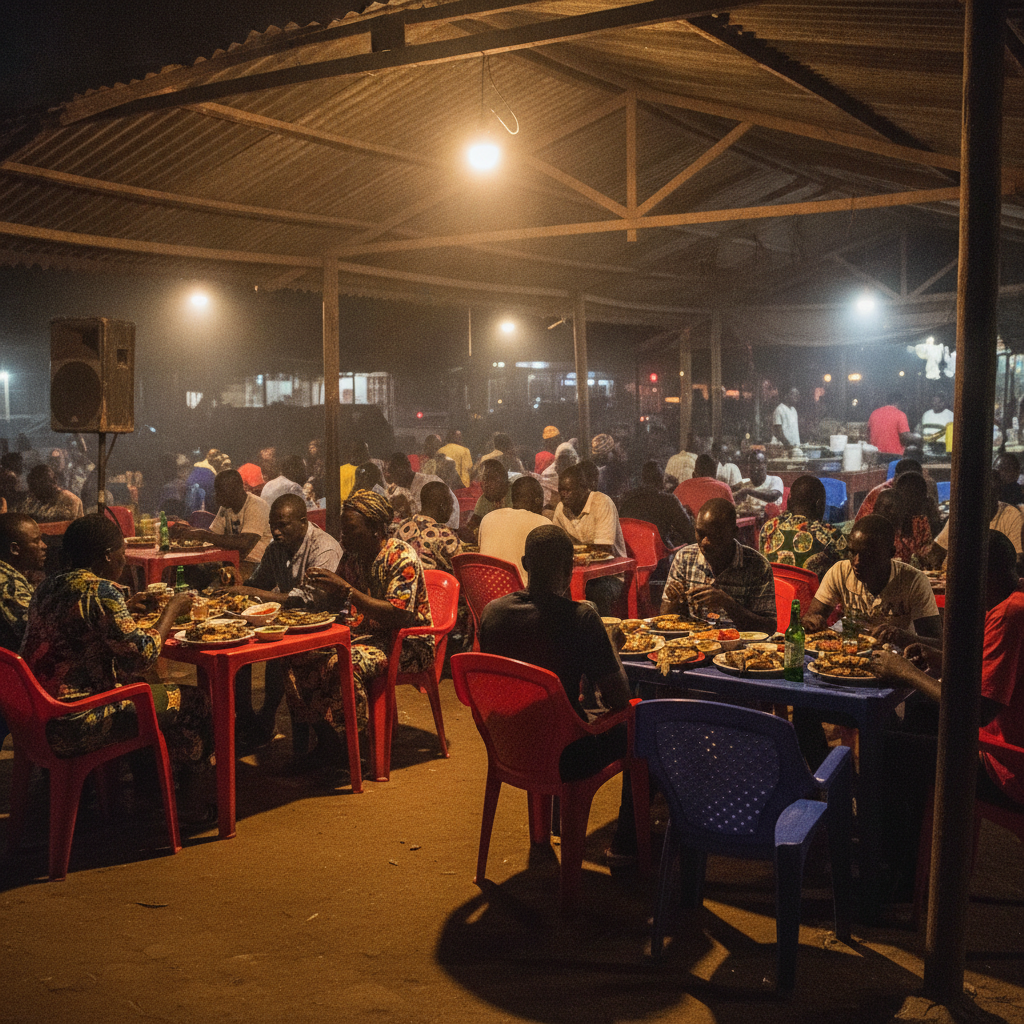
Grand Bassam UNESCO and Tai National Park - Ivory Coast Heritage and Nature
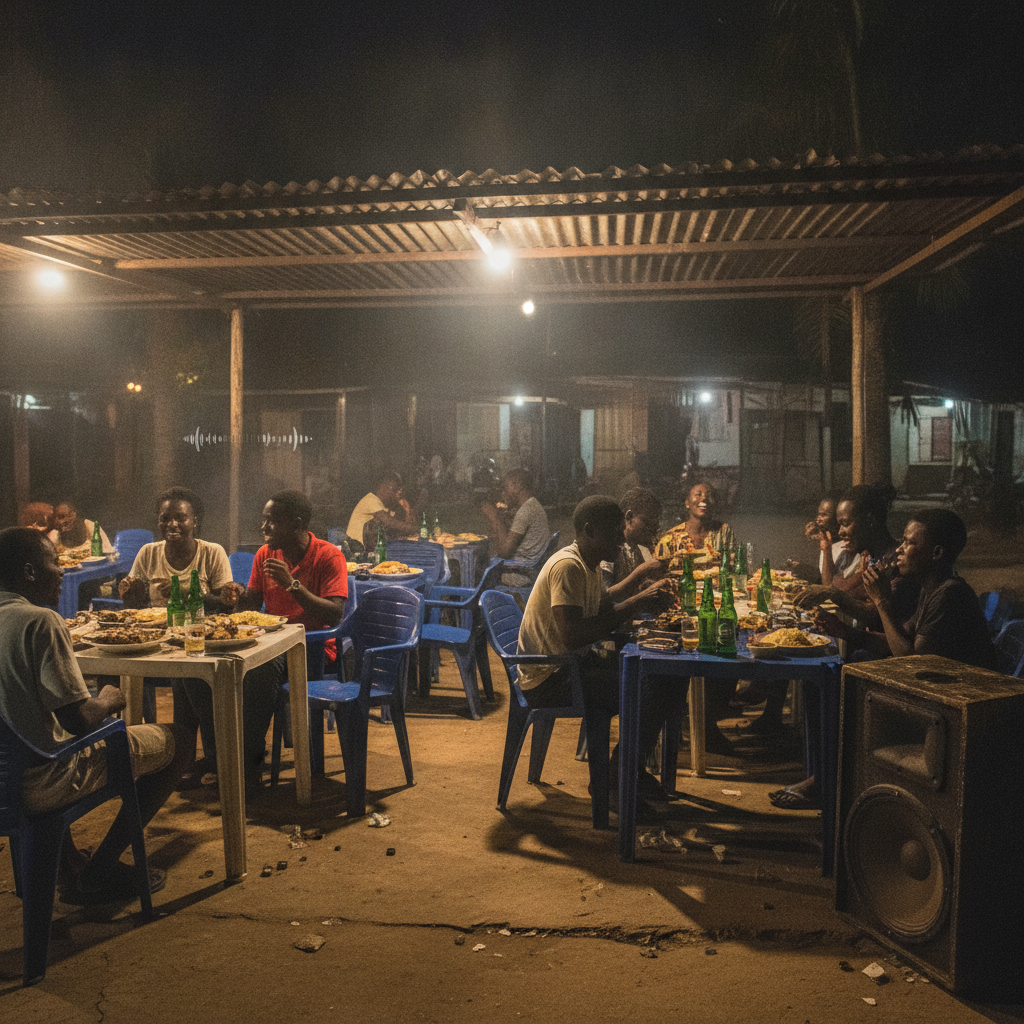
Abidjan Neighborhoods, Transport, Photography, and the City Practical Deep Dive
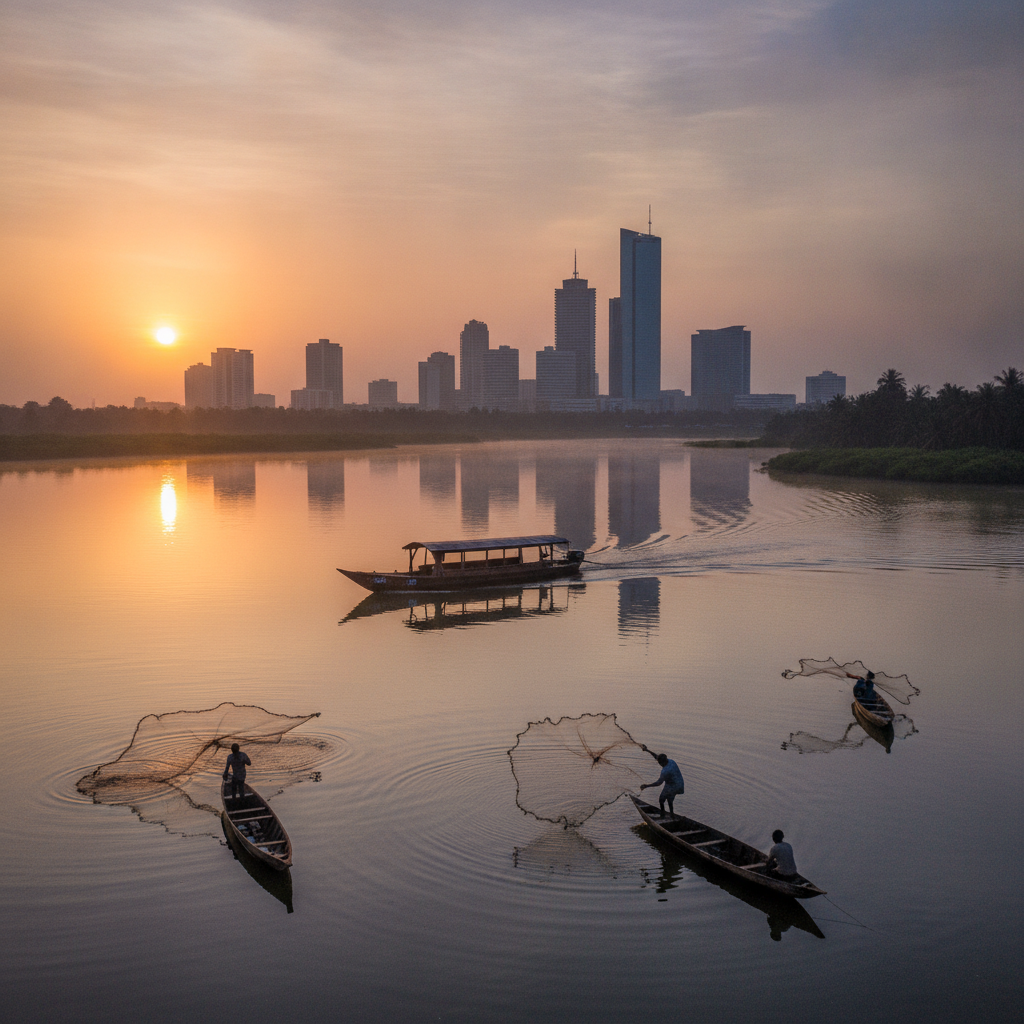
Abidjan Deep Dive: MASA Festival, Ivorian Art, Maquis Culture, the Ebrie Lagoon, and the Complete Ivory Coast Legacy