Abu Dhabi Culture & Food: Emirati Harees, Emirates Palace's Gold Cappuccinos & Camel Racing
Taste and understand the UAE's capital—Emirati cuisine's saffron vermicelli breakfast and date-syrup dumplings (eaten in homes, not restaurants), the Emirates Palace's $3 billion build cost and gold-flecked cappuccino ATM, Abu Dhabi's $700 billion sovereign wealth fund versus Dubai's trade-based wealth, UNESCO World Heritage Al Ain's 4,000-year oasis, and robot-jockeyed camel racing on the desert track.
- 1
Emirati Cuisine – Al Harees, Machboos & Luqaimat
Emirati cuisine is one of the Arab world's least internationally known—overshadowed by Lebanese and Egyptian food in most Gulf restaurants. Al harees (slow-cooked wheat and meat porridge, traditionally prepared for Ramadan and weddings), machboos (rice with lamb or fish, spiced with dried lemon and rose water), and balaleet (sweet saffron vermicelli with scrambled eggs for breakfast) are the defining dishes. Luqaimat (deep-fried dumplings drenched in date syrup and sesame, sold at street stalls) is the most beloved street snack. Emirati food is difficult to find in restaurants; it is primarily a home cooking tradition.
- 2
Abu Dhabi's Restaurant Scene & International Dining
Abu Dhabi's restaurant scene is defined by its international expat community (90% of the population are non-nationals). The Corniche and Al Maryah Island concentrate the finest restaurants: Zuma (Japanese-Western fusion), Coya (Peruvian), Crust (artisan pizza), and the dining outlets of the Emirates Palace hotel (the most opulent hotel in the world when built in 2005—gold leaf ATM, gold-flecked cappuccinos). The Friday brunch culture (a Gulf institution imported from Western expat traditions) is at its most lavish in Abu Dhabi's 5-star hotels.
- 3
Emirates Palace & Abu Dhabi's Luxury Hotels
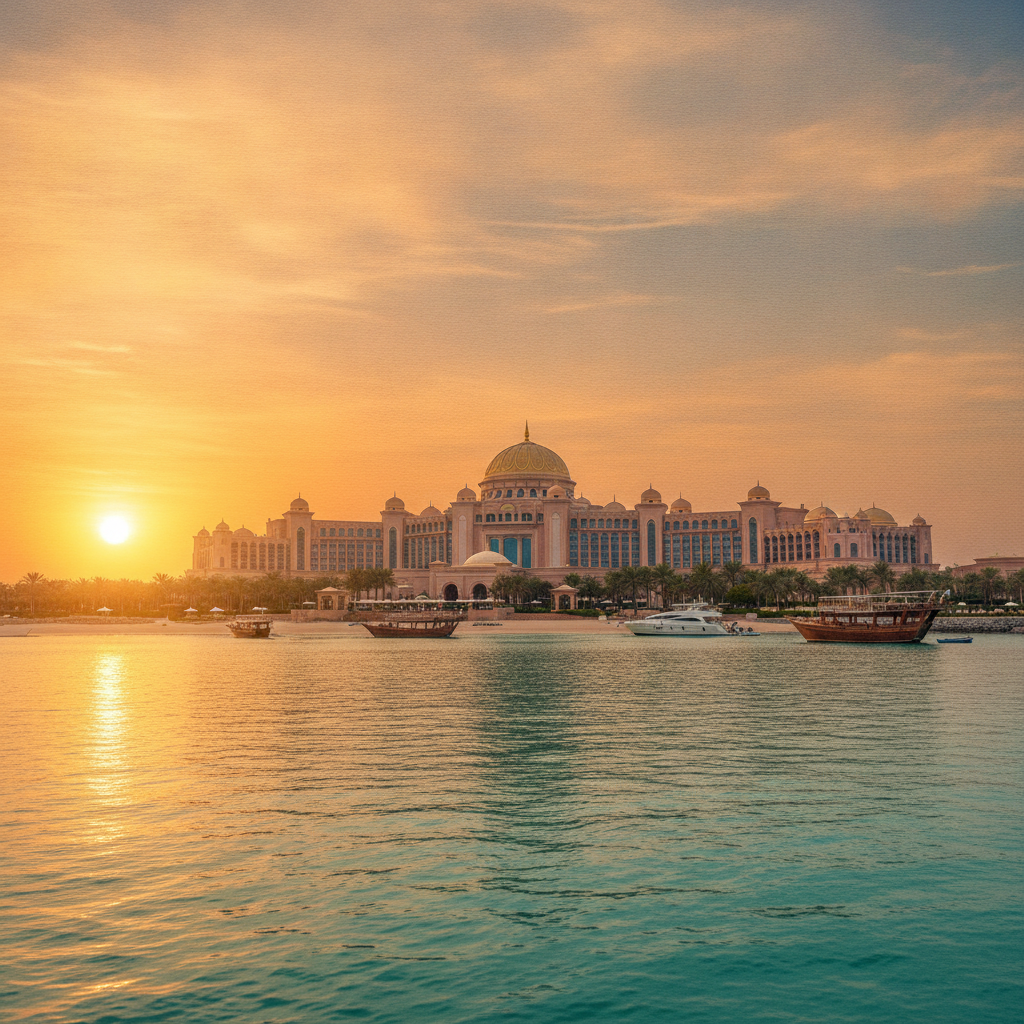
Emirates Palace (Mandarin Oriental, Abu Dhabi)—built in 2005 at a cost of $3 billion—stretches 1 km along the waterfront and is among the world's most spectacular hotel buildings. The lobby's 70-metre dome contains 1,002 Swarovski crystal chandeliers; the hotel has a private beach, 394 rooms and suites, and dispensed AED 100 million (€25 million) in gold leaf cappuccino annually at its peak. The Jumeirah at Etihad Towers, the St Regis Saadiyat Island, and the Anantara Eastern Mangroves represent the city's high-end accommodation alternatives.
- 4
Abu Dhabi vs Dubai – Capital vs Commercial Hub
Abu Dhabi is the UAE's capital and wealthiest emirate (owning 95% of the UAE's oil reserves and the sovereign wealth fund ADIA, the world's third-largest at $700 billion). Dubai has almost no oil—its wealth comes from trade, tourism, and real estate. The two cities are 130 km apart (1.5 hours by road); Abu Dhabi is more conservative, spacious, and government-focused; Dubai is more liberal, hectic, and commercially driven. Abu Dhabi often feels like a more planned, less frenetic version of Dubai—the buildings are equally spectacular but the crowds are thinner.
- 5
Al Ain – Garden City & UNESCO World Heritage
Al Ain, 160 km east of Abu Dhabi in the interior, is the UAE's UNESCO World Heritage site (2011)—its oases, forts, and prehistoric sites representing 4,000 years of continuous settlement. Al Ain Oasis (147,000 date palms irrigated by ancient falaj water channels) is the largest in the UAE; the Hili Archaeological Park contains Bronze Age tombs (2500 BC); the Al Ain National Museum covers UAE prehistory. Al Ain is also the birthplace of Sheikh Zayed, the UAE's founder. The Jebel Hafeet mountain (1,240 m) above Al Ain is the UAE's second highest peak with spectacular views.
- 6
Falconry & Camel Racing – Emirati Heritage
Falconry—the ancient practice of hunting with trained falcons—is an UNESCO Intangible Cultural Heritage (2016) and the most distinctively Emirati tradition. Abu Dhabi's Falconry Festival (November) is the world's largest; specialist falcon hospitals and equipment shops operate throughout the UAE. Camel racing (with robot jockeys since 2004, replacing the child jockeys whose use caused international concern) takes place at the Al Wathba Camel Race Track (40 km from Abu Dhabi) from October through April. Both traditions are among the few authentic window into pre-oil Emirati culture.
Walk this route with audio
Stories play automatically as you reach each stop — no tapping needed.
More in Abu Dhabi
Abu Dhabi Essentials: Grand Mosque, Louvre Under Jean Nouvel's Rain-of-Light Dome & F1 Circuit
Abu Dhabi Reality: 90% Expat Population, Kafala Labour System & Manchester City's Owner
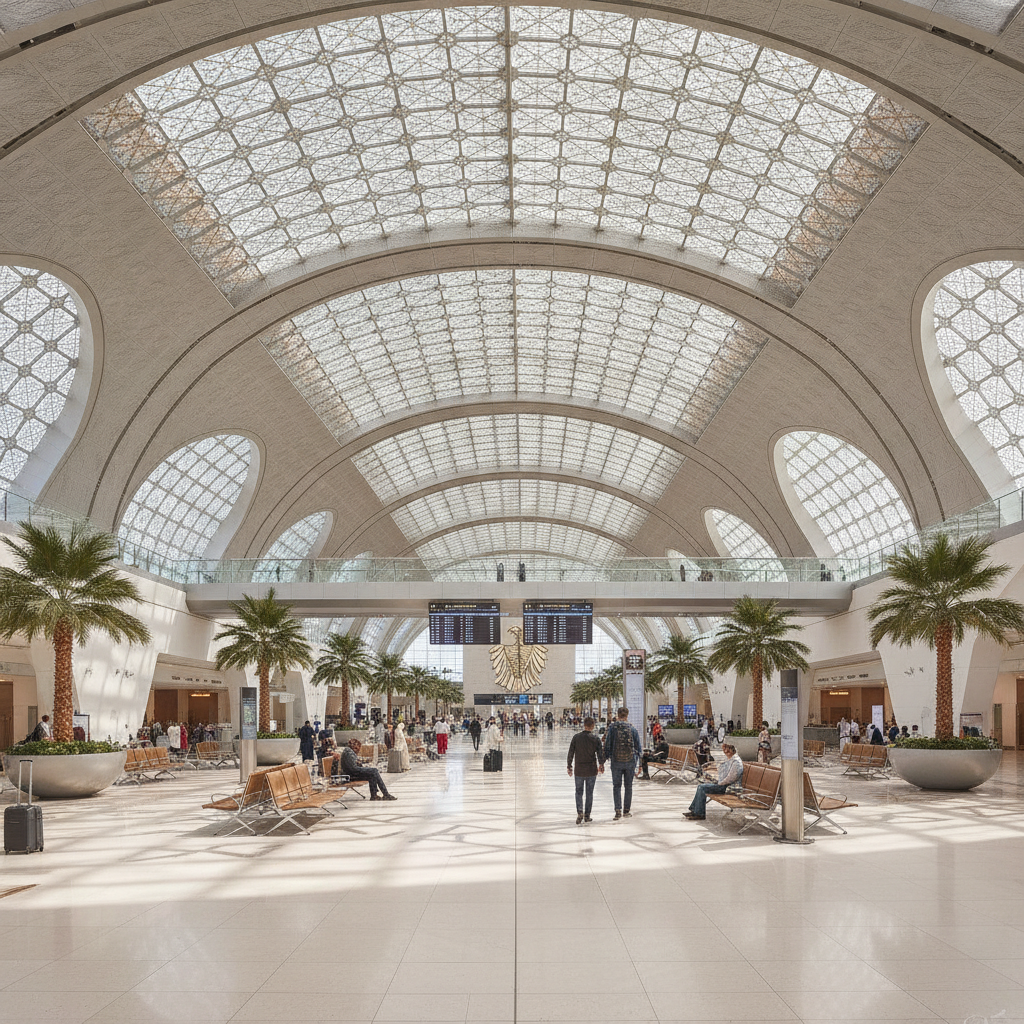
Abu Dhabi Practical Guide: World's Largest Terminal, Dress Code & a $700 Billion Wealth Fund
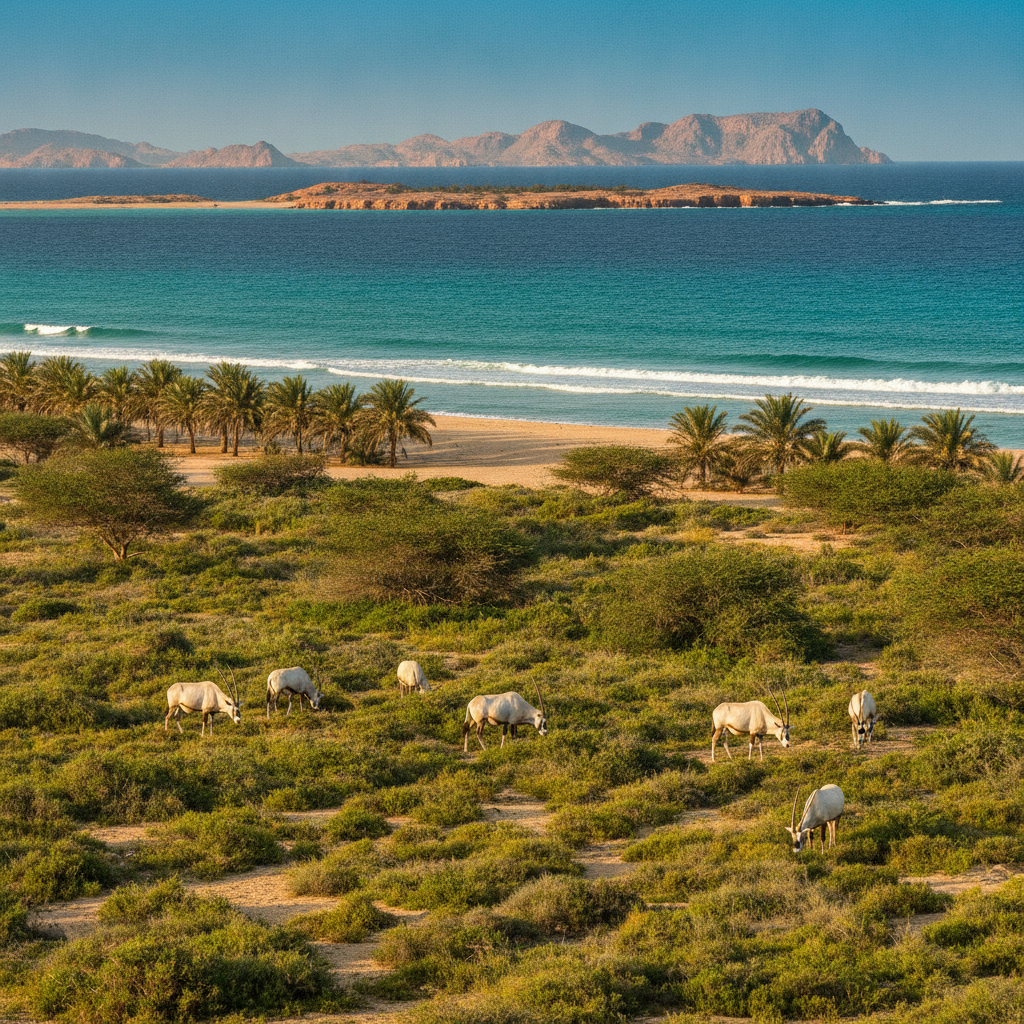
Abu Dhabi Day Trips: Dubai in 90 Minutes, Arabian Oryx on Sir Bani Yas Island & the Empty Quarter