Accra History and Politics: From the Gold Coast to Democratic Ghana, Rawlings, and the Modern Economy
The political history of Ghana: the British Gold Coast colony, Nkrumah and independence (1957), the military coups (1966-1981), Jerry Rawlings and the PNDC era, the return to democracy (1992), Ghana as a model of African democratic governance, and the cocoa-gold-oil economy.
- 1
The British Gold Coast - Colonial History and the Road to Independence
The British Gold Coast: the territory that became Ghana. Formal colonial control began with the Gold Coast Crown Colony in 1874. The Ashanti Wars extended British control inland; the Ashanti Kingdom was finally annexed in 1902. The colonial economy was built on cocoa (Ghana became the world largest cocoa producer in the early 20th century), gold, and timber. The independence movement: the United Gold Coast Convention (founded 1947) was the first organized political body demanding self-governance. Kwame Nkrumah founded the more radical Convention Peoples Party (CPP) in 1949, demanding immediate independence. Ghana achieved independence on 6 March 1957, becoming the first sub-Saharan African country to do so.
- 2
Military Coups and Post-Independence Political Instability in Ghana
Ghana experienced multiple coups between 1966 and 1981. The first coup (24 February 1966) overthrew Nkrumah while he visited Hanoi, led by the National Liberation Council (NLC). Declassified US documents confirm CIA awareness and broad support for the removal of the Soviet-aligned Nkrumah. General Acheampong overthrew the civilian Busia government in 1972; Acheampong was overthrown by General Akuffo in 1978. Jerry Rawlings led his first coup in June 1979, executed former heads of state for corruption, allowed elections and a return to civilian rule, then overthrew the civilian Limann government again on 31 December 1981, establishing the PNDC (Provisional National Defence Council).
- 3
Jerry Rawlings and the PNDC Era - Revolution to Democracy
Jerry John Rawlings (1947-2020): born in Accra to a Scottish father and Ghanaian mother, trained as an Air Force pilot. His June 1979 coup was motivated by disgust at corruption. The second coup (31 December 1981) established the PNDC with Rawlings as chairman (1982-1992). The PNDC adopted IMF structural adjustment programs bringing economic stability at significant social cost. The early PNDC period was marked by political repression. Rawlings transitioned to democratic politics in 1992, transforming the PNDC into the National Democratic Congress (NDC) and winning the 1992 and 1996 presidential elections. His peaceful handover to NPP candidate John Kufuor in 2001 (after serving the constitutional two-term limit) was a landmark in Ghanaian democratic history. Rawlings died 12 November 2020.
- 4
Ghana Democracy - West Africa Model of Democratic Governance
The 1992 Ghanaian Constitution established the current Fourth Republic: multiparty democracy, a two-term presidential limit, an independent Electoral Commission, independent judiciary, and free press. Ghana has held presidential elections in 1992, 1996, 2000, 2004, 2008, 2012, 2016, 2020, and 2024. Every election has been followed by a peaceful transfer of power between the NDC and NPP parties when the incumbent lost: 2001 (NDC to NPP), 2009 (NPP to NDC), 2017 (NDC to NPP), 2021 (NPP to NDC). Ghana is consistently rated among the strongest democracies in sub-Saharan Africa by Freedom House and the Economist Democracy Index. The Electoral Commission is generally respected as independent and professional.
- 5
The Ghana Economy - Cocoa, Gold, Oil, and the Digital Sector
Ghana economy overview. Cocoa: Ghana is the world second-largest cocoa producer after Ivory Coast, producing approximately 800,000-1,000,000 metric tons annually. Approximately 800,000 smallholder farmers cultivate cocoa in the Ashanti, Brong-Ahafo, Western, and Eastern Regions. The Cocobod (Ghana Cocoa Board) controls purchase and export. Gold: Ghana overtook South Africa as the largest gold producer in Africa in 2019. Major producers include Newmont, AngloGold Ashanti, and Gold Fields. The informal galamsey (artisanal gold mining) sector is economically significant but has caused severe environmental damage to rivers and forests. Oil: the Jubilee Field (discovered 2007, production began 2010) produces approximately 100,000-170,000 barrels per day. The tech sector: Accra is the primary tech hub in West Africa outside Lagos, with a growing fintech and startup scene centered on the Osu-Airport corridor.
- 6
Ghana History Legacy - Pan-African Heritage and the Meaning of the Ghana Name
Ghana is named after the ancient Ghana Empire (the Wagadou Empire, approximately 600-1200 CE), which was located in modern-day Mauritania and Mali, not in the territory of modern Ghana. Nkrumah chose the name as a deliberate Pan-African statement, claiming the heritage of a great African civilization for the new independent state. The Gold Coast name referred to the gold trade; the Ghana name claimed a deeper African historical identity. Ghana national identity is among the most confident and stable in West Africa: democratic governance since 1993, peaceful transfers of power, a stable currency relative to the regional average, and a welcoming attitude toward visitors and the African diaspora. Ghana is the easiest and most comfortable entry point to West Africa for first-time visitors and the spiritual home of the African diaspora.
Walk this route with audio
Stories play automatically as you reach each stop — no tapping needed.
More in accra
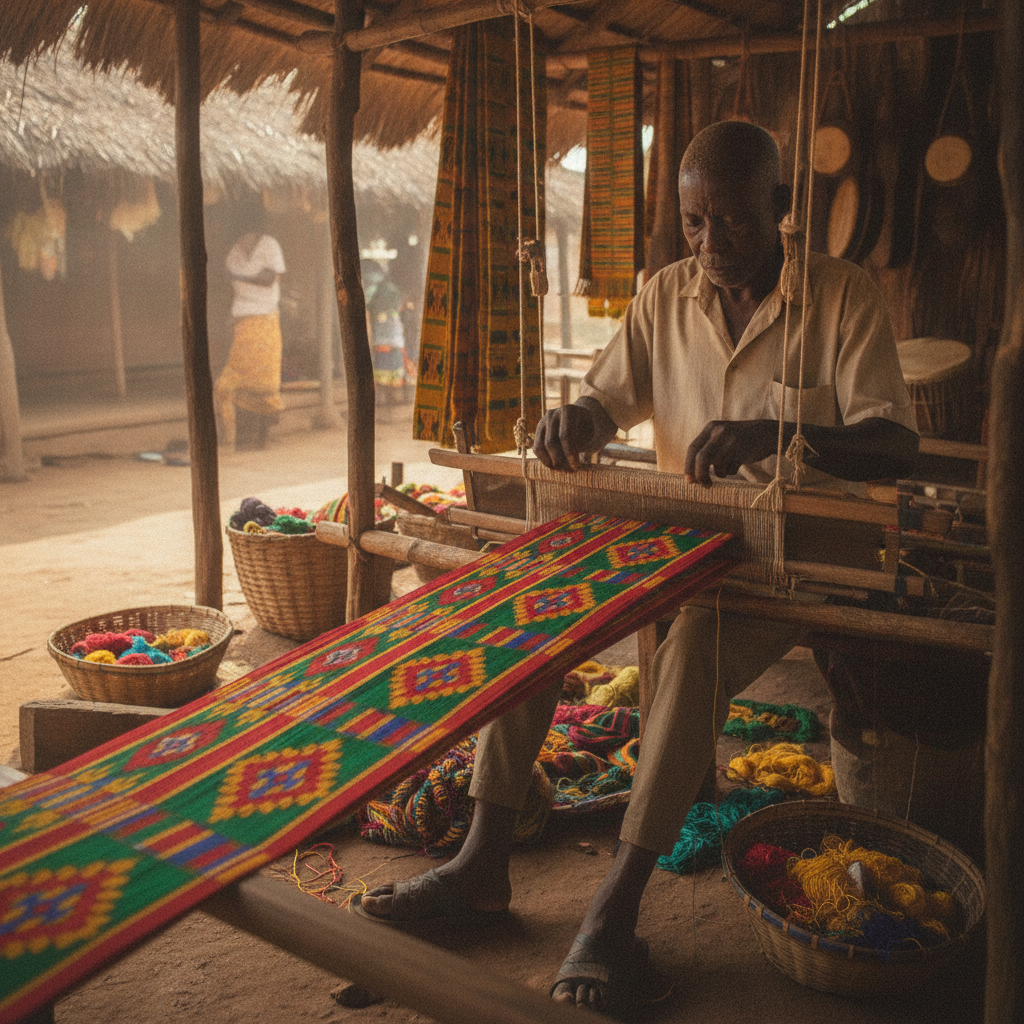
Accra Culture: The Ga People, Ashanti Kingdom, Kente Cloth, Funerals, and Highlife Music
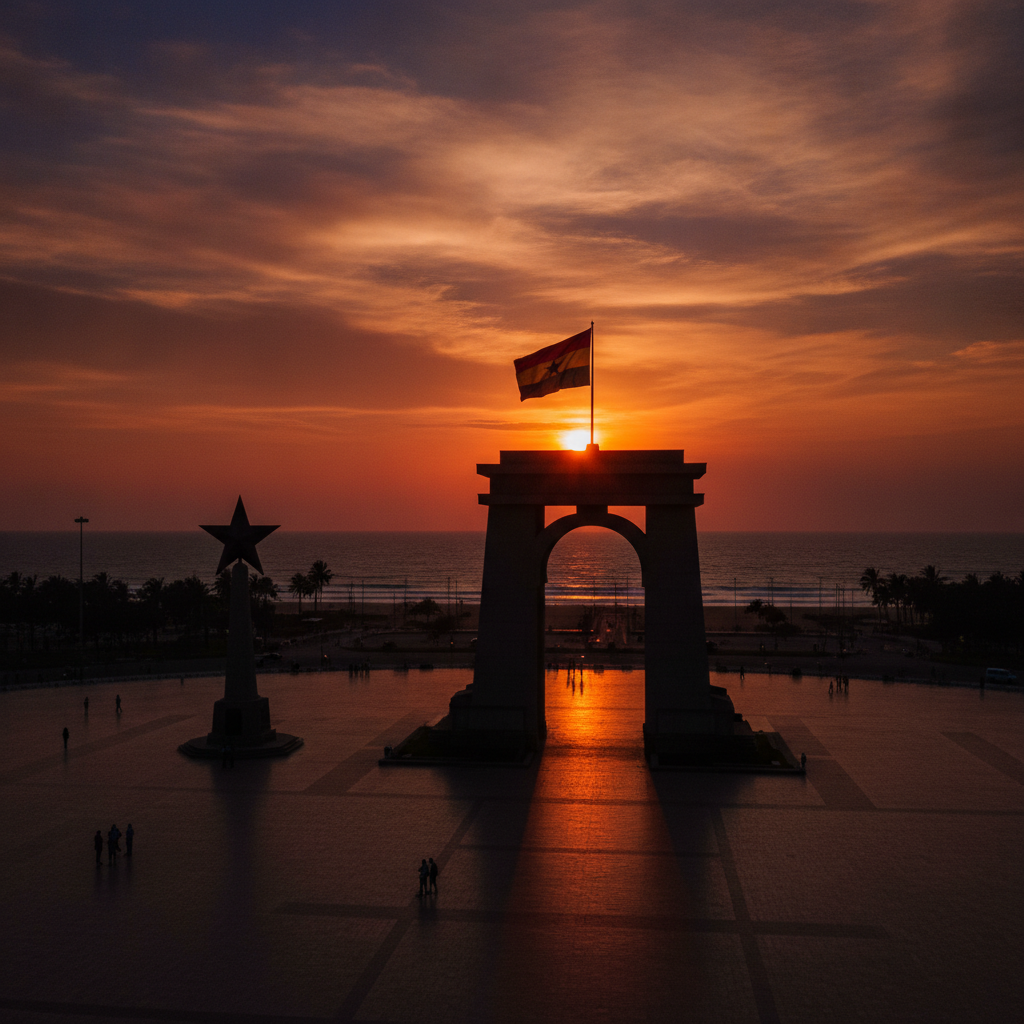
Accra: Black Star of Africa, Nkrumah, Jamestown, Labadi Beach, and the Ghana Guide
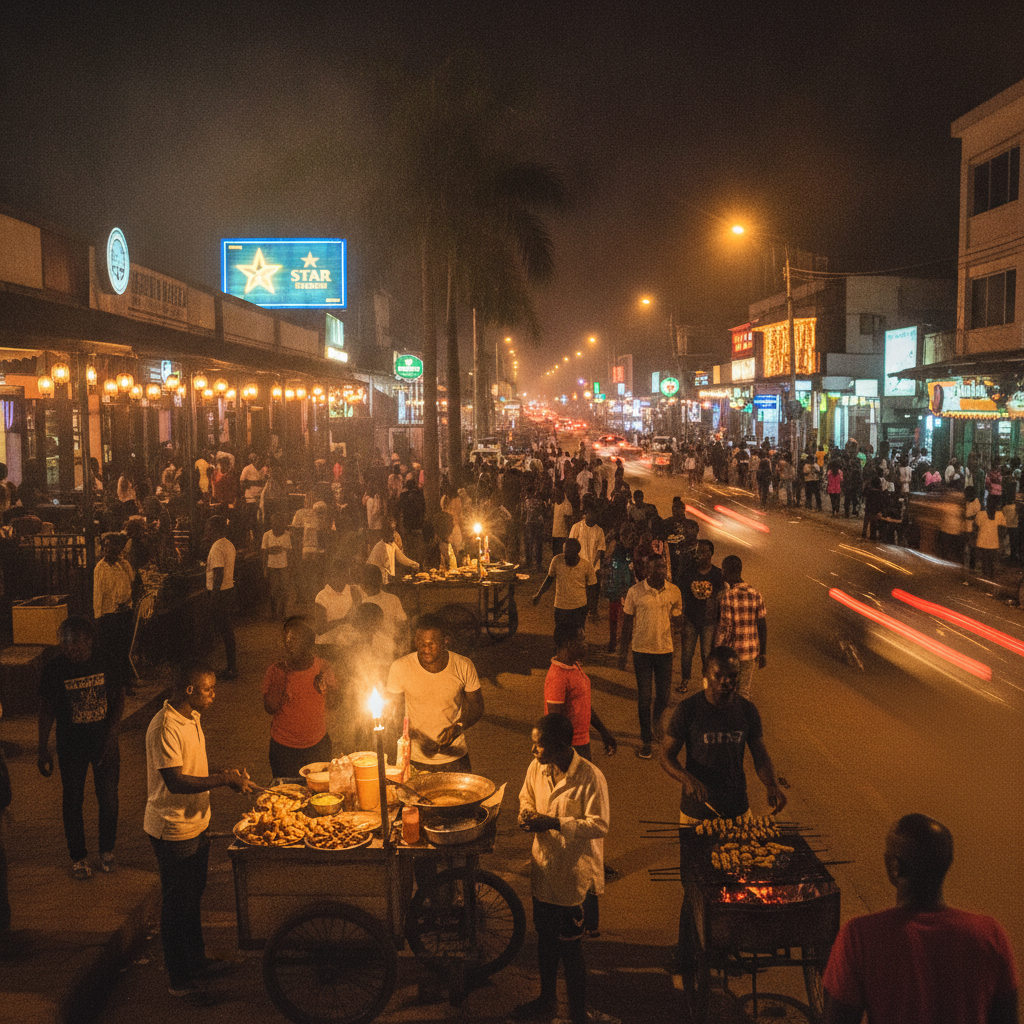
Accra Food and Nightlife: Osu, Chale Wote, Beach Clubs, Shopping, and the Ultimate Ghana Reference
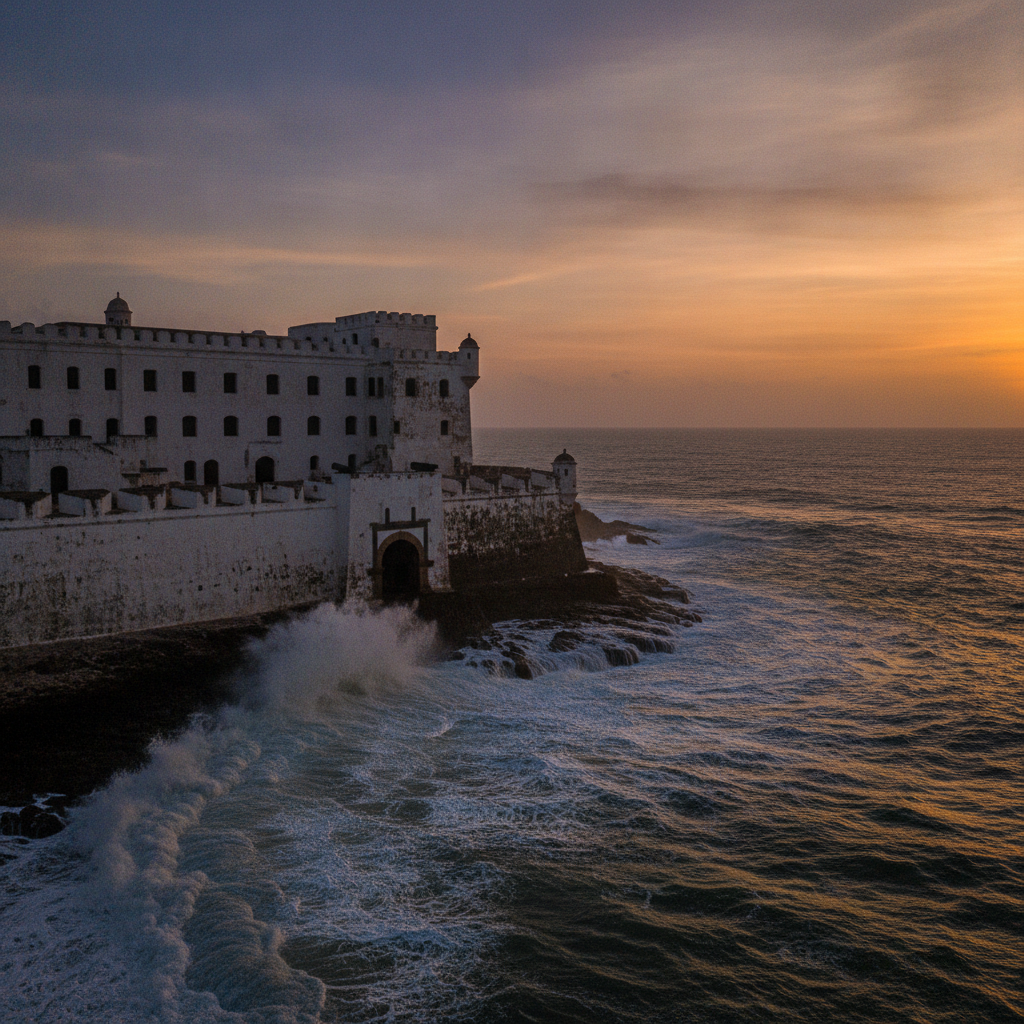
Cape Coast and the Slave Forts: The Door of No Return and the Transatlantic Slave Trade Legacy