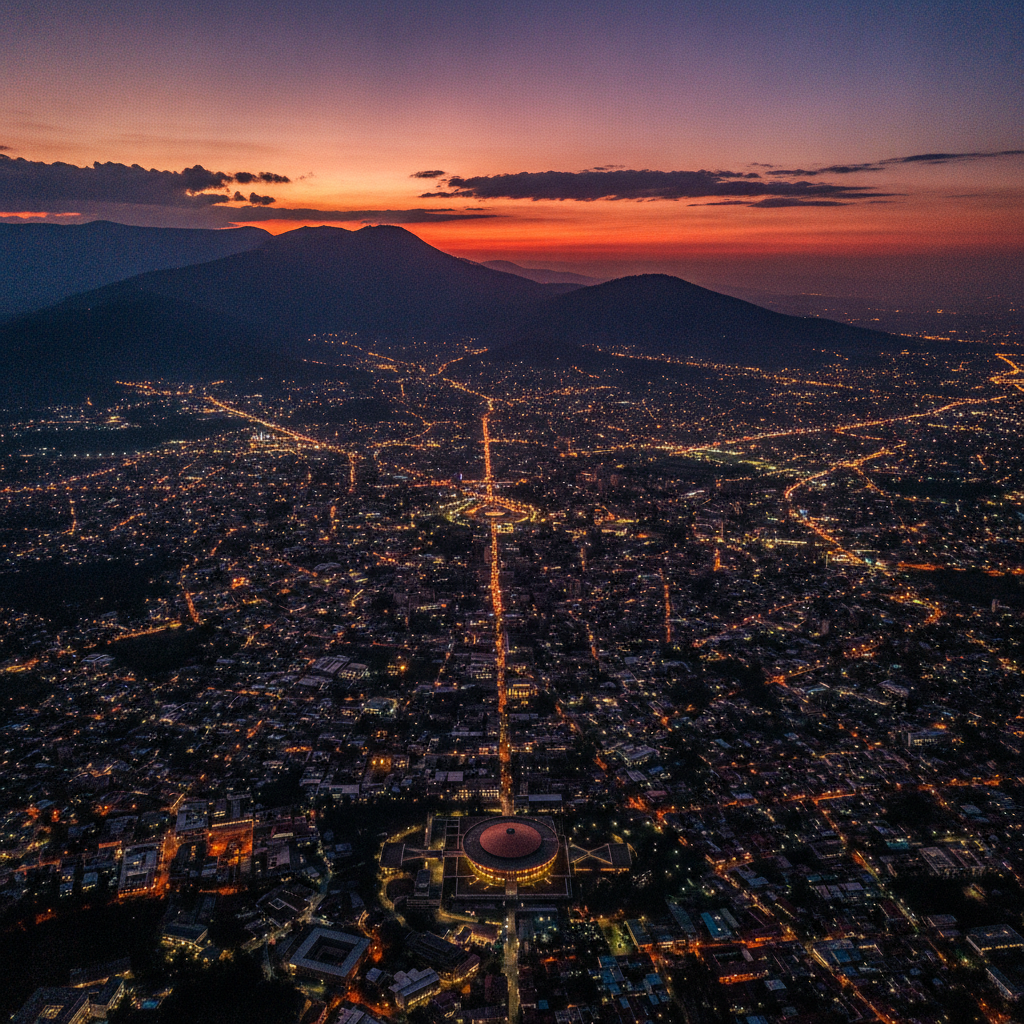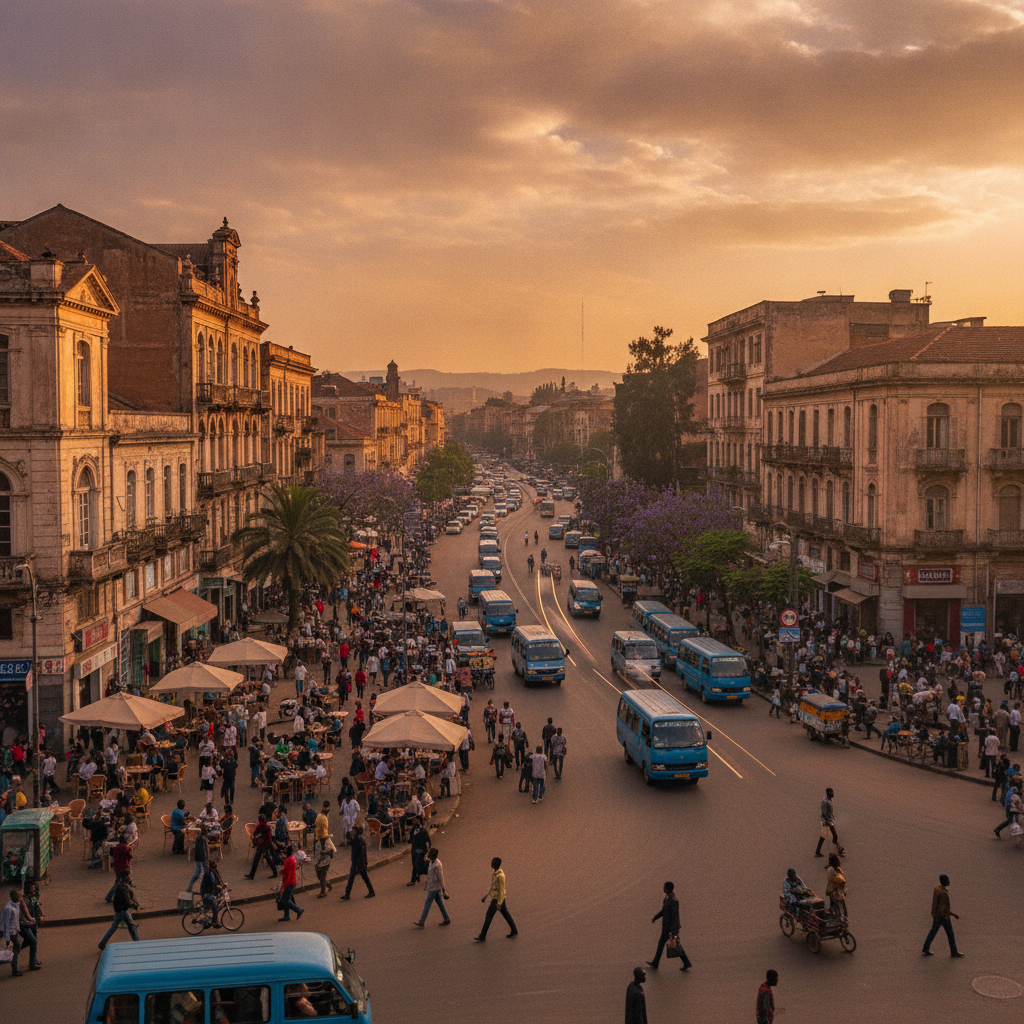
Addis Ababa Music and Culture: Ethio-Jazz, Azmari Music, the Piazza, and the City Nightlife
Addis Ababa cultural life: the Ethio-Jazz movement of the 1960s-1970s and Mulatu Astatke; the azmari traditional Ethiopian music; the St George brewery and Ethiopian beer culture; the Entoto Mountains morning run and the orthodox churches; the Addis Ababa Jazz Festival; and Addis nightlife.
- 1
Ethio-Jazz - The Forgotten African Jazz That the World Rediscovered
Ethio-Jazz: the distinctive Ethiopian jazz fusion that flourished in Addis Ababa in the 1960s and 1970s under Emperor Haile Selassie, was suppressed by the Derg military junta, and was rediscovered by the world through the Ethiopiques record series. The music (Ethio-Jazz: the fusion of Ethiopian traditional music (the pentatonic scales and modal structures of Ethiopian music) with jazz harmonies and rhythms: the primary influences (American jazz (Miles Davis, John Coltrane, and soul music were enormously influential on the Ethiopian musicians of the 1960s): the Ethiopian traditional music (the kirar (the Ethiopian lyre), the krar (the bowl lyre), the masenqo (the single-string bowed instrument), the washint (the bamboo flute)): the fusion (the Addis Ababa musicians blended these influences into a distinctive sound characterized by unusual modal scales (the Ethiopian pentatonic modes: the tizita, the bati, the ambassel, and the anchihoye), complex polyrhythmic grooves, and jazz improvisation)). Mulatu Astatke (born 1943 in Jimma, Ethiopia: the father of Ethio-Jazz: educated in London and Boston (the Berklee College of Music): Mulatu returned to Ethiopia in 1965 and began recording the distinctive Ethio-Jazz style: his primary albums (Afro-Latin Soul Vol. 1 and 2 (1966), Mulatu of Ethiopia (1972)): the Derg suppression (the Derg military junta severely restricted Ethiopian music and nightlife from 1974 onward: the music was suppressed and many of the musicians emigrated to the United States and Europe): the rediscovery (the Ethiopiques series (the French record label Buda Musique began releasing compilations of Ethiopian music from the 1960s-1970s under the Ethiopiques series (24 volumes released from 1997 to 2011)): the Jim Jarmusch film (the film Broken Flowers (2005) used Mulatu Astatke music on the soundtrack: introducing Ethio-Jazz to a global film audience)). The contemporary scene (Mulatu Astatke continues to perform and record (in his 80s): the Addis Ababa jazz scene has revived (the Jazzamba Lounge (the primary jazz venue of modern Addis Ababa)).
- 2
The Azmari - The Traditional Ethiopian Musician-Poet
The azmari (the Ethiopian traditional musician): the itinerant musician-poet of the Ethiopian highlands who performs satirical and social commentary songs in the azmaris bet (the azmari house). The azmari tradition (the azmari (plural: azmarioch): the traditional Ethiopian musician-poet: a figure combining the roles of musician, improviser, satirist, and social commentator: the azmari is hired to perform at weddings, feast days, and celebrations: the performance (the azmari performs with the masenqo (the single-string bowed instrument with a diamond-shaped resonator): the song texts (the azmari tradition of improvisation (the azmari creates songs on the spot commenting on the guests at a celebration, the events of the day, and satirizing public figures): the double meaning (the azmari is famous for the use of sem-enna-worq (wax and gold): the surface meaning of the song (the wax) conceals a deeper and often more pointed meaning (the gold): a tradition of protected speech that allowed social criticism in a hierarchical society)). The azmaris bet (the azmari house): the informal restaurant-bar where an azmari performs in the evening for the house guests: a traditional Addis Ababa entertainment institution (the azmaris bet typically serves traditional tej (mead) and beer alongside the music: the primary experience for tourists seeking traditional Ethiopian music in Addis Ababa). The female azmari (the female azmari (the female azmari performer): traditionally considered a woman of low social status (the azmari performance profession was associated with lower social class in traditional Ethiopian society): some of the most celebrated azmari performers have been female: the Addis Ababa nightlife (the azmaris bet tradition has merged with the modern Addis nightlife scene (the Yod Abyssinia Cultural Restaurant and Bar: the Wanza Bar in Bole)).
- 3
St George Cathedral and the Orthodox Churches of Addis
The St George Cathedral, the Trinity Cathedral, and the orthodox churches of Addis Ababa: the religious heart of the Ethiopian capital. St George Cathedral (Kidus Giorgis Cathedral): the most historically significant church in Addis Ababa: built by Emperor Menelik II in 1896 after the Ethiopian victory at the Battle of Adwa (the church was built as a thanksgiving for the victory): the church was subsequently used for major state ceremonies: the coronation of Emperor Haile Selassie took place here in 1930: the church is decorated with paintings illustrating the history of Ethiopia and the victory at Adwa. The Trinity Cathedral (Kidist Selassie Cathedral): the largest Ethiopian Orthodox church in Addis Ababa and the most elaborate: construction began in 1941 after the liberation from Italian occupation and was completed in the 1940s-1950s: the tomb of Emperor Haile Selassie is in the Trinity Cathedral (Haile Selassie was initially buried at the Jubilee Palace after his death in 1975 but his remains were reburied with state honors at Trinity Cathedral in 2000): the interior (the largest stained glass windows in Ethiopia: a large mosaic of Haile Selassie in the sanctuary). The Entoto Maryam Church (the church on the Entoto Mountain above Addis Ababa at approximately 3,200 meters altitude: the church was built by Emperor Menelik II in 1882 (the earliest church in the Addis Ababa area): the site where Menelik was crowned: the monastery (Ethiopian Orthodox monastery with priests and monks resident on the mountain): the Entoto mountain road (the road through the eucalyptus forest to the Entoto churches: lined with women carrying enormous bundles of eucalyptus firewood on their backs: one of the most iconic sights of Addis Ababa).
- 4
The Bole Area and Modern Addis - Cafes, Shopping, and Expat Life
The Bole area of Addis Ababa: the primary commercial and entertainment district for the expatriate community, NGO workers, and the Addis middle class; the coffee shop culture; and the fast-changing face of modern Addis. The Bole area (Bole: the primary commercial district of modern Addis Ababa: located near the Bole International Airport: the neighborhood is characterized by modern commercial buildings, international restaurants, high-end hotels, supermarkets, and shopping malls): the coffee culture (the Addis Ababa specialty coffee scene: Addis Ababa has a rapidly growing specialty coffee culture: the Tom Coffee: the Tomoca coffee house (the oldest coffee shop in Addis Ababa (founded in 1953 by an Italian-Ethiopian): the primary espresso bar of the Piazza neighborhood: serves the Addis macchiato (the small, strong, slightly sweetened espresso with a touch of milk that is the standard Addis coffee drink)): the Kaldi Cafe chain (the Ethiopian equivalent of Starbucks: founded 2002 in Addis Ababa: serves Ethiopian specialty coffee in a cafe setting)). The Bole restaurants (the international food scene of Bole: the Indian restaurants (Addis Ababa has excellent Indian restaurants catering to the large Indian community and the diplomatic corps): the Chinese restaurants (the growing Chinese community in Addis associated with Chinese infrastructure projects): the Italian restaurants (the Italian culinary legacy in Ethiopia: pizza and pasta are genuinely popular in Ethiopia due to the Italian occupation period (1936-1941)): the Lebanese restaurants). The shopping (the Merkato (see Route 6 for full description): the Bole Medhanialem area (the upscale shopping area near the Trinity Cathedral)). The expat community (the Addis Ababa international community: one of the largest concentrations of international organizations on the continent (AU, UNECA, numerous development organizations, bilateral embassies): the American international school, the French Lycee, the British International School: the expat community has driven the development of the Bole area commercial infrastructure).
- 5
Addis Ababa Photography Guide - Markets, Churches, and the Morning Run
The Addis Ababa photography guide: the Merkato market, the orthodox churches on Sundays, the Entoto morning run, the azmari performance, and tips for photographing one of the most photogenic capital cities in Africa. The Merkato (the Merkato photography (the largest market in Africa): the spice section (the colorful mountains of turmeric, chili, berbere spice blend, and cardamom): the incense section (the frankincense and myrrh of the Ethiopian church tradition (Ethiopia is a major producer of frankincense (the resin of Boswellia trees from the dry lowland forests of the Tigray and Amhara regions)): the coffee section (the green coffee bean sellers and the traditional roasted coffee stalls): the time (the morning (9-11am) is the best photography time in the Merkato before the midday crowds become overwhelming)). The orthodox churches on Sunday (the Sunday morning church service: white-robed worshippers gather at the major Addis Ababa churches from approximately 6am onward for the lengthy Sunday service (the Ethiopian Orthodox service can last 3-5 hours): the photography at the Trinity Cathedral and St George Cathedral: the Timkat period (the 10 days around Ethiopian Epiphany (January 19) is the finest period for church photography in Addis)). The Entoto morning run (the Entoto Mountains morning (the road through the eucalyptus forest to the Entoto churches is used by Ethiopian elite runners for morning training: watching the Ethiopian athletes training on the mountain road is a unique experience: the altitude (3,000m) is palpable)). Equipment (the Addis Ababa altitude (2,355m) means the air is thinner and the UV radiation is more intense than at sea level: UV filter recommended: the bright highland light is challenging at midday (use the morning (6-10am) for photography).
- 6
Addis Ababa Final Legacy and Complete Ethiopia Reference
Addis Ababa final legacy and the complete Ethiopia visitor reference across all six routes. The six routes (Route 1: Addis as Never Colonized capital, Lucy and the National Museum, Ethiopian cuisine, Lalibela rock churches, Simien Mountains, practical reference: Route 2: Haile Selassie and Rastafari, the Kingdom of Axum, Ethiopian Orthodox Christianity, Gondar castles, the Danakil Depression, final legacy: Route 3: Omo Valley tribes, the Derg regime, Bale Mountains and Ethiopian wolf, Addis vs Nairobi, teff grain, Pan-African legacy: Route 4: Ethio-Jazz and Mulatu Astatke, azmari music, St George Cathedral, Bole area, photography guide: Route 5 and 6 (this route)). The Ethiopia at a glance (country: the Federal Democratic Republic of Ethiopia: population approximately 124 million (2024): the second most populous country in Africa after Nigeria: area: 1,104,300 square km: languages: Amharic (the working language of government), Oromifa, Tigrinya, and approximately 80 other languages: religion: approximately 44% Ethiopian Orthodox Christian, 34% Muslim, 19% Protestant Christian, 3% other: currency: Ethiopian Birr (ETB): USD 1 approximately ETB 56 (2024)). The Ethiopia visitor reality (Ethiopia is one of the most rewarding but most demanding travel destinations in Africa: the distances are significant (the Northern Historic Circuit covers approximately 1,500-2,000 km of travel): the infrastructure challenges (road quality outside the major routes is variable: the flights between historic sites (Addis-Lalibela-Gondar-Axum) are the most comfortable way to travel the northern circuit but require careful booking): the altitude (much of highland Ethiopia is at 2,000-3,000m: altitude adjustment is required for some visitors): the reward (the combination of ancient civilization, extraordinary landscapes, unique cuisine, and genuinely wild nature makes Ethiopia one of the most distinctive travel destinations in the world: no other country in Africa offers this combination in this density).
Walk this route with audio
Stories play automatically as you reach each stop — no tapping needed.
More in addis-ababa
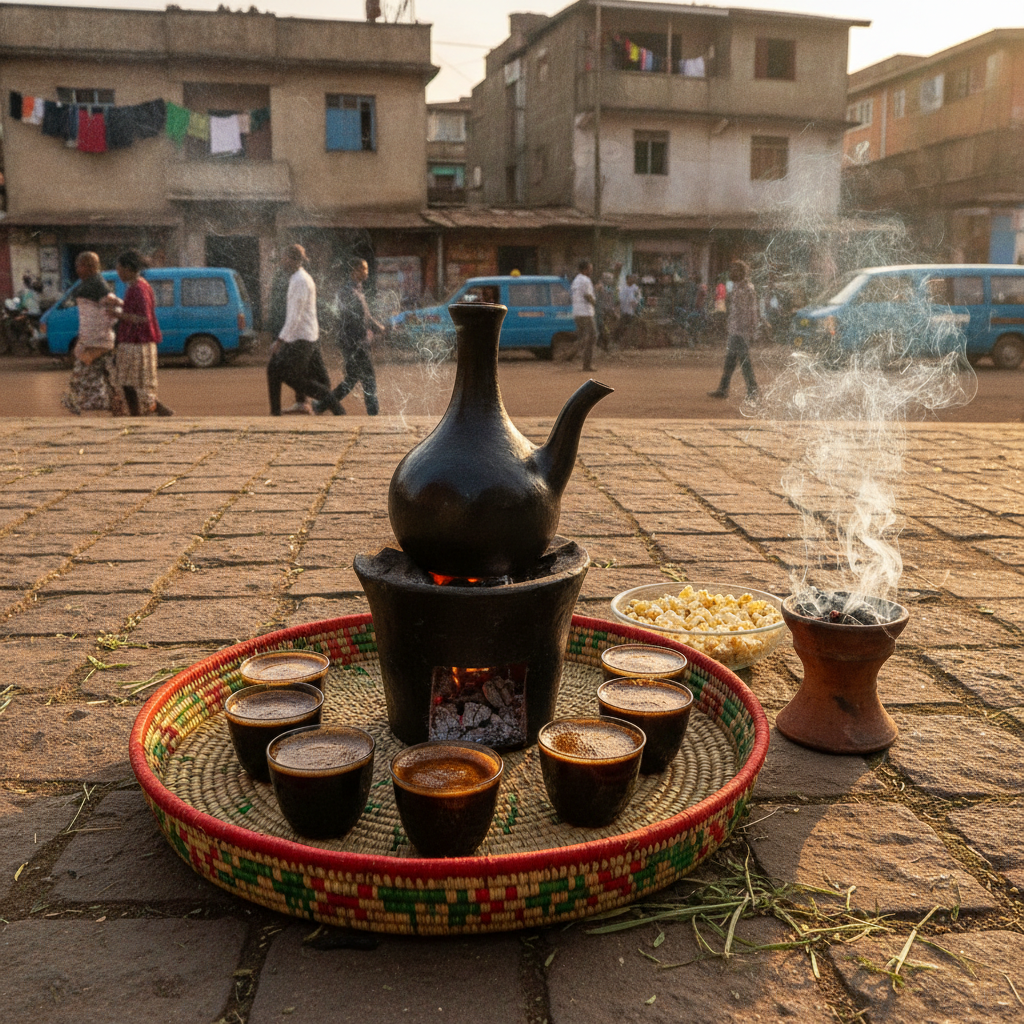
Addis Ababa vs Africa Cities: Coffee Culture, Ethiopian Food, and the Visitor Practical Guide
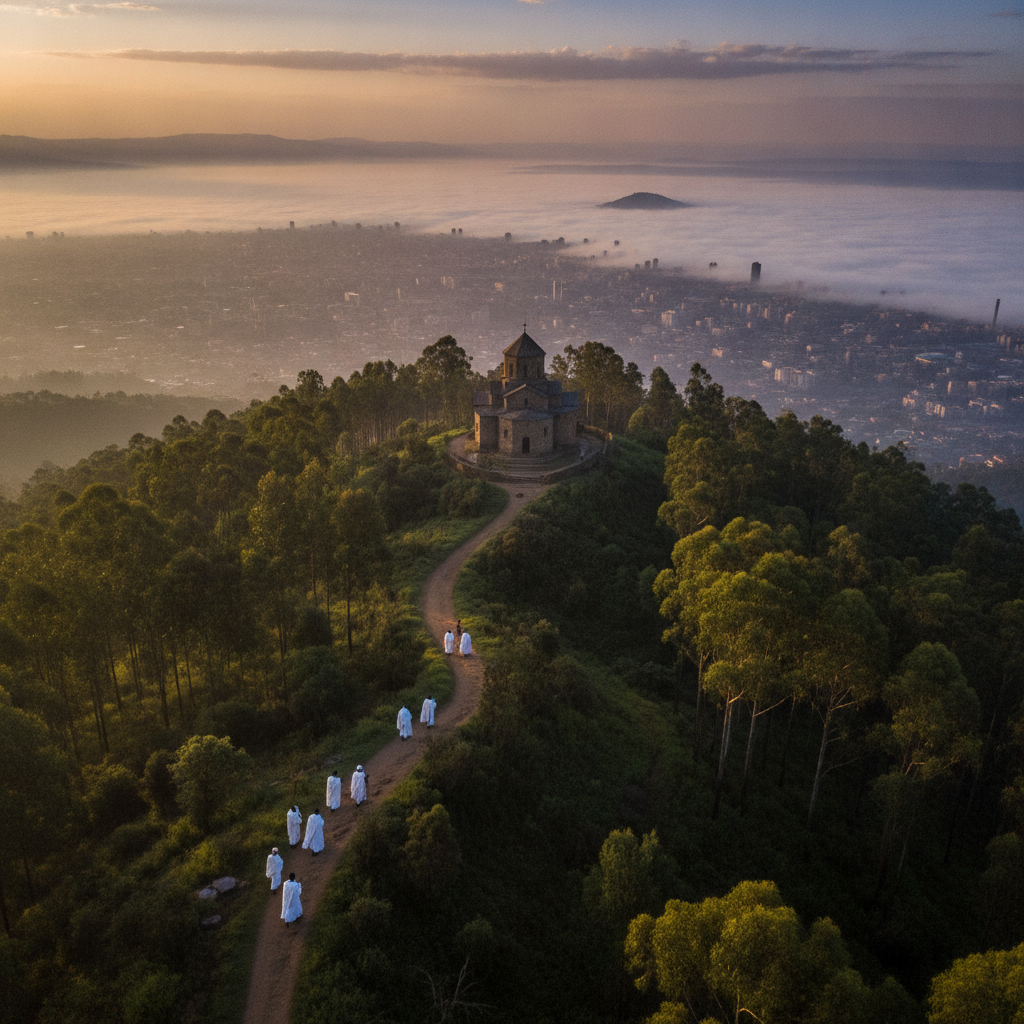
Addis Ababa: Never Colonized, Lucy the Fossil, Ethiopian Cuisine, Lalibela Rock Churches, Simien Mountains, and Complete Ethiopia Guide
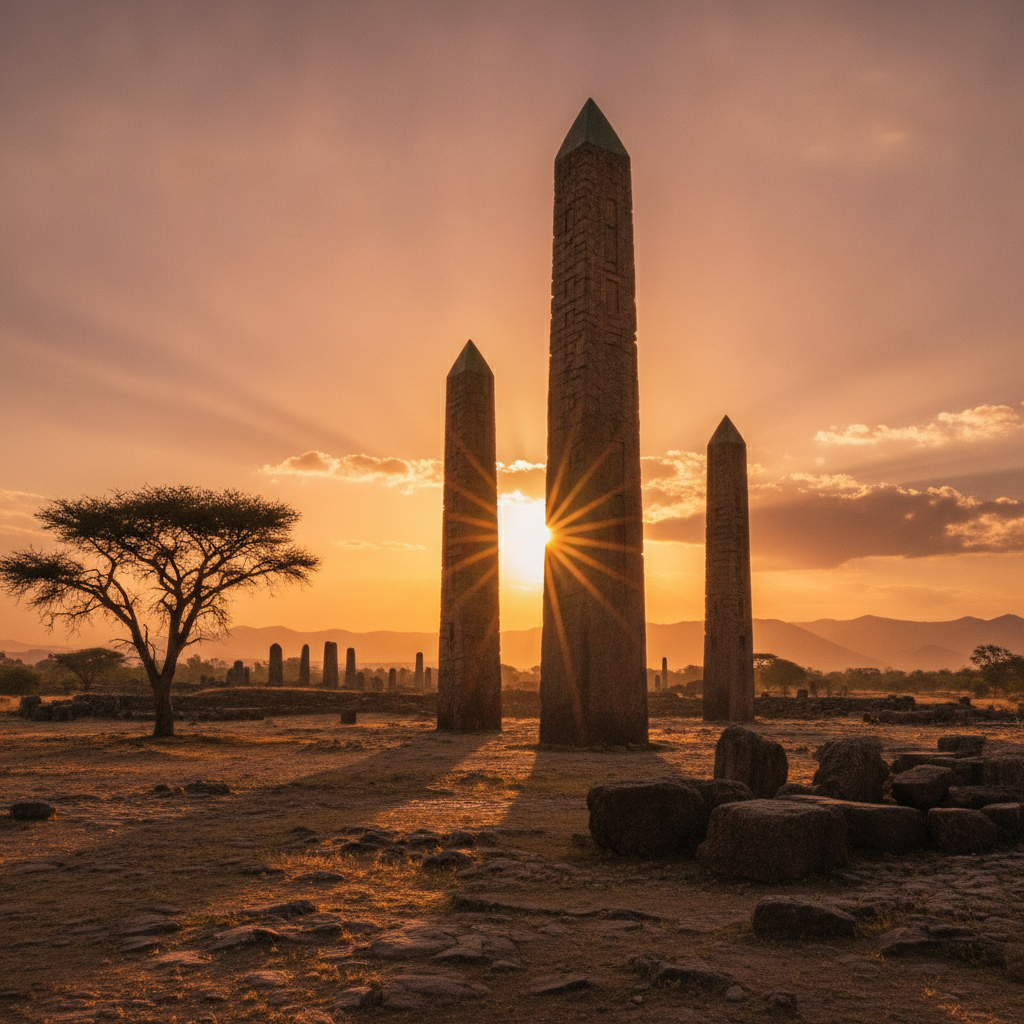
Addis Ababa History: Haile Selassie, Rastafari, and the Ancient Kingdom of Axum
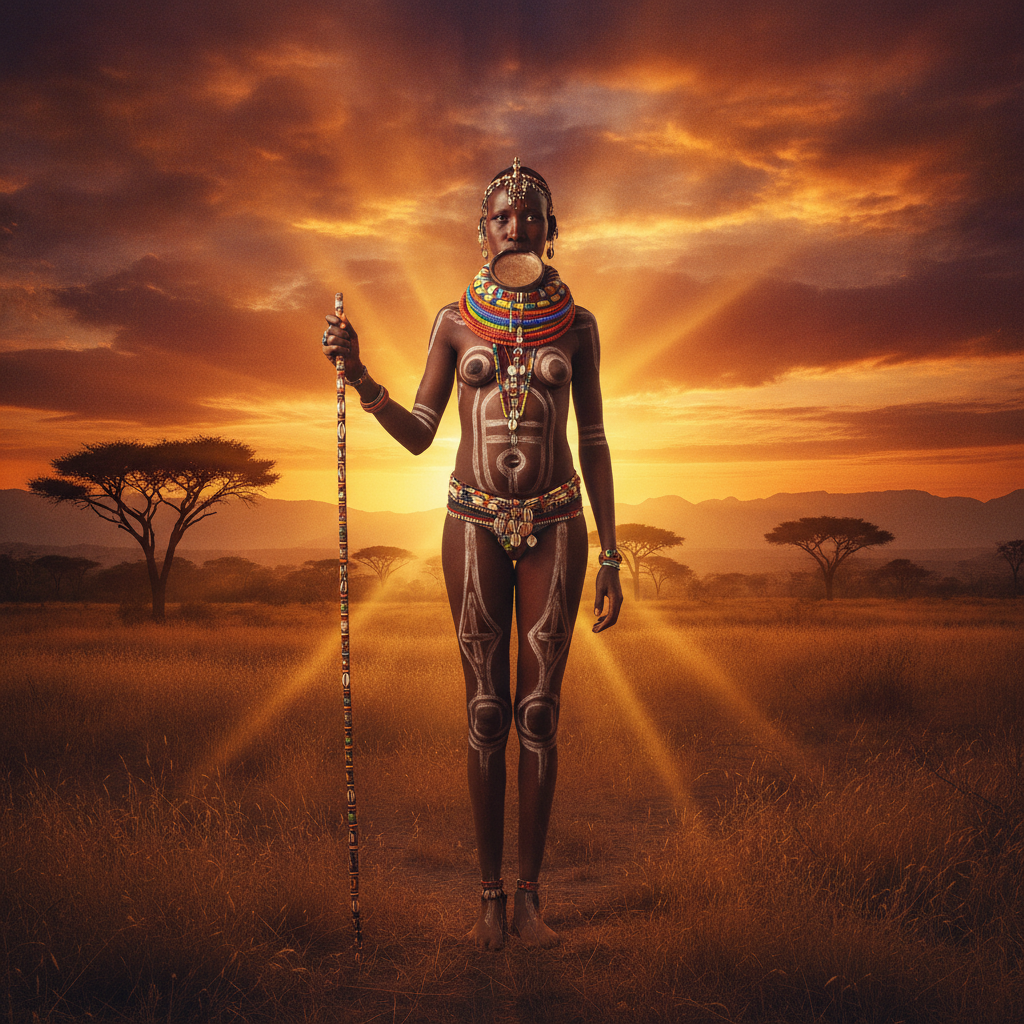
Addis Ababa Extended: Omo Valley Tribes, the Derg Regime, Bale Mountains, Addis vs Nairobi, and Final Legacy