Aktau Mangystau Underground Mosques Sacred Sites
Explore the underground mosques and sacred necropolises of the Mangystau region near Aktau — the remarkable rock-cut religious structures carved into the soft chalk by Sufi communities in the medieval period, the pilgrimage sites combining pre-Islamic nomadic sacred places with Islamic religious architecture in a landscape of extraordinary spiritual intensity.
- 1
Shopan-Ata Underground Mosque
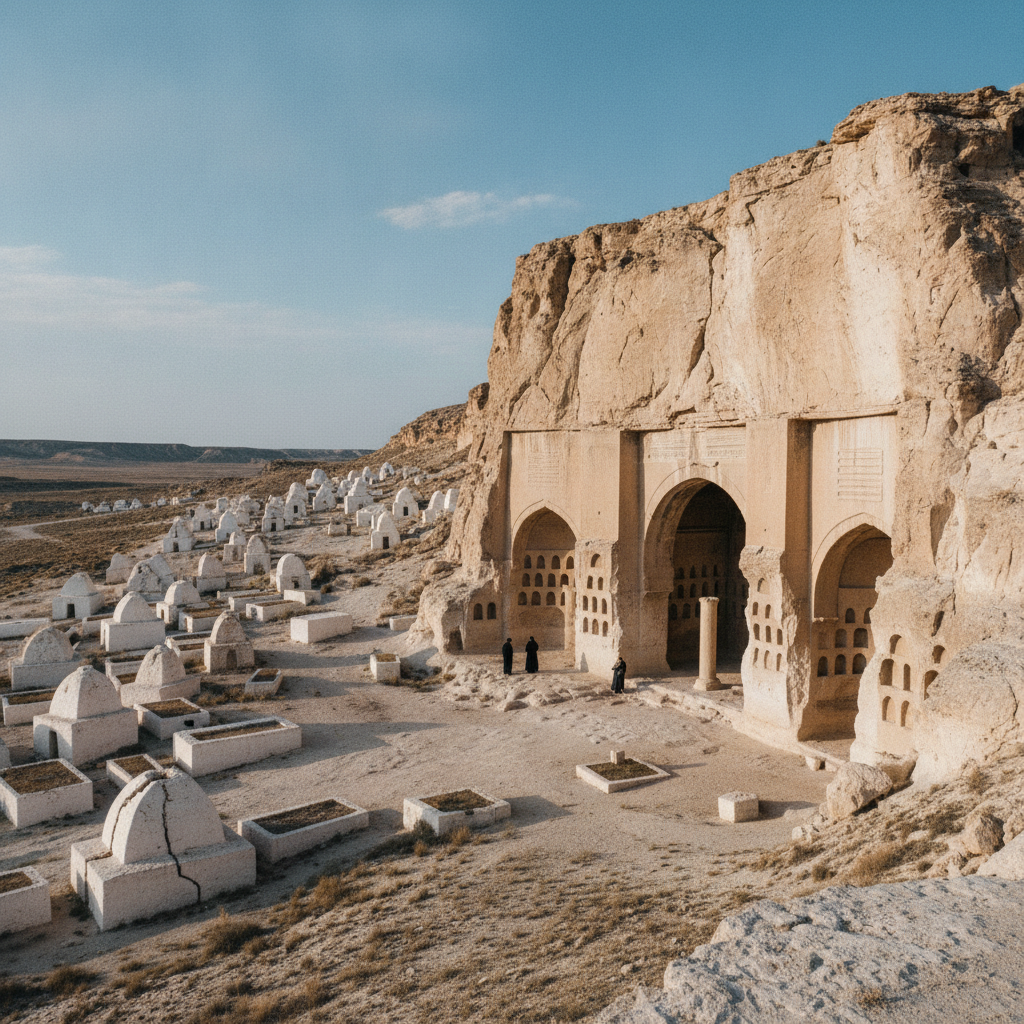
The Shopan-Ata underground mosque — the complex of rock-cut chambers carved into a chalk cliff face, the prayer halls with their carved columns and the niches for lamps, the attached necropolis of distinctive Kazakh tombstones (koytas and sandyktasas) marking the graves of the Sufi saint and his followers, the site a major pilgrimage destination for Kazakhs from across the country.
- 2
Beket-Ata Sacred Complex
The Beket-Ata sacred complex — the most important pilgrimage site in western Kazakhstan, the underground mosque carved by the 18th-century Sufi saint Beket-Ata in the Oglandy canyon, the pilgrimage requiring a multi-hour drive from Aktau across the desert plateau followed by a walk down the canyon, the site visited by thousands of pilgrims annually seeking the saint's intercession.
- 3
Sultan-Epe Necropolis
The Sultan-Epe necropolis and sacred site — the ancient cemetery and pilgrim shrine in a remote canyon of the Mangyshlak plateau, the elaborate carved tombstones of the 12th-14th century period representing the distinctive funerary art of the western Kazakh steppes, the site where the portal tomb architecture and the zoomorphic stone sculptures document the synthesis of nomadic and Islamic funerary traditions.
- 4
Kazakh Tombstone Sculpture
The Kazakh tombstone sculpture tradition visible at the Mangystau necropolises — the koytas (ram-shaped stones), sandyktasas (chest-shaped stones), and the elaborate carved stelae of the medieval and early modern periods, the funerary sculpture tradition unique to western Kazakhstan and showing a sophisticated stone-carving craft in a region otherwise known for its nomadic material culture.
- 5
Karaman-Ata Pilgrimage Route
The Karaman-Ata pilgrimage route — the sacred site in the Mangyshlak plateau associated with another of the region's Sufi saints, the pilgrimage network connecting multiple sacred sites across the desert plateau into a spiritual geography that continues to function for the Kazakh Muslim community, the route traveled in the tradition of the nomadic pilgrimage on horseback or camel now done by jeep.
- 6
Desert Spiritual Landscape
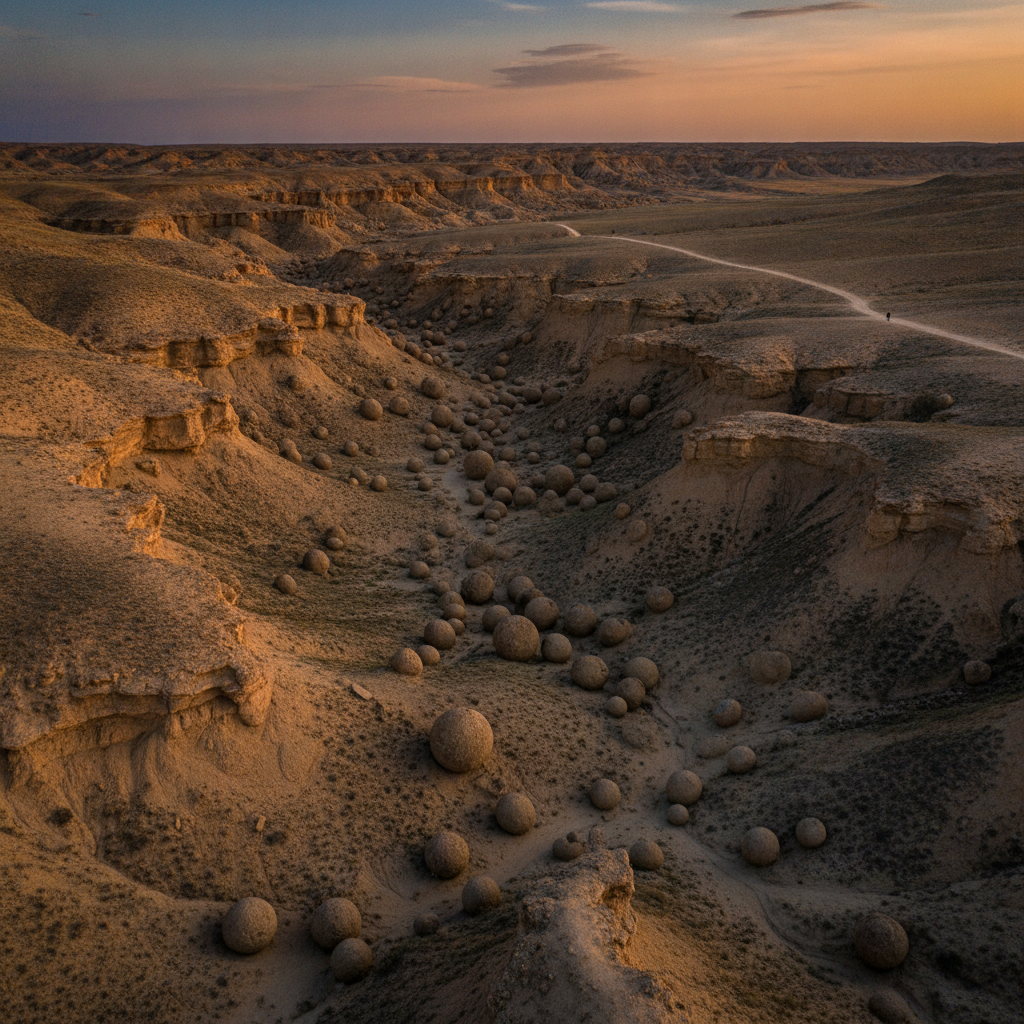
The spiritual landscape of the Mangystau desert — the region where the extreme environment has produced an intense spiritual culture rooted in both pre-Islamic Kazakh shamanism and the Sufi Islam that spread through the region in the medieval period, the underground mosques and necropolises integrated into the natural landscape of chalk cliffs and canyons in a way that feels at once ancient and timeless.
Walk this route with audio
Stories play automatically as you reach each stop — no tapping needed.
More in aktau
Aktau Caspian Sea Ferry Cruise International Route
Aktau Western Kazakhstan Kazakh Cultural Identity
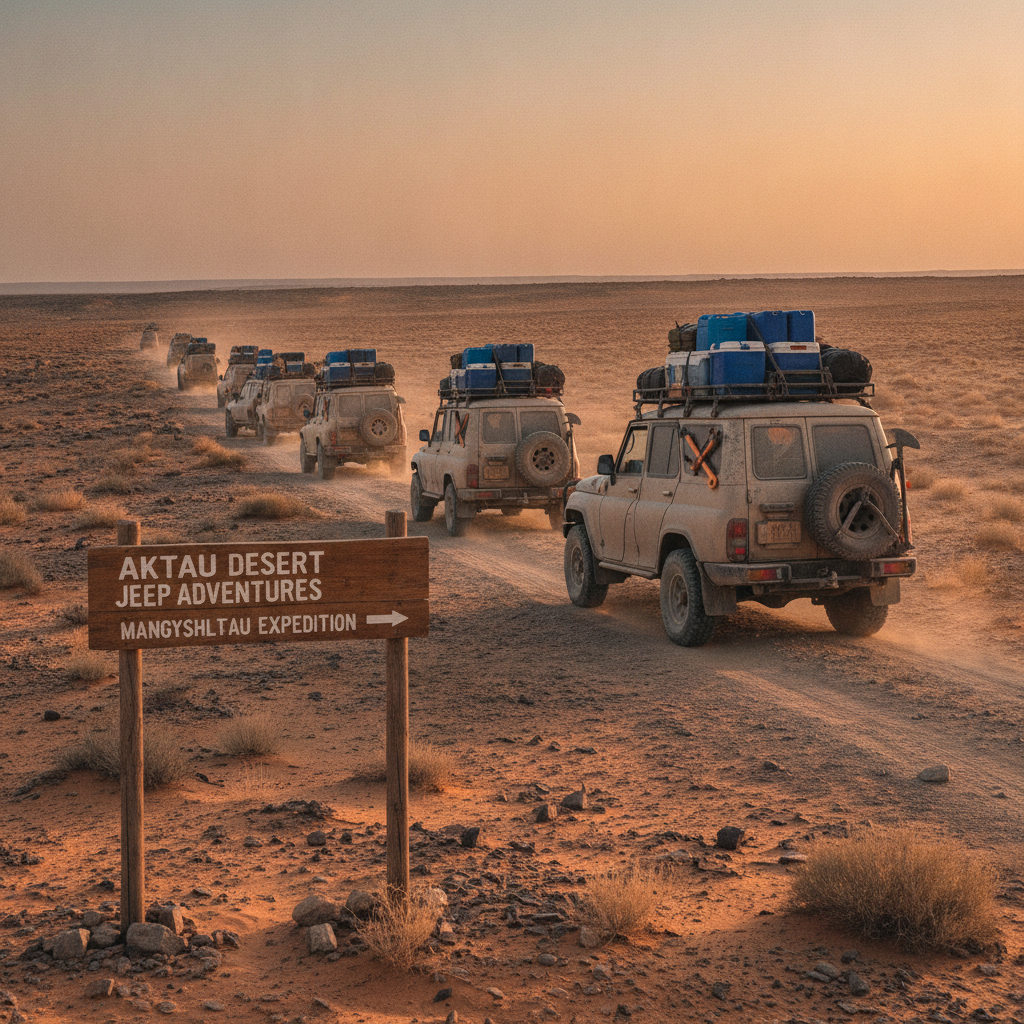
Aktau Desert Jeep Adventures Mangyshlak Plateau
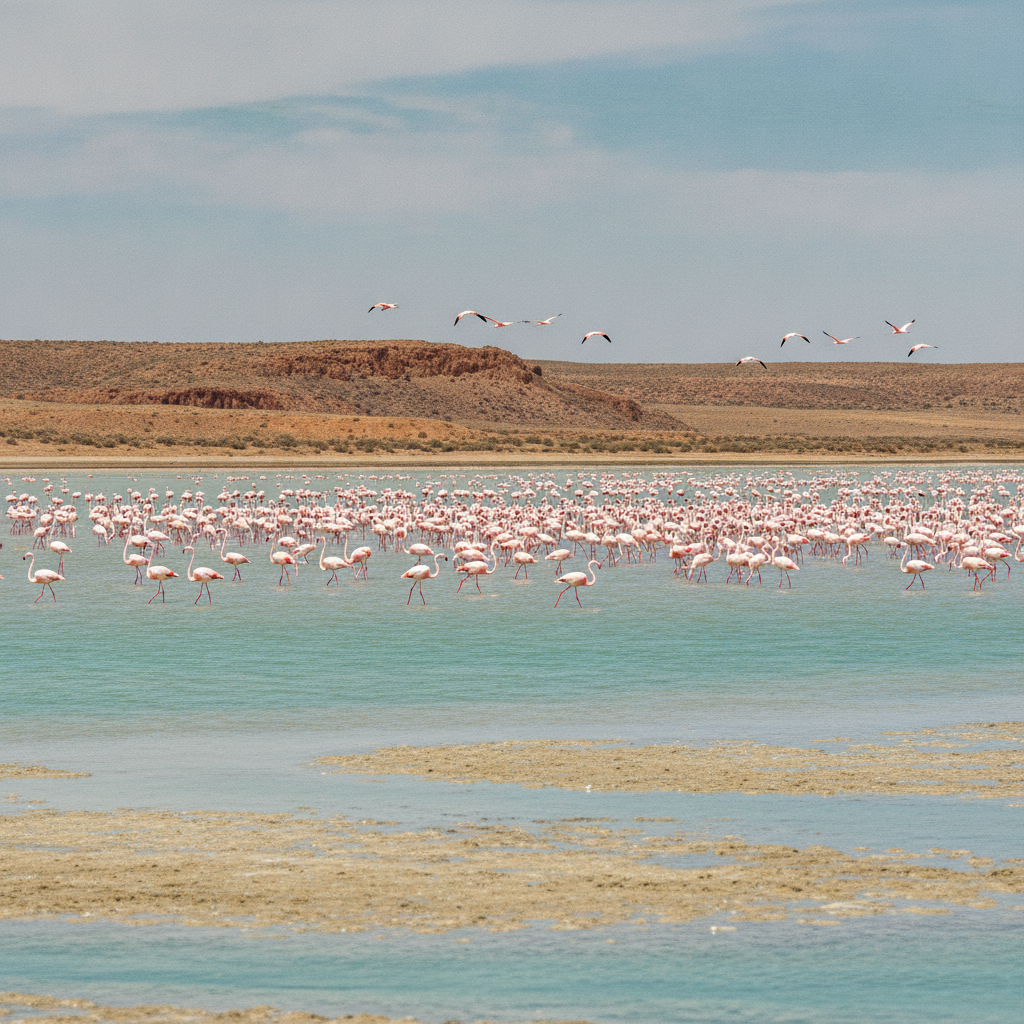
Aktau Caspian Sea Ecology Flamingos Wildlife
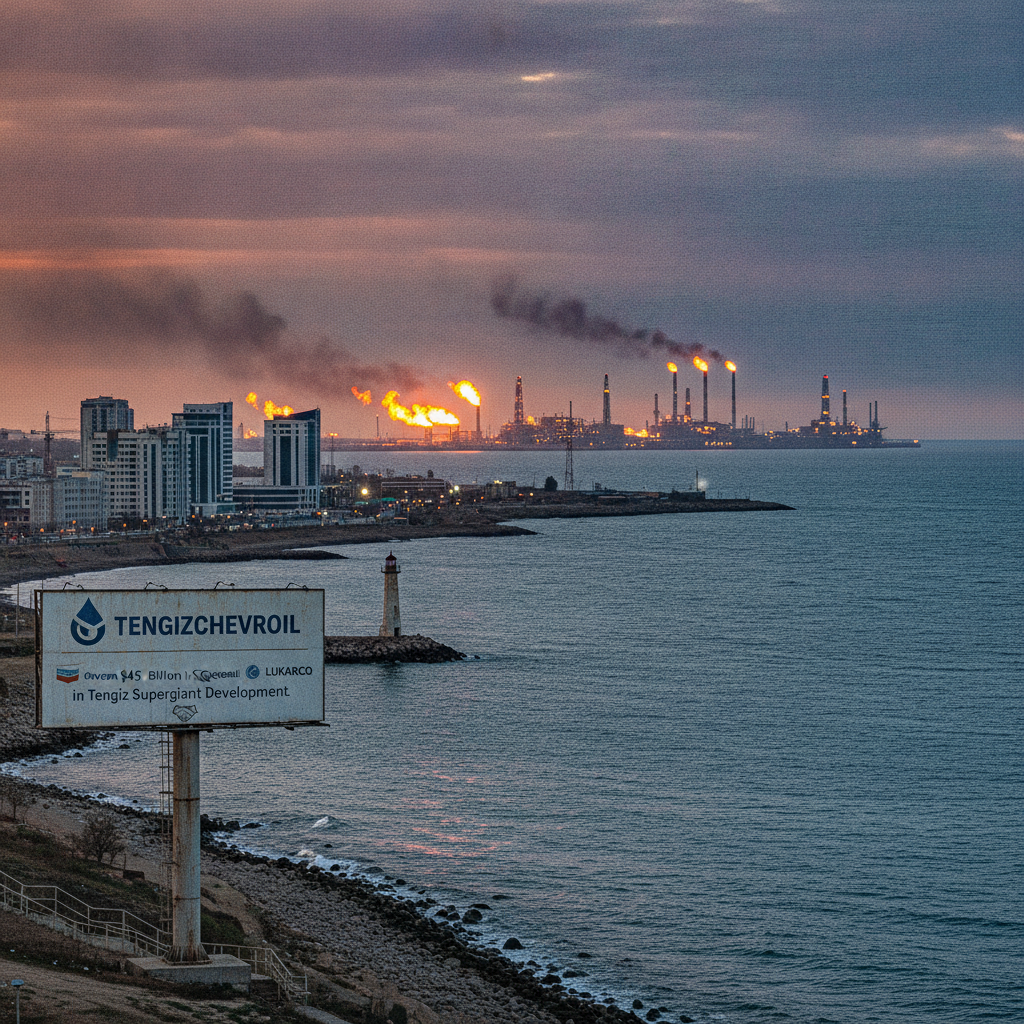
Aktau Kazakhstan Oil Industry Tengiz Kashagan