Alexandria: The Great Library, Pharos Lighthouse, Cleopatra, and the Bibliotheca Alexandrina
Alexandria as the intellectual capital of the ancient world: the Great Library of Alexandria and its gradual destruction; Alexander the Great founding the city in 331 BCE; the Pharos Lighthouse (one of the Seven Wonders); Cleopatra, Julius Caesar, and Mark Antony in Alexandria; and the modern Bibliotheca Alexandrina as the reincarnation of the ancient library on its original site.
- 1
The Great Library of Alexandria - The World's First Universal Library and Its Burning
The Great Library of Alexandria (the Bibliotheca Alexandrina in antiquity): founded approximately 295-285 BCE by Ptolemy I Soter and Ptolemy II Philadelphus as the primary research institution of the Hellenistic world and the first attempt to collect the entirety of human knowledge in one place. The library (the library was associated with the Mouseion (the Museum - the ancient research institution named after the Muses): the collection (at its peak the library held approximately 400,000-700,000 papyrus scrolls (estimates vary widely): the acquisition policy was aggressive: all ships docking at Alexandria were required to declare any books on board: copies were made and the originals retained): the scholars (the library attracted the greatest scholars of the Hellenistic world: Eratosthenes (the geographer who calculated the circumference of the Earth): Euclid (the founder of Euclidean geometry (Elements c.300 BCE): the defining mathematics textbook for 2,000 years): Archimedes (who studied in Alexandria): Aristarchus of Samos (who proposed the heliocentric model of the solar system approximately 270 BCE: 1,800 years before Copernicus)). The burning (the question of who burned the Library of Alexandria: the traditional narrative (a single catastrophic burning) is rejected by modern historians: the library declined gradually through multiple incidents: Julius Caesar accidentally burned part of the Alexandrian fleet in 48 BCE and fire spread to waterfront buildings: the Roman Emperor Aurelian destroyed the Broucheion royal quarter (library location) in 273 CE: Theophilus destroyed the Serapeum (a secondary library) in 391 CE: the Arab conquest (641 CE) did not destroy the library (which was already long gone by then).
- 2
Alexander the Great and the Foundation of Alexandria - 331 BCE
Alexandria was founded by Alexander the Great on April 7, 331 BCE on the site of the small Egyptian fishing village of Rhakotis on the Mediterranean coast west of the Nile Delta: the most successful of the approximately 20 cities Alexander founded during his campaigns. The site selection (Alexander personally chose the site in early 331 BCE after visiting the Oracle of Amun at the Siwa Oasis (where the oracle confirmed his divine parentage as the son of Zeus-Ammon): the site was ideal: a sheltered bay between the Mediterranean Sea and Lake Mareotis: fresh water from the lake: proximity to the Nile Delta for grain supply: the offshore island of Pharos providing a natural harbor breakwater). The design (Alexander commissioned the architect Dinocrates of Rhodes to design the new city on a grid plan: Alexander marked out the city boundaries with grain (no chalk was available): the birds immediately ate the grain which the priests interpreted as a good omen). The Ptolemaic city (Alexander died in 323 BCE having never returned to Alexandria: the city was developed by his general Ptolemy I Soter who made it the capital of the Ptolemaic Kingdom of Egypt: by the 1st century BCE Alexandria was the largest city in the Mediterranean world (population estimated at 500,000-1,000,000): the center of Hellenistic civilization: the royal quarter, the Museum and Library, the Serapeum, the Harbor of Eunostos, and the great Pharos Lighthouse were the defining monuments).
- 3
The Lighthouse of Pharos - The Wonder of the Ancient World
The Lighthouse of Pharos (the Pharos of Alexandria): one of the Seven Wonders of the Ancient World, built approximately 280 BCE under Ptolemy II Philadelphus on the island of Pharos in the harbor of Alexandria. The structure (the Lighthouse of Pharos: height approximately 100-135 meters (the tallest man-made structure in the world for approximately 1,000 years after the Great Pyramid): three stages: a square base level, an octagonal middle level, and a circular top level: at the apex a fire or mirror-reflected light that could reportedly be seen 47 km out to sea (the most important lighthouse in the ancient world for Mediterranean navigation). The builder (the architect Sostratus of Cnidus: the inscription controversy (Sostratus reportedly inscribed his own name on the lighthouse under a plaster coating with the Ptolemy dedication on top, so that when the plaster eroded his own name would be revealed): the lighthouse was listed as one of the Seven Wonders of the Ancient World by Antipater of Sidon (approximately 100 BCE). The decline (the lighthouse was progressively damaged by earthquakes: in 796 CE it was still partially standing: in 956 CE it was damaged: in 1303 and 1323 CE major earthquakes further damaged it: by the 14th century it had collapsed: the Citadel of Qaitbay (built 1477-1479 CE by the Mamluk Sultan Qaitbay) was built on the exact foundation site of the lighthouse using the lighthouse stones). The underwater archaeology (French and Egyptian underwater archaeologists discovered the remains of the Pharos under the harbor waters in 1994-1996: approximately 2,000 blocks including colossal granite sphinxes and statues have been mapped underwater).
- 4
Cleopatra and Caesar - The Last Ptolemaic Queen and the Roman Encounter
Cleopatra VII Philopator (ruled 51-30 BCE): the last active ruler of the Ptolemaic Kingdom, the most famous woman ruler in antiquity, and the last pharaoh of ancient Egypt. Cleopatra in Alexandria (Cleopatra was born in Alexandria approximately 69 BCE: she was the first Ptolemaic ruler to learn the Egyptian language (reportedly speaking 9 languages total): she is depicted in traditional Egyptian pharaonic style in the reliefs at Dendera Temple (the only certain surviving ancient portrait)). Julius Caesar in Alexandria (Caesar arrived in Alexandria in 48 BCE in pursuit of his rival Pompey (who had been murdered on the Egyptian coast upon arrival): the young Cleopatra (about 21 years old) smuggled herself to Caesar (then 52) rolled in a bed linen or carpet: they became lovers: Caesar supported Cleopatra against her brother-king Ptolemy XIII in the Alexandrian War (48-47 BCE): Ptolemy XIII drowned in the Nile during the fighting: Cleopatra and Caesar had a son, Caesarion). Mark Antony (Cleopatra and Mark Antony (the Roman triumvir): their alliance (41-30 BCE): their three children: the creation of a new eastern empire: the Battle of Actium (September 2, 31 BCE): Octavian (Augustus) defeated their combined fleet: Antony committed suicide in Alexandria: Cleopatra was captured by Octavian: she committed suicide on August 12, 30 BCE (the asp story (a poisonous snake used to commit suicide) may be legendary: other sources suggest poison). Egypt became a Roman province: 3,000 years of pharaonic civilization ended).
- 5
The Bibliotheca Alexandrina - The Modern Reincarnation and the Cultural Quarter
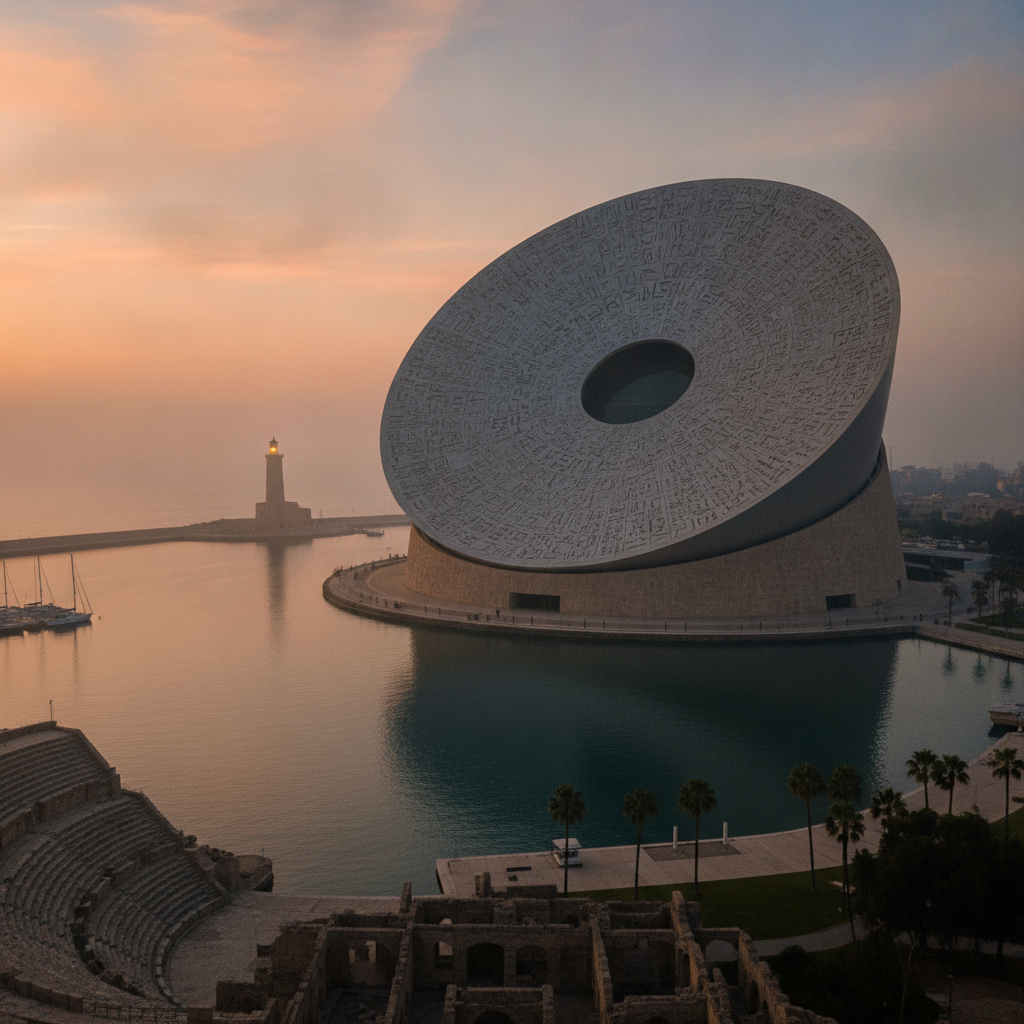
The Bibliotheca Alexandrina (BA): the modern library opened in October 2002 on the ancient library site on the Corniche of Alexandria: the most ambitious library construction project of the late 20th century and a symbol of the revival of Alexandria intellectual heritage. The building (the design by the Norwegian firm Snohetta (selected in an international architectural competition in 1989): a massive circular titanium and grey Aswan granite disc 160 meters in diameter tilted at 16 degrees toward the Mediterranean: the disc is the reading room (roof): the library is built into the hillside so that only the disc is visible from the outside: the roof is covered with 6,000 panels of Aswan grey granite inscribed with characters from every known human writing system). The collections (the Bibliotheca Alexandrina holds approximately 8 million books: the collection is primarily in Arabic, English, and French: the manuscript library (the ancient manuscripts collection): the Rare Books Library: the digital collections). The cultural complex (the Bibliotheca Alexandrina is not just a library: the cultural complex includes the Planetarium (the first in Egypt), four museums (the Manuscripts Museum, the Antiquities Museum, the History of Science Museum, and the Sadat Museum), three art galleries, the Conference Center, and the International School of Information Science). The symbolism (the Bibliotheca Alexandrina is built on the exact (or near-exact) site of the ancient Great Library: the circular disc tilted toward the sun echoes the ancient solar symbolism of Alexandria: the library is both a homage to the ancient institution and a statement of Egypt contemporary cultural ambitions).
- 6
Practical Alexandria - Getting There, the Corniche, and the Mediterranean City
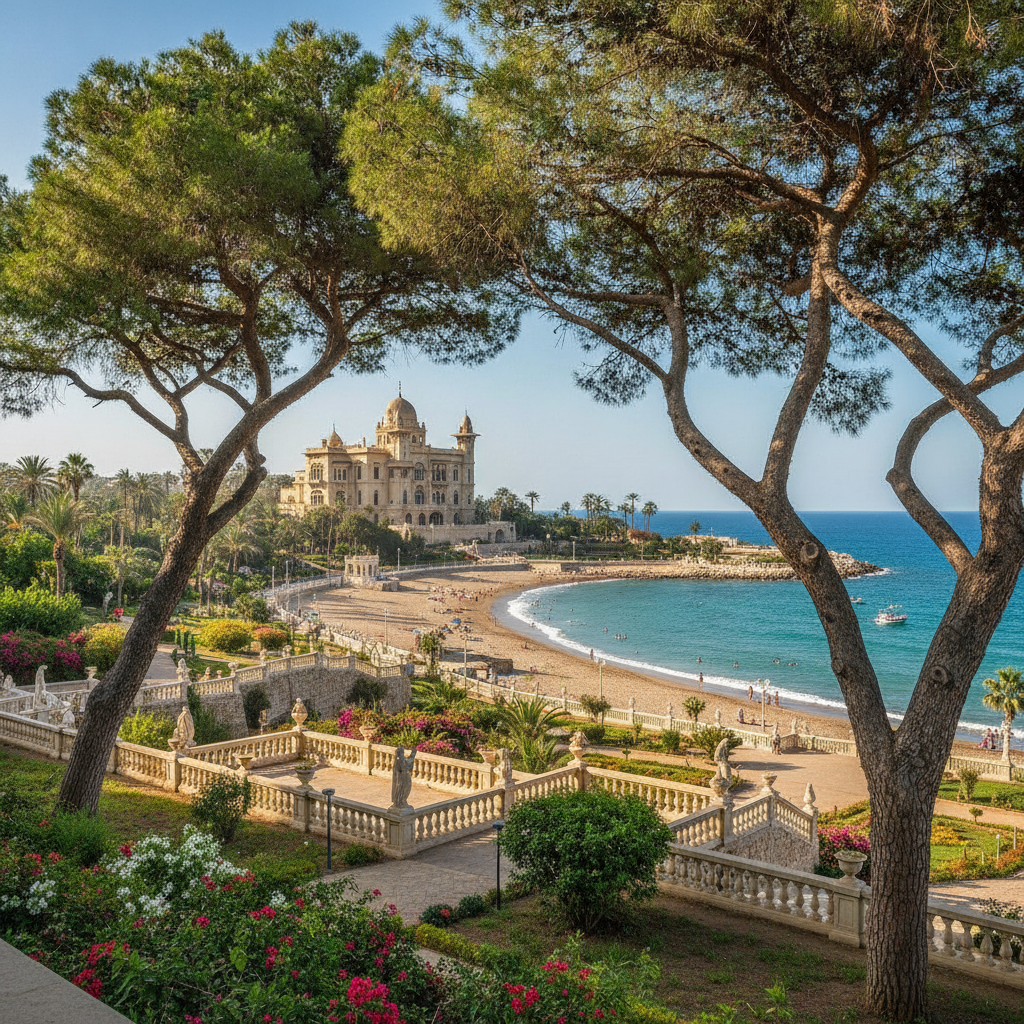
The practical guide to Alexandria: transportation from Cairo, the Corniche promenade, the best restaurants and accommodation, and how to experience the city that T.S. Eliot and E.M. Forster wrote about. Getting there (the Alexandria bus (the GoBus and GoBus Luxe services from Cairo Tahrir Square or the Cairo Bus Terminal: approximately 2.5-3 hours: the most comfortable bus option: approximately EGP 80-120): the train (Egyptian National Railways from Cairo Ramses Station to Alexandria Misr or Alexandria Sidi Gaber Station: approximately 2-2.5 hours for express (Turbini) service: approximately EGP 50-80): the private car (the Cairo-Alexandria Desert Road or the Alexandria-Cairo Agricultural Road: approximately 2.5-3 hours by car from central Cairo)). The Corniche (the Alexandria Corniche: the 20+ km seafront promenade along the Mediterranean from Silsila in the east to Abu Qir in the east: the primary public space and afternoon and evening gathering place of Alexandrians: the sea fish restaurants on the Corniche: the Corniche views toward the Qaitbay Citadel). The restaurants (Alexandria is famous for its seafood: the fish market at the eastern harbor: the traditional Alexandrian seafood restaurants (Sea Club, Cap d'Or, Elite): the Alexandrian staples (ful medames with fish, grilled mullet, stuffed squid)). The hotels (the Four Seasons San Stefano Alexandria: the Steigenberger Cecil Hotel (built 1929: Winston Churchill and Noel Coward stayed here: on the Corniche near the Saad Zaghloul Square): the Hilton Corniche Alexandria). The best time (May-September is summer season (warm Mediterranean weather, 26-32 C): October-April is cooler (15-22 C) and cloudier: the Mediterranean sea is swimmable June-October).
Walk this route with audio
Stories play automatically as you reach each stop — no tapping needed.
More in Alexandria
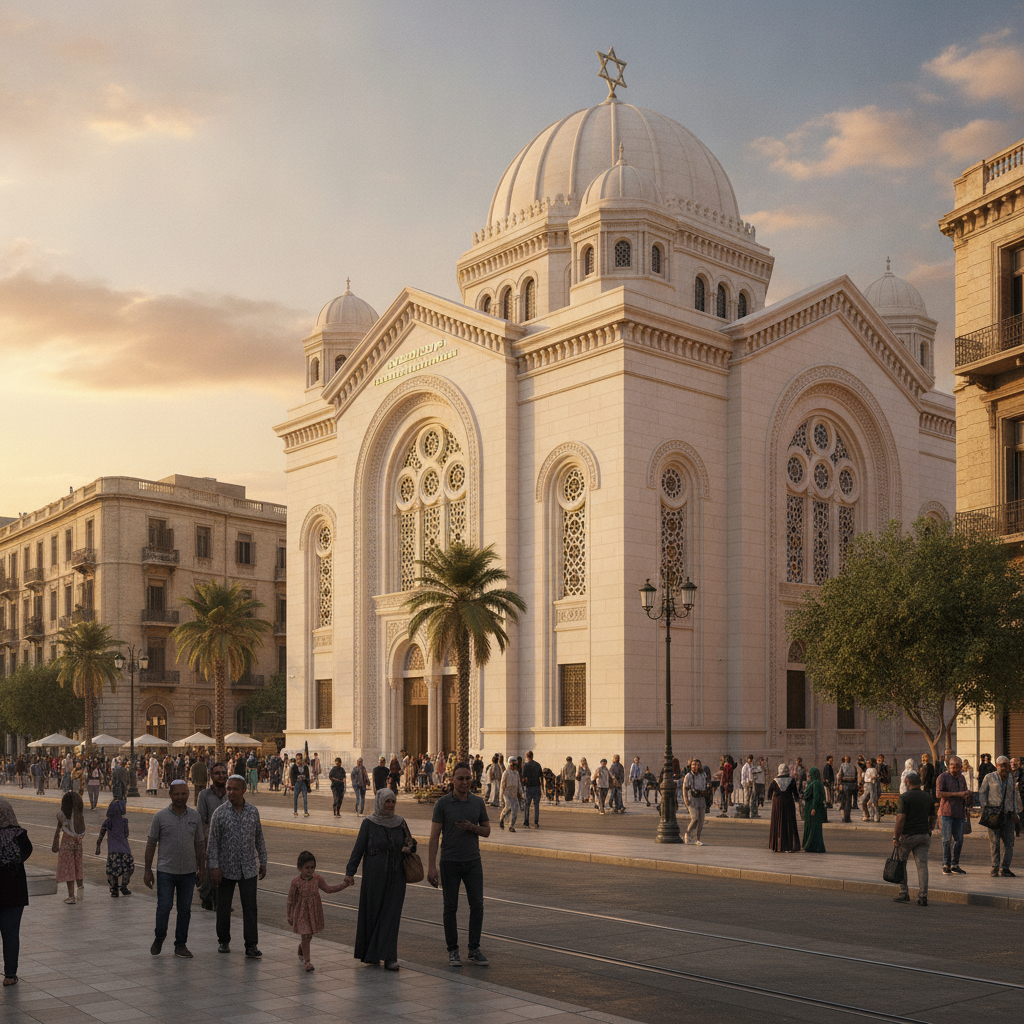
Alexandria Layers: The Jewish Community Heritage, the Ottoman Quarter, the Italian Community, and the Lost Cosmopolitan City
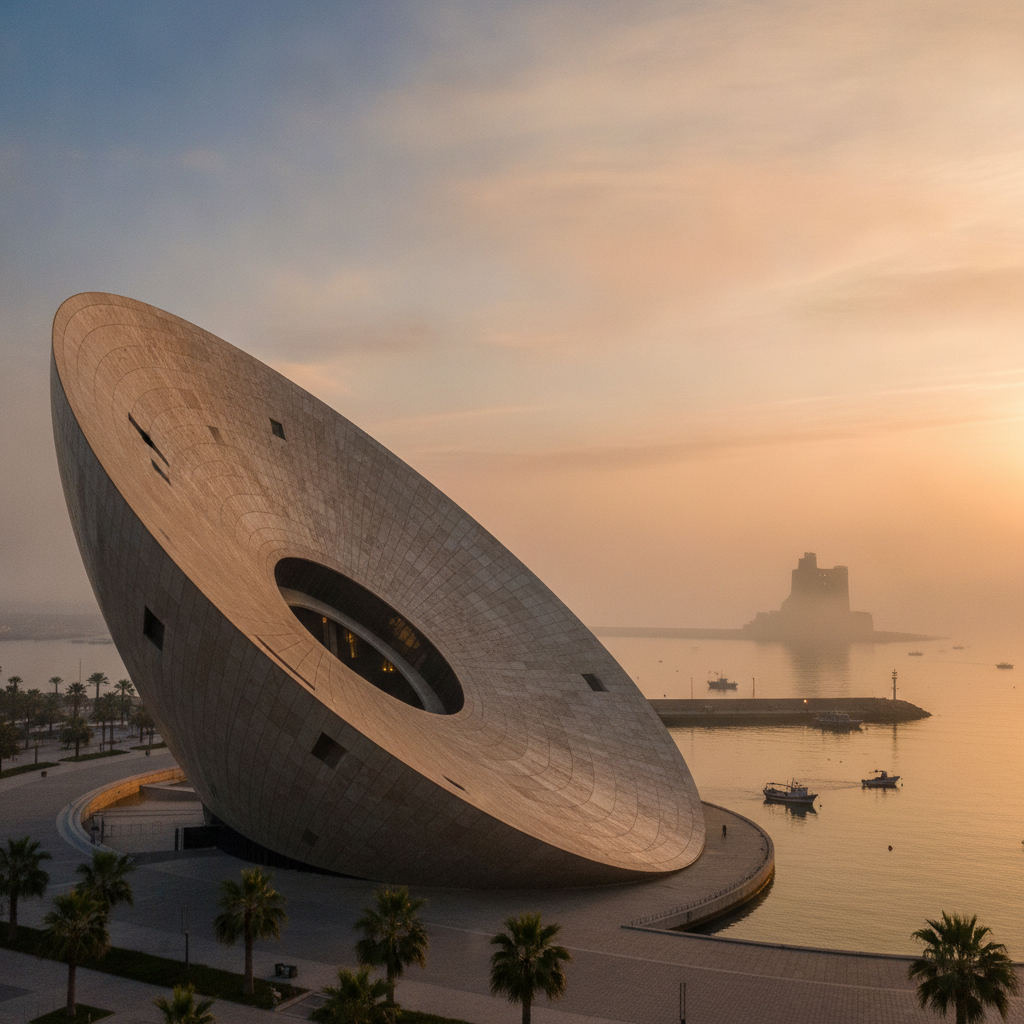
Alexandria Modern History - Napoleon, the British Occupation, Khedive Ismail, and the Cotton Economy
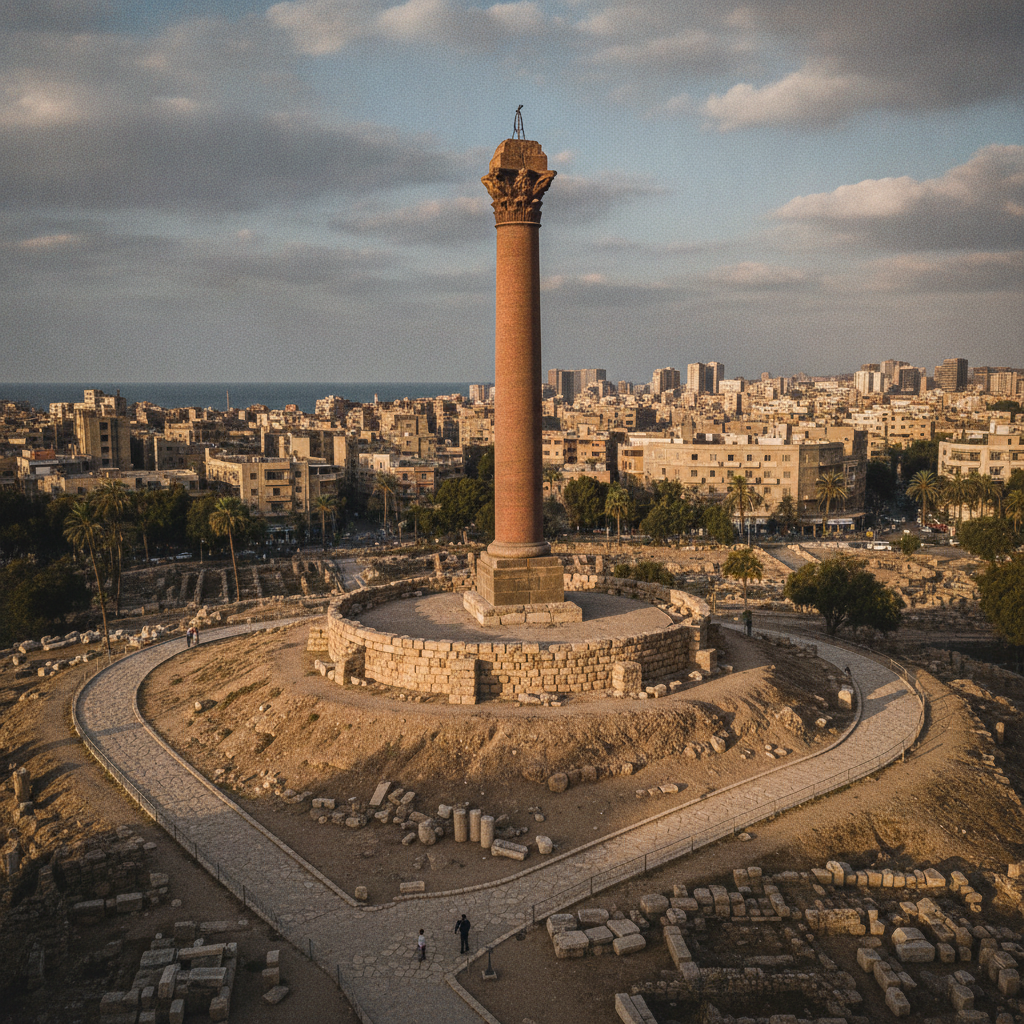
Alexandria Walk: The Pompey Pillar, the Serapeum Platform, the Roman Amphitheatre, and the Complete Ancient Alexandria Walking Circuit
Alexandria Practical: The Cairo Train Connection, the Accommodation, the Day Trip Strategy, the Best Timing, and the Egypt Circuit Role
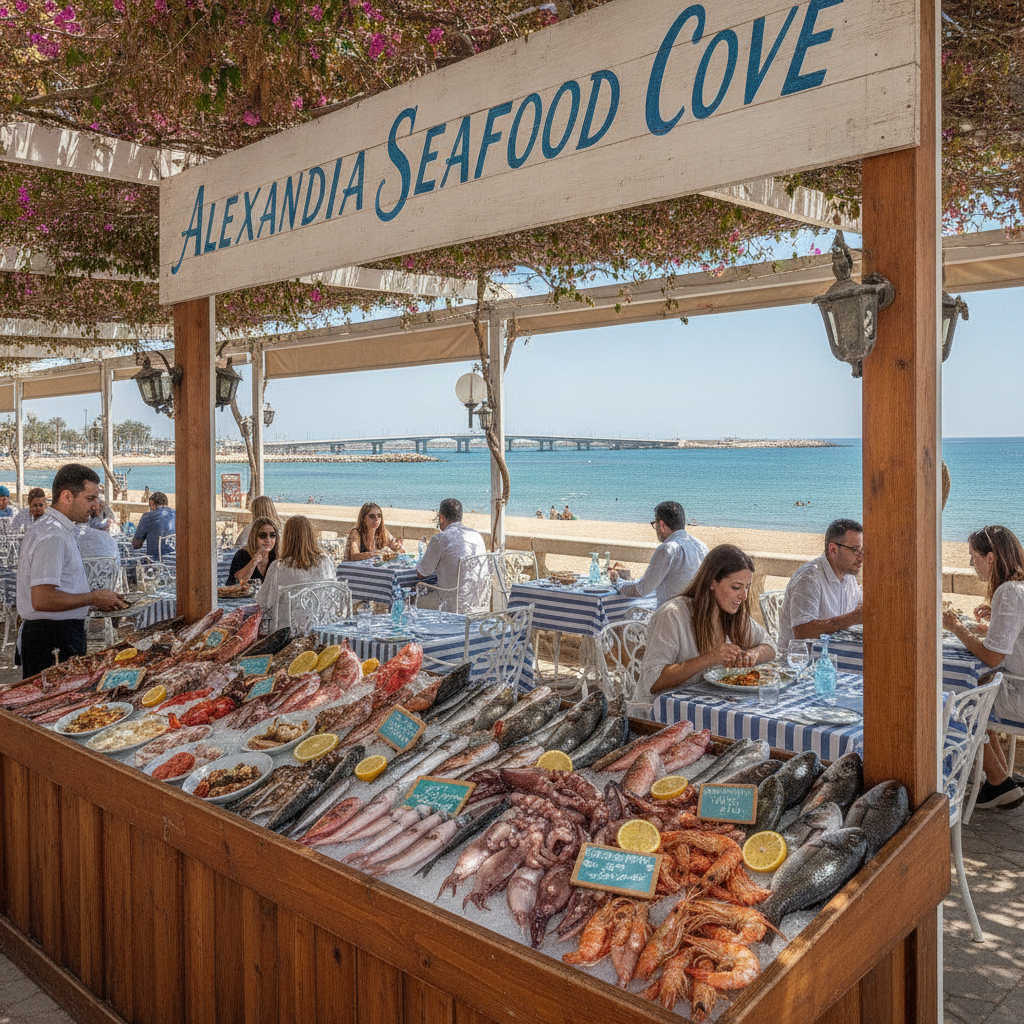
Alexandria Food and Beach: The Mediterranean Seafood, the Stanley Beach, the Local Fish Market, and the Most Relaxed Single Egyptian Coastal City