Alexandria Photography, Cavafy Museum, Jewish Heritage, and the Complete Practical Guide
The Alexandria photography guide (best locations from the Corniche at sunset to the underwater archaeology boat tours); the Cavafy Museum in the poet apartment; the Jewish heritage of Alexandria; the Greek Alexandrian community and the Greco-Roman Museum; and the complete practical guide for day-tripping from Cairo or staying overnight in the Mediterranean city.
- 1
Alexandria Photography Guide - The Corniche at Sunset, the Qaitbay Citadel, and the Harbor
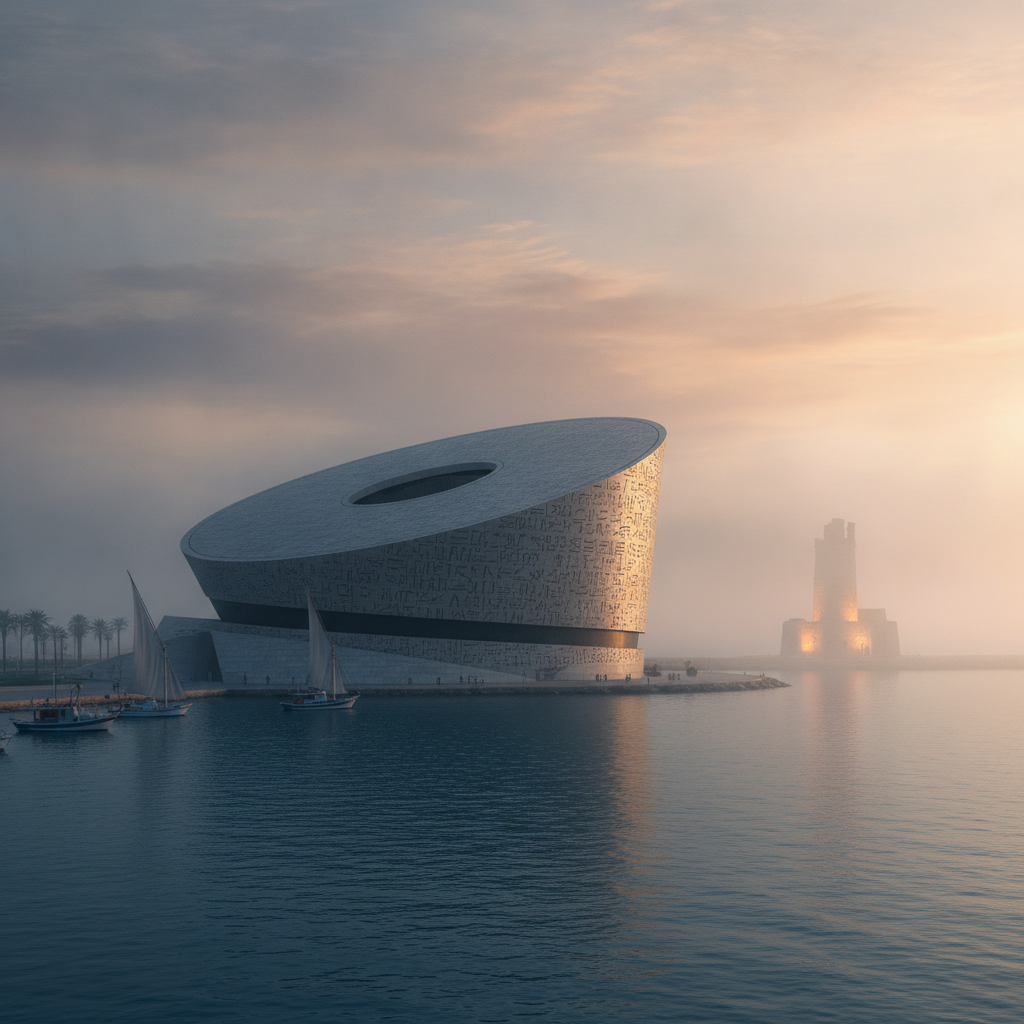
The Alexandria photography guide: the optimal locations and timing for photographing the most photogenic Mediterranean city in Egypt. The Corniche at sunset (the Alexandria Corniche: the 20+ km Mediterranean seafront promenade: the best photography time is 30-60 minutes before sunset: the western sun illuminates the Qaitbay Citadel and the harbor from the south: the view from the Stanley Bridge (the bridge connecting the beaches west of the city center) back toward the Qaitbay Citadel at sunset is one of the finest views in Alexandria). The Qaitbay Citadel (the citadel at the Pharos tip: the sea-facing fortress walls against the Mediterranean: best photographed in the morning (east-facing) and at sunset (the citadel is illuminated from the west): the view from the citadel ramparts across the harbor to the Bibliotheca Alexandrina). The Bibliotheca Alexandrina (the titanium and granite disc of the BA: best photographed in the morning from the western end of the Corniche (when the morning sun hits the titanium panels) or from across the harbor near the Qaitbay Citadel). The Montaza Palace (the Salamlik lighthouse and the gardens at golden hour: the pink-orange Ottoman-Florentine palace building against the Mediterranean blue). The Roman Theatre of Kom el-Dikka (the white marble seating of the Roman theatre: the marble is best illuminated in the midday sun which seems harsh for most photography but works well for the detail of the carved armrests).
- 2
The Cavafy Museum - The Apartment Where Greece Greatest 20th Century Poet Lived
The Cavafy Museum (the Konstantinos Kavafis Museum): the preserved apartment in central Alexandria where the Greek poet Constantine Cavafy lived for the last 25 years of his life (1907-1932): the most important literary pilgrimage site in Alexandria. The location (the apartment at 4 rue Lepsius (now Sharm el-Sheikh Street) in the Abbassia district of central Alexandria: Cavafy lived on the second floor: above a brothel (a fact he found convenient and suitable): next to a Greek church: opposite the offices of a Greek newspaper: the essential Alexandrian juxtaposition). The museum (the apartment was preserved and opened as a museum by the Greek community of Alexandria: it contains Cavafy personal furniture (the brass bed, the writing desk, the bookshelves), his manuscripts and correspondence, his art collection (including Athenian vase fragments), his personal papers, and photographs: the atmosphere of the preserved 1930s apartment is extraordinary). The poems (the Cavafy Museum sells his collected poems in multiple languages: the most famous poems in English translation: Ithaka (1911, translated by Edmund Keeley): The City (1910): Waiting for the Barbarians (1898): Che fece... il gran rifiuto (1899): The God Abandons Antony (1911)). The literary pilgrimage (visiting the Cavafy Museum is one of the finest literary pilgrimages available in Egypt: the combination of the preserved apartment, the Alexandrian streets outside, and the poems themselves creates an unusual atmosphere of historical immediacy).
- 3
The Jewish Heritage of Alexandria - From the Septuagint to the Final Departure
The Jewish heritage of Alexandria: one of the most important Jewish communities in the ancient and modern world, with a continuous presence in the city from approximately the 4th century BCE to the mid-20th century. The ancient community (the Jewish community of Alexandria was established in the 4th-3rd century BCE (approximately during the Ptolemaic period): by the 1st century CE approximately 100,000-200,000 Jews lived in Alexandria (approximately 30-40% of the city population): the Septuagint (the Greek translation of the Hebrew Bible: according to the Letter of Aristeas (approximately 130-70 BCE) 72 Jewish scholars (6 from each of the 12 tribes) worked in 72 days on the island of Pharos to produce the first Greek translation of the Torah: the Letter is legendary but the actual translation was clearly made in Alexandria in the 3rd-2nd centuries BCE)). Philo of Alexandria (Philo Judaeus (c.20 BCE - 50 CE): the greatest Jewish philosopher of the Hellenistic period: synthesized Jewish Torah with Platonic philosophy: his concept of the Logos (divine Word-Reason) was adopted by early Christian theology). The modern community (the 19th-early 20th century community: the Sephardic Jews who had been in Egypt since antiquity: the Ashkenazi Jews who arrived in the 19th-20th centuries: the Karaite Jews (a distinct Jewish sect rejecting the Talmud): at the peak approximately 40,000-70,000 Jews in Alexandria: the departure (1948, 1956, 1967)). The Ben Ezra Synagogue of Cairo (the Cairo Geniza (the archive of the Ben Ezra Synagogue): discovered in 1896 by Solomon Schechter: the largest single cache of medieval Jewish manuscripts in the world: approximately 280,000 document fragments: a primary source for medieval Egyptian Jewish history).
- 4
The Greek Alexandrian Community - 3000 Years of Greek Presence in Egypt
The Greek Alexandrian community: the most significant and longest-lasting Greek diaspora community in the world, with a documented presence in Egypt from the 7th century BCE through the mid-20th century. The ancient presence (the first Greek settlers in Egypt: the Greek trading colony at Naucratis in the Nile Delta (approximately 620 BCE): the primary Greek settlement in Egypt before Alexander: the Ptolemaic period (332-30 BCE): the Greeks as the ruling class and intellectual elite of Hellenistic Egypt). The modern community (the modern Greek community of Alexandria: established primarily in the 18th-19th centuries as Greek merchants and professionals took advantage of the commercial opportunities of the growing Alexandria port city under Mohammed Ali and his successors: the community reached approximately 100,000-150,000 in the 1920s-1930s: the Greek Consulate: the Greek Orthodox Patriarchate of Alexandria: the Greek schools (Zosimaia, Tositseia): the Greek social clubs and hospitals). The departures (1956: most Greeks left after the Suez Crisis and Nasser nationalizations: 1967: the remaining Greek community declined further after the Six-Day War: by 1980 fewer than 20,000 Greeks remained: by 2010 fewer than 5,000). The legacy (the Greco-Roman Museum of Alexandria (undergoing renovation as of 2024): the Cavafy Museum: the Greek Orthodox Cathedral of Saint Nicholas: the Greek Cemetery: the surviving buildings of the Belle Epoque Greek Alexandria).
- 5
Alexandria vs Cairo - Choosing Between Egypt Two Greatest Cities
Alexandria vs Cairo: the two great Egyptian cities compared for the traveler who cannot do both in a single trip. Cairo (the largest city in Africa and the Arab world: population 21-22 million metropolitan area: the Pyramids of Giza and the Great Sphinx: the Grand Egyptian Museum (opened 2023: the complete Tutankhamun collection): the old Egyptian Museum at Tahrir Square: Islamic Cairo (al-Azhar mosque 970 CE, the Khan el-Khalili bazaar, the Citadel of Saladin): Coptic Cairo (the Hanging Church, the Coptic Museum): the city of 1001 minarets: a chaotic, overwhelming, exhausting, and utterly remarkable city: minimum 4-5 days). Alexandria (the second largest city: approximately 5.5-6 million: the Mediterranean port city on the European-facing Egyptian coast: the Bibliotheca Alexandrina: the Qaitbay Citadel on the Pharos site: the Catacombs of Kom el-Shoqafa: the Roman Theatre: the Cavafy Museum: the Corniche and the Mediterranean seafood: the city of Cavafy, Forster, and Durrell: the El-Alamein battlefield: a more relaxed, Mediterranean, and European-feeling city: minimum 2 days). The combination (the ideal Egypt visit includes both: 3-5 days Cairo, then a day trip or 2-night stay in Alexandria: many Cairo hotels offer good Alexandria day trip packages by bus or train). The essential difference (Cairo is ancient and medieval Egypt: the pharaonic monuments and the Islamic city: Alexandria is classical and modern Egypt: the Greek-Roman intellectual legacy, the cosmopolitan 20th century, and the Mediterranean facing identity of a city that looks north to Europe rather than south to Africa).
- 6
Alexandria Final Complete Reference - The Essential Guide to the City of Memory
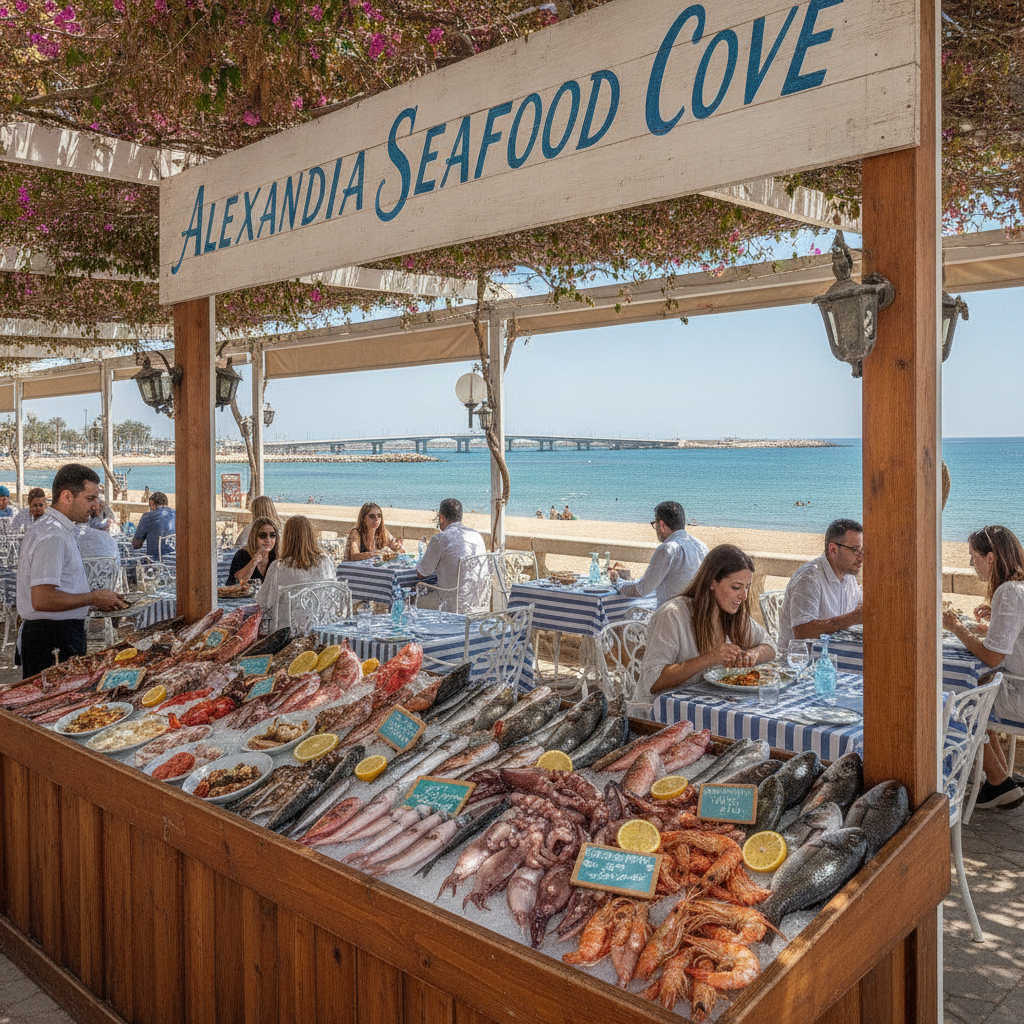
Alexandria final complete reference: the essential planning guide for the city that Lawrence Durrell called the capital of memory. The essential facts (Alexandria: population approximately 5.5-6 million (second largest city in Egypt): Mediterranean coast: Alexandria Governorate: Borg el-Arab International Airport (HBE): 40 km southwest of the city: international and domestic flights: alternative: Nozha Airport (ALY) closer to center (domestic): the Alexandria railway station (Misr Station): direct express trains (Turbini) from Cairo Ramses Station: approximately 2 hours: the Corniche: 20+ km Mediterranean seafront promenade). The 2-day Alexandria itinerary (Day 1: morning Bibliotheca Alexandrina (2 hours): walk the Corniche to the Qaitbay Citadel (30 minutes walk): Qaitbay citadel and harbor (1.5 hours): lunch at a Corniche seafood restaurant: afternoon: Catacombs of Kom el-Shoqafa (1 hour): Roman Theatre of Kom el-Dikka (1 hour): visit the Cavafy Museum if open: evening Corniche walk at sunset: dinner at a traditional Alexandrian seafood restaurant. Day 2: morning Montaza Palace Gardens (2 hours): Abu Qir fishing village for fresh fish lunch (20 km east): afternoon El-Alamein War Cemetery (if time allows: 105 km west by road): or return to Cairo). The best hotels (Four Seasons San Stefano Alexandria: the Steigenberger Cecil Hotel (historic, on the Corniche): the Hilton Corniche Alexandria: multiple good mid-range hotels on the Corniche near Ramleh Station). The food (the fish restaurants on the Corniche and near the Qaitbay Citadel are the primary attraction: always ask the price in advance and select fish by weight).
Walk this route with audio
Stories play automatically as you reach each stop — no tapping needed.
More in Alexandria
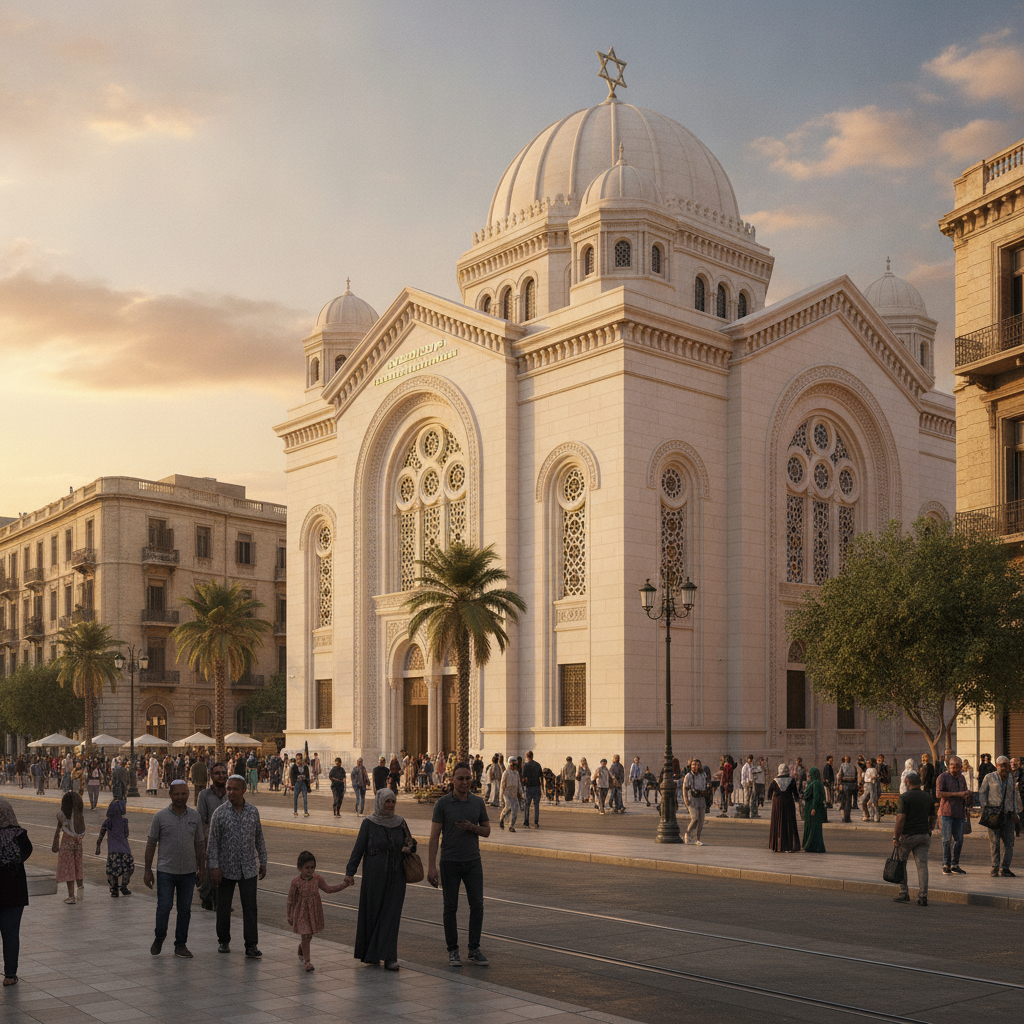
Alexandria Layers: The Jewish Community Heritage, the Ottoman Quarter, the Italian Community, and the Lost Cosmopolitan City
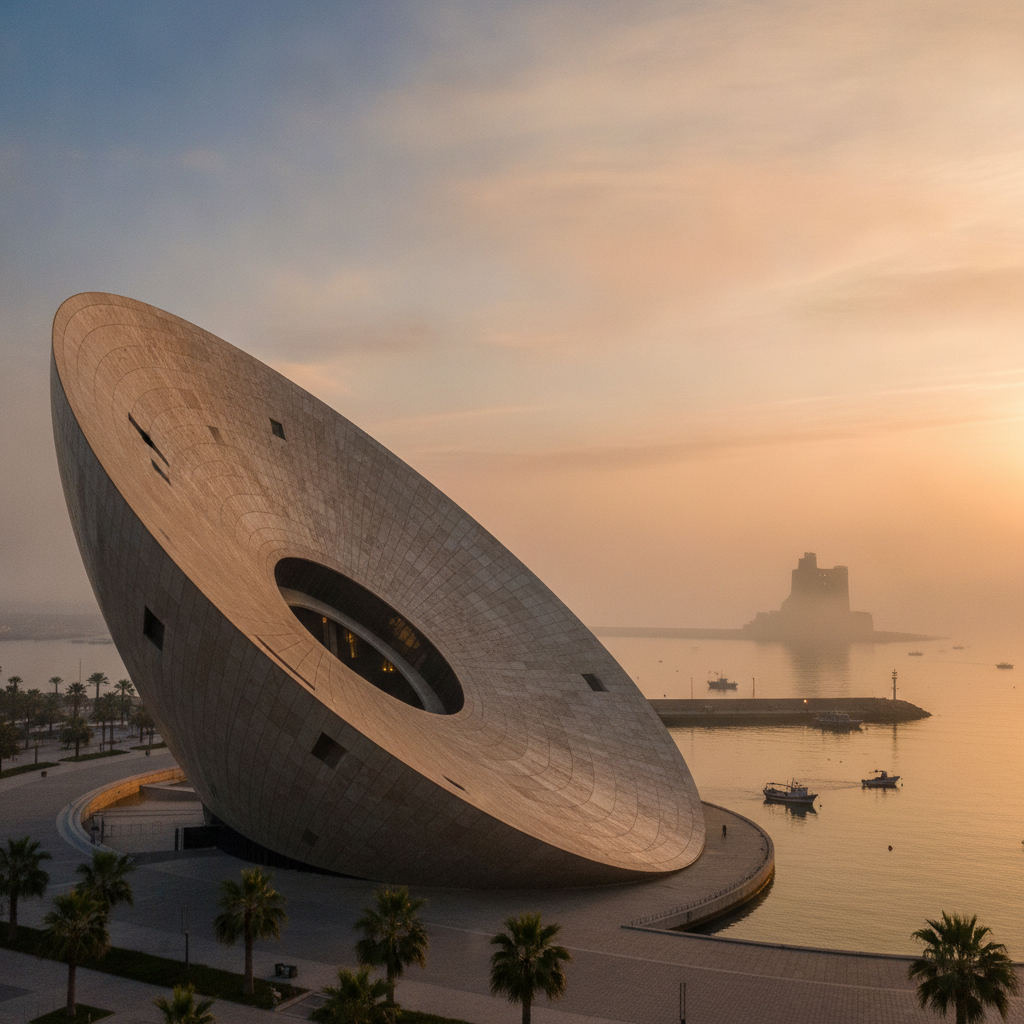
Alexandria Modern History - Napoleon, the British Occupation, Khedive Ismail, and the Cotton Economy
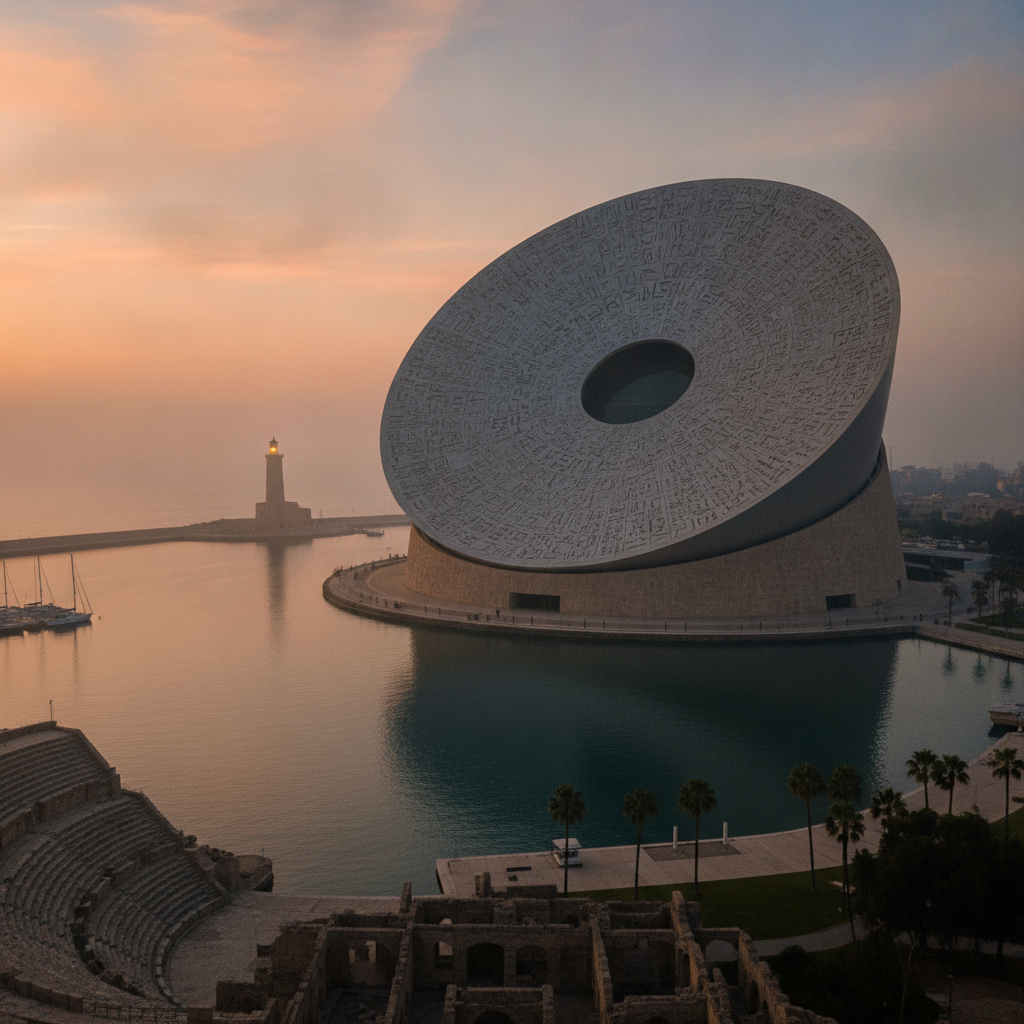
Alexandria: The Great Library, Pharos Lighthouse, Cleopatra, and the Bibliotheca Alexandrina
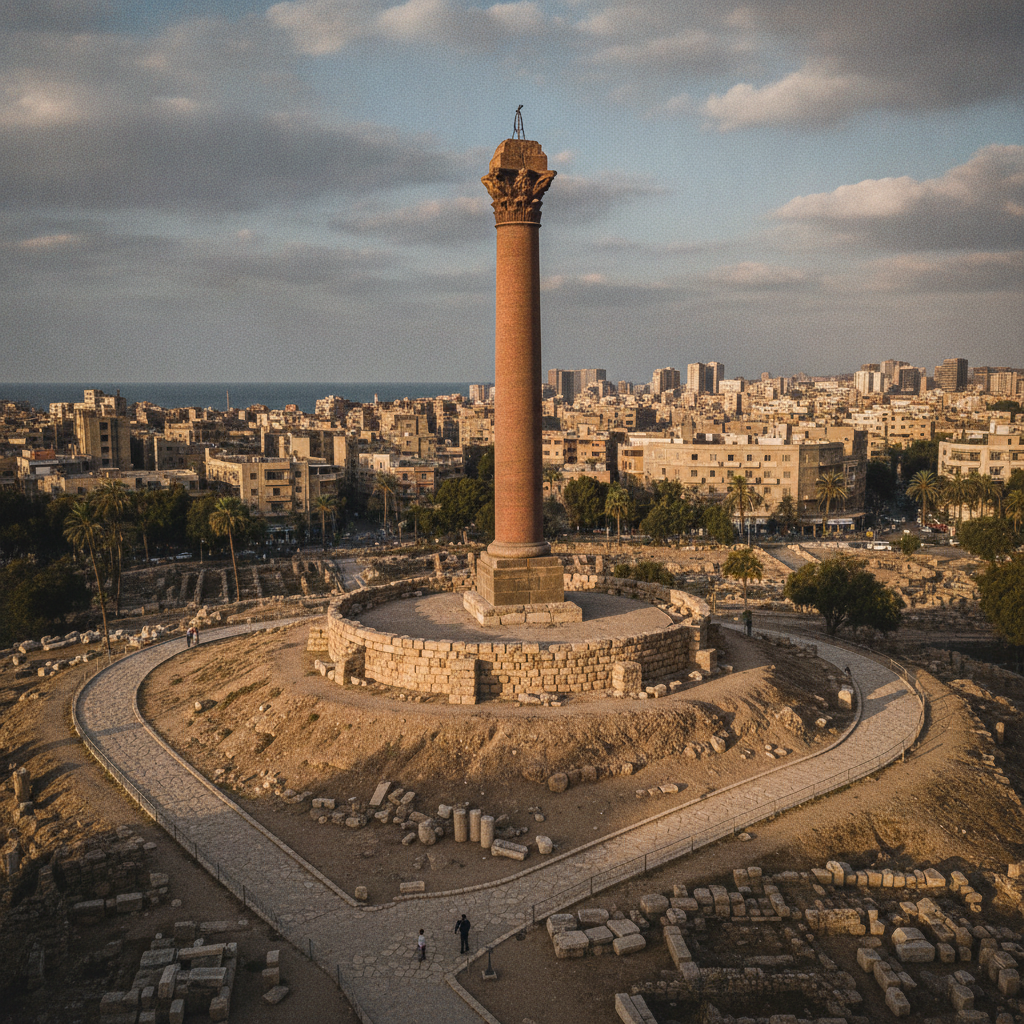
Alexandria Walk: The Pompey Pillar, the Serapeum Platform, the Roman Amphitheatre, and the Complete Ancient Alexandria Walking Circuit
Alexandria Practical: The Cairo Train Connection, the Accommodation, the Day Trip Strategy, the Best Timing, and the Egypt Circuit Role