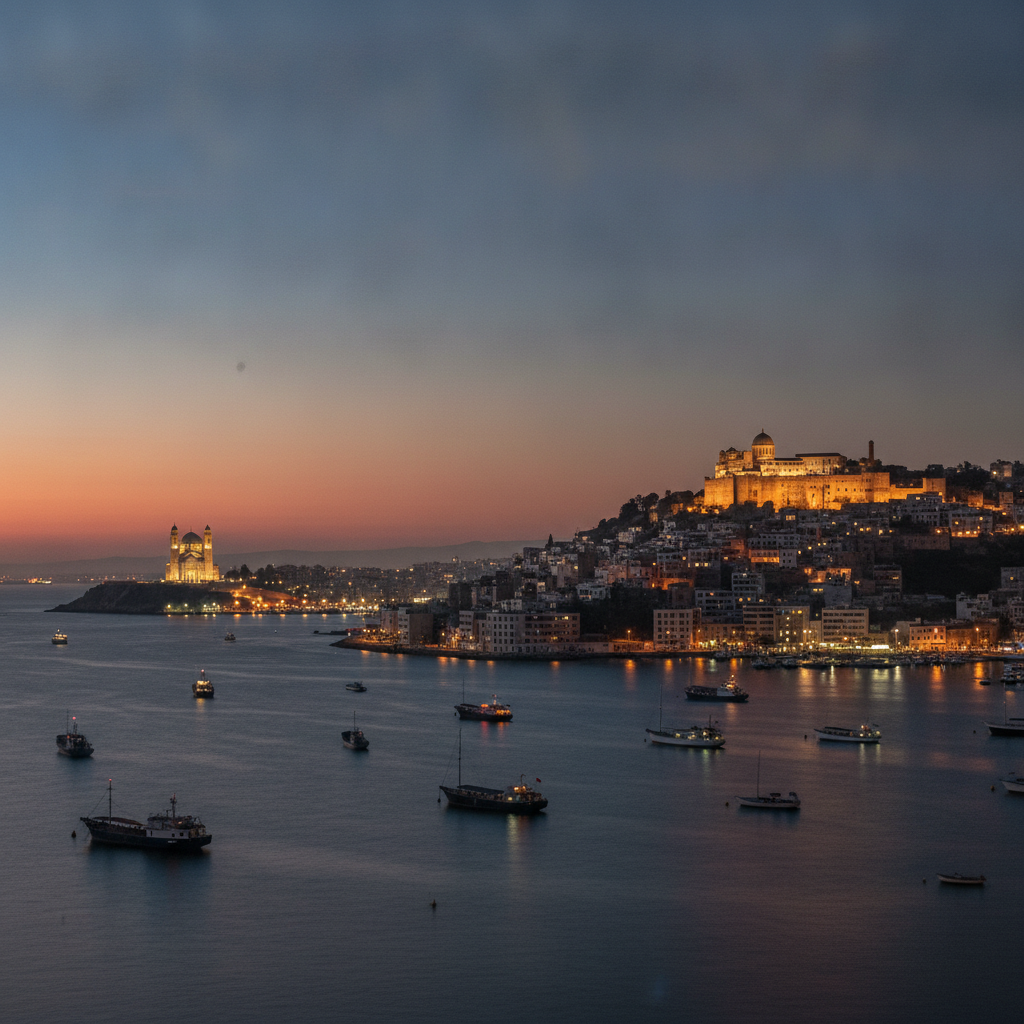
Algiers Arts, Museums, Literature, Cuisine, and Photography Guide
The Bardo National Museum of Prehistory and Ethnography in Algiers with prehistoric Saharan collections; the Algiers Museum of Fine Arts housing the finest collection of French colonial and modern Algerian art; Albert Camus and the pied-noir literary tradition of Algerian French-language literature; Algerian cuisine (the chorba lentil soup, the bourek fried pastry, the chakhchoukha shredded bread stew, the dolma stuffed vegetables, and the basbousa semolina cake); and the Algiers photography guide including the Casbah morning light.
- 1
The Bardo National Museum and Algiers Museums - Saharan Prehistory and Colonial Art
The primary museums of Algiers: the Bardo National Museum of Prehistory and Ethnography and the Algiers Museum of Fine Arts. The Bardo Museum (the Bardo National Museum of Prehistory and Ethnography of Algiers: housed in a Turkish-Ottoman villa (the Beylik period villa of the 17th-18th century): the primary collections: prehistoric Algeria (the extraordinary Saharan prehistoric art and artifacts: the Tassili n'Ajjer Neolithic rock art facsimiles: the Aterian stone tools (the Aterian industry - a North African Middle Stone Age lithic tradition unique to North Africa: dated 90,000-25,000 BP): the ethnographic collections (traditional Berber Amazigh dress, jewelry, carpets, and domestic objects from the Kabyle, Tuareg, and Mozabite communities): the Algiers Museum of Fine Arts (the Musee National des Beaux-Arts d'Algerie - the primary fine arts museum of Algeria: housed in a 1930 Neo-Moorish building in the Hamma district of Algiers: the collection: European art (primarily French colonial-era paintings of Algeria - the Orientalist tradition (Delacroix visited Algiers in 1832 and his Algerian paintings fundamentally changed European Orientalist painting): the modern Algerian art collection (the primary collection of modern and contemporary Algerian painting and sculpture): the Mustapha Pacha Museum (the Mustapha Pacha palace - a 19th century Ottoman-era palace: now a museum of Algerian Islamic arts).)
- 2
Albert Camus and the Algerian French Literary Tradition
Albert Camus (1913-1960) - the French-Algerian writer and philosopher (Nobel Prize in Literature 1957) and his relationship to Algeria: the literary guide. Camus was born in Mondovi (Drea) in eastern Algeria to a French pied-noir father (who was killed at the Battle of the Marne in 1914) and a Spanish-descended deaf-mute mother. He grew up in the working-class Belcourt quarter of Algiers and was educated on scholarship at the Lycee Bugeaud and the University of Algiers. His works set in Algeria: The Stranger (L'Etranger - 1942): the most read French-language novel of the 20th century: the protagonist Meursault kills an unnamed Arab on the Algiers beach: the novel is set unmistakably in the pied-noir Algiers of the 1930s-1940s: The Plague (La Peste - 1947): set in the Algerian city of Oran: a philosophical allegory for Nazism and resistance: The First Man (Le Premier Homme - posthumous 1994): Camus's unfinished autobiographical novel about his Algerian childhood: found in the wreckage of the car crash that killed him near Villeblevin on January 4, 1960. Assia Djebar (1936-2015): the Algerian novelist, filmmaker, and historian: the first Maghrebi woman elected to the Academie Francaise (2005): her works in French explore the experience of Algerian women across history.
- 3
Algerian Cuisine - Chorba, Bourek, Chakhchoukha, and the Mediterranean-Saharan Kitchen
Algerian cuisine: the Mediterranean-Saharan kitchen of North Africa's largest country. The Algerian culinary tradition combines the Berber Amazigh foundation with Arab-Andalusian refinement and Ottoman Turkish influence. The primary Algerian dishes: chorba (the primary Algerian soup: a rich broth of lamb, tomatoes, chickpeas, broken vermicelli, and fresh coriander: the primary Ramadan soup of Algeria - served as the first course at iftar): bourek (the Algerian bourek: a thin pastry (warqa or brick pastry) filled with ground meat and egg, fried until crisp: the Algerian variant of the Turkish borek: a finger food and Ramadan staple): chakhchoukha (a Saharan dish of shredded thin bread (rougag) moistened with a rich lamb and vegetable stew: a specialty of the Biskra region): the dolma (Algerian dolma: grape leaves, zucchini, and tomatoes stuffed with rice and ground meat in the Turkish tradition): the couscous (couscous is the primary celebratory dish of Algeria as throughout North Africa: the Algerian couscous tradition uses different vegetable combinations from the Moroccan tradition: the mechoui (slow-roasted whole lamb: a celebration dish): the basbousa (semolina cake soaked in honey syrup: an Algerian-Levantine sweet): the water (due to Algeria's difficult visa situation and limited tourism infrastructure, authentic home-cooked Algerian food is the best available and can be accessed through local connections.
- 4
Algiers Photography Guide - The Casbah in the Morning Light
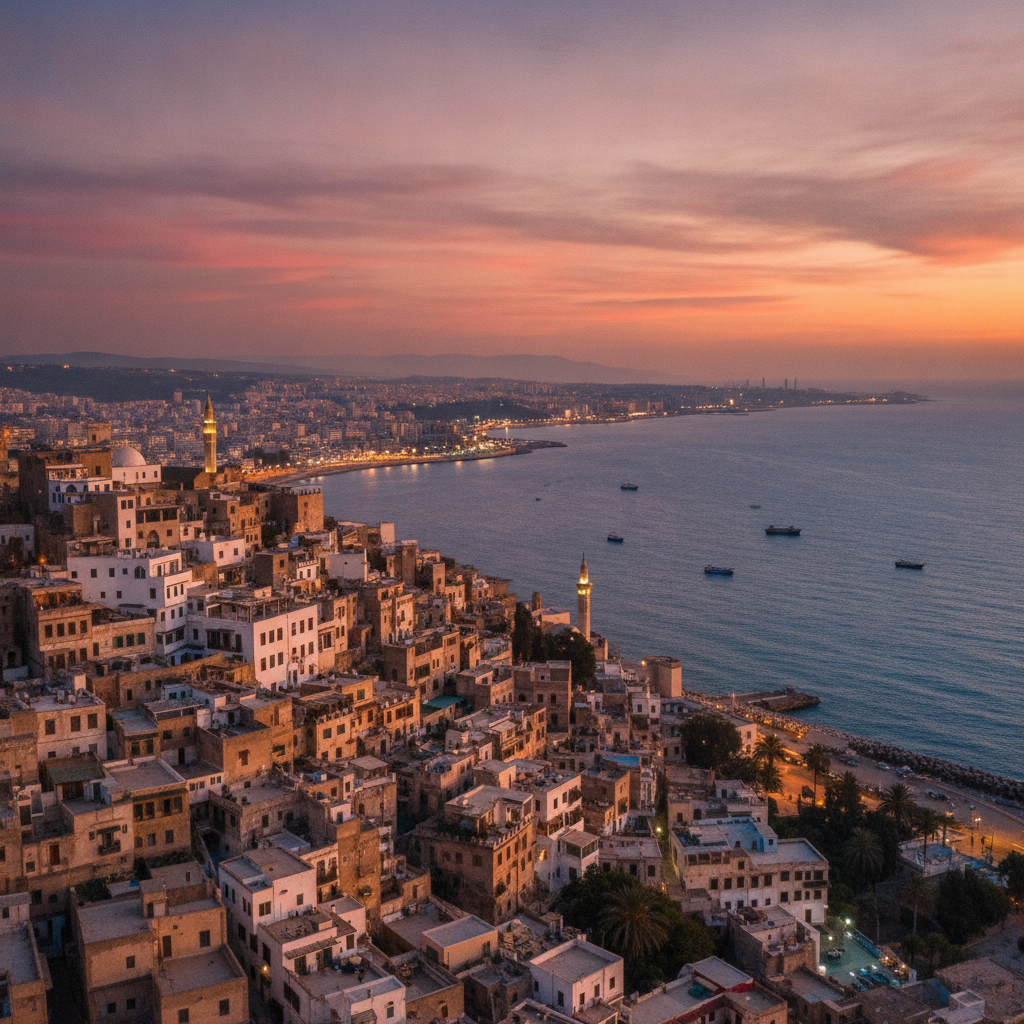
The Algiers photography guide: the primary photography locations and optimal conditions for photographing the White City and the Casbah. The Casbah morning light (the Casbah of Algiers photographed from the Bay of Algiers waterfront in the early morning (7-9am): the white-and-ochre facades of the Ottoman houses catch the morning light as it rises over the eastern hills behind Algiers: the Casbah is on the western side of the Bay of Algiers so the morning light illuminates the Casbah facades directly: the view from the port esplanade across the bay toward the Casbah hillside is the classic Algiers panoramic photograph: inside the Casbah (the narrow alleys of the Casbah: the morning is the optimal time (cooler, less crowded): a guide is strongly recommended both for safety and for access to the interior courtyards of the Ottoman palaces (the Dar Hassan Pacha and other palaces have interior courtyards with carved plaster, zellij tile, and cedarwood that are exceptional but not advertised): the Notre-Dame d'Afrique (the basilica on the western headland: best photographed in the afternoon when the southern and western facades are in direct sunlight: the sea view from the basilica terrace is one of the finest in Algiers): the Martyrs Monument (the Monument aux Martyrs - the 1982 concrete memorial to the Algerian War of Independence: three giant concrete palm fronds rising from a central flame: controversial architecturally but photographically distinctive in the context of Algiers cityscape).
- 5
The Tuareg of the Algerian Sahara - The Blue People of the Desert
The Tuareg (Kel Tamashek - the People of Tamashek): the Berber Amazigh nomadic people of the central Saharan desert and the primary indigenous population of the Algerian Sahara south of the Ahaggar mountains. The Tuareg (the Tuareg are a Berber Amazigh people who have inhabited the central Sahara for millennia: they maintain a semi-nomadic or nomadic lifestyle based on camel herding, caravan trade, and salt mining: the primary Tuareg areas in Algeria: the Tamanrasset and Djanet regions of the Algerian Sahara in and around the Ahaggar mountains: the name (the Tuareg call themselves Kel Tamashek (People of the Tamashek language) or Imazighen (the general Amazigh self-designation meaning free people): the name Tuareg is an external designation: the blue men (the Tuareg have been called the Blue Men of the Sahara because the indigo dye from their traditionally worn dark blue tagelmust (the large cloth that wraps the head and face) bleeds onto the skin, particularly during sweating, giving a distinctive blue tinge to the skin): the tagelmust (the tagelmust - the Tuareg male face veil: unlike the female veil in many Islamic traditions, in Tuareg culture it is the men who veil their faces and the women who go unveiled: the veil is related to the Tuareg concept of modesty - a man keeps his face covered before those of higher social status and before strangers): the Tifinagh script (the Tuareg write their Tamashek language in the Tifinagh script - the ancient Berber script that has been maintained continuously in the Tuareg tradition for approximately 2,500 years).
- 6
Algiers Complete Legacy - The City That Shaped the Post-Colonial World
Algiers complete legacy: the final assessment of the revolutionary capital of North Africa and its enduring significance. The long history (from the Berber-Phoenician Icosium through the Roman Caesarea, the Vandal occupation, the Byzantine reconquest, the Arab-Islamic conquest (688 CE), the Zirid Berber emirate, the Hafsid and Zayyanid periods, the Spanish enclave (1510-1529), the 313 years of Ottoman Regency, 132 years of French colonization, and 60+ years of independence: Algiers has been a Mediterranean port city for approximately 2,500 years. The revolutionary legacy (Algiers in the 1960s-1970s hosted liberation movements from across the world: the Eldridge Cleaver Black Panthers (1969-1973): the ANC: the PLO: the POLISARIO: the NAM 4th Summit (1973): the Algiers Accords that resolved the 1979-1981 Iran Hostage Crisis). The cultural legacy (Albert Camus, Assia Djebar, Kateb Yacine, Mohammed Dib - a literary tradition in French that is among the richest in the Francophone world: the rai music tradition: the Casbah Ottoman heritage: the Djemila and Timgad Roman ruins: the Tassili n'Ajjer Neolithic rock art). The economic reality (Algeria is the 17th largest natural gas producer in the world and supplies approximately 15-20% of European gas imports: the hydrocarbon dependency makes Algeria's economic diversification the primary challenge of the 21st century: the population (Algeria's population was approximately 9 million in 1962 at independence and is approximately 45 million in 2025: a five-fold increase in 60 years driven by high fertility rates that have recently declined toward replacement level).
Walk this route with audio
Stories play automatically as you reach each stop — no tapping needed.
More in Algiers
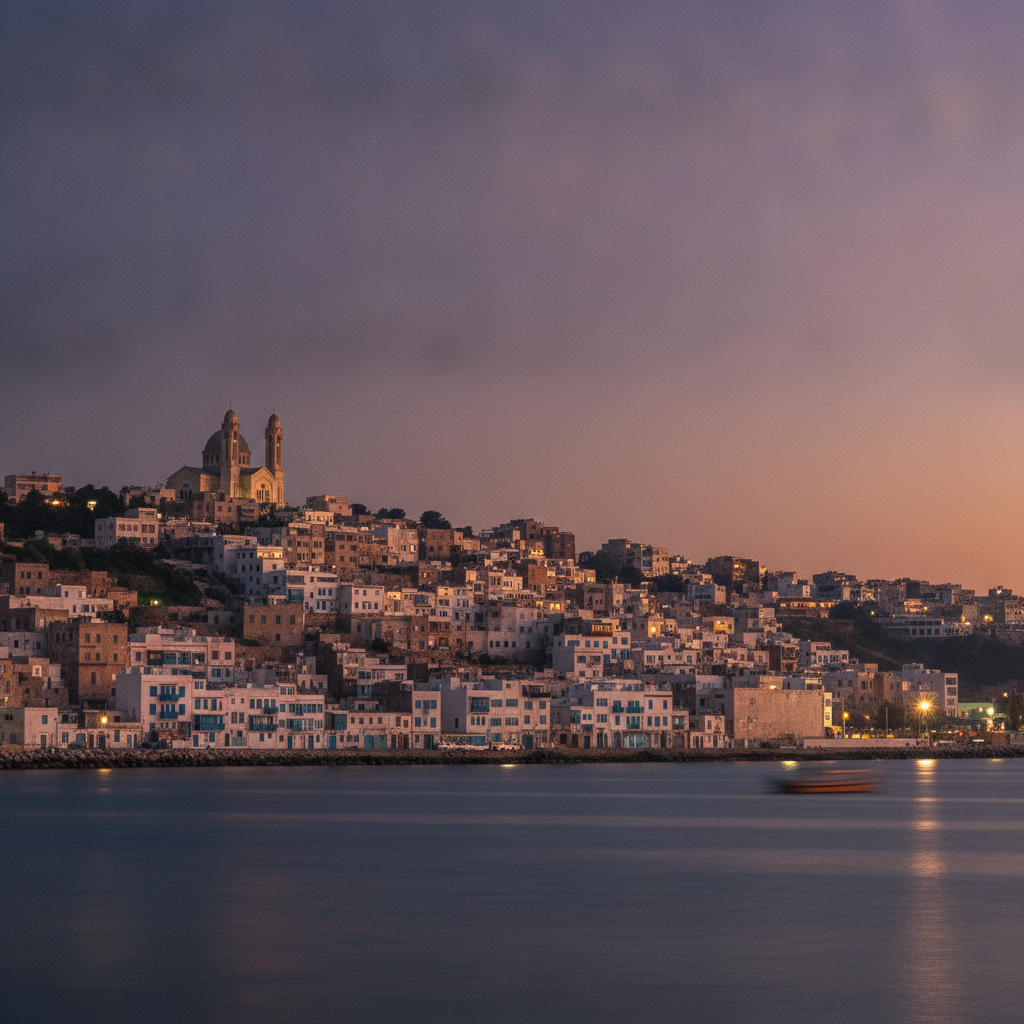
The Barbary Corsairs of Algiers Enslaved an Estimated 1-1.25 Million Europeans From 1516 to 1830 and the United States Fought Its First International Wars Against Them in the Barbary Wars of 1801-1815; Le Corbusier Visited Ghardaia in 1931 and the Whitewashed Geometric Minimalism of the Mozabite Ibadi Architecture Directly Influenced His Purist Architectural Philosophy; Cheb Hasni the Algerian Rai Singer Was Shot Dead in Oran in 1994 During the Black Decade Civil War in Which Approximately 100,000-200,000 Algerians Were Killed
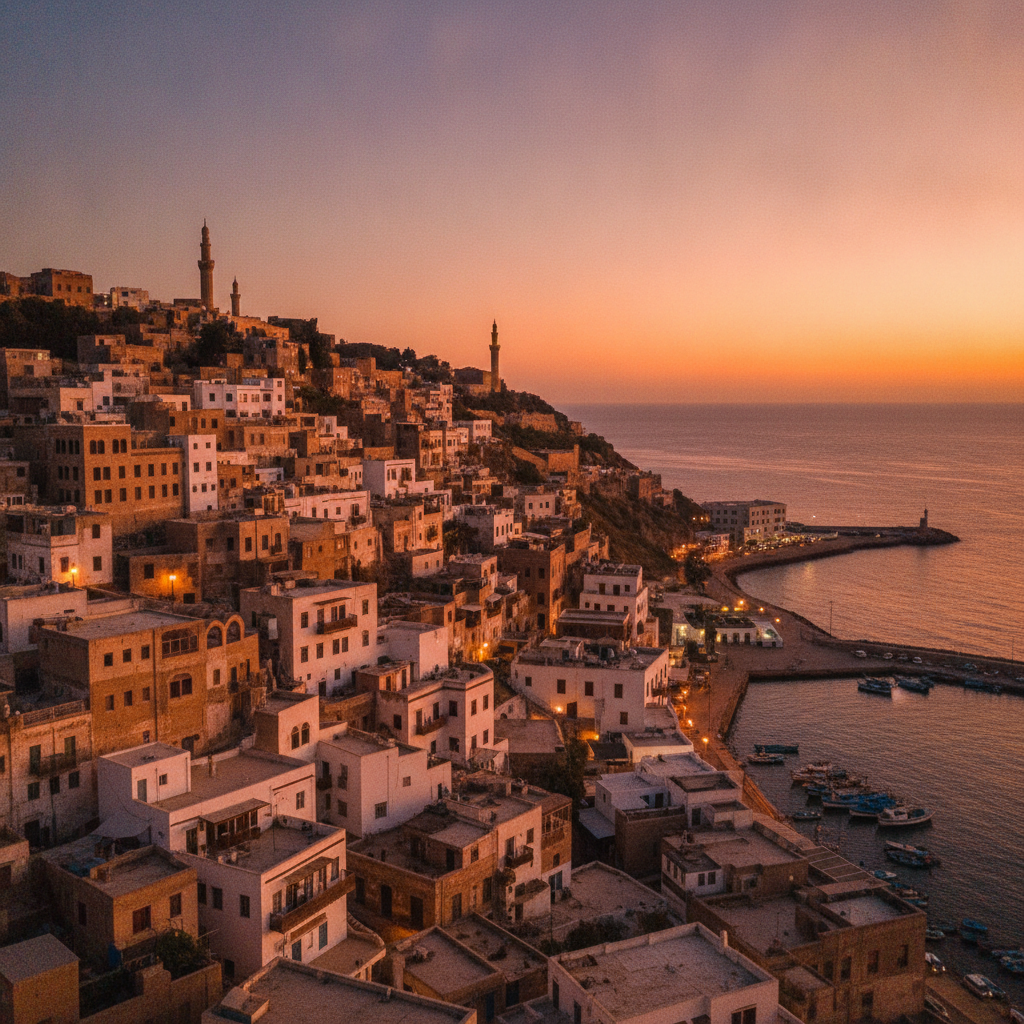
Algiers Complete Guide - Practical Tips, Amazigh Culture, Music, and Mediterranean Identity
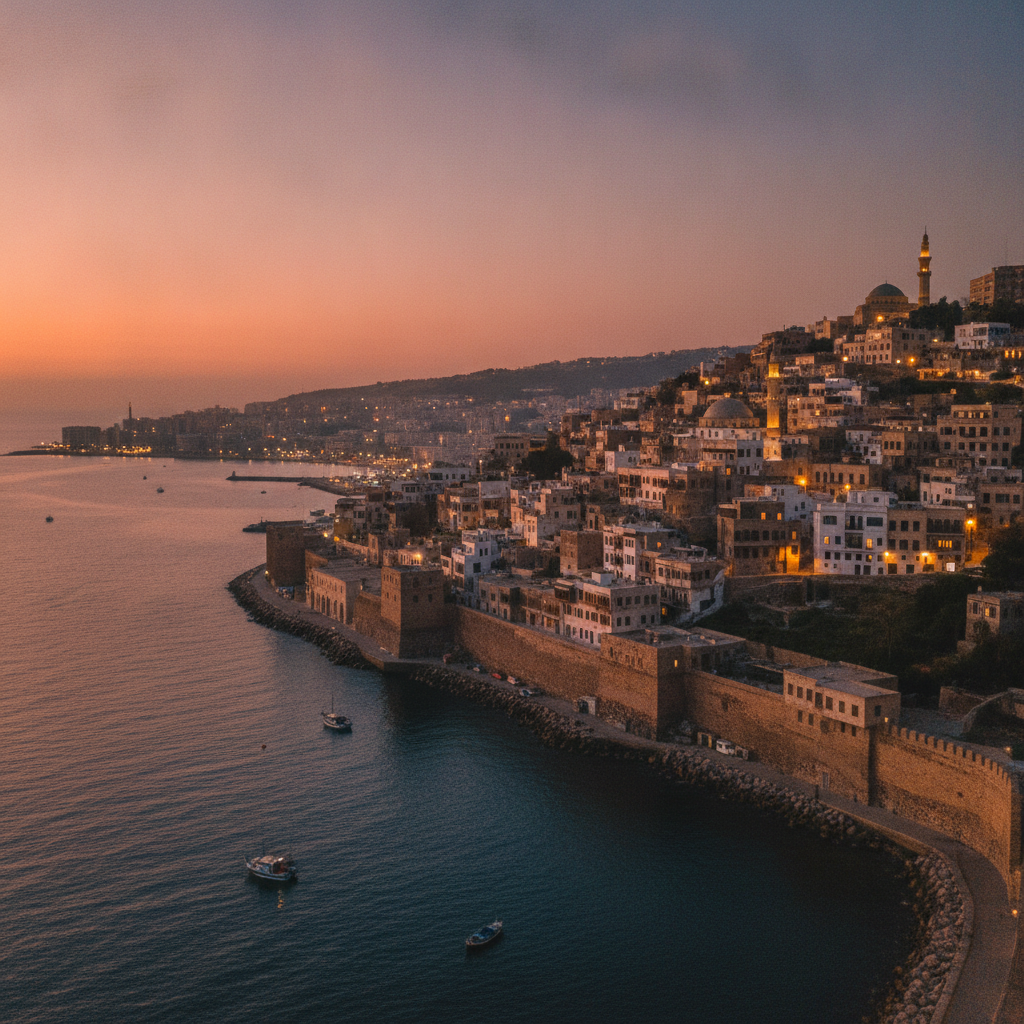
Djemila, Timgad, and the Roman Ruins of Algeria - North Africa's Best Preserved Roman Cities
Algiers Day Trips and Regional Highlights - From Roman Ruins to Saharan Prehistory