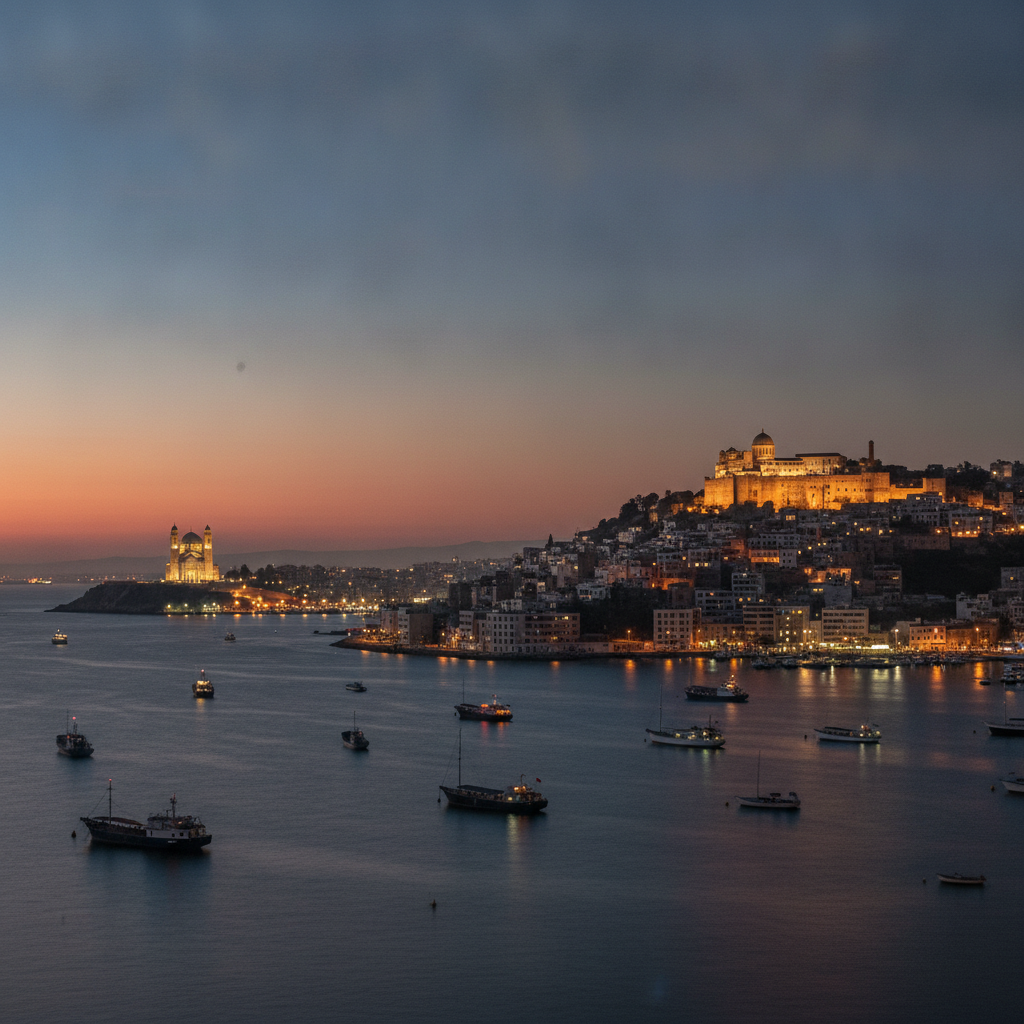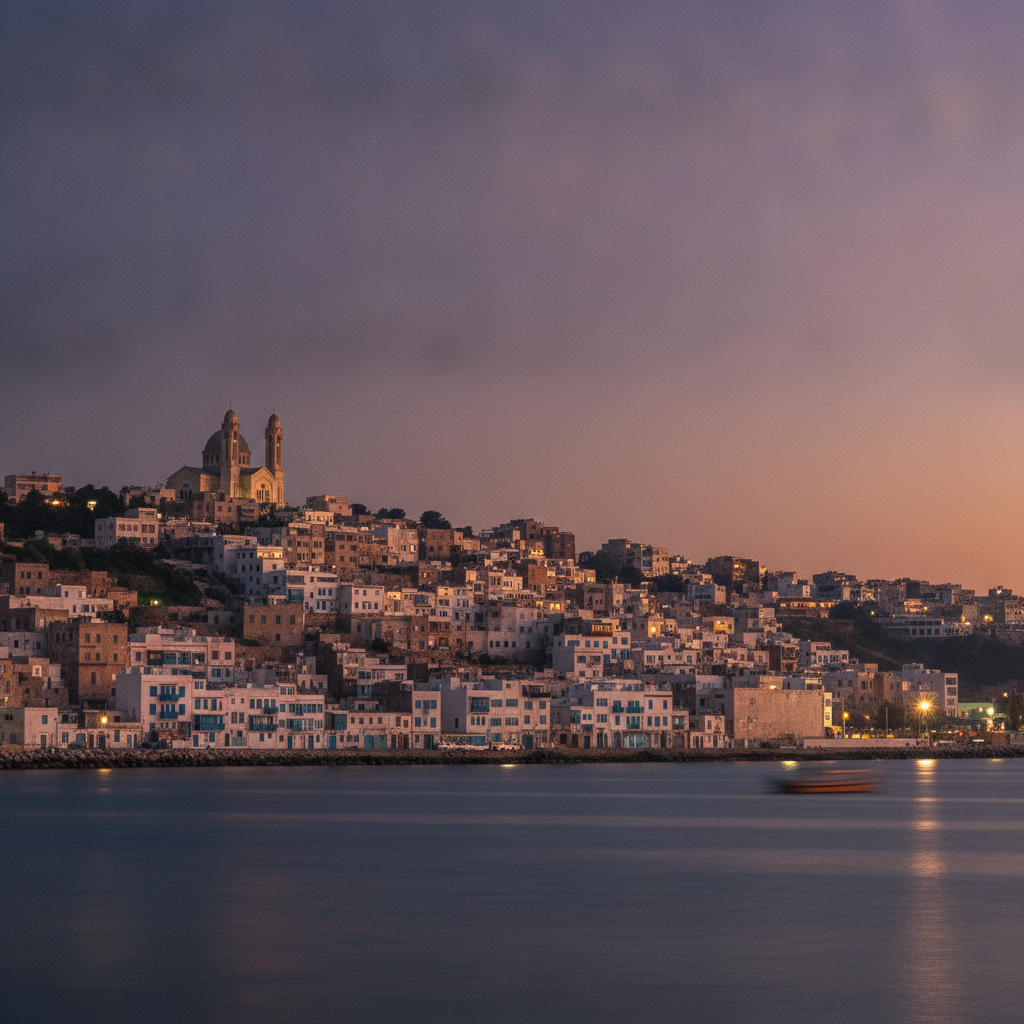
The Barbary Corsairs of Algiers Enslaved an Estimated 1-1.25 Million Europeans From 1516 to 1830 and the United States Fought Its First International Wars Against Them in the Barbary Wars of 1801-1815; Le Corbusier Visited Ghardaia in 1931 and the Whitewashed Geometric Minimalism of the Mozabite Ibadi Architecture Directly Influenced His Purist Architectural Philosophy; Cheb Hasni the Algerian Rai Singer Was Shot Dead in Oran in 1994 During the Black Decade Civil War in Which Approximately 100,000-200,000 Algerians Were Killed
The Barbary Corsairs enslaving 1-1.25 million Europeans; Le Corbusier influenced by Ghardaia Mozabite architecture in 1931; Cheb Hasni shot dead in 1994 during the Black Decade; the pieds-noirs exode of 1 million settlers in weeks; Tamazight recognized as co-official language in 2016; and Algiers as capital of the largest country in Africa with the Tassili n'Ajjer 15,000 Neolithic rock paintings in the Sahara.
- 1
Barbarossa and the Ottoman Regency - 300 Years of Algerian Ottoman Rule
Khair ad-Din Barbarossa captured Algiers for the Ottoman Empire in 1516 expelling the Spanish from the offshore Penon de Alger, establishing the Ottoman Regency of Algiers (1516-1830). The Regency was governed by the Dey (elected military commander of the janissary corps) and was effectively autonomous by the 17th century despite nominal Ottoman suzerainty. The Barbary Corsairs of Algiers raided European Mediterranean shipping from 1516 to 1830 enslaving an estimated 1-1.25 million Europeans. The United States fought its first international wars against the Algiers corsairs in the First Barbary War (1801-1805) and Second Barbary War (1815). France invaded Algiers on July 5, 1830 citing a flyswatter incident (the Dey of Algiers allegedly struck the French consul with a flyswatter during a debt negotiation) as the official justification for the invasion.
- 2
The Pieds-Noirs Exode of 1962 - One Million Settlers Leave Algeria in Weeks
The pieds-noirs (black feet - French settlers of Algeria) and the traumatic departure of approximately 1 million French settlers in weeks following independence in July 1962. The pieds-noirs community included not only French-origin settlers but also Spanish, Italian, Maltese, and Jewish Algerians naturalized as French citizens by the 1870 Cremieux Decree. Many had been in Algeria for multiple generations. The OAS (Organisation de l'Armee Secrete) conducted a bombing and scorched-earth campaign destroying infrastructure, libraries, and public buildings as independence became inevitable. By end-1962 fewer than 50,000 of the 1 million pieds-noirs remained. The harkis (Algerian Muslims who served the French military) - approximately 90,000 of those who did not flee were massacred by the FLN after independence: one of the most brutal postcolonial reprisals in North African history.
- 3
Kabyle Amazigh Identity - The Berber Heartland and Language Rights Movement
The Kabyle Berbers are Algeria's most prominent Amazigh community located in the Kabylie mountains approximately 100-200 km east of Algiers. The Kabyle language (Taqbaylit) is spoken by approximately 7-8 million people. The Black Spring of 2001 was triggered by the death of a young Kabyle man in a gendarmerie barracks and resulted in 126 deaths and 5,000 wounded across Kabylie, generating the Amazigh Cultural Movement. Tamazight was recognized as a national language in 2002 and as co-official alongside Arabic in 2016. The Hirak movement of 2019-2020 was the sustained popular protest that forced President Bouteflika (in power since 1999 and effectively incapacitated) to resign in April 2019 after 20 years in power.
- 4
Ghardaia and the Mozabite Ibadi Community - UNESCO Heritage in the Algerian Sahara
Ghardaia (Taghardayt) and the M'zab Valley approximately 600 km south of Algiers: UNESCO World Heritage site (1982) and home of the Mozabite Ibadi Muslim Berber community for 1,000 years. The Ibadi school of Islam predates the Sunni-Shia split and maintains distinctive theological positions making it the third major Islamic tradition. The M'zab valley contains 5 fortified hilltop ksour (fortified towns) with distinctive tapering minarets and whitewashed geometric architecture. The architect Le Corbusier visited Ghardaia in 1931 and was profoundly influenced by the M'zab urban minimalism - the whitewashed geometric forms directly influenced his Purist architectural philosophy. The UNESCO inscription recognizes the M'zab as an outstanding example of traditional human settlement perfectly adapted to desert environment.
- 5
Algerian Rai Music - Khaled, Faudel, and the Voice of Working-Class Algeria
Algerian rai music emerged from the working-class quarters of Oran in the 1970s-1980s and became one of the most globally influential North African musical forms. Rai (meaning opinion in Arabic) derives from Bedouin folk music of western Algeria. Cheb Khaled (born 1960 in Oran, the King of Rai) achieved international crossover with Didi (1992) - one of the first Arabic-language songs to become a global hit. Rachid Taha (1958-2018) fused rai with rock. Faudel (born 1978 in Paris) represents the second-generation immigrant rai tradition. Rai lyrics deal directly with immigration, romantic love, alcohol, and working-class life - subject matter considered scandalous by conservative Algerian authorities. Several rai singers were killed by Islamist extremists during the Algerian Civil War (1991-2002); Cheb Hasni was shot dead in Oran in 1994.
- 6
Algiers Complete Context - The Capital of North Africa's Largest and Least-Visited Nation
Algiers: the White City (Alger la Blanche): population approximately 3.4 million city proper; 5.5 million Greater Algiers; capital of the largest country in Africa (2.38 million km2). History: Berber-Phoenician Icosium, Ottoman Regency 1516-1830, French colonization 1830-1962, independence July 5, 1962. The Civil War (the Black Decade 1991-2002 in which Islamist guerrillas and government security forces fought a war killing approximately 100,000-200,000 Algerians). The economy (Algeria's economy is dominated by hydrocarbon revenues: natural gas and oil from the Saharan fields supply approximately 15-20% of European natural gas imports: the government has consistently used oil revenues to subsidize food, fuel, and housing rather than diversify: the Sahara (Tassili n'Ajjer UNESCO with 15,000 Neolithic rock paintings: the Ahaggar mountains: the Grand Erg dune seas: one of the world's great desert landscapes with no significant tourist infrastructure). Practical: difficult visa process; licensed tour operator strongly recommended; Houari Boumediene Airport (ALG); Algerian Dinar; very few tourists make Algeria one of the most accessible untouched heritage destinations in the Mediterranean world.
Walk this route with audio
Stories play automatically as you reach each stop — no tapping needed.
More in Algiers
Algiers Arts, Museums, Literature, Cuisine, and Photography Guide
Algiers Complete Guide - Practical Tips, Amazigh Culture, Music, and Mediterranean Identity
Djemila, Timgad, and the Roman Ruins of Algeria - North Africa's Best Preserved Roman Cities
Algiers Day Trips and Regional Highlights - From Roman Ruins to Saharan Prehistory