The Baikonur Steppe Launch Site Where Sputnik, Gagarin, and the First Spacewalk All Originated, the Kokaral Dam That Raised the North Aral Sea 30m in Five Years & the KaspiBank Super-App Serving 12 Million Active Users from Almaty
Baikonur Cosmodrome 1,500km from Almaty as the origin of Sputnik (1957), Gagarin's orbit (1961), and Leonov's spacewalk (1965) — all three Space Age milestones from one Kazakh steppe facility; the Kokaral Dam (2005) raising the North Aral Sea water level 30m in 5 years and partially restoring the fishing industry; the Kolesa Group KaspiBank super-app from Almaty serving 12 million active users combining banking, e-commerce, and marketplace; the Shymbulak day lift pass at USD 35-45 versus comparable European alpine resort prices; the Dombra kui programmatic pieces transmitted for generations through the oral teacher-student tradition without notation; and the Almaty dry port handling 80,000 TEU annually as the primary China-EU rail freight intermodal point.
- 1
Kazakhstan's Space Legacy – Baikonur & the Cosmos Program
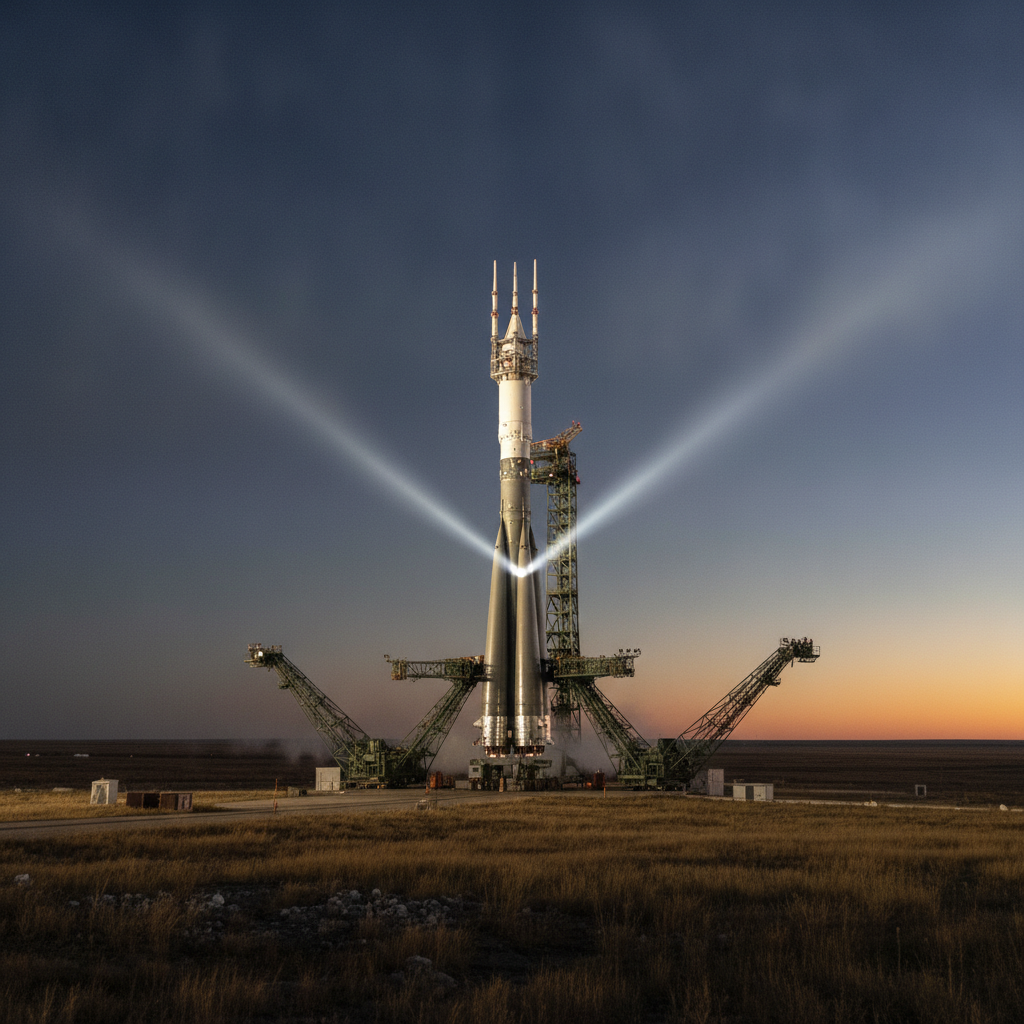
The space heritage of Kazakhstan (the country that launched the Space Age from its steppe and remains the primary launch site for human spaceflight): the space heritage guide. Baikonur Cosmodrome (the Baikonur Cosmodrome (Байқоңыр ғарыш айлағы)—the world's first and oldest operational space launch facility, located 1,500 km southwest of Almaty in the southern Kazakh steppe: the first orbital satellite (Sputnik 1) was launched from Baikonur on October 4, 1957—the event that began the Space Age; the first human in space (Yuri Gagarin) launched from Baikonur on April 12, 1961; the first spacewalk (Alexei Leonov) launched from Baikonur on March 18, 1965—all three milestones of the Space Age originated from this single facility in the Kazakh steppe): the current operation (Baikonur continues to be the primary human spaceflight launch site for the ISS—Russia has been the sole provider of crewed ISS access from 2011 (Space Shuttle retirement) to 2020 (SpaceX Crew Dragon), with all launches from Baikonur): the Baikonur lease (Russia leases the Baikonur Cosmodrome from Kazakhstan for approximately USD 115 million/year—the lease runs until 2050): the Almaty connection (the Baikonur tour (organized from Almaty by specialist operators): the 2-day excursion (flight from Almaty to Kyzylorda, then transfer to Baikonur for a launch viewing (USD 200–400/person including launch viewing access)—the most unusual tourist experience in Kazakhstan).
- 2
The Dombra – Soul of the Kazakh Steppe
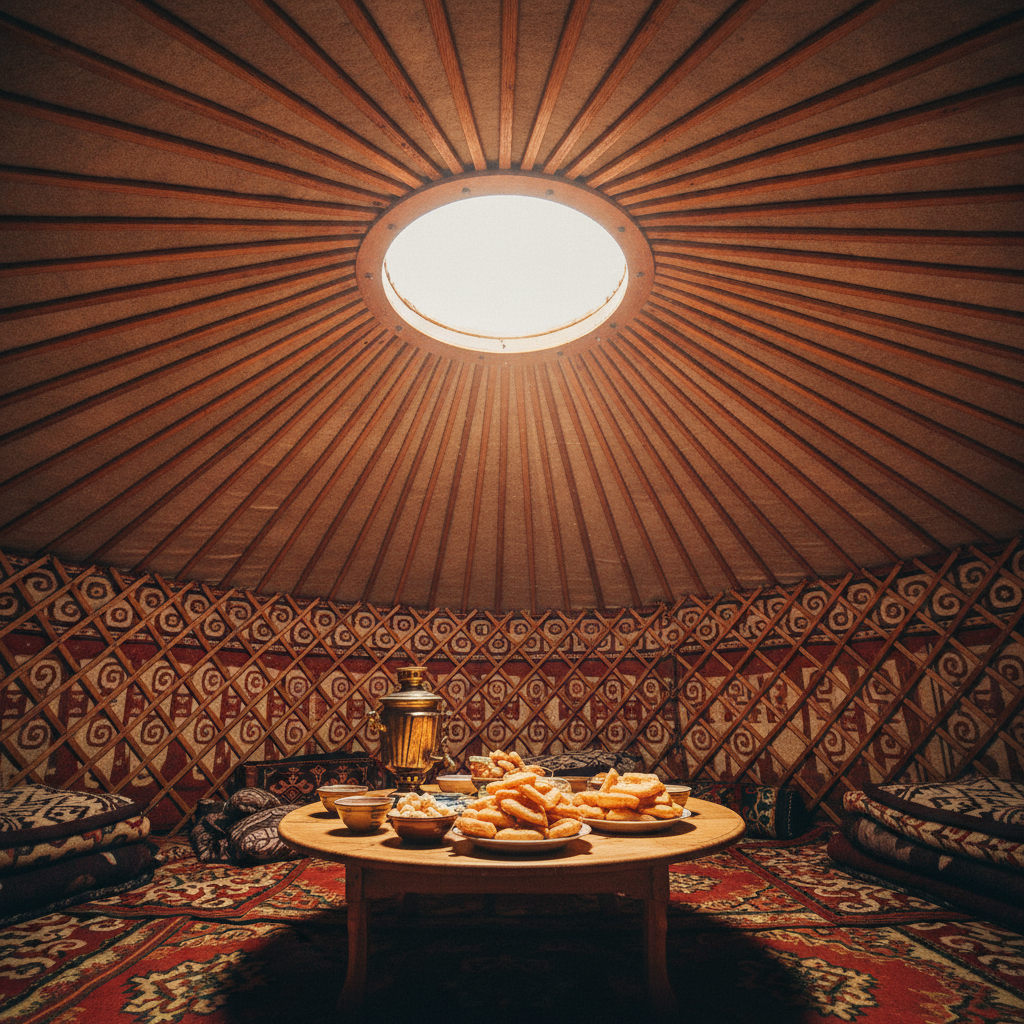
The dombra (the primary musical instrument of the Kazakh nomadic tradition—the two-stringed plucked lute that is the national instrument of Kazakhstan): the music heritage guide. The instrument (the dombra (домбыра)—a teardrop-shaped plucked lute with 2 strings tuned a fourth or fifth apart (the most common tuning: D–G or E–A): the body (a carved wooden bowl covered with a flat soundboard—the most common wood: mulberry (tut agash) or walnut (zhangak)); the strings (the traditional string material: sheep gut; the modern strings are nylon or metal): the playing technique (the dombra is played with a combination of strumming (the nail of the index finger brushes all strings in a single rapid motion for rhythmic sections) and single-note melodic plucking (the left hand stops individual strings for melodic passages)—the Kazakh dombra technique is distinctive for its high-speed right-hand strumming that produces a characteristic percussive-melodic sound): the kui (the primary compositional form of Kazakh instrumental music: the kui (күй)—the programmatic instrumental piece for solo dombra that tells a story, describes a landscape, or commemorates a historical event—the kui is performed from memory without notation and transmitted entirely through the oral teacher-student tradition): the famous players (Kurmangazy Sagyrbayev (1823–1896)—the greatest Kazakh dombra composer, whose kuis (including Saryarka, depicting the golden steppe) are the most performed pieces in the Kazakh dombra repertoire—the Kurmangazy National Conservatory in Almaty is named for him).
- 3
The Aral Sea Disaster – Kazakhstan's Environmental Wound
The Aral Sea crisis and its legacy for Kazakhstan (the most catastrophic environmental disaster of the 20th century and its continuing impact on Almaty's regional context): the environmental heritage guide. The original Aral Sea (the Aral Sea (Арал tengizi—'Island Sea' in Kazakh)—once the fourth largest lake in the world (68,000 km²): the Aral Sea was fed by the Amu Darya and Syr Darya rivers (which also supply Uzbekistan's irrigation water): the catastrophe (the Soviet decision to divert the Amu Darya and Syr Darya for cotton irrigation (the Kara Kum Canal, completed 1988, diverts 50% of the Amu Darya flow) caused the Aral Sea to lose 90% of its volume between 1960 and 2000—the sea split into two parts (the North Aral Sea in Kazakhstan and the South Aral Sea in Uzbekistan): the North Aral Sea recovery (the Kazakh government built the Kokaral Dam across the Berg Strait in 2005 (with World Bank funding of USD 85 million): the dam retained the Syr Darya inflow in the North Aral Sea, and the water level recovered 30m in 5 years—the fishing industry in the North Aral Sea (Aral, Kazakhstan) partially recovered with flounder now harvested where the sea had been desert): the Uzbek South Aral (the South Aral Sea is 90% dried permanently—the former sea bed is now the Aralkum Desert (the newest desert on earth), subject to toxic salt and pesticide dust storms that affect the health of 5 million people in the surrounding region).
- 4
Almaty's Architecture Walk – From Russian Empire to Postmodern
The Almaty architectural heritage walk (the layers of architectural history visible in the street landscape of Central Asia's most architecturally diverse city): the architectural guide. The Russian Imperial layer (1854–1917): the Verniy military fort (the original log-construction Russian fort, 1854—no buildings survive but the grid street plan centered on the Panfilov Park preserves the original fort layout); the Zenkov Cathedral (1907—the masterpiece of Russian wooden ecclesiastical architecture); the First Secretary's Dacha (1906—a surviving example of Russian dacha architecture in the Botanical Garden): the Soviet layer (1929–1991): the Stalin Empire buildings on Republic Square (1954); the Abay Opera Theater (1941); the Central State Museum (1985—the Kazakh national style dome); the residential microrayons (the Soviet prefabricated concrete apartment blocks (panelynyy dom) that house 60% of Almaty's population—the Microrayon 2 and 4 districts southeast of the center are the best examples of high-quality Soviet residential planning with abundant green space between blocks): the post-Soviet layer (1991–present): the Esentai Tower (2015—200m, the tallest building in Kazakhstan, designed by SOM (Skidmore Owings Merrill)—the firm that designed the Burj Khalifa in Dubai and the Willis Tower in Chicago); the Almaty Arena (the 2022 Winter Olympic candidate venue, 12,000-seat indoor arena): the Nurly Zhol infrastructure (the Silk Road connectivity infrastructure program launched 2014—the highway, rail, and logistics network built to position Kazakhstan as the Eurasian transit hub).
- 5
Winter in Almaty – The Ski Season Guide
The Almaty winter travel guide (the case for visiting in the skiing season November–March—when the Shymbulak resort is the best ski resort in Central Asia and the city itself takes on a distinctively Central Asian winter character): the ski season guide. The Shymbulak skiing (Shymbulak ski resort (2,230–3,200m): the ski season (December 15–April 1 in a normal snow year; sometimes extending to mid-April): 30 km of pisted runs organized on 3 main chair lifts and 1 gondola: the main runs (the Grand Shymbulak run from the top gondola station (3,163m) to the resort base (2,230m)—the longest run, 3.5 km, 933m vertical—intermediate; the Muynak (the black run from the top gondola along the ridge before descending steeply to the resort): the Talgar (the beginner area at the resort base, served by a drag lift): the lift prices (the day lift pass: USD 35–45 on weekdays, USD 50–60 on weekends and holidays—substantially cheaper than comparable alpine resorts): the snow quality (the Shymbulak snow is Central Asian continental—cold, light powder in January–February (the best powder months); spring corn snow in March–April (the most reliable base)): the accommodation at the mountain (the Shymbulak Hotel (the ski-in/ski-out hotel at the resort base (2,230m), USD 120–200/night in season): the Chalet Shymbulak (the mountain-style boutique hotel, USD 80–120/night): the alternative (staying in the city center and taking the cable car from Medeu (07:30 first departure) is the most economical mountain access option).
- 6
Almaty's Future – Tech Hub, EXPO & Regional Ambitions
The contemporary and future Almaty (the city's strategic ambition to become the Central Asian hub for technology, finance, and aviation—and the investments being made to achieve this): the future city guide. The Almaty International Financial Centre (the AIFC—the Kazakhstan financial hub established in the former EXPO 2017 site (the EXPO 2017 was held in Nur-Sultan/Astana, not Almaty)—the financial center operates under English common law and is the primary platform for foreign investment in Kazakhstan, with 1,200 registered companies (2024)): the tech ecosystem (the Almaty tech ecosystem: Kolesa Group (the largest technology company in Kazakhstan, operating the KaspiBank super-app that combines mobile banking, e-commerce, and marketplace for 12 million active users—the most complete fintech super-app in the CIS): the Almaty Tech Hub (the tech incubator and co-working space at the Fabrika creative hub—home to 80+ tech startups): the Silk Road connection (Kazakhstan's Nurly Zhol infrastructure program (the Kazakhstani component of the Chinese Belt and Road Initiative)—the Kazakhstan section of the China-Europe rail freight corridor handles 80,000 TEU (container units) annually, making Kazakhstan the primary land-bridge for China-EU trade—the Almaty dry port (the Almaty freight logistics hub (opened 2011)) is the key intermodal transfer point): the aviation hub (the Air Astana hub at Almaty International Airport—Air Astana connects 60 destinations and is the primary transit airline between Europe and Central Asia, South Asia, and western China—the Almaty-Amsterdam route and the Almaty-London route were launched 2023 and 2024 respectively as direct services not requiring connection through Russian airspace).
Walk this route with audio
Stories play automatically as you reach each stop — no tapping needed.
More in Almaty
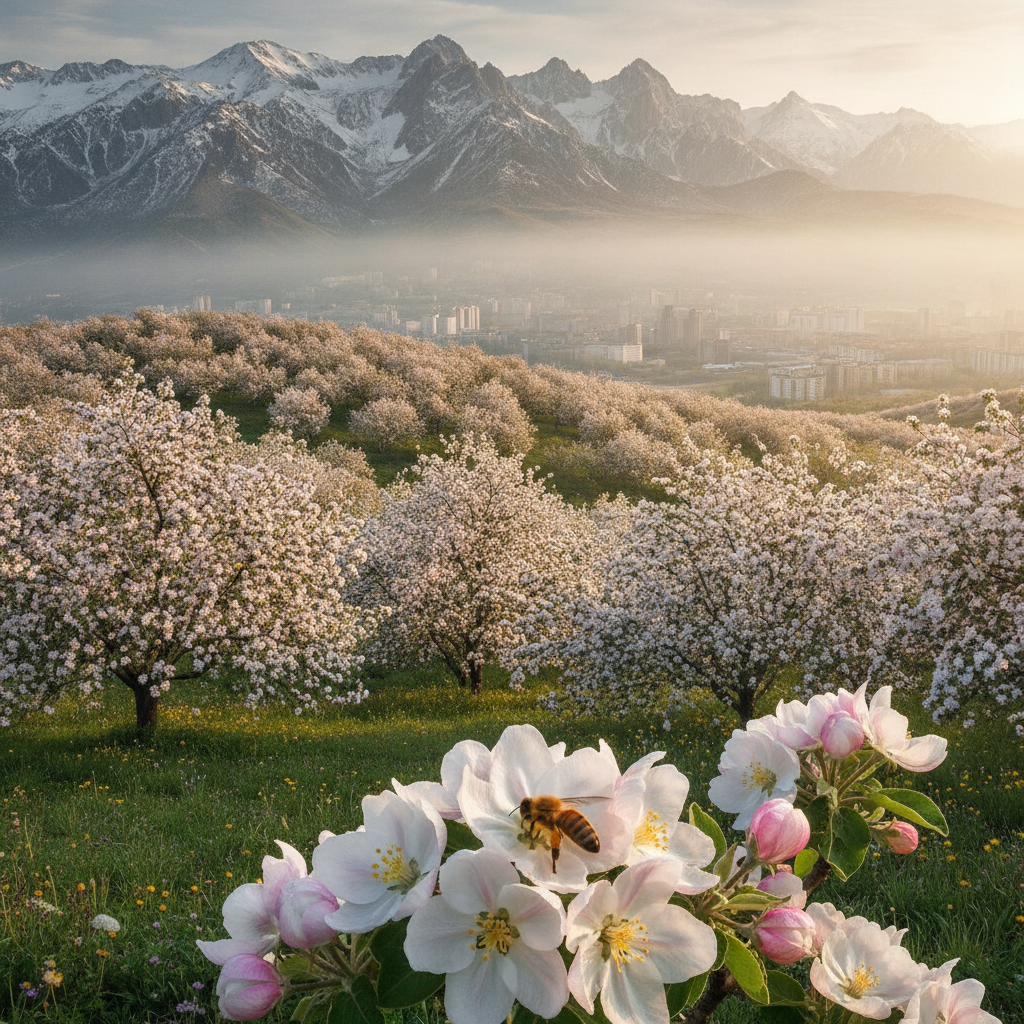
The Wild Apple Forests Above Almaty as the Genetic Origin of All 7,500 Domestic Apple Varieties, Eisenstein Filming Ivan the Terrible in Alma-Ata During WWII & the Aport Apple Growing to 800g the Largest Domesticated Apple Variety
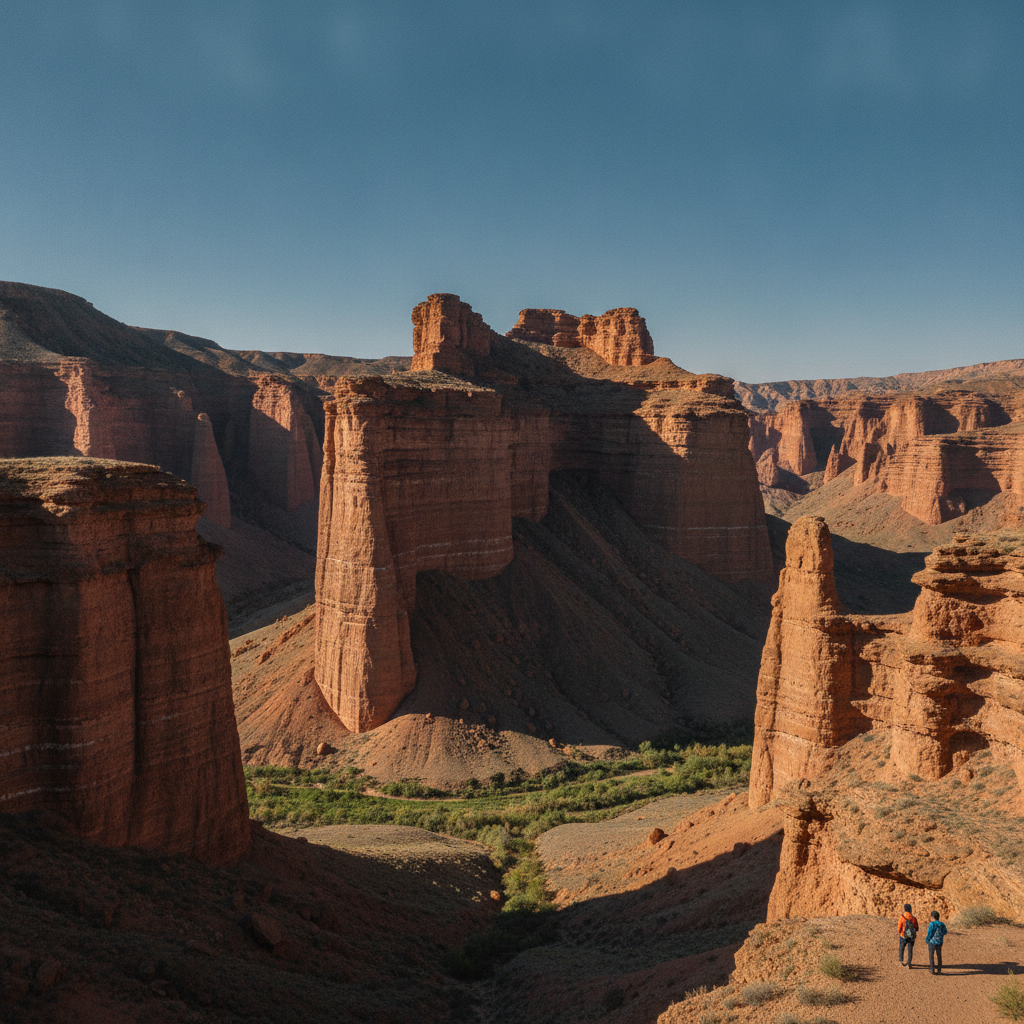
The 4th Century BCE Scythian Golden Man Wearing 4kg of Interlocking Gold Plaques Found 70km From Almaty, the Kazakh Eagle Hunter Tradition Using Golden Eagles With 2.3m Wingspans & the January 2022 Almaty City Hall Fire That Triggered the First CSTO Military Deployment
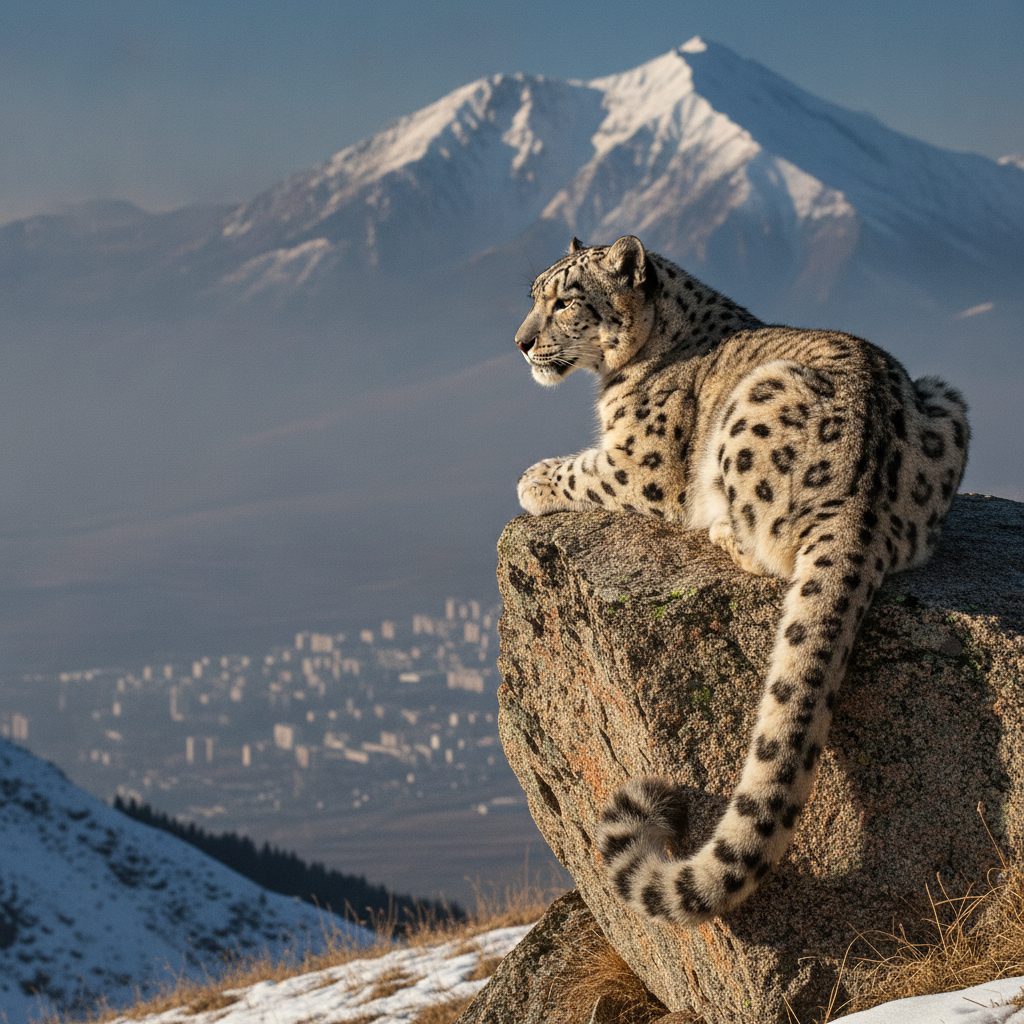
The 1887 Verniy Earthquake That Produced the First Seismic Building Code in the Russian Empire, the Stalin Deportation of 100,000 Soviet Koreans to Kazakhstan in 1937 & the Snow Leopard Population of 150-180 in the Zailiysky Alatau Mountains Above Almaty
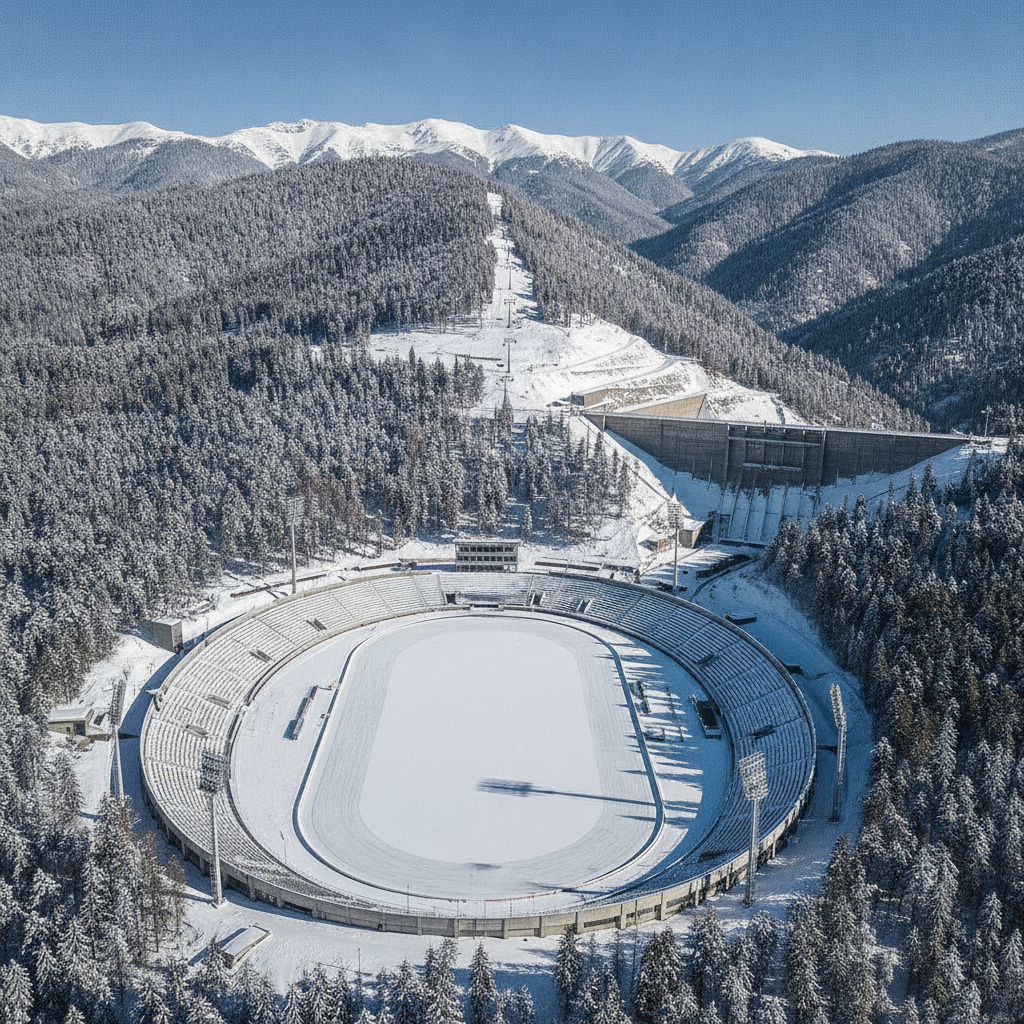
The Highest-Altitude Speed Skating Stadium Where 105 World Records Were Set, the Wooden Zenkov Cathedral That Survived a Magnitude 7.7 Earthquake Because Wood Absorbs Seismic Energy & the Beatles Statue on a Kazakhstan Hilltop