Paestum — Greek Temples, UNESCO Archaeology & Buffalo Mozzarella
Paestum (the Greek city of Poseidonia founded 600 BCE by colonists from Sybaris, Roman from 273 BCE, UNESCO World Heritage Site containing the best-preserved Greek temple ensemble outside Greece, 100km south of Amalfi, accessible by bus from Salerno in 1 hour) is the most significant archaeological destination accessible from the Amalfi Coast.
- 1
Temple of Neptune — the Best-Preserved Doric Temple Outside Greece
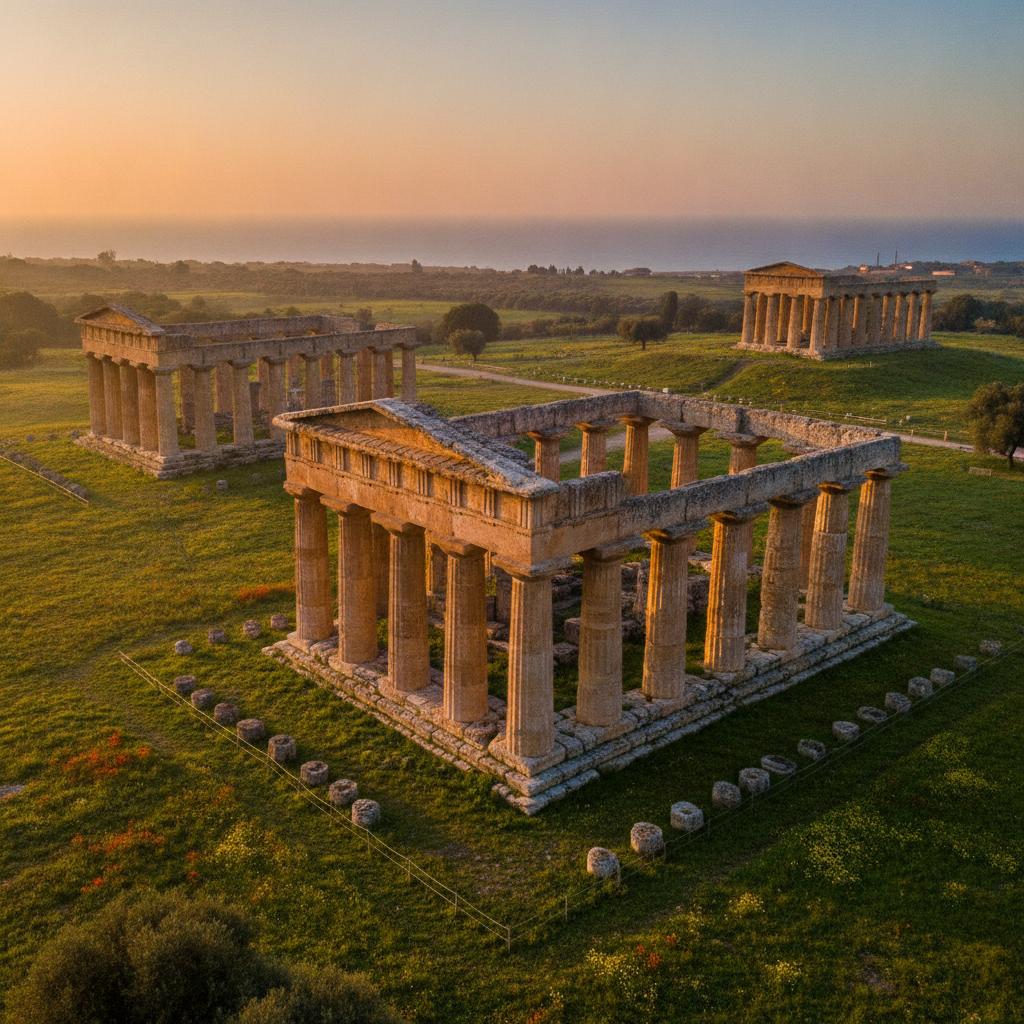
The Temple of Neptune (Tempio di Nettuno, actually dedicated to Hera II, 460 BCE, 60m by 24m, the 36 external columns intact, entablature and pediments substantially complete — the finest surviving example of mature Doric temple architecture in the world, combined entry €16 with the museum, daily 8:30am-7:30pm) is the most important Greek building outside Greece. The flat Cilento plain provides unobstructed views from all four sides, making it uniquely legible as architecture.
- 2
National Archaeological Museum — the Tomb of the Diver
Museo Nazionale di Paestum (Via Magna Graecia, included in the €16 combined ticket, Tuesday-Sunday 8:30am-7:30pm) is home to the Tomb of the Diver (Tomba del Tuffatore, 480 BCE, the only complete example of Greek figurative painting surviving from antiquity — 5 painted limestone slabs show the diving figure on the lid and symposium scenes on the 4 walls). The 36 painted Lucanian tomb chests (4th-3rd century BCE, battle and hunting scenes) cover an entire gallery.
- 3
The Basilica and the Temple of Ceres — the Three-Temple Ensemble
The Basilica (Tempio di Era I, 550 BCE, the oldest of the three temples, the widest Greek temple ever built in the Western colonies) and the Temple of Ceres (Tempio di Cerere, actually dedicated to Athena, 500 BCE, a Doric-Ionic hybrid) flank the Temple of Neptune. The three are aligned along the Via Sacra (the ancient main street, partially paved with original Greek limestone slabs). The complete 120-hectare park walk (45 minutes) includes the Greek agora, Roman forum, amphitheatre, and city walls.
- 4
Buffalo Mozzarella — the Piana del Sele Dairy Farms
The Piana del Sele (the alluvial plain north of Paestum, producing 40 percent of all DOP Mozzarella di Bufala Campana) is the context for understanding the cheese. Caseificio Barlotti (Via Sterpina, Capaccio Scalo, 5km from Paestum, open daily 8am-1pm, mozzarella pulled and shaped at 7am each morning, best eaten within 6 hours at €4-6 per 200g) and Tenuta Vannulo (the organic buffalo farm with on-site restaurant, gelato shop, and leather workshop) represent the mozzarella tourism circuit.
- 5
Cilento National Park — UNESCO Biosphere Reserve
The Cilento and Vallo di Diano National Park (181,048 hectares, UNESCO World Heritage Site together with Paestum, Italy's second-largest national park) contains the most biodiverse and least-developed landscape in southern Italy. Key sites: the Gorge of the Calore River near Felitto (45 minutes inland, 50m limestone walls, swimming pools, free access), Castellabate (the perfectly preserved medieval hilltop town on the Cilento coast, setting of the film Benvenuti al Sud 2010), and the Grotte di Castelcivita cave system (30 minutes east, €12).
- 6
Via Magna Graecia — the Roman City Overlaid on the Greek
The Roman layer of Paestum (the forum, comitium, amphitheatre, and Roman macellum) overlies the Greek city in the most legible example of urban succession in the Mediterranean world. The Roman forum directly overlying the Greek agora and the amphitheatre (the gladiatorial reliefs in the museum document the games held here until the 3rd century AD) represent the 500 years of Roman Paestum that succeeded the Greek city, creating the extraordinary palimpsest visible in the archaeological park today.
Walk this route with audio
Stories play automatically as you reach each stop — no tapping needed.
More in amalfi
Ravello — Villa Cimbrone, Villa Rufolo & the Ravello Festival
Positano — the Vertical Village, Li Galli Islands & Handmade Sandals
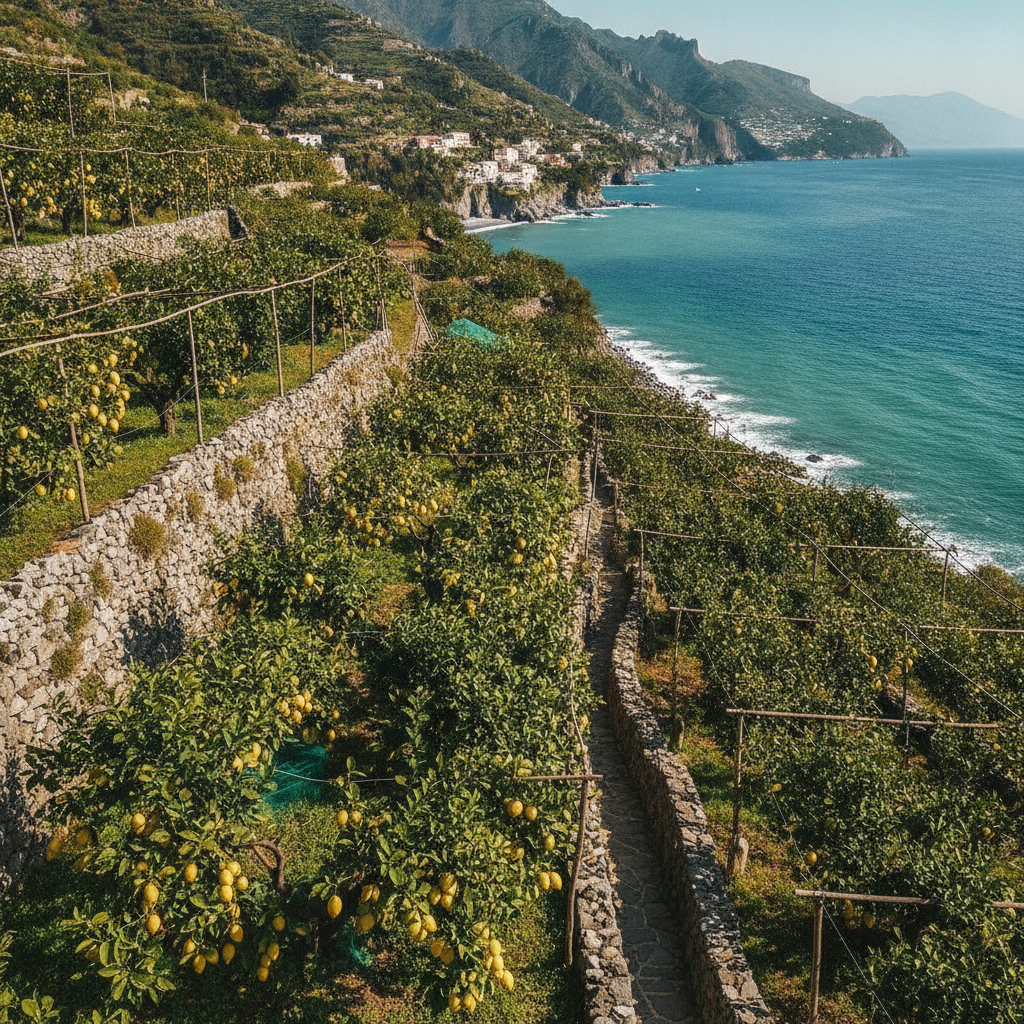
Amalfi Lemons — Sfusato Amalfitano, Limoncello Production & the Furore Fjord
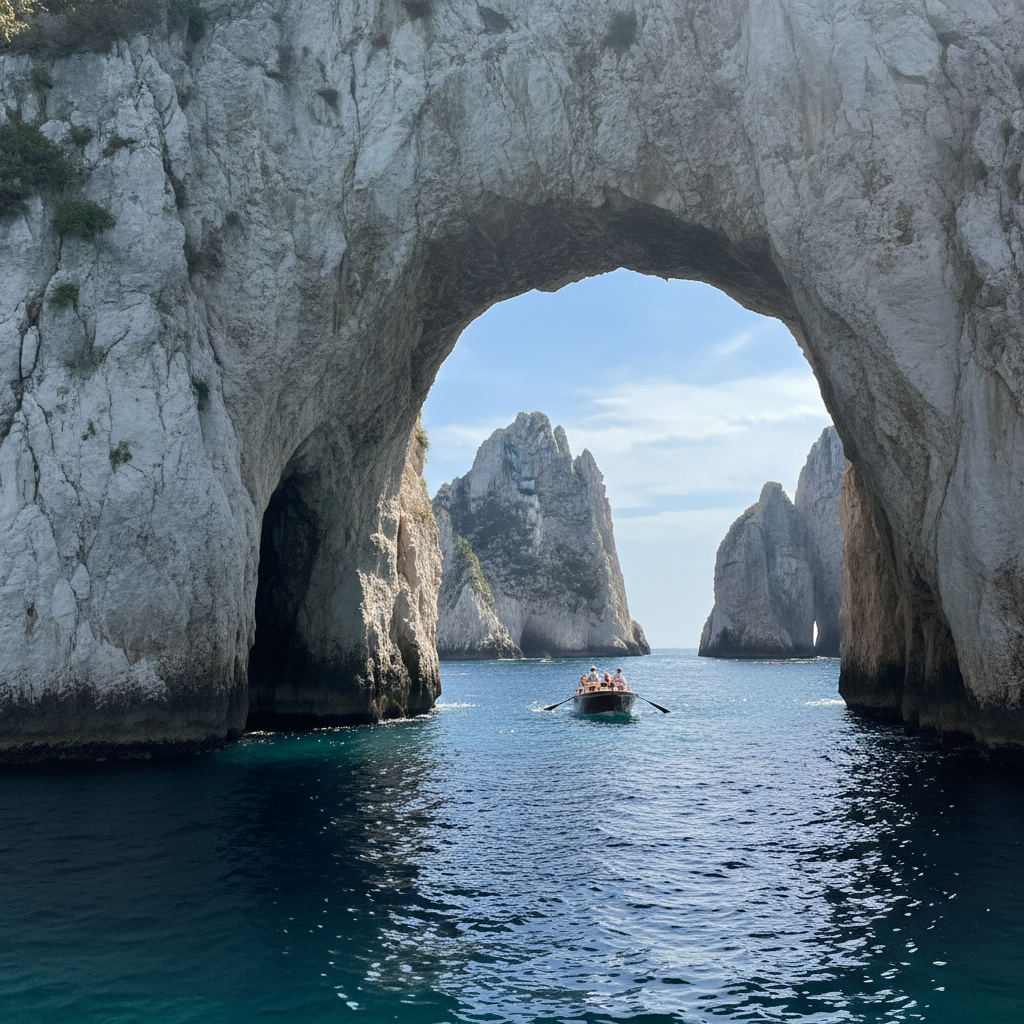
Capri Day Trip — Blue Grotto, Villa Jovis & the Faraglioni