Amman Practical Guide: Jordan Pass, Careem App & Using the Capital as Your Jordan Base
Navigate Jordan from Amman efficiently—buy the Jordan Pass online before arrival (covers airport visa and Petra entry), use Careem for all city transport in a car-designed city, limestone-clad accommodation from luxury Four Seasons to Rainbow Street boutiques, and plan your Jordan circuit: Jerash (1 hr), Dead Sea (1 hr), Petra (3 hrs), Wadi Rum (4 hrs) all reachable from Amman.
- 1
Getting to Amman – Queen Alia International Airport
Queen Alia International Airport (AMM), 35 km south of Amman, is Jordan's international gateway—served by Royal Jordanian, British Airways, Lufthansa, Air France, Emirates, and budget carriers Ryanair and Wizz Air (from Europe). The Airport Express Bus (JD3.3/€4.50) runs to downtown Amman in 45 minutes; taxis cost JD20–25 (€25–30) to city centre. The Jordan Pass (purchased online before arrival) covers the visa fee for most nationalities—essential to buy before boarding for a visit that includes Petra.
- 2
Getting Around Amman – Taxis, Ride Apps & Walking
Amman is a city designed for cars—its hills make walking between districts impractical without serious fitness. The Uber and Careem apps are the practical transport solution (cheap, English interface, fixed pricing). Yellow taxis use meters but drivers sometimes quote flat prices; insisting on the meter is usual practice. The city bus system exists but is confusing for visitors. Walking within individual districts (Rainbow Street area, downtown, Weibdeh) is pleasant and feasible; walking between them is typically a 15–20 minute drive.
- 3
Accommodation in Amman
Amman's accommodation ranges from the luxury Four Seasons (5th Circle) and W Hotel (to open 2025) to boutique hotels in the Jabal Amman neighbourhood. The Pilot Hotel and the Boutique Hotel Amman are mid-range options on Rainbow Street with excellent locations. Budget accommodation clusters around downtown and near the bus stations (JD15–25/night). The Petra Guesthouse model (family-run, home-cooked breakfast) is replicated in several Amman establishments in the Jabal Amman area—warmest and most culturally authentic option.
- 4
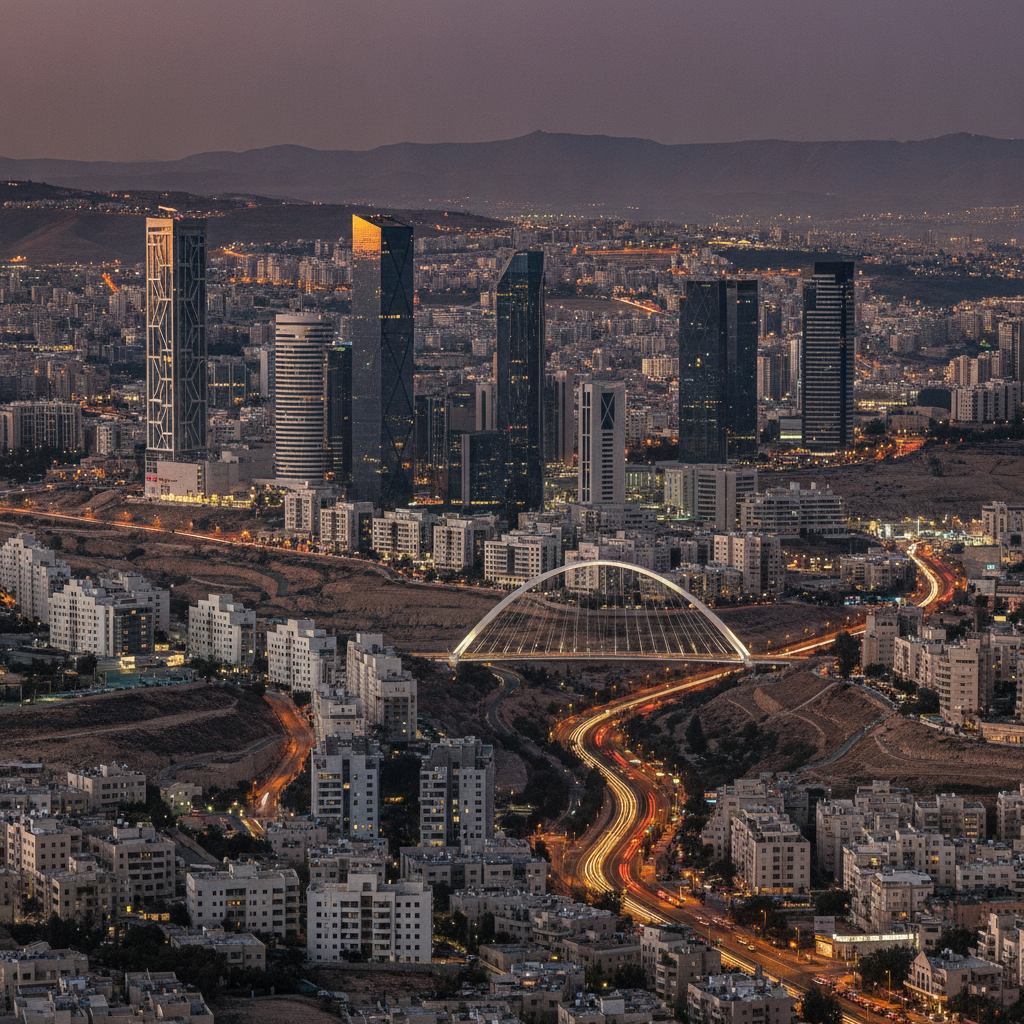
Amman's Urban Growth & Modernity
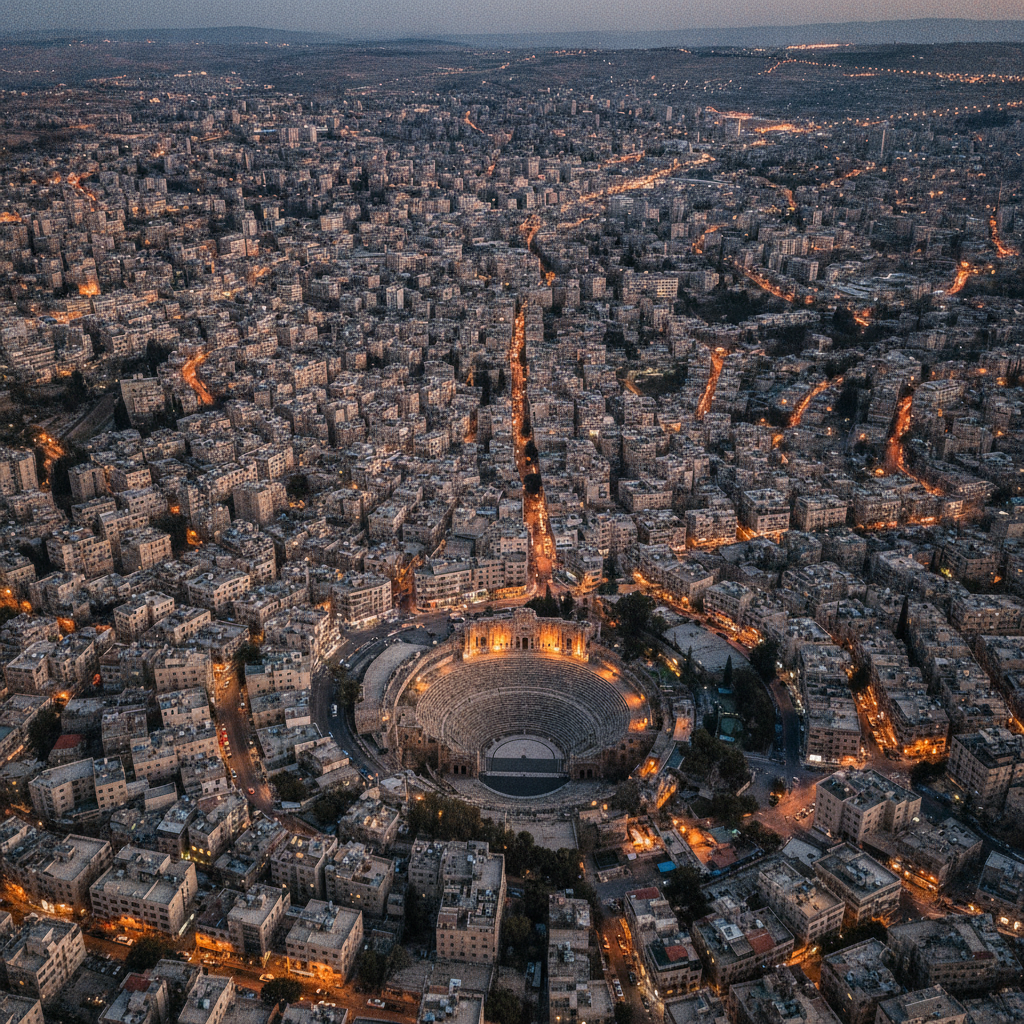
Amman is one of the Arab world's fastest-growing cities—it has expanded from 20,000 people in 1946 (Jordanian independence) to 4+ million in Greater Amman today, driven by successive waves of Palestinian, Iraqi, Syrian, and Yemeni refugees. The city's white limestone buildings (a municipal requirement that all exterior surfaces be limestone-clad) give Amman its distinctive appearance. The newer western districts (Abdoun, Sweifieh, Shmeisani) are modern and cosmopolitan; the eastern districts are more traditional and working-class.
- 5
Best Time to Visit Amman
Amman's climate is Mediterranean-continental—hot, dry summers (June–September, 32–38°C) and cold winters (December–February, 4–12°C with occasional snow). Spring (March–May) and autumn (September–November) are the ideal visiting periods—temperatures of 18–25°C, clear skies, and lower tourist volumes than peak Petra season. Ramadan (dates vary by year) transforms the city—daytime quiet, extraordinary evening Iftar gatherings, street food stalls in the souks, and a unique cultural atmosphere. Visiting during Eid al-Adha means mansaf feasts in family homes.
- 6
Amman as a Base for All of Jordan
Amman's central position makes it the ideal base for exploring Jordan: Petra is 3 hours south; Jerash is 1 hour north; the Dead Sea is 1 hour west; Wadi Rum is 4 hours south; Aqaba is 4.5 hours south; the Desert Castles (Umayyad hunting lodges east of Amman) are 1–2 hours east. The Jordan Pass covers entry to virtually all of these sites. The JETT bus company operates comfortable, affordable intercity buses from Amman to all major destinations; car hire from the airport is the most flexible option for a comprehensive Jordan circuit.
Walk this route with audio
Stories play automatically as you reach each stop — no tapping needed.
More in Amman
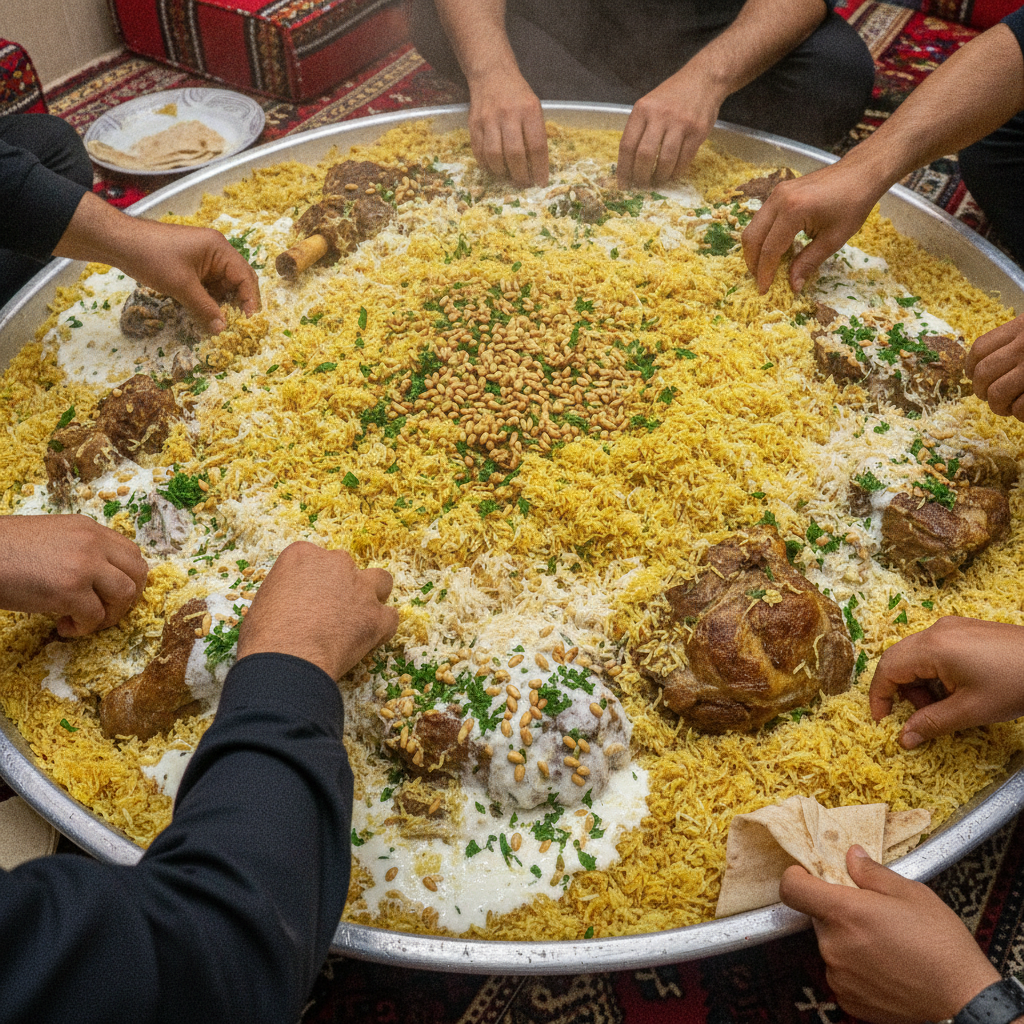
Amman's Food & Culture: Mansaf by Hand, Palestinian Knafeh & Rome's Best Ruins at Jerash
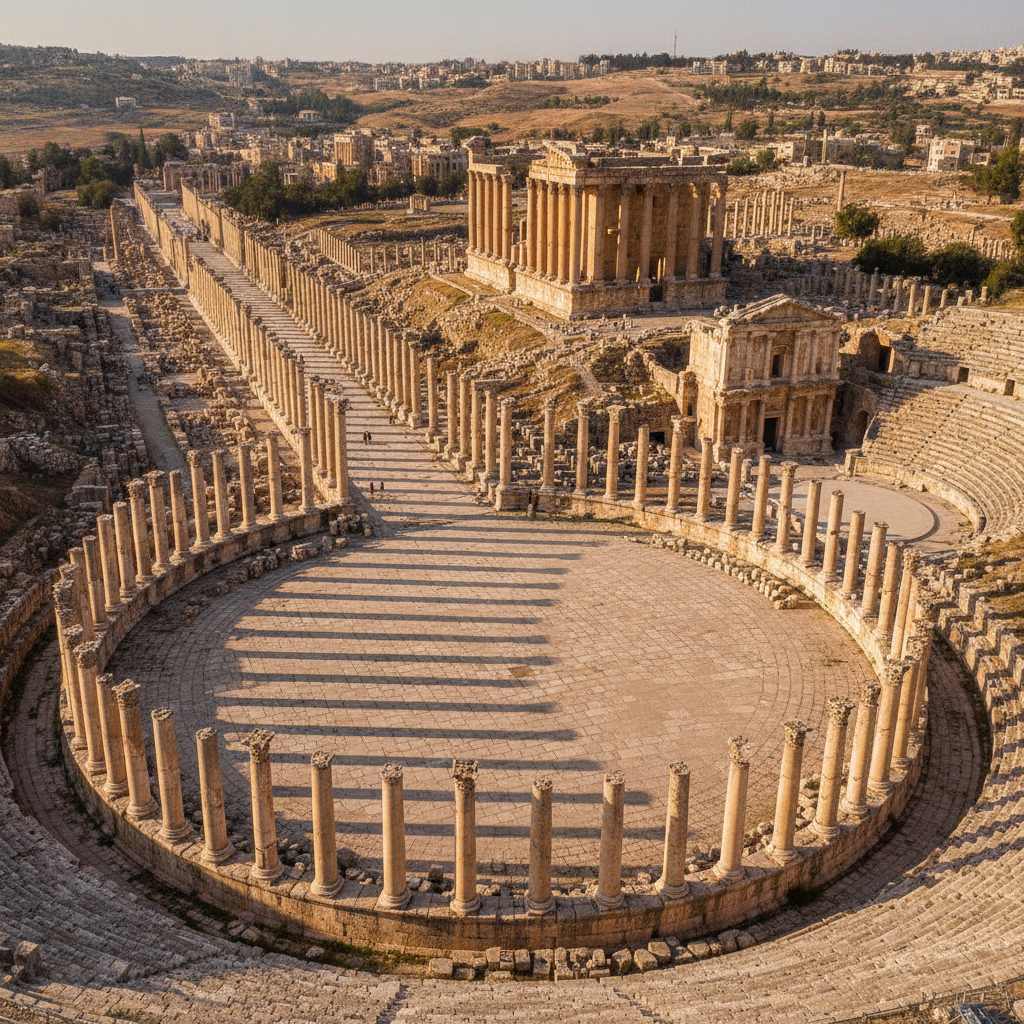
Amman Day Trips: Jerash Roman City, Ajloun Castle, the Dead Sea Float, and the Madaba Mosaic Map
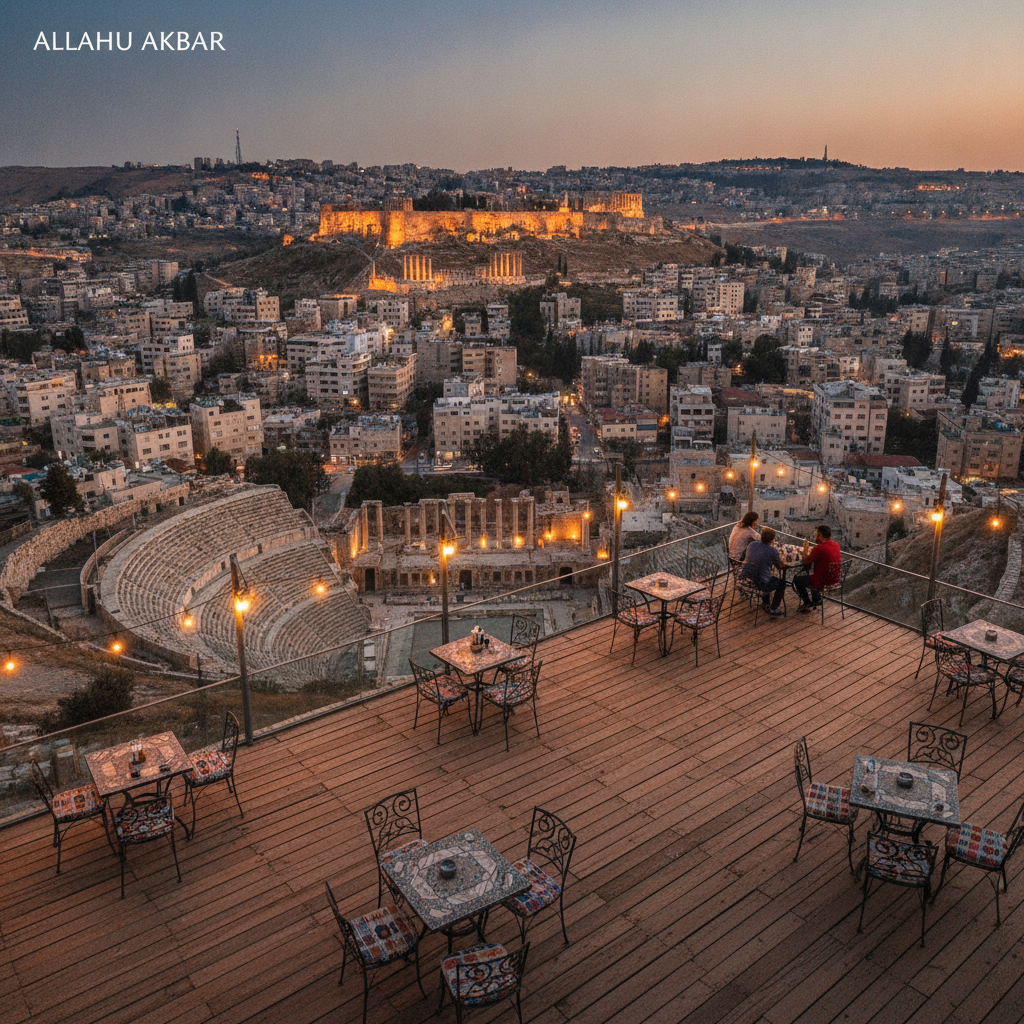
Amman's Living Culture: Syrian Restaurants, Wild Jordan Café & a Diplomatic Crossroads
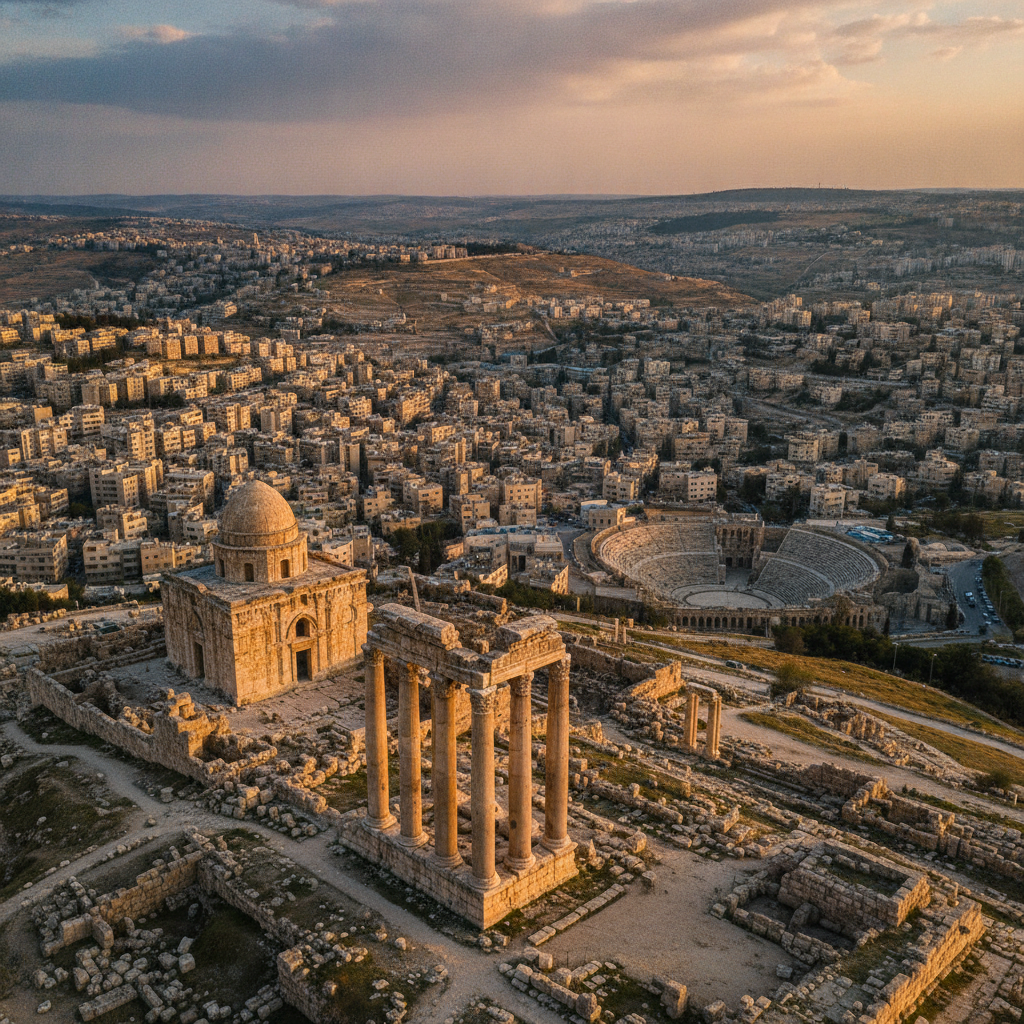
Amman Essential: The Citadel with the Temple of Hercules, the Roman Theatre, the Umayyad Palace, Rainbow Street, and the Downtown Medley of Ancient and Modern Jordan
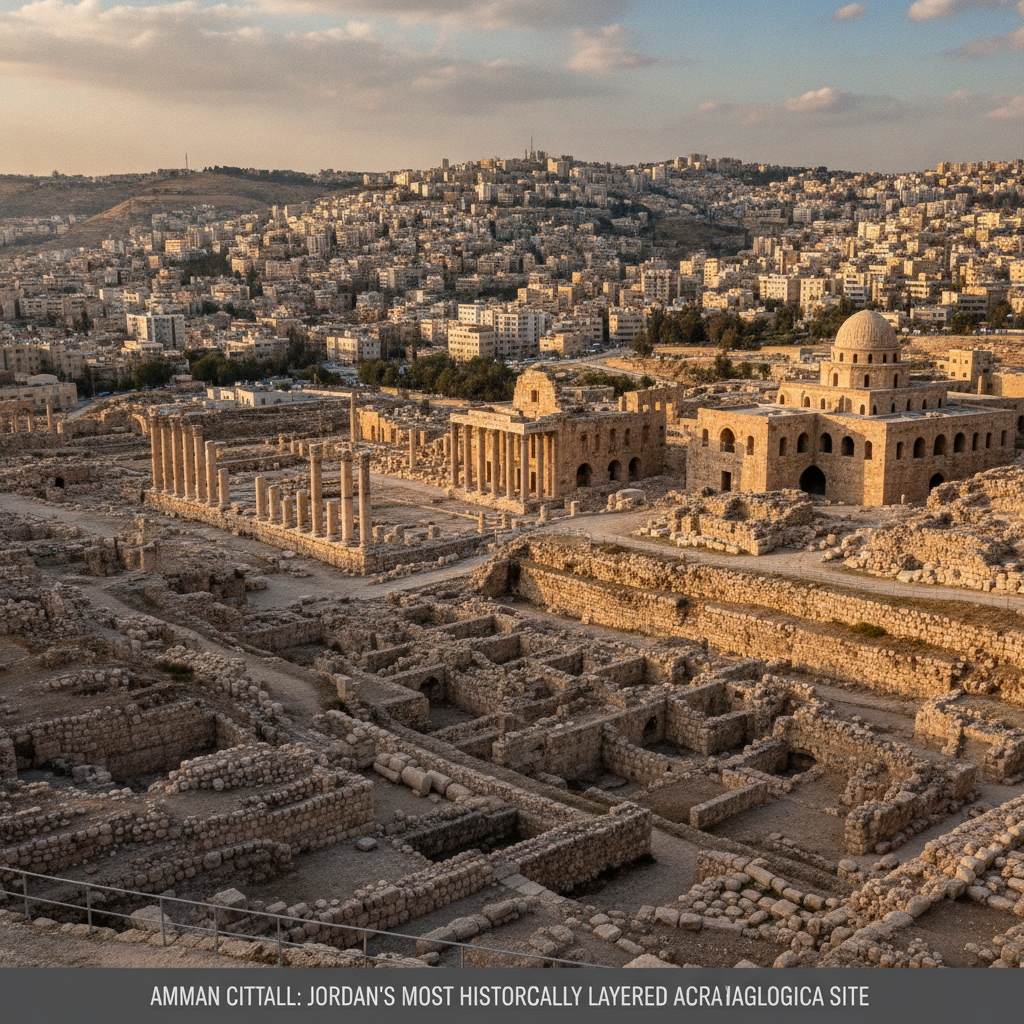
Amman History: The Ammonite Rabbath Ammon, the Hellenistic Philadelphia, the Roman Gerasa, the Byzantine City, the Umayyad Capital, and the Modern Jordanian Capital