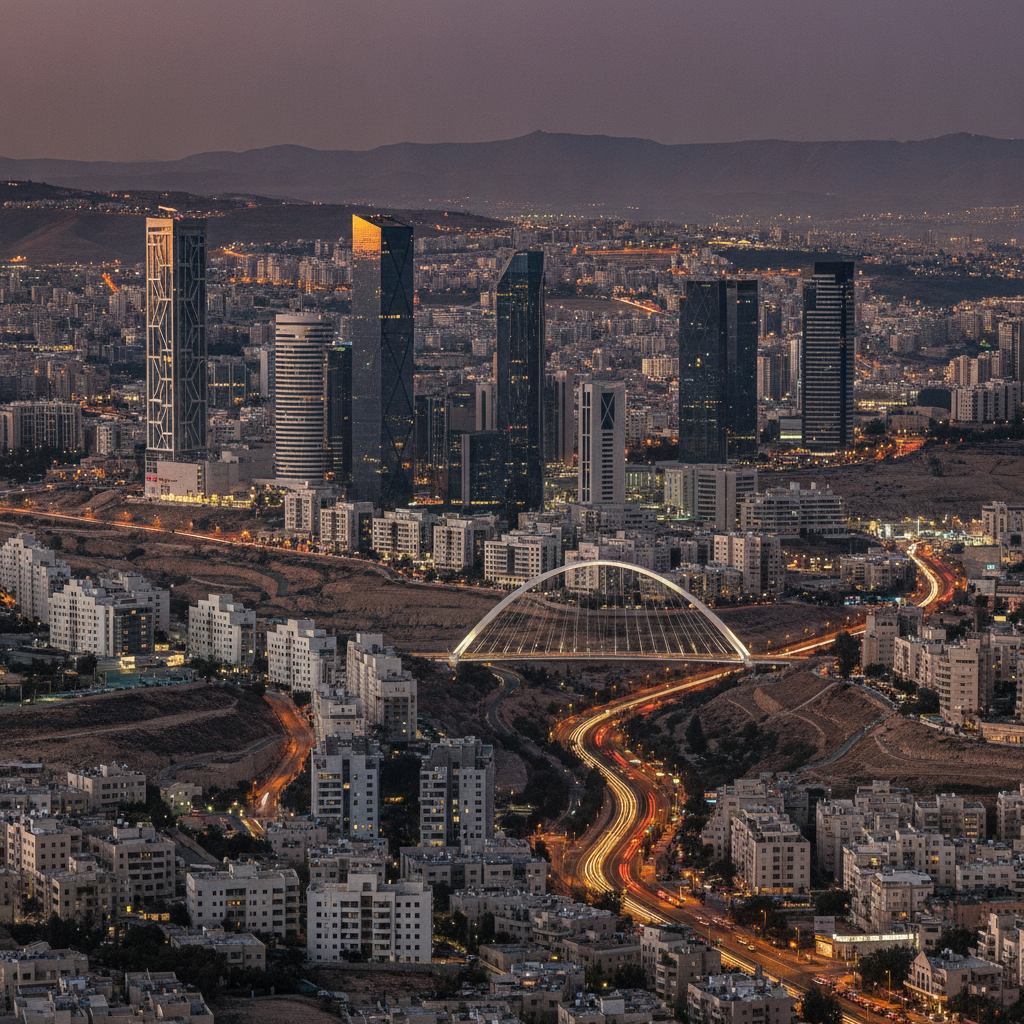
Amman Essentials: Roman Theatre in the City Centre, Rainbow Street Cafés & the Citadel
Explore the Middle East's most underrated capital—a 6,000-seat Roman theatre surrounded by modern streets, three millennia of civilisation compressed onto the Citadel hill, Rainbow Street's 1950s buildings turned café and bookshop district, the Jordan Museum's Dead Sea Scrolls copper scroll listing 64 undiscovered treasure locations, and Hashem Restaurant's hummus that has fed everyone from labourers to King Hussein since the 1950s.
- 1
The Citadel – Amman's Ancient High Point
The Amman Citadel (Jabal al-Qal'a) rises on the highest of Amman's seven hills (now expanded to 19+ hills) and contains three millennia of overlapping civilisation: a Bronze Age megalithic wall, the Roman Temple of Hercules (161–166 AD, of which two enormous column fragments and a massive hand remain), the Byzantine church of St George, and the Umayyad Palace complex (8th century AD). The National Archaeological Museum on the citadel hill contains the Dead Sea Scrolls copper scroll fragments and a 9,000-year-old Ain Ghazal statue—one of the world's oldest human statues.
- 2
The Roman Theatre – 6,000-Seat Antiquity in the City Centre
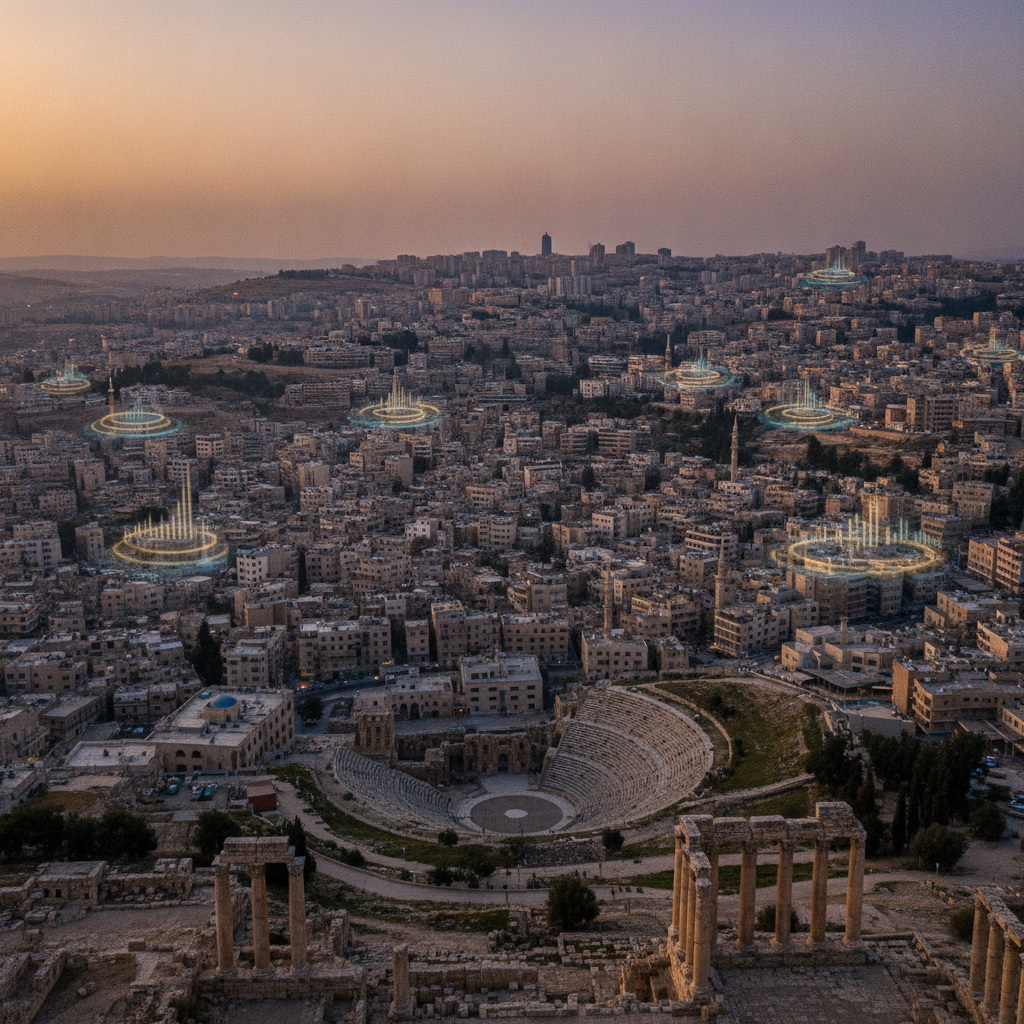
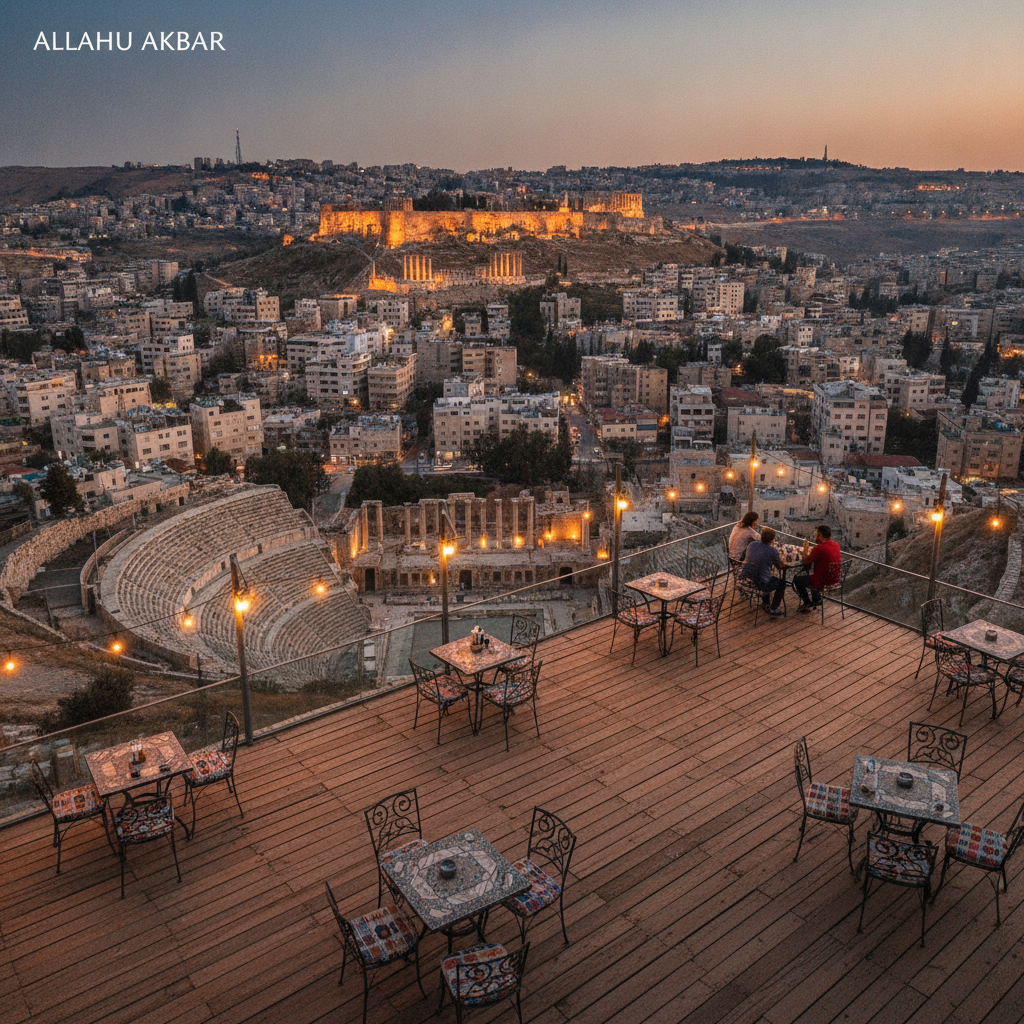
Amman's Roman Theatre—a 6,000-seat amphitheatre carved into a hillside in the 2nd century AD under the reign of Emperor Antoninus Pius—sits in the middle of the modern city, flanked by the Odeon (500-seat covered theatre) and surrounded by the modern street grid. The theatre is fully intact; it still hosts performances. The two museums housed in the theatre's vaulted substructure (Museum of Jordanian Heritage and Museum of Popular Traditions) contain Byzantine and Nabataean mosaics and Palestinian embroidery.
- 3
Rainbow Street & Jabal Amman
Rainbow Street in Jabal Amman (the first circle neighbourhood) is Amman's most characterful urban street—a 1 km stretch of 1950s–1960s residential buildings converted into cafés, bookshops, galleries, and restaurants. The area around the 1st, 2nd, and 3rd circles is the city's cultural and intellectual centre. Friday morning brings a small street market; the rooftop cafés along Rainbow Street offer views over Amman's hills. The Jordan National Gallery of Fine Arts and the Nabad Art Gallery are the city's most important contemporary art spaces.
- 4
The Jordan Museum
The Jordan Museum in the Ras al-Ain neighbourhood (opened 2014) is Jordan's national museum—a world-class institution covering Jordanian history from prehistoric Jordan (Ain Ghazal statues, 7500 BC) through Nabataean, Roman, Byzantine, Islamic, and modern periods. The museum's centrepiece is the Dead Sea Scrolls copper scroll (on loan display)—the only Dead Sea Scroll not housed in Jerusalem's Israel Museum, containing a list of buried treasure whose 64 locations remain undiscovered. The museum café serves good Jordanian food.
- 5
Downtown Amman – Al-Balad & the Souks
Amman's historic downtown (Al-Balad) clusters around the Roman Theatre and the Husseini Mosque (the city's central mosque, rebuilt 1924 on the site of a Byzantine church and an Umayyad mosque). The surrounding souks—gold souk, spice souk, and the covered vegetable market—are functional everyday markets used by Ammanites. The Hashem Restaurant (open since the 1950s, cash only, no menu, no frills) serves the best hummus and ful medames in the city and has fed everyone from impoverished labourers to King Hussein.
- 6
Amman's Coffee & Café Culture
Amman has developed one of the Middle East's most sophisticated café cultures since the 2000s—a combination of the Palestinian Jordanian merchant class's tradition of coffee hospitality and a new generation of entrepreneurial Jordanians opening European-style specialty coffee spaces. Books@Café (est. 2000) on Rainbow Street was the first, combining a bookshop and LGBT-friendly space (unique in Jordan). Rumi Café, Nomads Café, and the Wild Jordan Café (operated by the Royal Society for the Conservation of Nature) are among the best. Bedouin coffee (bitter, cardamom-spiced) is always served free at traditional businesses.
Walk this route with audio
Stories play automatically as you reach each stop — no tapping needed.
More in Amman
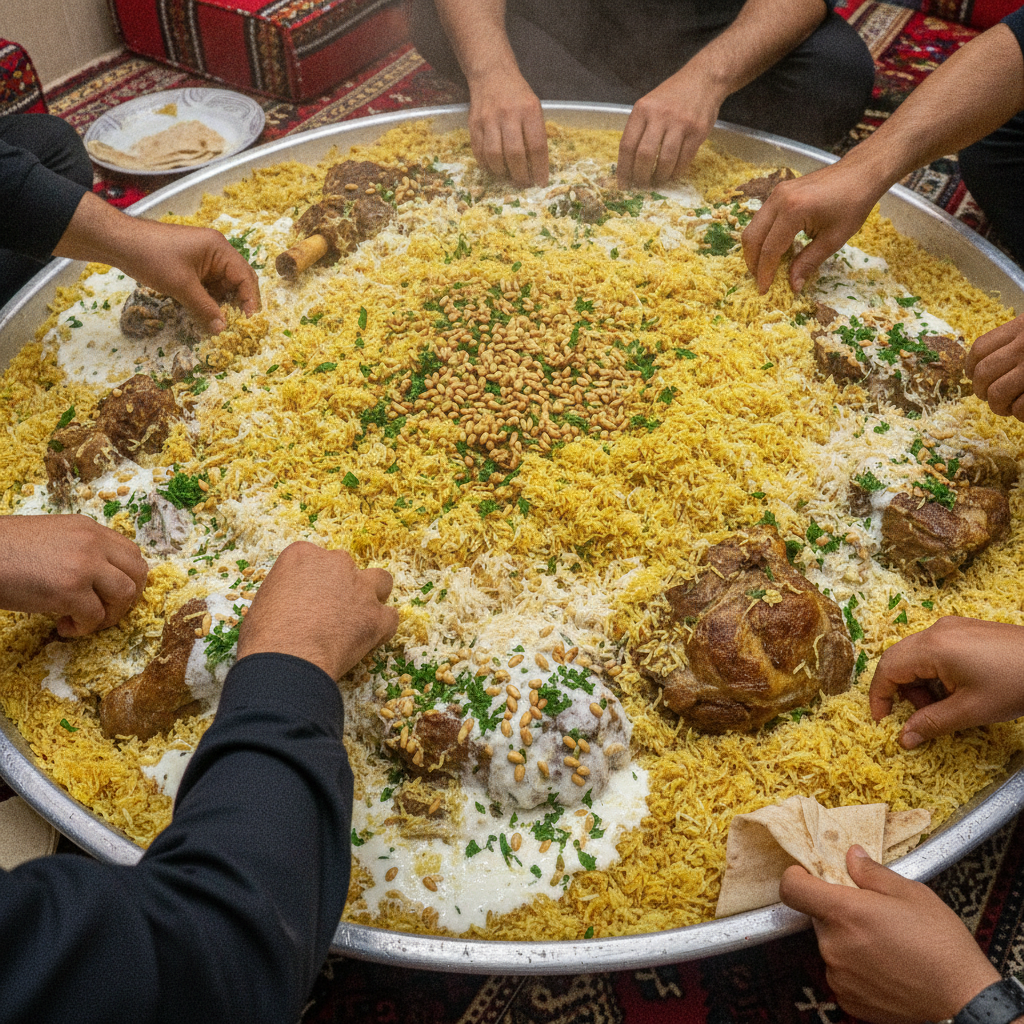
Amman's Food & Culture: Mansaf by Hand, Palestinian Knafeh & Rome's Best Ruins at Jerash
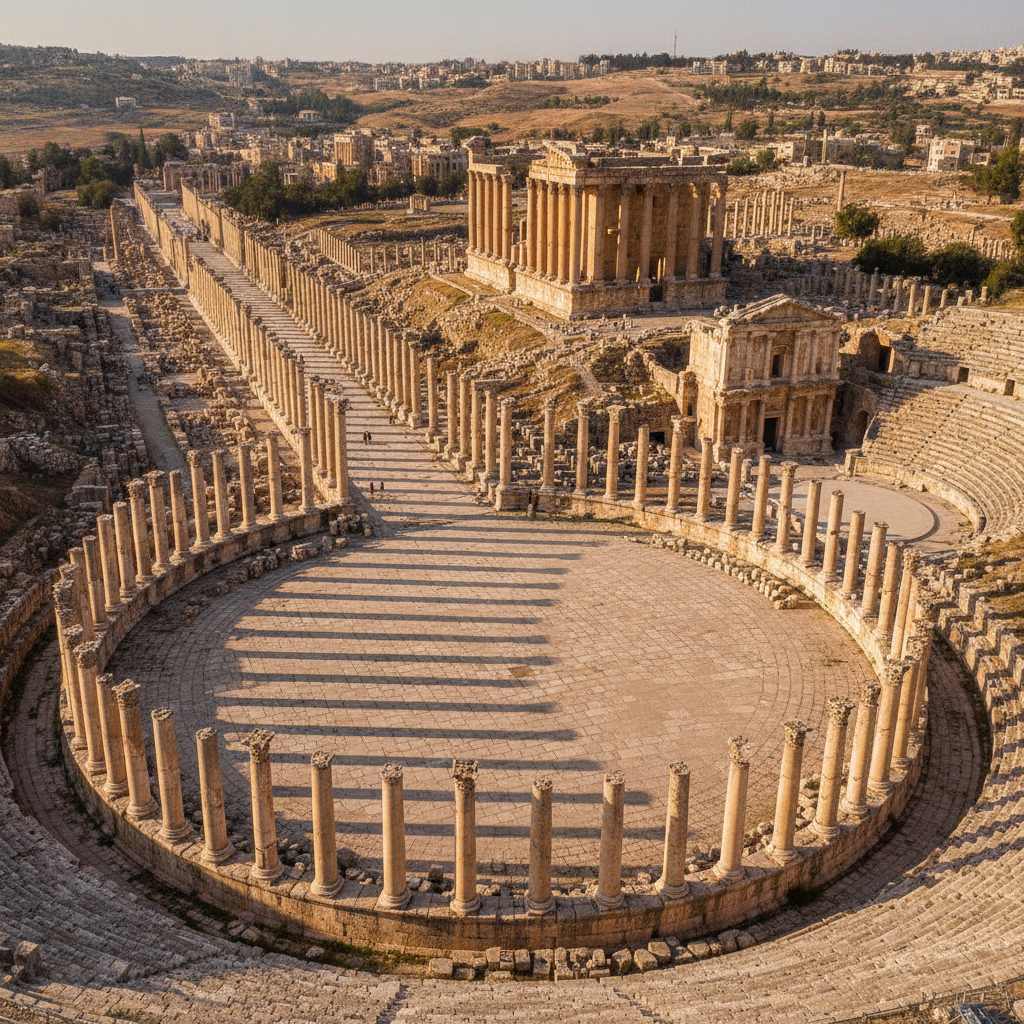
Amman Day Trips: Jerash Roman City, Ajloun Castle, the Dead Sea Float, and the Madaba Mosaic Map
Amman's Living Culture: Syrian Restaurants, Wild Jordan Café & a Diplomatic Crossroads
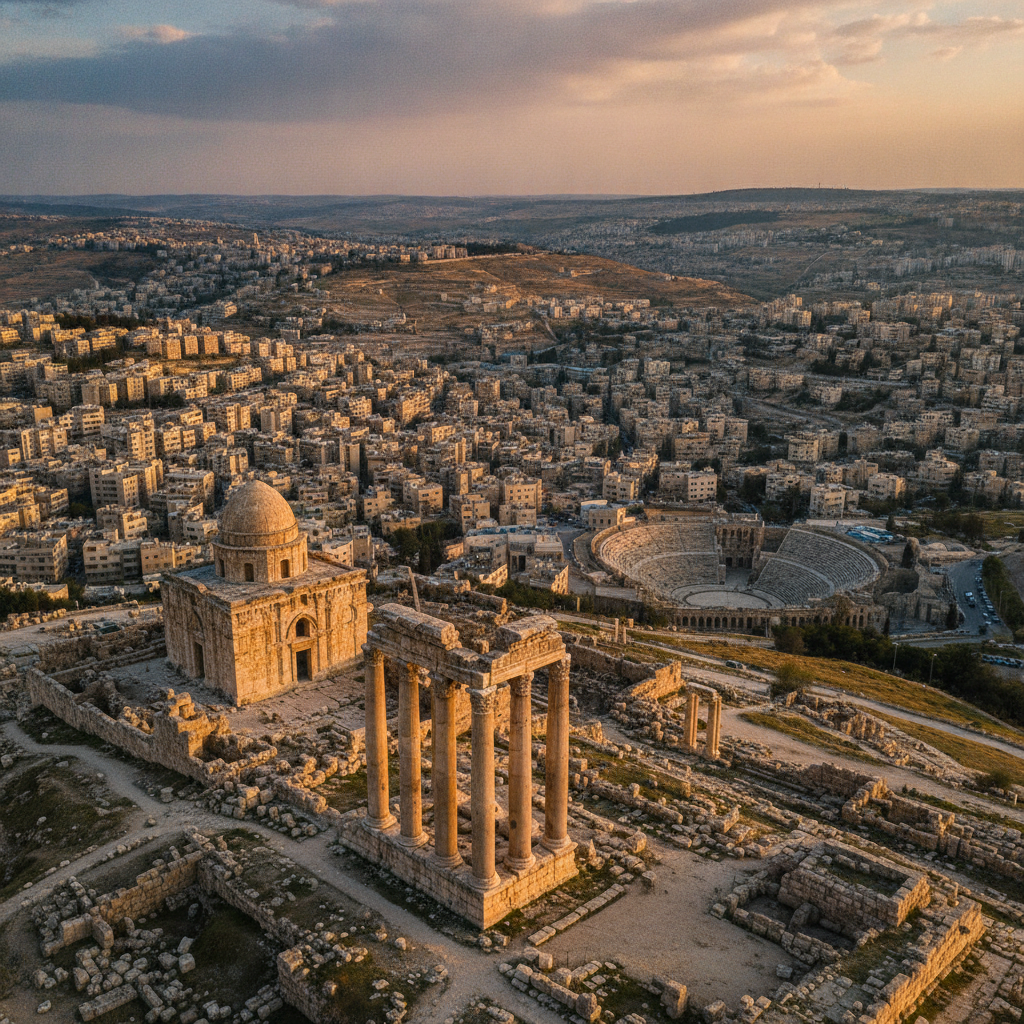
Amman Essential: The Citadel with the Temple of Hercules, the Roman Theatre, the Umayyad Palace, Rainbow Street, and the Downtown Medley of Ancient and Modern Jordan
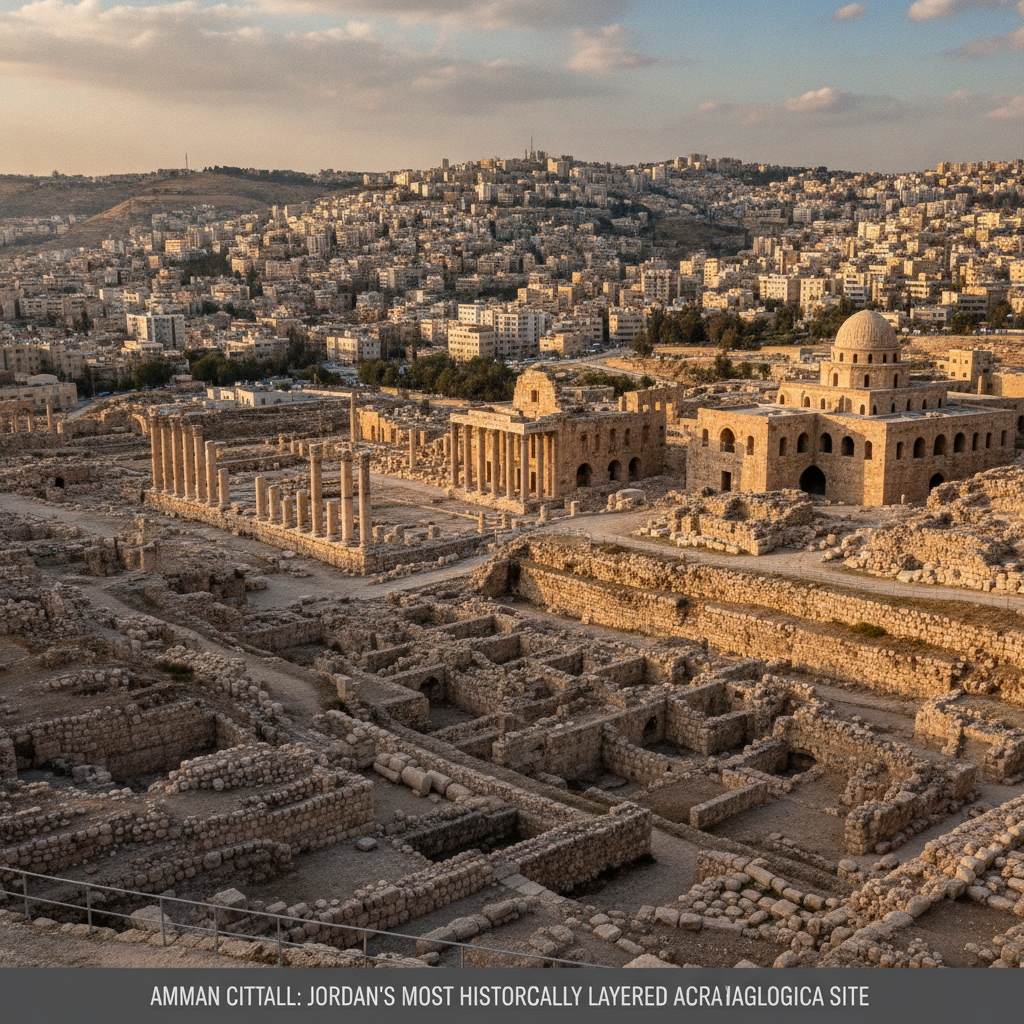
Amman History: The Ammonite Rabbath Ammon, the Hellenistic Philadelphia, the Roman Gerasa, the Byzantine City, the Umayyad Capital, and the Modern Jordanian Capital