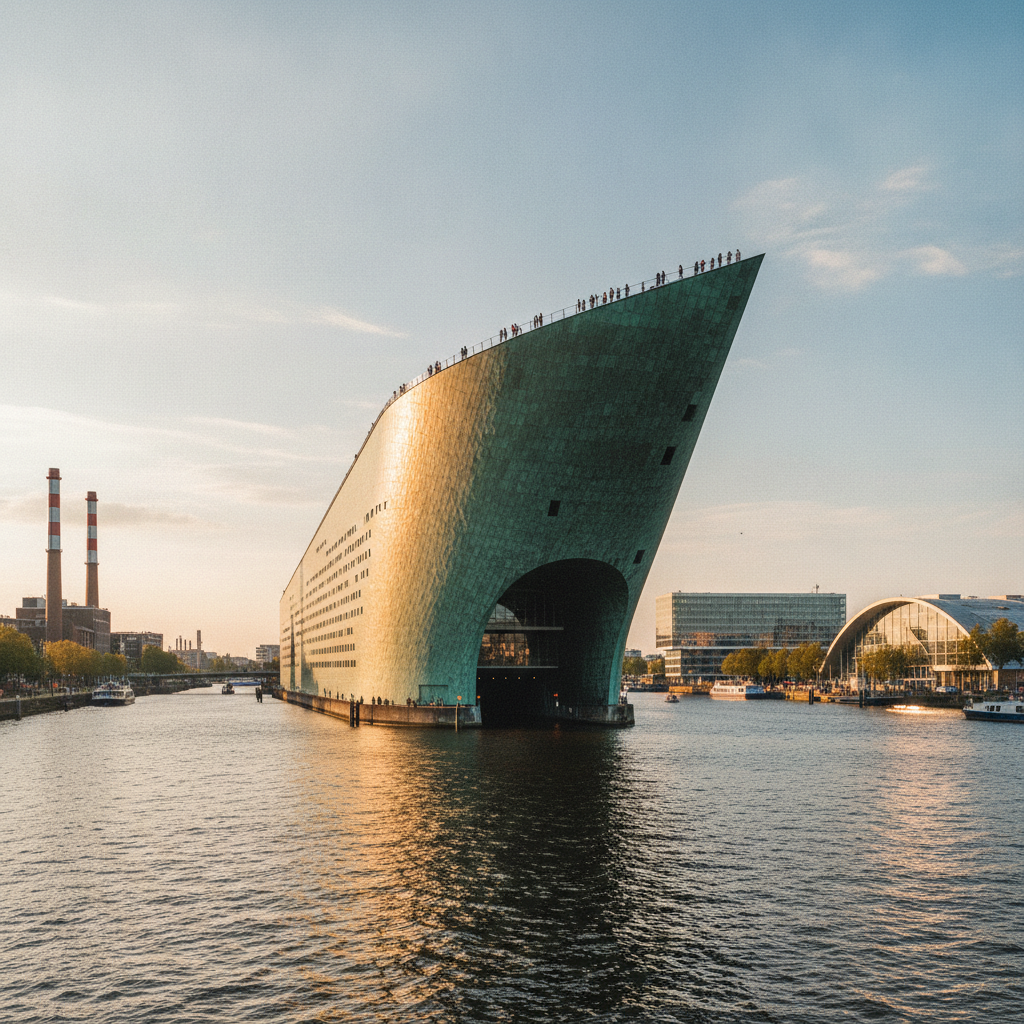
Central Station, Dam Square & the Medieval City: Amsterdam's Historic Core
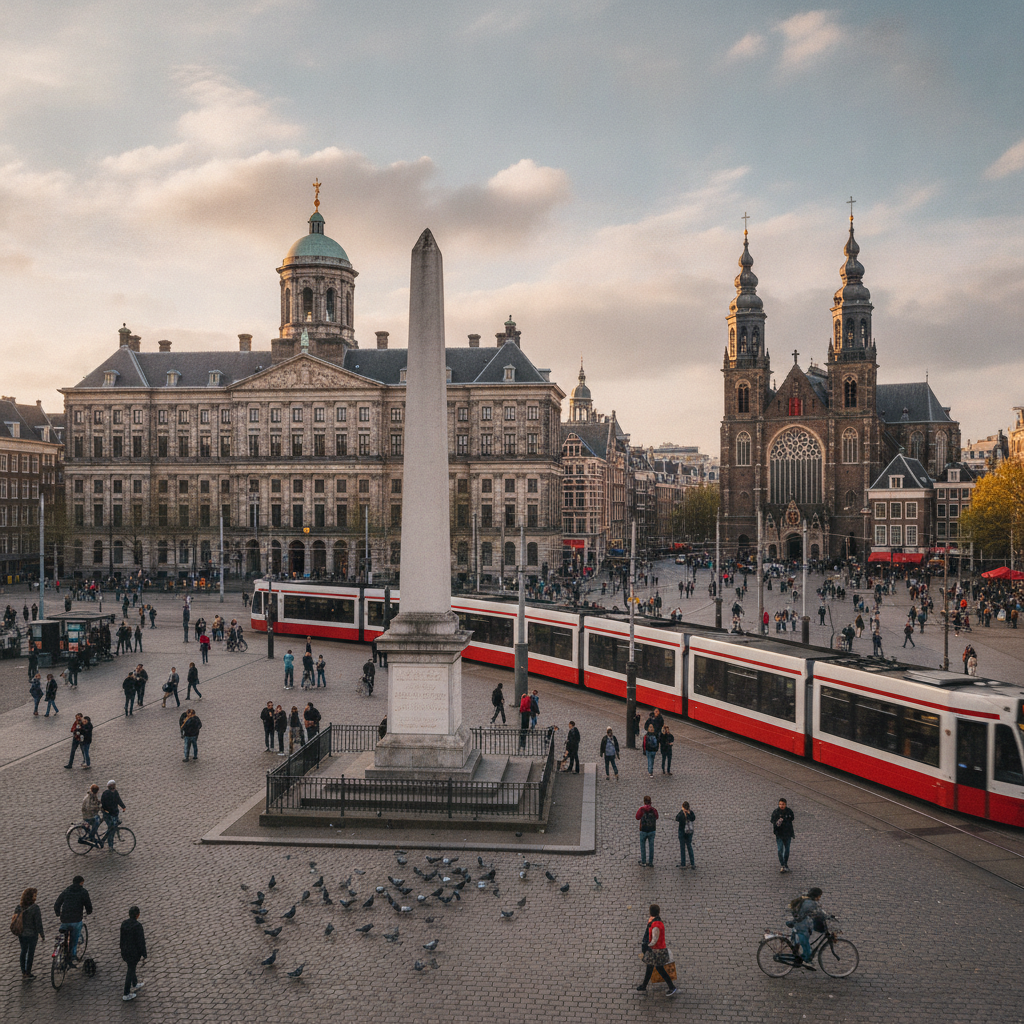
The historic center of Amsterdam — the area enclosed within the oldest canals, from the Central Station in the north to the Mint Tower (Munttoren) in the south — is the most visited part of the city and also, in some ways, the most complex: a medieval city overlaid with Golden Age merchant streets, 19th-century tourist commerce, and the relentless pressure of contemporary mass tourism. The Dam, Amsterdam's central square, has been the city's focal point since the 13th century, when a dam across the Amstel river (the origin of the city's name: 'Amsteldam') created a marketplace between the fishing village to the north and the agricultural land to the south. The square is surrounded by monuments to the Dutch state, the Dutch church, and Dutch commerce — and currently also by Madame Tussauds, the Amsterdam Dungeon, and souvenir shops.
1. Amsterdam Centraal — The Gateway to the City
- 1
Amsterdam Centraal — The Gateway to the City
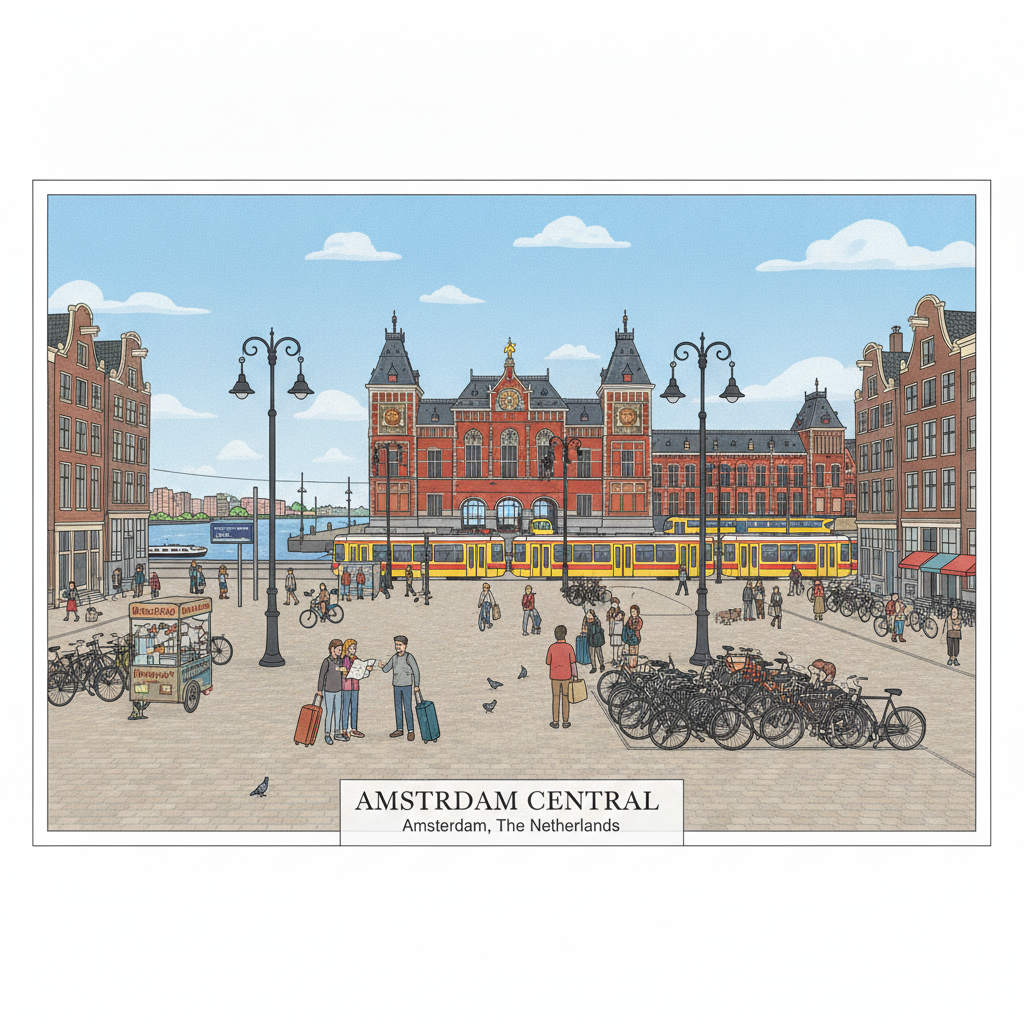
Amsterdam Centraal (Central Station), built between 1881 and 1889 to designs by Pierre Cuypers (the same architect responsible for the Rijksmuseum, whose building it closely resembles), was constructed on three artificial islands in the IJ harbor, requiring 26,000 wooden piles to support its foundations — a typically Dutch feat of engineering on soft, waterlogged soil. The station handles 250,000 passengers per day and is the hub of Amsterdam's concentric public transport system: trains, metro, tram, ferry, and bus all connect here. The neo-Gothic facade, richly decorated with allegories of Amsterdam's commerce and navigation, faces the city's main street (Damrak) in a deliberate act of urban theater: arriving by train from the south, the visitor emerges through the station onto the Damrak with the entire historic center laid out before them. The station controversially blocked the view from the city to the IJ harbor, a separation between the historic city and its waterfront that has only recently been partially restored by the redevelopment of the waterfront north of the station.
- 2
Dam Square — 750 Years of Amsterdam History in One Square
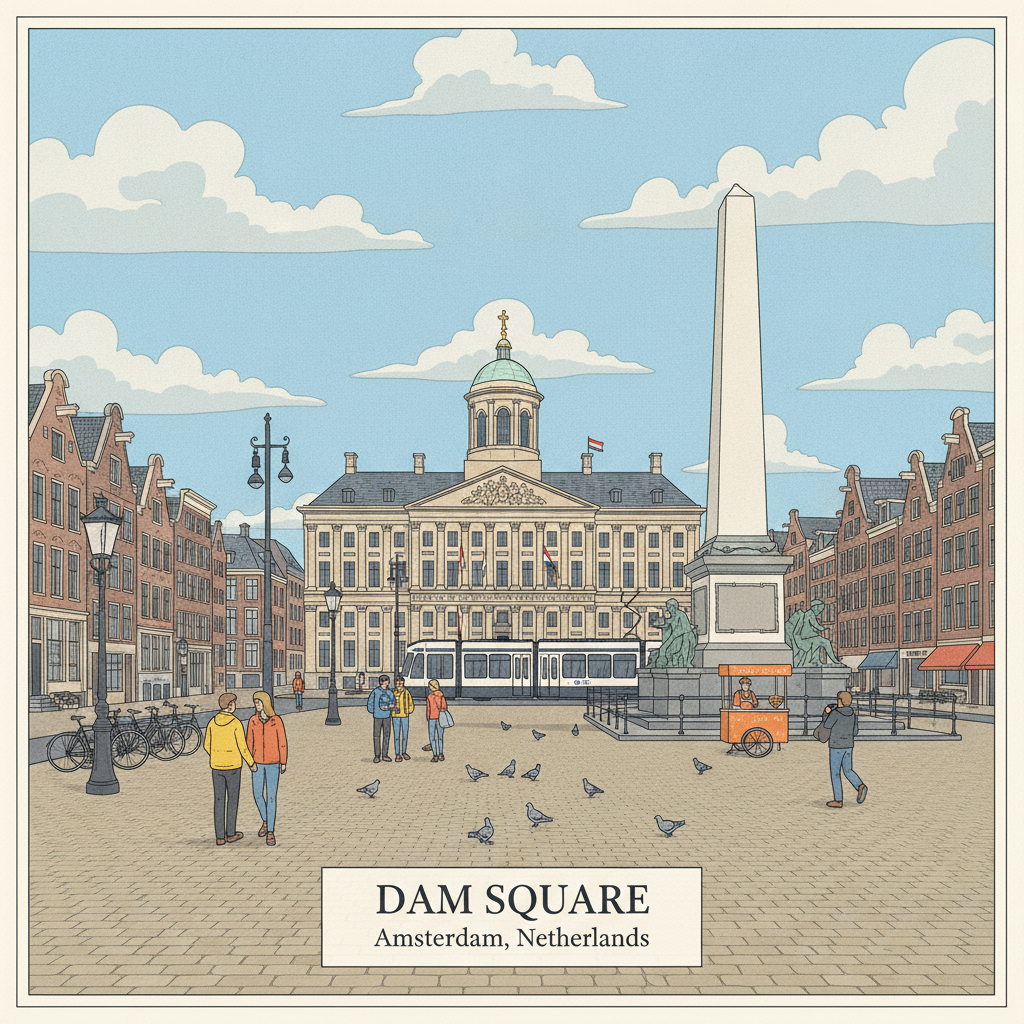
The Dam, Amsterdam's central square, takes its name from the dam across the Amstel river built in the 13th century (approximately 1270) around which the city grew. The square has been the site of the fish market, the cloth market, the grain market, and the public executions that were central to medieval and early modern Dutch civic life. The Royal Palace (Koninklijk Paleis), on the western side of the square, was built as the Amsterdam Town Hall between 1648 and 1655 (the architect Jacob van Campen, the most important building of Dutch classical architecture) — its construction coinciding almost exactly with the Peace of Westphalia (1648) and the official end of the Eighty Years' War with Spain. The building became a royal palace only in 1808, when Napoleon's brother Louis Bonaparte was installed as King of the Netherlands. The National Monument (1956, sculptor John Rädecker, architect J.J.P. Oud) commemorates the Second World War dead and is the site of the annual Remembrance Day ceremony (May 4).
- 3
Nieuwe Kerk — New Church, 600 Years Old
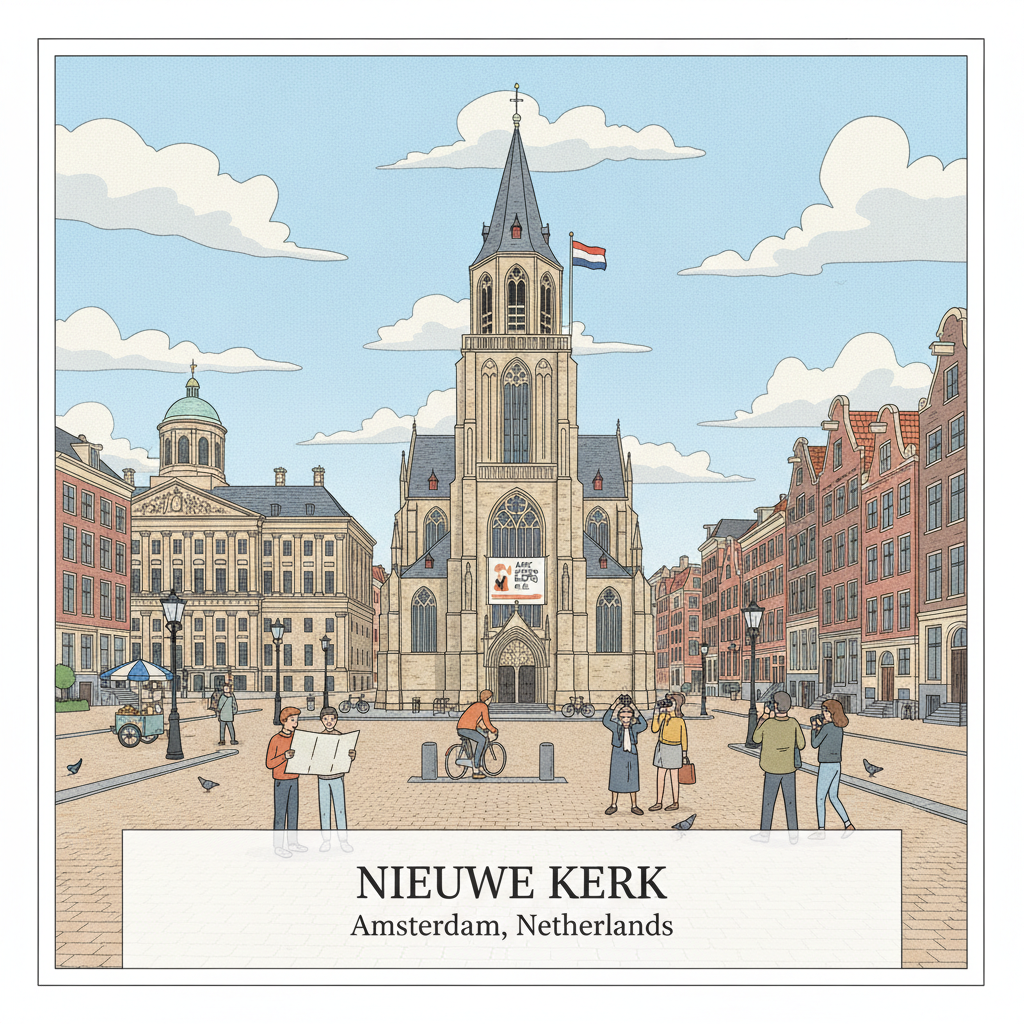
The Nieuwe Kerk (New Church), built between approximately 1408 and 1540 in the Gothic style on the north side of the Dam, is the site of all Dutch royal coronations (the coronation of Willem-Alexander in 2013 took place here, as did his mother Beatrix's in 1980 and his grandmother Juliana's in 1948) and has been converted from an active church to an exhibition venue. The church's interior is enormous: a five-aisled basilica with an elaborate oak wooden rood screen (1650) and the elaborate tomb of the naval hero Admiral Michiel de Ruyter (1676), who defeated the English fleet in the Four Days Battle of 1666. The church has not held regular services since 1979 and now hosts major temporary exhibitions. The contrast between the Nieuwe Kerk and the Royal Palace, separated by 10 meters on the Dam, represents the tension between church and state that characterized the Dutch Republic.
- 4
Kalverstraat & the Shopping Streets
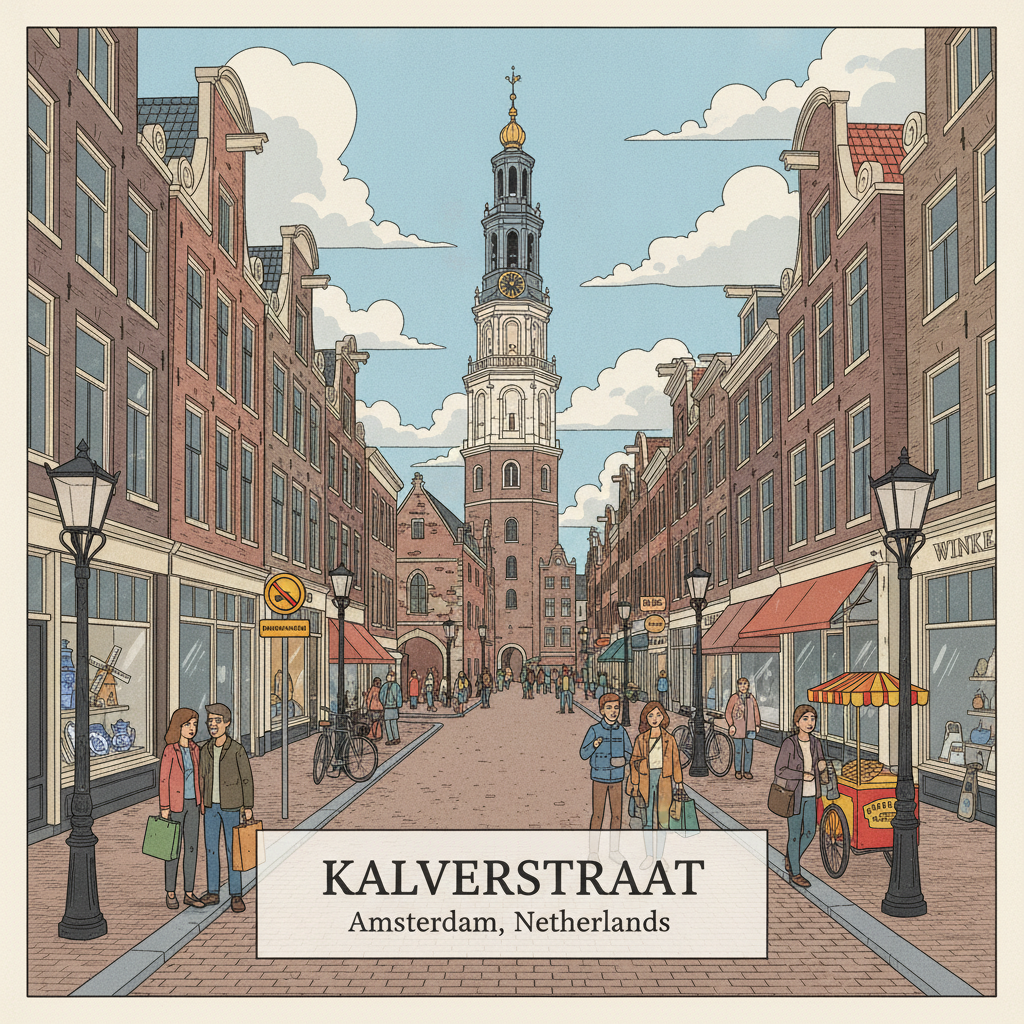
The Kalverstraat (Calf Street), connecting the Dam to the Mint Tower, has been Amsterdam's main shopping street since the Middle Ages (the name comes from the calf market held here). At 700 meters long and closed to all traffic except pedestrians, it is one of the busiest shopping streets in Europe by foot traffic (400,000 people per day at peak). The street and the parallel Nieuwendijk form the commercial spine of the historic center — an almost unbroken line of chain stores, fast fashion, and souvenir shops that represents the pressure of mass tourism on historic urban fabric more clearly than anywhere else in Amsterdam. One survival: the Amsterdam Historical Museum (now the Amsterdam Museum, relocated), housed in a 15th-century orphanage off the Kalverstraat — its courtyard (always open) provides one of the most tranquil escape routes from the commercial street.
- 5
Begijnhof — The Secret Courtyard in the City
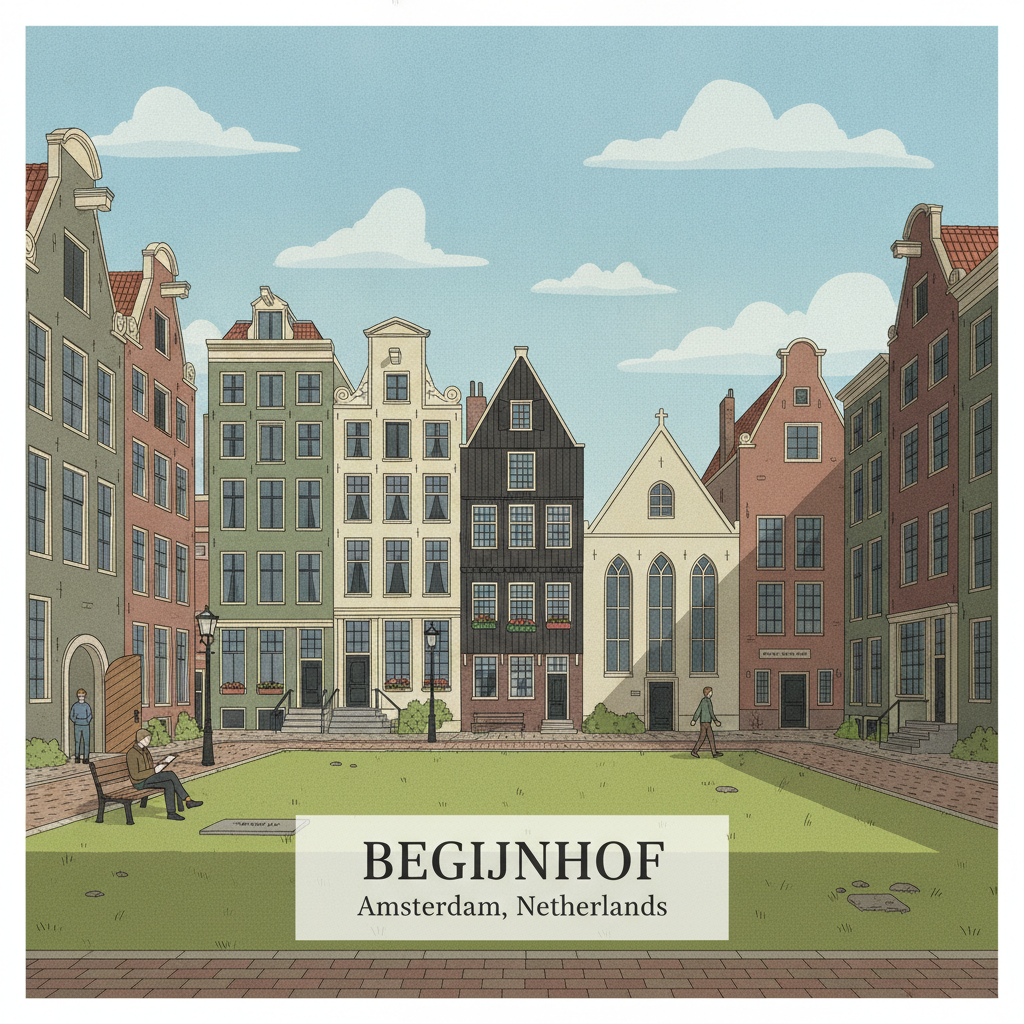
The Begijnhof, accessible through an inconspicuous door on the Spui square, is one of the best-preserved medieval courtyard complexes in the Netherlands and the most surprising urban discovery in Amsterdam: a quiet, green courtyard of 47 houses (mostly 17th–18th century, one dating to 1528 — the oldest surviving wooden house in Amsterdam), a chapel (the Engelse Kerk, given to the English Presbyterian congregation in 1607), and a small Catholic chapel (built in 1671 after Catholicism was officially prohibited — the 'hidden church' arrangement whereby Catholic worship was conducted in inconspicuous buildings). The Begijnhof was home to the Beguines — lay women who lived in religious community without taking monastic vows — from approximately 1350 until the last Beguine died in 1971. The courtyard is still residential (private apartments) and respectful visiting is expected.
- 6
Spui & Rokin — The Literary and Antique Quarter
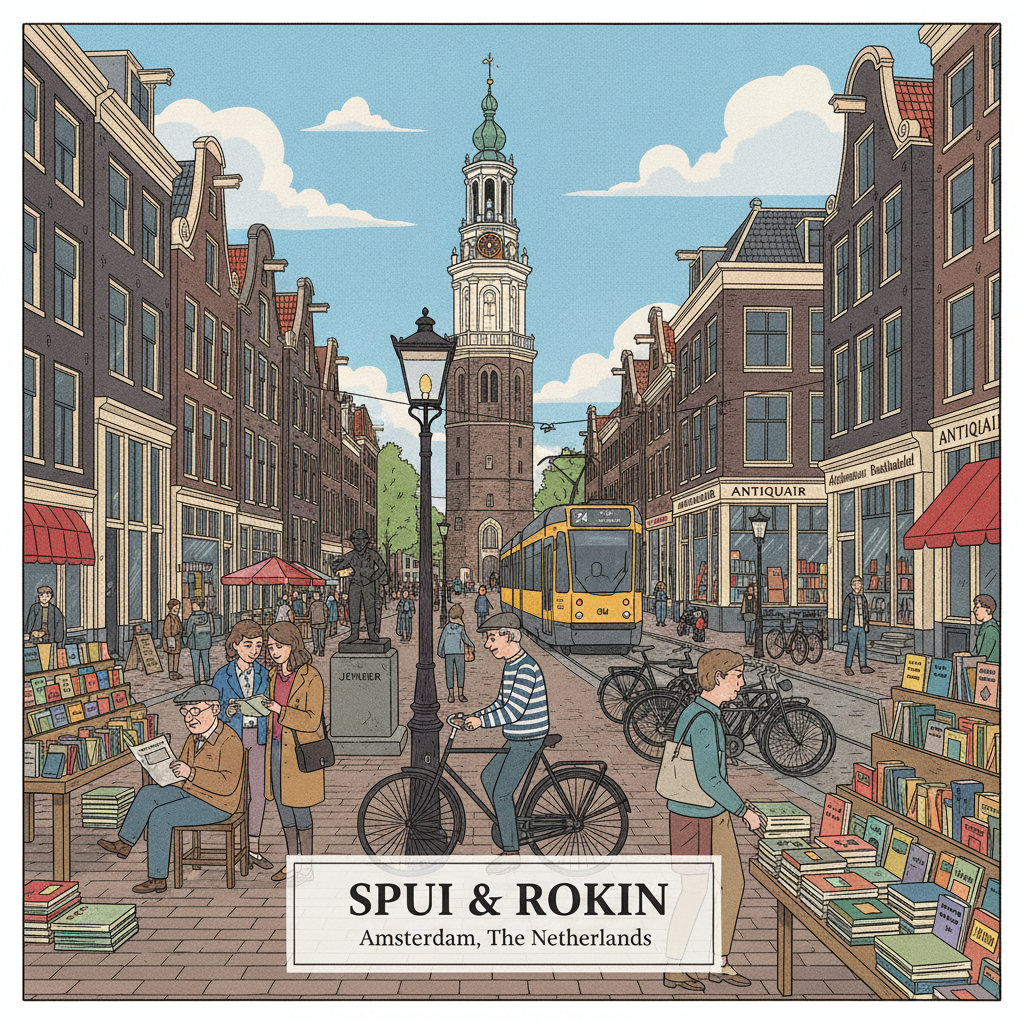
The Spui (pronounced 'spow'), a broad square connecting the historic center to the canal ring, was historically where the city's water sluices (spui = sluice) regulated the canal levels. The square is now the site of the Friday book market (open-air second-hand books, 10am–6pm) and the Sunday art market, and is surrounded by the city's best bookshops (the American Book Center, Athenaeum Boekhandel) and the brown cafés (bruine kroegen) that are the distinctive Amsterdam institution — dark-paneled, tobacco-stained, filled with newspapers and regulars, serving beer and Dutch gin (jenever) in a warm that has no English equivalent. The adjacent Rokin, a former canal filled in 1936, runs from the Dam to the Mint Tower (Munttoren, 1490, the most photographed tower in Amsterdam) and is now a tram street lined with antique dealers.
Walk this route with audio
Stories play automatically as you reach each stop — no tapping needed.
More in amsterdam
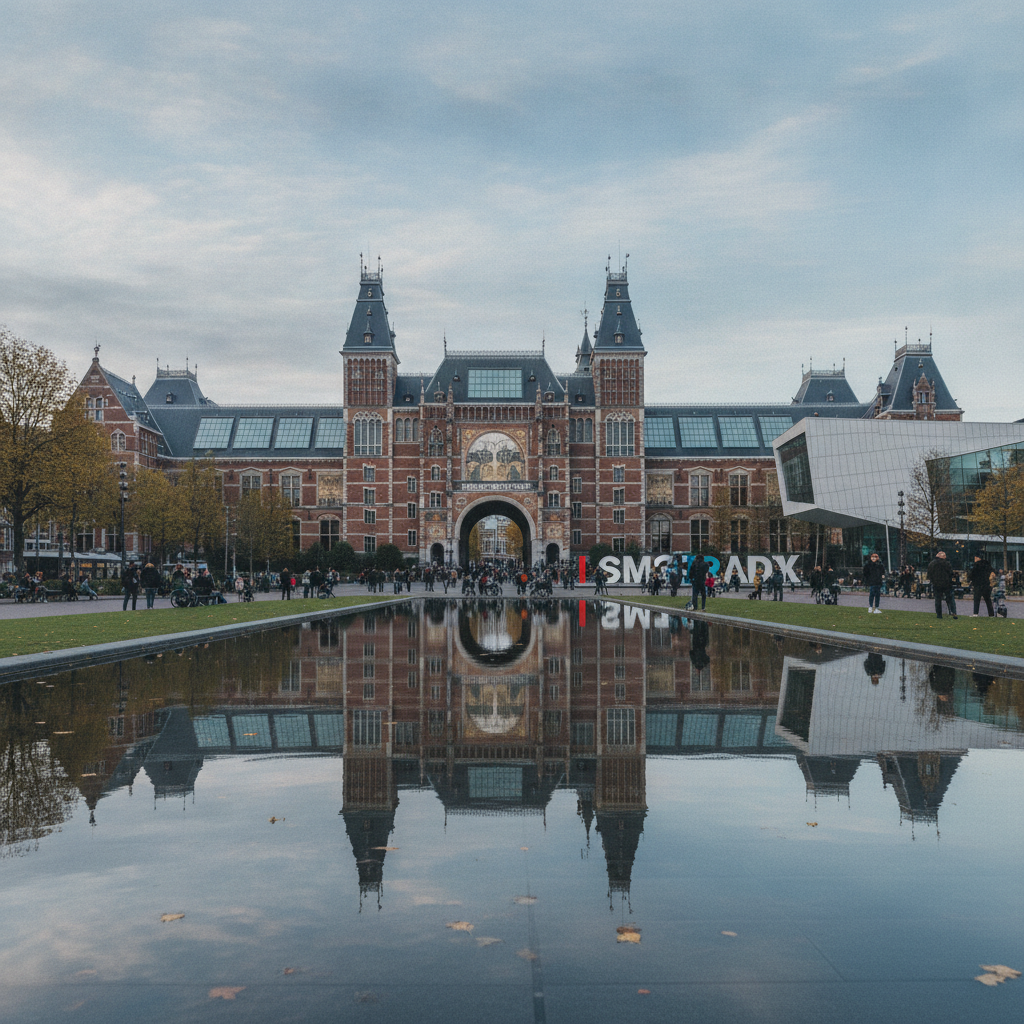
Rijksmuseum, Van Gogh & Museumplein: The Museum Quarter
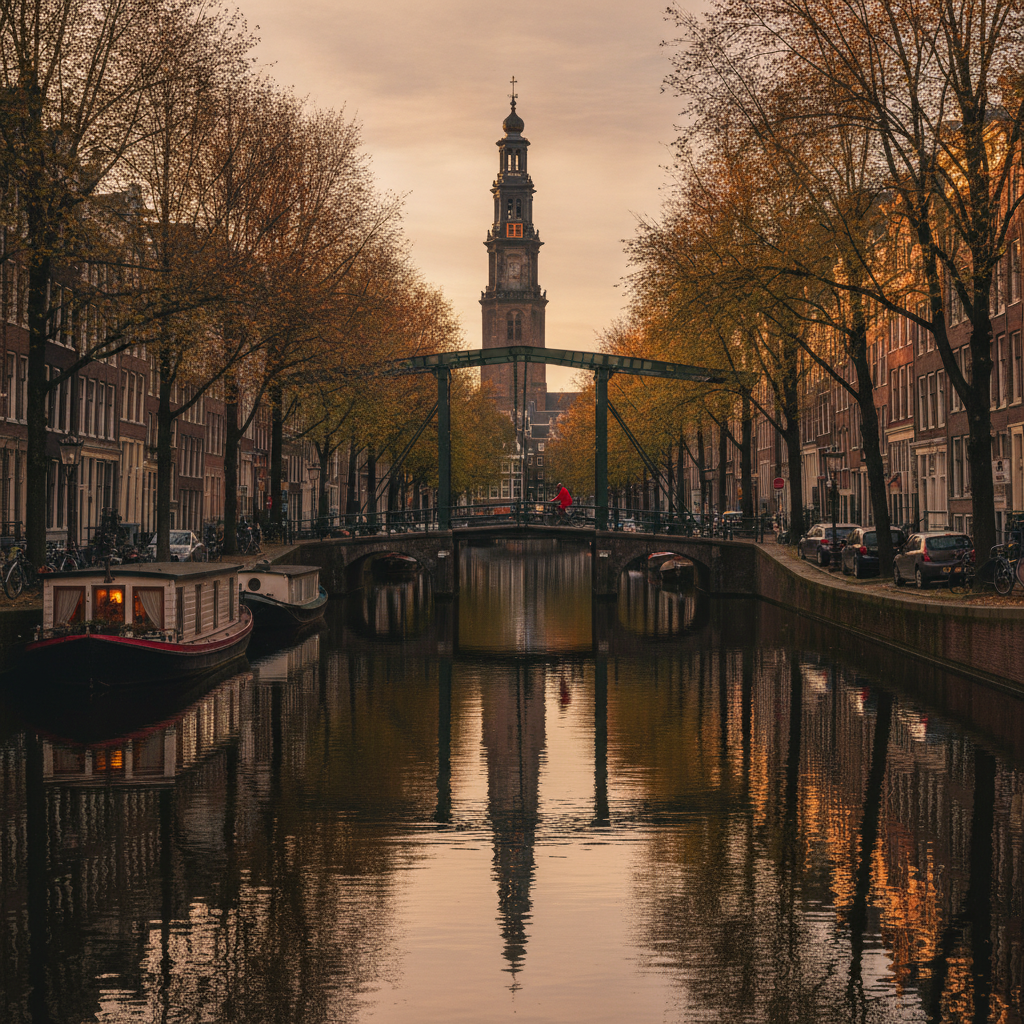
Jordaan, Anne Frank & the Canal Ring: Amsterdam's Golden Age Heart
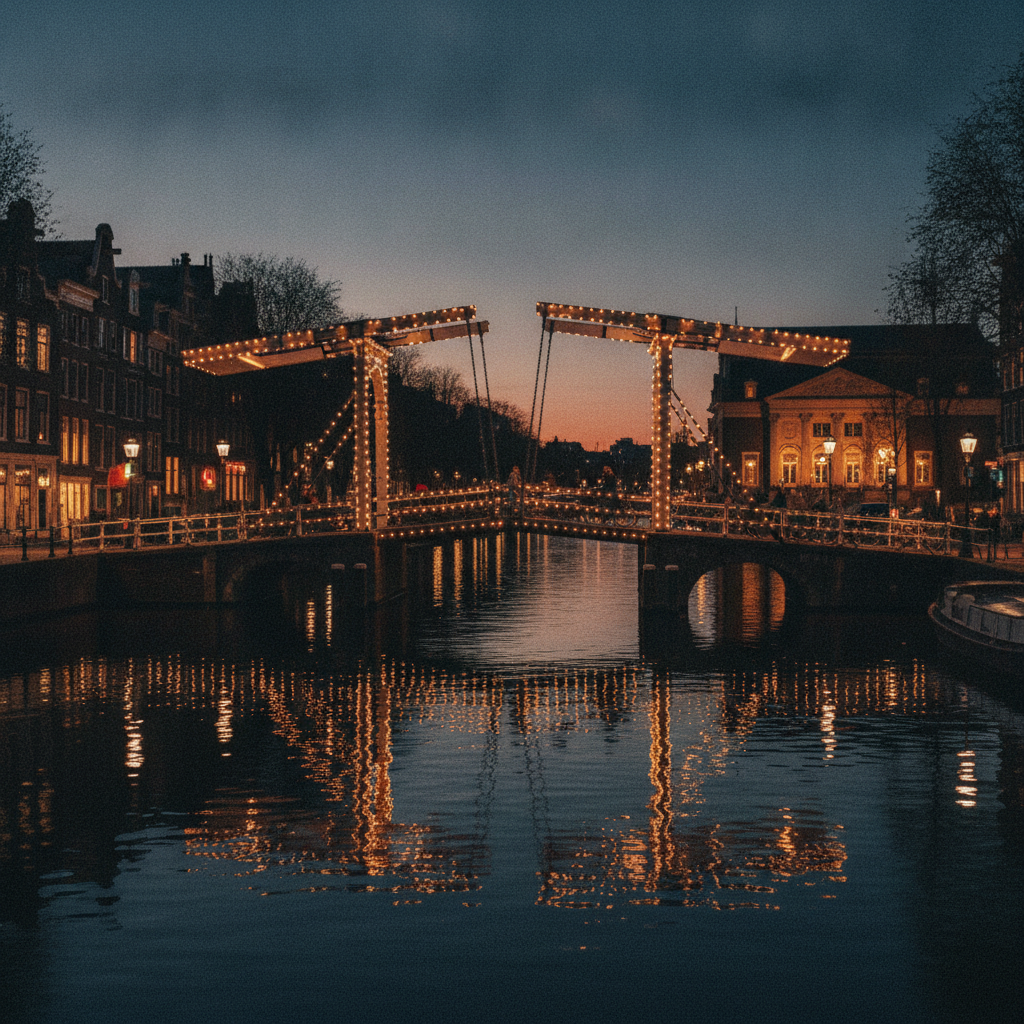
Rembrandtplein, Tuschinski & the Amstel: Art, Entertainment, and the Skinny Bridge
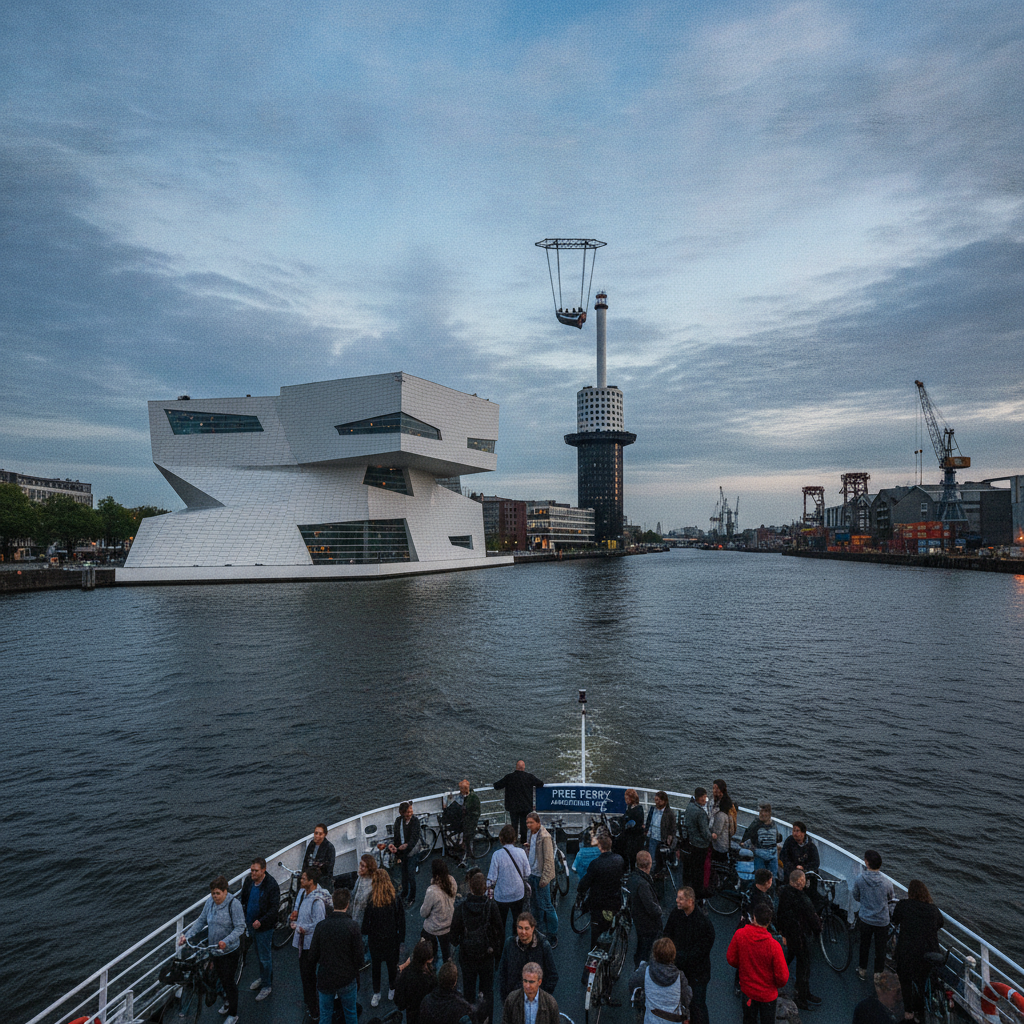
Amsterdam Noord, EYE & NDSM: The Creative Waterfront
De Pijp, Albert Cuyp & Heineken: Amsterdam's Most Diverse Neighborhood