Antananarivo: Nosy Be Beach Resort, Madagascar Rainforest Crisis, Spiny Forest, Vanilla Industry, and the Poverty Paradox
Madagascar nature and economy: Nosy Be perfume island and ylang-ylang distilleries, the Madagascar rainforest deforestation crisis, the spiny forest endemic succulents, the Madagascar vanilla industry (40-80% of global supply), sapphires, and the Madagascar biodiversity wealth vs poverty paradox.
- 1
Nosy Be - The Perfume Island and the Primary Beach Resort
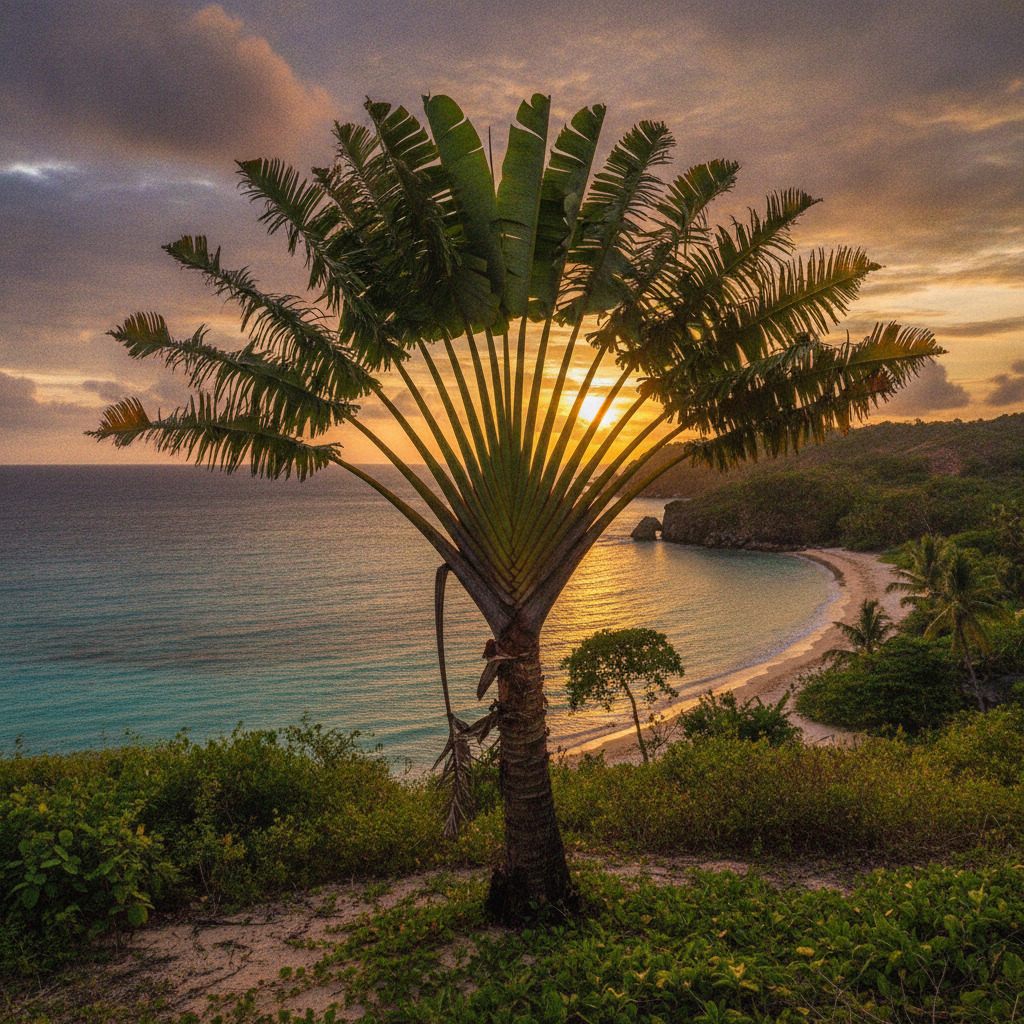
Nosy Be (the name means big island in Malagasy): the primary beach resort island of Madagascar, located off the northwestern coast approximately 800 km north of Antananarivo. Nosy Be is accessible by charter flight from Antananarivo (approximately 1.5 hours) or by ferry from the port of Ankify. The island is known as the Perfume Island (the ylang-ylang flowers, the primary ingredient in Chanel No. 5 perfume, are cultivated extensively on Nosy Be). The ylang-ylang distilleries (the small-scale ylang-ylang oil distilleries are accessible to visitors; the heavy floral fragrance of the distillation process is one of the most memorable sensory experiences of Nosy Be). The Nosy Be beaches (the Andilana Beach and the Madirokely Beach): the primary beach resort areas with coral reef snorkeling. The Lemur Park of Nosy Be (the Nosy Komba and Nosy Tanikely marine reserves adjacent to Nosy Be): the marine national park with coral reef diving and lemur encounters on the island of Nosy Komba.
- 2
The Rainforests of Madagascar - The Most Endangered Forest in Africa
The Madagascar rainforests: the eastern coast of Madagascar has a continuous belt of tropical rainforest running approximately 1,600 km north-south, the primary habitat of most of Madagascar endemic species. The deforestation crisis: Madagascar has lost approximately 90% of its original forest cover since human settlement approximately 1,500 years ago. The remaining 10% is critically fragmented. The primary driver: the tavy (slash-and-burn agriculture): small-scale subsistence farmers clear forest for rice cultivation, the crop growing for 1-2 seasons before the thin laterite soil is exhausted, then moving on to clear new forest. The protected area system (the national parks and special reserves managed by Madagascar National Parks): approximately 12% of Madagascar land area is in protected areas, but enforcement is extremely limited and illegal logging (especially the rosewood, the endemic Dalbergia rosewood trees) is a severe problem. The Masoala National Park (the largest remaining contiguous rainforest block in Madagascar): the primary intact eastern rainforest protected area.
- 3
The Spiny Forest of Southern Madagascar - The Bizarre Endemic Succulents
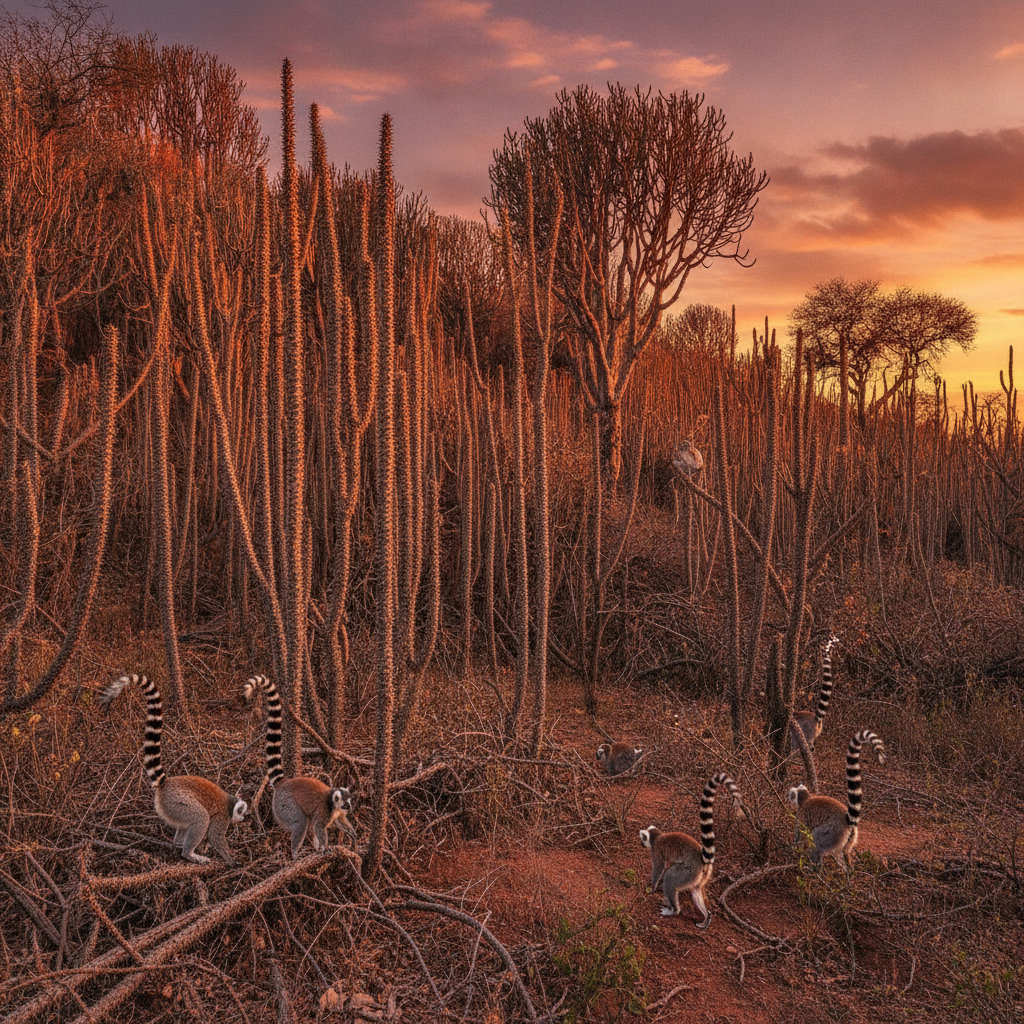
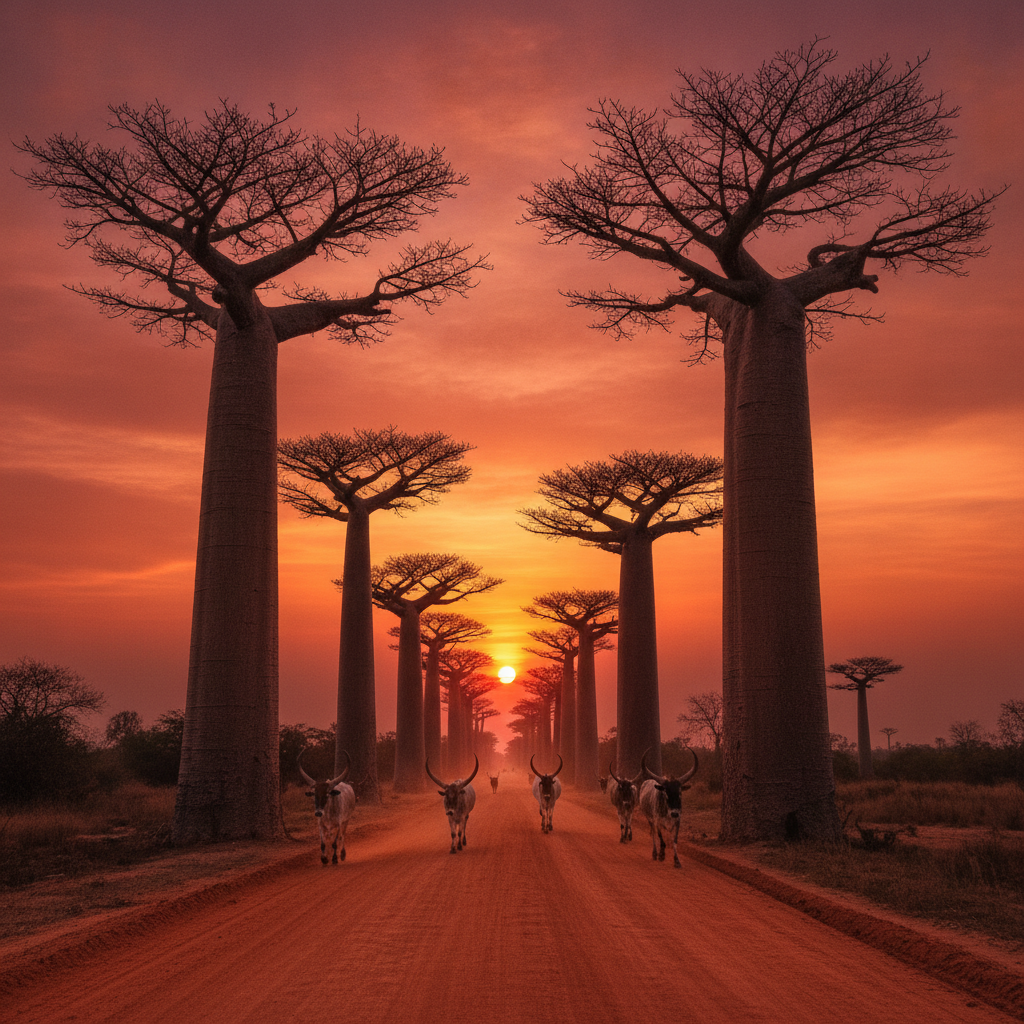
The Madagascar spiny forest (the spiny desert or thicket of southwestern Madagascar): the most distinctive and alien-looking vegetation in Africa. The spiny forest is dominated by the Didiereaceae (a family of plant found only in Madagascar): the Didierea and Alluaudia species, which look like a bizarre hybrid of cactus and euphorbia, with densely spined vertical stems up to 10 meters high. The baobab species of the spiny forest (the Adansonia rubrostipa and Adansonia za): different species from the Avenue of the Baobabs in the northwest. The spiny forest fauna: the ring-tailed lemur (the most terrestrial lemur species, adapting to the dry spiny forest environment), the radiated tortoise (one of the world most beautiful tortoises, endemic to the spiny forest; the fan-shaped radiating pattern on the shell is unique), and the Madagascar spider tortoise. The Berenty Private Reserve (approximately 80 km west of Fort Dauphin in the far south): the most accessible spiny forest and ring-tailed lemur site in Madagascar.
- 4
Madagascar Vanilla - The World Finest Vanilla and the SAVA Region
The SAVA region (the Sava, Andapa, Vohemar, and Antalaha region of northeastern Madagascar): the primary vanilla cultivation area of Madagascar and the world primary source of vanilla. Madagascar produces approximately 40-80% of the world vanilla supply (the proportion varies with annual harvest and global market conditions). The Planifolia vanilla (Vanilla planifolia: the Bourbon vanilla): originally from Mexico, introduced to Madagascar by the French in the 19th century. The vanilla flower must be hand-pollinated (the natural Mesoamerican pollinator, the Melipona bee, does not exist in Madagascar; each flower opens for only one day and must be hand-pollinated on that day to produce a vanilla bean). The vanilla curing process (the multi-month fermentation and drying of the green beans into the familiar dark brown, fragrant cured vanilla pods). The Madagascar vanilla market: highly volatile (vanilla prices ranged from USD 20 per kg to USD 650 per kg between 2014 and 2020), making it both an opportunity and a risk for the smallholder farmers who cultivate it.
- 5
The Malagasy Economy - Vanilla, Sapphires, and the Poverty Crisis
Madagascar is one of the poorest countries in the world: GDP per capita approximately USD 500, ranking consistently among the bottom 10-15 countries globally. The primary exports: vanilla (approximately 40-80% of global supply), sapphires (Madagascar has become one of the primary global sapphire producers since deposits were discovered in the 1990s; the Andilamena and Ilakaka sapphire deposits), chromite (the Ambatovy nickel and cobalt mine), cloves, and seafood. The political instability: Madagascar has experienced four political crises severe enough to result in unconstitutional changes of government since independence (1972, 1991, 2002, 2009): the political instability has consistently disrupted development programs and deterred investment. The 2009 coup (the deposition of President Marc Ravalomanana by military-backed opposition led by Andry Rajoelina): resulted in a 4-year suspension of international aid. The climate vulnerability: Madagascar is one of the most cyclone-affected countries in the Indian Ocean; the eastern coast is struck by multiple severe cyclones each year.
- 6
Antananarivo Three Routes Complete and Madagascar Biodiversity
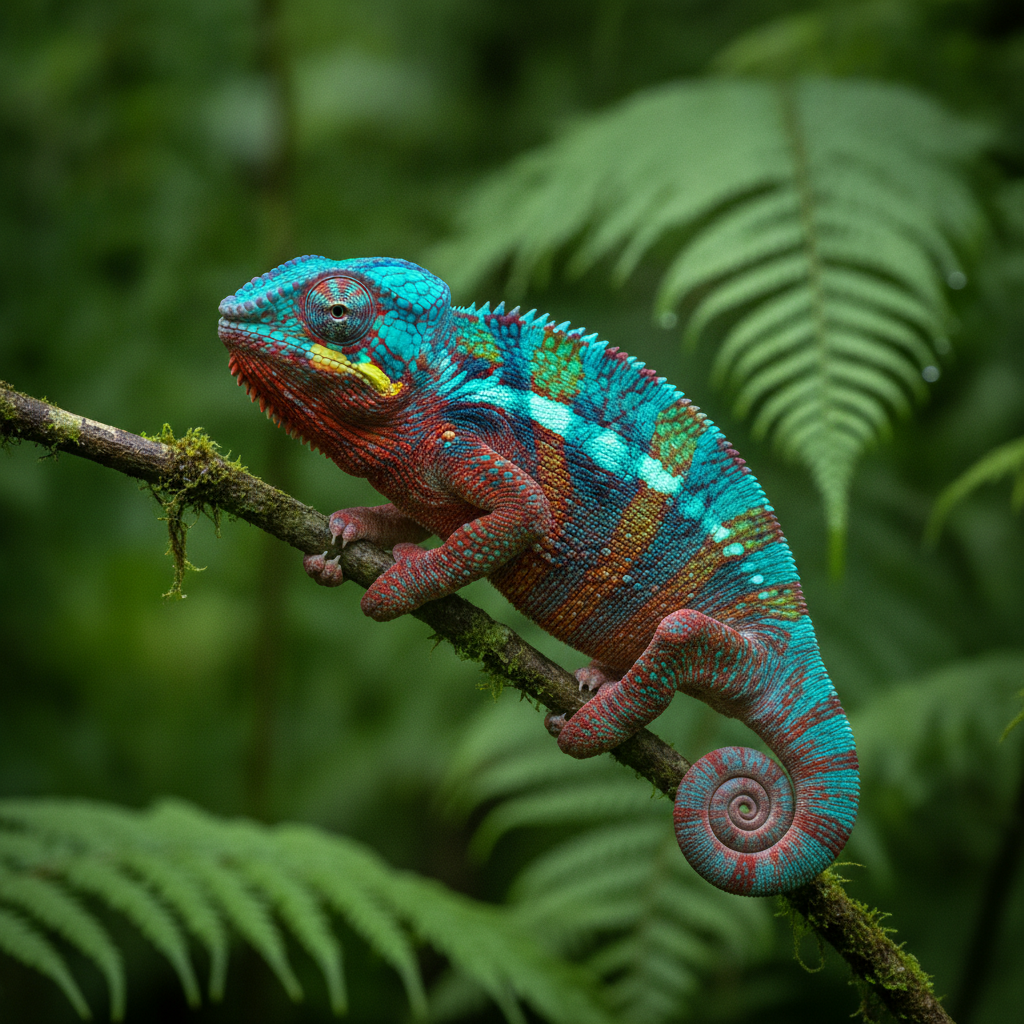
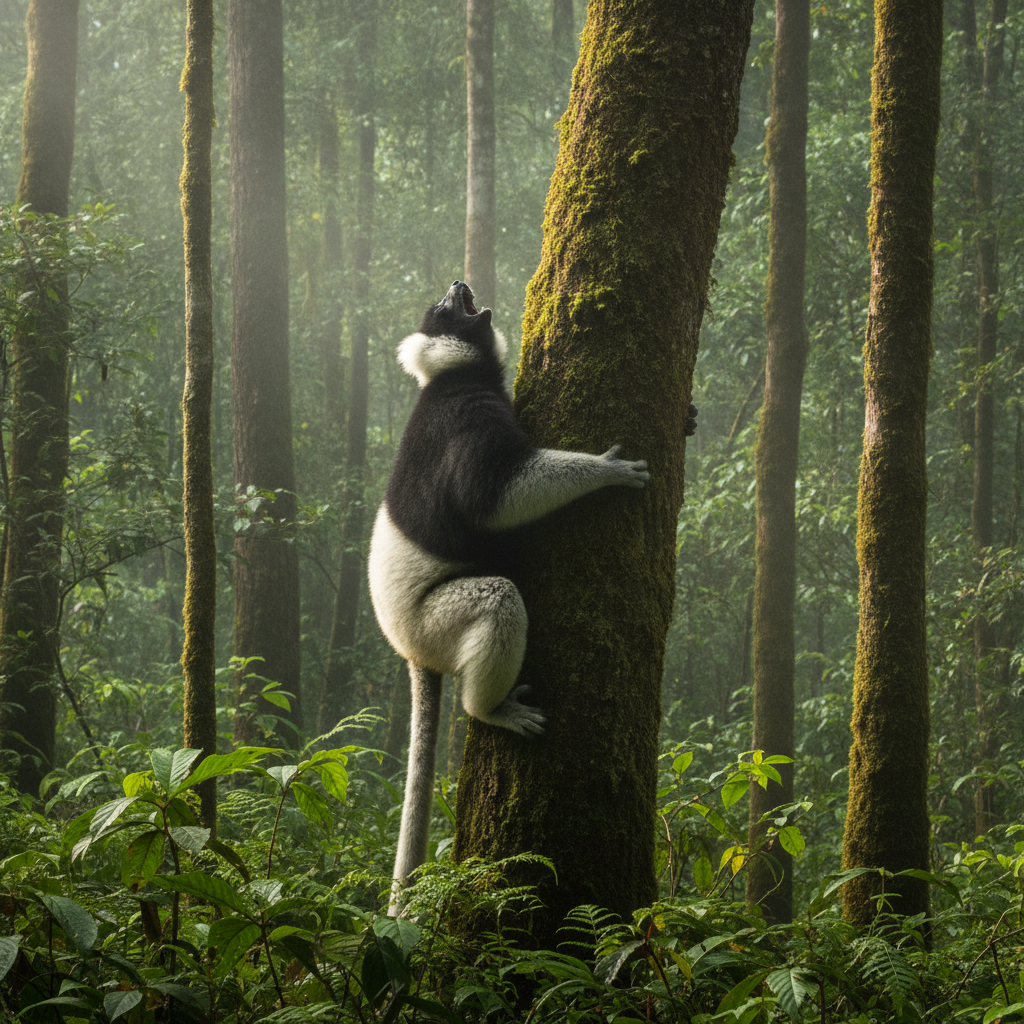
Antananarivo three routes complete. Route 1: Madagascar fourth largest island (90% unique wildlife), Rova palace, lemurs (most threatened mammal order), Malagasy culture, Ranomafana, practical guide. Route 2: Tsingy de Bemaraha UNESCO, Avenue of the Baobabs, Isalo, French colonial history, Malagasy music and famadihana. Route 3 (this route): Nosy Be perfume island and ylang-ylang, Madagascar rainforest deforestation crisis (90% cleared), spiny forest endemic succulents and ring-tailed lemur, Madagascar vanilla (40-80% of world supply), sapphires and the Madagascar poverty crisis. Routes 4-6 still needed. The Madagascar biodiversity statistics: 5% of all plant species on earth found only in Madagascar. Approximately 250,000 described species of plants and animals, the majority endemic. The lemurs: 105+ species, all found only in Madagascar. The chameleons: approximately 40% of the world chameleon species found only in Madagascar (approximately 85-90 species). The orchids: approximately 1,000 species. The geckos: approximately 130 species. The frogs: approximately 300 species, almost all endemic. The paradox of extraordinary biological richness and extreme human poverty in the same land is the defining feature of the Madagascar development challenge.
Walk this route with audio
Stories play automatically as you reach each stop — no tapping needed.
More in antananarivo
Antananarivo: Madagascar Chameleons, the Fossa Predator, Route Nationale 7, Malagasy Food Markets, and Humpback Whales
Antananarivo: The Aye-Aye, Andasibe Indri Call, Queen Ranavalona, the Malagasy Language Origins, and the Fady Taboo System
Antananarivo: Tsingy de Bemaraha, Avenue of the Baobabs, Isalo National Park, French Colonial History, and Malagasy Music
Antananarivo: The Red Island, the Rova Royal Palace, Lemurs, Malagasy Culture, Ranomafana Rainforest, and Practical Guide