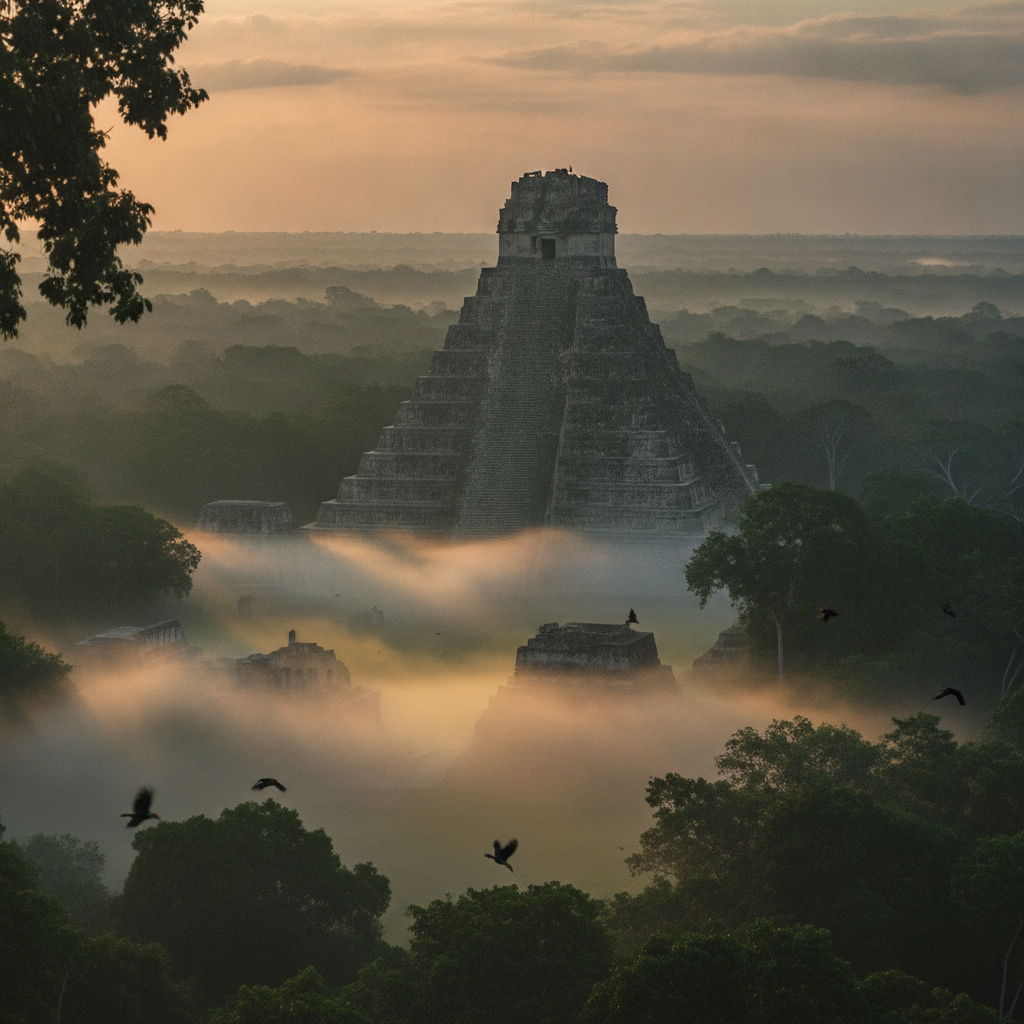
Lake Atitlan, Chichicastenango, and the Maya Highland Day Trip Circuit
Antigua is the gateway to the Maya highland circuit that includes Lake Atitlan, one of the most spectacular caldera lakes in the world, and the Chichicastenango market, the largest indigenous market in Central America. The three-hour journey from Antigua to Lake Atitlan passes through highland Maya communities where the K'iche', Kaqchikel, and Tz'utujil languages are spoken and traditional dress is part of daily life. The market at Chichicastenango on Thursday and Sunday mornings has been operating since pre-Columbian times and remains the primary commercial and social event for the surrounding K'iche' communities.
- 1
Lake Atitlan: The Caldera Geography and the Three Volcanoes
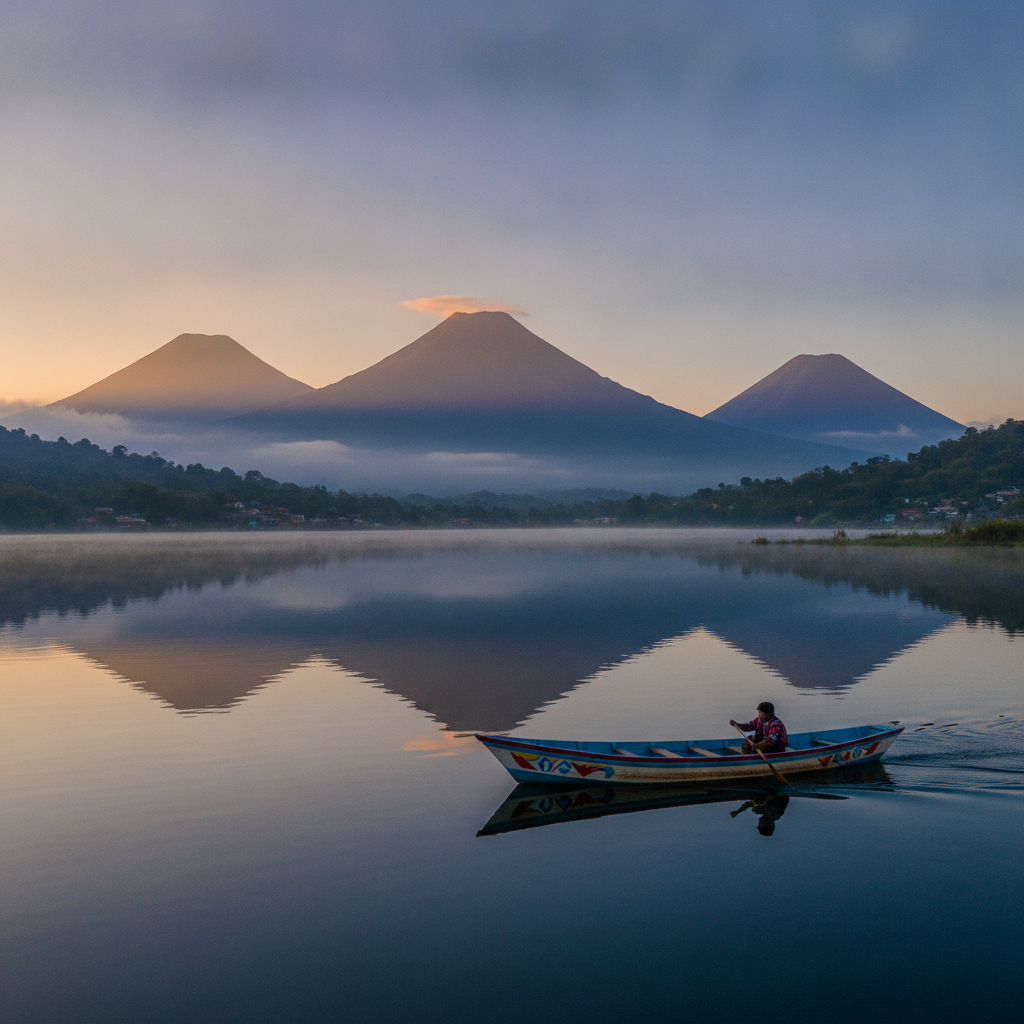
Lake Atitlan occupies a caldera formed by a massive volcanic eruption 84,000 years ago; the caldera is now filled to a depth of 340 meters, making it one of the deepest lakes in the world. Three active volcanoes, San Pedro, Toliman, and Atitlan, rise directly from the lake's southern shore, and twelve villages surround the lake, each associated with one of the twelve apostles by the Spanish colonial naming tradition. The lake has no surface outlet; the water level is maintained by evaporation and percolation, creating a self-contained hydrological system that is extremely sensitive to changes in the surrounding watershed. The view from the lake surface toward the volcanoes is one of the most iconic landscape images of Central America.
- 2
Panajachel and the Lake Village Economy
Panajachel, on the north shore of the lake where the main highway from Antigua reaches the caldera rim, is the largest and most commercially developed of the twelve lake villages. The Calle Santander pedestrian market street sells the textiles, carvings, and jade of the surrounding communities in a concentration that makes it the easiest single-point access to the highland craft market. The town behind the market has a backpacker and expat infrastructure that has grown since the 1970s. Boat launches from the Panajachel dock cross to the southern shore villages of Santiago Atitlan, San Pedro La Laguna, and San Juan La Laguna in twenty to forty minutes, making day visits possible within a single lake trip from Antigua.
- 3
Santiago Atitlan: Maximon and the Tz'utujil Community
Santiago Atitlan on the southern shore is the largest of the traditional Maya lake communities and home to the Maximon (pronounced Mash-ee-mon) cult, a syncretized figure combining elements of the Maya deity Mam with the Spanish colonial figure of Judas Iscariot. Maximon is kept in the house of one of the Tz'utujil cofrades (religious brotherhoods) and moved annually; he receives offerings of cigars, alcohol, and silk scarves from petitioners. The community practice of maintaining Maximon represents the persistence of pre-colonial religious elements within the framework of Catholicism that characterizes Maya spirituality throughout the highlands. The community also maintains a significant weaving tradition and survived the devastating civil war violence of the 1980s, when the US-backed military targeted community leaders.
- 4
Chichicastenango Market: The Largest Indigenous Market in Central America
The Thursday and Sunday market at Chichicastenango, ninety minutes north of Antigua through the highland pine forests, fills the streets of the town and the steps of the colonial Santo Tomas church with vendors from surrounding K'iche' communities selling vegetables, live animals, flowers, and crafts. The market has operated continuously since before the Spanish conquest; the format and location predate the colonial church that was built on a Maya ceremonial platform in the sixteenth century. Indigenous spiritual practitioners (Aj'qij) continue to conduct ceremonies at the church's exterior steps using incense and flower petals, in full public view alongside the Catholic mass inside. The market is simultaneously a commercial event, a social gathering, and a living expression of K'iche' cultural continuity.
- 5
K'iche' and Kaqchikel Languages and Cultural Identity
The Maya highland communities around Antigua and Lake Atitlan represent several of the 22 recognized Maya language groups of Guatemala. Kaqchikel is spoken around Antigua and in the Solola region; K'iche' is the most widely spoken Maya language in Guatemala and dominates the Chichicastenango area; Tz'utujil is spoken in Santiago Atitlan and the southern lake communities. The languages are actively spoken as first languages by hundreds of thousands of people and are taught in bilingual primary schools established under indigenous rights legislation. The distinctive woven huipil patterns of each community encode language and geographic identity: an experienced observer can identify a woman's home village from her textile. The pattern vocabulary is transmitted through apprenticeship rather than written documentation.
- 6
Civil War Memory and the Maya Genocide
Guatemala's 36-year civil war (1960-1996) was concentrated in the Maya highland communities that surround Antigua and Lake Atitlan. The military campaigns of the early 1980s under General Efrain Rios Montt included the systematic destruction of indigenous villages and the killing of civilians on a scale that the UN-sponsored Historical Clarification Commission classified as genocide. An estimated 200,000 people were killed and 40,000 disappeared. The communities around Lake Atitlan, including Santiago Atitlan where 12 civilians were killed by soldiers in 1990 in an incident that triggered the community's successful expulsion of the military garrison, were among the most affected. The memory of the violence is present in every community, where survivor witnesses, exhumed cemeteries, and community memorials document the scale of what occurred within living memory.
Walk this route with audio
Stories play automatically as you reach each stop — no tapping needed.
More in Antigua Guatemala
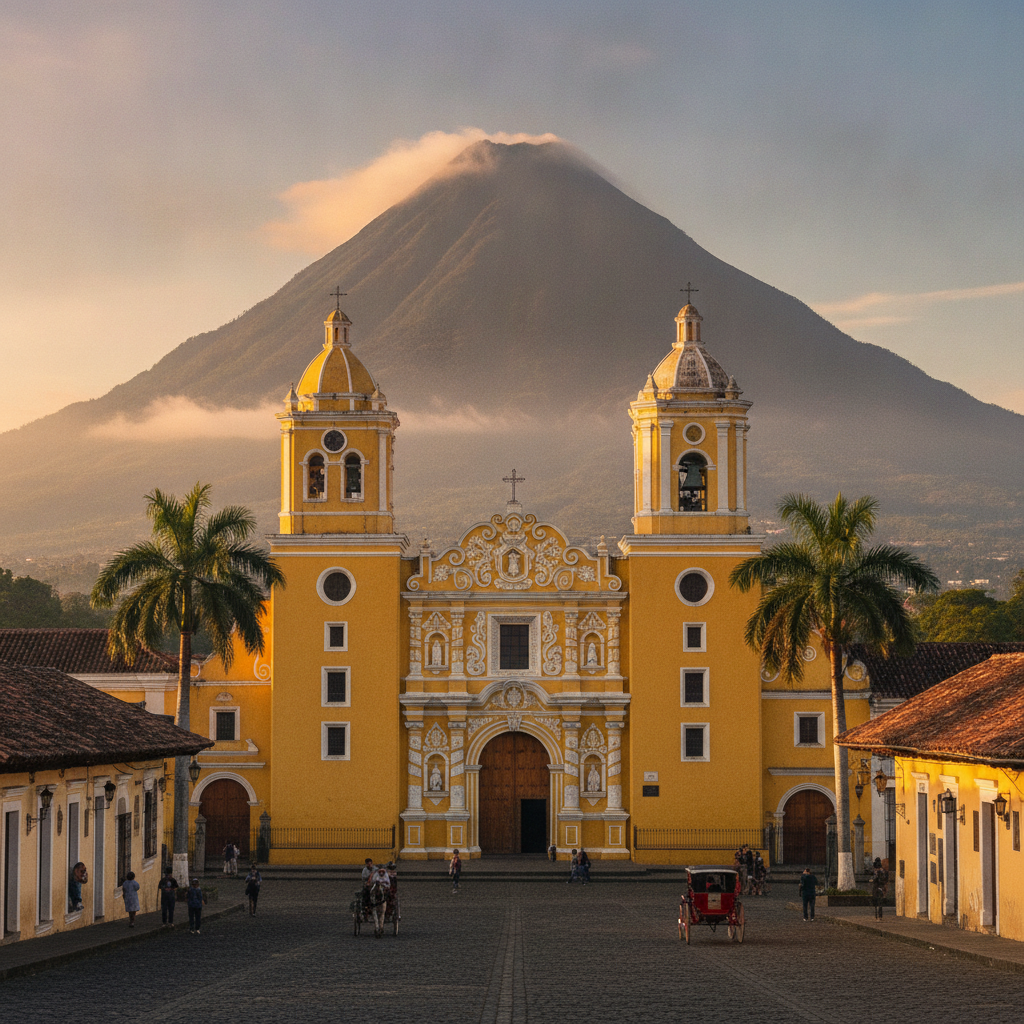
Antigua Guatemala: Colonial Baroque, Volcano Views, and the UNESCO Historic Core
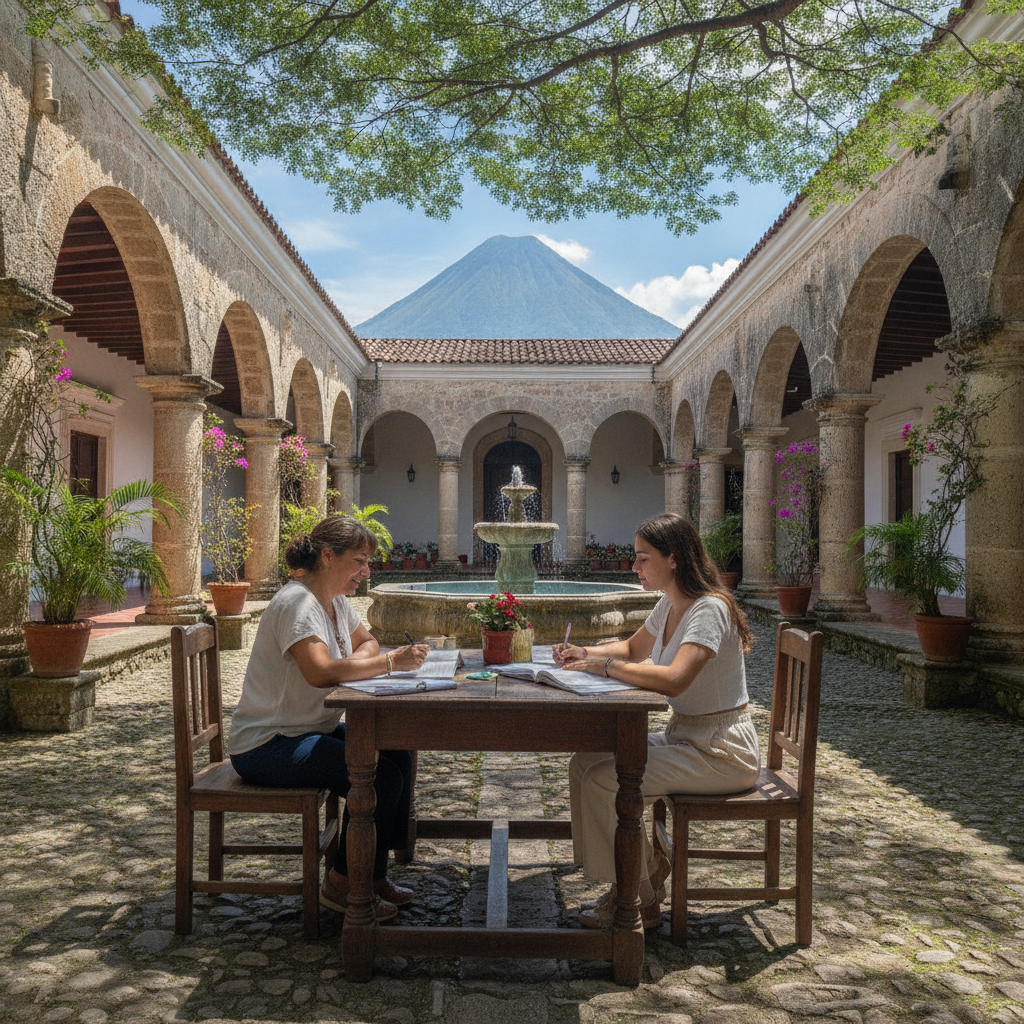
Spanish Language Schools and the Antigua Study-Travel Economy
Antigua Food Scene: Coffee, Chocolate, Pepian, and the Restaurant Economy
Acatenango and Fuego: Volcano Trekking from Antigua
Colonial History: The Kingdom of Guatemala and the 1773 Earthquake