Spanish Language Schools and the Antigua Study-Travel Economy
Antigua is one of the world's premier Spanish language learning destinations, hosting over 75 registered Spanish schools that collectively teach thousands of students per year. The combination of clear Guatemalan Spanish, relatively low cost of study, cultural immersion opportunity in a colonial setting, and the ability to experience indigenous Maya culture has made Antigua the preferred destination for North American and European students seeking intensive Spanish instruction in a Latin American context. This route examines the language school economy, the study formats available, and how the student population has shaped Antigua's character.
- 1
Why Antigua for Spanish: The Guatemalan Accent and the Study Environment
Guatemalan Spanish is widely considered among the clearest and most neutral accents in the Spanish-speaking world, relatively free of the regional variations and rapid speech that complicate comprehension for learners in some other Latin American countries. The highland altitude and pleasant climate make extended study comfortable. The size of the language school sector, which has operated since the 1970s, has created a competitive market that drives quality and innovation in teaching methodology. The immersive homestay format, in which students board with local families and speak Spanish outside the classroom as well as inside it, is standard across most Antigua schools and is genuinely effective as a learning accelerator compared to classroom-only formats.
- 2
The Homestay Economy: Local Families and Cultural Exchange
The homestay format that anchors the Antigua language school economy provides income for local families who house and feed students and creates cross-cultural contact that benefits both parties. A typical homestay costs 150 to 200 USD per week including accommodation and three meals per day. The participating families are primarily from the mestizo (Ladino) middle class of Antigua; indigenous Maya families are less common in the homestay network. The relationships formed between students and homestay families are frequently long-lasting; many former students maintain contact with their Antigua families for years after completing their courses. The homestay income is a significant economic driver for the Antigua middle class and represents a type of tourism revenue that is more equitably distributed than the hotel economy.
- 3
School Formats: One-on-One Instruction and the Four-Hours-a-Day Model
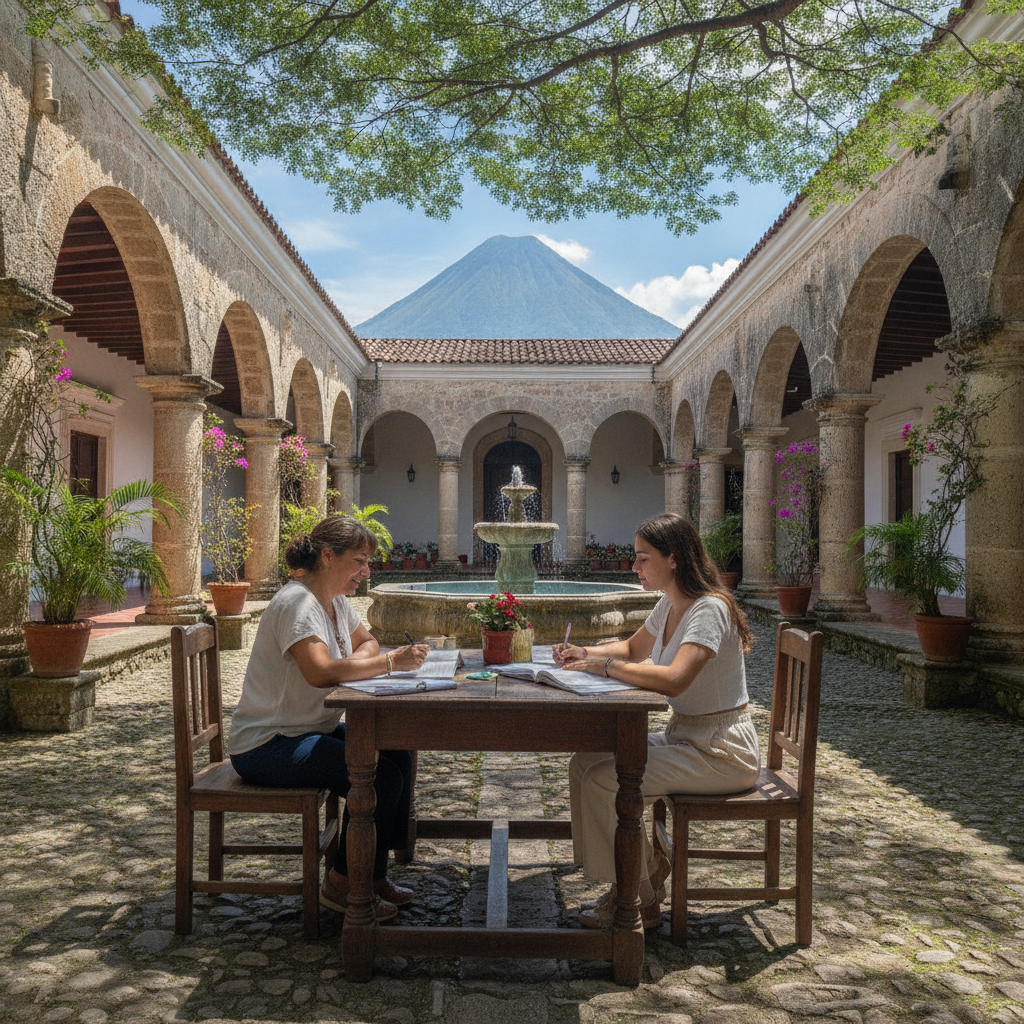
The dominant teaching format in Antigua schools is one-on-one instruction, typically four hours per day with the same teacher throughout the week. The format allows the instructor to tailor vocabulary and grammar to the student's specific needs and learning pace, producing faster progress than group class formats for most students. Intensive students take additional hours in the afternoon; some schools offer volunteer or internship placements that provide structured Spanish practice outside the classroom. Weekly costs for four hours daily of one-on-one instruction range from 150 to 250 USD depending on the school's quality and reputation. Multi-week programs allow grammar consolidation and vocabulary expansion that one-week crash courses cannot achieve.
- 4
Volunteer Programs and Community Engagement
The language school sector has spawned a parallel volunteer economy in Antigua and surrounding highland communities. Organizations placing volunteers in primary schools, health clinics, orphanages, and agricultural cooperatives attract students who combine language study with community engagement. The quality and ethics of volunteer programs vary widely; the effective programs are long-term commitments that provide genuinely useful skills, while shorter volunteer tourism programs have been criticized for disrupting rather than supporting local organizations. Several Antigua schools have developed direct partnerships with specific community organizations that have vetted and ongoing relationships, producing more accountable placements than the general volunteer tourism market offers.
- 5
The Language School's Effect on Antigua's Character
The decade-long presence of thousands of students annually has shaped Antigua's urban character in ways visible to careful observers. The cafes, restaurants, and bars near the language school concentration cater to a student demographic: they offer happy hours, slow wifi, cheap meals, and social events designed for solo travelers staying for weeks rather than days. The student population creates a social infrastructure that makes Antigua uniquely accessible for independent travelers: it is easy to meet people and easy to find companions for volcano treks, lake day trips, and local activities. The flip side is that a portion of Antigua's economy runs on the low-budget student market rather than the higher-spending cultural tourist, pulling restaurant quality and accommodation offerings downmarket in certain zones.
- 6
Practical Study Guide: Choosing a School and Planning the Stay
Selecting an Antigua language school requires attention to several factors: teaching methodology and teacher training, the student-to-teacher ratio in any group classes, the homestay family vetting process, and the non-academic programming offered. Reading recent reviews rather than relying on school-produced materials is essential; the quality of schools changes with staffing. The minimum useful period for beginners is two weeks; four weeks allows substantial progress from zero. Advanced students doing a refresher course can benefit significantly from a single week of intensive one-on-one work. The school year runs year-round; December and January bring the most students from North America and February sees the Semana Santa booking pressure begin. April and May are quieter but involve the end of the dry season and increasing humidity.
Walk this route with audio
Stories play automatically as you reach each stop — no tapping needed.
More in Antigua Guatemala
Antigua Guatemala: Colonial Baroque, Volcano Views, and the UNESCO Historic Core
Antigua Food Scene: Coffee, Chocolate, Pepian, and the Restaurant Economy
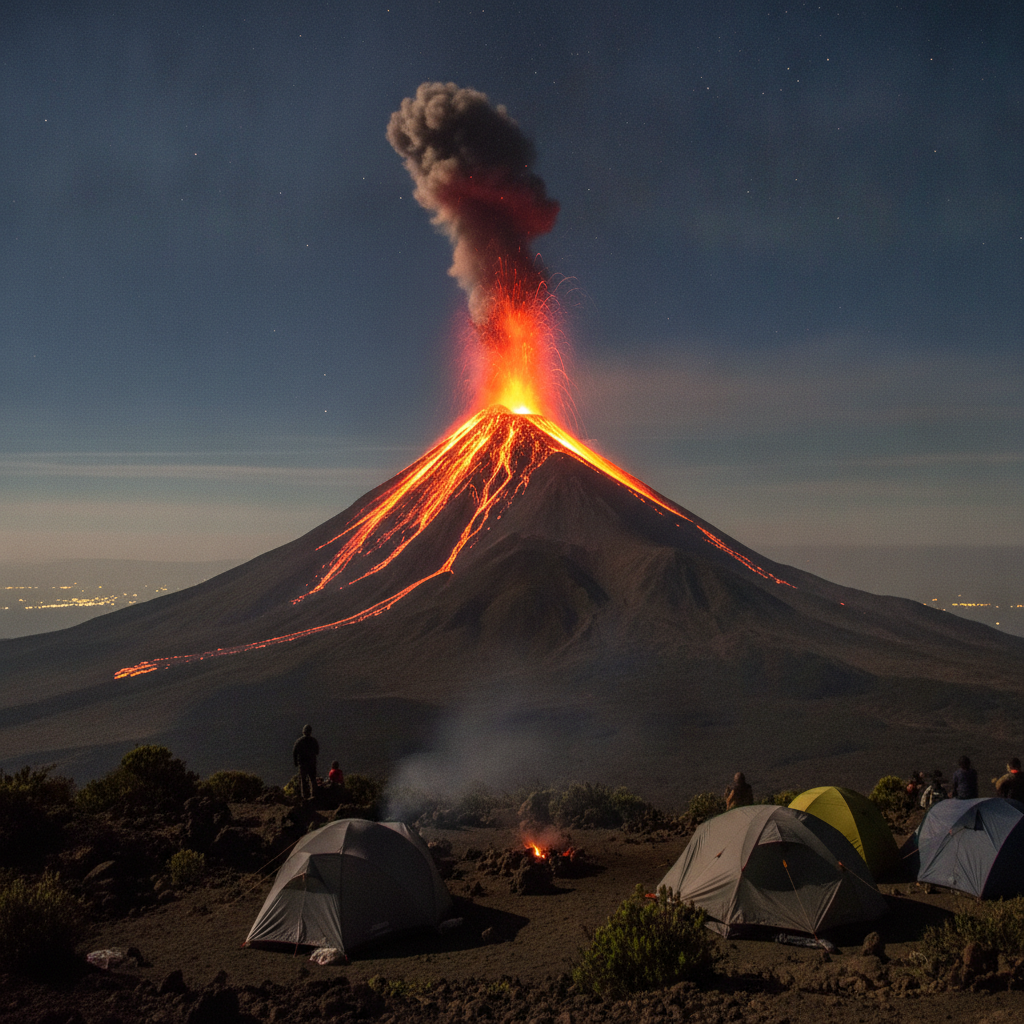
Acatenango and Fuego: Volcano Trekking from Antigua
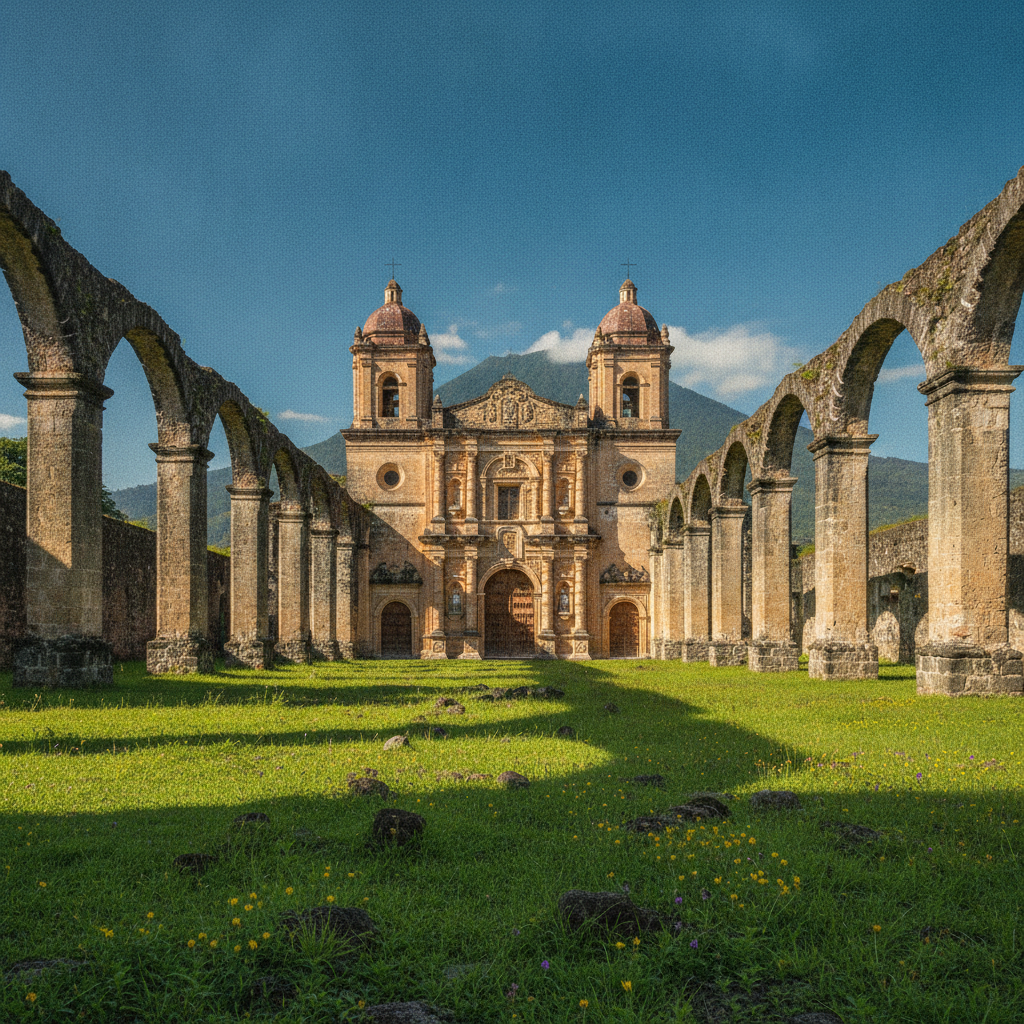
Colonial History: The Kingdom of Guatemala and the 1773 Earthquake
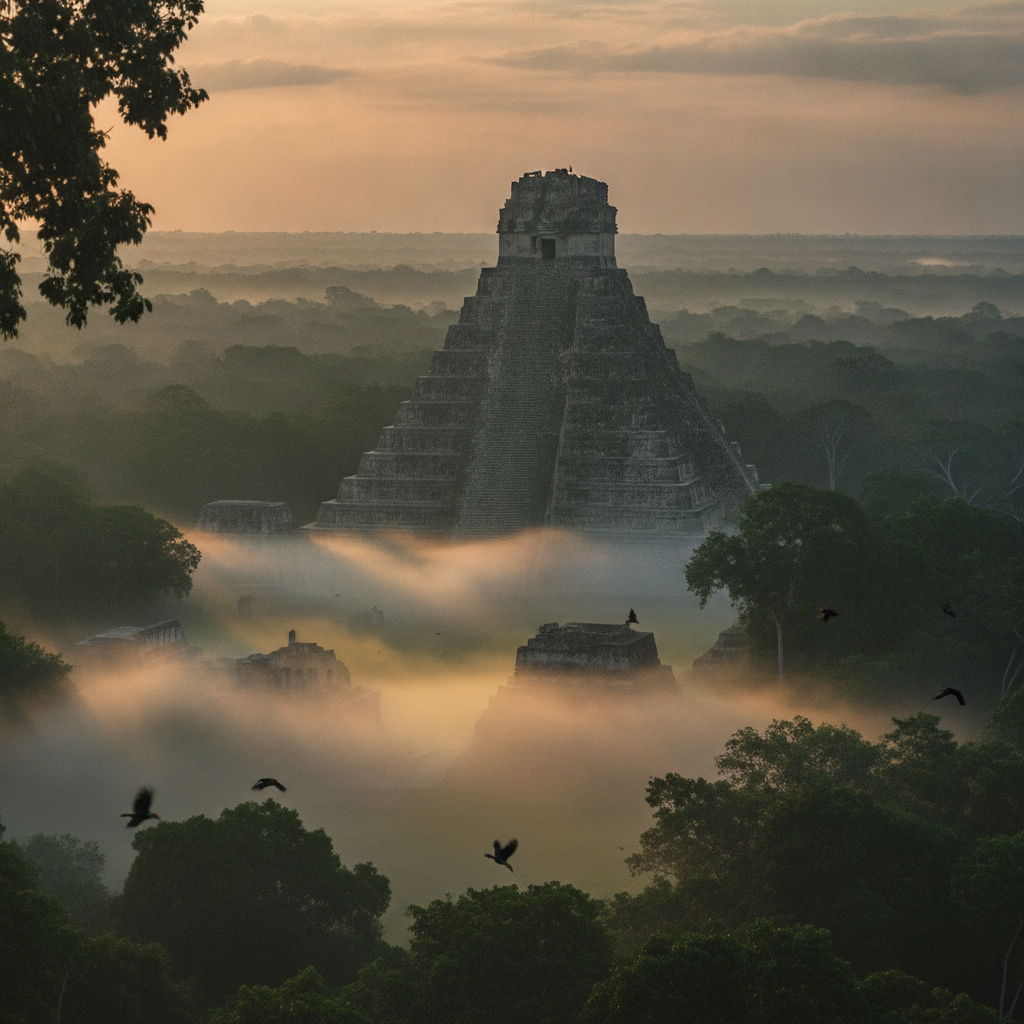
Tikal, Copan, and the Classic Maya Archaeological Circuit from Antigua