Atacama Practical Guide: San Pedro de Atacama, Altitude, Tour Booking, and Border Crossings
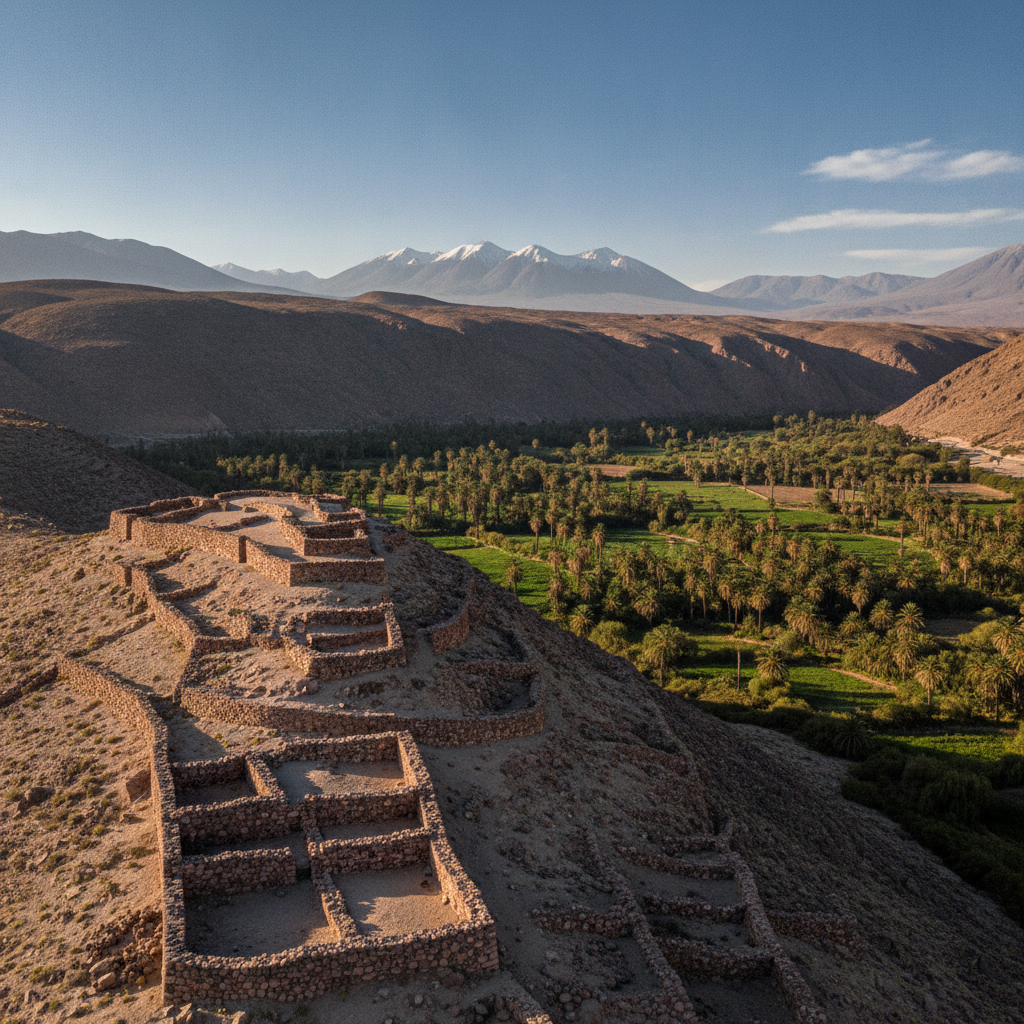
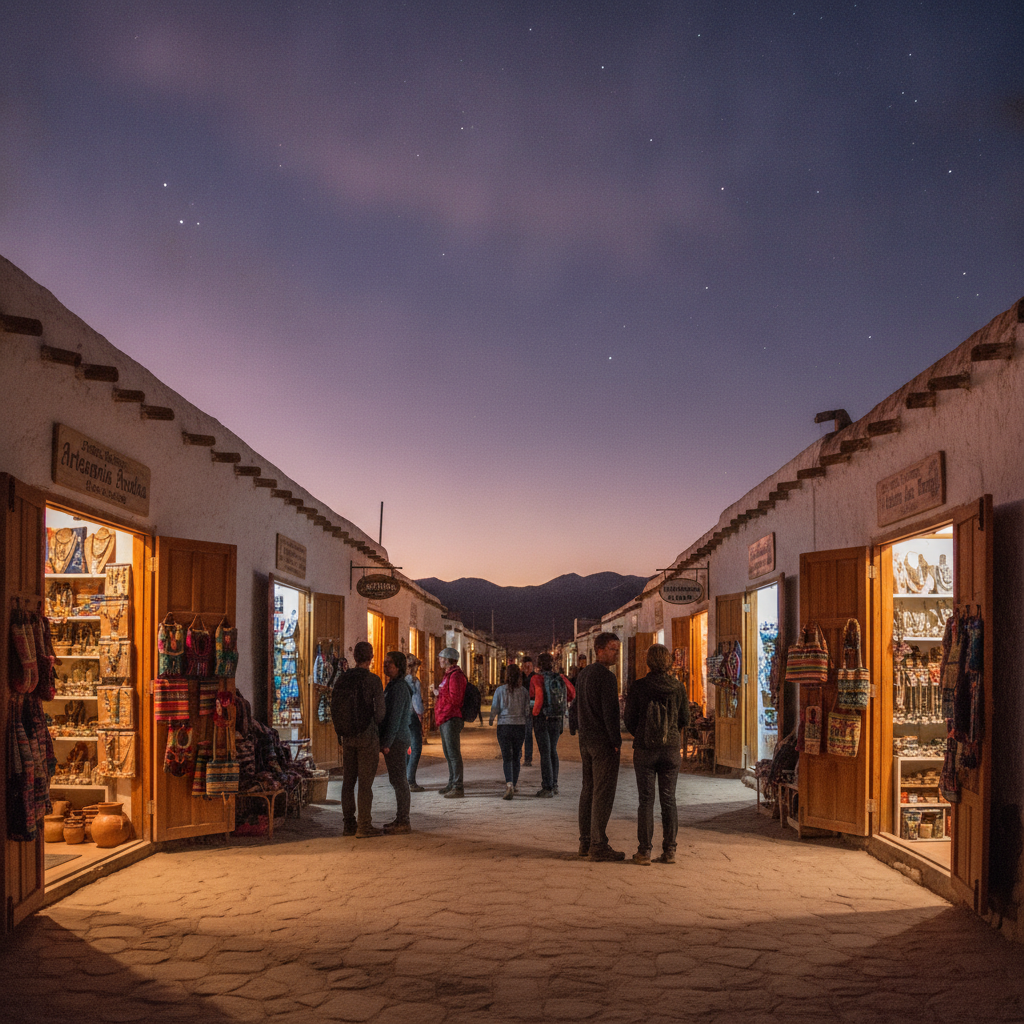
San Pedro de Atacama is the comfortable and well-equipped base for exploring the Atacama Desert, with a concentration of tour operators, restaurants, and accommodation that makes the logistics of visiting the extreme desert landscape straightforward despite the remote location.
- 1
Getting to San Pedro: Flights to Calama and Transfer
The nearest airport to San Pedro de Atacama is Calama El Loa Airport, served by direct flights from Santiago taking approximately two hours; the transfer from Calama airport to San Pedro takes one hour by shared minibus or taxi. Some visitors arrive overland from Salta in Argentina through the Paso Jama border crossing, a scenic but lengthy journey through the high altiplano.
- 2
Altitude Acclimatization at 2,400 Meters
San Pedro de Atacama sits at 2,400 meters elevation, high enough to cause altitude sickness symptoms in visitors arriving directly from sea level; the standard recommendation is to spend the first day resting and hydrating, avoiding alcohol and strenuous activity. The El Tatio geyser field at 4,320 meters requires particularly careful attention from visitors not yet acclimatized to even the San Pedro altitude.
- 3
Tour Booking: Independent vs Agency
Virtually all attractions in the Atacama require transport by vehicle from San Pedro, and the majority of visitors book day tours through the numerous agencies concentrated on the main street. Independent access by rental car is possible for some attractions but the off-road terrain and altitude make vehicle reliability critical; several remote sites are accessible only by agency 4WD vehicles with experienced drivers.
- 4
Accommodation: Eco-Lodges, Stargazing Hotels, and Budget Hostels
The accommodation range in San Pedro extends from basic backpacker hostels in the village center to luxury eco-lodge properties with private pools and stargazing telescopes. The premium properties emphasize the stargazing experience and the desert landscape in their room design; the Altiplanico and the Tierra Atacama are the most celebrated upscale options.
- 5
Seasons and Weather: The Best Time to Visit
The Atacama is visually spectacular year-round but has seasonal variations that affect the visitor experience. The southern summer from December to February brings the Bolivian winter, a period of afternoon thunderstorms on the altiplano that can close some roads and reduce visibility; the flamingo breeding season peaks in January and February. The dry season from April to November offers the clearest skies and most stable conditions.
- 6
Border Crossings: Bolivia and the Uyuni Connection
The Atacama Desert connects naturally with the Bolivian Uyuni salt flat circuit across the border, and many visitors combine San Pedro with a jeep tour of the Bolivian altiplano ending at the Uyuni train cemetery and salt flat. The Paso Jama crossing to Argentina connects to Salta and the northwest Argentine wine and archaeological circuit. All border crossings require advance planning for Chilean and Bolivian entry requirements.
Walk this route with audio
Stories play automatically as you reach each stop — no tapping needed.
More in Atacama
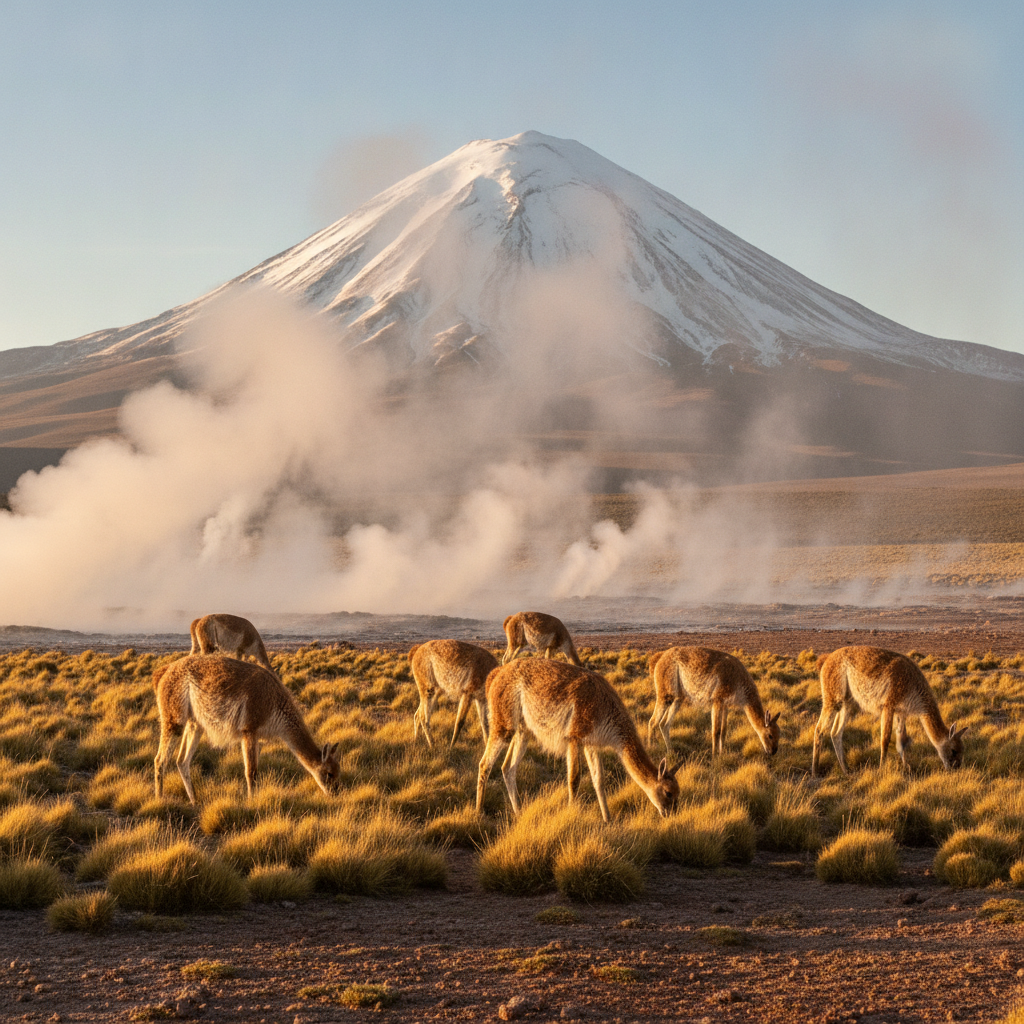
Atacama Wildlife: Vicunas, Flamingos, Viscachas, and the Andean Cat
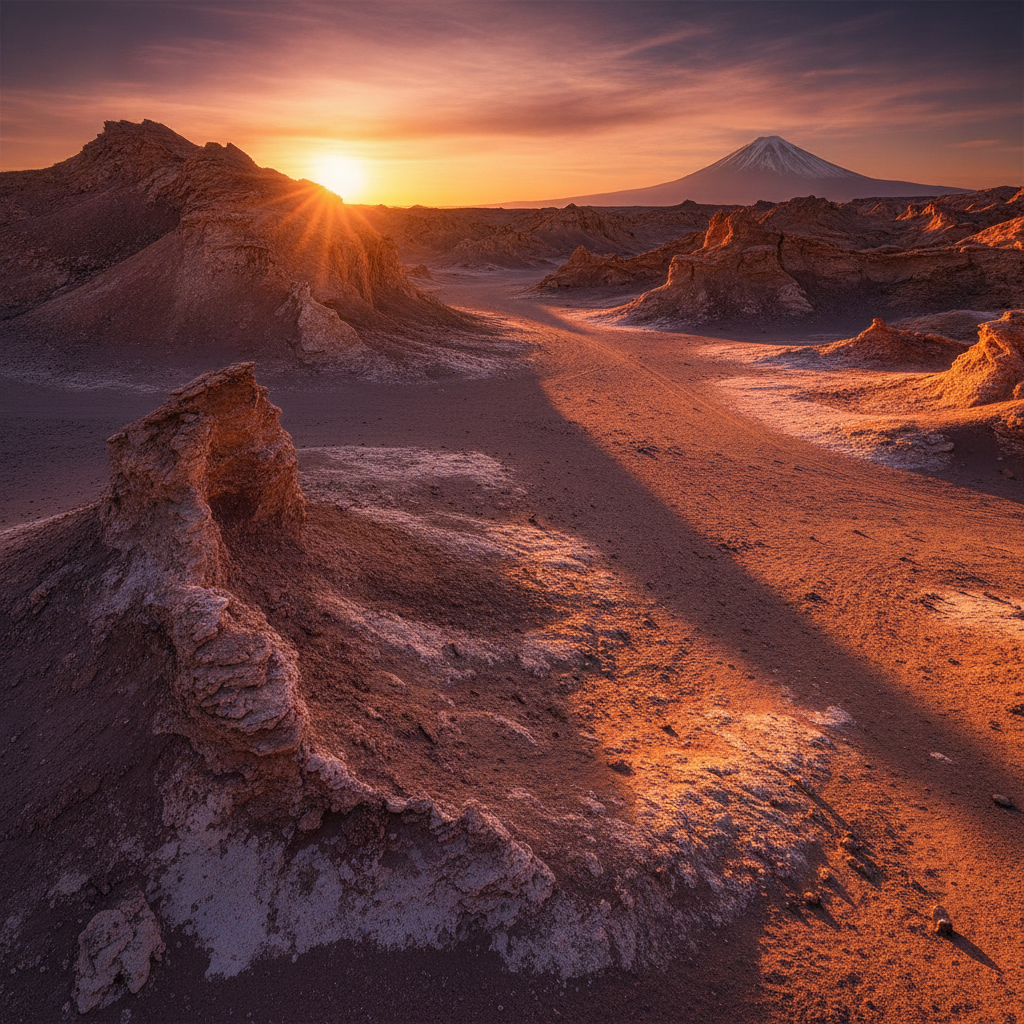
Atacama Desert: Moon Valley, El Tatio Geysers, Flamingo Lagoons, and the World's Best Stargazing
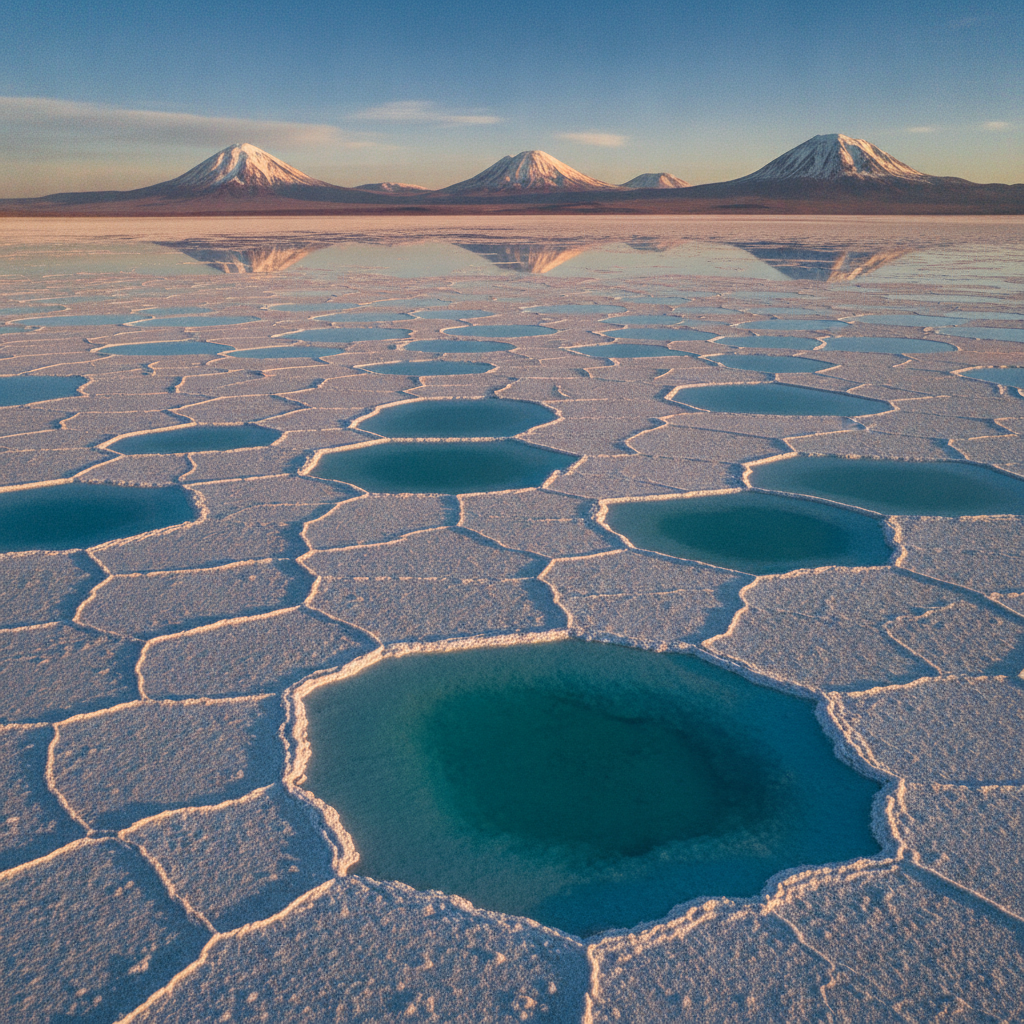
Atacama Geology: Salt Flats, Volcanoes, and the Science of the World's Driest Desert
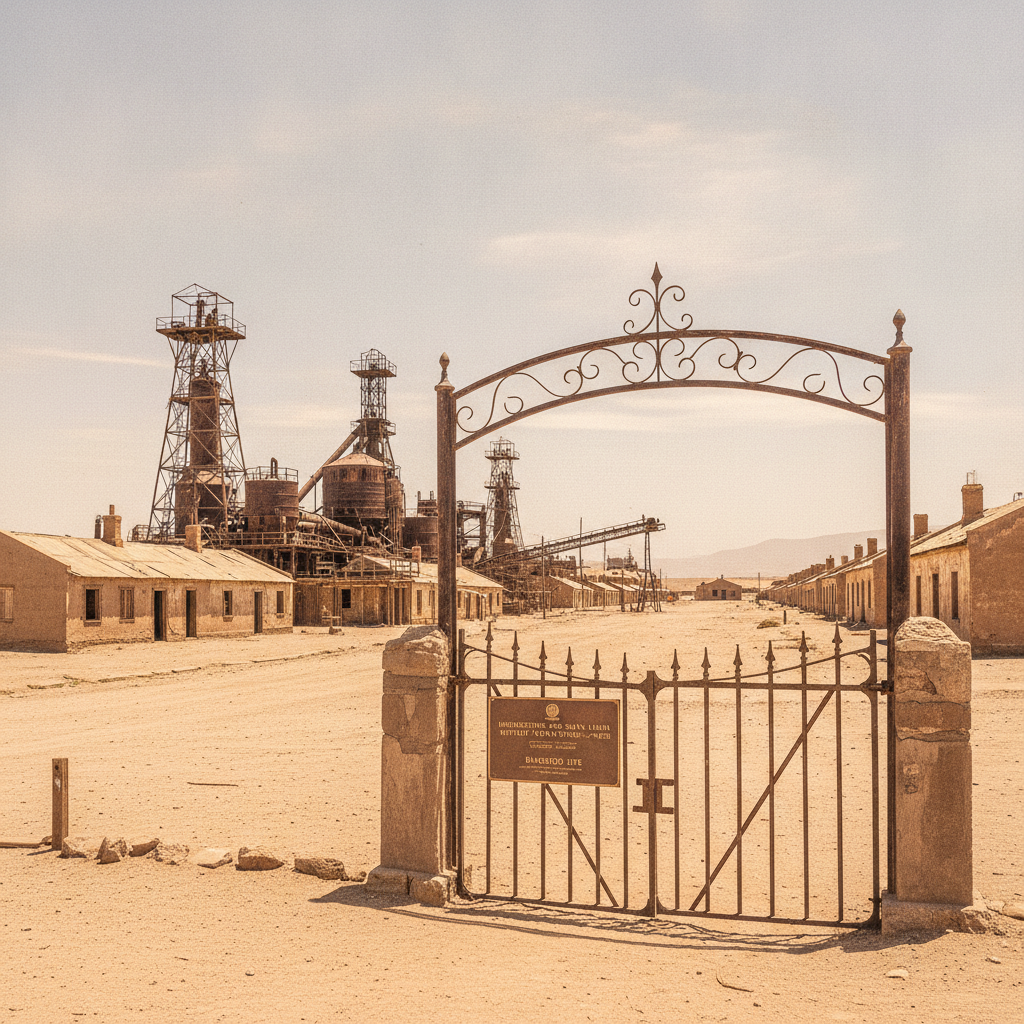
Atacama Nitrate Era: Ghost Towns, Humberstone, and the Rise and Fall of White Gold
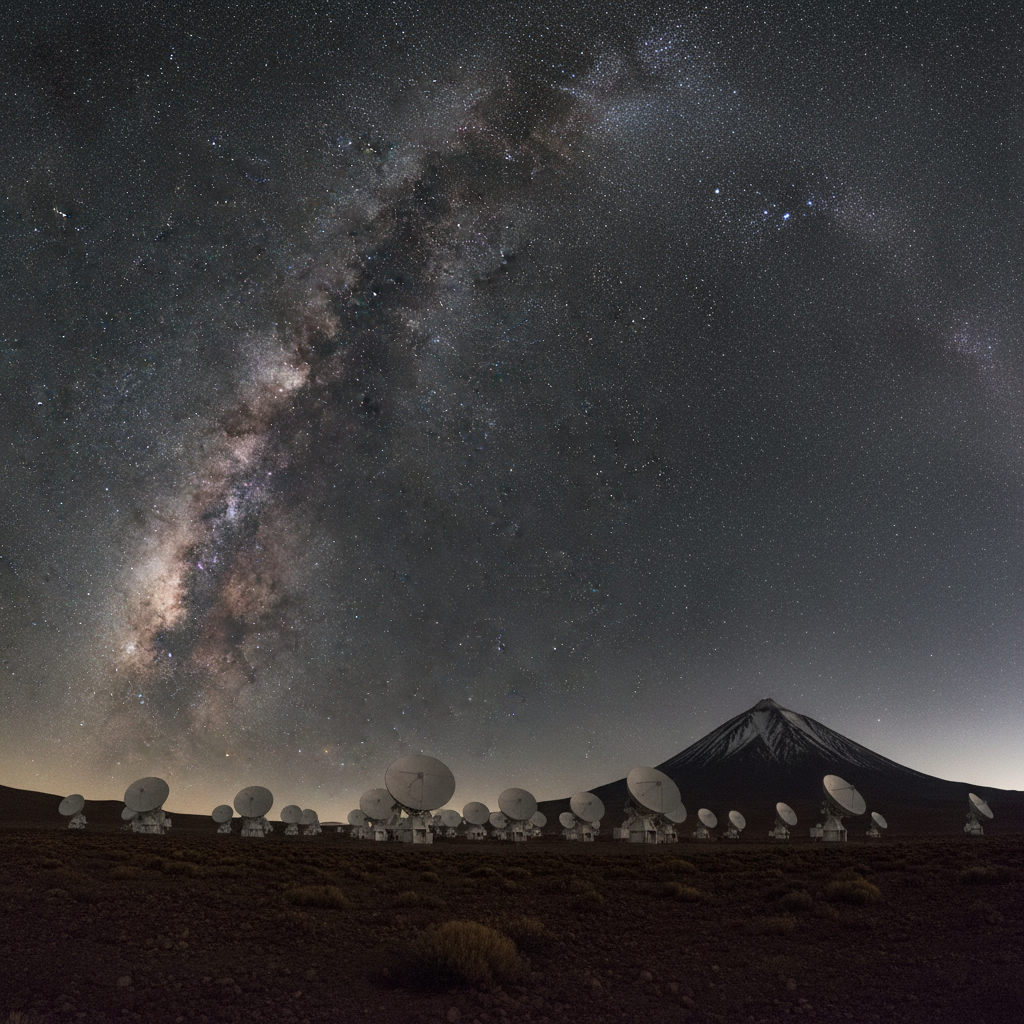
Atacama Astronomy: ALMA, World-Class Observatories, and Astrophotography