Cape Sounion & the Attica Coast: Poseidon's Temple Above the Aegean
The 70-km coastal drive from Athens along the Attica Riviera (Athenian Riviera) to Cape Sounion passes through the most exclusive seaside suburbs of Athens — Glyfada, Vouliagmeni, Varkiza — before reaching the dramatic promontory of Cape Sounion, where the marble Temple of Poseidon (444 BC) stands 60 meters above the Aegean. This is one of the most scenic coastal drives in Europe, combining ancient mythology, crystalline swimming, and stunning landscape.
- 1
Glyfada & Athens Riviera
The Athenian Riviera — the 50 km of coastline running southwest from Piraeus to Cape Sounion along the Saronic Gulf — was developed as Athens' seaside playground in the post-war economic boom of the 1950s-1970s. Glyfada, the first and most developed of the coastal suburbs (20 km from central Athens, accessible by tram), was nicknamed 'Greek Beverly Hills' in the 1970s for its concentration of ambassadors' villas, upscale shops, and marina. The south coast section — Kavouri, Vouliagmeni, Varkiza — contains the most expensive real estate in Greece. Alimos Marina, the largest marina in the Mediterranean (1,100 berths, inaugurated 1985), is the departure point for sailing yachts heading to the Cyclades and Dodecanese.
- 2
Lake Vouliagmeni (Λίμνη Βουλιαγμένης)
Lake Vouliagmeni — a small brackish lake (150 meters × 100 meters) formed by the collapse of a sea cave connecting to the Saronic Gulf through an underground channel — is the most unusual natural swimming site near Athens. The water temperature remains constant at 22-29°C year-round due to thermal springs; the lake is fed by subterranean seawater filtered through limestone and mixed with the thermal springs, giving it remarkable mineral clarity. The lake is home to a population of Garra rufa (doctor fish) used for natural foot treatment at the lakeside spa. The surrounding landscaped park and the beach club Astir Palace (on the private peninsula adjacent, with a beach opening only since 2018 following lengthy litigation) make Vouliagmeni the most refined beach destination near Athens. Lord Byron swam here in 1810 during his first Grand Tour of Greece.
- 3
Varkiza & South Attica Coast
The stretch of coast from Varkiza (35 km from Athens) to Cape Sounion passes through some of the least developed and most scenically dramatic coastline near the Greek capital — a sequence of rocky coves, small sandy beaches (Lagonisi, Saronida, Anavyssos), and fishing villages backed by the pine-covered hills of the Attic peninsula. The town of Lavrio (ancient Laureion) — at the base of the Attic peninsula 57 km from Athens — was the site of the Laureion silver mines that financed Athens' 5th-century BC golden age, providing the silver from which the Athenian tetradrachm (the international currency of the ancient world) was struck. The mines employed approximately 20,000 slaves at their peak; the discovery of a new silver vein in 483 BC provided the funds for the Themistocles naval program that built the 200-trireme fleet that defeated the Persians at Salamis in 480 BC.
- 4
Temple of Poseidon, Cape Sounion (444 BC)
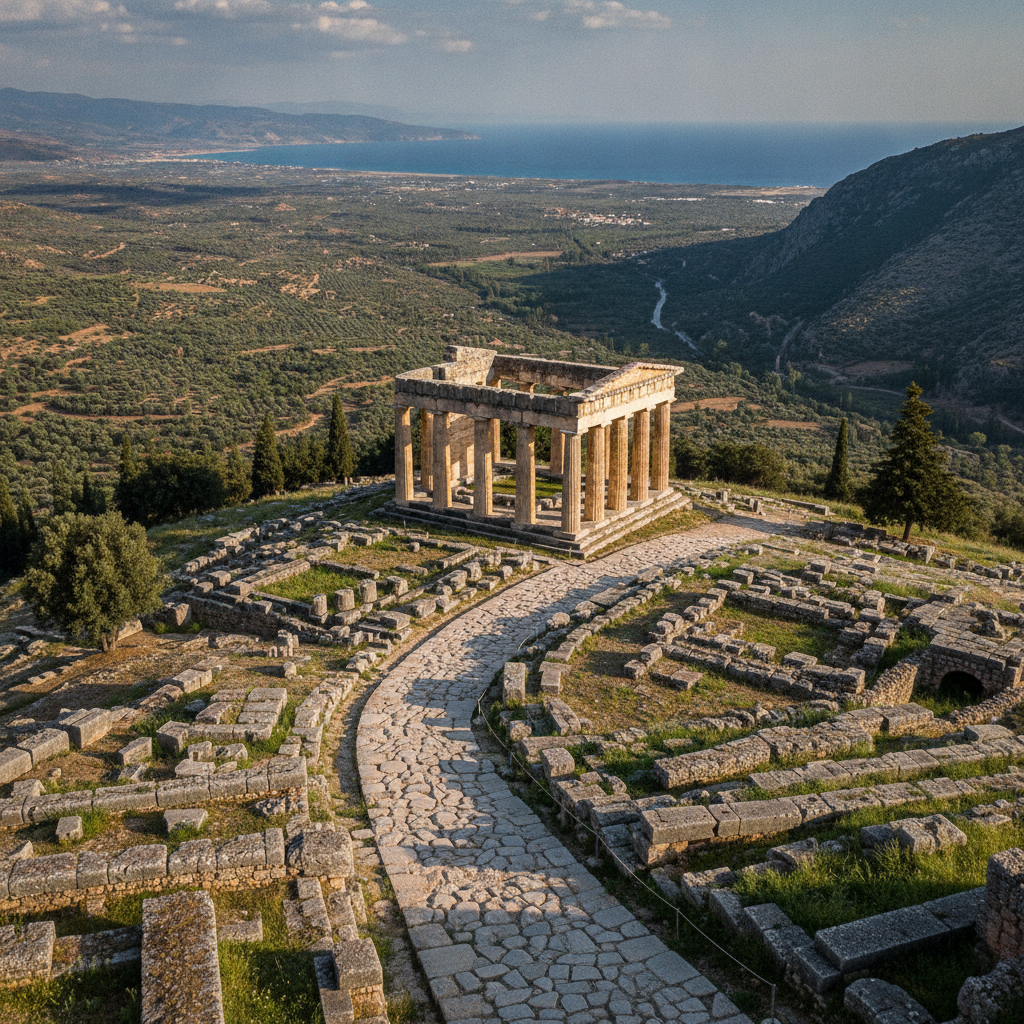
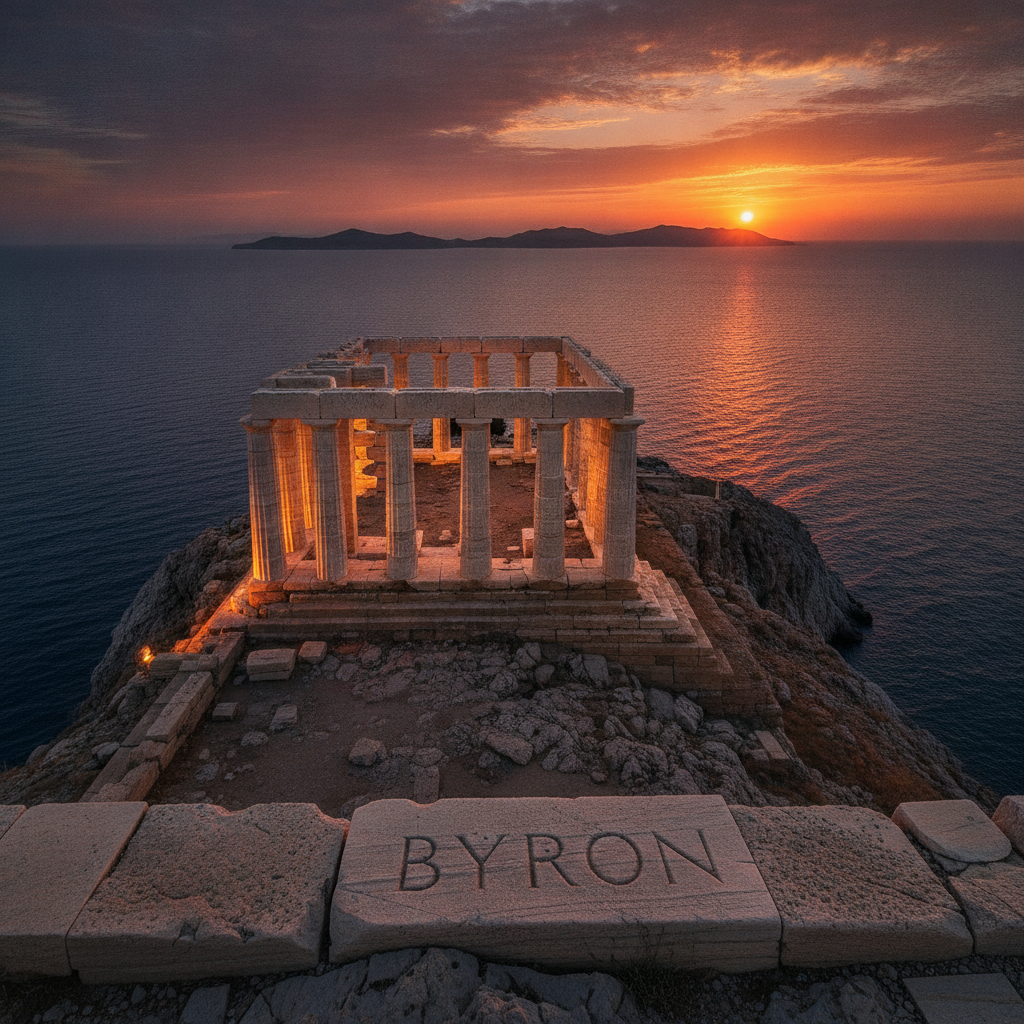
The Temple of Poseidon at Cape Sounion — built in the Periclean building program of 444-440 BC by the same unknown architect who designed the Temple of Hephaistos in Athens — stands on a sheer limestone promontory 60 meters above the Aegean Sea at the southern tip of the Attic peninsula. The temple was the last sight visible to sailors leaving Athens and the first on their return; it was intentionally sited for maximum visual impact on seafarers. The building is a Doric peripteral hexastyle temple (6 × 13 columns), of which 15 columns survive. The marble used is local Agrileza marble, with a distinctive blue-grey veining that gives it a warm tone in afternoon light. Lord Byron visited in 1810 and 1823 and carved his name in the marble of the north colonnade (the graffito is still visible and is now considered a historical artifact alongside later Romantic-era inscriptions). 'Place me on Sunium's marbled steep / Where nothing save the waves and I / May hear our mutual murmurs sweep' (Don Juan, Canto III, 1821).
- 5
Sounion Sunset & Aegean Views
Cape Sounion faces southwest — the setting sun descends directly into the Aegean visible from the temple terrace, creating what is considered one of the finest sunset views in the Mediterranean world. On exceptionally clear days (typically October-November and February-March), the peaks of the Cycladic islands — Kea (22 km), Kythnos (47 km), and on the clearest days Syros (90 km) — are visible from the cape. The bay of Sounion (Sounion Bay), enclosed by the cape to the south and the promontory of Makronisos island to the east, is a sheltered anchorage used since antiquity — the Persians under Datis anchored here before the Battle of Marathon (490 BC). The archaeological site also includes the remains of a Temple of Athena (5th century BC, on the lower promontory), a propylon, and ship sheds from the ancient harbor.
- 6
Marathon & Battlefield (Optional Extension)
The Marathon plain — 42 km northeast of Athens on the opposite coast of Attica — is the site of the Battle of Marathon (September 490 BC), in which approximately 10,000 Athenian and Plataean hoplites defeated a Persian expeditionary force of perhaps 25,000 under Datis and Artaphernes. The victory was attributed by the Athenians to their general Miltiades and to the aggressive charge tactics he introduced — the first major Greek land victory over Persian forces. The burial mound of the 192 Athenian dead (the Soros, 9 meters high) is preserved at the edge of the battlefield; the Marathon Museum (2004) contains finds from the battle site and the surrounding Mycenaean cemeteries. The marathon running race (42.195 km) commemorates the legendary run of Pheidippides from Marathon to Athens to announce the victory — though the actual ancient account (Herodotus) tells of a pre-battle run from Athens to Sparta to request Spartan aid.
Walk this route with audio
Stories play automatically as you reach each stop — no tapping needed.
More in athens
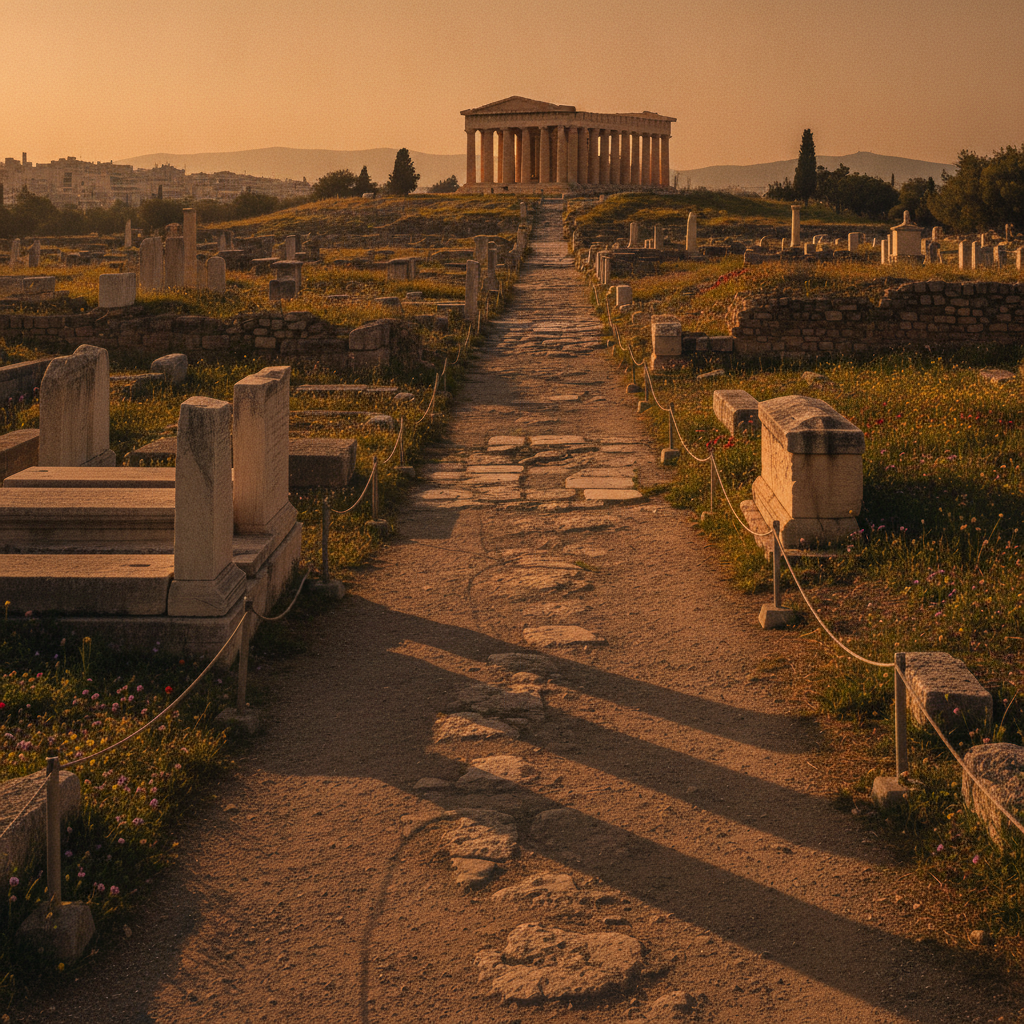
Keramikos, Gazi & Thisseio: Ancient Cemeteries, Creative Districts & Democratic Hills
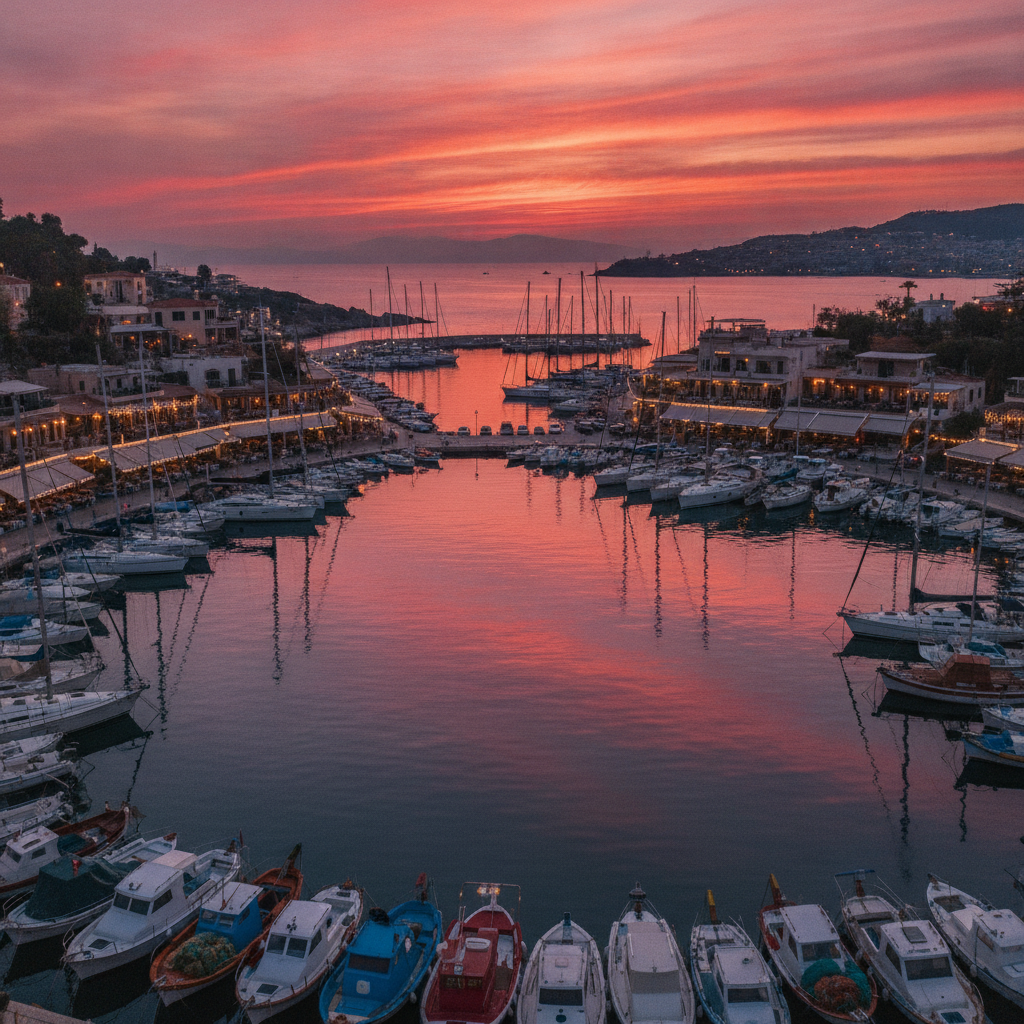
Piraeus, Mikrolimano & the Saronic Riviera: Athens' Ancient Port and Yacht Harbor
Plaka, Monastiraki & Psyrri: Athens Beneath the Acropolis
Panathenaic Stadium, Zappeion & National Garden: Olympic Legacy and Royal Athens
National Archaeological Museum & Exarcheia: Greece's Greatest Treasures