Atlanta: Presidential Peace Work, Mill Ruins and Counterculture Corners
Visit the Carter Center Guinea worm eradication story and Nobel legacy, explore Georgia Tech engineering heritage, walk intact mill worker houses in Cabbagetown and Zoo Atlanta panda exhibits, hike to Civil War textile mill ruins at Sweetwater Creek, browse vintage vinyl at Little Five Points, and descend into Underground Atlanta original street level.
- 1
Carter Center and Presidential Libraries
The Jimmy Carter Presidential Library and Museum, located on 35 acres in the Freedom Parkway corridor east of downtown Atlanta, opened in 1986 and is administered by the National Archives. The adjacent Carter Center, founded by Jimmy and Rosalynn Carter in 1982, has worked to advance human rights and democracy globally and is credited with the near-eradication of Guinea worm disease, reducing cases from 3.5 million in 1986 to fewer than 15 by 2021. Carter received the Nobel Peace Prize in 2002 for this work. The Presidential Library Museum chronicles the Carter presidency from 1977 to 1981 with exhibits on the Camp David Accords, the Iran hostage crisis, and the energy policy initiatives. The adjoining Japanese garden and lake provide a serene public space within the museum grounds.
- 2
Georgia Tech and Engineering Heritage
Georgia Institute of Technology, founded in 1885 on a 400-acre campus adjacent to downtown Atlanta, is consistently ranked among the top five public universities in the United States for engineering. The campus produced Coca-Cola inventor John S. Pemberton as a pharmacy student and has been associated with numerous technological innovations. The Georgia Tech Research Institute conducts over 800 million dollars in annual research on defense electronics, energy systems, and manufacturing technology. The campus Yellow Jackets football team plays at Bobby Dodd Stadium, the oldest on-campus Division I stadium in continuous use, seating 55,000. The GT College of Computing has produced graduates who have founded major technology companies and is one of the top computer science programs in the nation, attracting significant investment from Atlanta technology sector employers.
- 3
Cabbagetown and Grant Park Neighborhoods
Cabbagetown, a small neighborhood east of downtown Atlanta adjacent to the Fulton Bag and Cotton Mill that employed most of its residents until 1977, is one of the most architecturally intact late 19th century mill worker communities in the American South. The neighborhood contains 350 shotgun and bungalow-style houses built between 1880 and 1920. The mill building, a massive red brick complex, was converted to loft apartments in 2000. Grant Park, adjacent to Cabbagetown, contains Zoo Atlanta, which was founded in 1889 and is the oldest zoo in the southeastern United States. Zoo Atlanta houses two giant pandas on loan from China under a conservation agreement and a significant collection of African reptiles and great apes. The Oakland Cemetery, a Victorian garden cemetery established in 1850, contains the graves of Margaret Mitchell and Maynard Jackson, Atlanta first Black mayor.
- 4
Sweetwater Creek State Park and Outdoors
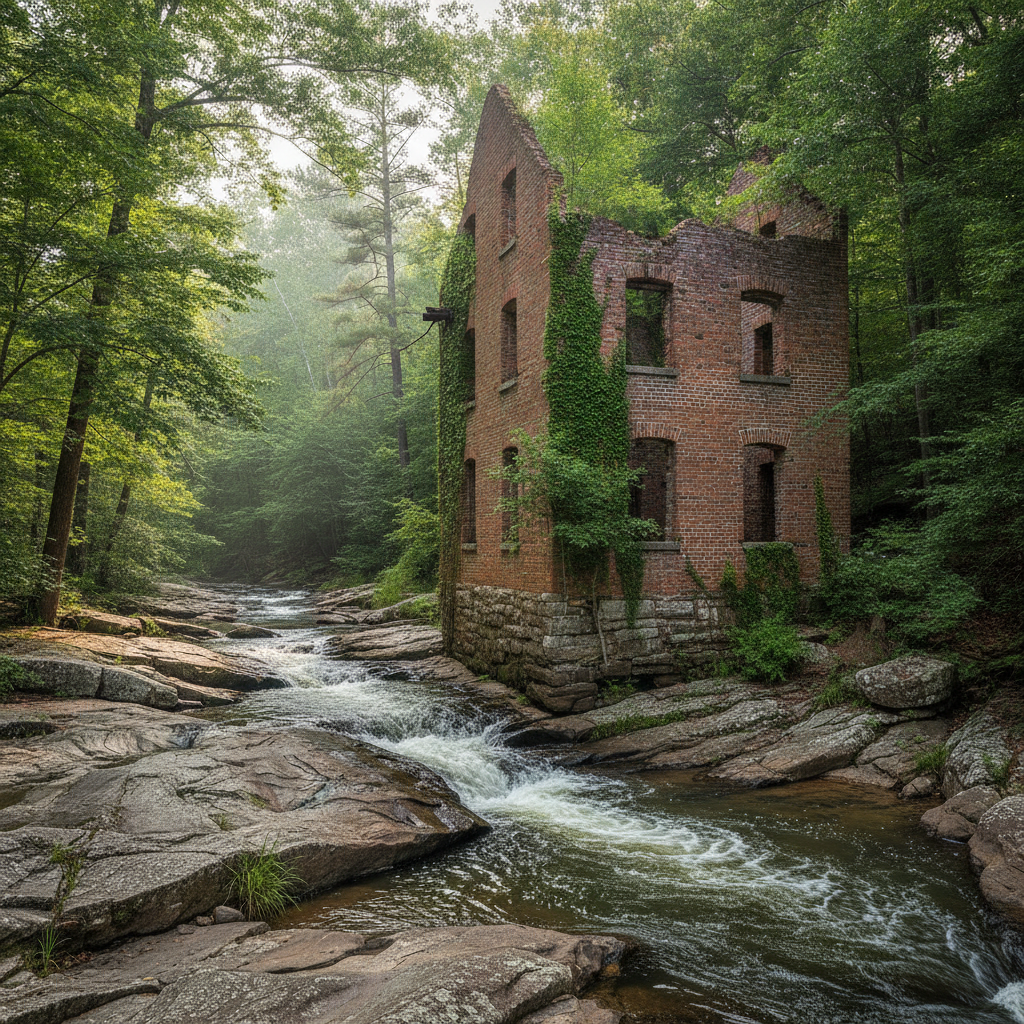
Sweetwater Creek State Park, 15 miles west of downtown Atlanta in Lithia Springs, protects 2,549 acres of Piedmont forest along Sweetwater Creek and contains the ruins of the New Manchester Manufacturing Company textile mill burned by General Sherman troops in July 1864. The mill ruins, rising three stories above the creek amid hardwood forest, are among the most dramatic Civil War industrial ruins accessible to the public. Five miles of hiking trails follow the creek through granite outcrops and mixed hardwood forest. The park is one of the most visited state parks in Georgia, drawing over 600,000 visitors annually despite its proximity to the metropolitan area. The surrounding landscape represents the Piedmont physiographic province, the transition zone between the Appalachian Mountains and the Atlantic coastal plain that defines the geology of metro Atlanta.
- 5
Little Five Points and Atlanta Counterculture
Little Five Points, an intersection and surrounding commercial district in the Candler Park and Inman Park neighborhoods east of downtown, has been Atlanta primary counterculture neighborhood since the 1970s. The area contains vintage clothing stores, record shops, tattoo parlors, independent music venues, and bars that attract a diverse cross-section of Atlanta subcultures. The Variety Playhouse, a 1,000-person venue in a converted movie theater, has hosted independent and alternative music acts since 1978 and is considered one of the finest small concert venues in the South. The neighborhood faces gentrification pressure as the Atlanta BeltLine Eastside Trail has raised property values throughout the surrounding area. The Clermont Hotel, opened in 1924 and renovated in 2018, contains the Clermont Lounge, a bar that has operated continuously since 1965 and is considered a cultural institution of Atlanta nightlife.
- 6
Underground Atlanta and Downtown Revitalization
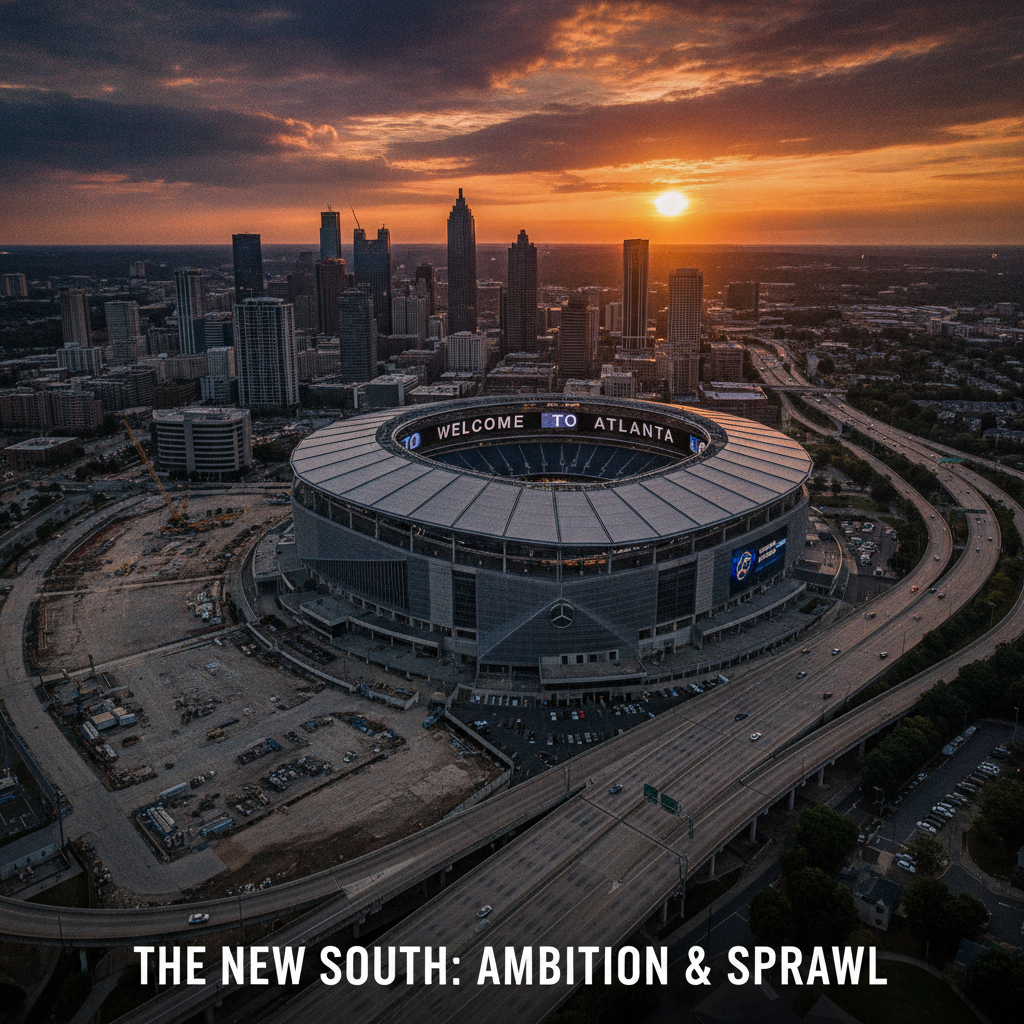
Underground Atlanta, a six-block historic district beneath the viaducts built over the original 1842 street level of downtown Atlanta, was developed as an entertainment district in 1969 and closed in 1981 before reopening in 1989 with city and private investment. The underground streets preserve the commercial facades of 19th century Atlanta at the original grade level. The district has struggled with retail viability and has undergone multiple ownership and concept changes since reopening. The broader downtown Atlanta core, including Peachtree Street from Five Points to North Avenue, has experienced substantial office development and hotel construction since 2010 alongside persistent challenges with retail vacancy and pedestrian activity outside of major events. Mercedes-Benz Stadium, opened in 2017 at a cost of 1.5 billion dollars, hosts the Atlanta Falcons NFL team and Atlanta United FC soccer.
Walk this route with audio
Stories play automatically as you reach each stop — no tapping needed.
More in Atlanta
Atlanta: MLK National Historical Park (Birth Home, Ebenezer Baptist Church, King tomb Sweet Auburn, Atlanta Life Insurance), World of Coca-Cola (John Pemberton 1886 invention, secret formula, taste 100 world beverages), Piedmont Park and Atlanta BeltLine (35km trail, Ponce City Market Sears warehouse, Eastside Trail murals), Hartsfield-Jackson Airport (worlds busiest since 1998, Delta 75% hub, Plane Train automated transit), and Practical Guide (BeltLine neighborhoods, Buford Highway international food, The Varsity oldest drive-in, Georgia Bulldogs football)
Atlanta: World Busiest Airport, Hollywood of the South and Global Food
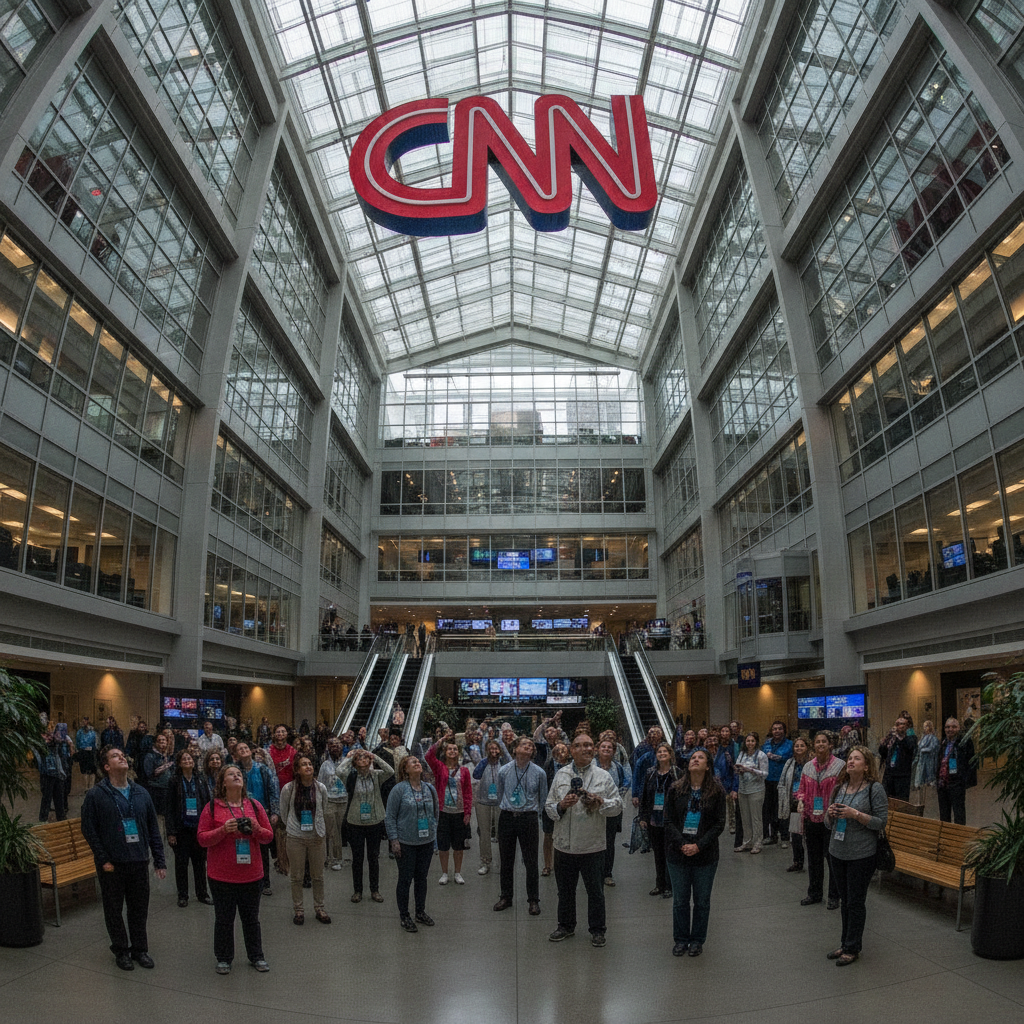
Atlanta: CNN Birthplace, Braves Champions and the Chattahoochee Trout River
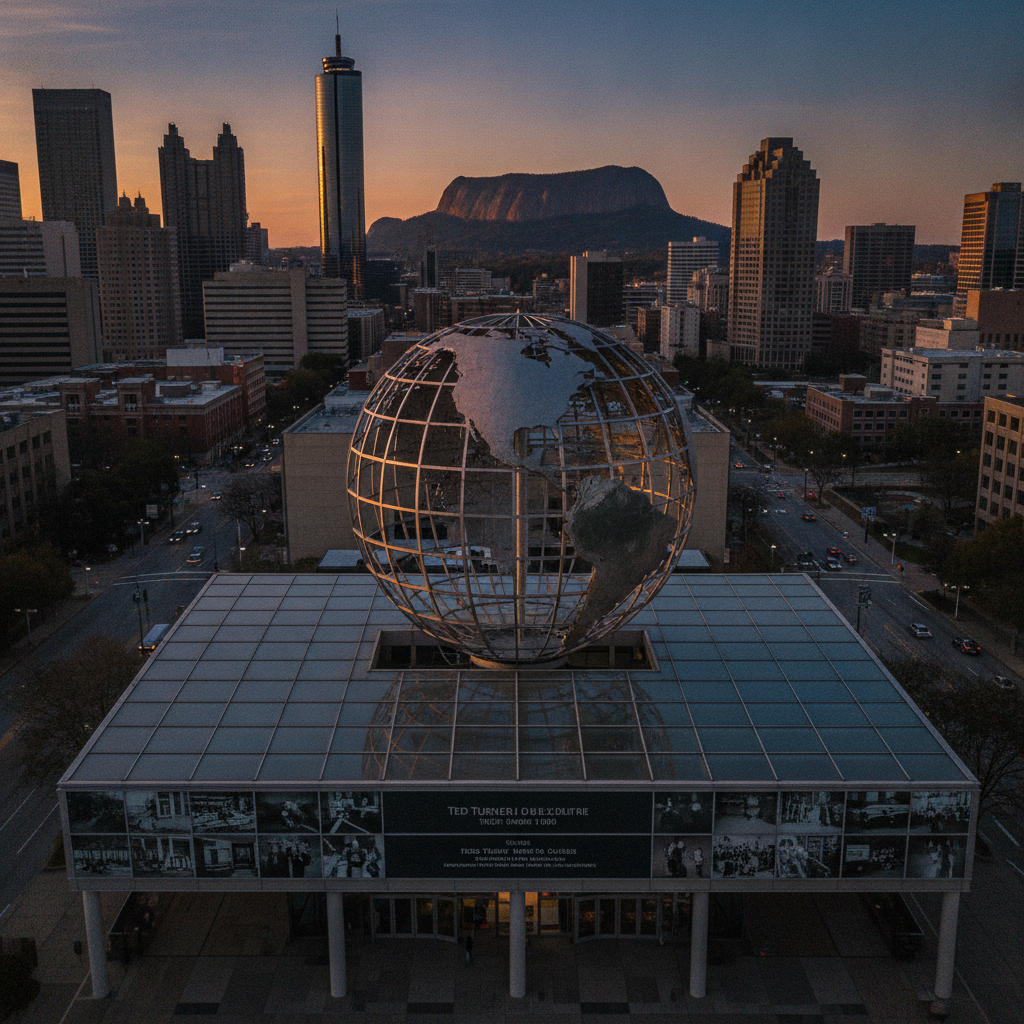
Atlanta: Civil Rights Movement (AUC HBCUs, Morehouse, Spelman, SCLC headquarters), National Center for Civil and Human Rights (MLK papers, sit-in counter experience, global human rights gallery), Centennial Olympic Park (1996 Olympics, Muhammad Ali cauldron, Jewell bombing, Georgia Aquarium whale sharks), CNN Center (Ted Turner 1980, Gulf War coverage, Hollywood of the South Tyler Perry Studios), Stone Mountain (worlds largest bas-relief Confederate carving, KKK 1915, Hank Aaron 715th home run), Atlanta food (soul food Paschal's Mary Macs, Buford Highway international corridor, Buford Highway Farmers Market)
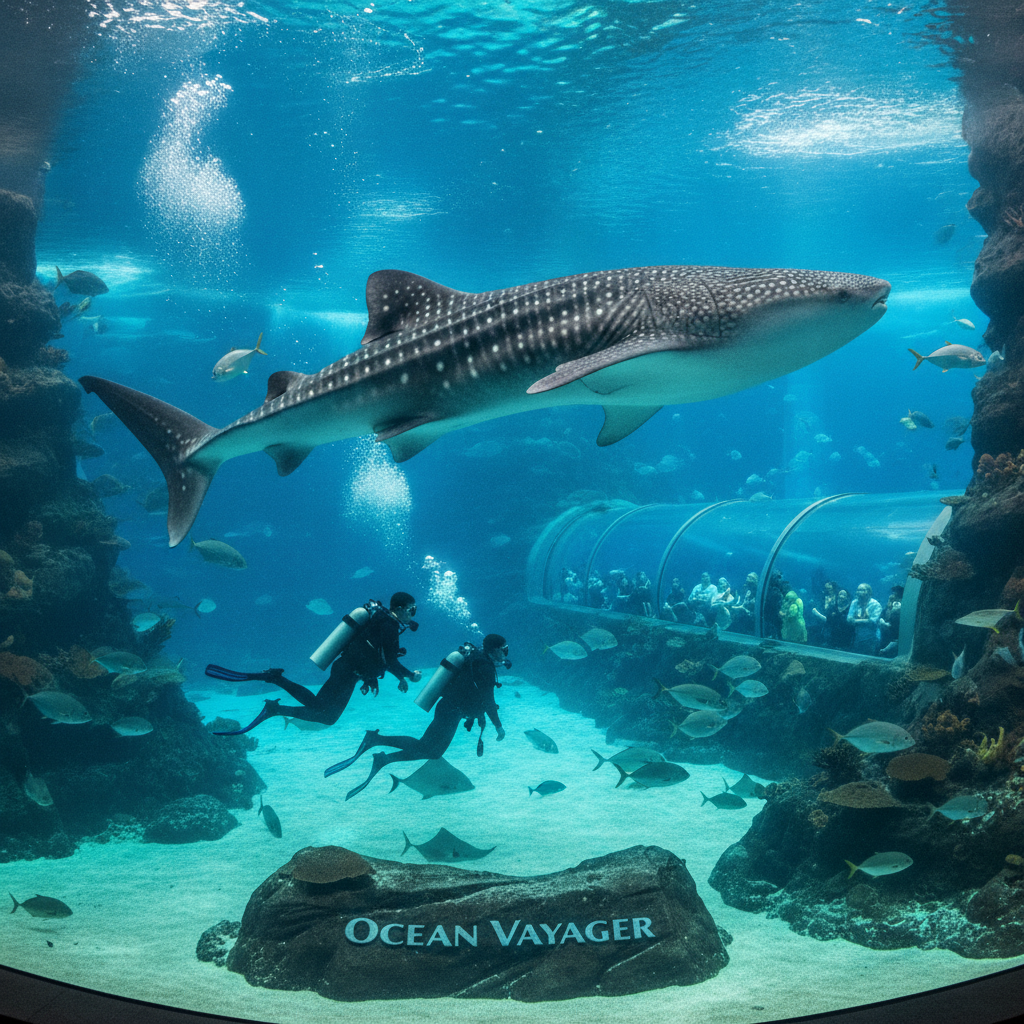
Atlanta: Civil Rights Legacy, Olympic Park and the BeltLine Loop