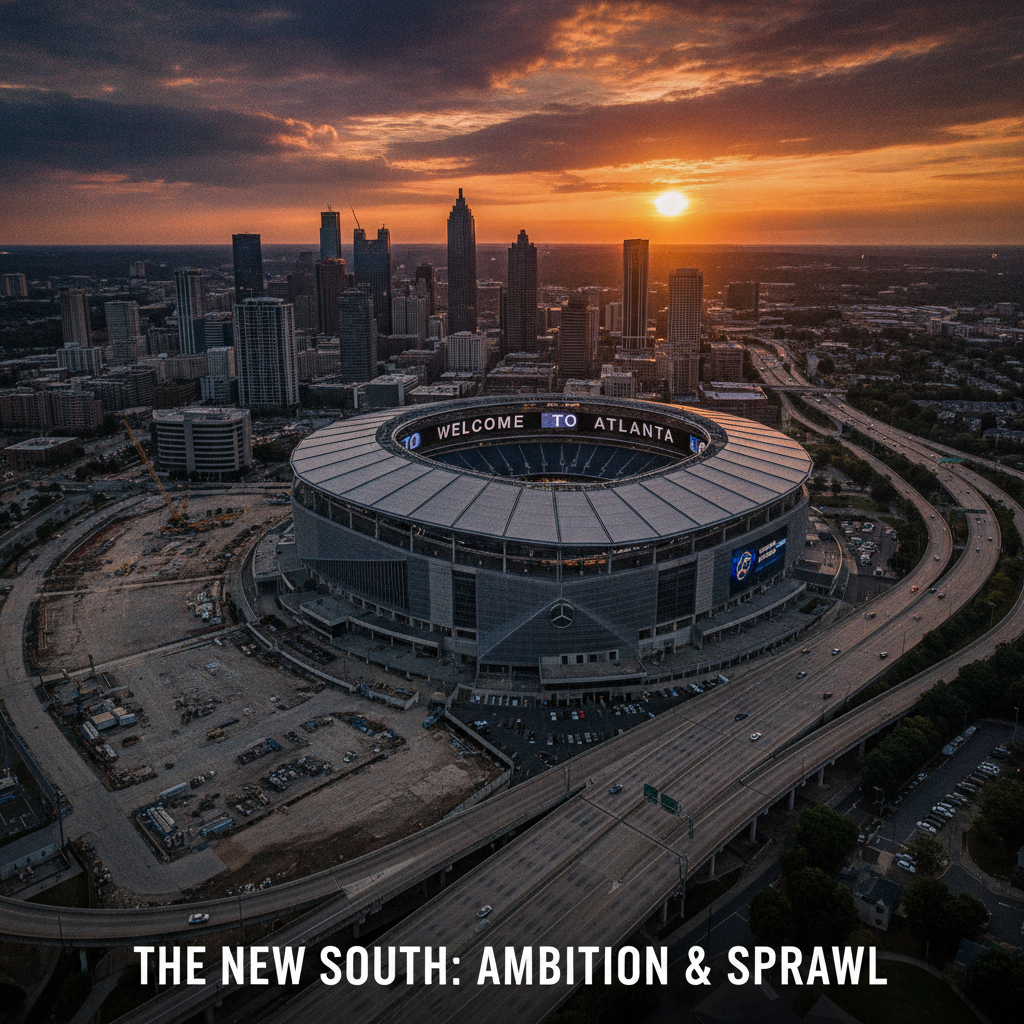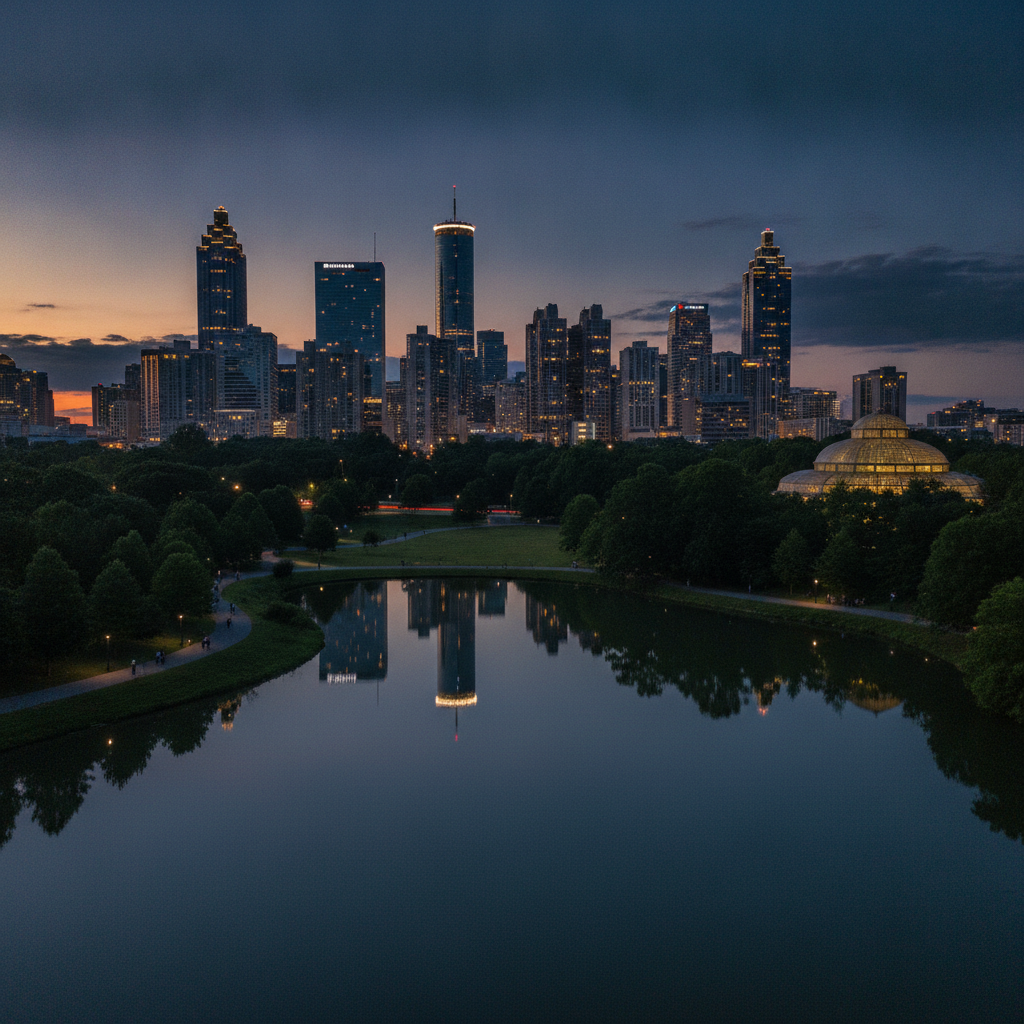
Atlanta: MLK National Historical Park (Birth Home, Ebenezer Baptist Church, King tomb Sweet Auburn, Atlanta Life Insurance), World of Coca-Cola (John Pemberton 1886 invention, secret formula, taste 100 world beverages), Piedmont Park and Atlanta BeltLine (35km trail, Ponce City Market Sears warehouse, Eastside Trail murals), Hartsfield-Jackson Airport (worlds busiest since 1998, Delta 75% hub, Plane Train automated transit), and Practical Guide (BeltLine neighborhoods, Buford Highway international food, The Varsity oldest drive-in, Georgia Bulldogs football)
Atlanta highlights: City Too Busy to Hate overview (1837 railroad terminus, Sherman destruction 1864, Phoenix symbol, 51% African American majority, ATL worlds busiest airport since 1998), MLK National Historical Park (1929 birth home, Ebenezer Baptist Church, King tomb, Coretta Scott King Center, Sweet Auburn Avenue civil rights heritage), World of Coca-Cola (Pemberton 1886 pharmacist invention, Candler USD 2,300 purchase, secret formula never patented, operating in 200+ countries), Piedmont Park and Atlanta BeltLine (35km trail system, Ponce City Market 1926 Sears warehouse, Eastside Trail art and food), Hartsfield-Jackson (104M annual passengers, 63,000 employees, USD 70B economic impact, Delta 75% hub, MARTA rail to airport), and Atlanta practical (Buford Highway international food corridor, The Varsity 1928, Georgia Bulldogs national champions).
- 1
Atlanta - the City Too Busy to Hate
Atlanta (the capital and largest city of Georgia, population approximately 500,000 city, 6.3 million metro area): the largest metropolitan area in the American Southeast and the economic, corporate, and cultural hub of the South. Atlanta history: founded as the terminus of the Western and Atlantic Railroad in 1837 (originally named Terminus, then Marthasville, then Atlanta), the city was a critical railroad junction during the Civil War and was burned and destroyed by General William T. Sherman on November 15, 1864, during his March to the Sea. The destruction was nearly complete (approximately 4,200 of the 4,500 buildings in Atlanta were destroyed); the city rebuilt rapidly after the war, emerging as the symbolic New South capital by the late 19th century. Atlanta mottos: the Phoenix (the city rose from the ashes of Sherman fire, and the Phoenix is the symbol of the city); the City Too Busy to Hate (the motto adopted in the 1960s, reflecting the business establishment decision to pursue peaceful desegregation rather than resist, making Atlanta relatively peaceful compared to Birmingham and Selma). Atlanta demographics: approximately 51% African American (the city proper), making Atlanta one of the most majority-Black major cities in the United States; the African American middle and upper-middle class of Atlanta (concentrated in the neighborhoods of Buckhead, South Fulton, and Cascade Heights) is the largest and most prosperous African American community in any US city. Hartsfield-Jackson Atlanta International Airport (ATL): the worlds busiest airport by passenger traffic since 1998.
- 2
Martin Luther King Jr. National Historical Park
Martin Luther King Jr. National Historical Park (the complex of sites in the Sweet Auburn neighborhood of Atlanta, approximately 2 km east of downtown): the most important civil rights memorial site in the United States. The complex includes: the Martin Luther King Jr. Birth Home (501 Auburn Avenue NE, built 1895): the two-story Victorian Queen Anne house where King was born on 15 January 1929, open for free guided tours; only 15 visitors are admitted per tour. Ebenezer Baptist Church (407 Auburn Avenue NE): the church where King Sr. was pastor and where King Jr. was baptized, preached, and whose congregation heard his family eulogized; the church has been restored to its 1960s-era appearance. The Martin Luther King Jr. Center for Nonviolent Social Change (449 Auburn Avenue NE): the civil rights institution founded by Coretta Scott King in 1968, with the King Library and Archives (the most important collection of civil rights documents in the world), the reflecting pool, and the marble tomb of Martin Luther King Jr. and Coretta Scott King at the center. Sweet Auburn Avenue (the historic African American business and cultural district of Atlanta, known as Sweet Auburn for its prosperous character from the 1890s to the 1960s): the most historically significant African American commercial street in the American South, with the offices of the Atlanta Life Insurance Company (the most important African American-owned insurance company in US history, founded by Alonzo Herndon in 1905), the Paschal Restaurant (the gathering place for civil rights leaders), and the Auburn Curb Market.
- 3
Coca-Cola World Headquarters and the Beverage Empire
The World of Coca-Cola (at 121 Baker Street NW, adjacent to Centennial Olympic Park, downtown Atlanta): the museum and brand experience of the Coca-Cola Company, the most visited paid attraction in Atlanta, with approximately 1 million visitors per year. The World of Coca-Cola experience: the 4D film (the 3D film with motion seats and sensory effects), the Vault of the Secret Formula (the theatrical presentation of Coca-Cola secret formula moving to the new vault), the Taste It! room (the tasting of 100+ Coke beverages from around the world, including the most unusual regional variants), and the massive archive of Coca-Cola advertising artifacts. Coca-Cola history: John Stith Pemberton (an Atlanta pharmacist) invented Coca-Cola in 1886 as a patent medicine; the formula originally contained cocaine (from coca leaves) and caffeine (from kola nuts, which gave the drink its name). Asa Griggs Candler purchased the Coca-Cola formula and business in 1888 for approximately USD 2,300 and built the Coca-Cola Company into a global brand, sponsoring the 1904 St. Louis World Fair, the 1908 Olympic Games, and advertising in 50+ countries by 1920. The Coca-Cola secret formula: the formula has been the subject of extreme secrecy for over 130 years; only a handful of Coca-Cola employees at any time know the full formula, and it has never been patented (because patent disclosure would have revealed the ingredients, allowing competitors to reverse-engineer the formula). The Coca-Cola Company (headquartered at One Coca-Cola Plaza, Atlanta): the most internationally recognized brand in US history, operating in over 200 countries.
- 4
Piedmont Park and the Atlanta BeltLine
Piedmont Park (the 189-acre park in the Midtown Atlanta neighborhood, approximately 3 km north of downtown): the primary urban park of Atlanta, hosting the Atlanta Dogwood Festival (April), the Atlanta Jazz Festival (May), the Atlanta Pride Festival (October, the second largest Pride event in the Southeast), and hundreds of other events throughout the year. The park overlooks the Midtown skyline and the adjacent Atlanta Botanical Garden. The Atlanta Botanical Garden (at 1345 Piedmont Avenue NE, adjacent to Piedmont Park): the 30-acre botanical garden with the Dorothy Chapman Fuqua Conservatory (the major glass conservatory with the collection of tropical plants and orchids), the Gainesville Garden (the display of Georgia native plants), and the Edible Garden. The Atlanta BeltLine (the 35-km multi-use trail circling the city of Atlanta along the corridor of unused rail lines): the most ambitious urban development project in Atlanta history, creating a connected trail network linking 45 neighborhoods with new parks, transit, and development. The BeltLine Eastside Trail (the most completed and most popular section, connecting Piedmont Park to Krog Street Market and Inman Park): a 4.4 km paved trail through the most vibrant Atlanta neighborhoods, with street art murals, food trucks, and new residential and commercial development along the corridor. The Ponce City Market (at 675 Ponce de Leon Avenue NE, on the BeltLine): the adaptive reuse of the 1926 Sears Roebuck warehouse into a mixed-use development with the Central Food Hall (over 30 food vendors), retail, and rooftop Skyline Park.
- 5
Hartsfield-Jackson Airport and Atlanta as Transport Hub
Hartsfield-Jackson Atlanta International Airport (ATL, at 6000 N. Terminal Pkwy, College Park, 15 km south of downtown Atlanta): the worlds busiest airport by passenger traffic since 1998, with approximately 104 million passengers in 2019 (before the pandemic). ATL statistics: two parallel runways systems (the north complex and the south runway system), 7 concourses (Domestic Concourses A, B, C, D, E and International Concourse F, connected by the Plane Train automated transit system), 209 gates, and the largest underground automated transit system in the world (the Plane Train, which moves approximately 200,000 passengers per day within the airport). The airport as economic driver: ATL employs approximately 63,000 people directly and has an annual economic impact of approximately USD 70 billion on the Atlanta metropolitan area. The Delta Air Lines hub: ATL is the primary hub of Delta Air Lines (headquartered at 1030 Delta Boulevard, Atlanta), with Delta controlling approximately 75% of all flights at ATL. Atlanta as the transportation hub of the Southeast: the interstate highway system converges on Atlanta in a complex that has more merging highway lanes than any other US city (I-75, I-85, I-20, I-285, I-400, and GA 400 all intersect in and around Atlanta). The Atlanta MARTA system (Metropolitan Atlanta Rapid Transit Authority): the light rail and bus system with 48 MARTA rail stations connecting downtown Atlanta to ATL, Buckhead, Decatur, and Doraville; the only major US city in the Sun Belt with a direct rail connection between the downtown and the airport.
- 6
Atlanta Practical Guide - Neighborhoods Food and College Football
Atlanta practical guide: Atlanta neighborhoods for visitors: Midtown (the cultural district, home to Piedmont Park, the High Museum of Art, and the Woodruff Arts Center), Buckhead (the upscale shopping and dining district), Old Fourth Ward and Inman Park (the revitalized Victorian neighborhoods on the BeltLine Eastside Trail, with the Ponce City Market and the Krog Street Market), Little Five Points (the bohemian neighborhood with vintage clothing and independent music), and Sweet Auburn (the MLK historic district). Atlanta food culture: the Atlanta food scene is the most diverse in the Southeast, with the Buford Highway Farmers Market (at Buford Highway in the northeast suburbs): the most diverse international food corridor in the Southeast, with Vietnamese (the pho and banh mi strip on Buford Highway), Korean (the Korean BBQ restaurants in the Chamblee area), Mexican, Ethiopian, and Latin American restaurants reflecting the large immigrant communities. The Varsity (at 61 North Avenue NW, the Varsity was founded 1928 and is the largest drive-in restaurant in the world, with 800 indoor seats and 600 car spaces): the most beloved fast food institution in Atlanta, serving hot dogs, chili dogs, and onion rings for nearly 100 years. Georgia Tech (the Georgia Institute of Technology, at 225 North Avenue NW, Midtown): one of the premier engineering and technology universities in the United States, with the Yellow Jackets sports teams (arch-rivals of the University of Georgia Bulldogs, the most fervent football rivalry in Georgia). The SEC and college football: the University of Georgia Bulldogs (at Athens, 100 km northeast of Atlanta): the 2022 and 2023 National Champions, the most dominant college football program in the current era.
Walk this route with audio
Stories play automatically as you reach each stop — no tapping needed.
More in atlanta
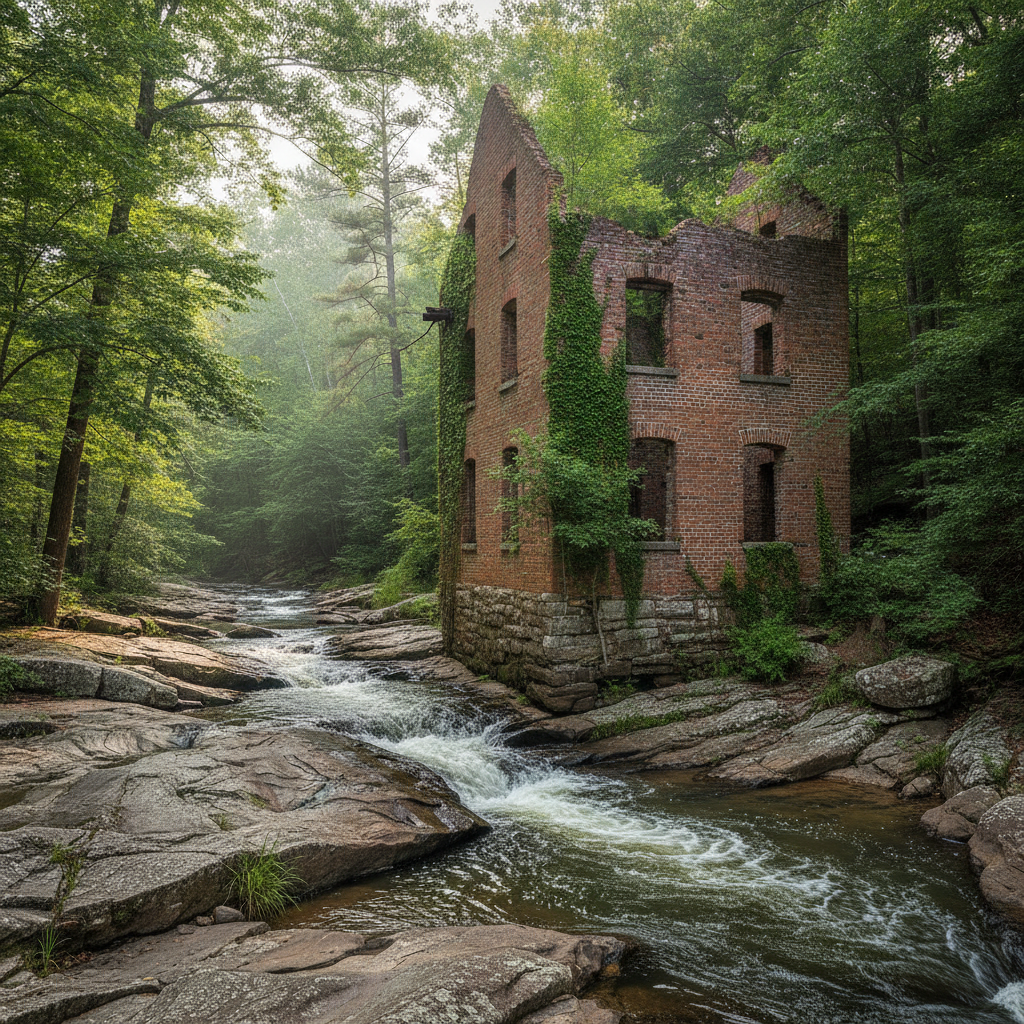
Atlanta: Presidential Peace Work, Mill Ruins and Counterculture Corners

Atlanta: World Busiest Airport, Hollywood of the South and Global Food
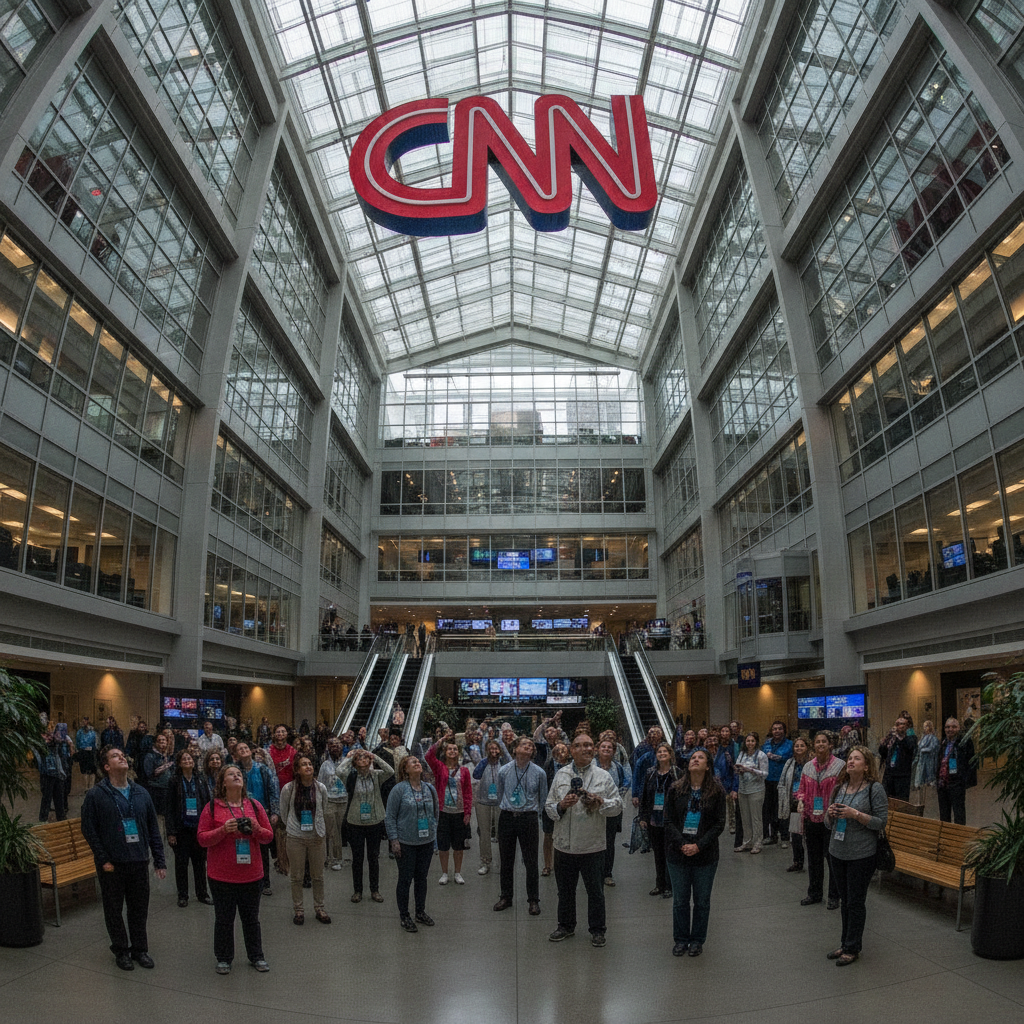
Atlanta: CNN Birthplace, Braves Champions and the Chattahoochee Trout River
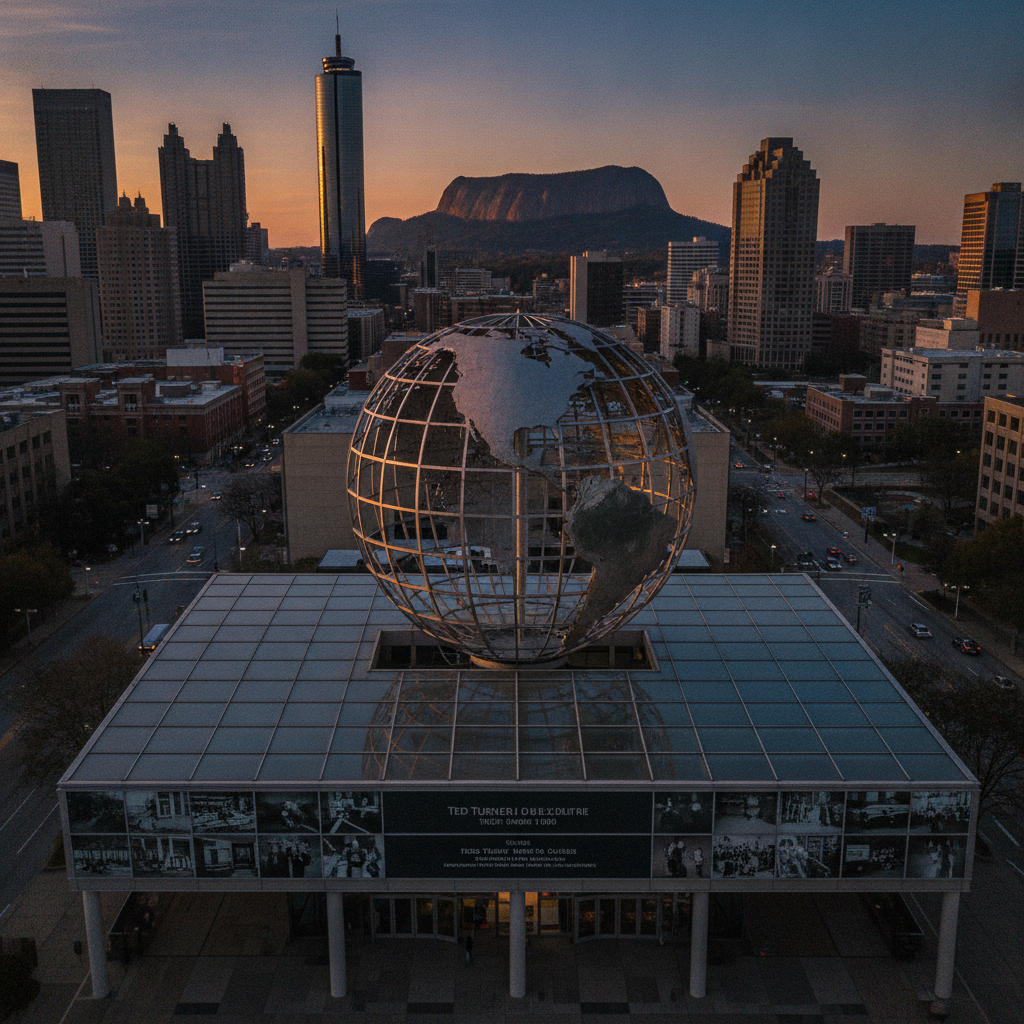
Atlanta: Civil Rights Movement (AUC HBCUs, Morehouse, Spelman, SCLC headquarters), National Center for Civil and Human Rights (MLK papers, sit-in counter experience, global human rights gallery), Centennial Olympic Park (1996 Olympics, Muhammad Ali cauldron, Jewell bombing, Georgia Aquarium whale sharks), CNN Center (Ted Turner 1980, Gulf War coverage, Hollywood of the South Tyler Perry Studios), Stone Mountain (worlds largest bas-relief Confederate carving, KKK 1915, Hank Aaron 715th home run), Atlanta food (soul food Paschal's Mary Macs, Buford Highway international corridor, Buford Highway Farmers Market)
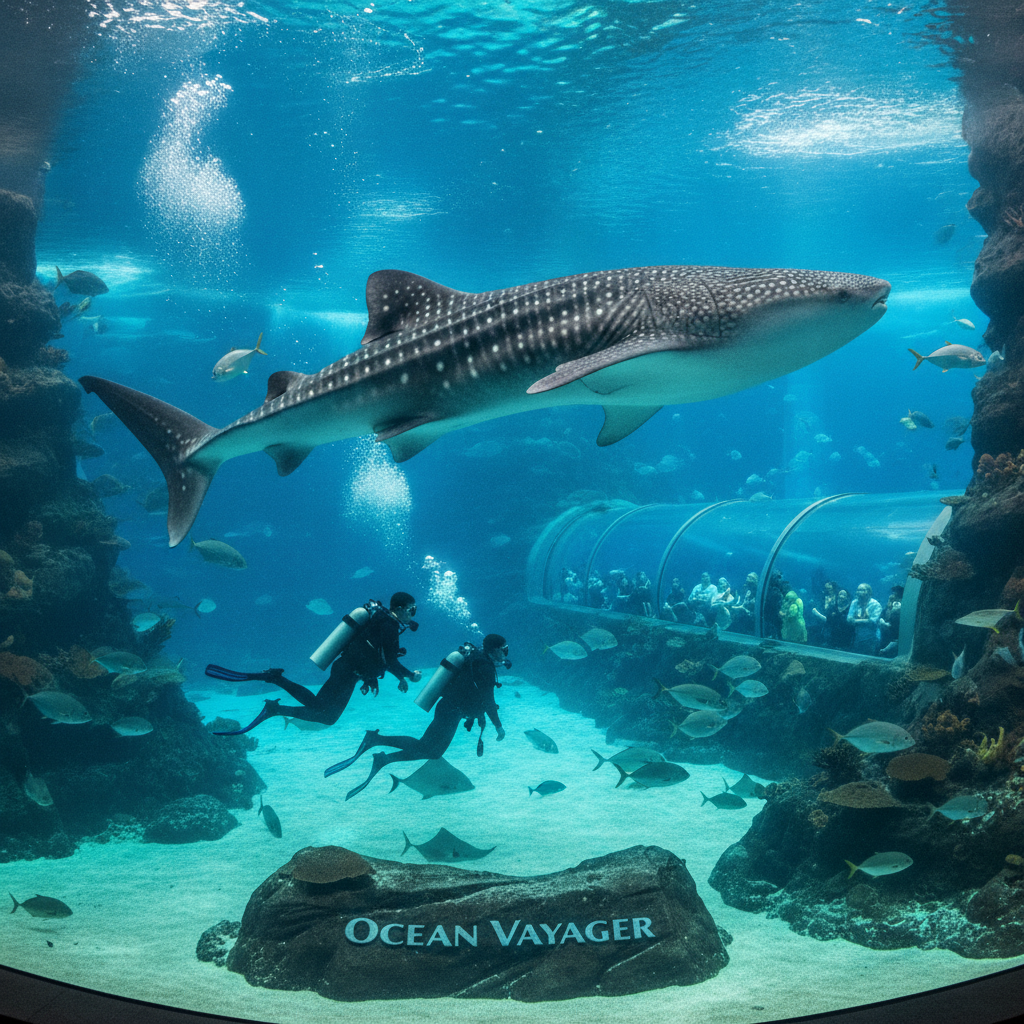
Atlanta: Civil Rights Legacy, Olympic Park and the BeltLine Loop