6th Street, Live Music & Austin's Role as the Music Capital of the World
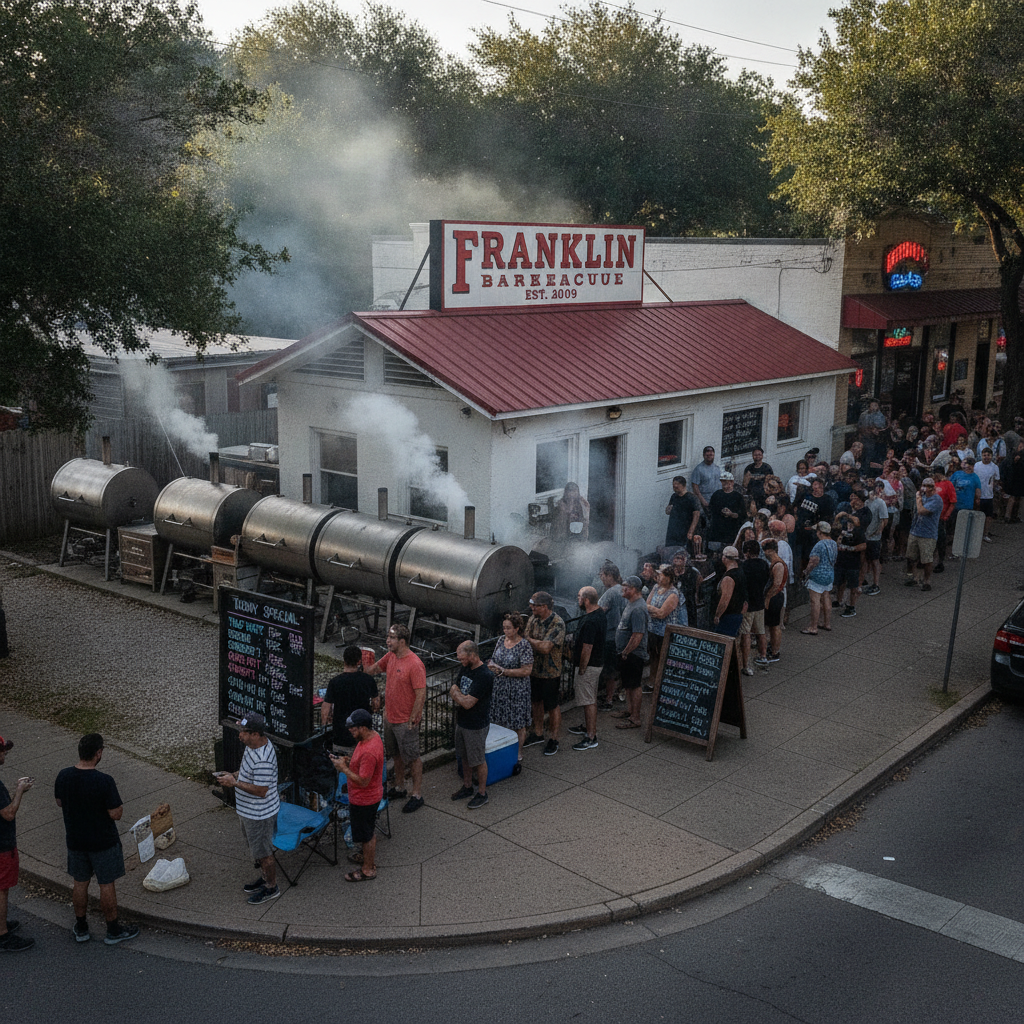
Austin, Texas (the capital of Texas, population approximately 979,000 in the city and 2.3 million in the metro area — the 'Live Music Capital of the World' (the title officially adopted by the City of Austin in 1991), the city with the highest concentration of live music venues per capita of any city in the United States, and the home of South by Southwest (SXSW — the annual music, film, and technology conference and festival that is the most important music industry event in the world)): 6th Street (the 8-block entertainment strip in downtown Austin) and the Red River Cultural District define Austin's live music identity.
- 1
East 6th Street — Austin's Most Famous Bar Strip
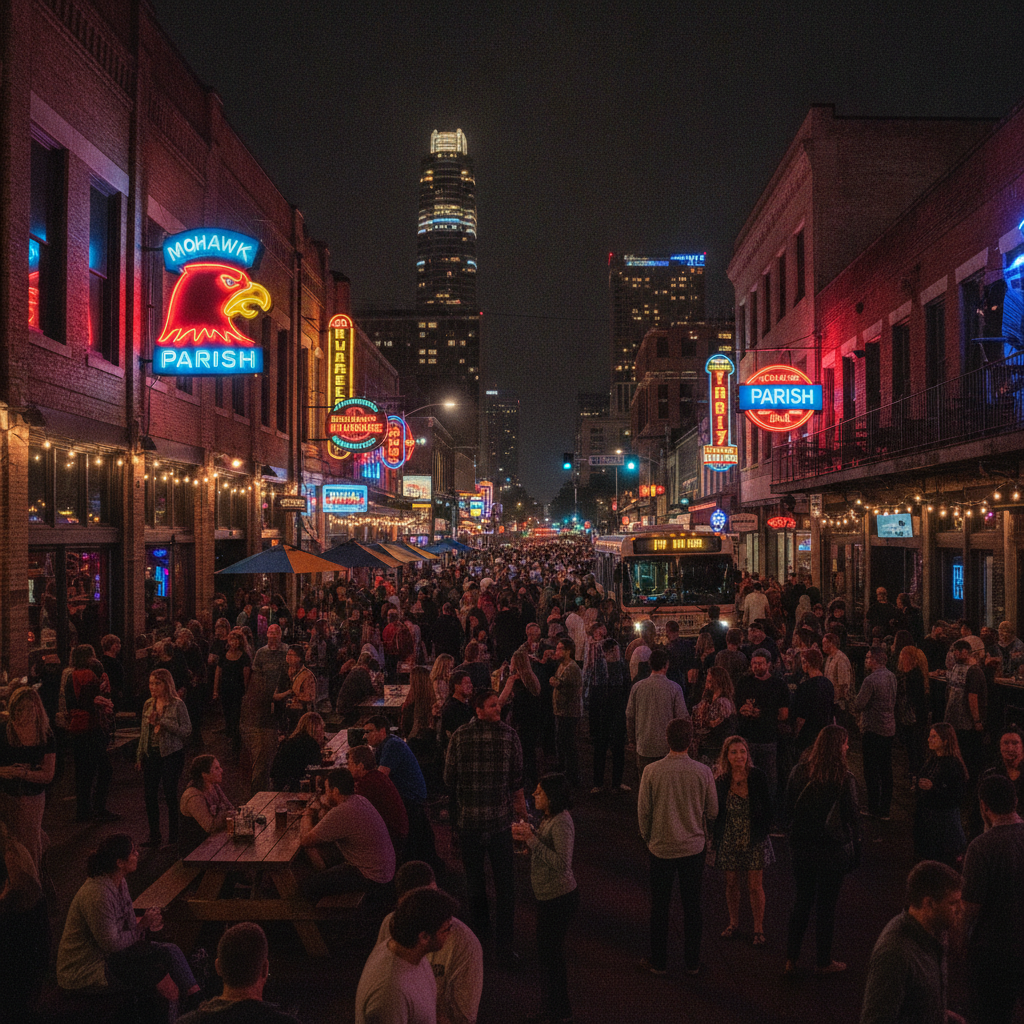
East 6th Street (the 8-block stretch of 6th Street between Congress Avenue and Interstate 35 in downtown Austin — the most famous entertainment strip in Texas, the street that more than any other embodies the spirit of Austin as the 'Live Music Capital of the World'): the 6th Street character (the street is predominantly bars, music venues, and restaurants occupying the Victorian-era commercial buildings that line both sides of the street — the buildings dating from the 1880s-1900s that survived the periodic floods and fires that destroyed earlier Austin streetscapes): the 6th Street experience (the street is closed to vehicle traffic on Friday and Saturday nights from approximately 10 PM to 2 AM (the Austin bar closing time), creating a pedestrian zone where thousands of revelers move between venues in the warm Texas night): the music on 6th Street (virtually every bar on 6th Street features live music, typically starting at 9-10 PM and continuing until closing time — the music ranges from country and Texas blues to rock, reggae, and hip-hop, with most venues having no cover charge and the performers relying on tip jars): the evolution of 6th Street (the street has changed significantly since the 1980s-90s, when it was the undisputed centre of the Austin music scene; many of the most-respected local music fans now prefer the Red River Cultural District (the stretch of Red River Street north of 6th Street) for its more serious booking policy and younger, more music-focused crowd).
- 2
Stubb's Amphitheater — Austin's Premier Outdoor Venue
Stubb's Waller Creek Amphitheater (801 Red River Street, Austin — the outdoor amphitheater on the banks of Waller Creek in the Red River Cultural District, the most beloved outdoor music venue in Austin and one of the most beloved outdoor venues in the United States): the Stubb's history (the venue named for C.B. 'Stubb' Stubblefield (1931-1995) — the legendary Texas barbecue pitmaster and music promoter who ran the original Stubb's BBQ restaurant and live music venue in Lubbock, Texas in the 1970s, the venue where acts including Linda Ronstadt, Tom T. Hall, and a young Joe Ely performed): the Stubb's experience (the outdoor amphitheater (the 'Waller Creek Amphitheater' — the 2,750-capacity outdoor stage facing the limestone-walled amphitheater bowl, with the Austin skyline visible above the stage), the adjacent indoor 'Indoors' venue (490 capacity — the indoor room used for smaller touring acts and local shows), and the Stubb's BBQ restaurant and bar (the outdoor barbecue pits and bar that serves brisket, ribs, and sausage before and during shows)): the annual Stubb's calendar (the venue that hosts the most ambitious and most varied booking calendar of any outdoor venue in Austin — from the SXSW showcases (the hundreds of official and unofficial SXSW shows at Stubb's each March) to the summer amphitheater concerts (the touring rock, country, and hip-hop acts that fill the Waller Creek Amphitheater May through September)).
- 3
South by Southwest (SXSW) — The World's Most Important Music Festival
South by Southwest (SXSW) (the annual music, film, and technology conference and festival held in Austin each March — the most important music industry event in the world): the SXSW history (the festival established 1987 by the Austin Chronicle music editor Nick Barbaro and the music promoter Louis Black as a regional music industry conference, grown into an annual event with approximately 400,000 total attendees (the combination of badge-holders, wristband-holders, and attendees at the 2,000+ free outdoor shows) and more than 2,000 official showcase performances across approximately 100 venues in downtown Austin): the SXSW experience (the city-wide music festival in which virtually every bar, restaurant, and outdoor space in downtown Austin becomes a music venue — the official showcases (ticketed events featuring the most prominent acts of the year, requiring the $1,000+ SXSW badge to attend), the official day parties (the free daytime events sponsored by record labels, music publications, and corporate sponsors), and the unofficial shows (the free guerrilla shows set up in parking lots, outdoor bars, and other improvised spaces, often featuring the most exciting discoveries of the festival)): the SXSW interactive and film festivals (the Interactive festival (the technology and startup conference that has become as large and as important as the music festival, the event that launched Twitter (the 2007 SXSW Interactive was the first major public platform for Twitter, which exploded from 20,000 users to 100,000 users during the festival) and numerous other tech companies) and the SXSW Film Festival (the official film festival that screens approximately 150 films per year and has premiered films including 'An Education', 'Whiplash', and '20 Feet from Stardom')).
- 4
The Continental Club — Austin's Most Legendary Live Music Venue
The Continental Club (1315 South Congress Avenue, Austin — the music venue established 1955 in a former supper club on South Congress Avenue, the most beloved and most historically significant live music venue in Austin): the Continental Club history (the venue that served as an underground jazz and burlesque club in the 1950s-60s, a rock club in the 1970s, and found its current identity as the premier venue for Austin's unique blend of country, rockabilly, and rhythm and blues in the 1980s when it was acquired by Steve Wertheimer): the Continental Club experience (the small, dark room with the original 1950s décor (the neon signs, the vintage jukebox, the low ceiling, the red vinyl stools at the bar) — the room that seats approximately 200 people standing, with the bandstand at one end and the bar running the length of the room): the performers (the Continental Club is where Austin's most respected musicians perform their weekly residencies — the venue that has been the home stage of Gary P. Nunn (the songwriter of 'London Homesick Blues', the unofficial Texas state song), the Fabulous Thunderbirds, and Toni Price (the 'Queen of Austin' — the soul and R&B singer who held a Tuesday night residency at the Continental Club for over 15 years)): South Congress Avenue (the 'SoCo' neighbourhood — the mile-long commercial strip on South Congress Avenue between the Continental Club and Oltorf Street that is the most vibrant independent shopping and dining neighbourhood in Austin, lined with vintage clothing shops, independent bookstores, boutique hotels (the Hotel San José — the mid-century motel converted into a boutique hotel by Liz Lambert in 1998, the prototype for the Austin boutique hotel), and restaurants.
- 5
Antone's Record Shop & Austin Music History
Antone's (2928 Guadalupe Street, Austin — the record shop and nightclub that is the most important institution in the history of Austin blues music): the Antone's history (the nightclub established 1975 by Clifford Antone (1949-2006) at its original location on 6th Street — the club that brought the great Chicago blues musicians (Muddy Waters, B.B. King, Otis Rush, James Cotton, Albert King, and dozens of others) to Austin to perform, creating the connection between the Chicago blues tradition and the Austin music scene that produced the Texas blues explosion of the 1970s-80s): the Stevie Ray Vaughan connection (the most direct product of the Antone's blues education: Stevie Ray Vaughan (1954-1990) — the Austin blues guitarist who is the most celebrated blues musician produced by any American city since the 1960s, the musician who single-handedly revived mainstream interest in the blues with the album 'Texas Flood' (1983) and the subsequent succession of acclaimed albums ('Couldn't Stand the Weather' (1984), 'Soul to Soul' (1985), 'In Step' (1989 — the Grammy Award-winning album that is considered Vaughan's masterpiece)) before his death in a helicopter crash on August 27, 1990): the Stevie Ray Vaughan statue (the bronze statue of Stevie Ray Vaughan on the banks of the Colorado River (Town Lake / Lady Bird Lake) near the Auditorium Shores — the statue that is the most visited public sculpture in Austin and the most important pilgrimage site in Austin music history): the current Antone's (the record shop on Guadalupe Street that continues the Antone's legacy as a retail destination for blues, roots, and American music records and merchandise).
- 6
Austin City Limits Festival & Zilker Park
Austin City Limits Music Festival (the annual outdoor music festival held at Zilker Park in Austin each October — the music festival established 2002 (the first major ACL Festival was held October 2002 with headliners including Emmylou Harris, Widespread Panic, and Los Lonely Boys) that has grown into one of the largest and most beloved music festivals in the United States): the ACL Festival (the 3-day (or 6-day — 2 consecutive weekends since 2012) festival held at Zilker Park (the 351-acre (142-hectare) urban park on the south bank of Lady Bird Lake (the Colorado River reservoir in the heart of Austin)), with approximately 130 acts performing on 8 stages, attended by approximately 75,000 people per day (approximately 450,000 over the full 6-day festival)): the ACL Festival headliners (the festival has hosted virtually every major rock, indie, hip-hop, and country act of the past 20 years, from Pearl Jam, Radiohead, and Beyoncé to Kacey Musgraves, Arcade Fire, and The National): Austin City Limits (the television series (Austin City Limits (ACL) — the longest-running music TV series in American history, begun 1976 on PBS and still produced at Studio 6A of KLRU in Austin — the series that has filmed performances by virtually every major American musician since 1976, from Willie Nelson (the first performer on ACL) to Taylor Swift, Jack White, and Lorde): the ACL Moody Center (the 15,000-seat arena on the University of Texas campus that serves as the permanent home of the ACL television series tapings, replacing the original Studio 6A).
Walk this route with audio
Stories play automatically as you reach each stop — no tapping needed.
More in austin
Silicon Hills — Austin's Tech Boom, Innovation & the New Economy
Texas Hill Country — Wineries, Bluebonnets & Weekend Escapes
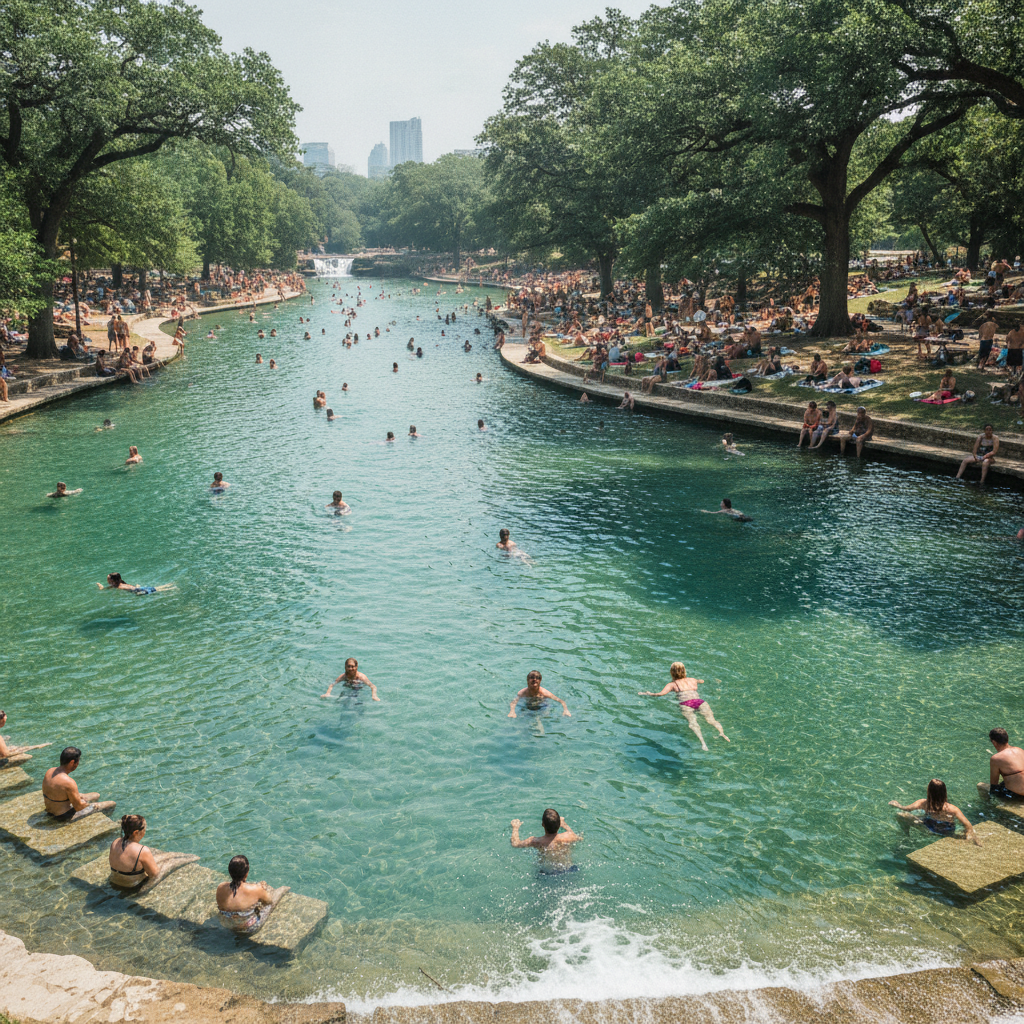
Lady Bird Lake, Barton Springs & Austin's Outdoor Culture
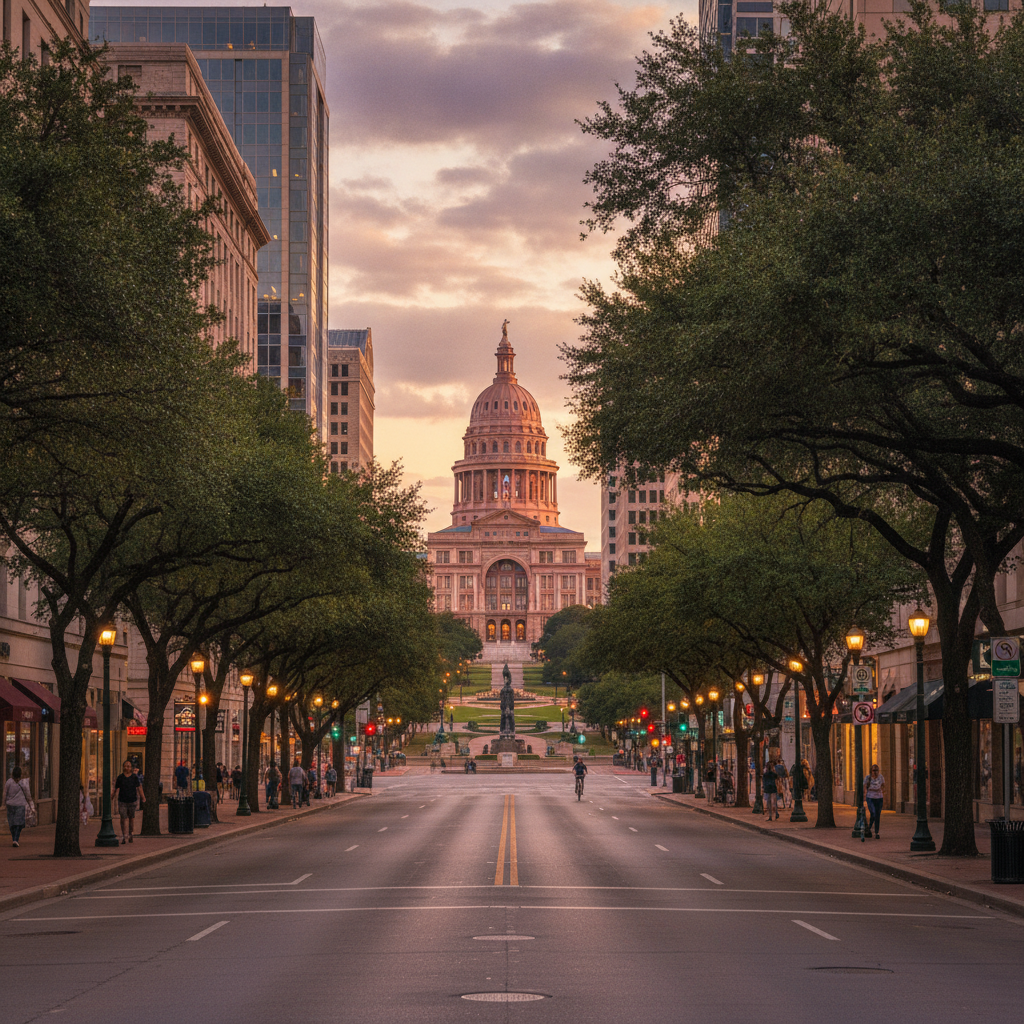
Texas State Capitol, Congress Avenue & Downtown Austin
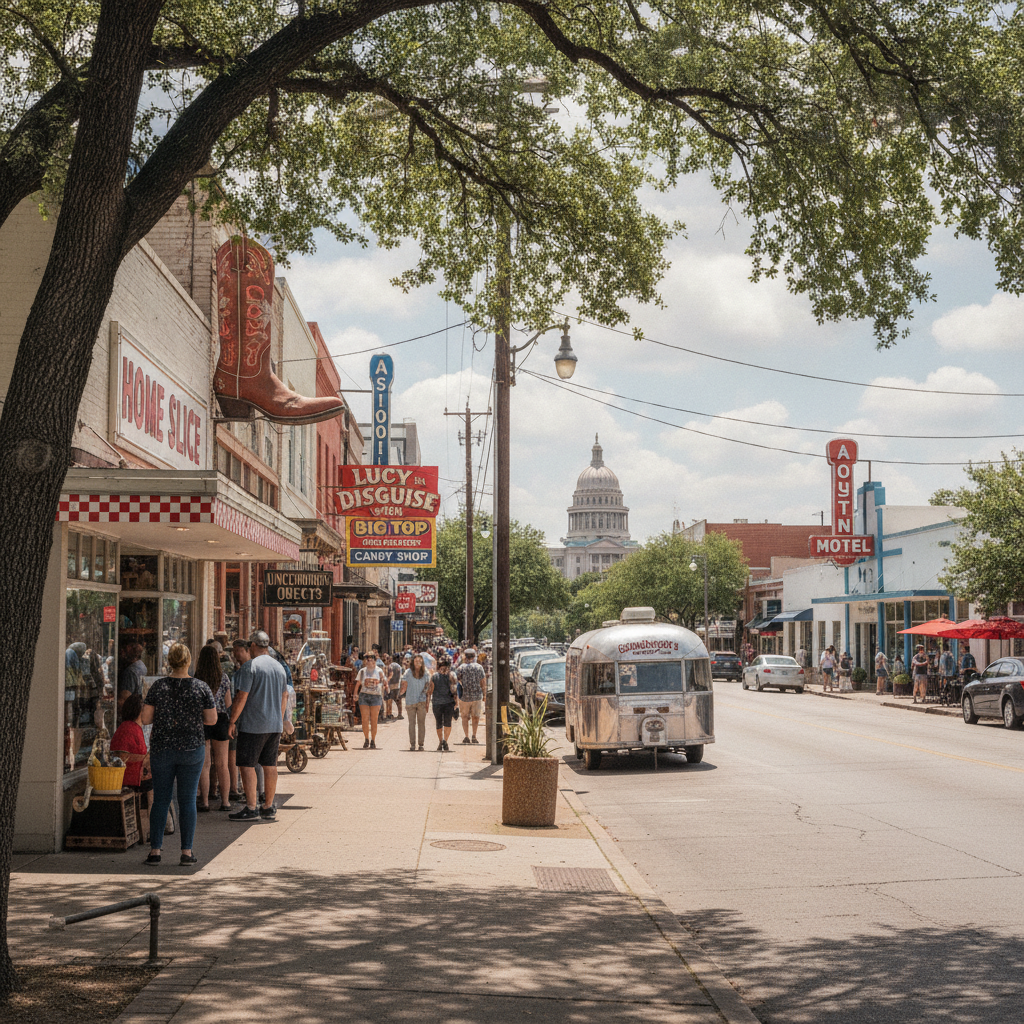
South Congress, SoCo Shopping & Austin's Independent Retail Culture