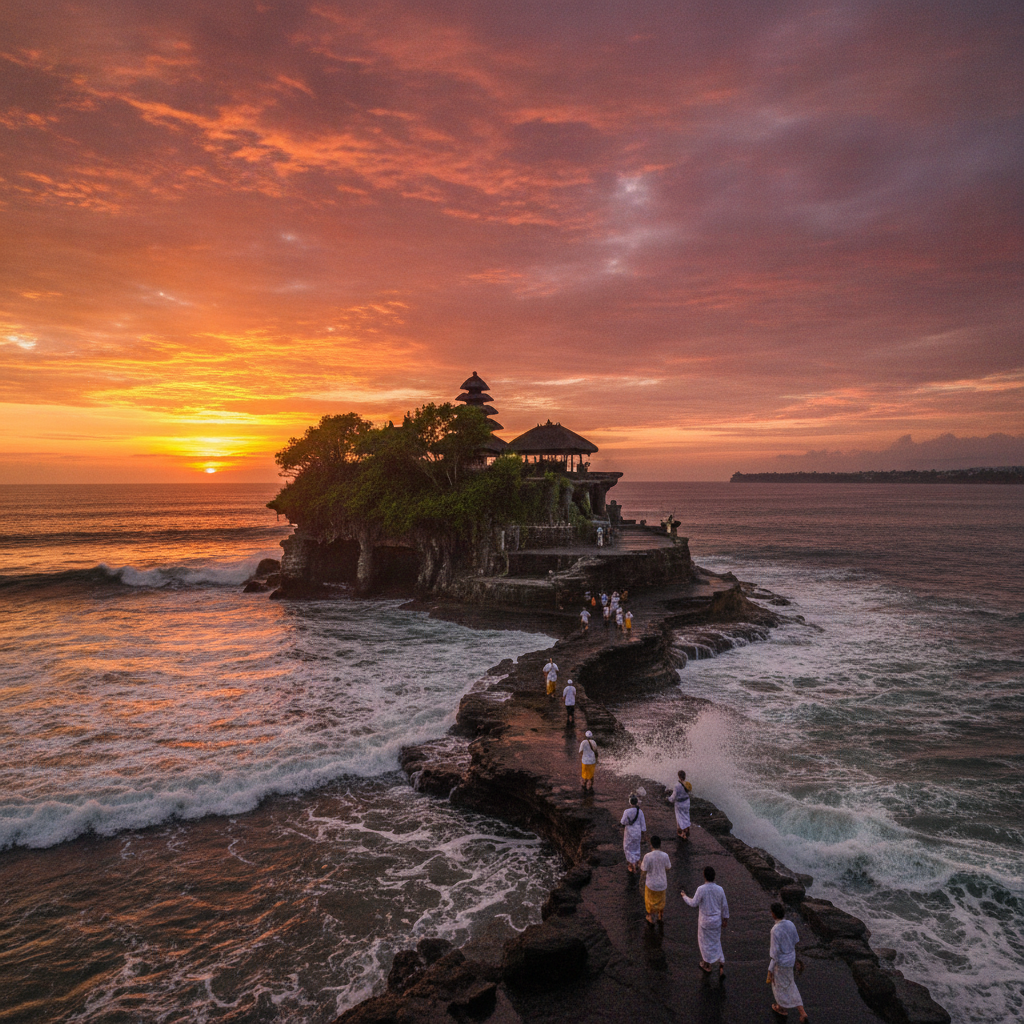
Sidemen Valley, Amed & East Bali — Traditional Villages and Snorkeling
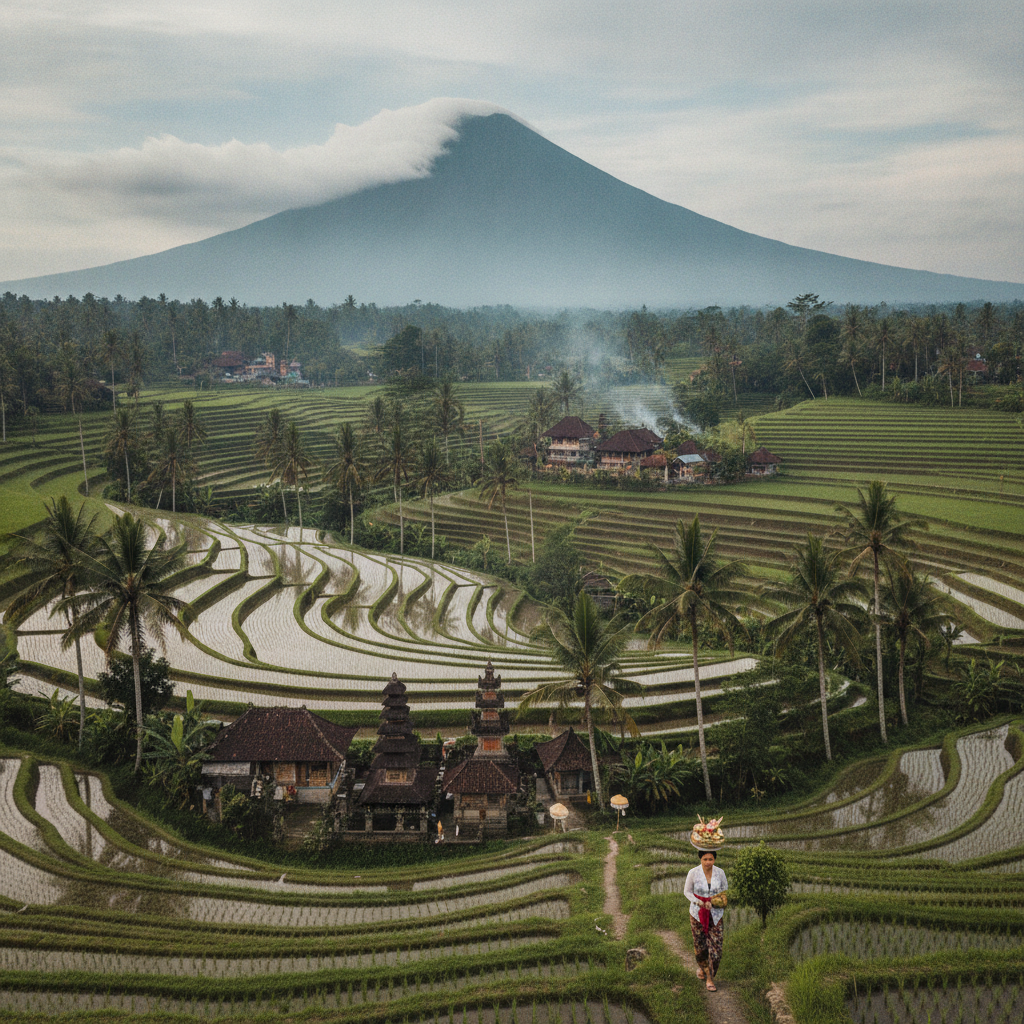
The less-visited east of Bali — the Sidemen Valley (a green river valley with dramatic rice terraces beneath Mount Agung, known for traditional geringsing ikat weaving and a quiet agritourism scene), and the Amed coast (a string of former fishing villages on the northeast coast with some of the best snorkeling in Bali and a famous WWII Japanese shipwreck dive site) — offers the most authentic and least touristed experience of traditional Bali.
- 1
Sidemen Valley — Rice Paddies and Ikat Weaving Under Agung
Sidemen Valley (Sidemen village, Karangasem Regency, approximately 65 kilometres east of Denpasar and 50 kilometres from Ubud — a narrow river valley running north toward Mount Agung, cultivated with terraced rice paddies and traditional Balinese village compounds): Sidemen is one of the most scenic and least developed valleys in Bali, offering spectacular views of Mount Agung rising above the terraced rice paddies, and the authentic experience of a traditional Balinese agricultural community largely unaffected by mass tourism; the area is known for its traditional gringsing and endek ikat weaving (the traditional Balinese textiles woven on backstrap looms in family compounds), which can be observed and purchased directly from the village weavers; the Sidemen area offers excellent trekking through rice paddies to viewpoints above the valley.
- 2
Amed & the Northeast Coast — Fishing Villages and Volcanic Black Sand
Amed (the collective name for a string of eight former fishing villages along the northeast coast of Bali in Karangasem Regency — Amed, Jemeluk, Bunutan, Lipah, Selang, Banyuning, Lean, and Aas — stretching approximately 10 kilometres along the coast beneath the slopes of Gunung Seraya): the Amed coast is one of the most dramatic and least touristed coastal areas of Bali, with narrow beaches of black and dark grey volcanic sand backed by steep hillsides covered with scrub, salt-making operations (traditional salt farming is still practiced at Amed using the evaporation of seawater in clay pots over fires), and the colourful jukung outrigger fishing boats of the local fishing community; the area offers the best shore-diving and snorkeling accessible directly from the beach in Bali, with healthy coral reefs and good visibility in the Lombok Strait.
- 3
USAT Liberty Shipwreck — Bali's Most Famous Dive Site
USAT Liberty Shipwreck (Tulamben village, Karangasem Regency, northeast coast of Bali — approximately 90 kilometres from Denpasar): the US Army Transport Liberty was torpedoed by a Japanese submarine in January 1942 and beached at Tulamben; the 1963 eruption of Mount Agung caused the ship to slide off the beach into the sea, where it now lies at 3-29 metres depth approximately 30 metres offshore from Tulamben beach, providing one of the most accessible and coral-encrusted wreck dive sites in the world; the Liberty wreck is 120 metres long and lies on a sandy slope, the shallowest sections suitable for snorkelers and the deeper sections for recreational divers; the wreck is almost completely encrusted with hard and soft coral and populated with an extraordinary diversity of reef fish.
- 4
Tirtha Gangga Water Palace — Royal Gardens and Sacred Springs
Taman Tirtha Gangga (Jalan Abang-Amlapura, Ababi village, Karangasem Regency — the royal water palace and gardens built in 1948 by the last king of Karangasem, Anak Agung Anglurah Ketut Karangasem, named after the sacred Ganges River ('Tirtha' = holy water, 'Gangga' = Ganges)): the Tirtha Gangga complex consists of three tiers of pools, fountains, and gardens fed by natural sacred springs, decorated with stone statues of dragons, mythological figures, and Balinese carvings; the main pool is used as a swimming pool by visitors; stepping stones in the shape of lotus flowers cross the reflective pool; the surrounding gardens contain frangipani trees, lotus ponds, and views toward Mount Agung; a second royal water palace, Taman Ujung, is located 8 kilometres south in Ujung village.
- 5
Besakih — The Mother Temple on Agung's Slopes
Pura Besakih (Besakih village, Rendang district, Karangasem Regency — the largest Hindu temple complex in Bali, on the slopes of Mount Agung at approximately 950 metres): the Besakih complex (also called 'Mother Temple of Bali') consists of 23 separate temples spread across the slopes of Agung, most accessible via a long ceremonial pathway lined with vendors and guides; the temple is most impressive and atmospheric during major Hindu festivals (the Odalan anniversary festival at Besakih draws tens of thousands of pilgrims from across Bali); at other times it can feel commercialized, with visitors frequently approached by unofficial guides; visiting early morning before the crowd arrives provides the most atmospheric experience.
- 6
Candidasa & the Lotus Lagoon of East Bali
Candidasa (the coastal town in Karangasem Regency, approximately 10 kilometres west of Amlapura — the former beach resort of east Bali, seriously damaged by coastal erosion after offshore coral was mined for construction in the 1980s, eliminating the natural reef protection): Candidasa's Lotus Lagoon (a large freshwater lagoon immediately behind the main road, filled with lotus flowers and overlooked by a small Balinese temple) is the most photogenic feature of the town; the surrounding Candidasa area provides the best base for exploring east Bali, with easy day access to Tirtha Gangga, Tenganan village (the ancient Bali Aga village), Taman Ujung, and the Amed coast; the Candidasa market is one of the most authentic local morning markets in east Bali.
Walk this route with audio
Stories play automatically as you reach each stop — no tapping needed.
More in bali
Bali Wellness — Spa Rituals, Yoga Retreats & the Bali Spirit
Ubud, Monkey Forest, Tegallalang Rice Terraces & Balinese Arts
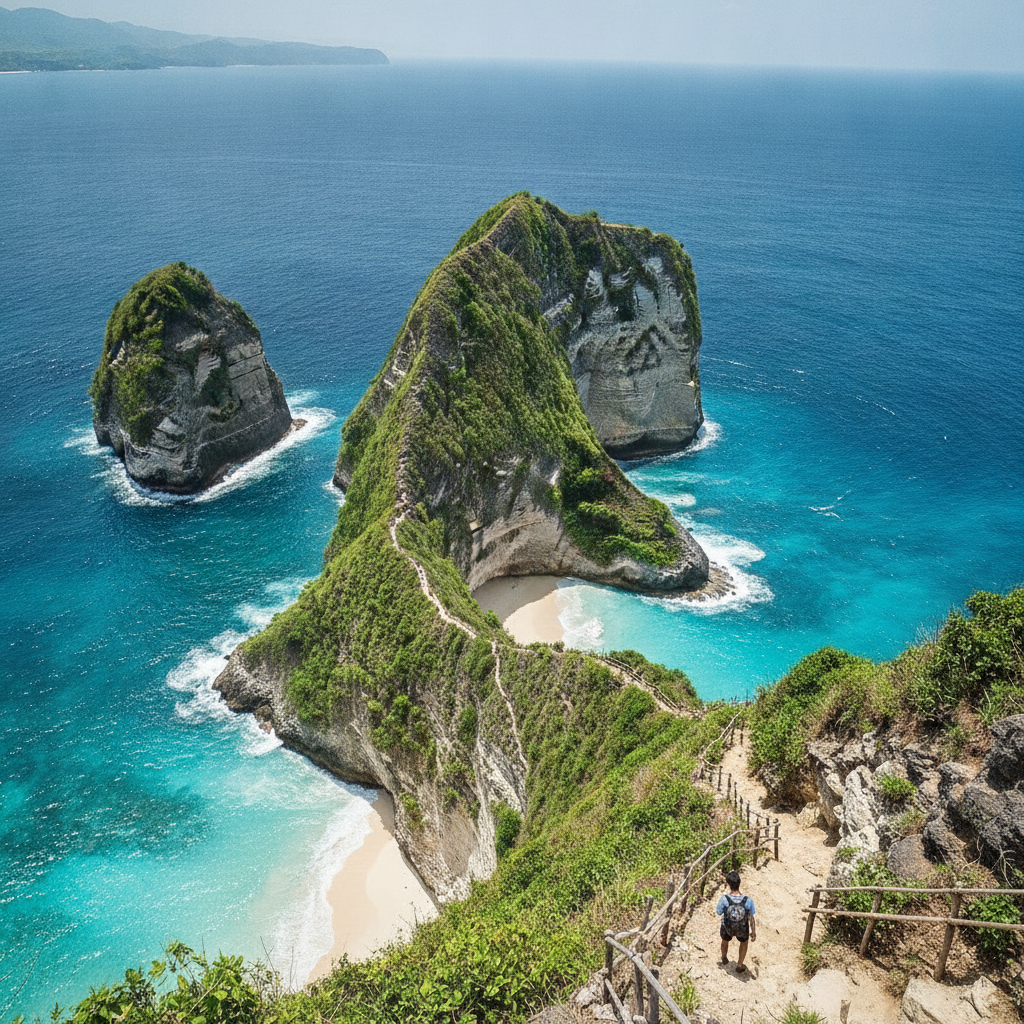
Nusa Penida & Nusa Lembongan — Pristine Islands off Bali's Southeast Coast
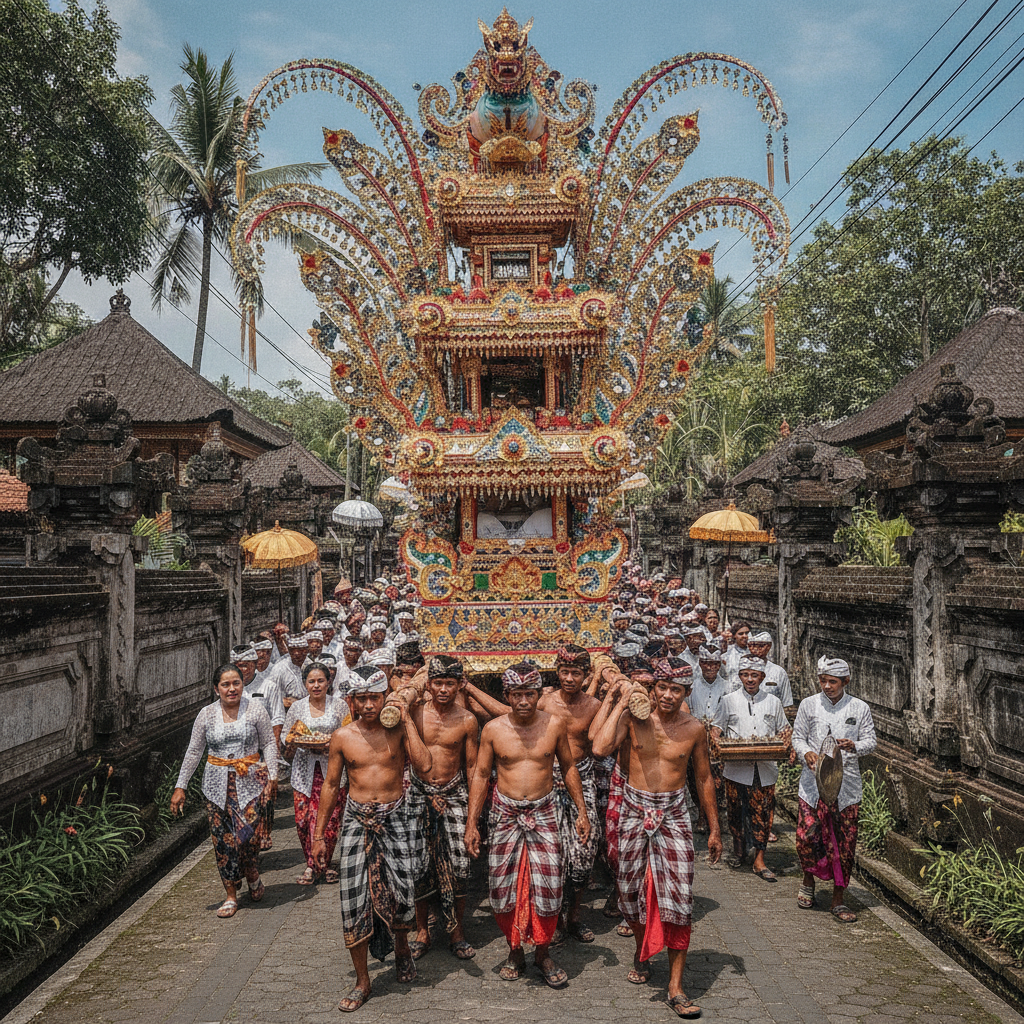
Balinese Hinduism — Temple Ceremonies, Cremation & the Spiritual Life of Bali
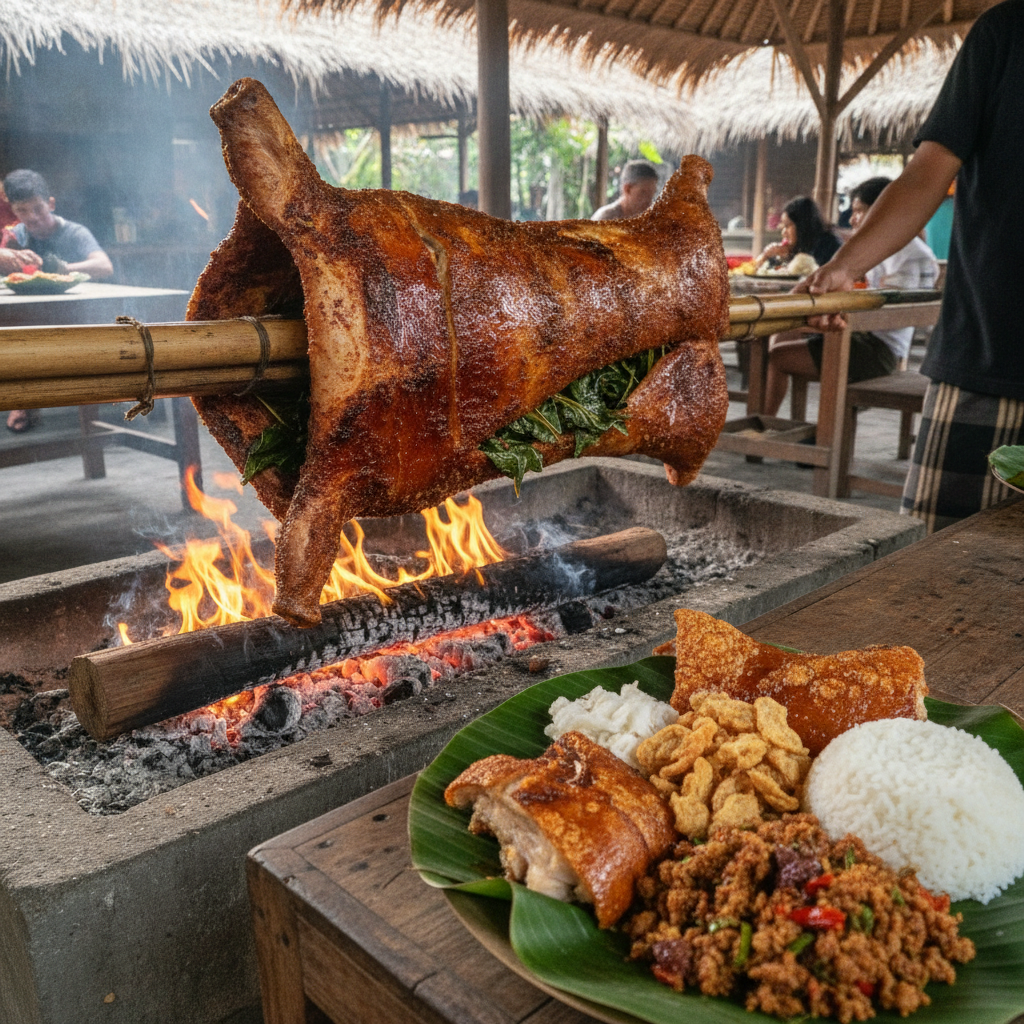
Balinese Cuisine — Babi Guling, Lawar, Nasi Campur & the Warung Culture