Baltimore: The Wire City, Preakness Infield Party and the Colonial Capitol Where Peace Was Ratified
Drive to Annapolis where the 1779 State House is the oldest US capitol still in use and John Paul Jones rests in the Academy Chapel crypt, attend the Preakness Stakes in May at Pimlico where 130000 people fill the infield in the second Triple Crown jewel, explore Station North galleries and the Charles Theater for independent cinema, understand how the Francis Scott Key Bridge collapse of 2024 disrupted the port that handles more cars than any other in America, follow John Waters and Barry Levinson film trails through working-class Baltimore, and revisit The Wire neighborhoods that made this the most documented American city in television drama.
- 1
Annapolis and Maryland State House
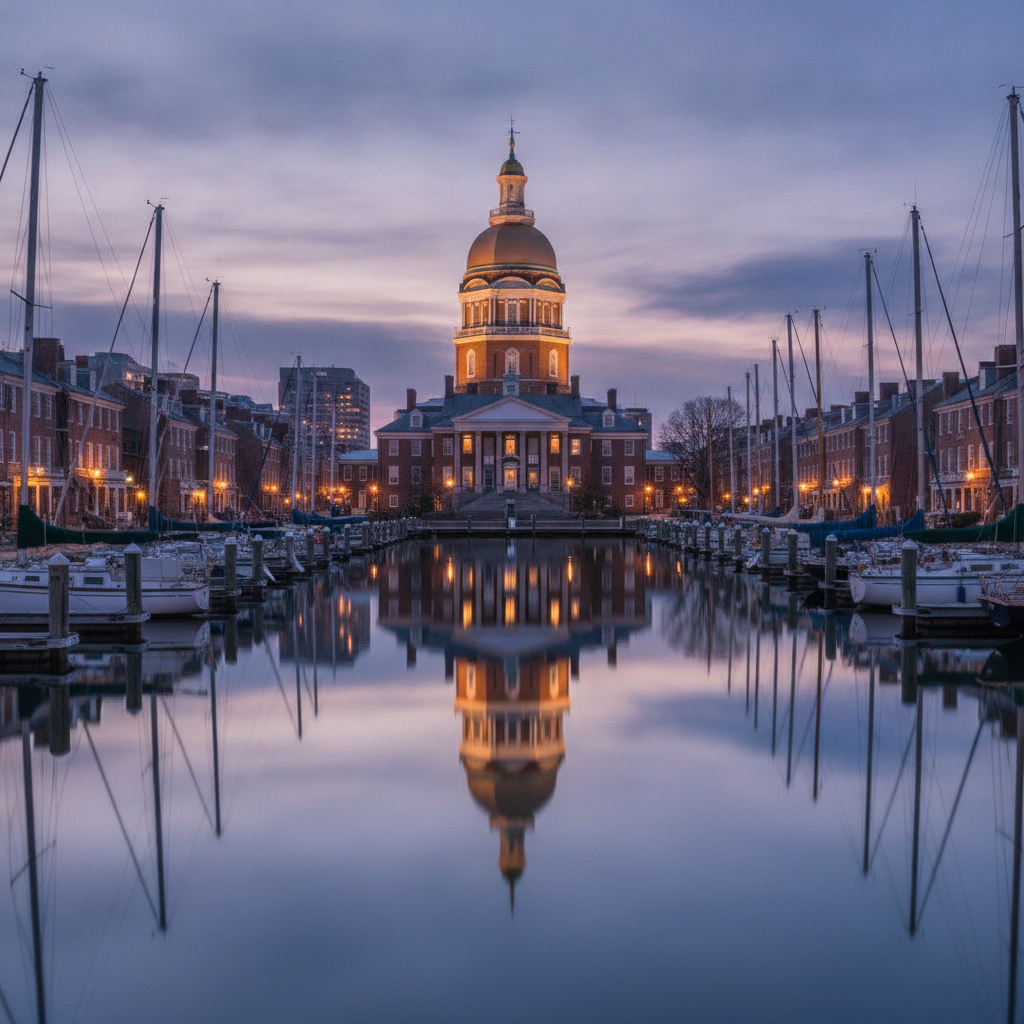
Annapolis, the Maryland state capital 30 miles south of Baltimore on the Severn River at the Chesapeake Bay, contains the most intact colonial capital in the United States, with the Maryland State House of 1779 being the oldest state capitol still in continuous legislative use and the only one to have served as the national capitol when the Continental Congress ratified the Treaty of Paris in 1784 there. The Annapolis Historic District, with over 1,500 buildings predating the Civil War, is the largest concentration of 18th-century architecture in the country. The United States Naval Academy, established in Annapolis in 1845, has its graduation and other ceremonial events in the Academy Chapel, whose crypt holds the body of John Paul Jones. The Annapolis waterfront, centered on City Dock where vendors have sold crabs for over 100 years, is the sailing capital of the Chesapeake Bay with more boats per capita than virtually any American city.
- 2
Preakness Stakes and Pimlico Race Course
Pimlico Race Course in northwest Baltimore, which has hosted the Preakness Stakes since 1873, is the second jewel of thoroughbred racings Triple Crown following the Kentucky Derby and preceding the Belmont Stakes. The Preakness is held on the third Saturday in May and draws over 130,000 attendees to the track, with the infield being one of the largest and most raucous parties in American horse racing. Baltimore celebrates the Preakness as a city-wide event each year with the Preakness Festival of activities. Pimlico itself is an aging facility and a new track in Towson has been proposed for decades. The Black-Eyed Susan flower, Maryland state flower, is used in the winner garland at the Preakness in contrast to the rose garland of the Kentucky Derby. Secretariat set the Preakness record in 1973 on his way to the Triple Crown. Affirmed in 1978 was the last horse to win the Triple Crown before American Pharoah in 2015.
- 3
Station North and Creative Economy
Station North Arts and Entertainment District, designated in 2002 around the Maryland Institute College of Art campus north of Penn Station, has developed into the primary creative economy hub of Baltimore with galleries, studios, performance spaces, bars, and restaurants. The Charles Theater at 1711 North Charles Street is one of the finest independent art cinemas in the mid-Atlantic, presenting foreign film, documentary, and independent American cinema. The Crown, a music venue, and Windup Space present indie and experimental music. Remington, the working-class neighborhood adjacent to Station North, has gentrified with restaurants and the R. House food hall. The Baltimore Design School occupies a former industrial building. Penn Station, designed by Kenneth Murchison and opened in 1911 in the Beaux-Arts style, is one of the finest surviving American train stations outside New York and Washington and continues to handle Amtrak and MARC service daily.
- 4
Baltimore Waterfront and Port History
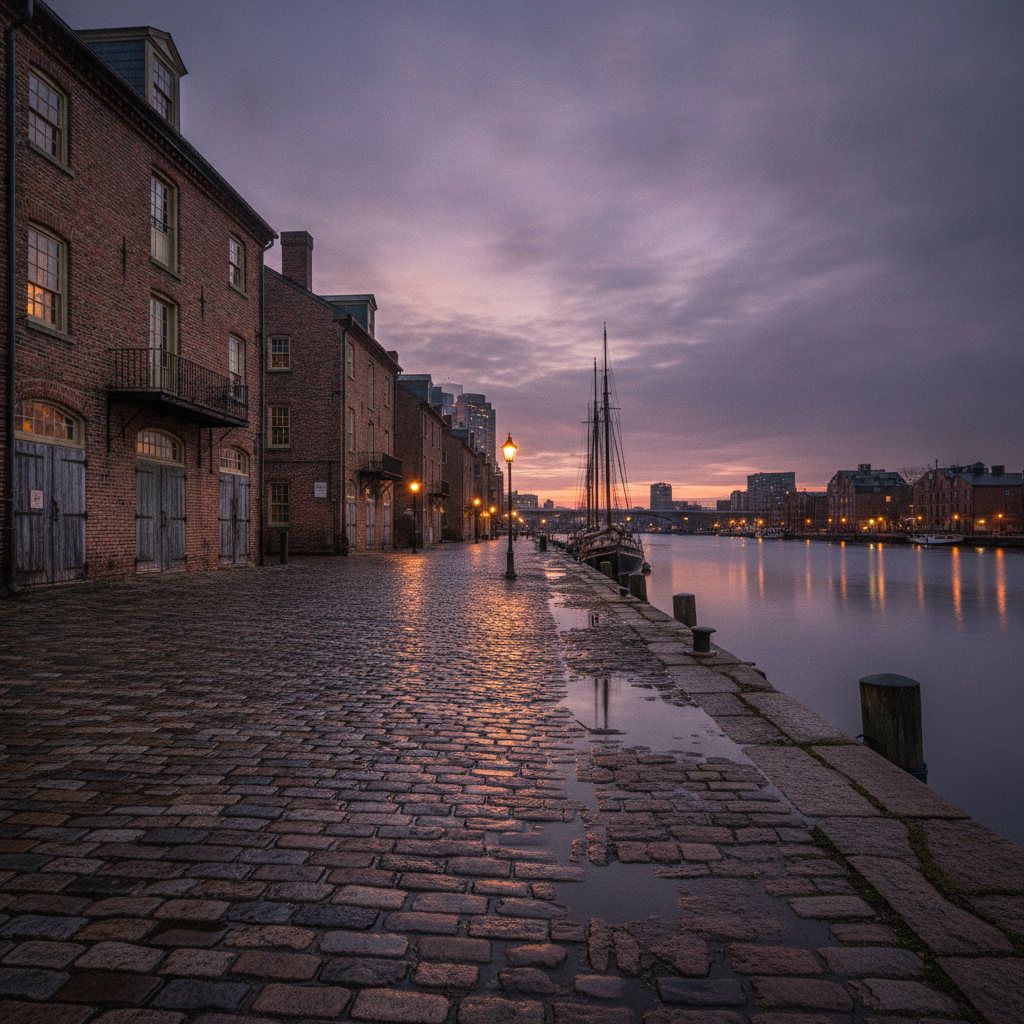
The Port of Baltimore, one of the most active seaports in the United States, handles more automobiles than any other American port and significant quantities of coal, steel, forest products, and general cargo. The port employs over 15,000 workers directly and supports over 140,000 jobs in the region. The Baltimore waterfront extends from Canton on the east through Fells Point, the Inner Harbor, Locust Point, and South Baltimore, a continuous strip of working port, museum ships, parks, restaurants, and residential development. The Domino Sugar refinery on Locust Point and the grain elevators at Curtis Bay represent surviving industrial port operations. The Francis Scott Key Bridge, which collapsed in March 2024 when struck by the container ship Dali, was a major transportation artery and its loss disrupted port operations for months. The Key Bridge had carried Interstate 695 across the Patapsco River since 1977. Baltimore port handled the first containerized cargo shipments in the world in 1956 on the Ideal X from Port Newark.
- 5
Lacrosse and Baltimore Sports Culture
Lacrosse is the dominant team sport in the Baltimore metropolitan area in a way unique among American cities, with Maryland having the strongest amateur and collegiate lacrosse culture in the country. Johns Hopkins University has won 44 NCAA lacrosse championships, the most of any program. The University of Maryland and Loyola University Maryland are also national powers. The National Lacrosse Hall of Fame is in Sparks, Maryland north of Baltimore. The Baltimore professional lacrosse team, the Atlas in the Premier Lacrosse League, contributes to the culture. Youth lacrosse participation rates in Baltimore suburbs are among the highest in the country. The sport has its origins with the Haudenosaunee, Ojibwe, and other Native nations, and the Iroquois Nationals national team represents Indigenous lacrosse globally. Baltimore also has a long tradition of boxing, producing numerous world champions from the neighborhoods.
- 6
Baltimore Film and Television Legacy
Baltimore has served as the setting and filming location for some of the most important American film and television productions of the past 50 years. John Waters made his films including Pink Flamingos of 1972, Polyester, Hairspray, and Serial Mom entirely in Baltimore, portraying the city working-class white culture with affection and grotesque exaggeration. Barry Levinson, born in Baltimore in 1942, set his Diner quintet of films including Diner, Tin Men, Avalon, and Liberty Heights in the Jewish Baltimore of his childhood and youth. The Wire, the HBO television series created by David Simon and Ed Burns and set in Baltimore, premiered in 2002 and ran for five seasons documenting the drug trade, the police department, the port, the schools, and the press with a realism and complexity widely considered the greatest achievement in American television drama. The Wire brought international attention to Baltimore poverty, police-community relations, and institutional dysfunction that the city has since been trying to either acknowledge or overcome depending on the observer.
Walk this route with audio
Stories play automatically as you reach each stop — no tapping needed.
More in Baltimore
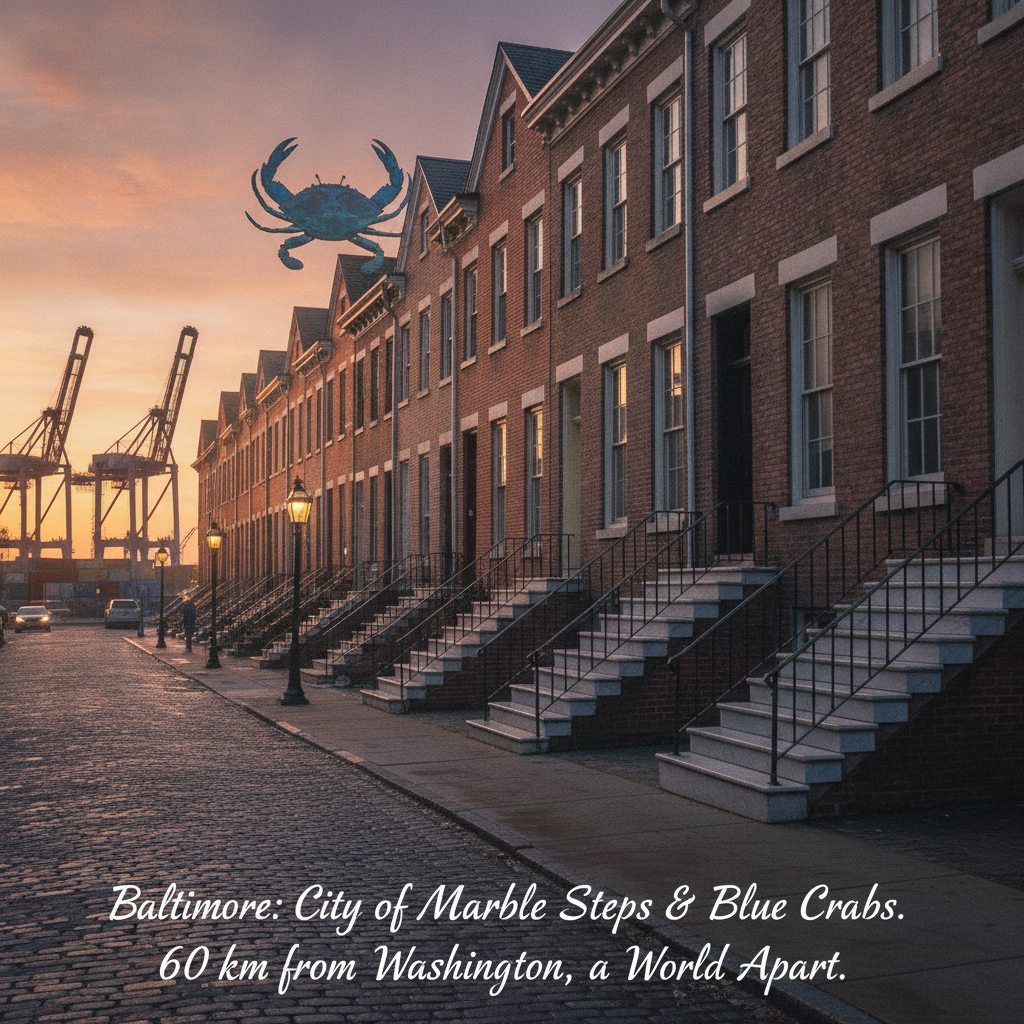
Baltimore R4: Rowhouse culture (70,000 brick rowhouses, white marble Cockeysville stoop scrubbing Saturday tradition, Bolton Hill Patterson Park William Patterson Jerome Bonaparte, Johns Hopkins Hospital 1889 modern surgery nursing), Baltimore music (Cab Calloway Hi-De-Ho, Billie Holiday raised in Baltimore Pigtown, Eubie Blake ragtime, Frank Zappa born 1940, 8x10 Club Federal Hill), Port of Baltimore (largest US auto import port, Baltimore Clipper slave trade, Key Bridge collapse March 26 2024 Dali container ship 6 workers killed largest recovery operation US), Civil rights (Thurgood Marshall 32 Supreme Court cases 29 wins Brown v Board 1954 first Black Justice 1967, Frederick Douglass HS Calloway Holiday Marshall, Morgan State HBCU 1867), Baltimore in film (John Waters Pink Flamingos Hairspray Serial Mom, The Wire filmed on location, Barry Levinson Diner 1982 Rain Man 1988, Sleepless in Seattle), Practical (median home USD 180-200K vs DC USD 600K, MARC train to DC 40min, Acela to NYC 2.5hr, BWI Southwest hub Key Bridge replacement USD 60M 2028)
Baltimore: Pope of Trash Homeland, Free Double Warhol Museum and the Freeway That Never Got Built
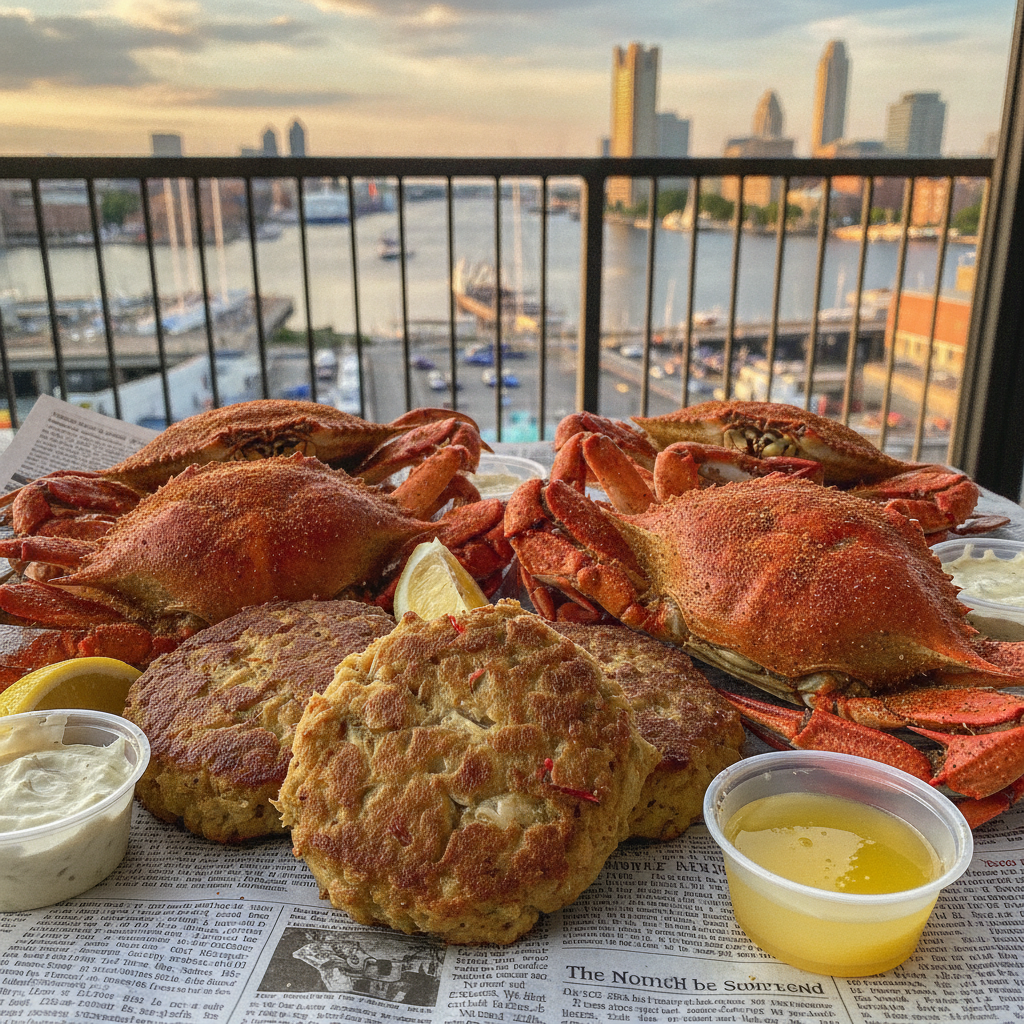
Baltimore: Largest Matisse Collection in the World, Poe Toaster Cognac and the 1782 Crab Market
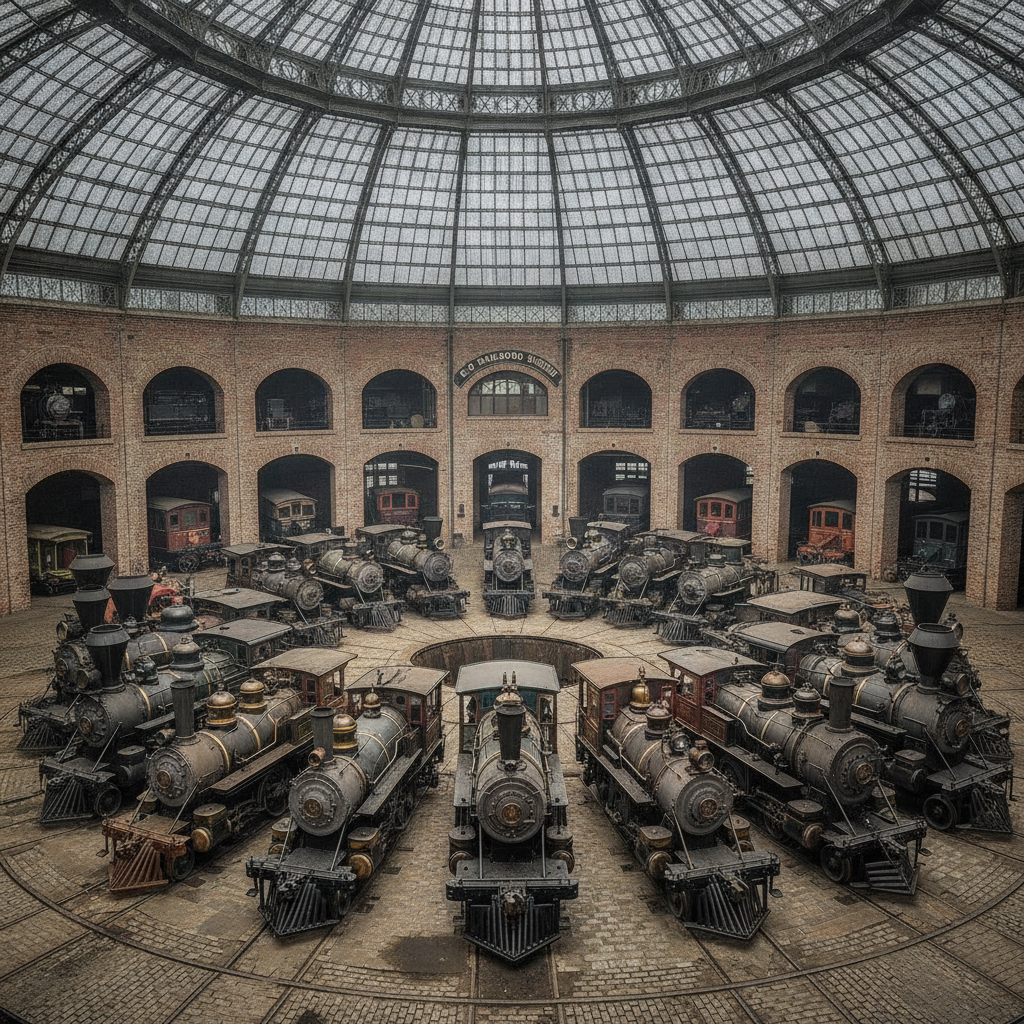
Baltimore R3-R4: B&O Railroad Museum (1827 first common-carrier US railroad, 1884 roundhouse 22-sided largest early railroad collection, Tom Thumb 1830 replica, Lincoln Baltimore Plot 1861), Space Telescope Science Institute (Hubble 1990 James Webb 2022, Applied Physics Lab GPS TIROS-1 New Horizons Pluto 2015), H.L. Mencken (Baltimore Sun 1906-1948 greatest American journalist, The American Language 1919 never out of print, John Waters Pope of Trash Hairspray 1988), African American heritage (MICA oldest degree-granting art college 1826, Great Blacks in Wax Museum, Reginald Lewis first Black billionaire USD 985M buyout 1987, Marin Alsop first woman major US orchestra music director), Chesapeake Bay (largest US estuary 320km, 348 fish species ecological decline restoration USD 6B, Assateague wild ponies 300 years), Practical (BWI Southwest hub MARC train to DC 40min, Preakness Stakes Pimlico May second oldest US track 1870, blue crab season July-September, Artscape largest free Maryland arts festival July)
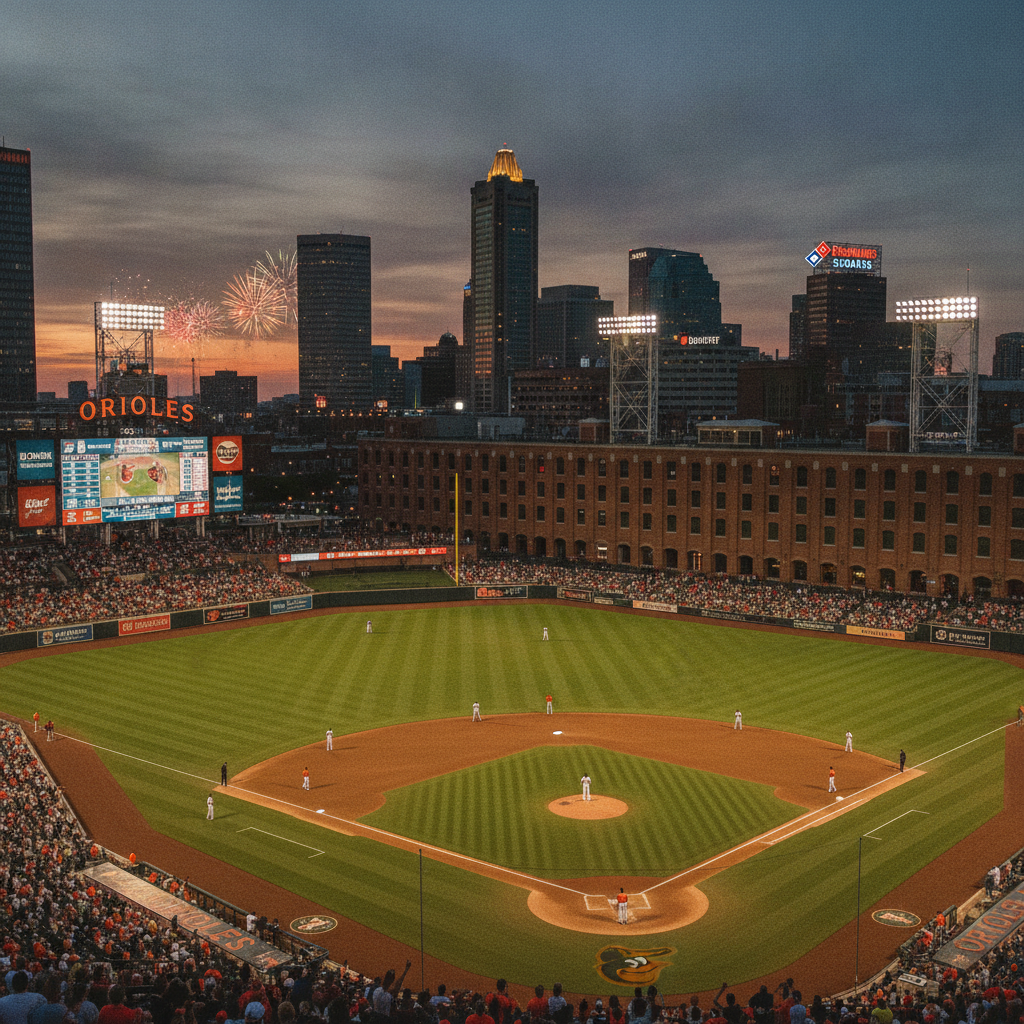
Baltimore: The Ballpark That Changed Baseball, Frederick Douglass Escapes in a Sailor Suit and the First Catholic Cathedral in the US