Baltimore R2: Walters Art Museum (36,000 objects free admission, Cone Collection 500 Matisses largest in world, Peabody Library 5-story cast-iron atrium 300,000 volumes oldest US conservatory), Frederick Douglass (born into slavery Eastern Shore, Baltimore age 8 learned to read, escaped September 3 1838 disguised as sailor, Isaac Myers Chesapeake Marine Railway 1866 first major Black business, Harriet Tubman 13 missions 70 freed), Baltimore Ravens (Cleveland Browns 1996 relocation, Super Bowl XXXV 2001 and XLVII 2013, Ray Lewis squatty dance, Camden Yards 1992 retro-park revolution, Babe Ruth birthplace 216 Emory Street), Fells Point (1726 oldest Baltimore neighborhood, Baltimore Clipper slave trade 300,000 shipped 1808-1860, Shot Tower 1828 lead spheres), Food renaissance (Lexington Market 1782 oldest continuous US public market, Woodberry Kitchen Spike Gjerde 2015 James Beard, pit beef Kaiser roll tiger sauce Baltimore street food), Neighborhoods (Hampden Hon culture HonFest, Roland Park 1891 first planned suburb restrictive covenants, Annapolis Naval Academy colonial capital day trip)
Baltimore extended: Walters Art Museum (36,000 objects 55 centuries free admission, Baltimore Museum of Art Cone Collection 500 Matisses from Paris 1920s-1930s, Peabody Library 1857 5-story cast-iron atrium oldest US conservatory), Frederick Douglass (born into slavery February 1818, Baltimore age 8 Aliceanna Street Fells Point, self-taught reading from poor White children, escaped September 3 1838 disguised sailor, Isaac Myers first major post-Civil War Black business 1866, Harriet Tubman Eastern Shore 13 missions 70 people), Ravens (Cleveland Browns 1996 relocation most controversial NFL move, Super Bowl XXXV 2001 XLVII 2013, Ray Lewis squatty dance ritual, Camden Yards 1992 launched retro-park movement, Babe Ruth born 216 Emory Street February 6 1895), Fells Point maritime (1726 William Fell, Baltimore Clipper built for privateers and slave traders, 300,000 enslaved shipped 1808-1860, Shot Tower 1828 lead shot gravity method), food (Lexington Market 1782 oldest continuous US, Woodberry Kitchen James Beard 2015, pit beef Kaiser tiger sauce, raw bar Thames Street Oyster House), neighborhoods (Hampden Hon HonFest June, Roland Park 1891 first US planned suburb covenants, Annapolis 55km Naval Academy colonial waterfront).
- 1
Walters Art Museum and Baltimore Cultural Institutions
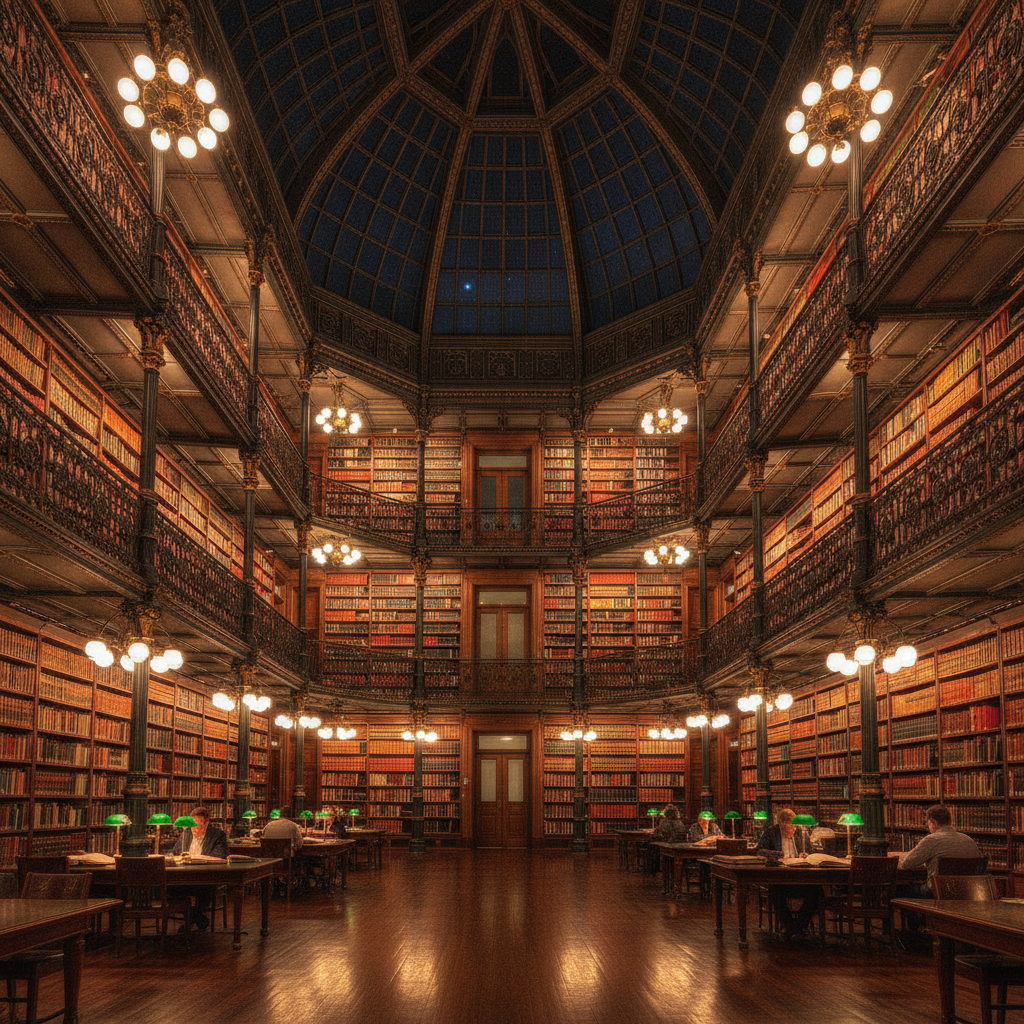
The Walters Art Museum (at 600 N Charles Street, Mount Vernon, Baltimore, free admission): one of the great encyclopedic art museums in the United States, with a permanent collection of approximately 36,000 objects spanning 55 centuries of human history, from Egyptian antiquities to Art Nouveau. The Walters Art Museum history: the collection was assembled by William Thompson Walters (the Baltimore railway magnate who made his fortune in the Civil War era) and his son Henry Walters, who bequeathed the collection and the building to the city of Baltimore in 1931. The Walters collection highlights: the medieval collection (one of the most important medieval art collections in the United States, with illuminated manuscripts, carved ivories, and reliquaries); the ancient art collection (Egyptian, Greek, Roman, and Byzantine objects); and the Old Masters paintings (including works by Raphael, El Greco, and Rembrandt). The Baltimore Museum of Art (at 10 Art Museum Drive, Charles Village, adjacent to Johns Hopkins University): the largest art museum in Maryland, with the most important collection of works by Henri Matisse in the world (the Cone Collection, assembled by Baltimore sisters Claribel Cone and Etta Cone, who bought directly from Matisse and Picasso in Paris in the 1920s and 1930s, including 500 works by Matisse). The Peabody Institute of Music (at 1 E Mount Vernon Place, founded 1857 by merchant George Peabody): the oldest conservatory of music in the United States, with one of the most beautiful interiors in Baltimore — the George Peabody Library (the 5-story cast-iron atrium library with 300,000 volumes and one of the most photographed library interiors in the world).
- 2
Frederick Douglass and Baltimore Abolitionist Heritage
Frederick Douglass (born Frederick Augustus Washington Bailey, February 1818, Talbot County, Maryland; died February 20, 1895, Washington DC): the most important abolitionist in American history and one of the greatest American writers and orators of the 19th century, born into slavery on the Eastern Shore of Maryland. Douglass's Baltimore years: at age 8, Douglass was sent to Baltimore to work as a house servant for Hugh and Sophia Auld, whose home on Aliceanna Street in Fells Point is near the site where Douglass learned to read (Sophia Auld began teaching him to read the alphabet before her husband forbade it, after which Douglass taught himself by trading bread to poor White children in exchange for reading lessons). At age 20, Douglass escaped from slavery in Baltimore on September 3, 1838, by disguising himself as a free Black sailor and boarding a train north, arriving in New York City that evening. The Frederick Douglass-Isaac Myers Maritime Park (at 1417 Thames Street, Fells Point, on the site of the Chesapeake Marine Railway and Dry Dock Company): the park commemorating Douglass's time in Baltimore and the contributions of Baltimore's African American maritime community (Isaac Myers organized the Chesapeake Marine Railway and Dry Dock Company in 1866 as the first major African American business enterprise in the post-Civil War South, employing Black caulkers and shipbuilders displaced by White unions). Harriet Tubman (born Araminta Ross, circa 1822, Dorchester County, Maryland, approximately 100 km southeast of Baltimore): the most important conductor on the Underground Railroad, who led approximately 70 enslaved people to freedom in 13 missions from Maryland's Eastern Shore to the North, was never captured, and served as a Union spy during the Civil War.
- 3
Baltimore Ravens and the Sports Culture
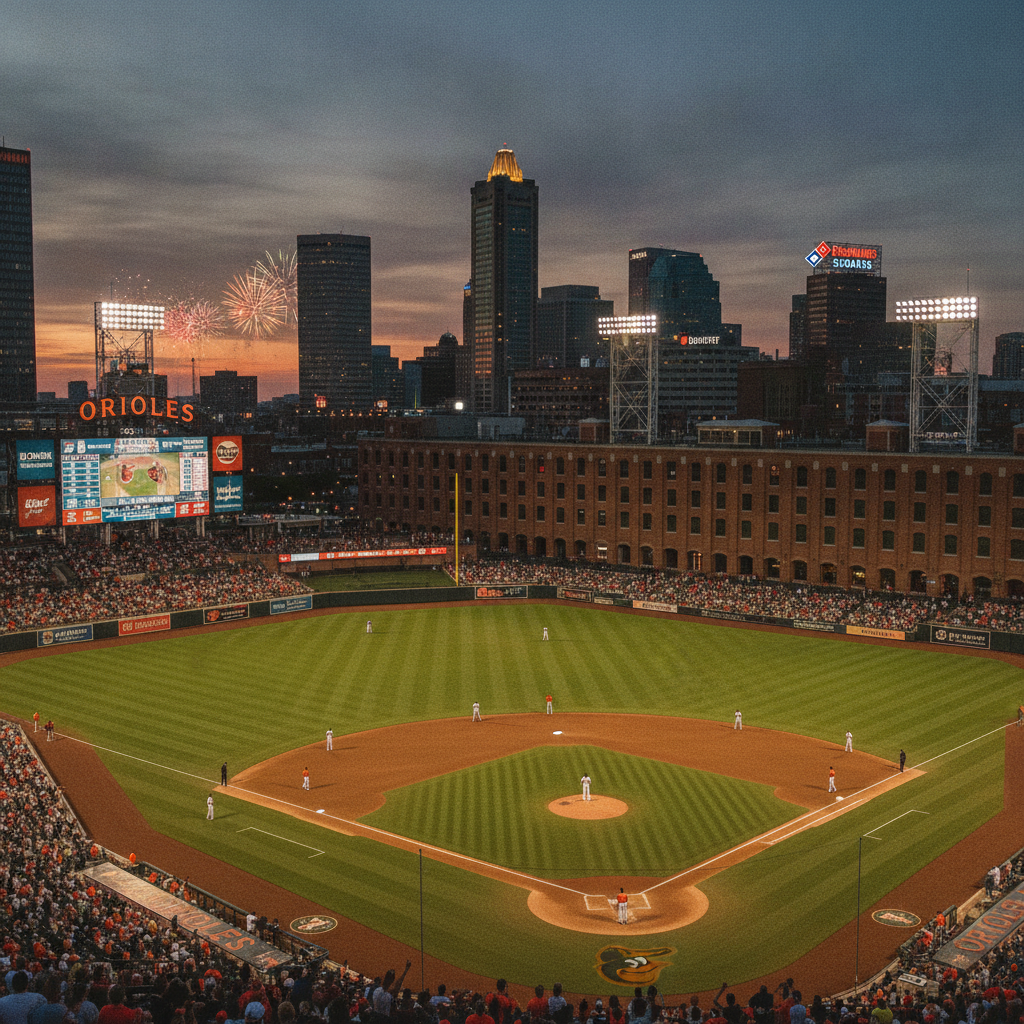
Baltimore Ravens NFL (playing at M&T Bank Stadium, 1 Winning Drive, Baltimore): the NFL franchise founded in 1996 when the Cleveland Browns relocated to Baltimore (in one of the most controversial franchise moves in NFL history, as Cleveland had one of the most devoted fan bases in the NFL), renamed the Ravens in honor of Edgar Allan Poe. Ravens championships: Super Bowl XXXV (February 4, 2001, Tampa: Ravens 34, Giants 7) and Super Bowl XLVII (February 3, 2013, New Orleans: Ravens 34, 49ers 31), both built around dominant defenses. The Ray Lewis era: Ray Lewis (linebacker, 1996-2012, the most important player in Ravens history): the most ferocious defensive player of his generation, a 2-time Defensive Player of the Year, Super Bowl XXXV MVP, and the spiritual center of the Baltimore defense. Lewis's pre-game ritual (the squatty dance performed in the tunnel before the Ravens ran onto the field) became one of the most recognizable rituals in NFL history. Baltimore Orioles MLB (playing at Oriole Park at Camden Yards, 333 W Camden Street, downtown Baltimore, opened 1992): the baseball stadium that launched the retro-ballpark movement that transformed American baseball stadium design — Camden Yards (designed by HOK Sport) was the first new stadium deliberately designed to evoke the intimate scale and asymmetrical field dimensions of the classic pre-war ballparks, inspiring a generation of retro-park construction including PNC Park, AT&T Park, and Target Field. The Babe Ruth Birthplace and Museum (at 216 Emory Street, adjacent to Camden Yards): the rowhouse where George Herman Ruth Jr. was born on February 6, 1895, now a museum tracing the career of the most important baseball player in American history.
- 4
Fells Point and the Baltimore Waterfront History
Fells Point (the neighborhood on the waterfront of the Patapsco River, approximately 2 km east of the Inner Harbor): the oldest continuously inhabited neighborhood in Baltimore (established in 1726 by William Fell, an English Quaker shipbuilder) and the most historically significant maritime neighborhood in the Mid-Atlantic United States. Fells Point shipbuilding history: Fells Point was the center of American clipper ship construction from the 1780s to the 1840s, producing the Baltimore Clipper (the distinctive schooner design developed in Baltimore for speed over cargo capacity, used extensively by privateers during the War of 1812 and later by slave traders, as the Baltimore Clipper's speed made it ideal for evading Royal Navy anti-slave-trade patrols). The USS Constellation (launched 1854 at Gosport Navy Yard, now preserved at the Inner Harbor): the last Civil War-era US Navy warship afloat, and one of the Historic Ships in Baltimore collection. The slave trade in Baltimore: Baltimore was one of the major centers of the American domestic slave trade in the antebellum period (the trade of enslaved people from the exhausted tobacco plantations of the Upper South to the cotton and sugar plantations of the Deep South, which accelerated after the international slave trade was banned in 1808). The slave-trading firms of Baltimore (Franklin and Armfield, and others) shipped approximately 300,000 enslaved people from Baltimore's harbor to the Deep South between 1808 and 1860. The Shot Tower (at 801 E Fayette Street, Old Town): the 58-meter brick tower built 1828 for manufacturing lead shot (molten lead was dropped from the top of the tower, forming perfect spheres as it fell through the air and solidified before landing in water at the base).
- 5
Baltimore Food Renaissance - from Lexington Market to Woodberry Kitchen
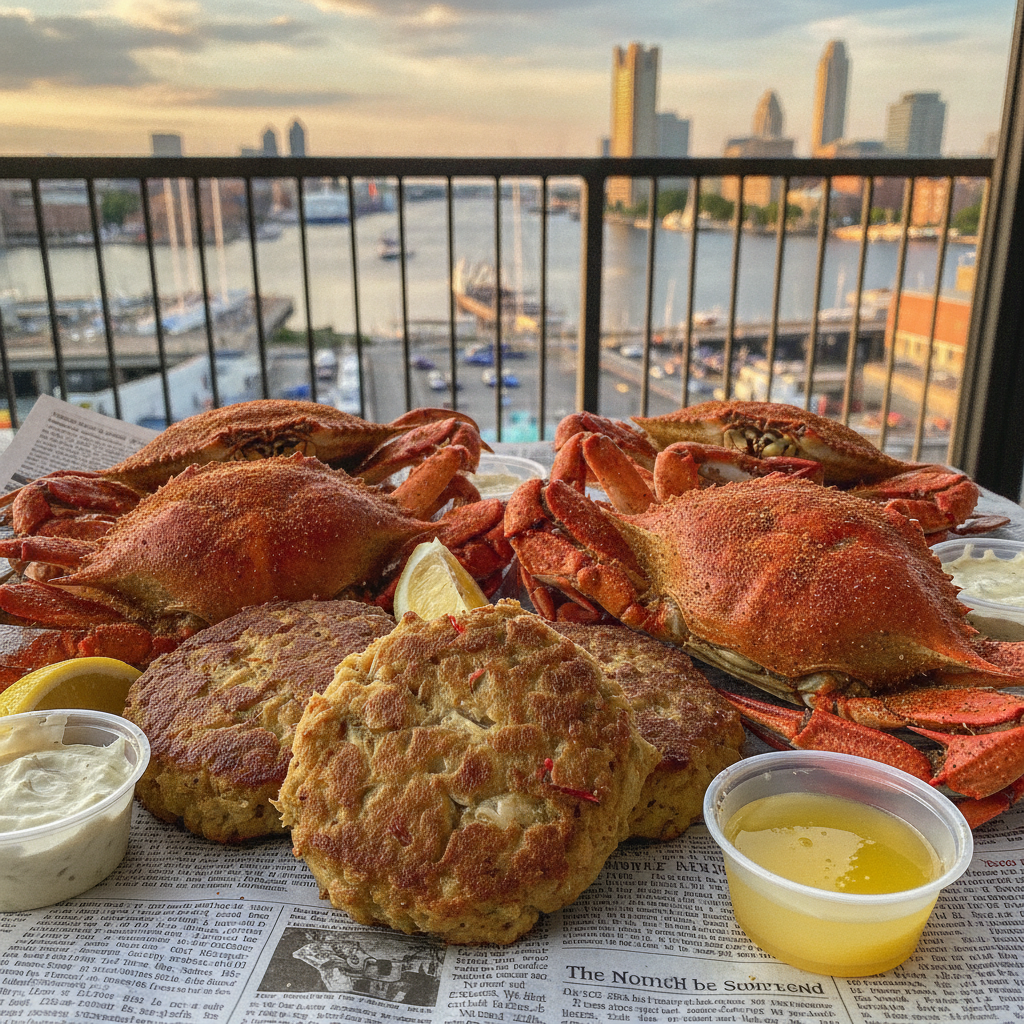
Baltimore food renaissance: Baltimore has experienced one of the most significant restaurant revitalizations of any mid-sized American city since approximately 2005, moving from a reputation as a crab cake and Old Bay city to one of the most nationally recognized dining destinations in the Mid-Atlantic region. Lexington Market (at 400 W Lexington Street, downtown Baltimore, established 1782): the oldest public market in continuous operation in the United States, with 140 vendors selling everything from Maryland blue crabs and crab cakes to Eastern European sausages and international street food. The Lexington Market New Market (opened 2022 in a new building, with the original market undergoing redevelopment): the first major overhaul of the market since the 1950s. Woodberry Kitchen (at 2010 Clipper Park Road, Woodberry neighborhood): the farm-to-table restaurant by James Beard Award-winner Spike Gjerde (the first Baltimore chef to win the James Beard Award for Best Chef: Mid-Atlantic, in 2015), which has been the central restaurant of the Baltimore food renaissance and the model for sourcing entirely from the Chesapeake Bay watershed region. Charleston (at 1000 Lancaster Street, Harbor East, not to be confused with the city of Charleston SC): the most acclaimed fine dining restaurant in Baltimore, with one of the most comprehensive American cheese programs in the country. The Baltimore food scene highlights: the raw bar culture of Fells Point (LP Steamers, Thames Street Oyster House), the Baltimore pit beef tradition (the Maryland-specific barbecue of beef roasted over a charcoal pit and served on a Kaiser roll with tiger sauce and raw onion, the distinctive Baltimore street food).
- 6
Baltimore Neighborhoods and Day Trips
Baltimore neighborhood guide: Canton (the rowhouse neighborhood east of Fells Point, centered on the O'Donnell Square park): the most family-friendly neighborhood in Baltimore, with a concentration of neighborhood bars, restaurants, and the Canton Crossing retail strip. Hampden (the working-class neighborhood in North Baltimore, centered on The Avenue — 36th Street — the commercial strip): the most eclectic and independently spirited neighborhood in Baltimore, with vintage clothing stores, the Avenue Market, and the Hon culture (the Baltimore female identity marked by beehive hairdos, cat-eye glasses, and endearments beginning with Hon — short for Honey — celebrated at the HonFest each June). Roland Park (the planned suburban neighborhood in North Baltimore, developed 1891-1913 by the Roland Park Company): considered one of the first planned suburban developments in the United States (with restrictive covenants initially excluding Jewish and African American residents — a practice replicated in planned suburban developments across the United States for the next 60 years). Station North Arts and Entertainment District (the neighborhood between Penn Station and the Maryland Institute College of Art — MICA — on North Charles Street): the most concentrated arts district in Baltimore, with the Charles Theatre (the most important arthouse cinema in Baltimore), galleries, and studio spaces. Baltimore day trips: the Chesapeake Bay Eastern Shore (crossing the Chesapeake Bay Bridge to the Eastern Shore of Maryland, with the charming colonial towns of Chestertown and Annapolis, the birthplace region of Frederick Douglass and Harriet Tubman, and the waterfowl hunting and goose farming culture of the Delmarva Peninsula). Annapolis (55 km from Baltimore): the colonial capital of Maryland, the home of the US Naval Academy, and one of the best-preserved colonial waterfront towns in the United States.
Walk this route with audio
Stories play automatically as you reach each stop — no tapping needed.
More in baltimore
Baltimore R4: Rowhouse culture (70,000 brick rowhouses, white marble Cockeysville stoop scrubbing Saturday tradition, Bolton Hill Patterson Park William Patterson Jerome Bonaparte, Johns Hopkins Hospital 1889 modern surgery nursing), Baltimore music (Cab Calloway Hi-De-Ho, Billie Holiday raised in Baltimore Pigtown, Eubie Blake ragtime, Frank Zappa born 1940, 8x10 Club Federal Hill), Port of Baltimore (largest US auto import port, Baltimore Clipper slave trade, Key Bridge collapse March 26 2024 Dali container ship 6 workers killed largest recovery operation US), Civil rights (Thurgood Marshall 32 Supreme Court cases 29 wins Brown v Board 1954 first Black Justice 1967, Frederick Douglass HS Calloway Holiday Marshall, Morgan State HBCU 1867), Baltimore in film (John Waters Pink Flamingos Hairspray Serial Mom, The Wire filmed on location, Barry Levinson Diner 1982 Rain Man 1988, Sleepless in Seattle), Practical (median home USD 180-200K vs DC USD 600K, MARC train to DC 40min, Acela to NYC 2.5hr, BWI Southwest hub Key Bridge replacement USD 60M 2028)
Baltimore: Pope of Trash Homeland, Free Double Warhol Museum and the Freeway That Never Got Built
Baltimore: Largest Matisse Collection in the World, Poe Toaster Cognac and the 1782 Crab Market
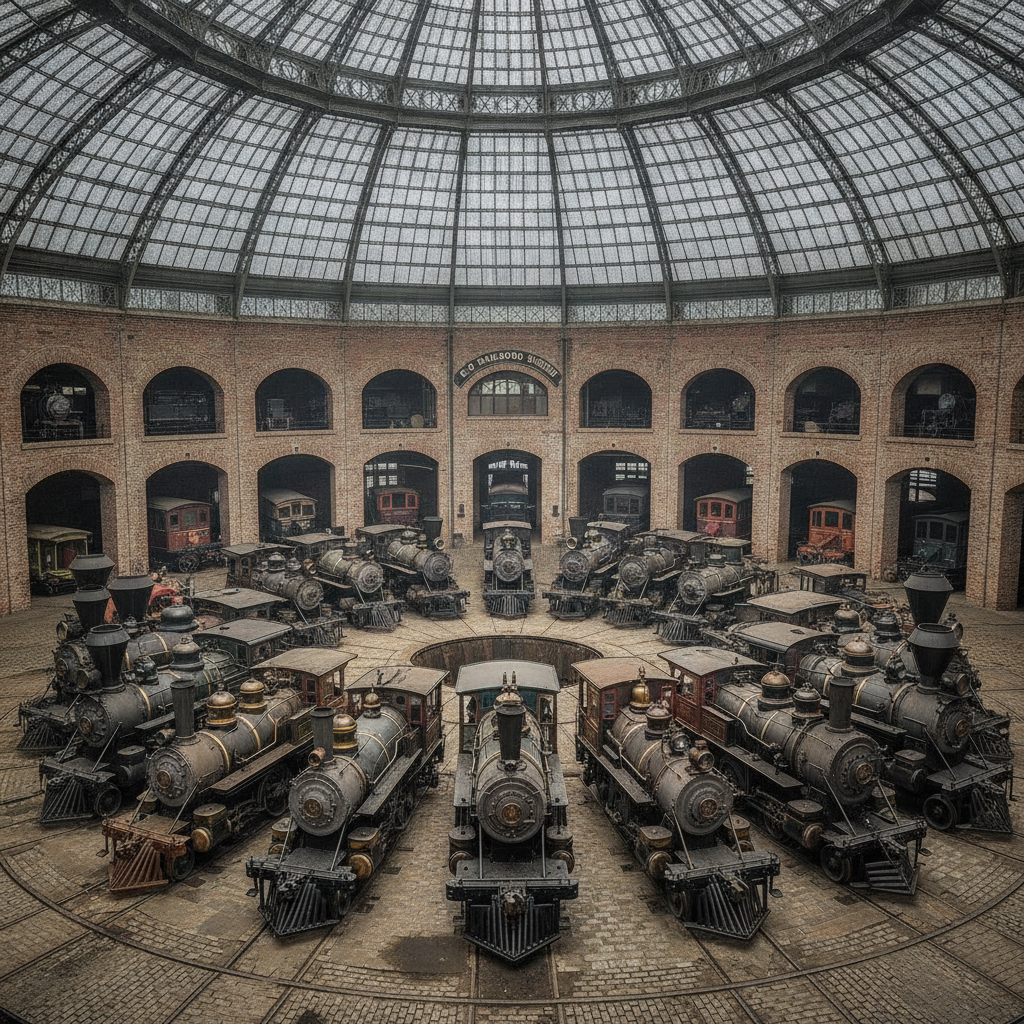
Baltimore R3-R4: B&O Railroad Museum (1827 first common-carrier US railroad, 1884 roundhouse 22-sided largest early railroad collection, Tom Thumb 1830 replica, Lincoln Baltimore Plot 1861), Space Telescope Science Institute (Hubble 1990 James Webb 2022, Applied Physics Lab GPS TIROS-1 New Horizons Pluto 2015), H.L. Mencken (Baltimore Sun 1906-1948 greatest American journalist, The American Language 1919 never out of print, John Waters Pope of Trash Hairspray 1988), African American heritage (MICA oldest degree-granting art college 1826, Great Blacks in Wax Museum, Reginald Lewis first Black billionaire USD 985M buyout 1987, Marin Alsop first woman major US orchestra music director), Chesapeake Bay (largest US estuary 320km, 348 fish species ecological decline restoration USD 6B, Assateague wild ponies 300 years), Practical (BWI Southwest hub MARC train to DC 40min, Preakness Stakes Pimlico May second oldest US track 1870, blue crab season July-September, Artscape largest free Maryland arts festival July)
Baltimore: The Ballpark That Changed Baseball, Frederick Douglass Escapes in a Sailor Suit and the First Catholic Cathedral in the US