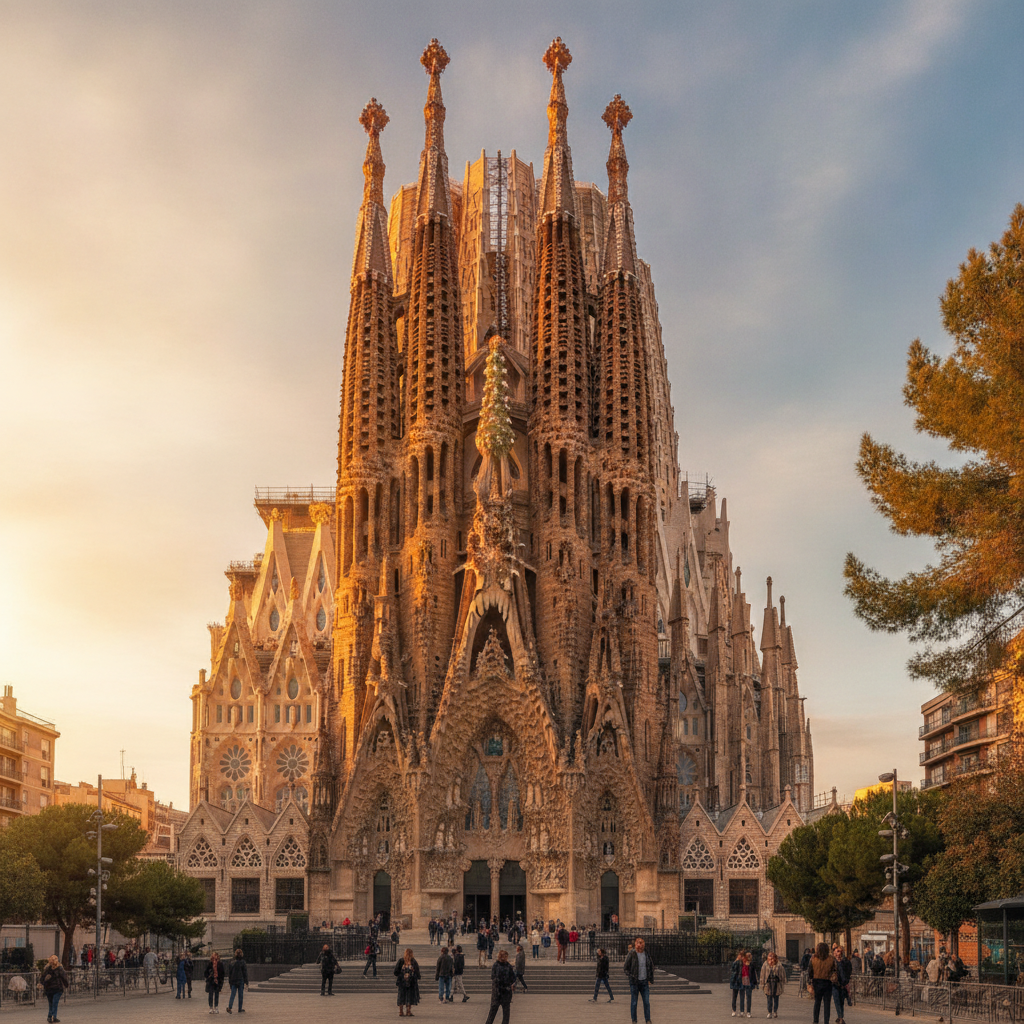
Barceloneta & the Olympic Waterfront: From Columbus to the Mediterranean
Barcelona's relationship with its own waterfront was, for most of its history, one of the great urban paradoxes of European cities: a Mediterranean port city in which the sea was functionally invisible to most residents, cut off by industrial railway lines, warehouses, and the working port infrastructure. The transformation of the 5-kilometer waterfront from the Columbus Monument to the Forum site — carried out principally for the 1992 Olympic Games — is one of the most successful urban renewal projects of the late 20th century, restoring to the city beaches, promenades, parks, and port facilities that had been severed from the urban fabric since the mid-19th century. This route follows the waterfront from the Port Vell (old port) through the 18th-century neighborhood of Barceloneta to the Olympic Village marina and back through the Parc de la Ciutadella.
1. Columbus Monument & Port Vell — The Gateway to the Sea
- 1
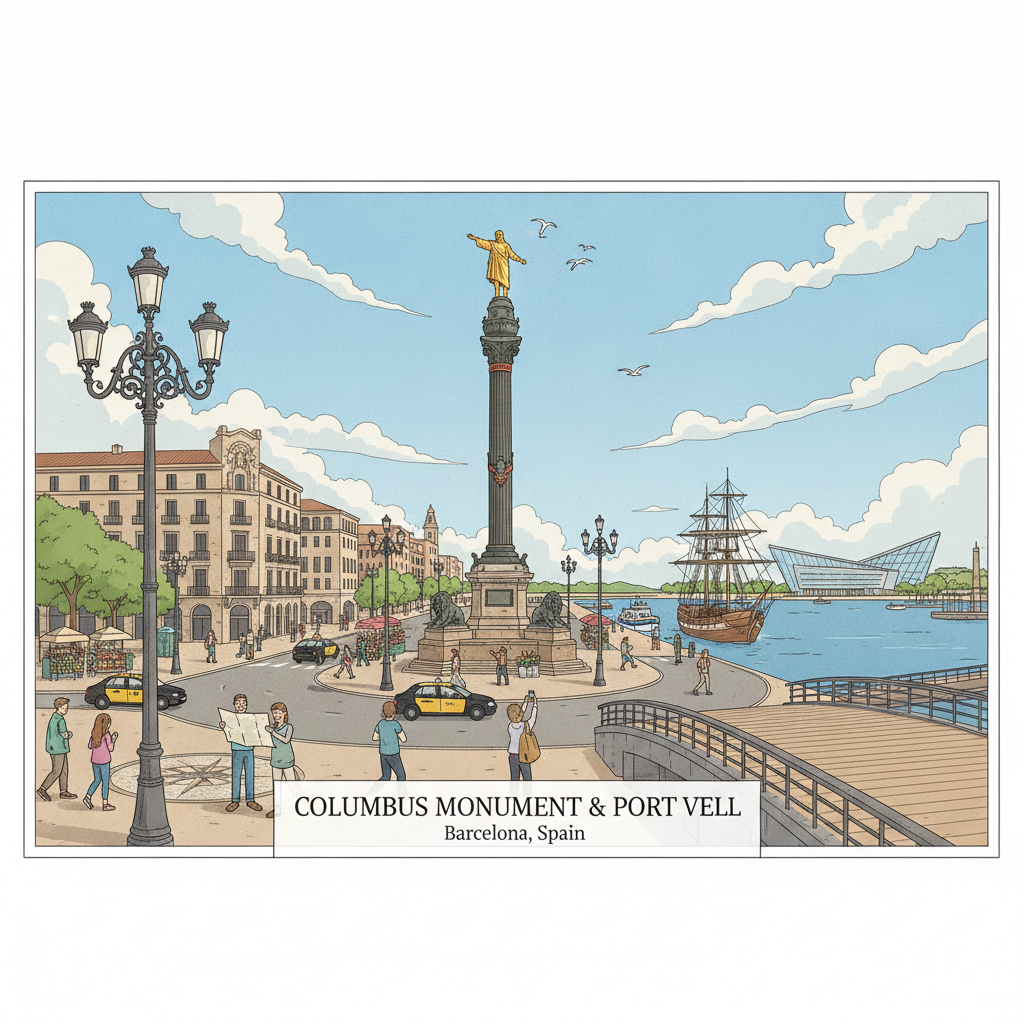
Columbus Monument & Port Vell — The Gateway to the Sea
The Mirador de Colom, the iron column topped by a statue of Christopher Columbus pointing (inaccurately, as he points south toward North Africa rather than west toward the Americas) at the foot of La Rambla, was built for the Universal Exhibition of 1888 (the same event that produced the Arc de Triomf). At 60 meters, it was the tallest monument in Barcelona at the time of its construction. Columbus points from the top of the column toward a sea that was, in 1888, still separated from the city by railway lines and industrial infrastructure; the view of the port today — a leisure marina, the historic wooden sailing vessel the Santa Eulàlia (1918), and the broad Passeig del Maritim promenade — reflects the 1992 transformation rather than the 1888 reality. The Rambla del Mar, the pedestrian bridge (wavy, wood and iron, 1994) across the marina to the Maremàgnum leisure complex, was one of the first elements of the waterfront restoration and remains heavily used by tourists heading to the aquarium and IMAX cinema on the opposite side.
- 2
Barceloneta Neighborhood — The 18th-Century Grid by the Sea
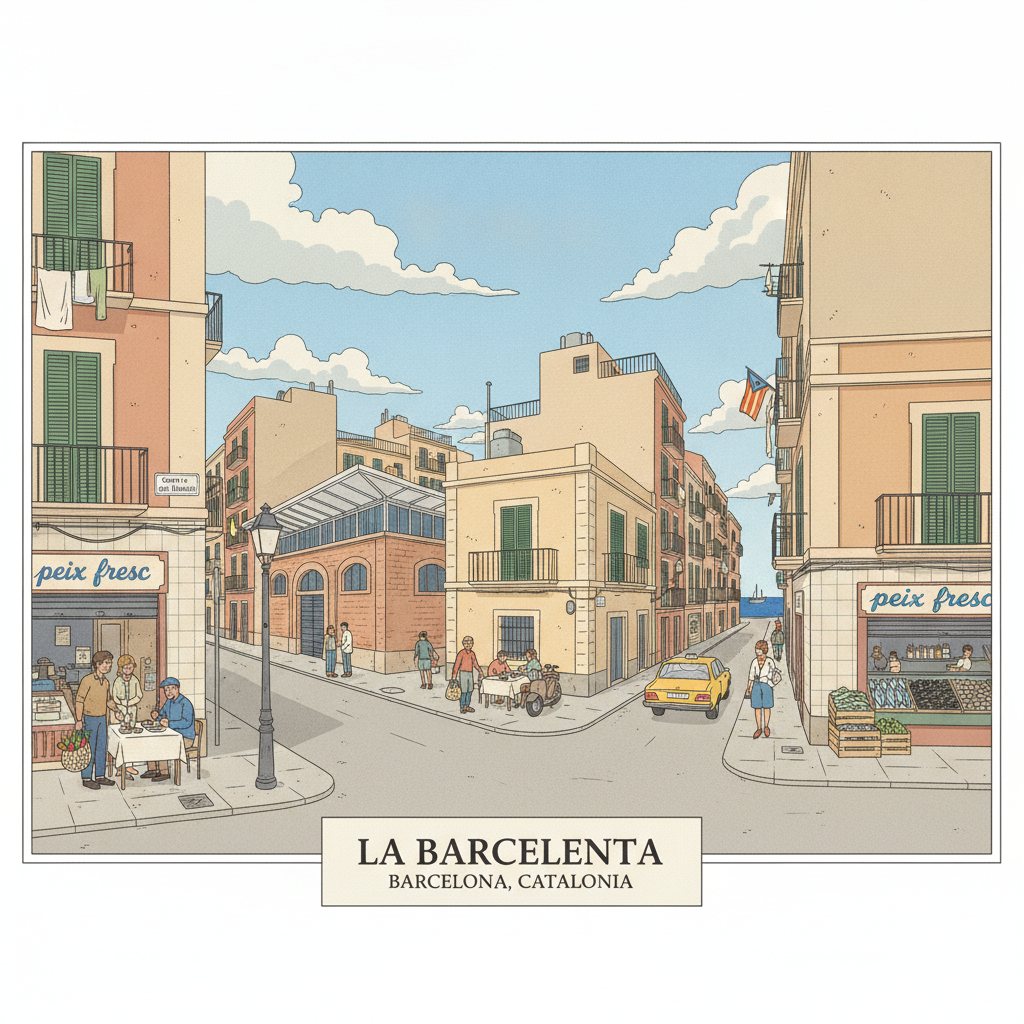
La Barceloneta, the triangular neighborhood between the old port and the beach, was built beginning in 1753 to rehouse the residents of the Ribera neighborhood whose houses had been demolished on the orders of Philip V after the 1714 siege (to build the Ciutadella fortress). The engineer Próspero de Verboom designed the neighborhood on a strict rectilinear grid of unusually long, narrow blocks (each originally containing only two buildings: one per half-block, each one room deep, with windows on both sides to allow maximum ventilation in the Mediterranean climate). The original two-story houses have largely been replaced by much taller buildings (the grid remaining, the buildings rebuilt), but the neighborhood retains a working-class maritime character that is genuinely different from the rest of Barcelona's tourist-adapted center. The best restaurants in Barceloneta serve seafood at prices aimed at residents rather than tourists; the Mercat de la Barceloneta (covered market, 2007) is the neighborhood's daily food market.
- 3
Barceloneta Beach — The Olympic Transformation
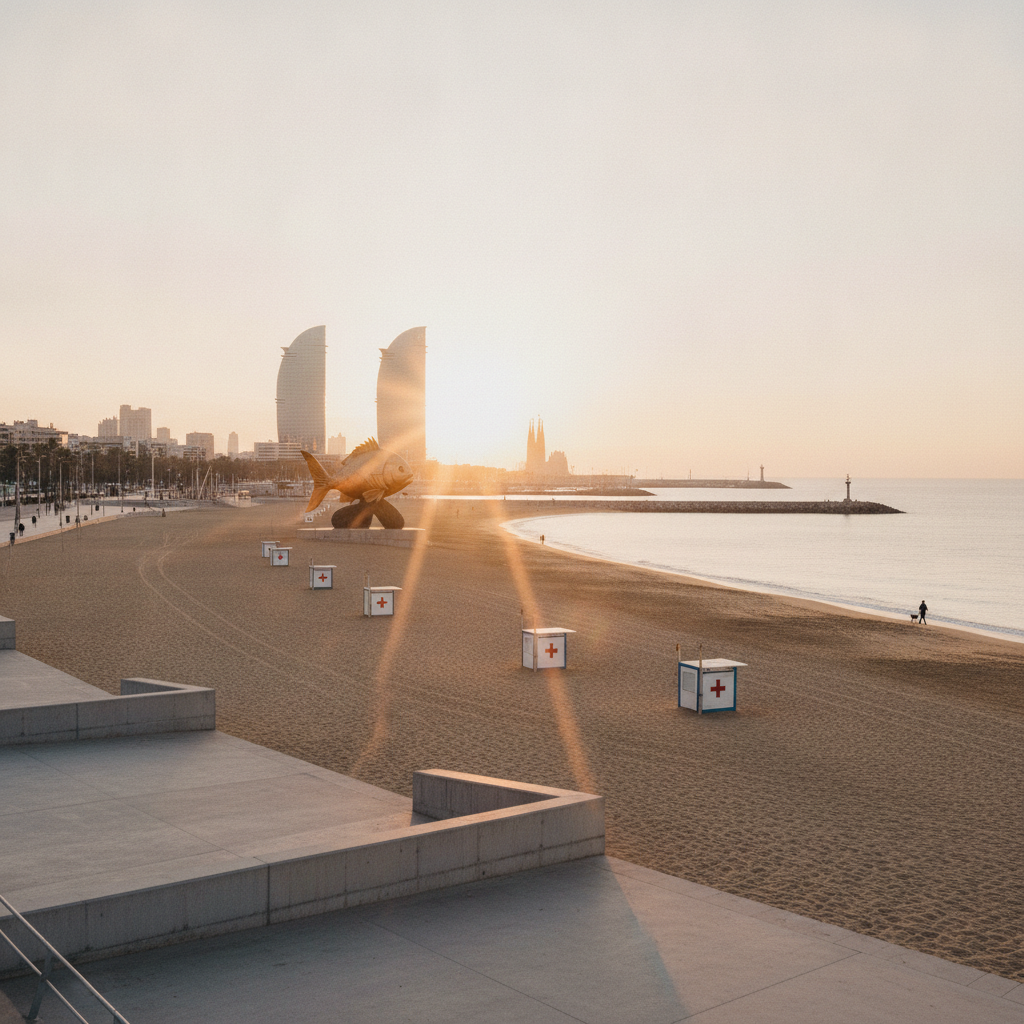
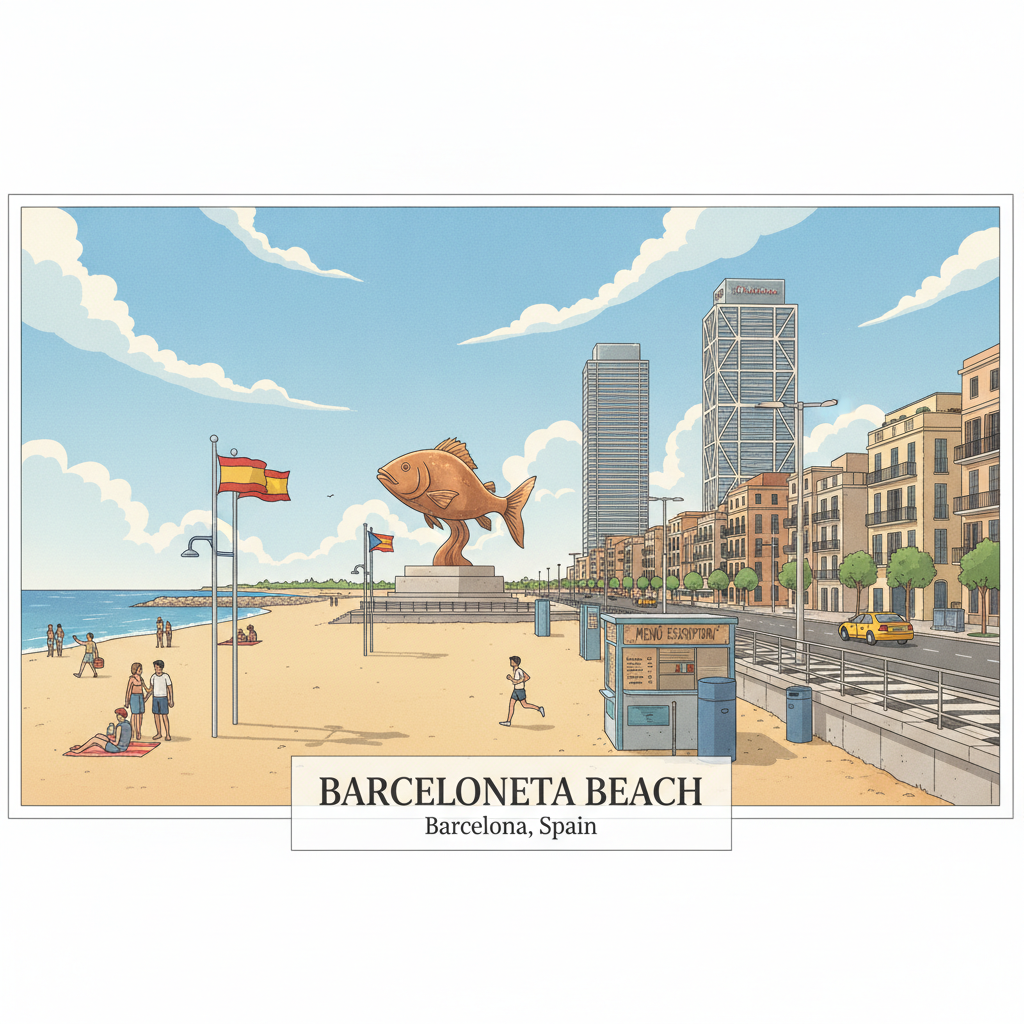
Barceloneta beach, a 1.1-kilometer arc of fine sand running northeast from the neighborhood to the Hotel Arts and Torre Mapfre towers (built for the 1992 Olympics), is the most central of Barcelona's urban beaches and the one most used by the city's own residents. Before 1992, the area behind the beach was an industrial wasteland of gasworks and railway sidings, and the beach itself was accessible only through narrow openings in the neighborhood's perimeter. The 1992 transformation created: 4 kilometers of beach promenade (the Passeig Marítim); the beach facilities (showers, changing rooms, lifeguard posts); the Olympic marina (Port Olímpic, 6km to the northeast); and the Olympic Village housing (now a thriving residential neighborhood). Frank Gehry's iconic 'Peix' (Fish) sculpture (1992), the copper-colored metalwork fish 54 meters long above the Hotel Arts, is the defining landmark of the transformed waterfront.
- 4
Parc de la Ciutadella — From Fortress to Park
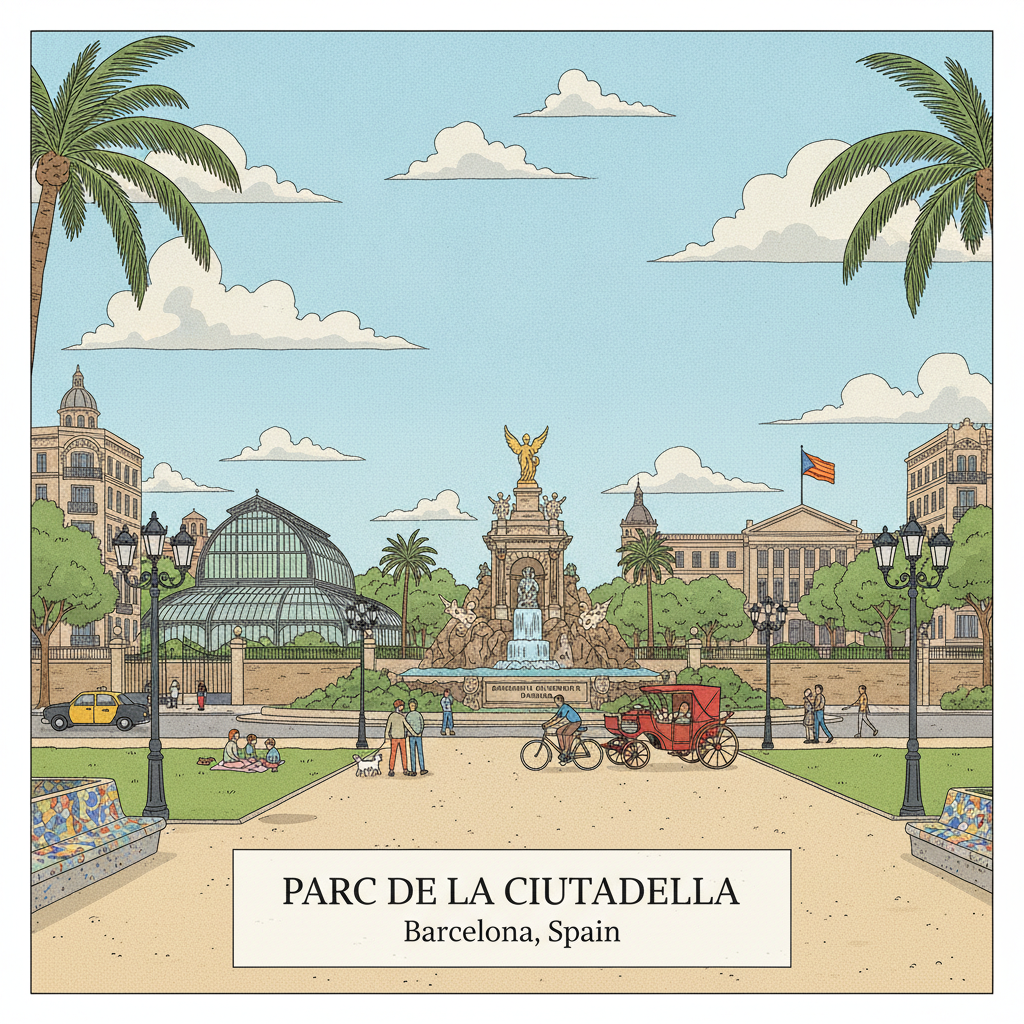
The Parc de la Ciutadella occupies the site of the Ciutadella (citadel) fortress, which Philip V ordered built on the Ribera neighborhood after the 1714 siege to control the rebellious city — a massive star-shaped fortification built with the rubble of demolished Ribera houses, requiring the displacement of thousands of residents (the same residents rehoused in Barceloneta). The fortress was hated by Barcelonans from its construction; when the September Revolution of 1868 gave the city the right to demolish it, the process was celebrated as a popular festival and the governor of Catalonia participated in the first ceremonial swing of a pickaxe. The park was redesigned for the 1888 Universal Exhibition by Josep Fontserè (assisted by a young Antoni Gaudí, who designed the park's cascada fountain). It now contains the Parc Zoològic, the Museu d'Art Modern (now the Museu Nacional de Catalunya's collection of modern art), the Parlament de Catalunya (in the former arsenal of the Ciutadella, the only surviving building of the original fortress), and the great Victorian-era Hivernacle (winter garden) and Umbracle (shade garden).
- 5
Port Olímpic — The Olympic Legacy
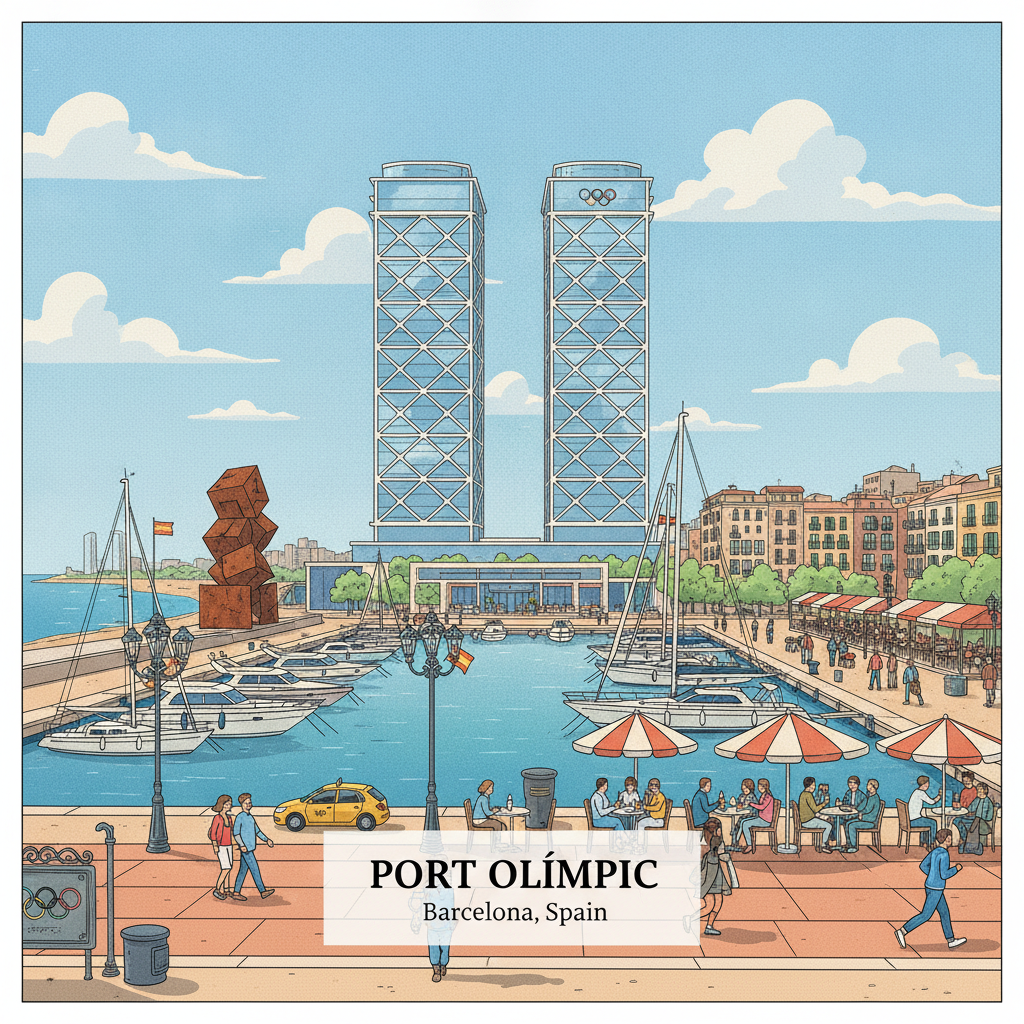
The Port Olímpic, the marina built for the sailing events of the 1992 Barcelona Olympics (the first time sailing events were held in the host city itself), is now Barcelona's main leisure marina: 742 berths for yachts and motorboats, surrounded by 300 restaurants and bars organized on a harbor-facing promenade that is heavily tourist-oriented but also used by local residents in the evenings and weekends. The two glass-and-steel towers that define the skyline here — the Hotel Arts (43 floors, 154 meters, now a Ritz-Carlton property) and the Torre Mapfre (44 floors, 154 meters, an office building) — were built as the Olympic Village's defining architectural statement. The Parc de la Barceloneta, on the beachfront between the neighborhood and the Port Olímpic, contains the famous 'Barceloneta Cube' (Rebecca Horn's sculpture, 1992) — a rusting iron tower of stacked cubes installed as part of the Olympic arts program and now an iconic, if controversial, element of the beach landscape.
- 6
Arc de Triomf & Passeig de Lluís Companys — Back to the City
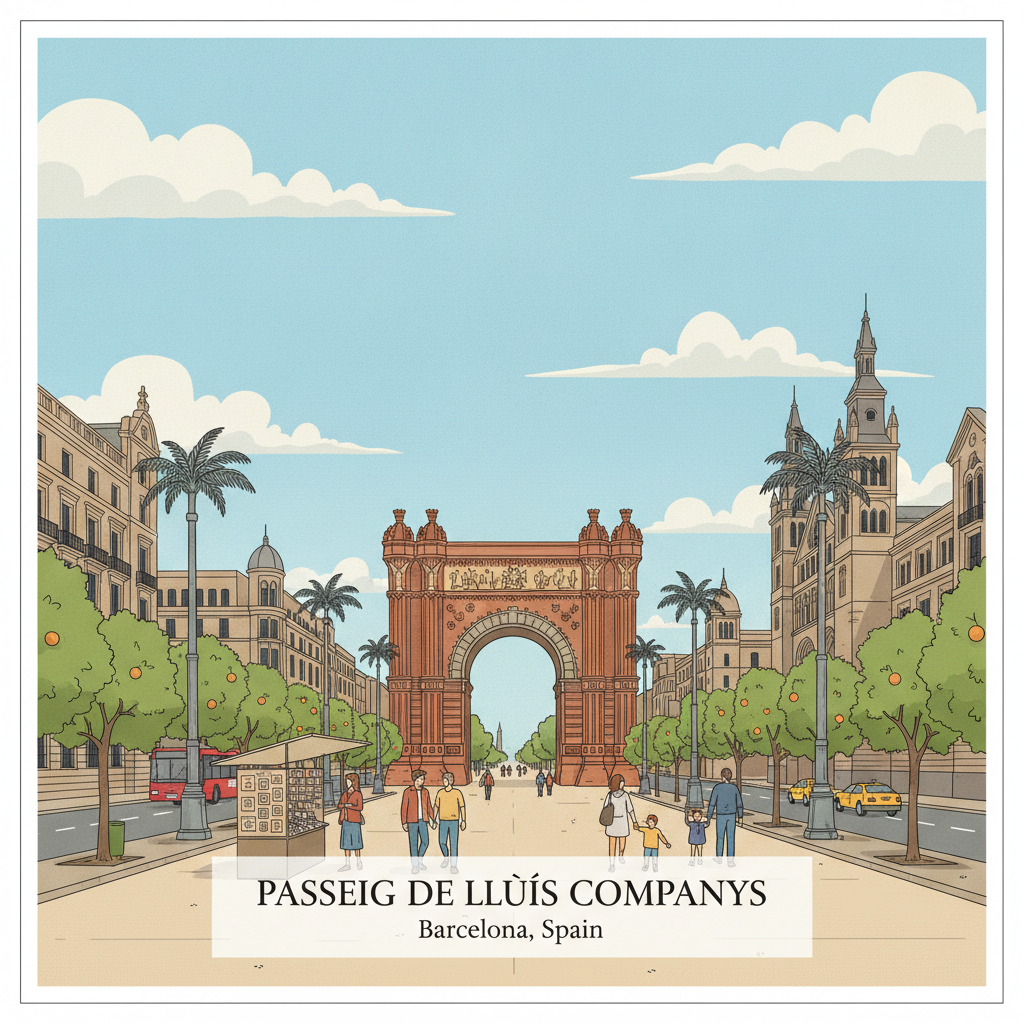
The return from the waterfront to the city interior runs up the Passeig de Lluís Companys — the promenade designed specifically for the 1888 Universal Exhibition as the processional route from the Arc de Triomf (main entrance) to the Parc de la Ciutadella (main exhibition site). The promenade is lined with ornate Victorian-era street lamps in the form of palm trees and with orange trees, making it one of the most pleasant walking streets in Barcelona when the heat of the day is over. The Arc de Triomf (see Route 1) closes the northern end; the Palau de Justícia (Palace of Justice, 1908) closes one side. The weekly flea market of collectibles and stamps (Mercat de Filatèlia i Col·leccionisme, Sundays) makes the promenade a destination in its own right on weekend mornings.
Walk this route with audio
Stories play automatically as you reach each stop — no tapping needed.
More in barcelona
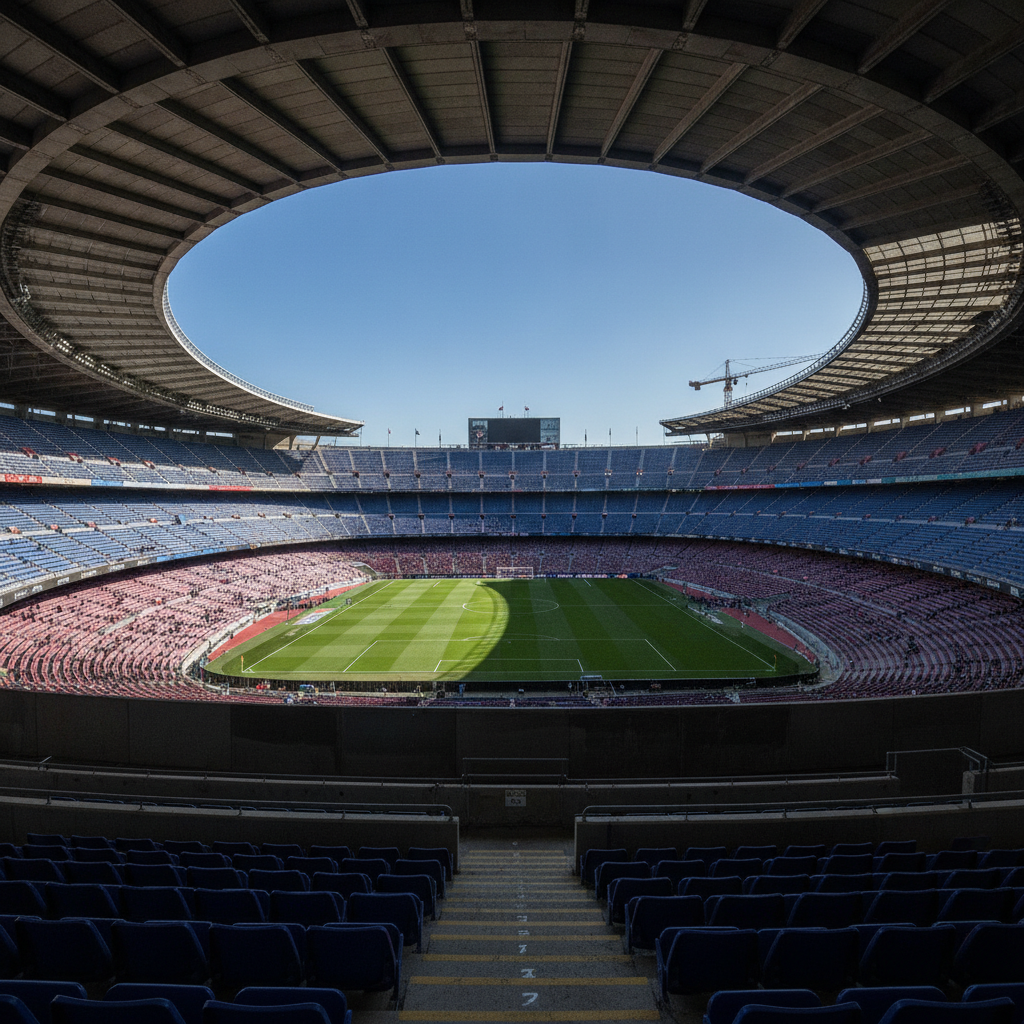
Pedralbes, Camp Nou & Sarrià: Barcelona's Quiet Upper City
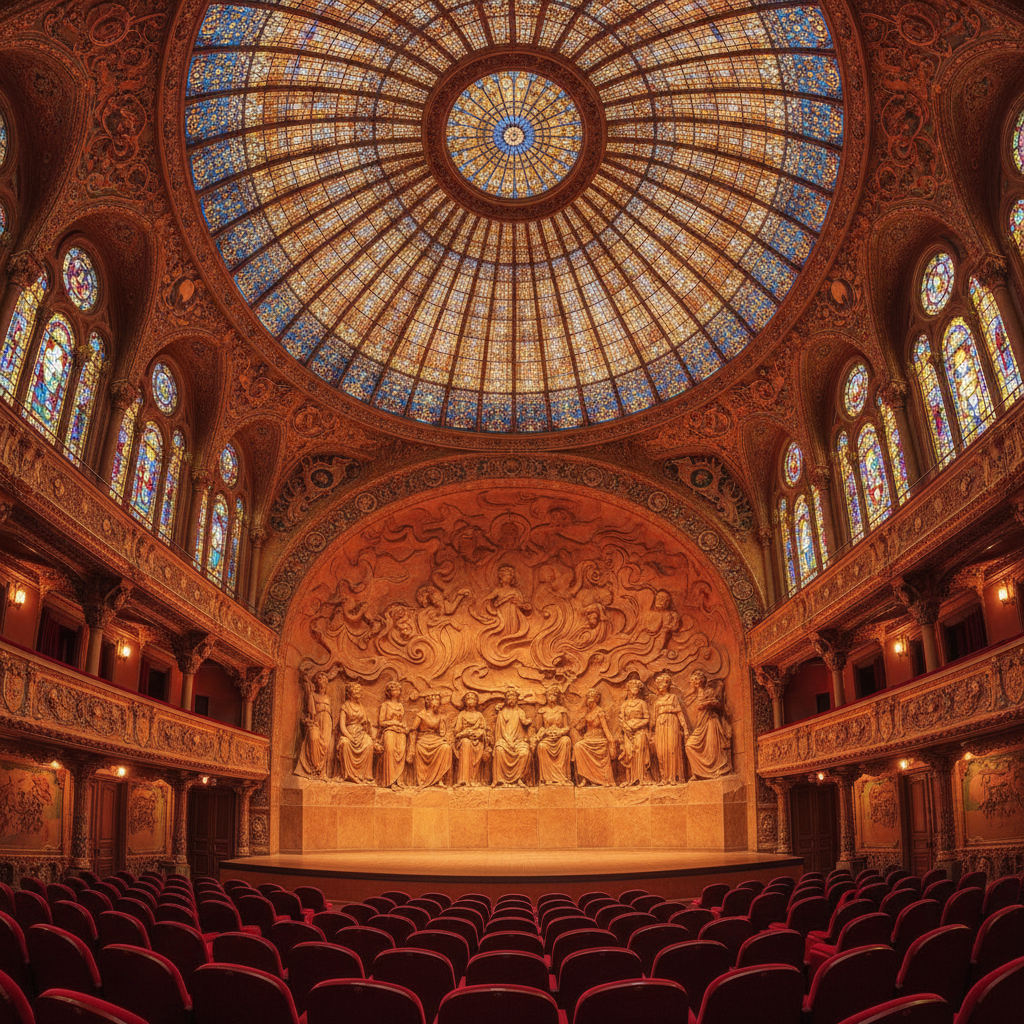
Palau de la Música & Sant Pere: The Greatest Concert Hall in Spain and the City of Iron
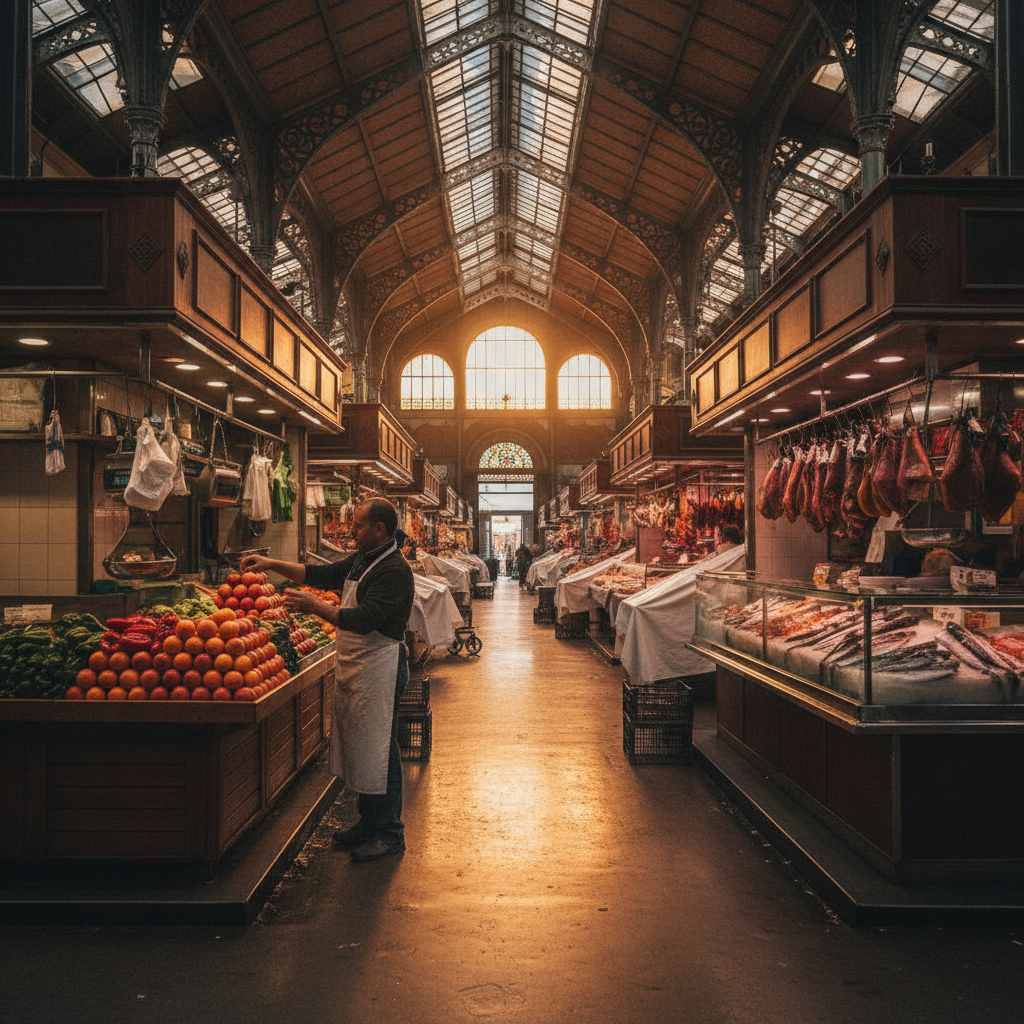
La Rambla, Boqueria & El Raval: The Street, the Market, and the Other Barcelona
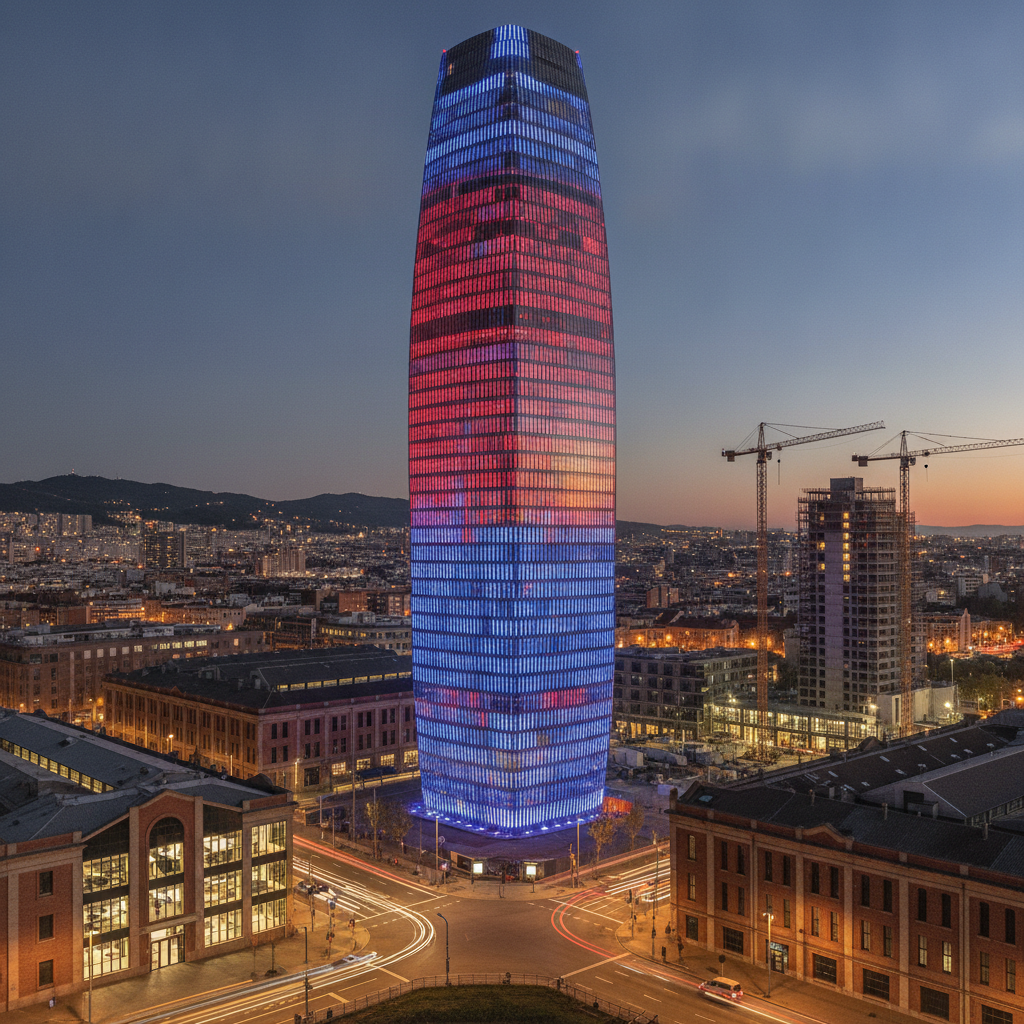
Poblenou, 22@ & the Design Hub: Barcelona's Creative Frontier
Tibidabo, Collserola & Pedralbes: Above the City, Beyond the Grid