Bariloche: Andean Lakes, Chocolate, Skiing, and Patagonian Wilderness
San Carlos de Bariloche, situated on the southern shore of the Nahuel Huapi lake at the foot of the Northern Patagonian Andes, is the most visited destination in Argentine Patagonia and one of the finest mountain resort cities in the southern hemisphere, combining world-class skiing on the Cerro Catedral ski resort with trekking in the Nahuel Huapi national park, navigation on the glacial lake system, and the distinctive Swiss-German influenced architecture and chocolate culture that give the city a European mountain town character unprecedented in South American tourism.
- 1
Bariloche City Center: Alpine Architecture and Chocolate Culture
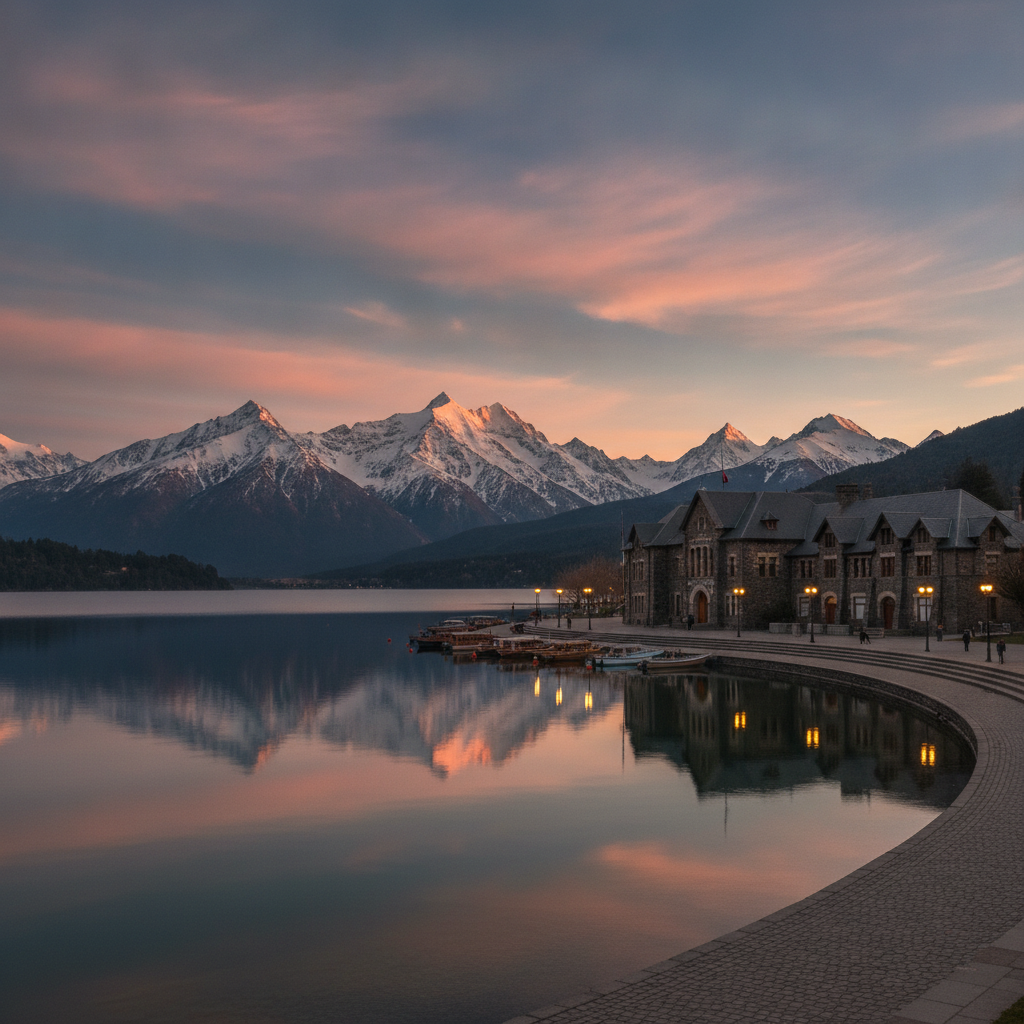
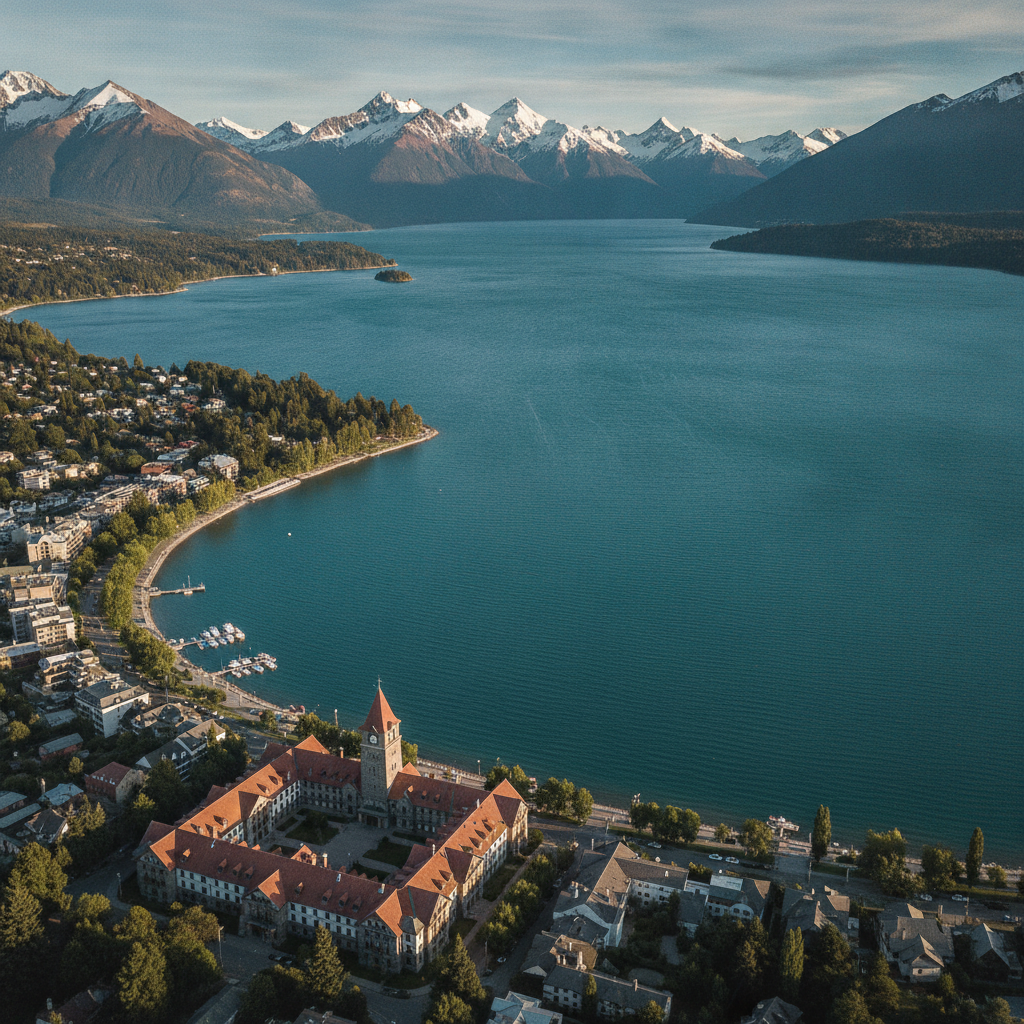
The civic center of Bariloche, designed in the 1940s by Ezequiel Bustillo in a regional alpine style that combines local basalt stone with Swiss chalet influences, is the most architecturally coherent urban space in Argentine Patagonia and functions as the symbolic center of the city's identity as an Argentine Alpine resort. The Cathedral, the Civic Center building, and the surrounding plaza overlook the Nahuel Huapi lake and the snow-capped peaks of the Andes across the water, creating one of the most dramatically sited urban spaces in Argentina. The Avenida Bustillo along the lake shore, lined with hotels, restaurants, and the numerous chocolate shops that make Bariloche the chocolate capital of Argentina, extends west from the civic center for approximately 25 kilometers to the principal ski area. The chocolate tradition of Bariloche was established by the Swiss and German immigrant chocolatiers who arrived in the early 20th century and used local dairy products from the Patagonian farmland to produce chocolate of high quality; the contemporary chocolate shops, of which Mamuschka and Abuela Goye are the most celebrated, produce artisanal chocolate that has become one of the primary edible souvenirs of the Argentine Patagonian experience. The craft beer scene in Bariloche, using locally grown Patagonian hops and the cold, pure water of the Andean snowmelt, has developed into one of the finest regional brewing traditions in Argentina, with several breweries offering taproom experiences in the city and along the Avenida Bustillo.
- 2
Cerro Catedral: World-Class Skiing at the Heart of the Lake District
Cerro Catedral, the largest ski resort in South America with 120 kilometers of marked runs and a summit elevation of 2,405 meters, is named for the cathedral-like spires of granite that rise above the ski area and define the visual character of the resort from both the slopes and the shores of Nahuel Huapi lake below. The resort operates from June to October and attracts approximately 300,000 skier visits per season, making it the most visited ski resort in South America and the premier skiing destination in the southern hemisphere after the large Chilean resorts. The skiing terrain is varied enough to accommodate all levels from absolute beginners on the lower slopes to advanced skiers on the steep off-piste terrain of the Cañadón del Condor and the expert runs of the north face; the ski school at Catedral has trained several generations of Argentine ski instructors and maintains a reputation as the best formal ski instruction available in South America. The Catedral base village has developed into a self-contained resort with accommodation, restaurants, and the services necessary for a full ski holiday without returning to Bariloche city; the more expensive base village accommodation provides ski-in ski-out access that eliminates the daily shuttle bus journey from the city. Summer hiking on the Cerro Catedral trails, using the gondola to gain altitude efficiently before traversing to the connected refugio network of the Nahuel Huapi national park, is the most popular alpine day hiking starting point near Bariloche.
- 3
Nahuel Huapi Lake: Navigation, Kayaking, and the Seven Lakes Route
The Nahuel Huapi lake, 557 square kilometers of glacially carved blue-green water surrounded by forest-covered mountains and the snow-capped peaks of the Northern Patagonian Andes, is the centerpiece of the Nahuel Huapi national park and the primary visual and recreational element of the Bariloche experience. Boat excursions departing from the Puerto San Carlos pier in the city center navigate to the Isla Victoria, the Centro Cívico Natural, and the Arrayanes forest on the Quetrihue Peninsula; the excursion to the arrayán myrtle forest on the peninsula, whose distinctive cinnamon-colored bark trees inspired Walt Disney's design of the Bambi forest, is one of the most photographically distinctive short excursions available in Argentine Patagonia. The Seven Lakes Route, national route 234 connecting Bariloche north to San Martin de los Andes through seven glacial lakes including Nahuel Huapi, Correntoso, Espejo, Hermoso, Meliquina, Filo Hua Hum, and Lacar, is one of the most scenic drives in Argentina and passes through the heart of the Northern Patagonian lake district. Kayaking on the Nahuel Huapi and the smaller lakes in the park provides direct water-level engagement with the lake landscape that is impossible from the excursion boats; multi-day kayak expeditions from island campsite to island campsite are organized by the adventure operators of Bariloche. The Cruce de Lagos, the full-day bus and boat crossing from Bariloche to Puerto Montt in Chilean Lake District, navigates through three glacial lakes and crosses into Chilean territory on a route originally pioneered by Chilean steam services in the early 20th century and still one of the most celebrated lake crossings in South America.
- 4
Trekking in the National Park: Refugios, Glaciers, and High Passes
The Nahuel Huapi national park, Argentina's oldest national park established in 1934, contains a network of mountain refugios and marked trails that allow multi-day trekking through the Northern Patagonian Andes accessible to hikers of all levels from the basic half-day walks near the city to the demanding multi-day circuit treks connecting the refugio system in the high alpine zone. The Refugio Frey, three to four hours walk from the Catedral ski resort base, is the most accessible full-mountain refugio experience from Bariloche, providing accommodation in bunk beds and meals for trekkers at the base of the granite rock climbing area of the Cantera Tonchek; the granite walls above Frey have routes for all levels and are one of the premier rock climbing destinations in Argentine Patagonia. The Cerro Lopez trail, gaining 1,000 meters from the highway above Bariloche to the summit Refugio Meiling, provides the finest panoramic view of the full extent of the Nahuel Huapi lake and the surrounding peaks available from any trail accessible from the city. The multi-day circuit connecting Refugio Frey with the Laguna Jakob, the Paso de los Nubes, and the glaciers of the Tronador area is considered one of the most complete alpine trekking experiences available in Argentina; the five-day circuit requires competent navigation and appropriate mountain equipment but is achievable by fit trekkers without technical mountaineering experience. The Ventisquero Negro and the Tronador volcano area south of Bariloche, where the glacier debris of the black glacier creates a dramatic dark moraine visible against the ice of the upper glacier, is accessible by day excursion from the city.
- 5
German and Swiss Immigration: The European Character of Bariloche
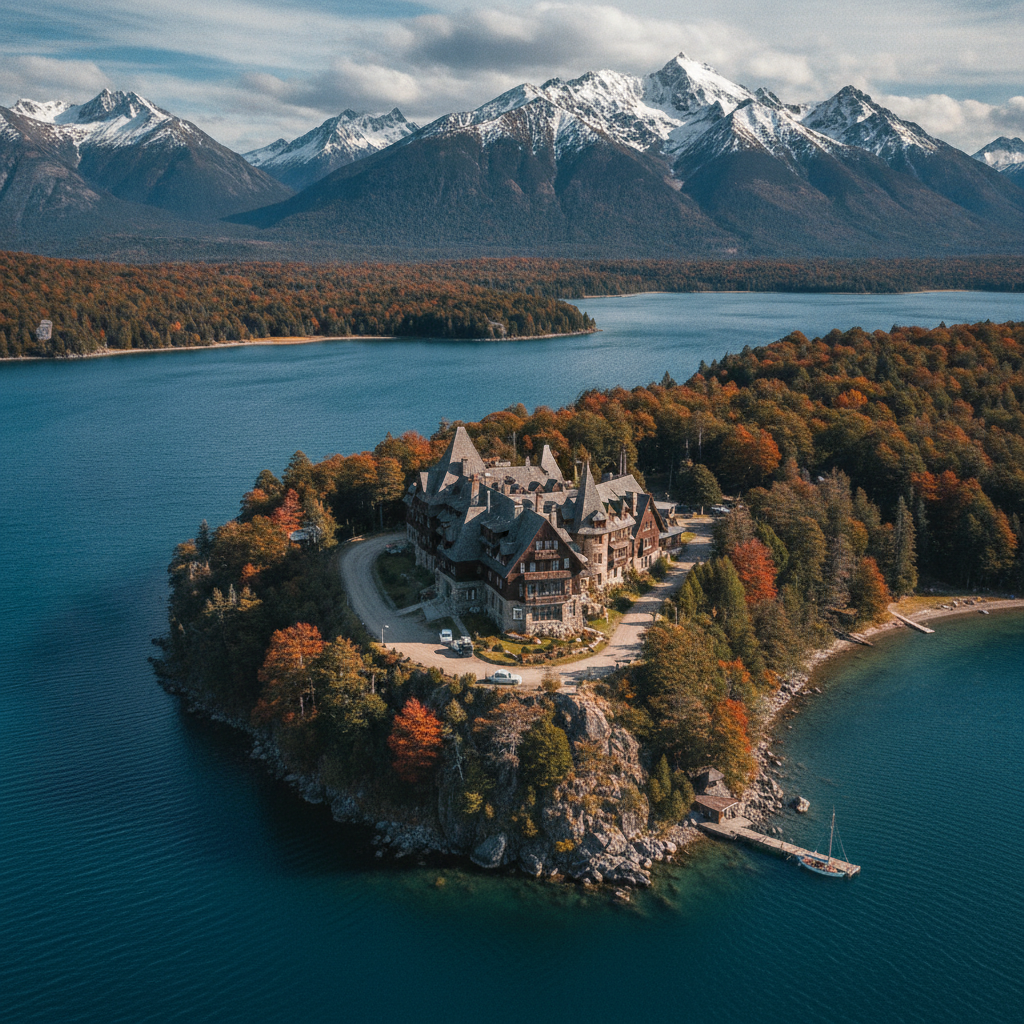
The distinctly European character of Bariloche, more pronounced than in any other Argentine city and reflected in the architecture, food culture, language heritage, and social customs of the community, is the result of deliberate Argentine government colonization policy that encouraged German and Swiss agricultural immigrants to settle the lake district from the late 19th century. The first German settlers arrived in the 1890s and established the farms, dairies, and orchards that supplied the growing settlement with the products of a Central European agricultural tradition applied to the Patagonian climate; the dairy industry of the Bariloche area, using Holstein cattle on the rich pastures of the lake shores, produces the milk that supplies the chocolate and cheese industries that have become the primary edible cultural expressions of the European heritage. The German language community maintained its linguistic heritage through schools, churches, and social clubs for several generations, creating a bilingual community that has largely shifted to Spanish in the contemporary period but preserves German surnames, place names, and architectural references throughout the city and its surroundings. The founding families of the Bariloche chocolate industry, including the Rapa, Braun, and other German-origin families, established the production tradition that has been maintained and expanded by subsequent generations of chocolatiers trained in the European tradition. The Llao Llao hotel, designed by the architect Alejandro Bustillo in 1938 and considered one of the finest examples of Argentine alpine resort architecture, exemplifies the synthesis of European mountain resort aesthetic with the Patagonian landscape that defines the Bariloche built environment.
- 6
Cerro Tronador and the Border Area: Glacier Lakes and the Chilean Connection
The Cerro Tronador, the extinct volcano at 3,478 meters that marks the Argentine-Chilean border southwest of Bariloche, is the highest peak in the Northern Patagonian lake district and the source of the rivers and glacial lakes that define the hydrology of the area. The approach road to the Tronador from Bariloche passes through the Mascardi lake area, the Los Rápidos area of the Manso River gorge, and the Pampa Linda base camp from which hiking and glacier viewpoint excursions are organized; the full-day excursion from Bariloche is one of the most rewarding day trips in Patagonia, combining lake and river scenery with the dramatic approach to the glacier-hung flanks of the volcano. The Ventisquero Negro, a black glacier on the northern flank of the Tronador whose surface is covered with volcanic ash and rock debris that give it the distinctive dark coloring of its name, is the primary visitor attraction of the Pampa Linda area and provides a close approach to an active glacier without technical equipment. The southern Patagonian ice fields, whose northern extent is visible from the higher peaks around Bariloche in clear conditions, represent the largest temperate ice mass in the world outside Antarctica and their documented retreat due to climate warming is one of the most visible manifestations of climate change in the southern hemisphere. The border crossing to Chile through the Cardenal Samore pass north of Bariloche connects the Argentine lake district to the Chilean Lago Puyehue area, a volcanic landscape of recent eruption history that adds geological drama to the cross-border exploration of the Patagonian lake system.
Walk this route with audio
Stories play automatically as you reach each stop — no tapping needed.
More in Bariloche
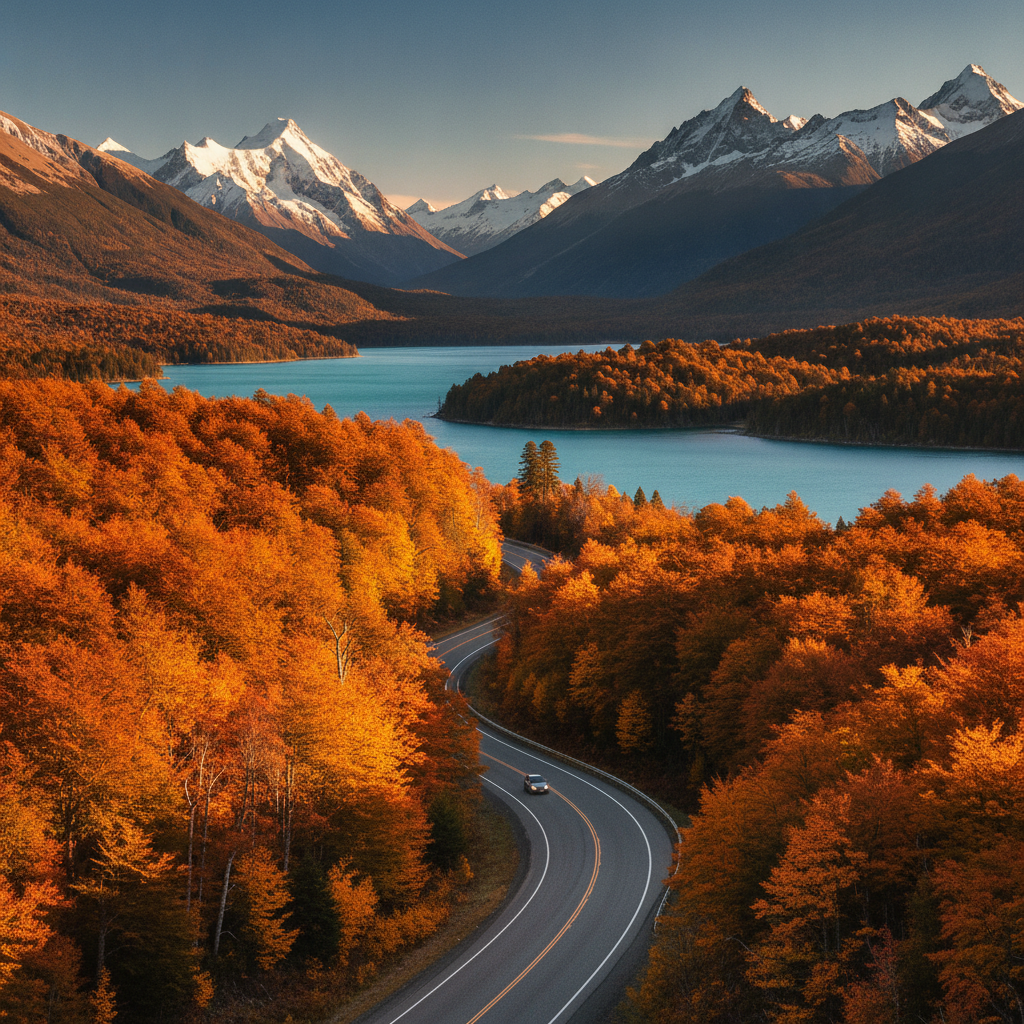
Bariloche Day Trips: Seven Lakes Route, Villa La Angostura, and El Bolson
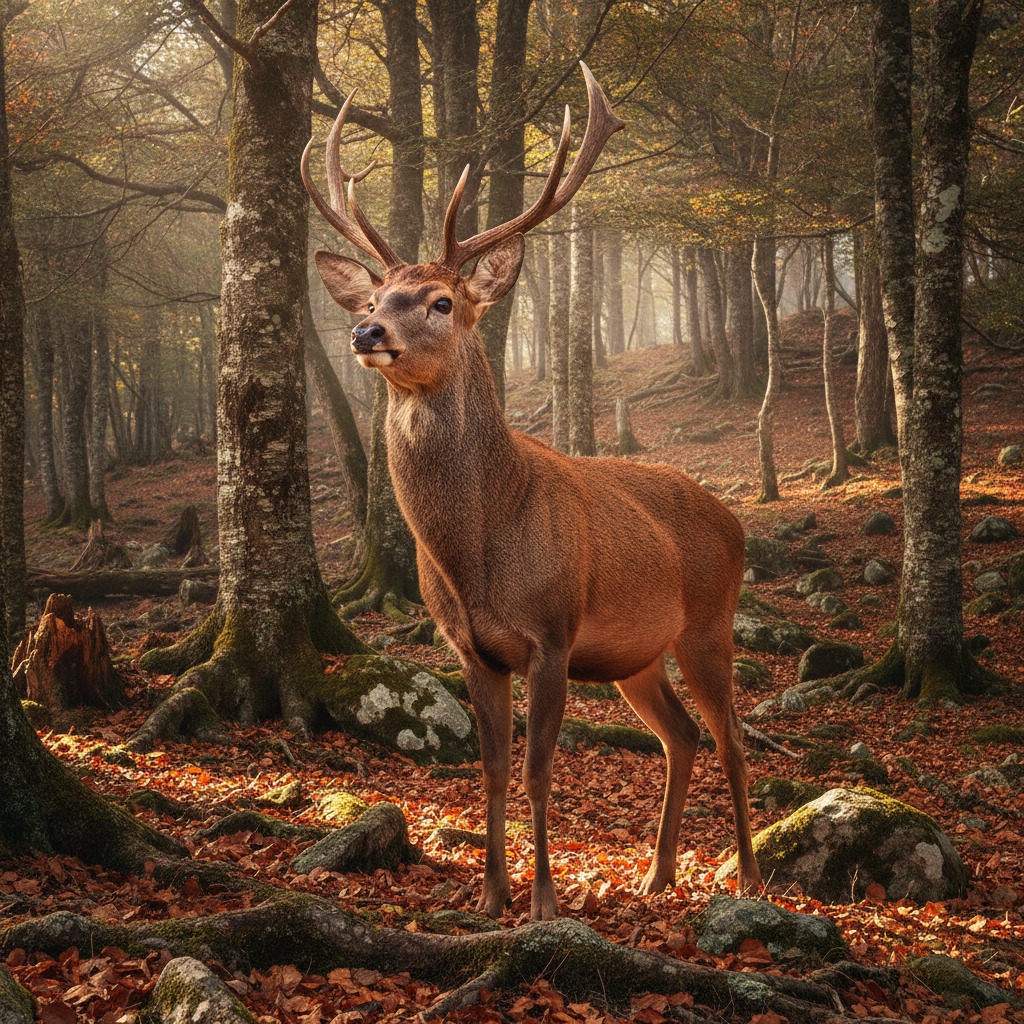
Bariloche Wildlife: Pumas, Huemul Deer, and Lake District Birds
Bariloche Practical Guide: Getting There, Seasons, Accommodation, and the Patagonia Circuit
Bariloche Adventures: Rock Climbing, Multi-Day Trekking, Mountain Biking, and Lake Kayaking
Bariloche History: Mapuche Territory, German Settlers, and the Nazi Controversy