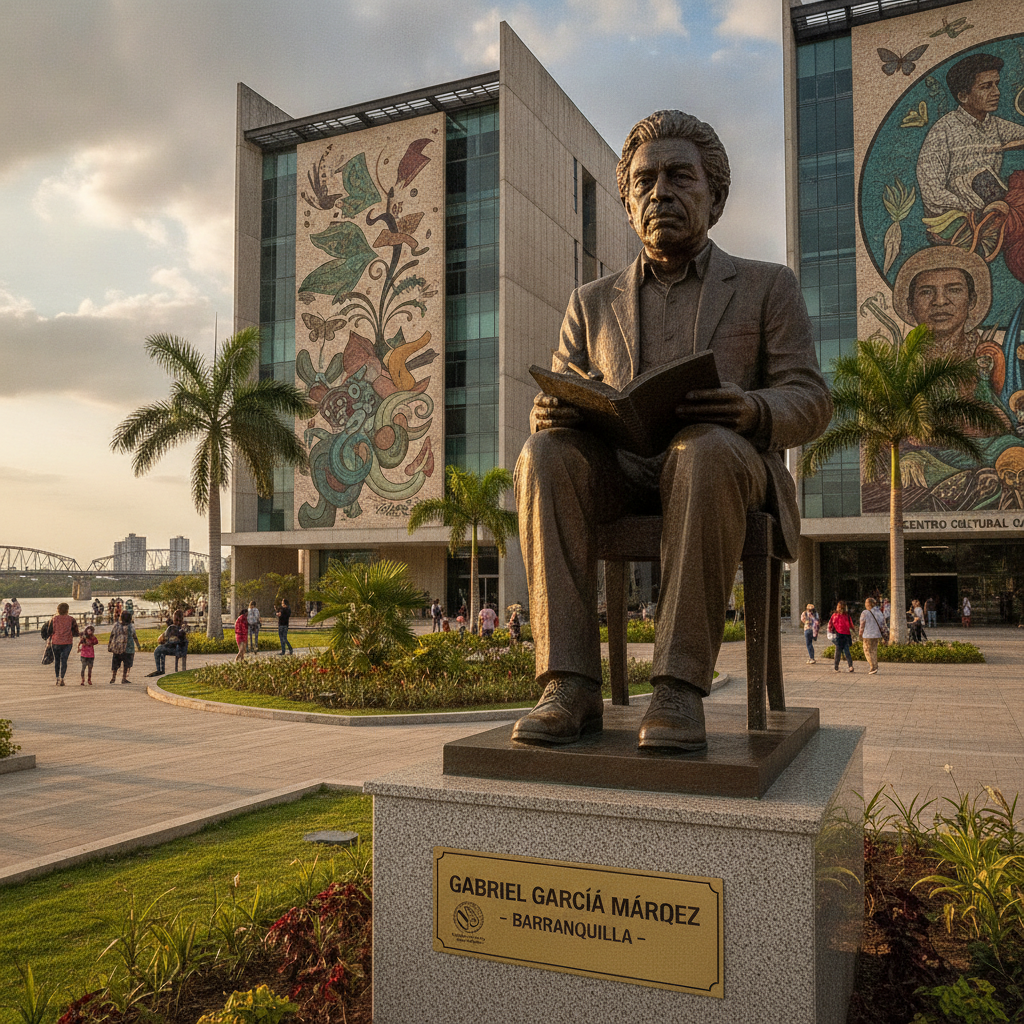
Barranquilla and Gabo: The Caribbean That Made Magical Realism
Gabriel García Márquez — Nobel laureate, creator of magical realism, the world's most-read author in Spanish — was shaped by Barranquilla; his literary group (the Barranquilla Group) and his Caribbean coast experience created One Hundred Years of Solitude
- 1
The Barranquilla Group
In the 1940s and 1950s, García Márquez was part of the Barranquilla group—a circle of writers, artists, and intellectuals in the city who introduced him to Faulkner, Kafka, and Woolf; the group's influence was crucial in shaping his literary method
- 2
El Heraldo Newspaper
García Márquez worked as a journalist at El Heraldo in Barranquilla from 1948 — writing his "La Jirafa" column under a pseudonym; the journalistic discipline, the Caribbean stories he collected and the cultural life of the city feed directly into his fiction
- 3
Casa del Carnaval Museum
Casa del Carnaval - Barranquilla's Carnival Museum - documents the history and cultural traditions of Carnival with costumes, photographs and artifacts; it is one of the best presented cultural museums on the Colombian Caribbean coast
- 4
Aracataca: Macondo
García Márquez's birthplace - Aracataca, 80 km from Barranquilla - is the real town behind the fictional Macondo of Hundred Years of Solitude; the city has preserved the García Márquez house and the banana plantation railway featured in the novel
- 5
Caribbean Magical Realism
Colombia's Caribbean coast—with its heat, its oral tradition, its African and indigenous cosmology, and its plantation history—is the cultural foundation of magical realism; the fiction of García Márquez is meaningless without the worldview of the Caribbean coast
- 6
García Márquez Legacy
García Márquez died in 2014 — his ashes were returned to Cartagena and later to Bogotá; his legacy in Barranquilla is maintained through the literary tradition of Carnival, the journalism school at the Universidad del Norte and the city's pride in having shaped his imagination
Walk this route with audio
Stories play automatically as you reach each stop — no tapping needed.
More in Barranquilla
Barranquilla's Costeño Table: Caribbean Flavours of Colombia
Barranquilla's Cumbia: The Dance That Crossed the World
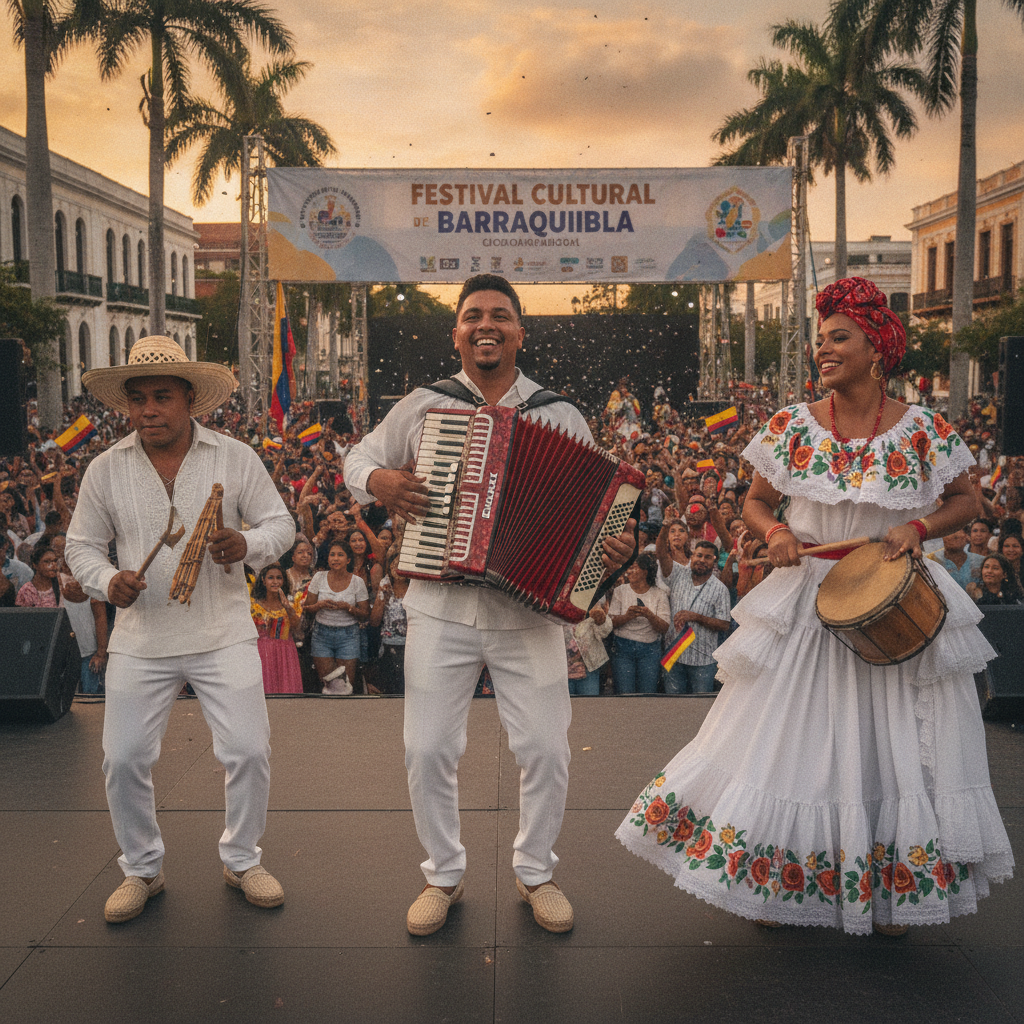
Barranquilla and Vallenato: Colombia's Musical Soul
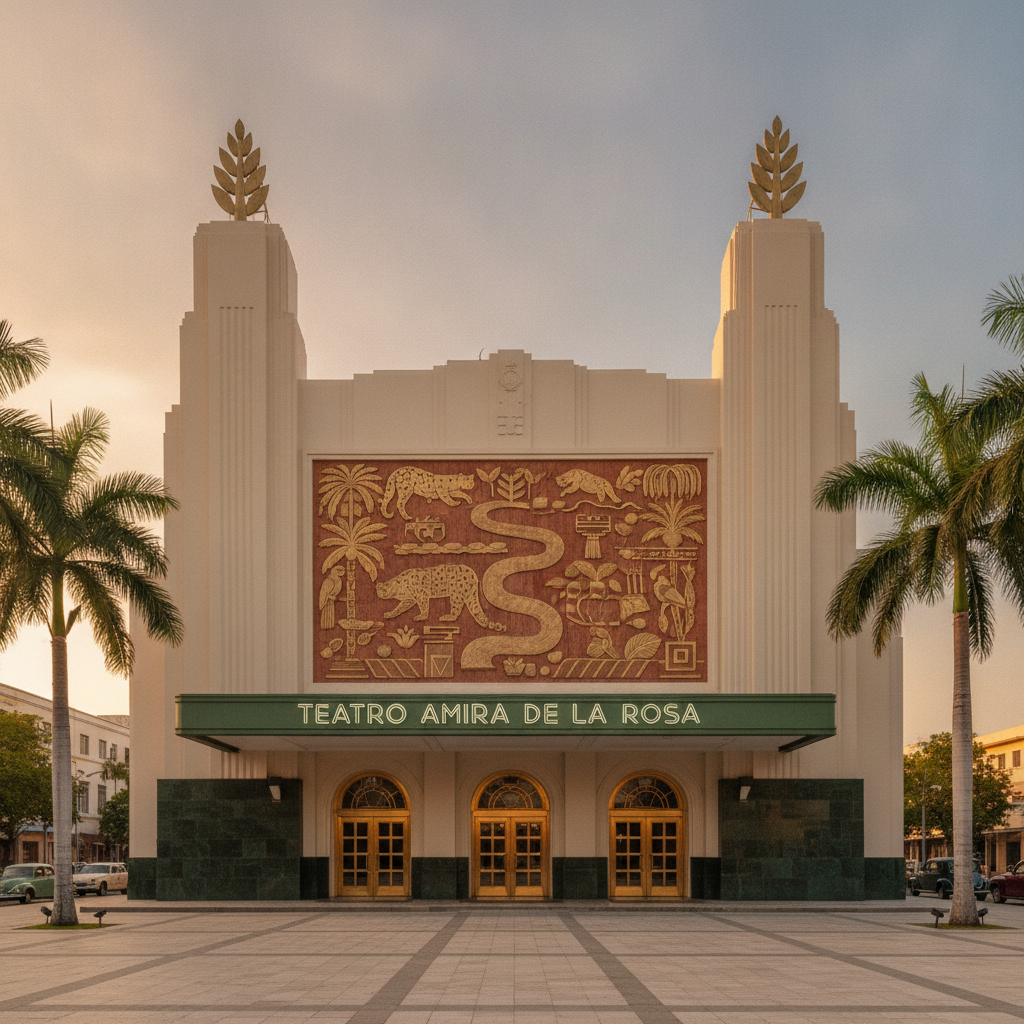
Barranquilla Architecture: From Republican to Modern