The Great Wall — Mutianyu, Badaling & Jinshanling
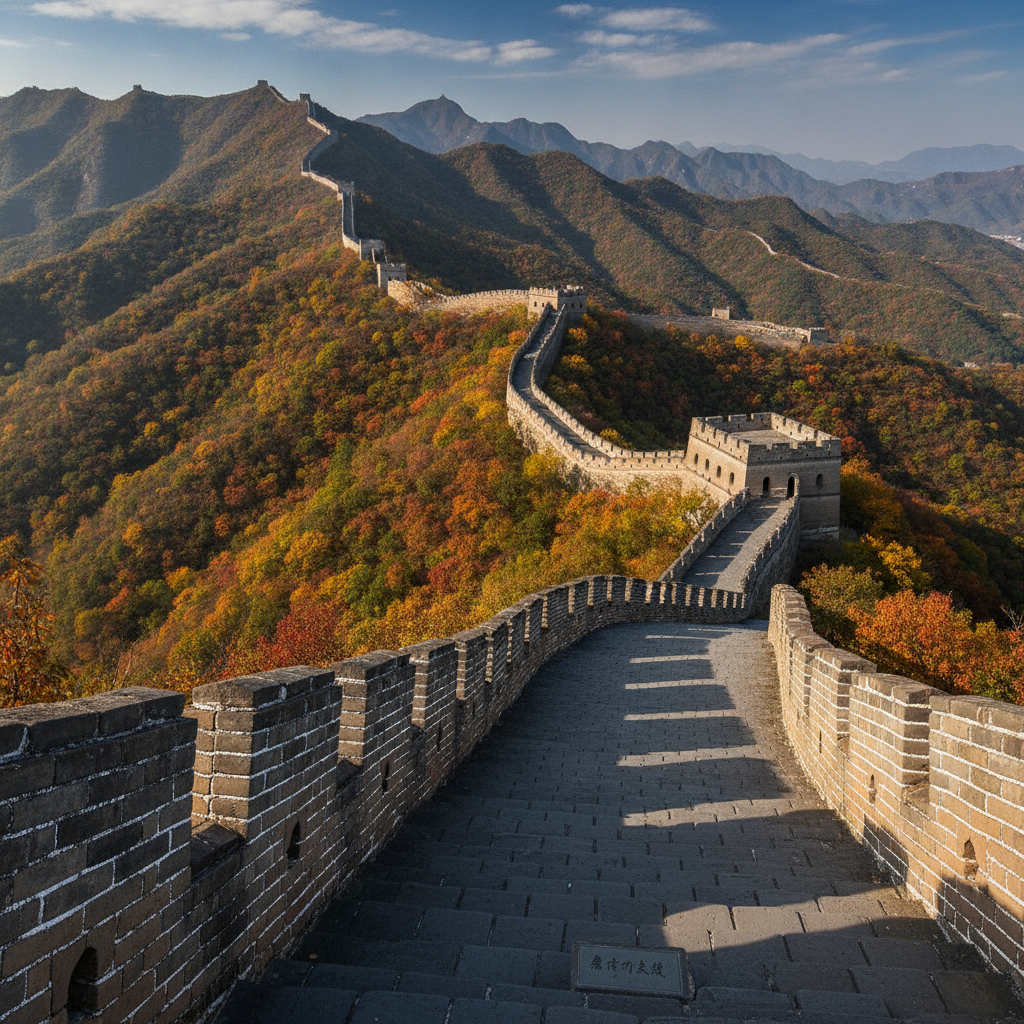
The Great Wall of China (万里长城 — Wànlǐ Chángchéng — 'Ten Thousand Li Long Wall' — the series of fortification walls built across northern China over more than 2,000 years (from the 7th century BCE through the Ming dynasty (1368-1644)) to protect the Chinese states and empires against nomadic incursions from the north — UNESCO World Heritage since 1987, one of the Seven Wonders of the Medieval World): the most accessible and most visited sections of the Great Wall are within 70-100 km of Beijing.
- 1
Mutianyu — The Most Scenic Wall Near Beijing
Mutianyu Great Wall (慕田峪长城 — 70 km northeast of Beijing in the Huairou district, accessible by bus or organized tour from Beijing in approximately 1.5-2 hours): the Mutianyu section (a 2.25 km restored section of the Ming dynasty wall, with 22 watchtowers — the highest density of watchtowers on any major tourist section of the wall) is considered the finest combination of authentic restored wall, scenic mountain setting, and manageable crowd levels of any Great Wall section near Beijing; the Mutianyu wall (originally built in the Northern Qi dynasty (550-577 CE) and substantially rebuilt by the Ming dynasty General Xu Da in 1368-1389 (the same general who rebuilt the Badaling section)) features the unusual characteristic of being defended from both sides (with battlements (crenellations) on both the north (external, towards Mongolia) and south (internal) faces of the wall — the only major wall section with this design, suggesting it was used to control not only external threats but also internal movement); the cable car (索道 — the gondola cable car from the lower parking area to the wall) and the toboggan slide (the grooved metal track slide from the wall down to the lower station — the most popular descent method, particularly for families) are the primary access options.
- 2
Badaling — The Most Visited Section in the World
Badaling Great Wall (八达岭长城 — 70 km northwest of Beijing via the G6 Beijing-Lhasa Expressway or the S2 Yanqing commuter train — the most visited section of the Great Wall in China (approximately 10 million visitors per year) and almost certainly the most visited single tourist site in China): Badaling (the name means 'reaching in eight directions', a reference to the strategic importance of this mountain pass) was the first section of the Great Wall to be opened to tourists (opened 1957) and is the section visited by most state visitors to China (the list of heads of state who have visited Badaling includes President Nixon (1972), President Reagan (1984), Queen Elizabeth II (1986), and essentially every subsequent major world leader); the wall at Badaling (the most heavily restored section of the Ming wall, entirely rebuilt in the 1950s-60s and subsequently upgraded) is the most architecturally impressive but the most crowded and the least authentic in atmosphere; the National Great Wall Museum (中国长城博物馆 — at the Badaling car park, with exhibits on the engineering and history of the wall) is the finest Great Wall museum in China.
- 3
Jinshanling — The Hiker's Great Wall
Jinshanling Great Wall (金山岭长城 — 130 km northeast of Beijing in the Luanping County of Hebei Province, accessible by organized tour or by bus from Beijing in approximately 2.5-3 hours): the Jinshanling section (a 10.5 km stretch of partially restored and partially wild (unrenovated) Ming dynasty wall, with 67 towers) is the preferred destination for hikers, photographers, and those seeking a less crowded and more authentic Great Wall experience; the famous Jinshanling to Simatai hike (the 10 km hike between the two adjacent sections (Jinshanling is fully open; Simatai was partially restricted and is now being reopened in sections), along the ridge-top wall through forests and past crumbling towers, taking approximately 4-5 hours) is one of the great hikes in China; the sunrise and sunset photography at Jinshanling (the wall at dawn with mist in the valleys below, or the golden light on the walls at sunset, with no other visitors visible — the most dramatic Great Wall photography conditions accessible from Beijing) makes it the destination of choice for serious photographers; the Jinshanling wall preserves unique architectural features not seen at the more visited sections: the 'Hollow Watchtowers' (空心楼台) and the 'Generals' Watchtower'.
- 4
The History & Engineering of the Great Wall
The Great Wall of China (the collective term for the various walls and fortifications built across northern China from approximately 700 BCE through 1644 CE, totalling approximately 21,196 km of all walls combined according to a 2012 survey by the State Administration of Cultural Heritage): the most historically and architecturally significant wall is the Ming dynasty wall (1368-1644), the 8,851 km section that constitutes the most recognizable form of the Great Wall, characterized by the stone and brick construction (replacing the earlier rammed earth (夯土 — hāngtǔ) construction of the earlier dynasties), the rectangular brick watchtowers (the standard Ming watchtower, approximately 12 × 12 metres in plan, rising 10-15 metres above the wall walk, spaced approximately 100-200 metres apart on the Beijing-area sections), and the sophisticated logistics system (the supply of ammunition, food, and communications along the wall supported by the watchtower garrison system); the wall is estimated to have required the labour of 400,000-500,000 workers, soldiers, and convicts during the peak Ming construction period (the Jiajing Emperor era (1522-1566) and the Wanli Emperor era (1572-1620)), with many workers dying during construction and buried within the wall itself.
- 5
Wild (Unrenovated) Great Wall — Huanghuacheng & Gubeikou
Wild Great Wall sections near Beijing (the unrenovated sections of the Ming dynasty wall that have not been formally opened as tourist sites, in various states of ruin from partially intact to completely collapsed): the two most visited 'wild' wall sections accessible from Beijing are: Huanghuacheng Great Wall (黄花城水长城 — 'Yellow Flower City Water Great Wall' — 65 km north of Beijing in the Huairou district, where the wall runs over a reservoir (the Huanghuacheng Reservoir, built in the 1950s-60s), partially submerged at the water crossing points — the only section of the Great Wall that crosses a body of water, creating a unique landscape of wall towers rising from the reservoir surface), and Gubeikou Great Wall (古北口长城 — 130 km northeast of Beijing in the Miyun district, adjacent to the 'Water Great Wall' of Simatai): Gubeikou preserves some of the most atmospheric surviving ruins of the Ming wall, with sections of collapsed brick wall, crumbling watchtowers, and the surviving gate of the Gubeikou Pass (the strategically critical mountain pass through which the main road between Beijing and Chengde (the Qing dynasty summer capital) ran — the most fought-over section of the Great Wall, the site of multiple battles from the Song dynasty through the Qing).
- 6
Temple of Heaven & Beijing's Imperial Altars
Temple of Heaven (天坛 — Tiāntán — the complex of religious buildings in the Chongwen district of southern Beijing where the Ming and Qing emperors performed the annual ceremonies of Heaven worship — UNESCO World Heritage since 1998): the Temple of Heaven complex (the largest surviving imperial sacrificial altar complex in China, covering 273 hectares) is architecturally distinguished by the Hall of Prayer for Good Harvests (祈年殿 — Qínián Diàn — the triple-eaved circular wooden hall on a three-tiered marble platform, with the characteristic blue-tile roof representing Heaven, the most photographed structure in Beijing other than the Forbidden City and the Great Wall); the ceremony of Heaven worship (the annual winter solstice ceremony at which the Emperor of China (the 'Son of Heaven' — 天子 — Tiānzǐ) sacrificed a young bull at the Circular Mound Altar (圜丘坛 — the three-tiered marble circular altar south of the Hall of Prayer for Good Harvests) to pray for a good harvest in the coming year — the most important annual ritual of the Chinese imperial system, in which the emperor mediated between Heaven (天 — Tiān) and the Chinese people on behalf of the entire civilization) was performed continuously from 1420 to 1914.
Walk this route with audio
Stories play automatically as you reach each stop — no tapping needed.
More in beijing
Hutong & Siheyuan — Old Beijing's Courtyard City
798 Art District & Contemporary Beijing — China's Creative Revolution
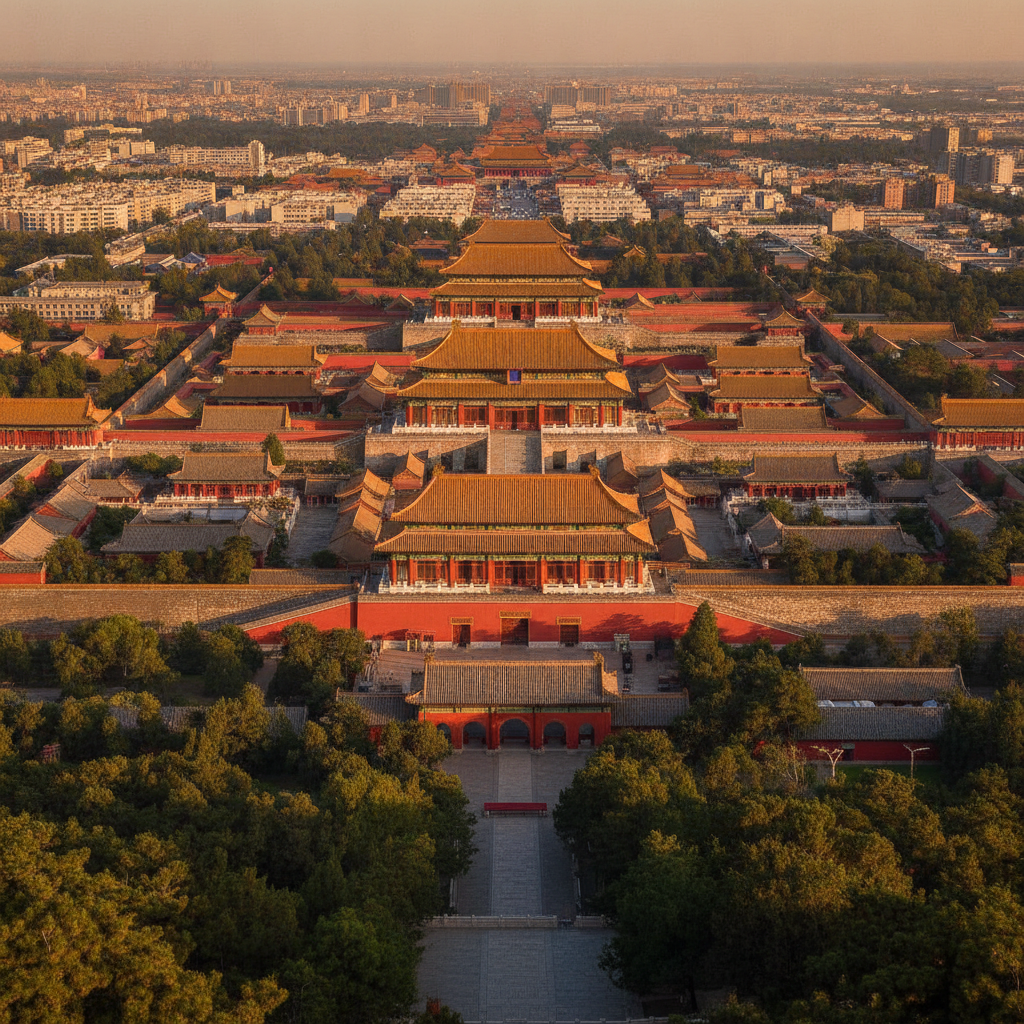
Forbidden City, Tiananmen & the Imperial Heart of Beijing
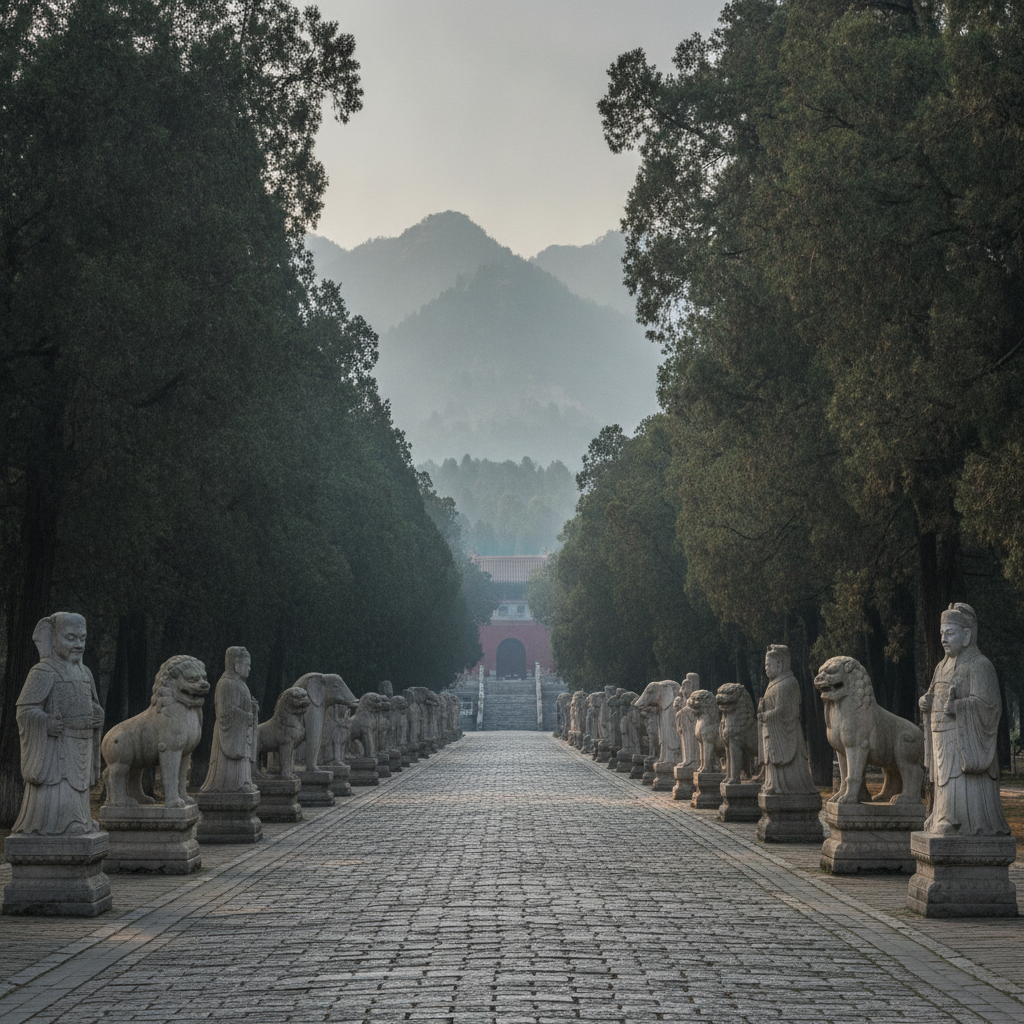
Ming Tombs & the Sacred Way — Beijing's Imperial Necropolis
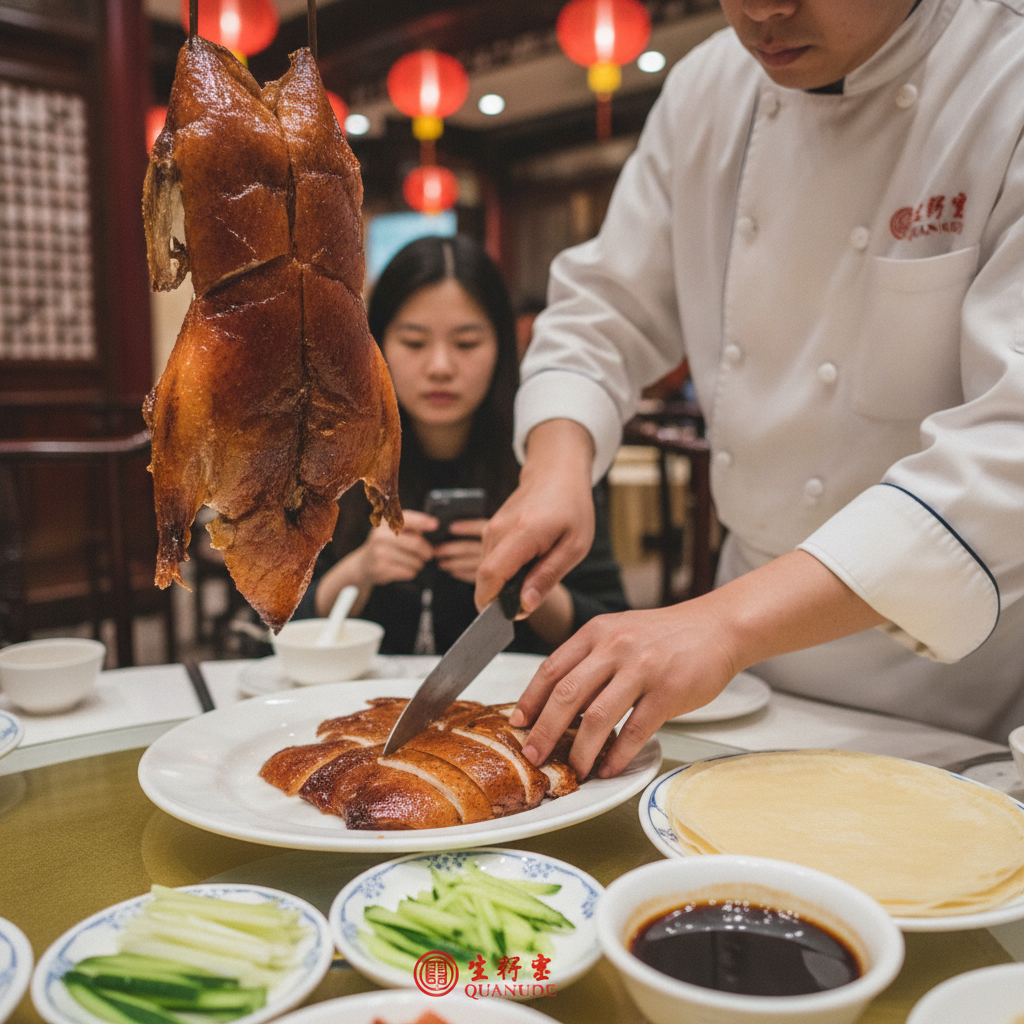
Peking Duck, Jiaozi & the Imperial Gastronomy of Beijing