Ancient Sofala: Arab Trade Routes & the Indian Ocean Heritage
The Sofala coast south of Beira was one of the Indian Ocean's great medieval trading ports — Arab gold traders, Portuguese conquistadors, and Swahili merchants all left traces on this coastline
- 1
Ancient Sofala Settlement Site
The site of Sofala - one of the oldest cities in sub-Saharan Africa, a gold trading port documented by Arab geographers as early as the 9th century - now marked only by foundations
- 2
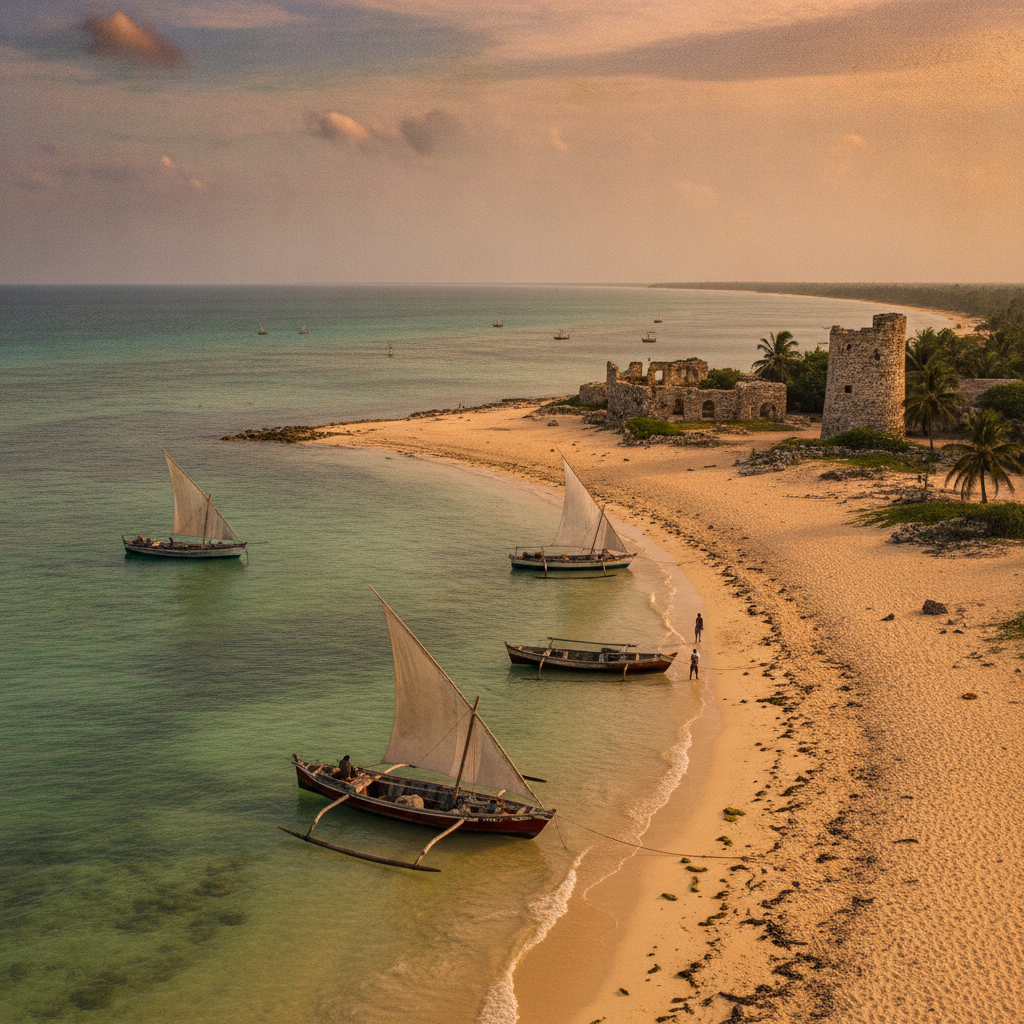
Swahili Coast Heritage
The Swahili trading culture stretched from Mombasa to Sofala - the Arab-influenced architecture, Islamic tombs and trade goods tell the story of the Indian Ocean world
- 3
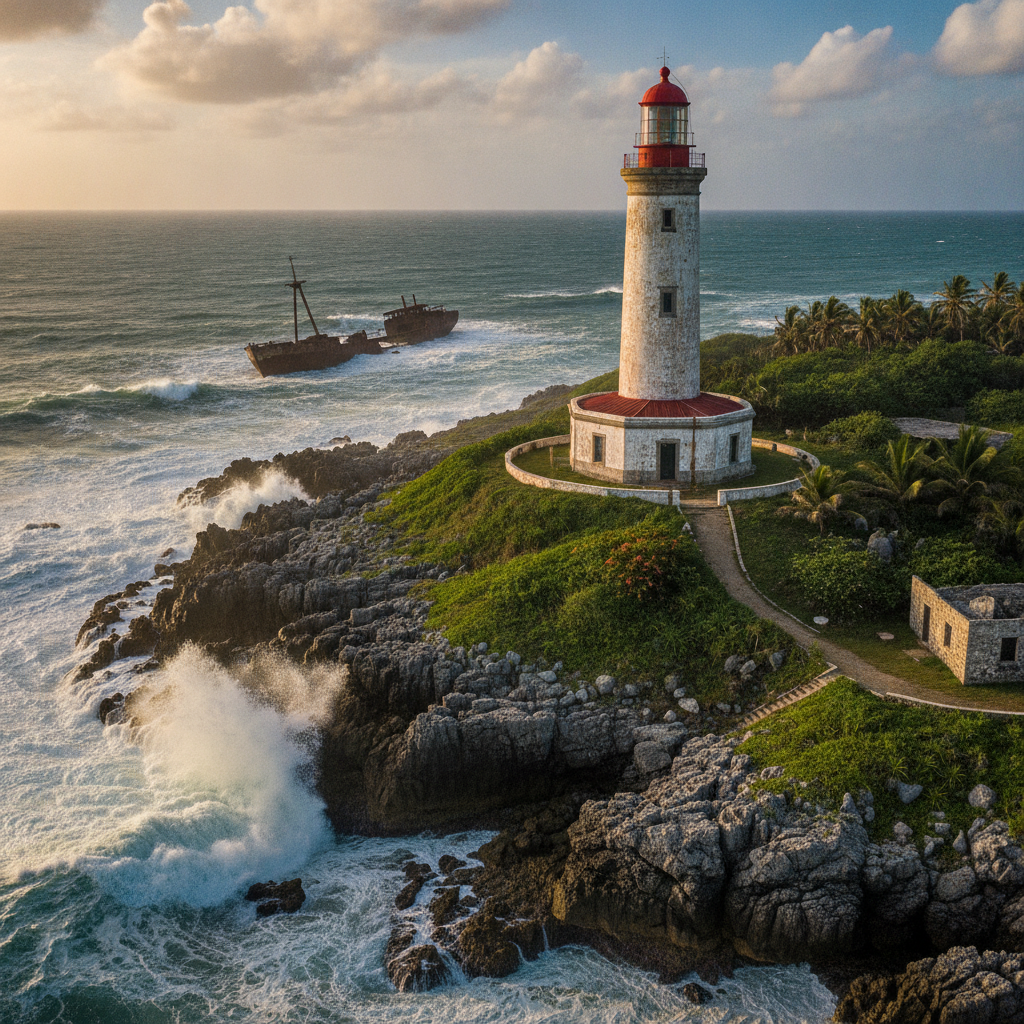
Portuguese Fort Ruins
The Portuguese built a fort at Sofala in 1505 - just 13 years after reaching India - to control the gold trade from the Zimbabwean plateau; the ruins are partially excavated
- 4
Buzi River Estuary Mangroves
The Buzi River south of Beira flows through vast mangrove forests — a pirogue into the delta reveals fishing villages unchanged for generations
- 5
Dhow fishing village
Traditional Arab-influenced dhows still fish the Sofala Bank — one of the most productive fishing grounds in the western Indian Ocean, rich in shrimp and reef fish
- 6
Sofala Province Empty Beaches
The coast south of Beira has some of the most undeveloped beaches in Africa — no development, no tourists and warm waters of the Indian Ocean for a hundred kilometers
Walk this route with audio
Stories play automatically as you reach each stop — no tapping needed.
More in Beira
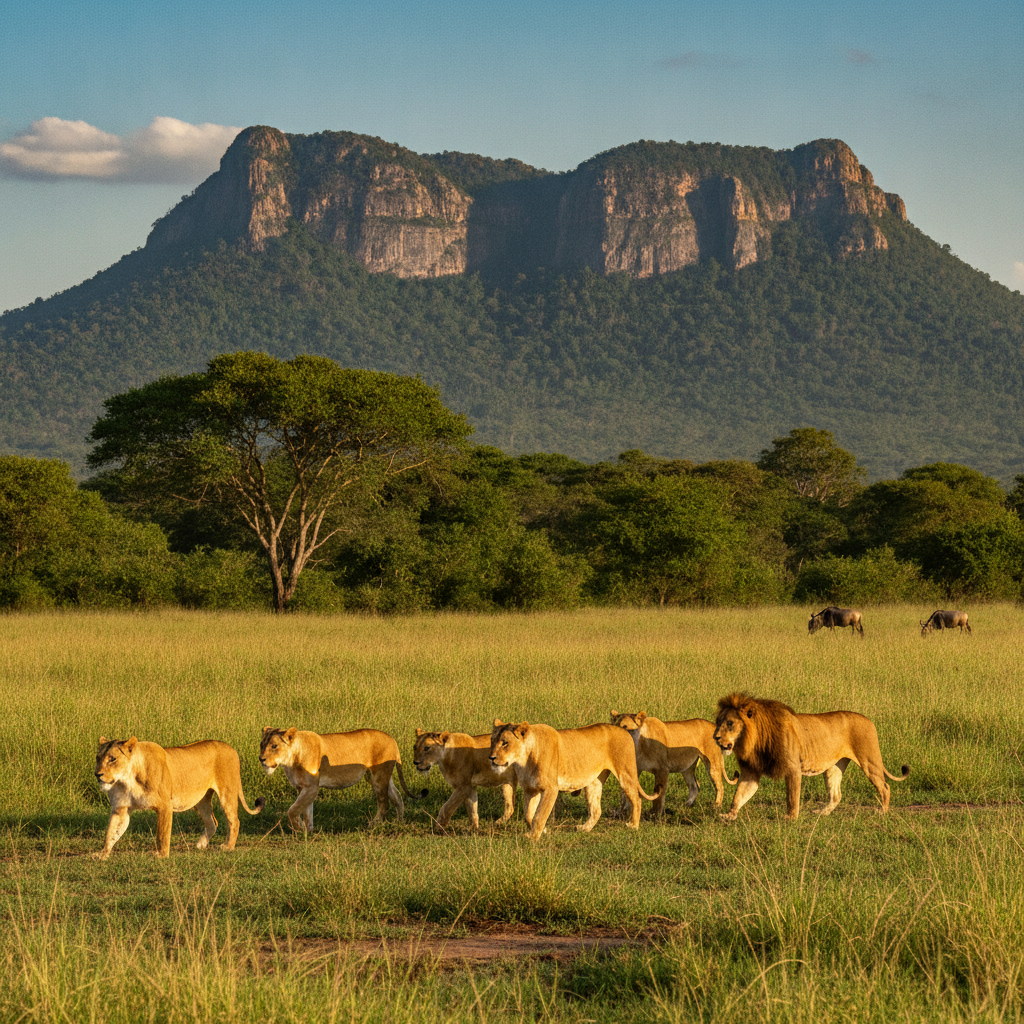
Gorongosa National Park: Africa's Greatest Conservation Story
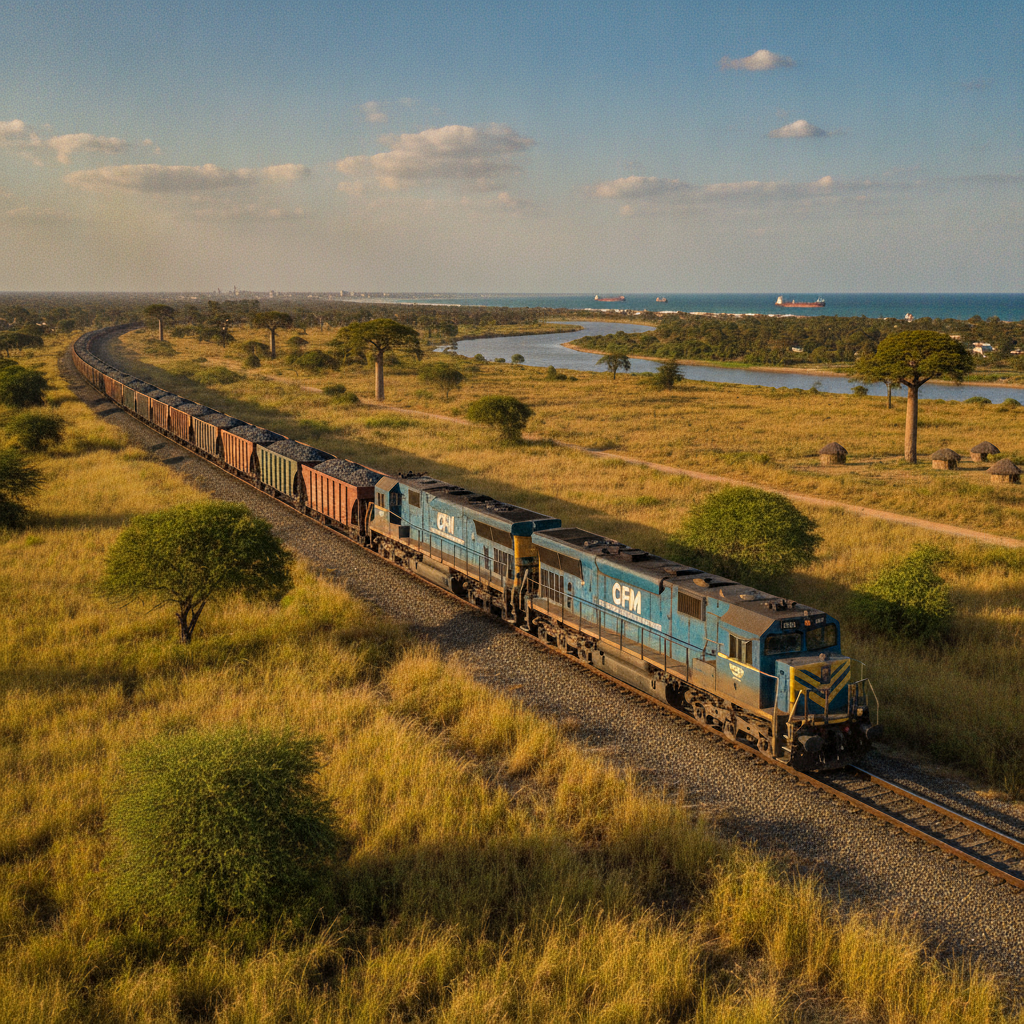
Beira Corridor: Landlocked Africa's Gateway to the Indian Ocean
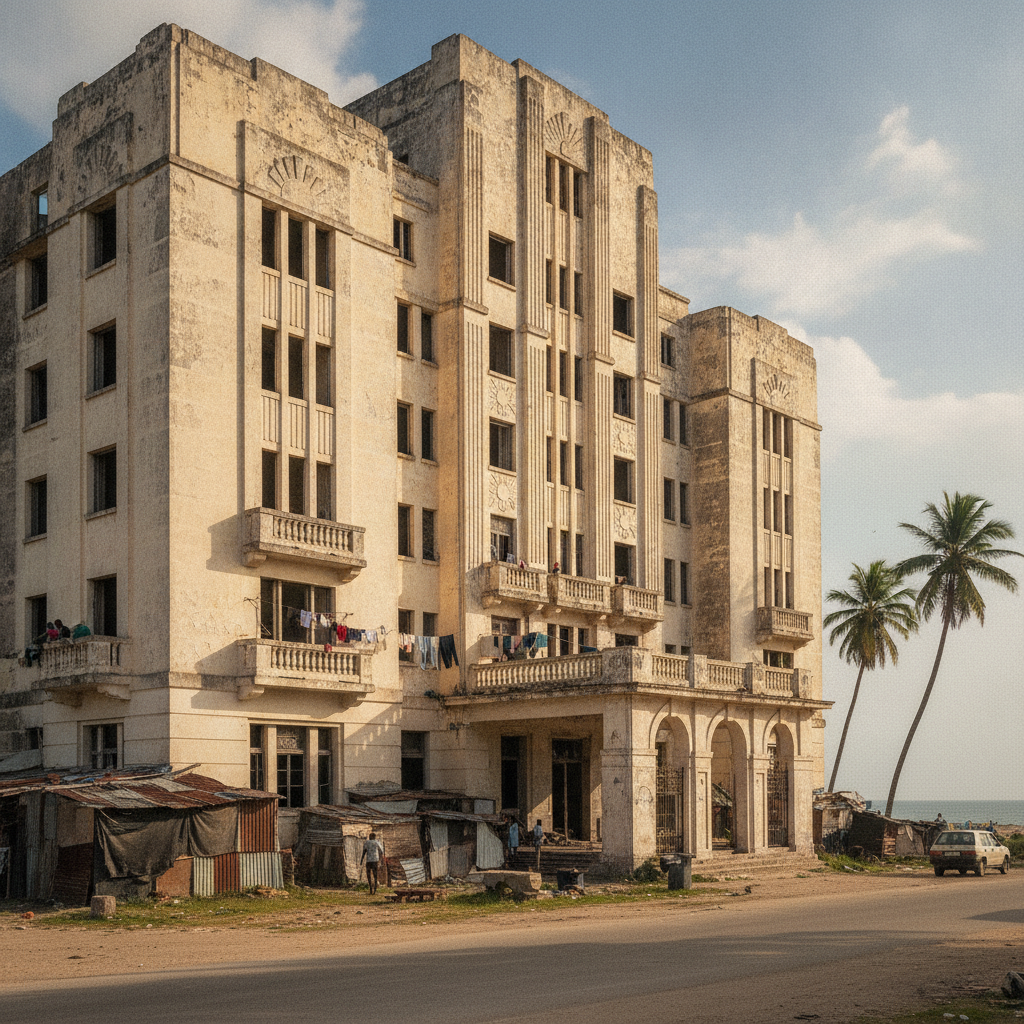
Grande Hotel & Beira's Crumbling Colonial Grandeur
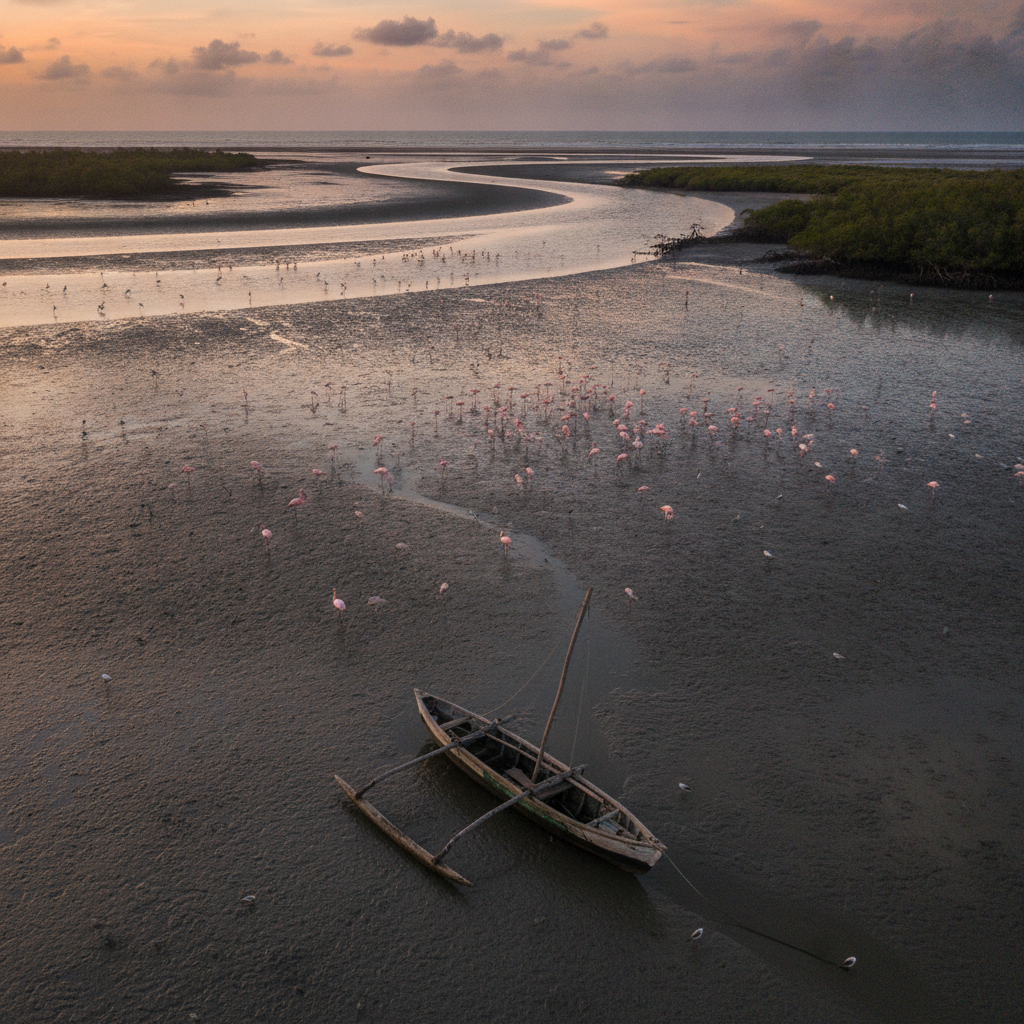
Pungwe Delta: Flamingoes, Mangroves & Beira's Wild Estuary
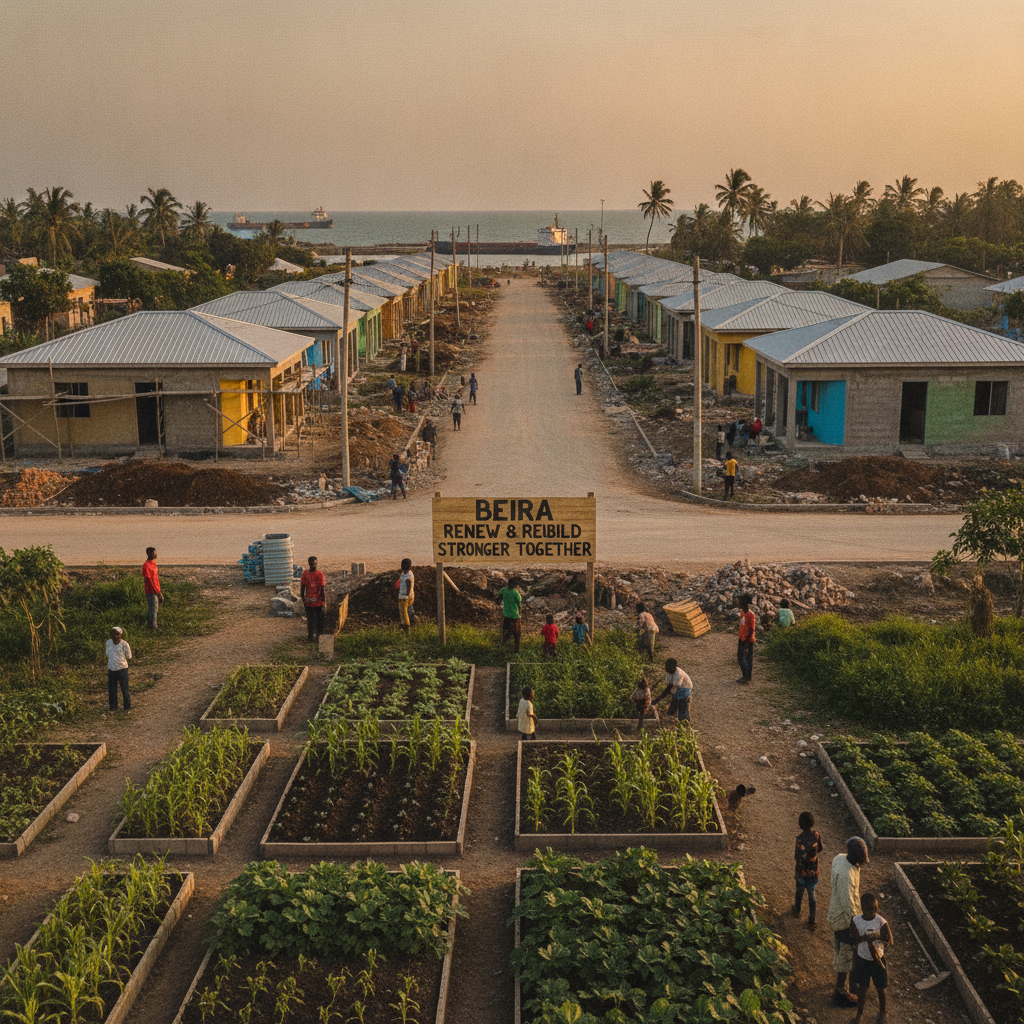
Beira After Cyclone Idai: Resilience, Rebuilding & Community